

This is not a policy dispute happening in the abstract. BMW Manufacturing CEO Robert Engelhorn has made the company’s position clear. According to Automotive News, Engelhorn said BMW’s export-oriented business model puts it in close contact with the federal government, and that the company is seeking free trade and lower tariffs. As of November 2026, no agreement had been reached. These remain ongoing discussions.
One Plant Can’t Cover Everything
Spartanburg is a genuine manufacturing operation — but it doesn’t build the models taking the hardest hit at the border.
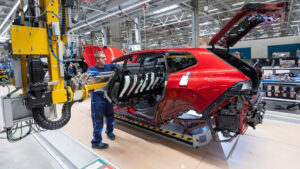
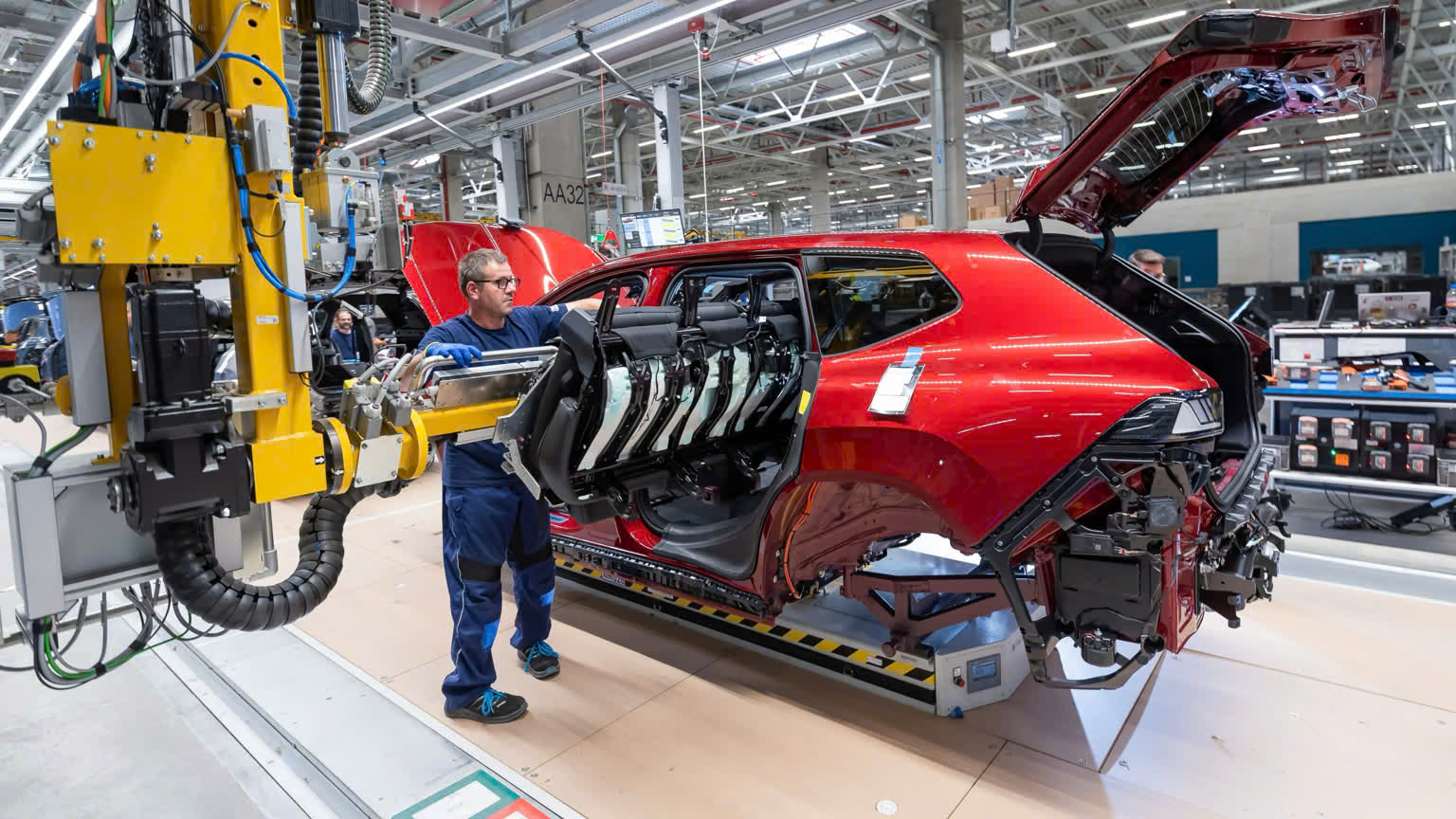
BMW’s South Carolina footprint is substantial. Plant Spartanburg produces more than 400,000 vehicles annually and exports to roughly 120 countries, according to Automotive News. The company has committed $1 billion toward EV manufacturing preparations there and $700 million for a high-voltage battery assembly facility in nearby Woodruff. Plans call for at least six fully electric models built in the U.S. by 2030, per BMW Group’s official announcement.
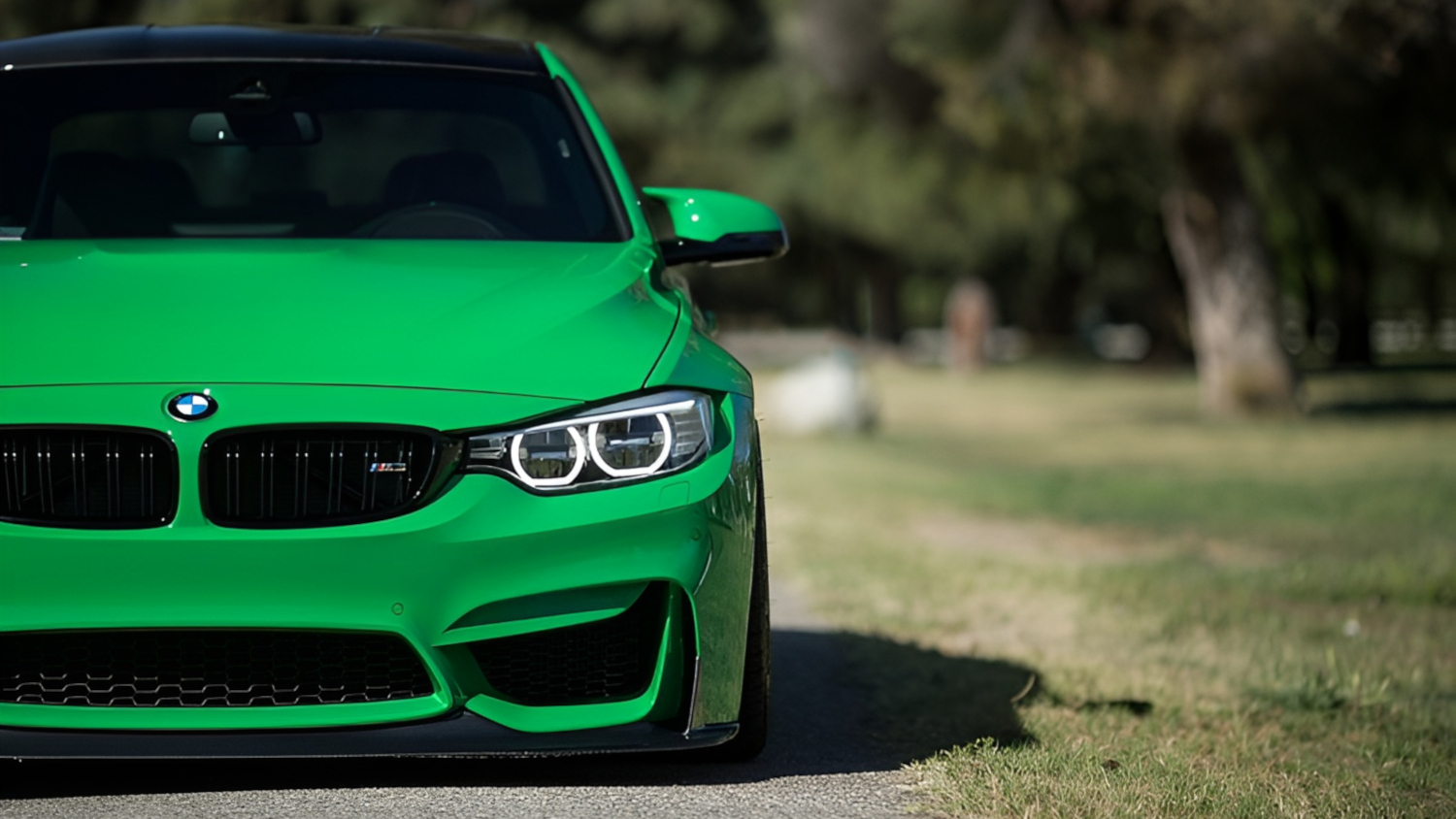
But Spartanburg doesn’t build the 3 Series or 4 Series. Those sedans account for approximately 215,000 vehicles imported into the U.S. last year — models not produced at the South Carolina plant, according to Automotive News. BMW is simultaneously a significant U.S. importer, and a significant U.S. manufacturer, and current tariff policy applies to both roles.
Here’s what BMW brings to this negotiation:
- More than $1 billion reportedly paid in U.S. import duties in a single year
- Approximately 215,000 vehicles imported, including sedans not built at Plant Spartanburg
- $1.7 billion committed to EV and battery manufacturing in South Carolina
- Spartanburg exports reaching roughly 120 countries
The Tariff Math Automakers Can’t Ignore
Foreign automakers are racing to pledge U.S. factories as leverage — but the gap between announcement and production is the variable Washington must weigh.
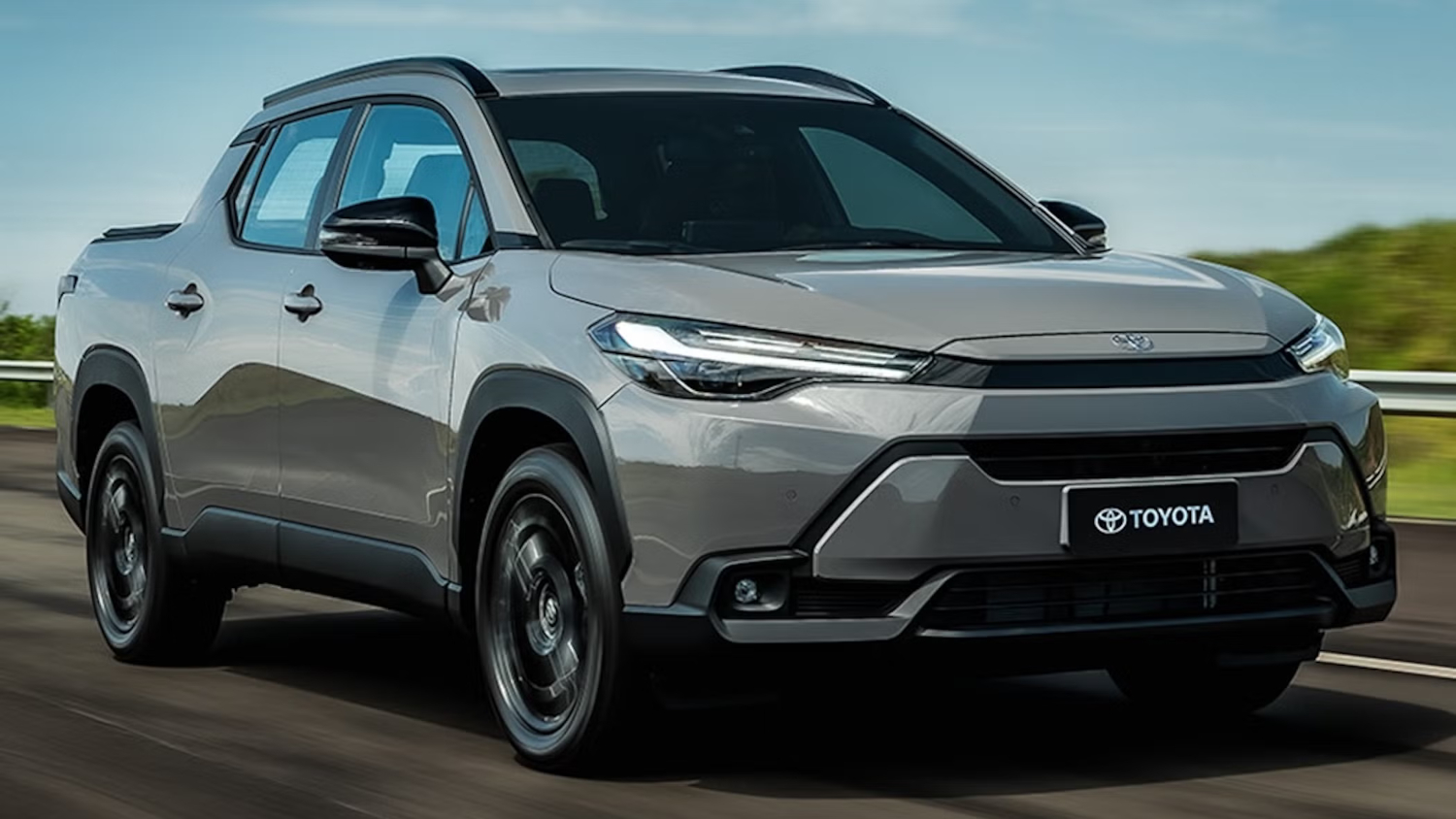
BMW is not alone in this calculation. Audi announced a $4 billion Georgia assembly plant targeting 200,000 SUVs annually, with production expected to begin in the early 2030s, according to CNBC. Toyota announced a $3.6 billion expansion of its San Antonio campus, adding truck production capacity, shifting some manufacturing from Mexico, and targeting roughly 2,000 jobs by 2030. The emerging pattern looks like a high-stakes bidding war: announce a factory, earn a seat at the table.
The catch is timing. Audi’s Georgia facility won’t produce a vehicle for years. Toyota’s Texas expansion is slated for completion by 2030. BMW, meanwhile, was absorbing a ten-figure tariff bill as recently as last year.
Whether Washington considers BMW’s existing South Carolina investment sufficient for relief — or demands further commitments — could influence the company’s pricing strategy, its imported model mix, and its U.S. EV timeline. The burden ultimately falls on whether buyers can still find an affordable new car as those costs filter through. As of the latest reporting, that answer has not arrived.
BMW’s Spartanburg operation is a verifiable, large-scale manufacturing presence. The company employs workers, exports vehicles globally, and has committed serious capital to electric-vehicle production. Whether that record is enough to earn tariff relief, or simply enough to keep the conversation going, remains the open question.