

Subaru’s reliability reputation is real in the early years — all-wheel drive that works in conditions that stop other vehicles, engines that start reliably in cold weather, and a genuine ownership community. The problems tend to arrive around year eight, when oil consumption becomes a regular maintenance consideration, CVT transmissions develop concerning sounds, and head gasket searches start appearing in browser histories. We’ve consulted JD Power and Consumer Reports to identify the brands that have addressed the specific long-term reliability gaps where durable cars separate themselves from ones that perform well early and deteriorate later.
5. Mazda: The Underrated Overachiever
The Mazda3 and CX-5 maintain their driving character past 100,000 miles because Mazda makes deliberate engineering decisions that support longevity. Many models avoid CVTs and turbochargers entirely, removing two components that generate a disproportionate share of expensive repairs across the industry. SkyActiv technology achieves better fuel economy through higher compression ratios, lighter components, and optimized combustion rather than through added mechanical complexity — an approach that benefits both efficiency and long-term reliability. Consumer Reports places Mazda consistently in the top three for brand reliability, with powertrain problems occurring approximately 40% less frequently than Subaru owners typically experience. Mazda demonstrates that driving engagement and long-term dependability are compatible engineering goals when the approach prioritizes substance over specification-sheet performance.
4. Honda: The Reliable Friend Who Never Lets You Down
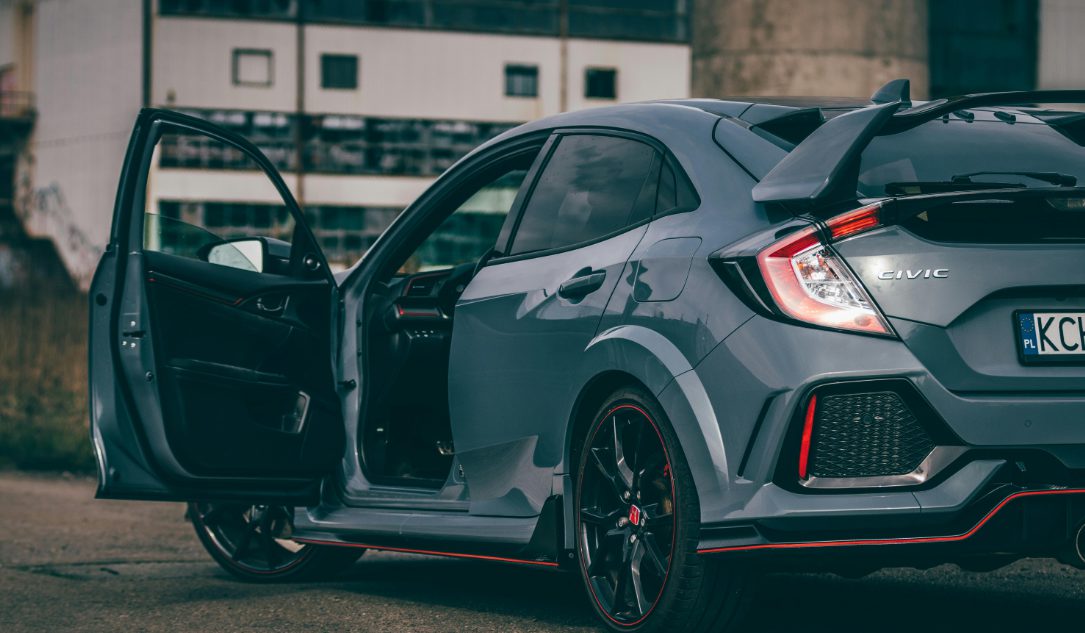
High-mileage Civics, CR-Vs, and Accords are common enough in daily use to function as a form of consumer data — these are vehicles that owners keep and drive rather than replace, which reflects actual satisfaction rather than initial purchase enthusiasm. Honda’s engineering philosophy emphasizes mechanical simplicity over complexity, a choice that accumulates significant reliability advantages over time. Their all-wheel drive systems handle everyday use without the mechanical intricacy that makes Subaru’s symmetrical setup capable but potentially expensive at high mileage. Consumer Reports consistently rates Honda models above their Subaru counterparts, specifically citing the CR-V’s engine and transmission longevity compared to the Forester. Honda’s CVT transmissions have demonstrated better durability than Subaru’s in long-term reliability tracking, with fewer premature failures. The brand’s 250,000-mile ownership stories are common enough to be unremarkable among Honda owners, which is the most honest measure of long-term dependability available.
3. Acura: Honda’s Sophisticated Cousin
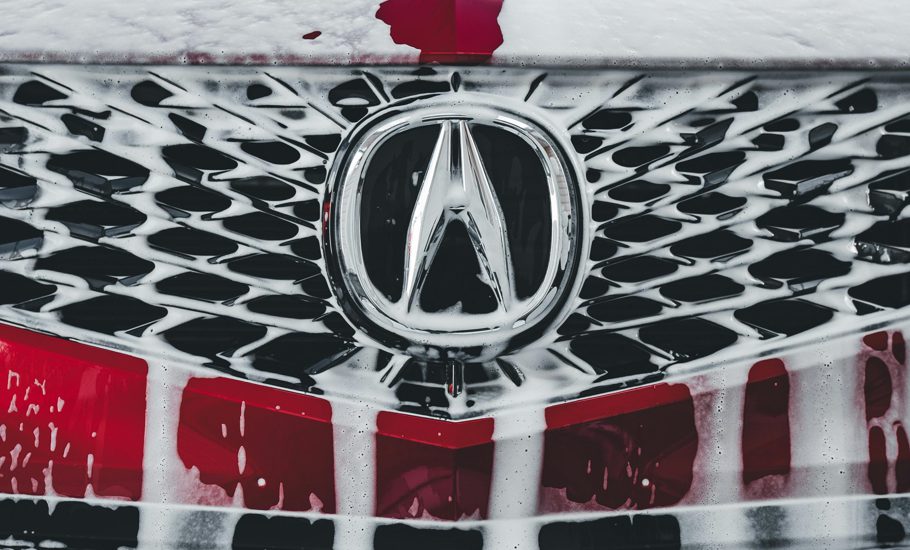
Acura builds on Honda’s proven platforms and adds luxury appointments and performance upgrades without abandoning the mechanical simplicity that makes Honda dependable. The brand avoids overly complex all-wheel drive systems and sidesteps problematic CVTs in many models, keeping long-term ownership costs in line with what the Honda foundation suggests they should be. The cost comparison is direct: Acura’s average annual maintenance runs around $501 versus Subaru’s $617, a difference that compounds meaningfully across a decade of ownership. JD Power consistently ranks Acura above Subaru for vehicle dependability. High-mileage Acuras continue performing without the luxury brand pattern of escalating repair costs as vehicles age — the Honda engineering underneath maintains its reliability regardless of the premium badge above it.
2. Lexus: Engineering That Outlasts Your Mortgage
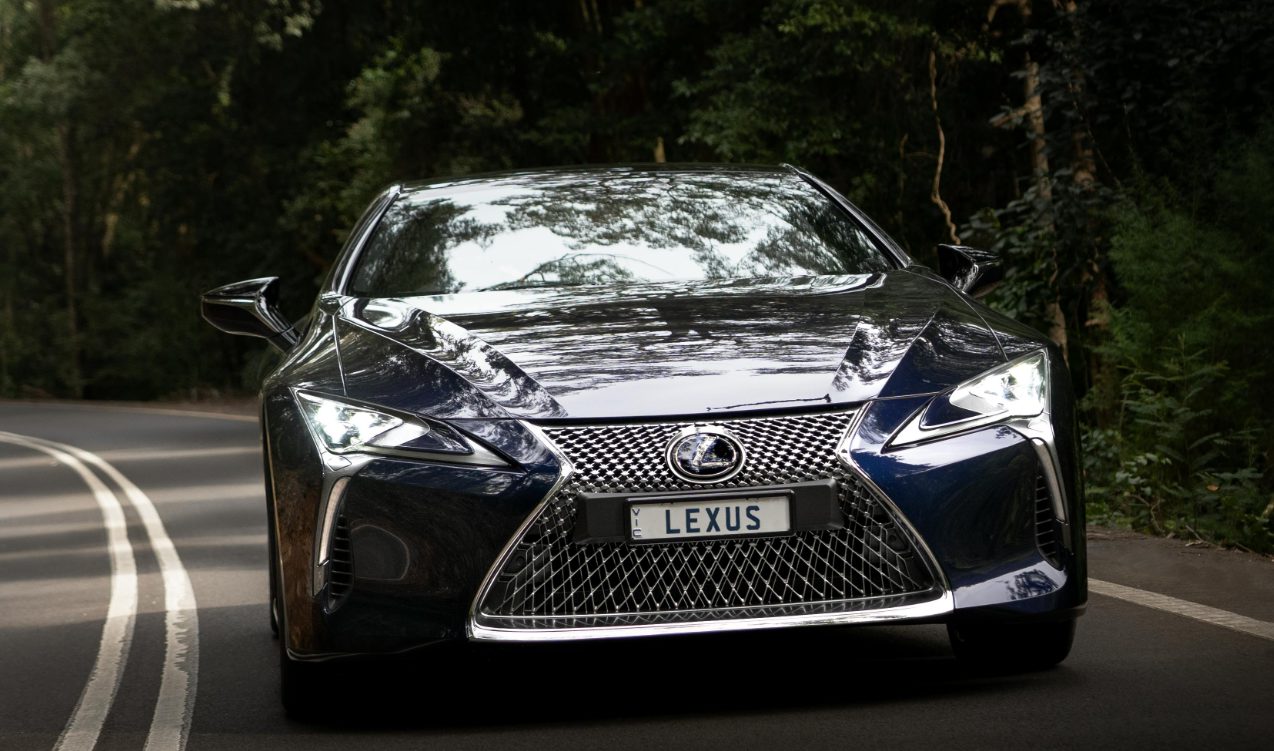
The RX 350 and ES 350 regularly reach 240,000 miles on original powertrains — a longevity standard that reflects Lexus’s specific engineering philosophy: refine and perfect proven technology rather than adopt new systems for the sake of innovation. Other manufacturers chase the latest engineering trends; Lexus improves what already has a reliability record. JD Power consistently places Lexus at the top of its dependability rankings, recording just 150 problems per 100 vehicles — a figure that represents the standard against which other brands are measured. Interior materials maintain their quality across years of use because Lexus uses durable materials from production rather than cost-cutting alternatives that perform well in showrooms and degrade afterward. Lexus ownership converts the luxury car category’s typical high-mileage anxiety into a predictable, low-drama long-term ownership experience.
1. Buick: The Surprise Champion Nobody Saw Coming
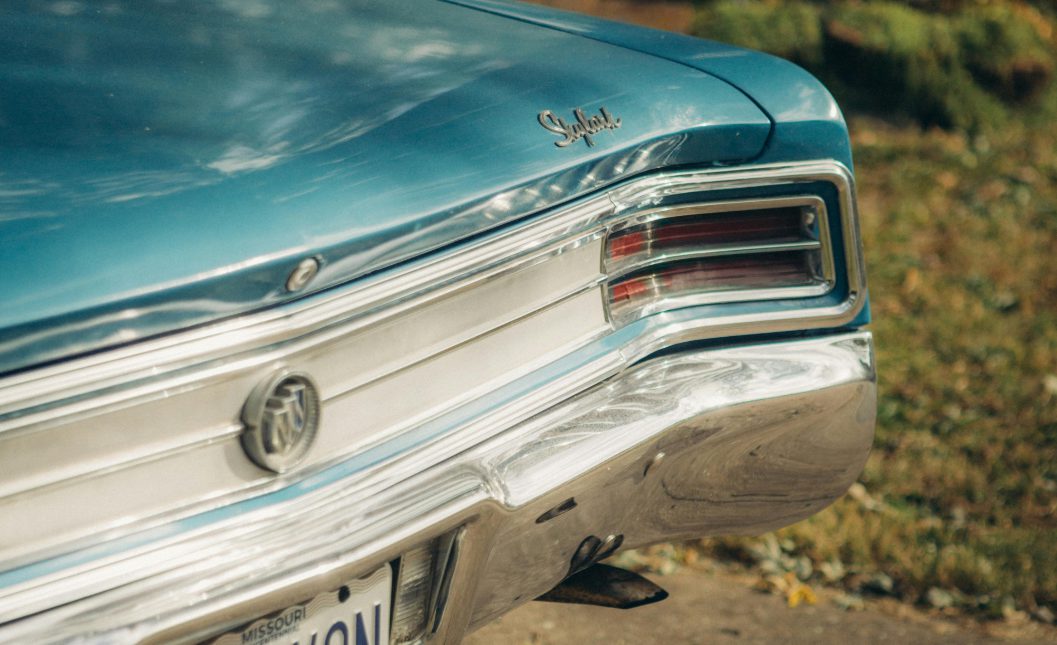
JD Power ranked Buick number two overall in their vehicle dependability study — a result that surprised automotive journalists who had not been tracking the brand’s reliability trajectory. Buick achieves this through deliberate simplicity: straightforward all-wheel drive systems, limited CVT reliance relative to competitors, and fewer potential failure points in the mechanical systems that generate the most expensive repairs at high mileage. Average annual maintenance costs around $608 reflect real savings over time, and used Buicks frequently sell for less than their reliability record would justify — the buyer’s advantage from a brand that carries less perception premium than its dependability warrants. Buick’s specific appeal is functional: comfortable, quiet transportation that performs consistently without surprises over years of ownership, at a price point that makes the reliability argument even more compelling than it would be at luxury brand pricing.