

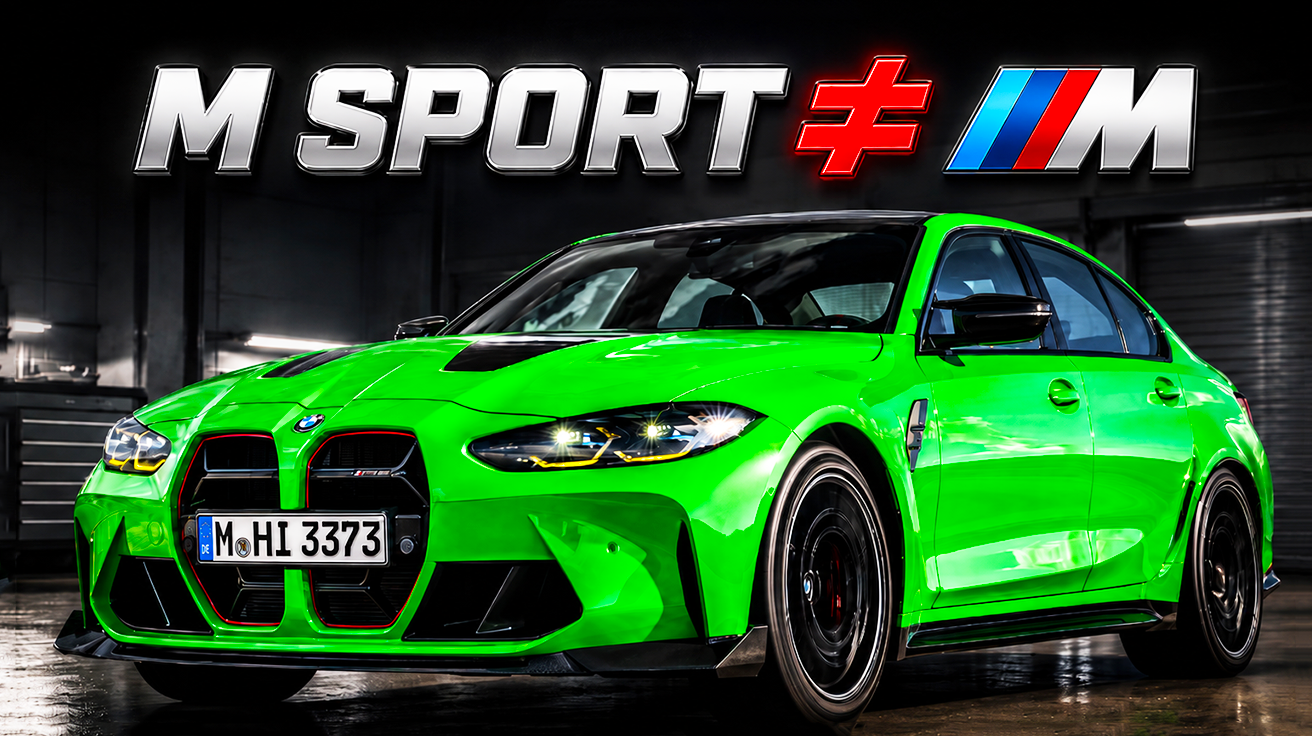
A UK seller was ordered to repay over £43,000 under proceeds-of-crime legislation after nearly 1,000 counterfeit badges were seized, according to Gloucestershire County Council. Badge swapping runs rampant across parking lots and online marketplaces. Vehicles wear performance badges they never earned—the automotive equivalent of a knock-off Rolex. Knowing a genuine AMG from an AMG Line, or a true M car from an M Sport package, reveals critical differences in horsepower, suspension, and braking capabilities. For serious drivers, buying a pretender means ordering a Michelin-star meal and getting fast food. Understanding these distinctions saves disappointment and protects wallets. Here’s what separates real metal from costume jewelry.
1. BMW M Badge and M Division
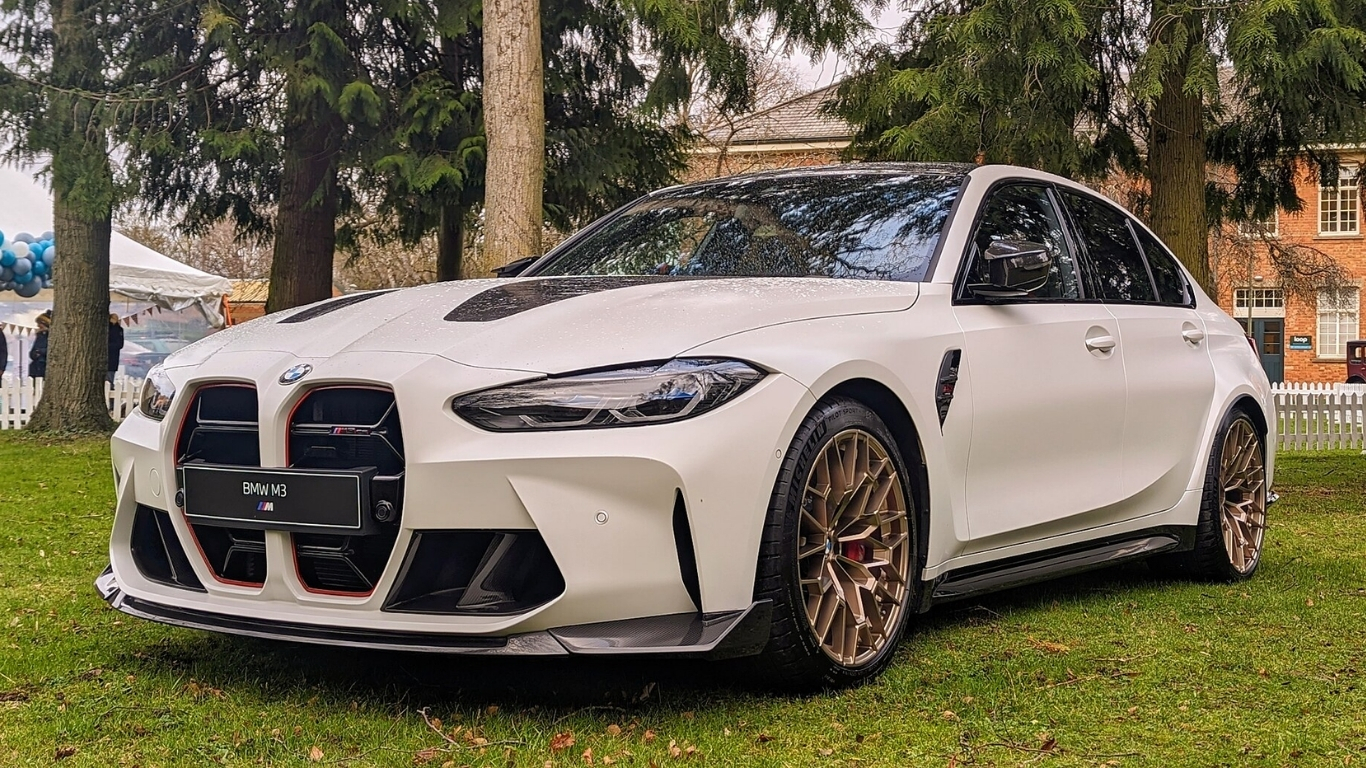
The M badge might be the most faked emblem on Earth, testament to its aspirational power.
BMW Motorsport GmbH, founded in 1972 for factory racing, evolved into BMW M GmbH by 1993. A true M car, like an M3, is a surgical scalpel. Visibly wider rear fenders, specific mirror housings, and four exhaust tips clearly distinguish the genuine article from aesthetic upgrades. These details matter.
M Performance models, like the M340i, offer robust upgrades but aren’t full M cars. M Sport packages are purely cosmetic. Spotting a fake badge is straightforward. Factory M badges use pre-drilled locating holes; flimsy stick-ons don’t. Removing a fake can reveal a ghost outline. The underlying engineering defines the M experience, far beyond any sticker.
2. Mercedes-AMG Badge and AMG Line
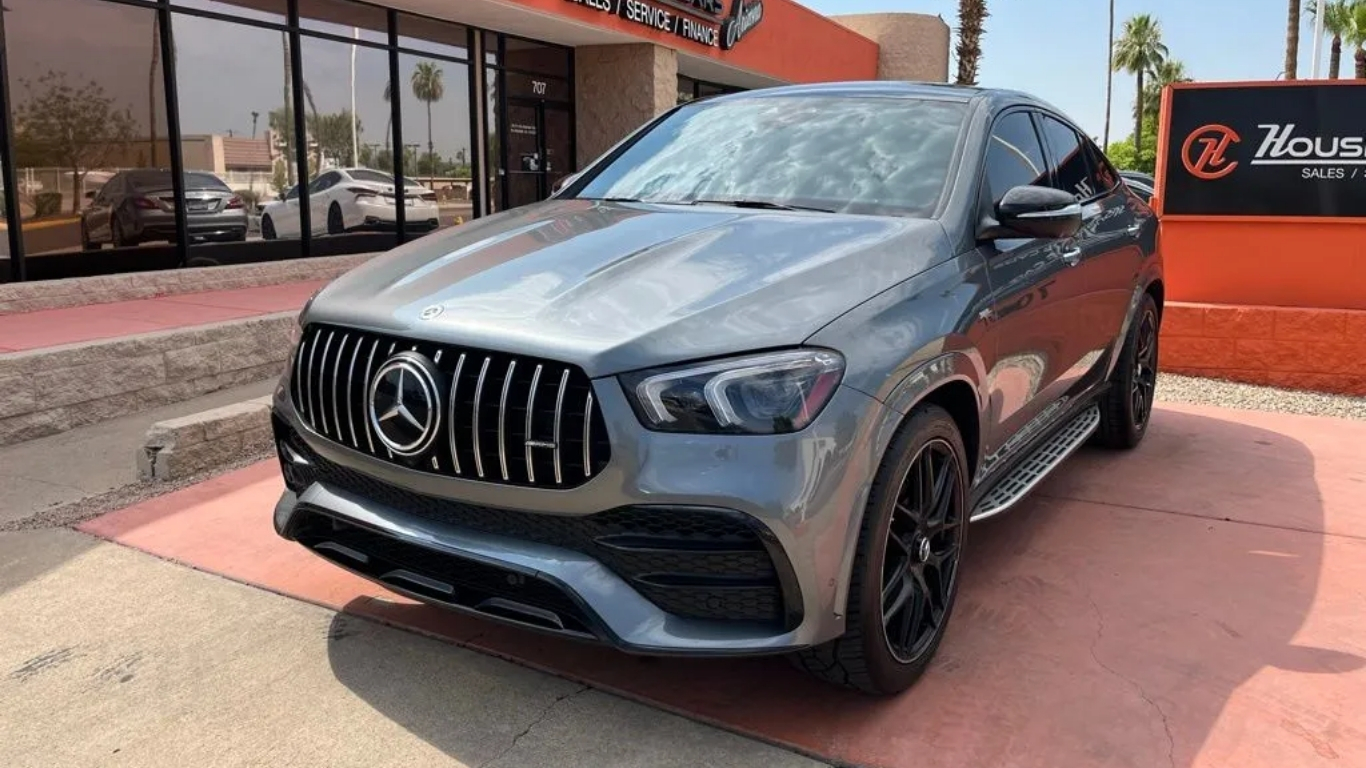
A 53-series Mercedes-AMG engine delivers 443 horsepower, signaling its performance tier.
Mercedes-AMG models classify performance by numbers: 35/43 for entry, 45/53 for serious power, and 63/63 S for flagships. These are proper engineering jobs, featuring bespoke engines, strengthened drivetrains, and specific tuning. Genuine AMGs also showcase a wider front track and often four exhaust tips, signaling aggressive intent.
The AMG Line, conversely, is a styling package—like putting racing stripes on a commuter car. It provides sportier looks but retains the standard Mercedes engine and driveline. All flash, no fire. For top-tier models, pop the hood. A signed plaque from the “One Man – One Engine” technician verifies its handcrafted heritage. This check reveals the badge’s true meaning.
3. Dodge Scat Pack 392 HEMI
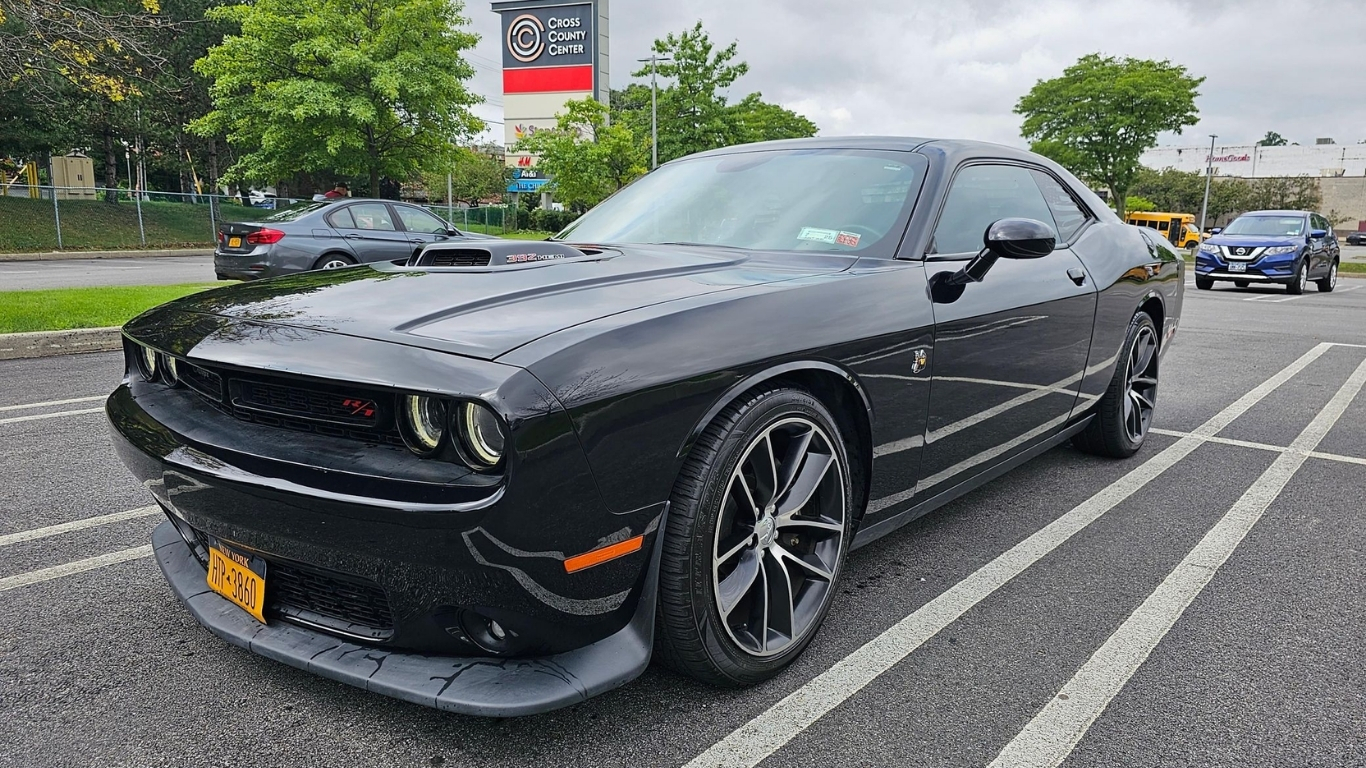
Dodge’s iconic Scat Pack, tracing its roots to a 1968 marketing campaign, has become one of America’s most frequently misrepresented badges.
A genuine modern Scat Pack 392 packs a naturally aspirated 6.4-liter (392 cu in) HEMI V8, churning out 485 hp and 475 lb-ft of torque—a 110 horsepower advantage over standard R/T trims. Expect serious hardware:
- Larger Brembo braking with 4-piston front calipers (or 6-piston Brembos on widebody versions with 15.4-inch rotors)
- Bilstein performance shocks
- 20-inch wheels
- Functional hood extractor vents
A true Scat Pack announces itself with a distinctive hollow, deep idle—that unmistakable thrum precedes its arrival at any Friday night meet. With the HEMI V8’s discontinuation, these genuine articles climb in value. This powerful, uncompromised tool serves the serious driver.
4. Dodge Hellcat and Hellcat Redeye
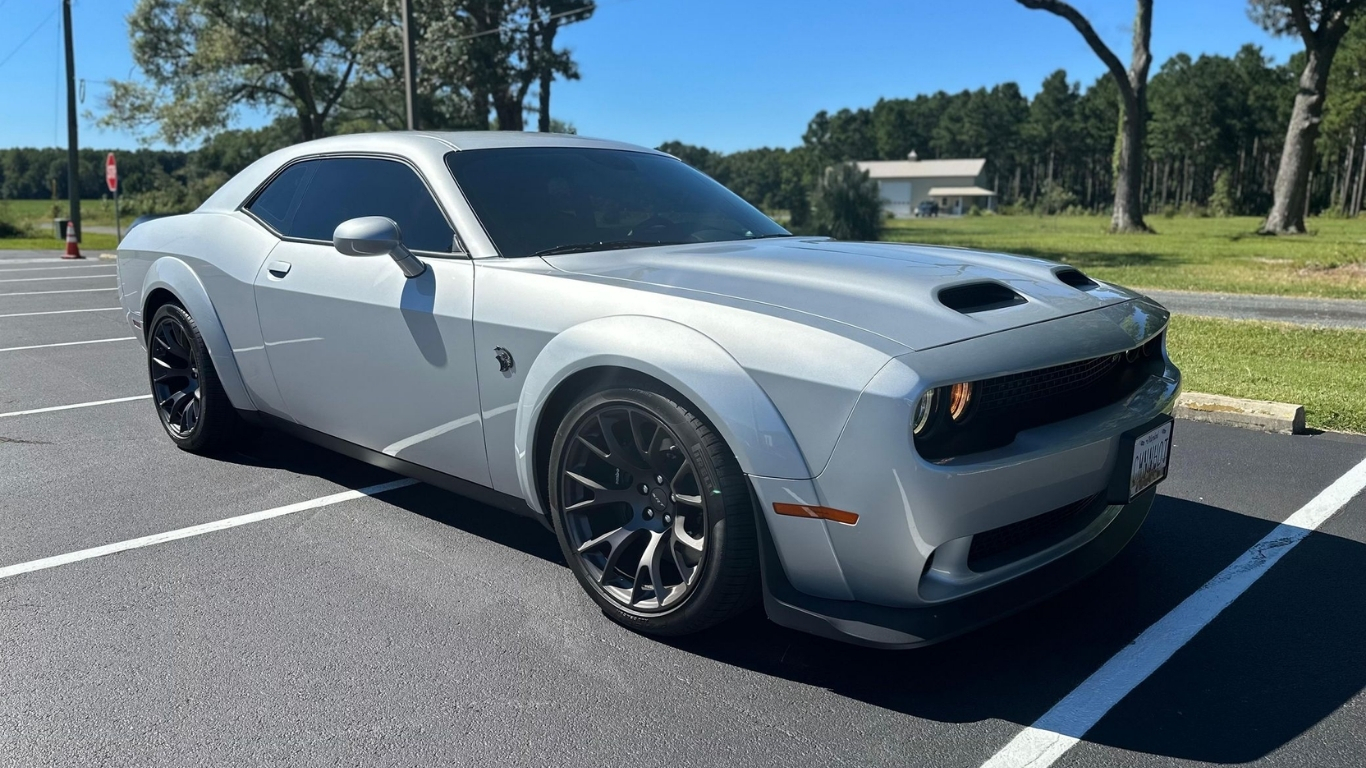
These figures are not easily faked; these machines deliver raw, unadultated grunt that few cars match.
A Dodge Hellcat Charger produces 707 horsepower, while the Challenger boasts 717 horsepower. Under the hood, a supercharged 6.2-liter HEMI V8 feeds the beast—a powerplant built for straight-line dominance.
The Hellcat Redeye pushes further, unleashing 797 hp and 707 lb-ft of torque from a larger 2.7-liter supercharger. This variant hits 0–60 mph in about 3.4 seconds and tops out around 203 mph. Its aggressive dual snorkel hood, huge cold air box, and Brembo six-piston front calipers identify it. The red key fob unlocks full power. The supercharger whine—an unmistakable, high-pitched banshee cry—leaves no room for doubt.
5. Shelby Cobra Snake Badge and Ford Mustang Shelby GT500
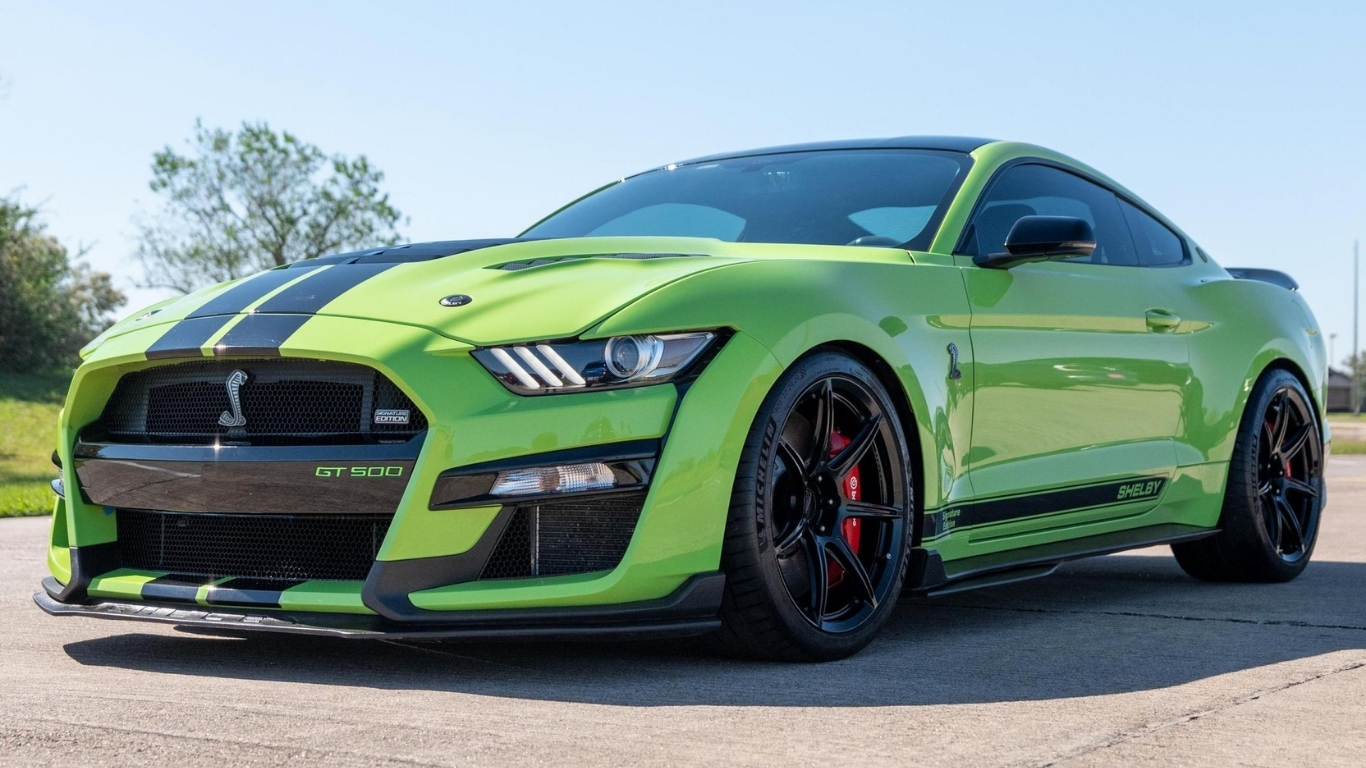
The coiled snake badge of Shelby is widely available at any auto parts store.
Stick-on pretenders appear on tired Mustangs with four exhaust tips crudely welded to a single pipe, promising glory but delivering only sad whiffs. These cars aren’t true performance vehicles; they’re cheap Halloween costumes for muscle cars.
A genuine Ford Mustang Shelby GT500, however, boasts a 5.2-liter supercharged V8—the Predator engine—unleashing 760 hp and 625 lb-ft of torque through a 7-speed dual-clutch transmission. Its 2.65-liter roots-type supercharger gulps air like a jet engine at takeoff. Massive 16.5-inch front rotors, wide bodywork, and functional heat extractors define its aggressive stance. Real performance is always built on substance, not just a sticker.
6. Honda Civic Type R Red Badge
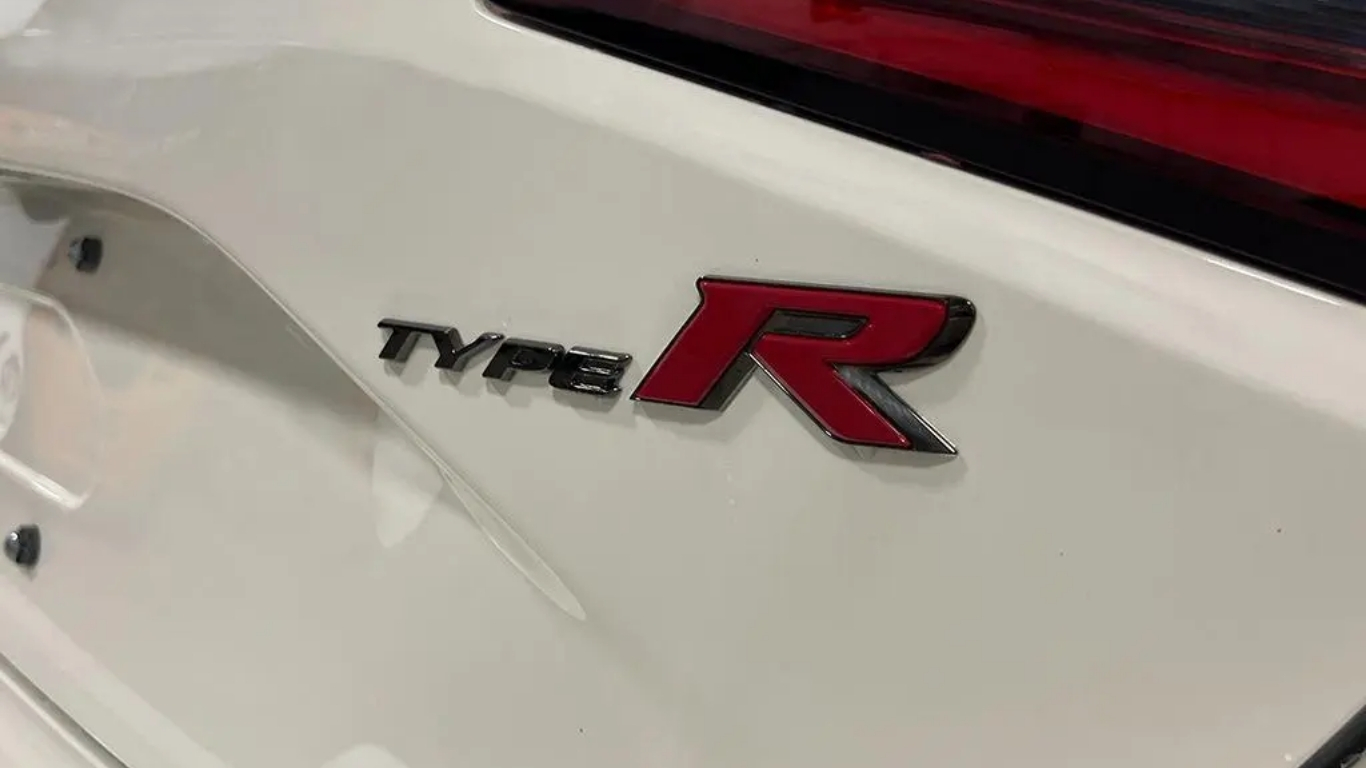
Faking the iconic red Type R badge is one of the quickest ways to earn disdain within the Honda community.
An authentic Civic Type R, specifically the current FL5 generation, employs a turbocharged 2.0-liter VTEC four-cylinder engine, producing 315 hp and 310 lb-ft of torque for North American markets. This power routes exclusively through a 6-speed manual transmission to the front wheels, managed by a helical limited slip differential. Distinct features include three center-exit exhaust tips, an active exhaust valve, and a massive rear wing—all part of its uncompromised performance package.
While red ‘H’ emblems are readily available for anyone to stick on, a real Type R is a full menu, not just a condiment. The interior boasts red Recaro seats and red carpet, visible cues that separate it from a Civic Si (which offers closer to 200 hp). Checking for the aggressive vented body panels and the exclusive +R drive mode solidifies its identity. This comprehensive hardware package defines the Type R—a vehicle engineered to perform, not merely to appear fast on Instagram.
7. Subaru WRX STI and Subaru Tecnica International
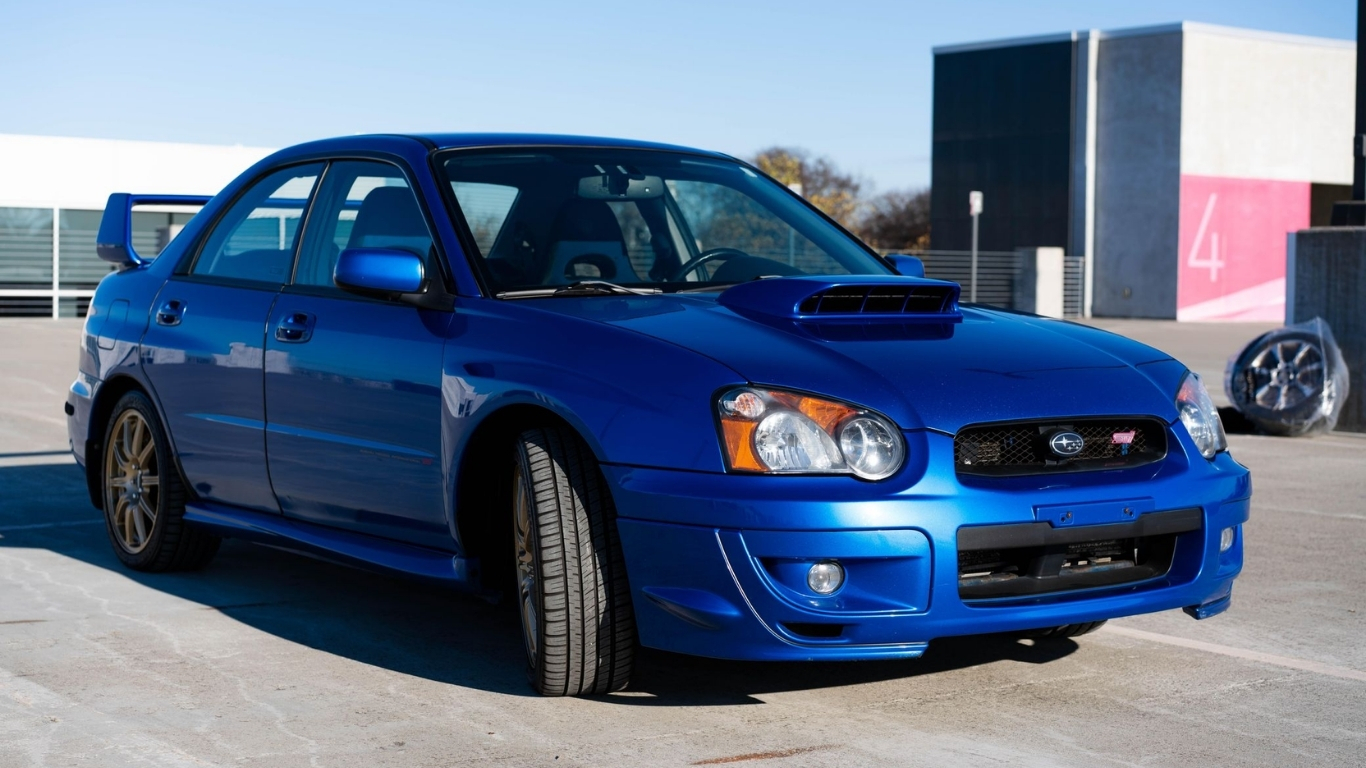
Subaru Tecnica International, founded in 1988 to forge Subaru’s rally cars, carries a World Rally Championship legacy within its badge.
US-market WRX STI models from 2015 to 2021 featured a 2.5-liter turbocharged flat-four engine, delivering 305–310 hp and 290 lb-ft of torque. This power always channeled through a 6-speed manual transmission and a Multi-Mode Driver Controlled Center Differential (DCCD) Symmetrical AWD, distinguishing it from lesser models. Brembo performance brakes and rally-derived chassis reinforcement came standard on genuine STIs.
While STI sells branded parts, simply bolting on a spoiler doesn’t make a true STI—just as a racing stripe doesn’t magically turn a grocery getter into a track beast. Verifying a real STI means looking for key factory hardware: a specific center differential dial on the console, a gear shifter with six forward gears, and visible Brembo calipers lurking behind the wheels. Without that console dial indicating the advanced all-wheel-drive system, it’s likely just an appearance package. The comprehensive performance experience of a genuine STI, born from its rally pedigree, cannot be replicated by cosmetic additions alone.
8. Toyota TRD Trims (Tacoma)
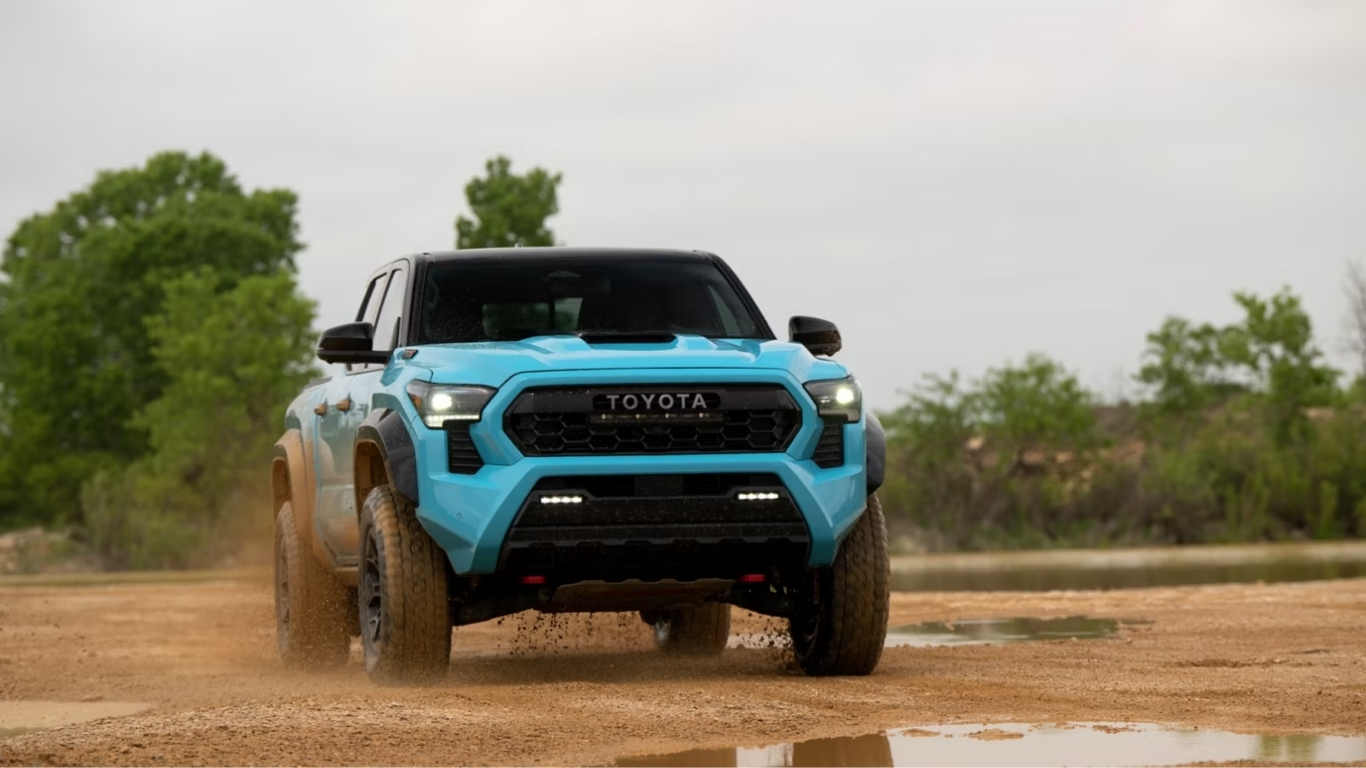
Toyota Racing Development (TRD), Toyota’s in-house performance arm since 1979, is arguably the most misunderstood badge in the truck world.
Many drivers assume its presence is cosmetic, overlooking TRD’s motorsports legacy and factory-engineered components. The Tacoma TRD Sport focuses on street performance, offering sport-tuned suspension for responsive urban handling. It’s built for pavement agility, prioritizing asphalt over rough terrain.
The TRD Off-Road adds Bilstein off-road shocks, an electronically controlled locking rear differential, Multi-Terrain Select, and Crawl Control for legitimate trail capability. The top-tier TRD Pro then builds on this, adding long-travel Fox shocks, a factory lift, and an aluminum skid plate. Its latest generation runs on 33-inch tires with a wider track, requiring distinctive fender flares. A true Pro’s noticeably taller, wider stance with visible remote reservoir shocks confirms genuine factory engineering, not just bolt-on ambition.
9. Nismo Badge and Nissan NISMO Road Cars
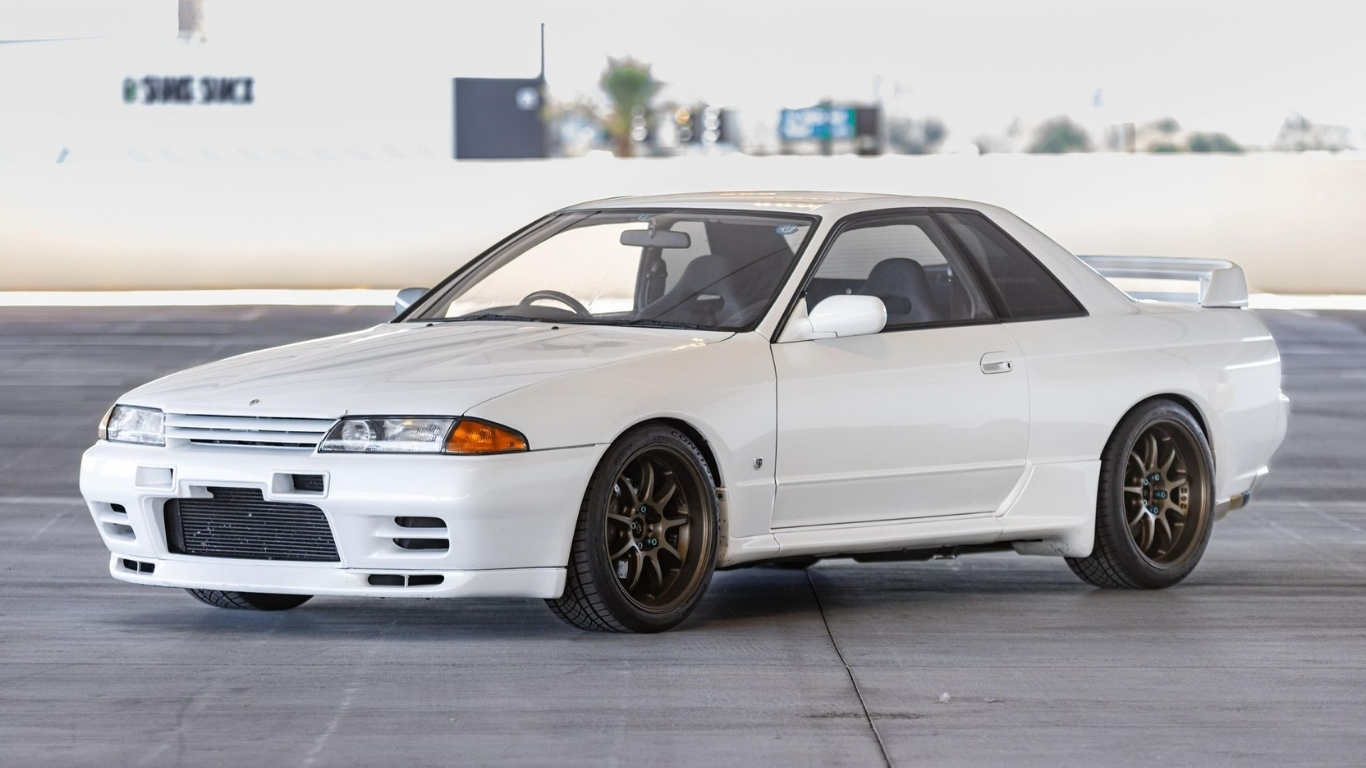
Nismo, established on September 17, 1984, from two merged motorsport departments, faces a persistent badge authenticity challenge.
Nissan sells Nismo accessories, but a genuine NISMO road car is a comprehensive, factory-engineered performance transformation. This isn’t about stick-on flair; it’s not swapping a guitar pick and calling it a custom axe.
True NISMO cars, like the GT-R NISMO, feature reworked aero, retuned suspension, upgraded brakes, and unique Recaro seats. The Nissan GT-R NISMO runs a 3.8-liter twin-turbo V6 with 600 hp and 481 lb-ft of torque. Interior tells include red and black seats, red stitching, and a red-centered steering wheel. A badge is an accessory; a true NISMO is a meticulously crafted machine, ready for the apex.
10. Ford F-150 Raptor Grille and Raptor Lights
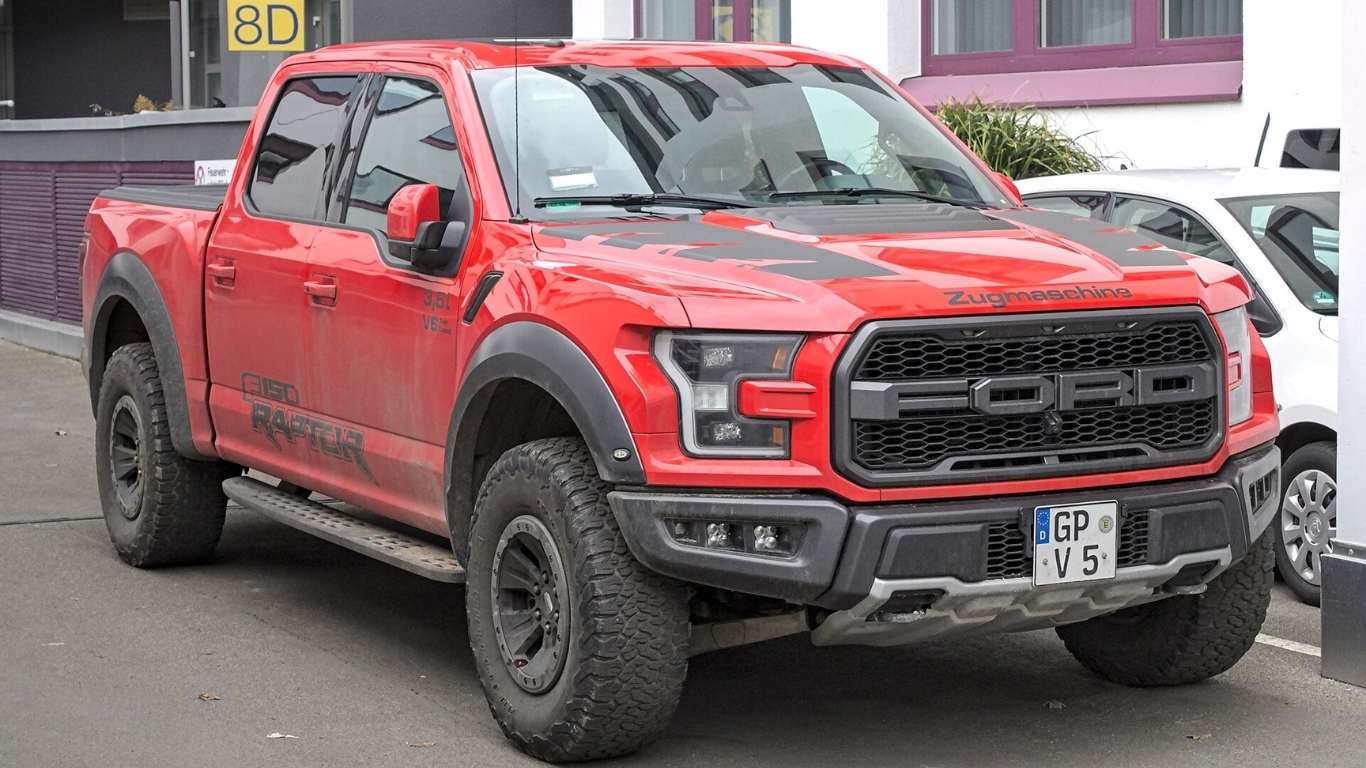
The genuine Ford F-150 Raptor’s formidable physique immediately screams purpose, measuring over 80 inches wide.
This width requires three amber identification lamps in its front grille under US regulations (FMVSS 108). Its track is approximately 6 inches wider at the front and 5–6 inches wider at the rear, pushing ground clearance to around 13 inches and necessitating those unmistakable flared fenders. Pull up next to a true off-road beast, and anything else suddenly feels like a toy. Comparing a genuine Raptor’s dramatically wider stance to a stock F-150 is watching a sumo wrestler square off against a ballet dancer.
These trucks are built for tearing up Baja, not just boulevard posing. Authentic Raptor capability involves fundamental structural changes, not merely a cosmetic grille.
11. Jeep Trailhawk and Trail Rated Badge
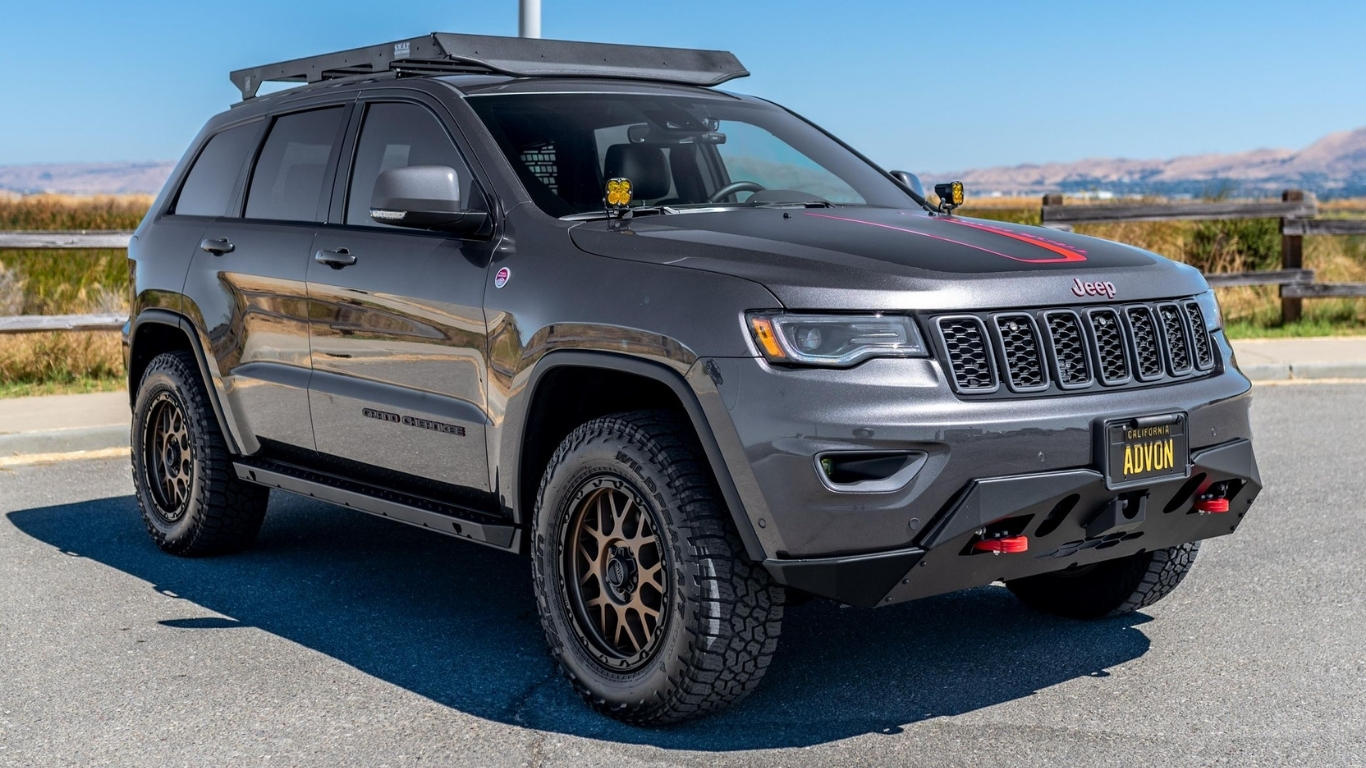
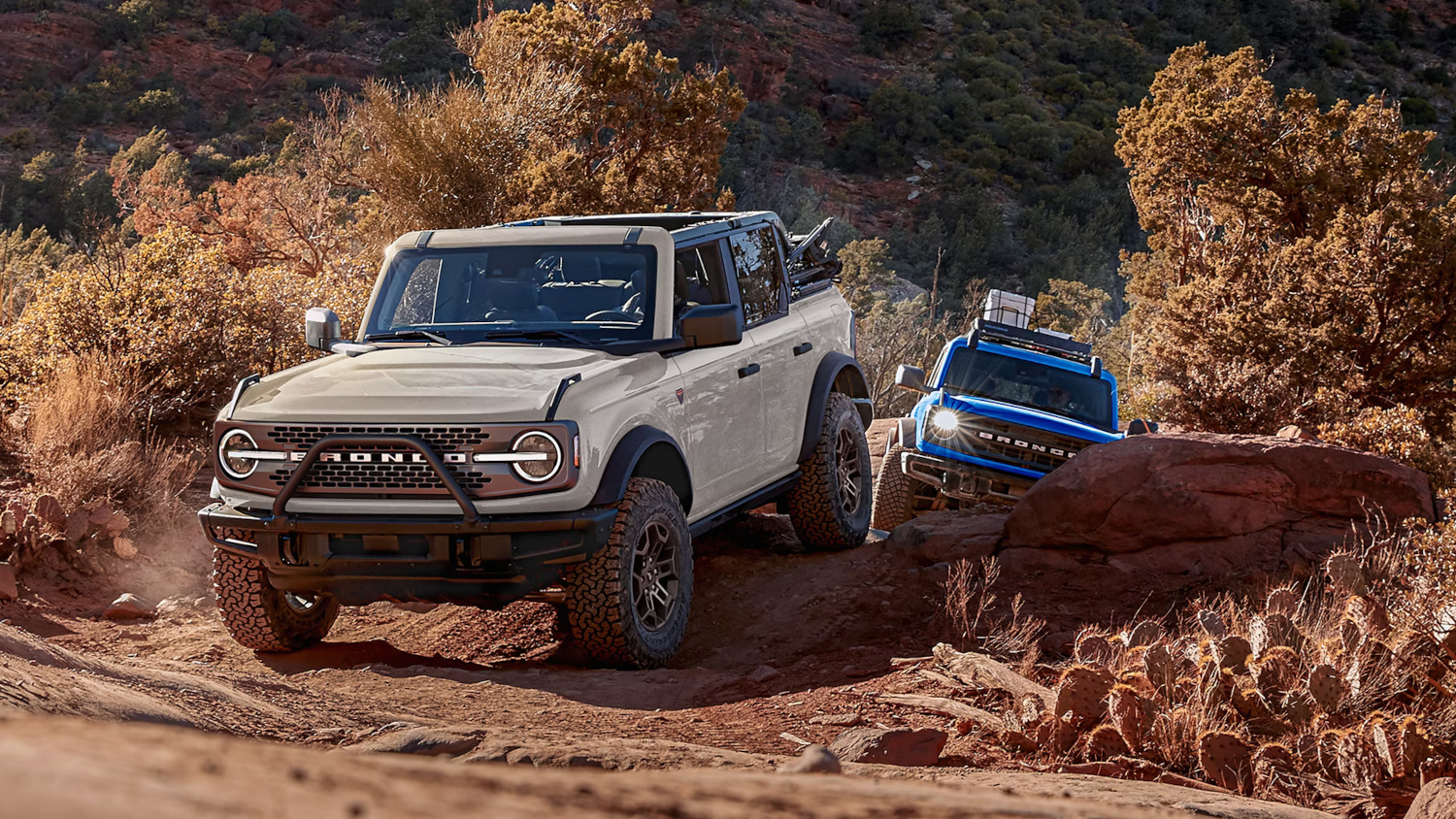
The Trail Rated badge on a Jeep is a definitive mark of capability, earned through internal tests across five distinct off-road categories: traction, ground clearance, maneuverability, articulation, and water fording.
A true Trailhawk displays its hardware: raised suspension, four skid plates, and all-terrain tires. A Jeep Compass Trailhawk offers 8.6 inches of ground clearance and 19 inches of water-fording depth.
Spotting those distinctive red recovery hooks, with a re-shaped bumper for an improved approach angle, is seeing a chef’s toque in a serious kitchen. Trailhawk variants across the Jeep lineup integrate specialized 4×4 systems to earn this certification. The badge acts as an automotive passport, stamping approval for rough terrain. Anyone picking a line through slick mud knows the difference.
12. GMC Denali Trim
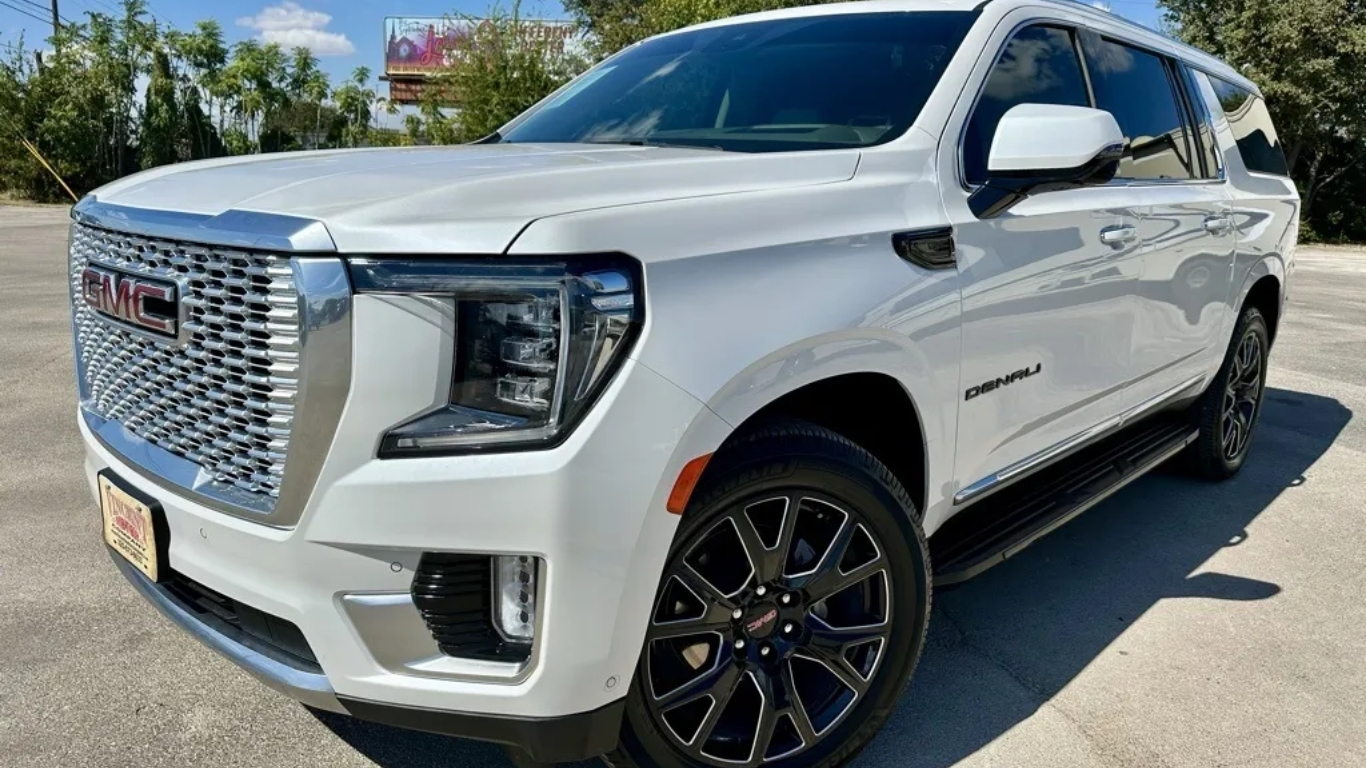
Unlike badges that scream track-day heroics or rock-crawling prowess, the GMC Denali trim exclusively represents luxury.
Slip into a Denali cabin, and immediate cocooning in opulence follows. Genuine Denali models prioritize premium comfort, featuring leather upholstery and extensive chrome detailing. Higher Denali Ultimate variants elevate this with 16-way power front seats with massage, heated and ventilated front seats, and a Bose Centerpoint surround sound audio system.
A Canyon Denali with 10.5 inches of ground clearance uses that height for commanding presence, not off-road capability. The meticulously crafted interior defines a genuine Denali; aftermarket badges cannot replicate this. This is a vehicle designed to float down the highway like a luxury yacht, making every mile feel less like a commute and more like an escape.
13. Generic Aftermarket Badges and Fake Trim
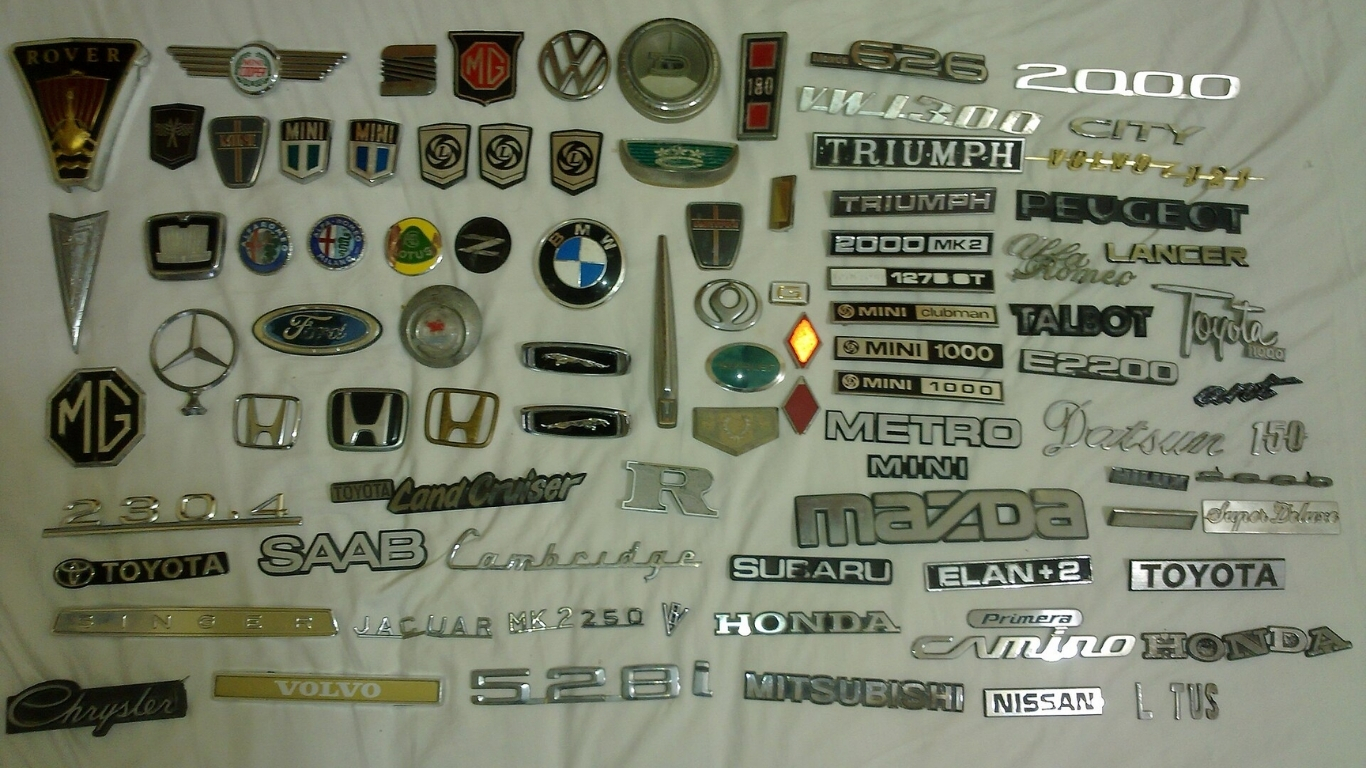
In 2021, a man in Gloucester, England, faced legal action for selling nearly 1,000 counterfeit BMW, Ford, and Volkswagen badges, revealing an illicit market.
Stick-on chrome “turbo” or “V8” emblems appear frequently. Fake exhaust tips glued over single pipes, and decorative bumper vents that route no air are also common. These are the automotive equivalent of a social media filter: all show, no substance.
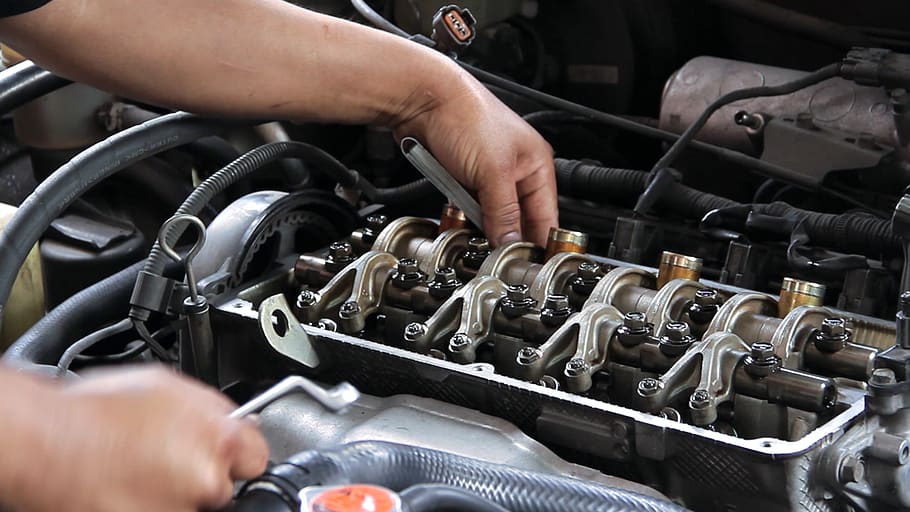
Verifying these fakes is simple. Pop the hood; listen for the distinctive spool of a turbocharger. Count the genuine exhaust pipes for any V8 claim. Check if a vent physically routes air. Badges claiming non-existent engine displacements or driveline configurations indicate a hollow performance promise, devoid of mechanical truth.
14. Factory Appearance/Performance Lines
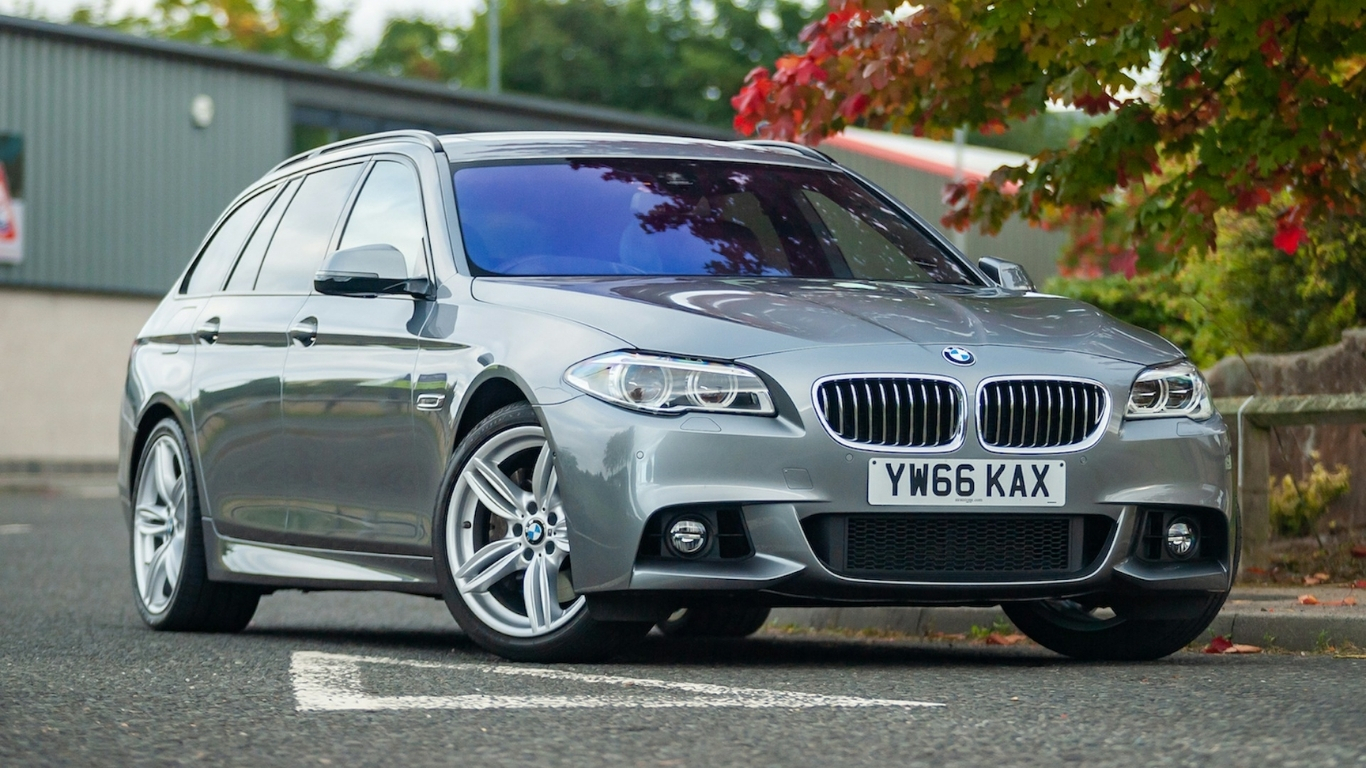
Many automakers deploy appearance lines that visually mimic their true high-performance divisions, creating badge confusion on the streets.
BMW’s M Sport, Mercedes’ AMG Line, and Audi’s S line packages add aggressive bumpers, larger wheels, and upgraded interior trim. Cars sport all the visual aggression of a predator while still running the base engine. These aesthetic upgrades don’t alter power output or fundamental mechanicals.
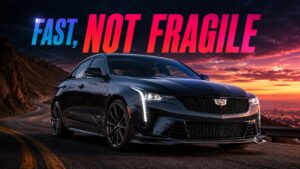
Genuine performance, however, backs up aggressive looks. Cadillac’s CT5-V Blackwing delivers, with its supercharged 6.2-liter V8 making around 668 hp. This machine initially shared V-series badges with less potent models, causing confusion. Cadillac added explicit ‘Blackwing’ script in 2023 to differentiate these top-tier cars, even allowing owners to update their badges. Manufacturers fuel this ambiguity by selling performance aesthetics without mechanical upgrades. Armed with these tells, skip the pretenders and find the real metal—because authentic performance always rewards the driver willing to verify before buying.