


Sometimes the smartest automotive choices hide behind unfashionable badges or forgotten model years. The 2005–2008 Pontiac Vibe, mechanically identical to its Toyota Matrix sibling and built on the robust Corolla platform, proves this point perfectly. It wears a GM badge, sure, but its heart is pure Toyota engineering, specifically the legendary 1.8L 1ZZ-FE inline-4 engine known for its timing chain and bulletproof durability. This shared DNA means parts are readily available and labor costs stay down, making it a savvy buy for anyone seeking reliable transport without the premium price tag.
Overlooked: 2005–2008 Pontiac Vibe (1.8L)
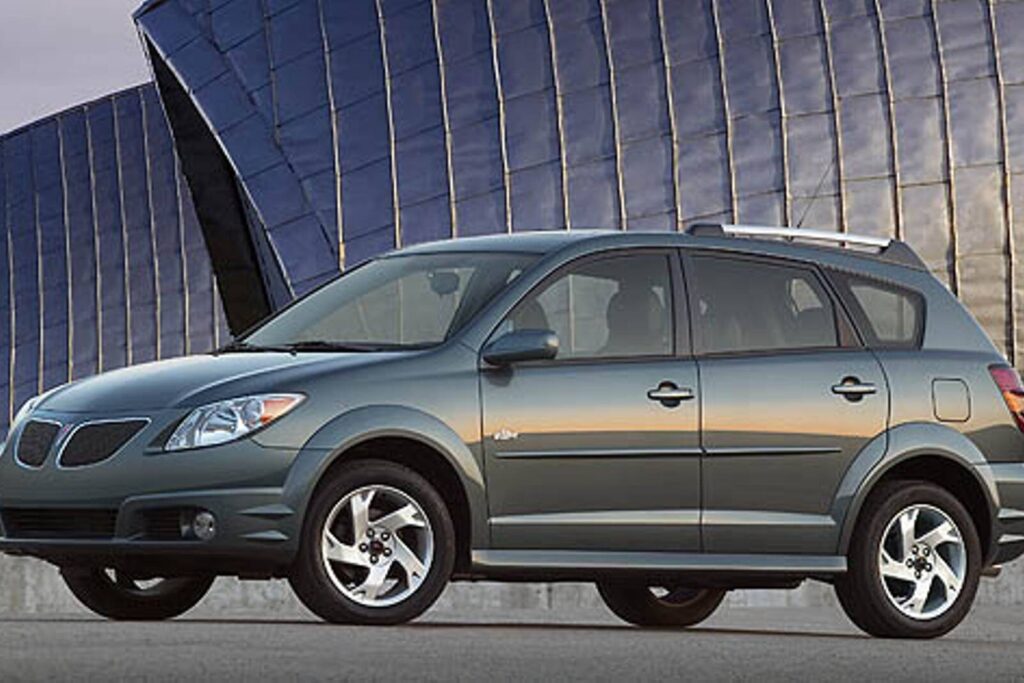
This compact hatchback delivers Toyota reliability with GM depreciation.
The 2005–2008 Pontiac Vibe with its 1.8L engine is proof that sometimes the best cars fly under the radar. This compact hatchback, built alongside its Toyota Matrix and Corolla cousins at the NUMMI plant, shares their robust, chain-driven 1ZZ-FE engine and Toyota transmission. Mechanics often remark on how these engines remain cleaner than many lower-mileage Toyotas, a testament to their solid construction.
Fuel economy hovers around a solid 29 mpg combined, making it sensible for any road trip. While earlier models and the later 2.4L engines had their quirks, the 2005–2008 1.8L Vibe hits the sweet spot for reliability. A common issue is a failing intake manifold gasket, which can trigger lean codes and rough idling. Preventative replacement ensures this Toyota-engineered marvel keeps humming for hundreds of thousands of miles.
Donor: Toyota Matrix / Corolla (E130/E140 Platform)
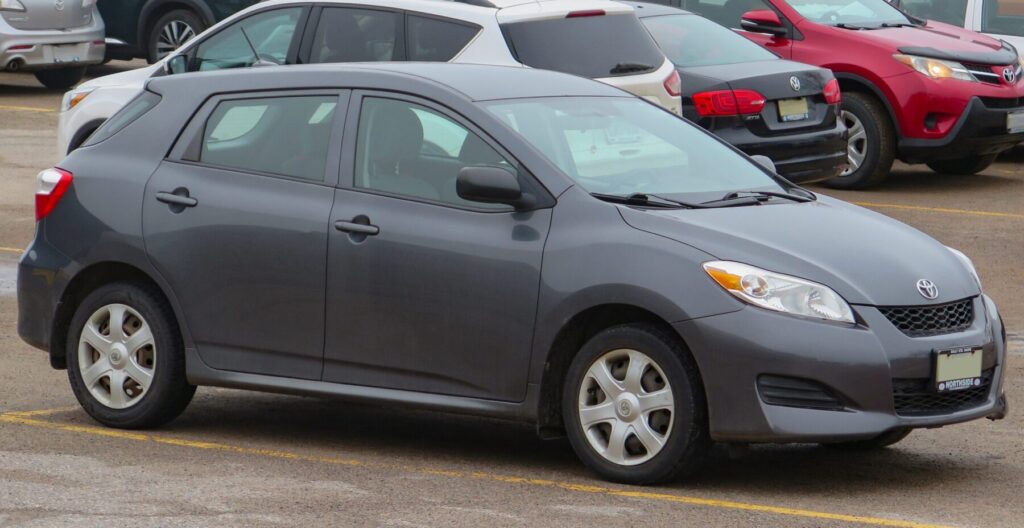
These platform twins share bulletproof Toyota DNA across multiple badges.
When giants like Toyota and GM collaborate on a vehicle platform, the result often blends robust engineering with everyday practicality. The Toyota Matrix and its Corolla sedan sibling, built on the E130/E140 chassis, share critical components, including the enduring 1.8L 1ZZ-FE engine with its timing chain and VVT-i technology.
Unlike many modern direct-injection engines, the 1ZZ-FE’s port fuel injection largely sidesteps the intake valve carbon buildup that plagues newer designs. Parts availability stays excellent, partly due to their shared NUMMI production line with the Pontiac Vibe. Common service items like intake manifold gaskets and water pumps are readily sourced and affordable, translating directly into lower long-term ownership costs.
Overlooked: 2010–2012 Toyota Avalon
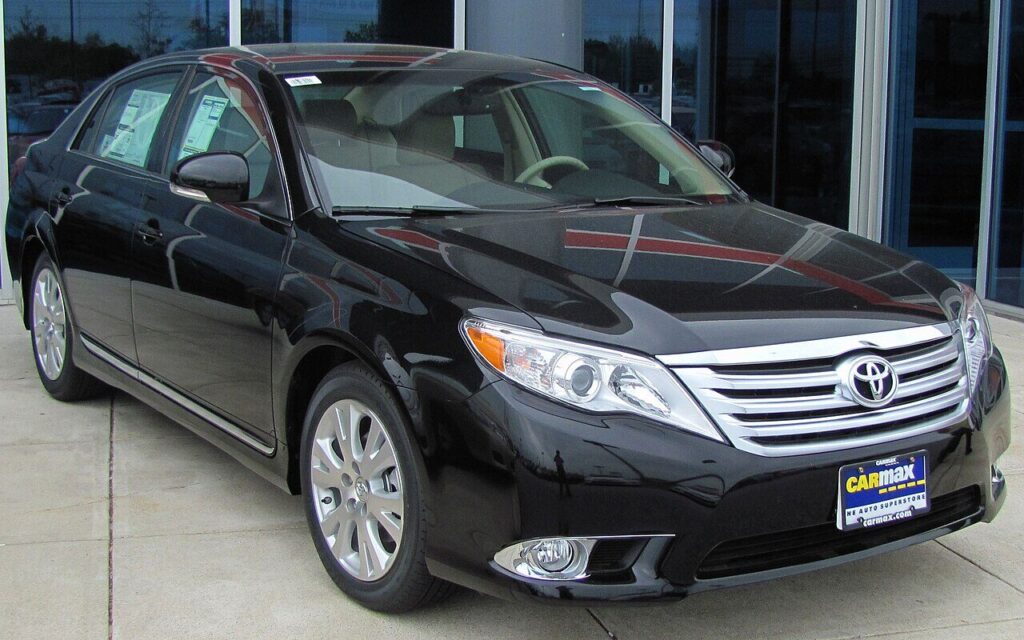
This full-size sedan pairs Lexus mechanicals with Toyota pricing.
The 2GR-FE 3.5L V6, shared with Lexus and punching out a robust 268 hp, anchors the 2010–2012 Toyota Avalon. This engine’s port fuel injection system sidesteps the intake valve gunk that plagues many newer direct-injection mills, and its timing chain means no messy belt replacements down the road.
Paired with the enduring U660E 6-speed automatic, this powertrain delivers EPA-estimated 20 mpg city / 29 mpg highway on regular 87-octane fuel. While the 2GR-FE can easily exceed 200,000 miles, Toyota issued a service campaign for an early VVT-i oil supply line that could degrade. Ignition coils typically need attention around 120,000 miles.
Donor: Lexus ES 350
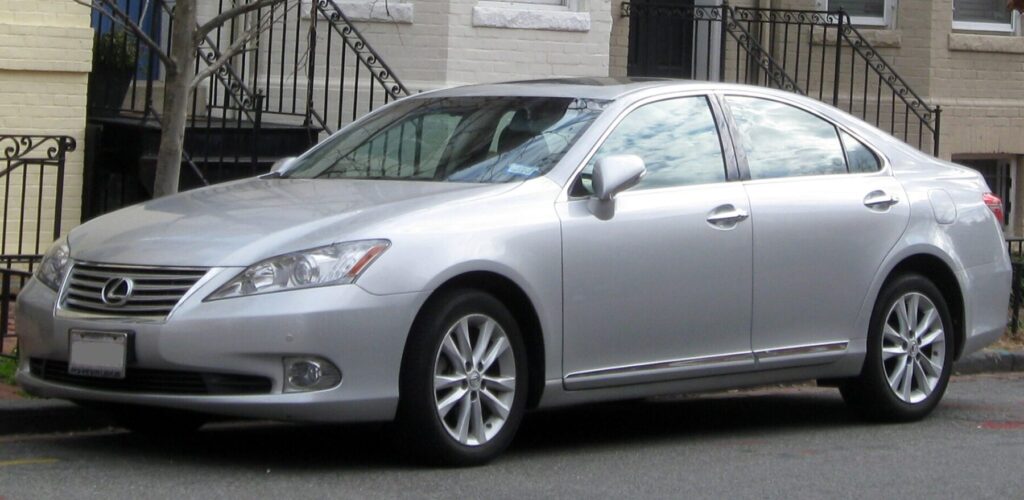
This luxury sedan offers Lexus refinement with Toyota reliability underneath.
For those who appreciate the smooth purr of a V6 and the quiet serenity of a luxury cabin, the Lexus ES 350 from the 2007–2012 generation offers compelling value. This front-wheel-drive sedan shares its heart with the 2010–2012 Toyota Avalon: the robust 2GR-FE 3.5L V6 engine, which delivers 268 hp and 248 lb-ft of torque through a U660E 6-speed automatic transmission.
The beauty of this shared mechanical DNA is straightforward ownership. This luxury sedan offers Lexus refinement with Toyota reliability underneath. Many common replacement parts, from ignition coils to sensors, are interchangeable with those from the Avalon, simplifying maintenance and parts sourcing. You get that signature Lexus quiet ride and plush interior without the exorbitant repair bills often associated with luxury brands.
Wildcard: Lotus Evora
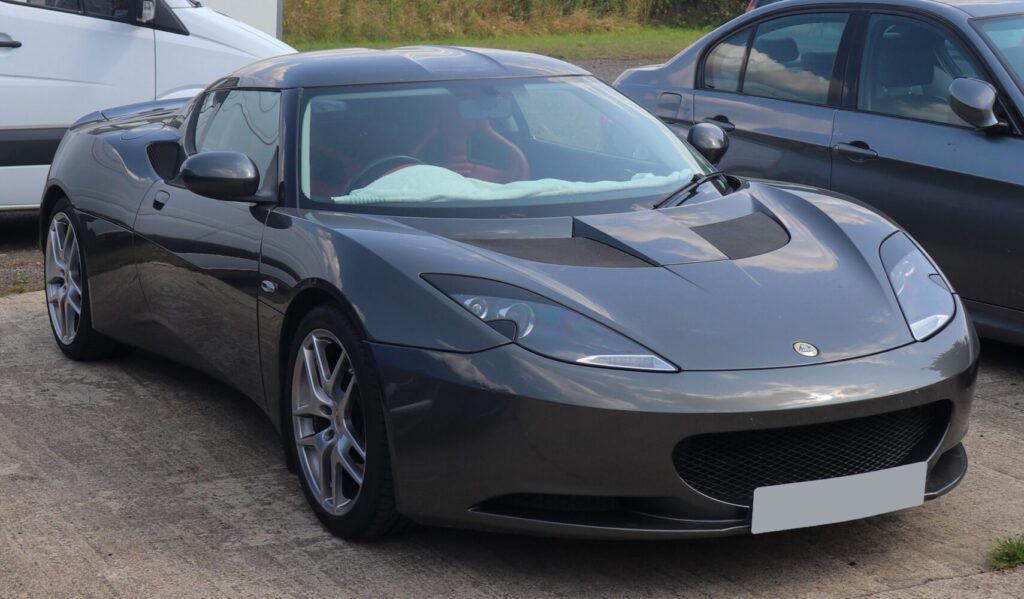
This mid-engine sports car proves Toyota engineering scales to exotic applications.
The Lotus Evora, a mid-engine sports car introduced around 2009, shocked the automotive world by borrowing its heart from Toyota. Early models found a home for the naturally aspirated version of Toyota’s robust 3.5L 2GR-FE V6, later supercharged in variants as the Evora S. Lotus engineers chose it for its proven reliability, compact dimensions, and solid performance base ripe for tuning.
This decision validated the 2GR-FE’s engineering, proving that an engine known for everyday durability could underpin a genuine mid-engine sports car. Lotus enhanced it with modified intake, exhaust, and ECU calibration, demonstrating how readily this powerplant adapts. It’s a testament to Toyota’s engineering prowess that a V6 found in commuter cars could deliver the exciting performance expected of a Lotus.