

Dealer lots across America are stuffed with inventory that’s moving slower than a Monday morning commute. While some models vanish faster than free coffee at a Cars & Coffee meet, others sit like forgotten project cars in the back of the garage. These aren’t necessarily bad vehicles—they’re just the ones dealers are practically giving away to anyone willing to negotiate. Smart buyers know that sluggish sales often translate into serious deals, turning someone else’s marketing mishap into your next great ride.
16. 2026 Volkswagen ID.4
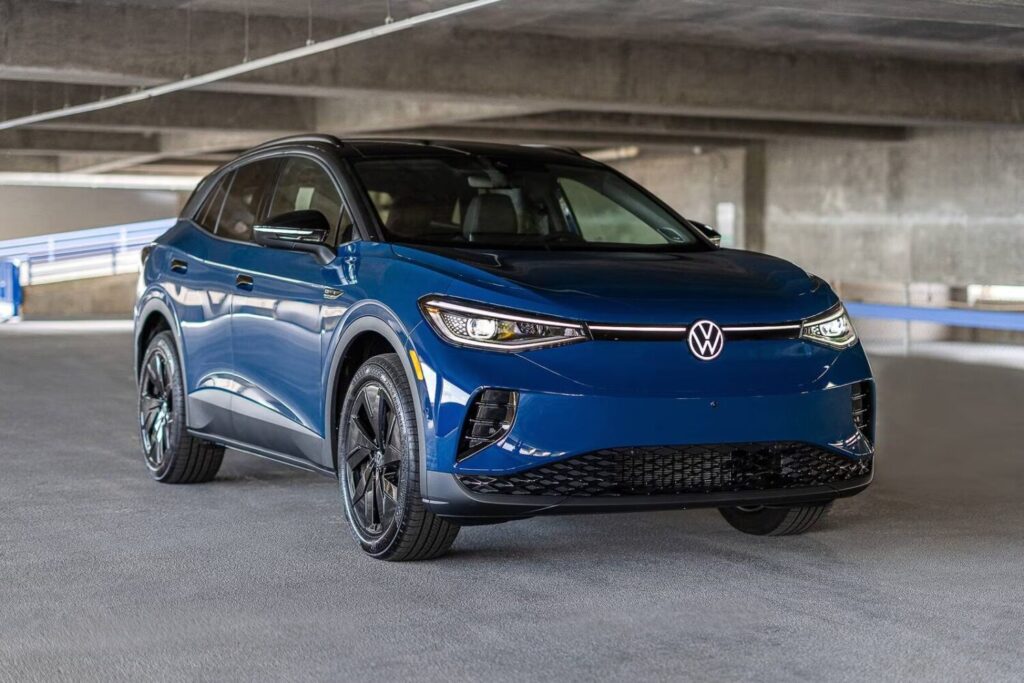
This compact electric crossover has become a cautionary tale about timing and market expectations.
The 2026 Volkswagen ID.4 sits on lots longer than any other vehicle currently sold in America, creating a massive opportunity for buyers who don’t mind being unfashionable. This situation isn’t about lacking features—the ID.4 delivers solid EV fundamentals with respectable range figures. Instead, it highlights the gap between what automakers think buyers want and what actually moves metal. For savvy shoppers, this inventory glut means serious negotiating power. Dealers facing mounting carrying costs are likely more flexible than a well-worn clutch pedal, especially if you’re ready to sign today.
15. Polestar 4
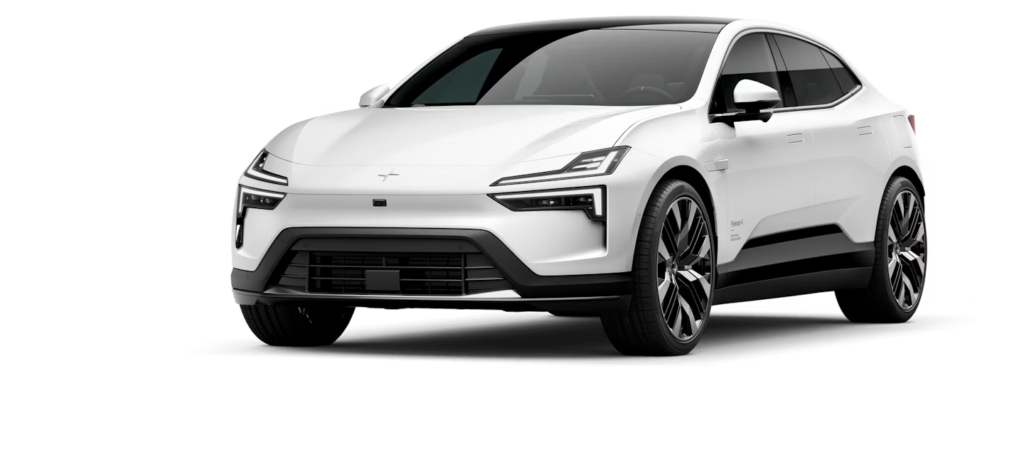
Sleek Swedish engineering meets stubborn American sales resistance.
This electric crossover carries a premium price tag around $70,000 but moves off lots with all the urgency of a diesel engine warming up in January. The Polestar 4‘s camera-based rearview system and distinctive coupe-like silhouette should appeal to tech-forward buyers, yet sales remain glacial. Built on Geely’s SEA platform, it offers impressive performance credentials—up to 536 horsepower in dual-motor form with sub-4-second acceleration. Anyone who’s negotiated for a slow-selling luxury vehicle knows dealers become surprisingly accommodating when inventory ages past the honeymoon period.
14. Aston Martin DBX/DBX707
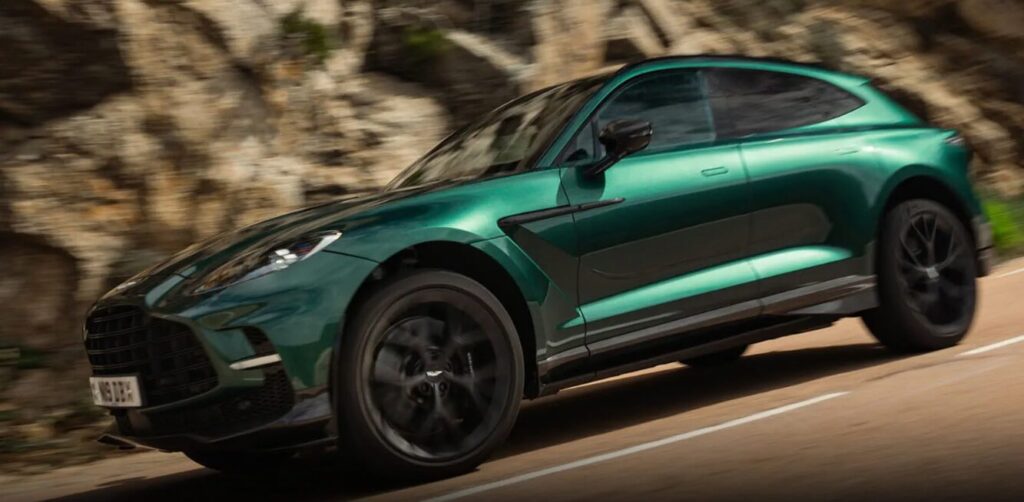
British luxury meets American indifference in the most expensive way possible.
Aston Martin DBX‘s SUV gamble has created a perfect storm for bargain hunters willing to spend supercar money. The DBX707 variant pumps out 697 horsepower, rocketing to 60 mph in roughly 3.1 seconds—performance that should have enthusiasts lining up around the block. Yet these hand-built machines accumulate like vintage wine in a collector’s cellar. For buyers who appreciate bespoke craftsmanship and don’t mind standing out in the school pickup line, this inventory surplus represents a rare chance to own genuine automotive artistry at a potentially significant discount.
13. Bentley Continental GT
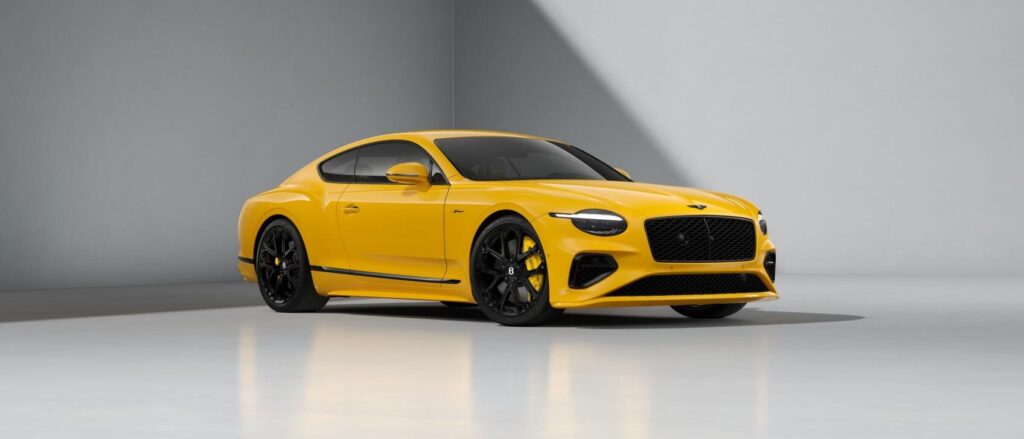
Hand-stitched luxury that’s proving harder to sell than expected.
When a six-figure grand tourer lingers on dealer floors, opportunity knocks for those with deep pockets and deeper patience. The Bentley Continental GT combines twin-turbocharged power with Bentley’s legendary attention to interior detail, creating a highway cruiser that feels equally at home crossing continents or impressing at the country club. Current models pack serious punch—some variants exceed 650 horsepower—while maintaining the refined comfort that defines the Bentley experience. This sales slowdown might be the perfect moment for discerning buyers to secure a piece of Crewe’s finest craftsmanship.
12. Audi e-tron GT
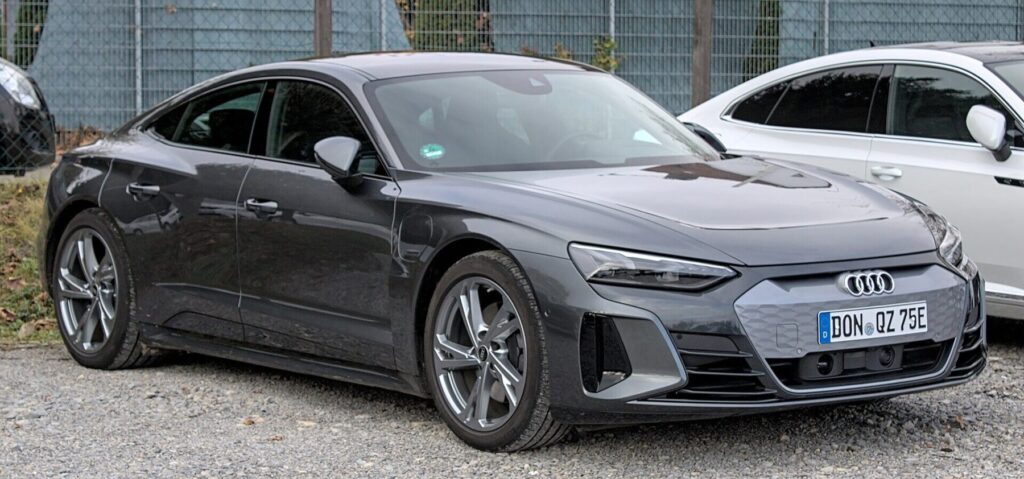
German engineering excellence trapped in an overcrowded luxury EV market.
The Audi e-tron GT shares its bones with the Porsche Taycan, delivering up to 522 horsepower through a sophisticated dual-motor setup. This isn’t some compliance car—it’s a proper performance machine that happens to run on electrons. The 800-volt architecture enables lightning-quick charging, while the low-slung profile and rear-axle steering create handling dynamics that shame most traditional sports sedans. With minimal sales movement, dealers might be more willing to discuss numbers, especially for buyers ready to embrace the future of high-performance motoring.
11. Dodge Charger
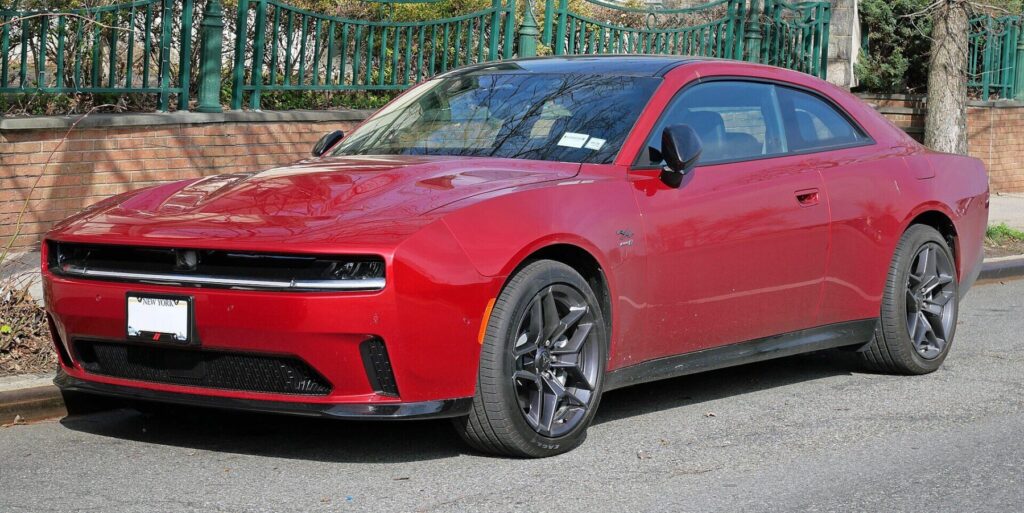
The muscle car era’s final curtain call comes with unexpected deals.
America’s last true full-size sedan warrior faces an uncertain future as Dodge transitions to electric power. The current generation represents the end of an era—rear-wheel-drive, V8-powered, and unapologetically old-school. While purists mourn the upcoming changes, pragmatic buyers can capitalize on dealers eager to clear space for whatever comes next. The Dodge Charger‘s combination of four doors, generous interior space, and genuine tire-shredding capability has made it a favorite among enthusiasts who need practicality with their performance.
10. 2026 Jeep Wrangler 2-Door
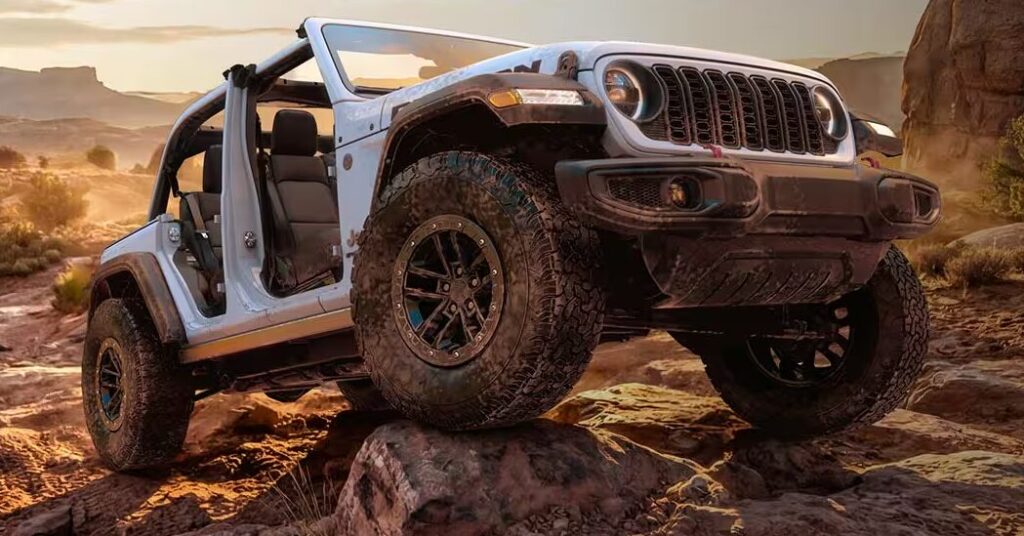
The purest off-road machine struggles against family-friendly expectations.
Two-door Wranglers offer superior trail capability compared to their Unlimited siblings, thanks to shorter wheelbase dimensions and improved breakover angles. Features like locking differentials on Rubicon trims make these machines nearly unstoppable on technical terrain. Yet modern buyers prioritize passenger space over rock-crawling prowess, leaving these capable rigs gathering dust. Anyone who’s threaded a tight trail knows the advantage of a compact footprint—the Jeep Wrangler 2-Door remains the ultimate tool for serious off-road adventures, even if the market doesn’t always appreciate its focused mission.
9. Chevrolet Blazer EV
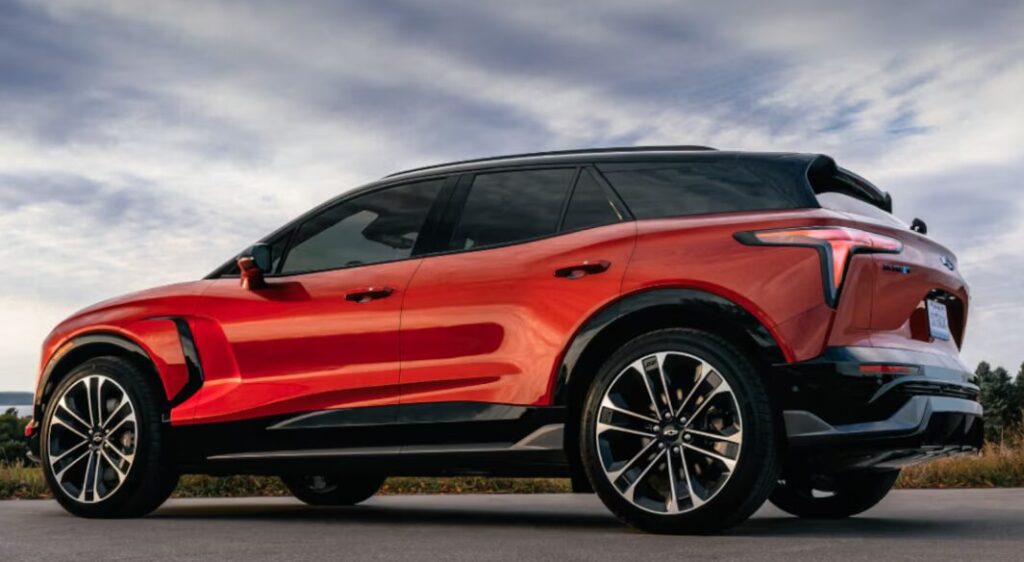
GM’s Ultium platform gets a lukewarm reception in competitive crossover territory.
Built on General Motors’ dedicated electric architecture, the Chevrolet Blazer EV offers up to 324 miles of EPA-estimated range alongside respectable performance figures. The SS performance variant targets sub-4-second acceleration, proving that family haulers don’t have to feel sluggish. Despite solid fundamentals, buyers seem hesitant to embrace Chevrolet’s electric vision, creating opportunities for early adopters willing to bet on GM’s electrification strategy. This sales resistance might translate into significant incentives for buyers ready to make the switch from gasoline.
8. Maserati Grecale
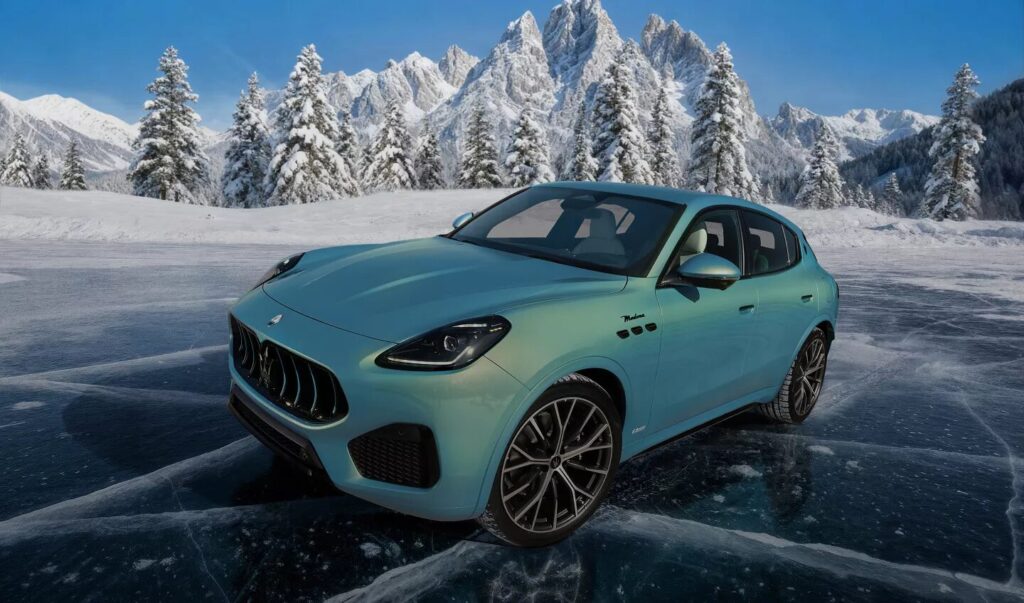
Italian style meets practical indifference in the luxury crossover segment.
The Maserati Grecale shares its Giorgio platform with Alfa Romeo’s Stelvio and Giulia, providing a solid foundation for Maserati’s luxury aspirations. Trofeo variants deliver 523 horsepower through a twin-turbo V6 derived from the MC20’s Nettuno engine, creating genuine performance credentials beneath the stylish bodywork. Despite Italian flair and legitimate sporting capability, American buyers remain unmoved by Maserati’s crossover vision. This disconnect between product quality and market reception creates negotiating leverage for buyers who appreciate Modena’s particular brand of automotive passion.
7. 2026 Ford Mustang Mach-E
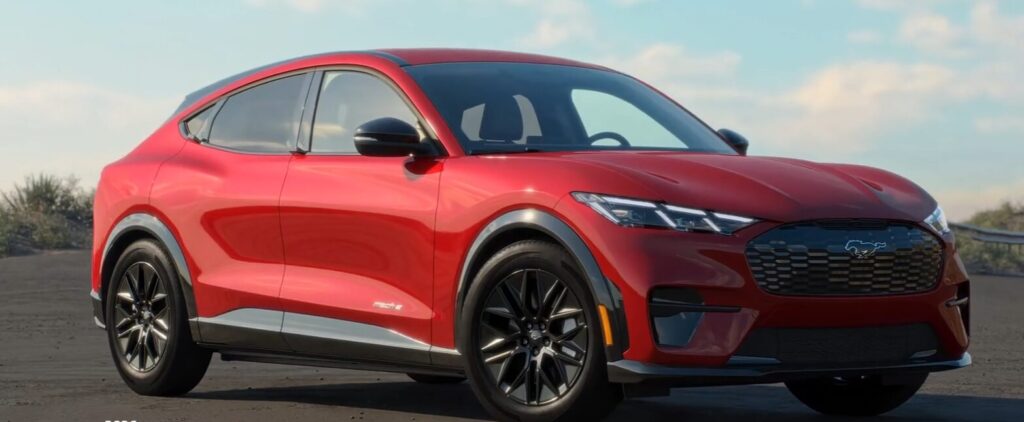
The electric Mustang nameplate experiment produces mixed results for dealers.
Ford’s decision to badge an electric crossover as a Mustang generated controversy, but the underlying vehicle delivers solid performance. GT variants produce around 480 horsepower with mid-3-second acceleration times, proving that electric power can provide genuine thrills. The fastback roofline and tri-bar taillights create visual connections to the traditional Mustang, even if purists remain unconvinced. This slow sales pace suggests dealers might be flexible on pricing, especially for buyers willing to embrace Ford’s electrified interpretation of American performance.
6. Mercedes-Benz Sprinter
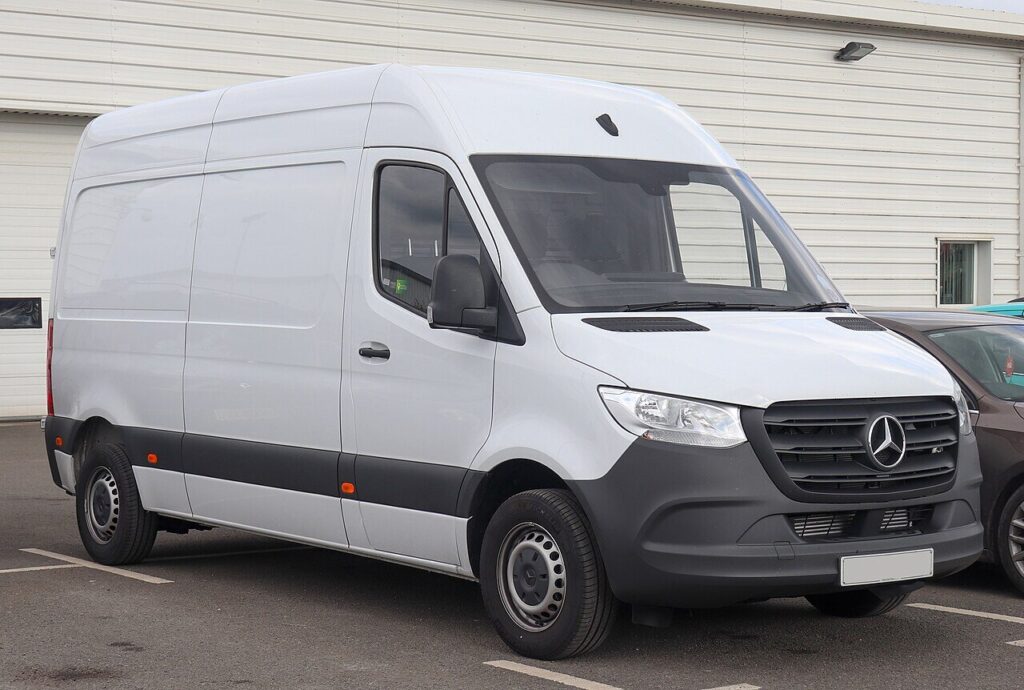
Commercial versatility meets consumer indifference in the van market.
The Sprinter’s legendary flexibility makes it equally suitable for cargo hauling, passenger transport, or custom camper conversions. Available in multiple configurations with rear-wheel or 4MATIC all-wheel drive, these German-engineered workhorses typically command premium prices in the commercial market. Current slow sales might reflect broader economic uncertainty affecting fleet purchases, potentially creating opportunities for individuals seeking ultimate utility. Anyone who’s needed to move large items or planned an epic road trip knows the Mercedes-Benz Sprinter‘s unique appeal in a world dominated by conventional SUVs.
5. Audi SQ7
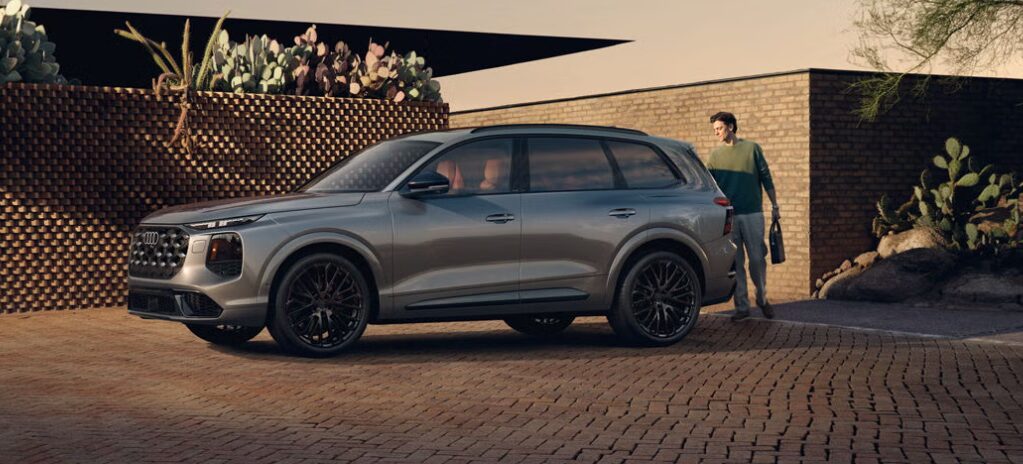
Three-row performance gets overlooked in favor of more practical alternatives.
The SQ7 combines family-friendly seating for 7 with a 4.0-liter twin-turbo V8 producing nearly 500 horsepower. Zero-to-60 times just over 4 seconds prove that utility doesn’t require sacrificing performance, while sport-tuned air suspension maintains composure despite the substantial size. This combination of space and speed should appeal to affluent families, yet sales remain sluggish. The disconnect might stem from buyers prioritizing fuel efficiency over performance in the three-row segment, creating potential deals for those who want both practicality and power.
4. Mercedes-Benz EQS Sedan
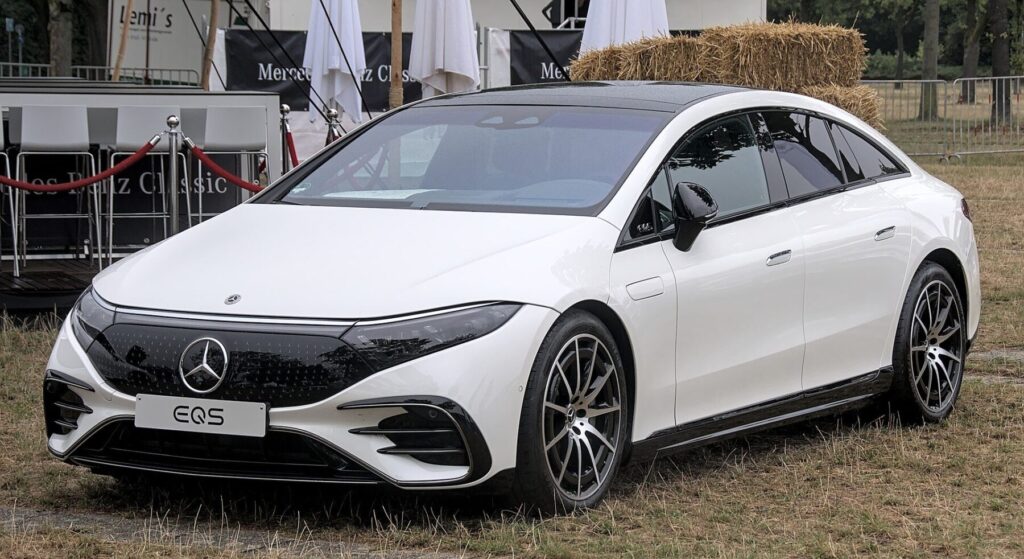
Flagship luxury goes electric with mixed market reception.
Built on Mercedes’ dedicated EVA2 platform, the Mercedes-Benz EQS Sedan represents the brand’s vision for electric luxury. Powertrains range from 329 horsepower in base models to over 750 horsepower in AMG variants, while the optional MBUX Hyperscreen creates a futuristic cabin experience. Initial EPA range estimates in the low-to-mid-300-mile range provide adequate real-world capability for most buyers. This sales lull might reflect luxury buyers’ hesitation about electric powertrains, potentially creating opportunities for early adopters willing to embrace zero-emission motoring without sacrificing comfort.
3. Audi A8
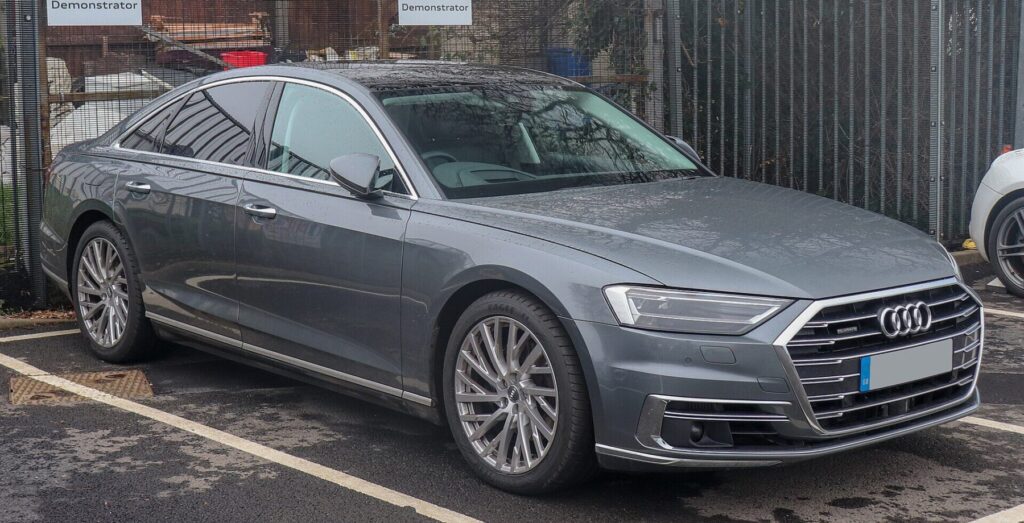
Flagship sedan excellence struggles against changing luxury preferences.
The A8 showcases Audi’s aluminum space frame construction alongside potent V6 and V8 engines enhanced by mild-hybrid technology. Standard adaptive air suspension provides exceptional ride quality, while features like Virtual Cockpit and rear-seat executive packages cater to demanding luxury expectations. This German flagship emphasizes comfort and refinement over outright sportiness, appealing to buyers who prioritize serene highway cruising. Sluggish sales might reflect the broader sedan market decline, potentially benefiting buyers who still appreciate traditional luxury car virtues.
2. Lotus Emira
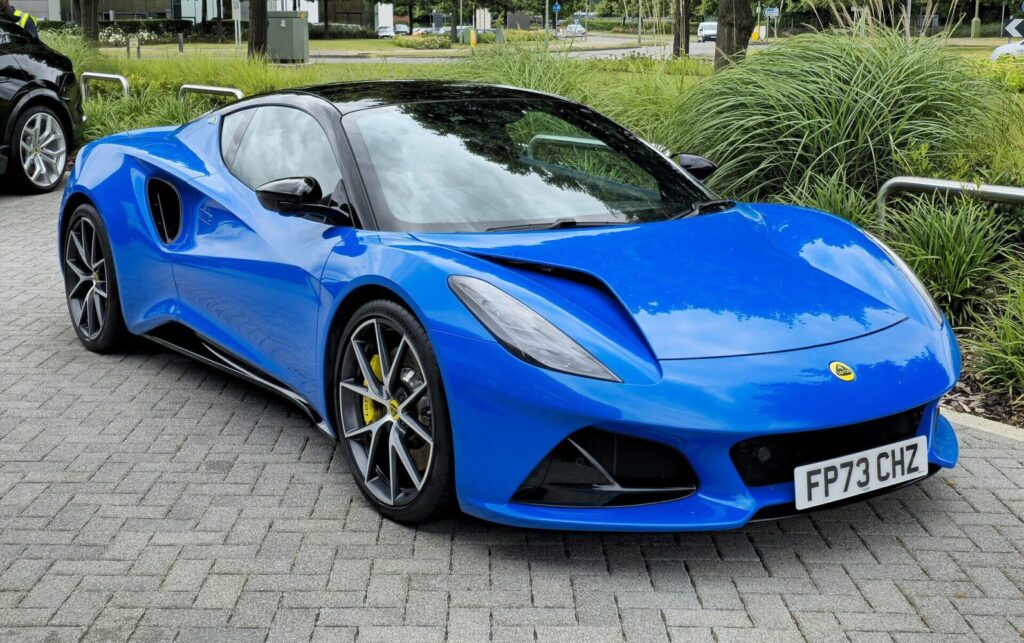
The final internal combustion Lotus struggles to find its audience.
The Lotus Emira represents Lotus’s swan song for traditional powertrains, offering supercharged Toyota V6 or Mercedes-AMG turbocharged four-cylinder engines. Both options deliver around 4-second acceleration times while maintaining the legendary Lotus handling balance. Significantly improved interior quality and modern infotainment address previous Lotus weaknesses without compromising the brand’s core driving mission. Low sales figures suggest enthusiasts might be waiting for electric alternatives, potentially creating opportunities for buyers who appreciate analog driving experiences.
1. Aston Martin Vantage
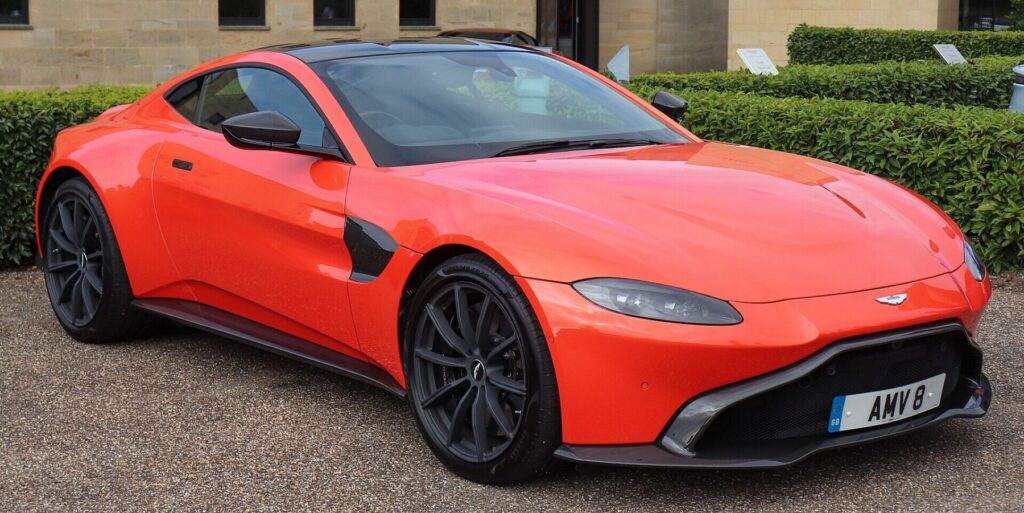
British sports car purity meets niche market reality.
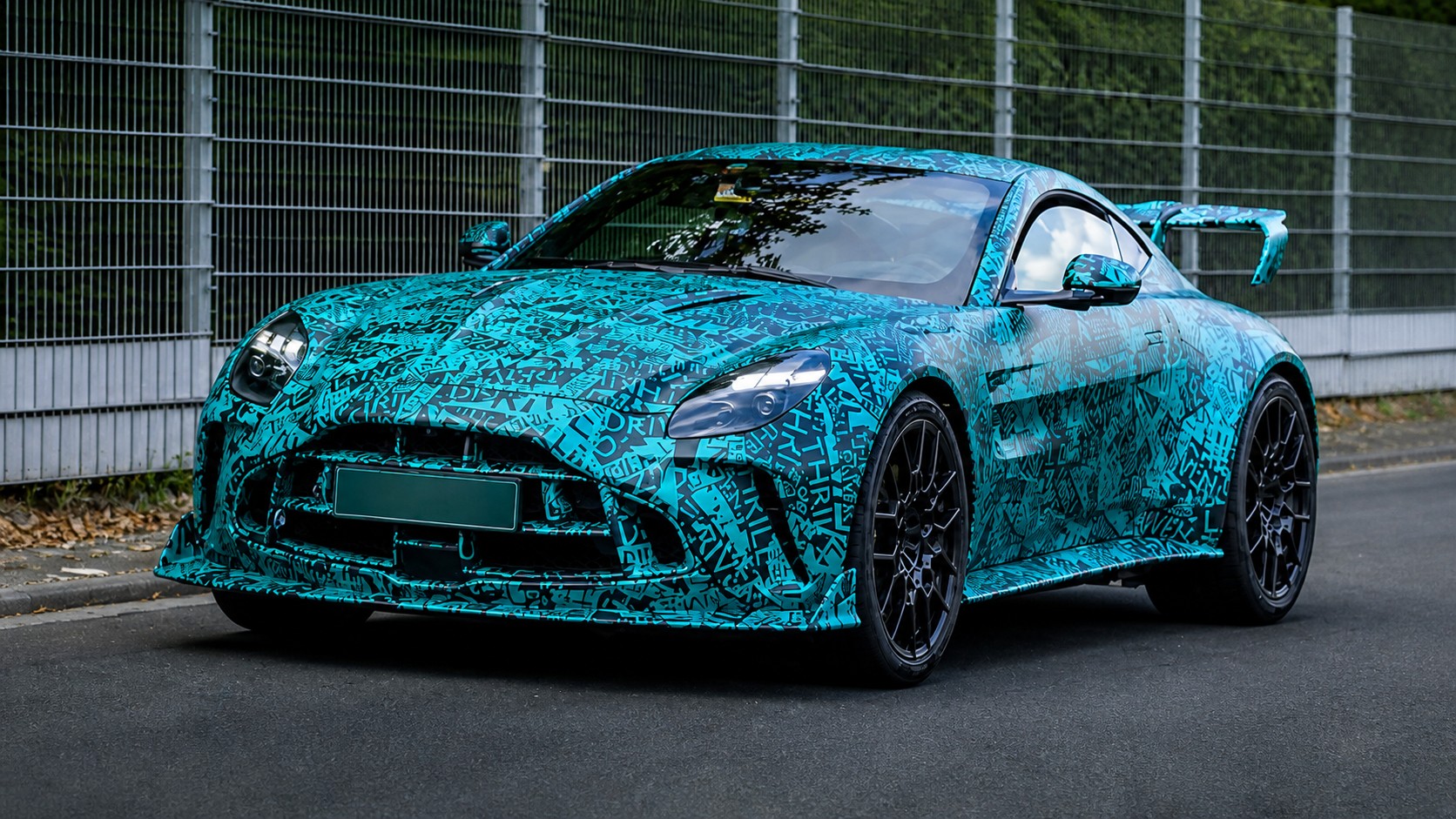
The Vantage combines a Mercedes-AMG-derived 4.0-liter twin-turbo V8 with rear-wheel-drive dynamics in a compact two-seat package. Adaptive dampers and electronic rear differential create handling precision that rewards skilled drivers on challenging roads. The driver-centric cabin emphasizes engagement over luxury, though extensive customization options allow personalization. This focused approach appeals to enthusiasts seeking pure sports car experience, but limited practicality restricts market appeal. Patient buyers might find dealers willing to negotiate on this example of British automotive craftsmanship.