

Few things stir the soul like discovering automotive history hiding in plain sight. Every living piece of automotive history feels like a moment when manufacturers threw caution to the wind and created machines so special that just seeing one today feels like striking gold. From winged warriors to experimental turbine engines, these are the American cars that truly earned their legendary status.
19. 1969 Dodge Charger Daytona (426 Hemi)
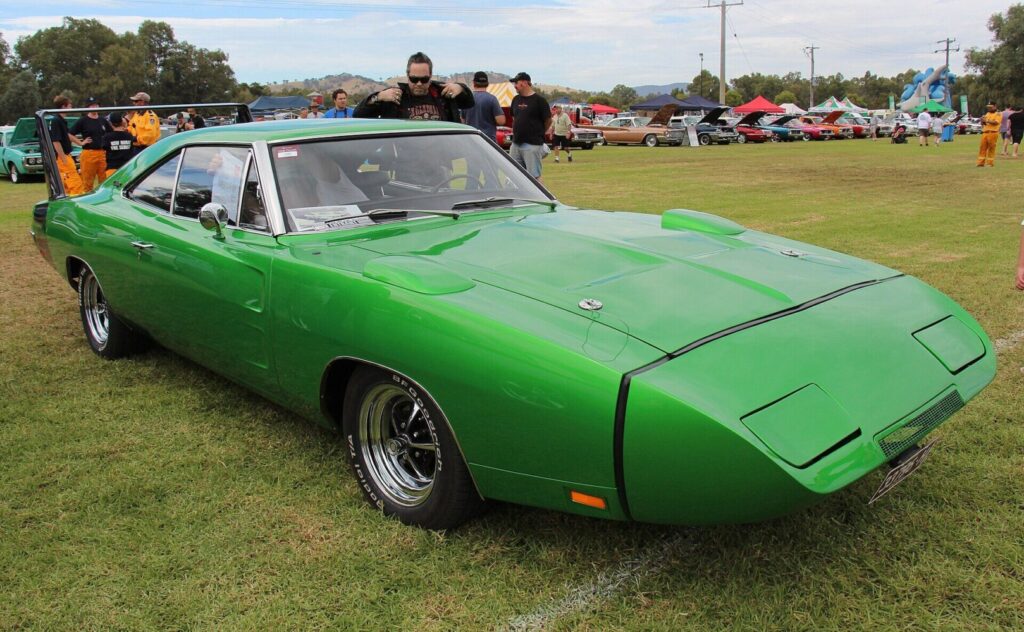
Only 503 Daytonas were built, with just a fraction packing the legendary 426 Hemi V8.
NASCAR rules demanded roughly 500 street cars to homologate that radical aero package for racing. Dodge delivered exactly 503 Daytonas, but most rolled off the line with 440 Magnum engines. The rare few blessed with the 426 Hemi became instant legends. That 18-inch nose cone and 23-inch rear wing weren’t just for show—period NASCAR Daytonas exceeded 200 mph on superspeedways, making them among the fastest stock cars of their era.
Finding an authentic Hemi Daytona today requires serious hunting and deeper pockets. These winged warriors routinely command hundreds of thousands at auction, with top examples pushing past $500,000. Anyone who’s felt the pull of a proper muscle car knows why—this isn’t just horsepower and heritage, it’s the privilege of owning a piece of racing history that actually mattered on Sunday.
18. 1970 Plymouth Hemi ‘Cuda Convertible
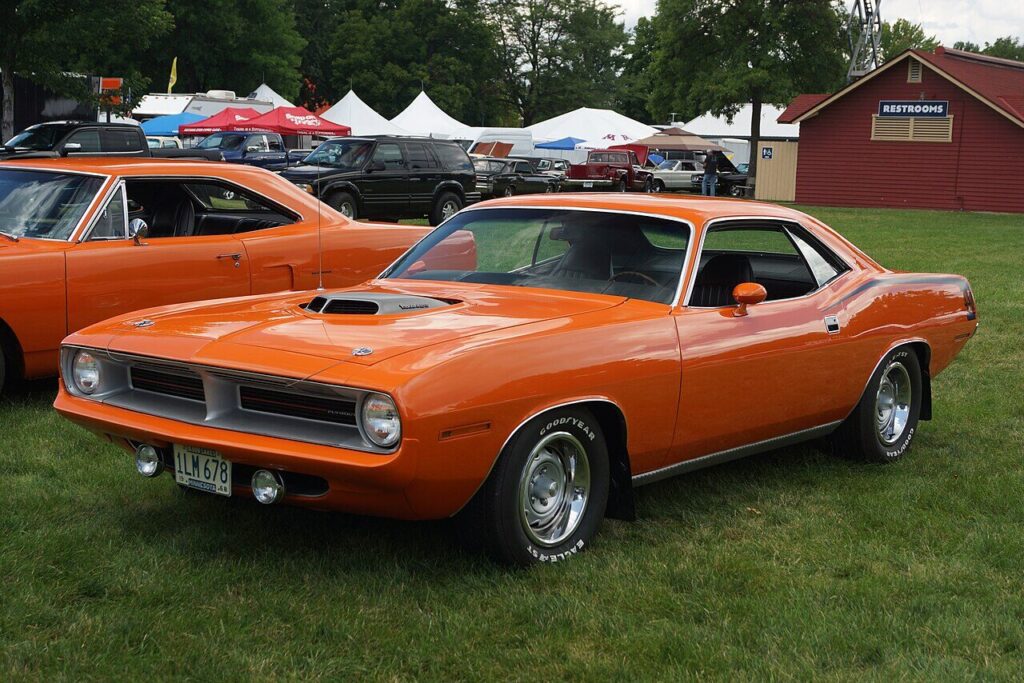
Plymouth built just 14 of these convertibles, making them rarer than finding parking at a Cars and Coffee.
These rare beasts packed the legendary 426 Hemi V8, churning out 425 hp through either a 4-speed manual or TorqueFlite automatic. The convertible option made an already expensive car dramatically more costly, which killed demand faster than a teenager’s enthusiasm for manual transmissions. What seemed like poor sales strategy in 1970 became collector gold decades later.
Surviving examples regularly cross the $1 million mark at auction, with documented sales reaching $3-4 million range. That astronomical pricing reflects both scarcity and timing—1970 marked the peak of the American muscle era, making these ‘Cudas rolling monuments to an age when Detroit still believed bigger was always better.
17. 1953 Buick Skylark
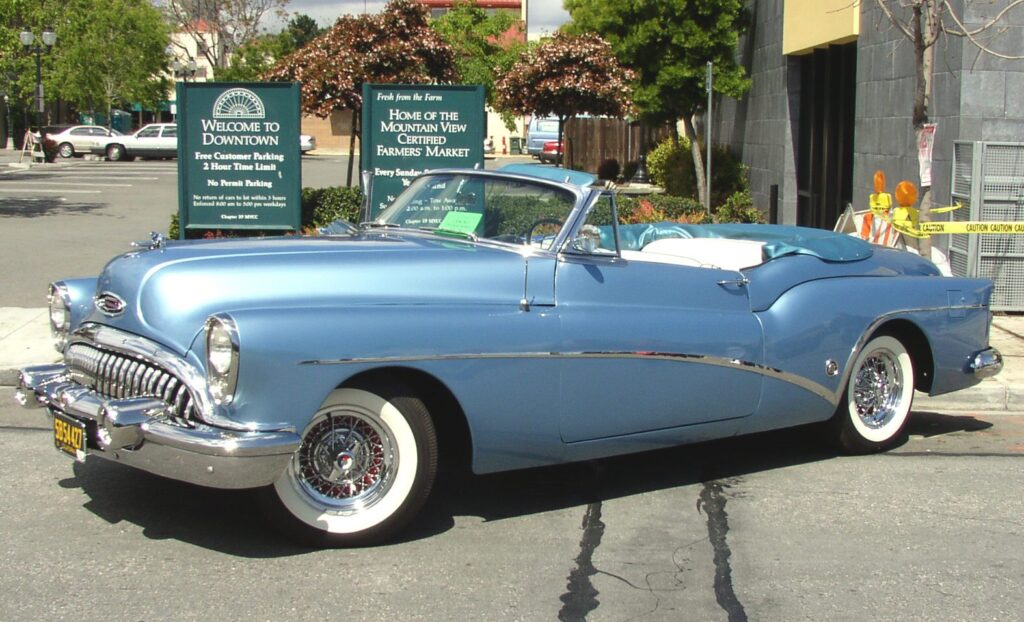
Buick’s 50th anniversary celebration produced 1,690 hand-modified convertibles that redefined luxury.
This wasn’t just a trim package—each Skylark required extensive hand modifications from the Roadmaster chassis. Craftsmen lowered the beltline, cut down doors, reshaped wheel arches, and added unique rear fenders. Buick’s new 322 cubic inch “Nailhead” V8 provided power, while features like power steering, brakes, and windows pushed pricing into Cadillac territory.
Many examples were used hard and later modified, making well-preserved originals surprisingly scarce. The Skylark represented semi-coachbuilt American luxury before mass production standardized everything. Finding one in correct, unrestored condition today means discovering a time when Detroit still sweated the details.
16. 1954 Kaiser Darrin
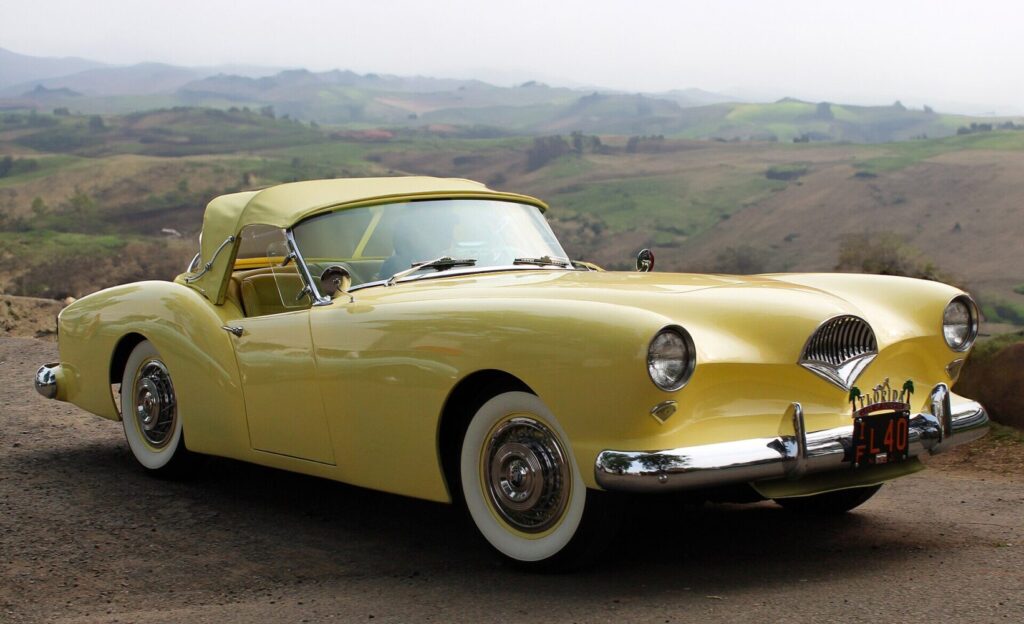
Designer Dutch Darrin created America’s first fiberglass sports car with doors that slid into the fenders.
Only 435 Kaiser Darrins rolled off the line in 1954, featuring unique sliding doors that retracted forward instead of swinging outward. This fiberglass-bodied sports car debuted shortly after the Corvette, powered by a 161 cubic inch Willys inline-six that prioritized touring over outright speed. When Kaiser exited car manufacturing, Darrin reportedly purchased unsold examples, some later retrofitted with V8 engines.
Surviving Darrins number fewer than the original production run, making any example exceptionally rare. The car’s place in early American fiberglass sports car history, combined with those distinctive sliding doors, ensures it remains a fascinating footnote that actually influenced future design thinking.
15. 1957 Dual-Ghia
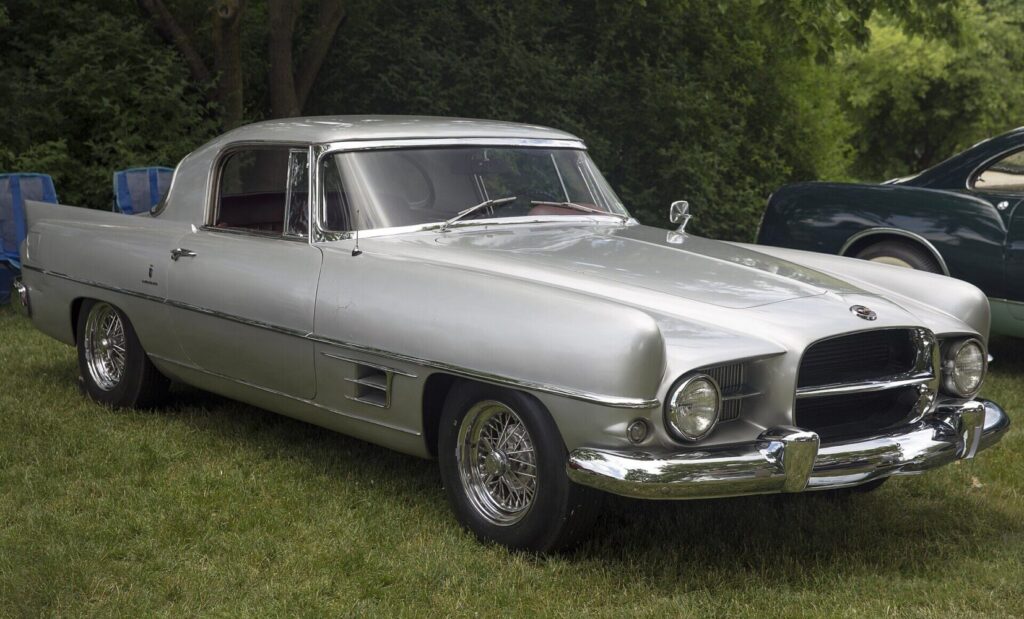
About 120 examples blended American mechanics with Italian coachwork for Hollywood’s elite.
The Dual-Ghia combined a Dodge chassis and drivetrain with hand-built bodies from Carrozzeria Ghia in Turin. Most featured Dodge 315 or 325 cubic inch V8s with automatic transmissions, offering American reliability wrapped in Italian elegance. Bodies were fabricated and trimmed by Ghia, then shipped to the U.S. for final assembly.
Celebrity ownership by Frank Sinatra, Dean Martin, and Ronald Reagan enhanced the car’s cultural cachet. Priced comparable to a Cadillac Eldorado but sold primarily through personal connections, the Dual-Ghia remained exclusive by design. This wasn’t transportation—it was a rolling statement for those who’d already made their mark.
14. 1963 Chrysler Turbine Car
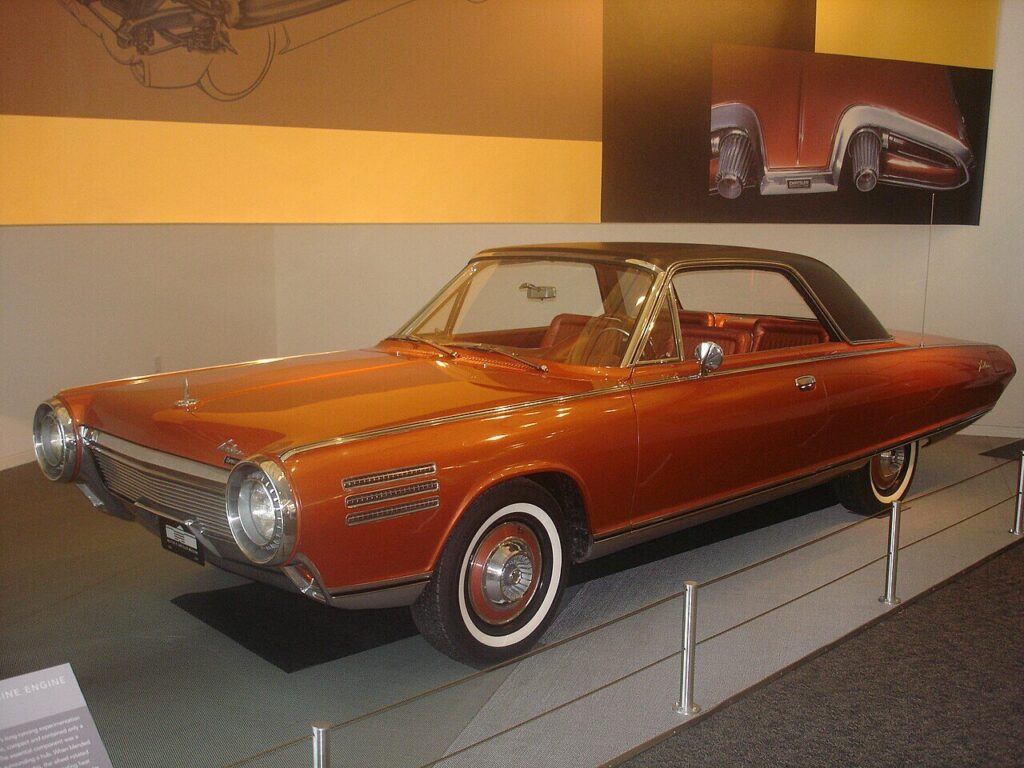
50 families test-drove the future when Chrysler loaned turbine-powered cars for real-world evaluation.
Chrysler built 55 experimental turbine cars between 1963–1966, loaning 50 to ordinary families for three-month evaluations. The turbine engine could run on gasoline, diesel, kerosene, or other distillates, showcasing remarkable multi-fuel capability. Ghia styled the distinctive bronze bodies with turbine-inspired trim and wheels.
After the program ended, Chrysler destroyed 46 cars, leaving only 9 survivors in museums like the Smithsonian and Henry Ford. Cost, emissions concerns, and drivability issues ended the experiment, but these remaining Turbine Cars represent one of Detroit’s most dramatic alternative powertrain attempts.
13. 1969 Chevrolet Camaro ZL1
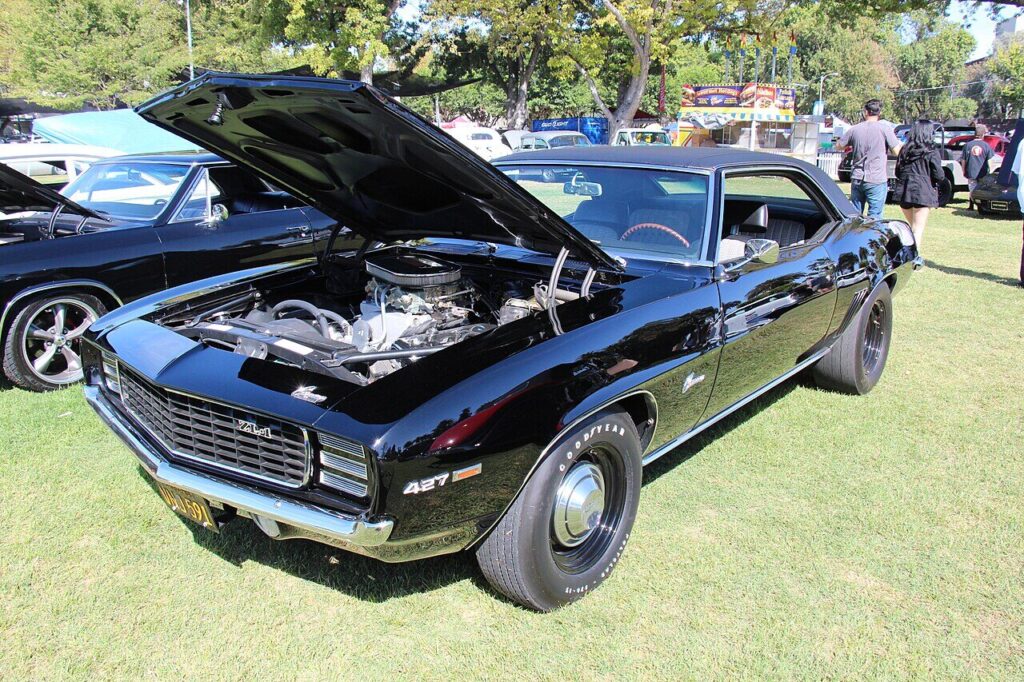
Illinois dealer Fred Gibb ordered 69 Camaros with Chevy’s all-aluminum Can-Am racing engine.
The COPO 9560 ZL1 Camaro wrapped Chevrolet’s aluminum 427 cubic inch racing V8 in street-legal bodywork. Conservatively rated at 430 hp, real output likely exceeded 500 hp while significantly lightening the front end compared to iron big-blocks. Champion racers Fred Gibb and Dick Harrell pushed the program for NHRA Super Stock homologation.
High cost made these cars extremely difficult to sell in period, with some dealers discounting or even engine-swapping examples. Today, documented numbers-matching ZL1 Camaros routinely bring seven-figure prices at auction. Anyone who’s heel-toed into a decreasing-radius corner knows the difference between marketing and magic—the ZL1 delivered pure magic.
12. 1956 Packard Caribbean Convertible
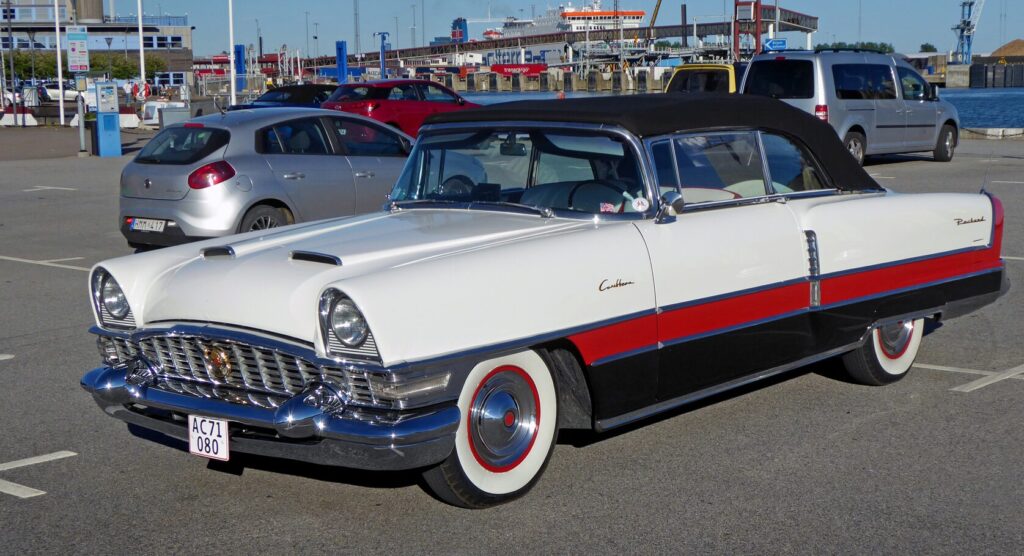
Just 276 Caribbean convertibles marked Packard’s final bow before corporate merger relegated the brand to history.
The 1956 Caribbean represented one of the last true Packards before the Studebaker merger reduced the brand to rebadged economy cars. This flagship luxury model featured a 374 cubic inch Packard V8 producing around 310 hp with dual four-barrel carburetors. Torsion-Level self-leveling suspension, reversible seat cushions, and tri-tone paint schemes showcased traditional Packard craftsmanship.
Low production combined with the brand’s impending collapse makes surviving, correctly restored examples particularly significant. These weren’t just luxury cars—they were the end of an era when independent manufacturers still challenged Detroit’s Big Three with genuine innovation and style.
11. 1954 Oldsmobile F-88 Concept
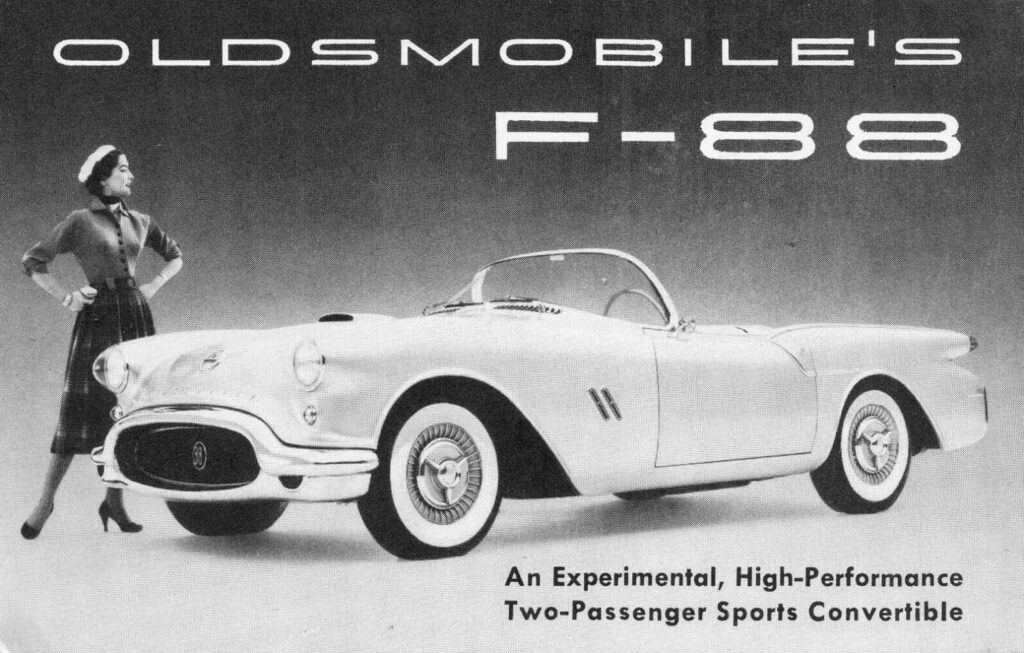
GM’s lost Motorama star resurfaced decades later to set auction records.
The Oldsmobile F-88 shared early Corvette engineering wrapped in jet-age styling for the 1954 GM Motorama. 4 F-88s were constructed in various states, but GM routinely destroyed show cars after their touring duties. 1 complete survivor emerged and sold at Barrett-Jackson in 2005 for $3.24 million, setting a then-record for a GM concept.
The surviving car features a 324 cubic inch Oldsmobile V8 and design cues that previewed future GM styling themes. Its resurrection proved that even forgotten dreams could command serious attention when rediscovered by collectors who understood automotive history.
10. 1967 Shelby GT500 “Super Snake”
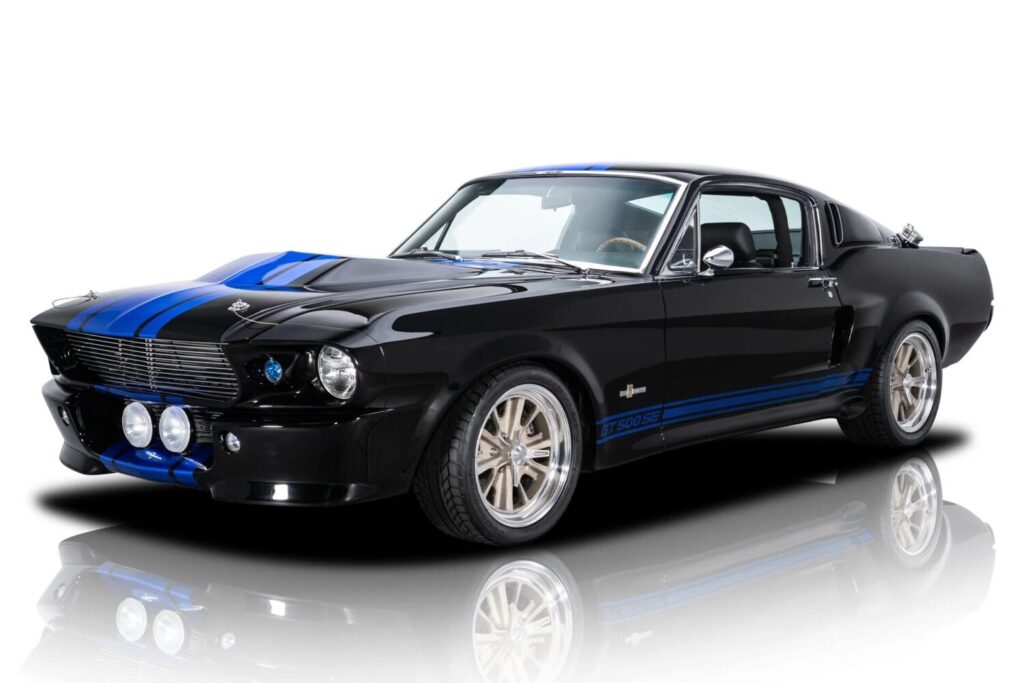
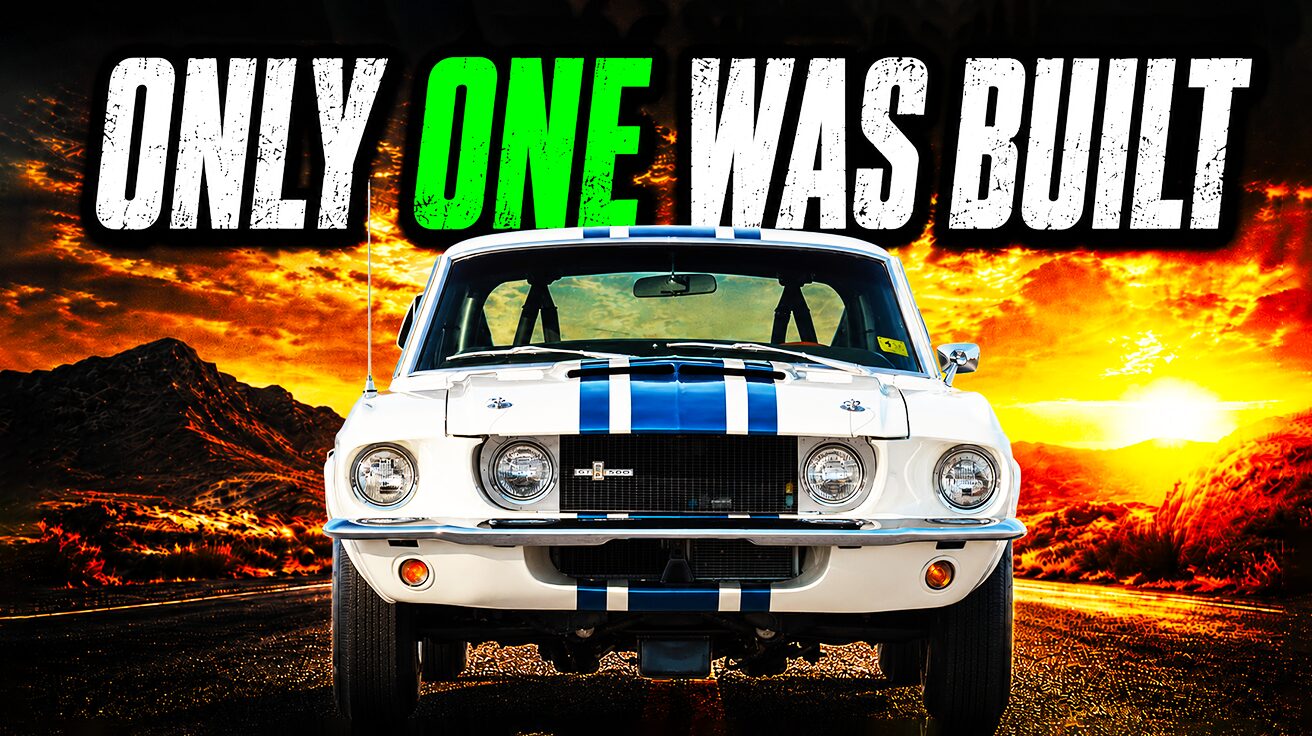
Carroll Shelby built 1 tire-testing monster that became the ultimate Mustang.
Shelby created this one-off GT500 for Goodyear Thunderbolt tire testing, installing a Le Mans-spec 427 cubic inch Ford V8 making over 500 hp. The car sustained speeds exceeding 170 mph during tire evaluation, proving both rubber durability and Shelby’s engineering prowess. Shelby considered offering limited production at around $7,500 each before cost and insurance concerns killed the plan.
The original Super Snake sold at Mecum Kissimmee 2019 for $2.2 million, setting a then-record for a Mustang at auction. This wasn’t just a car—it was proof that some ideas, even abandoned ones, were worth their weight in automotive gold.
9. 1953 Chevrolet Corvette
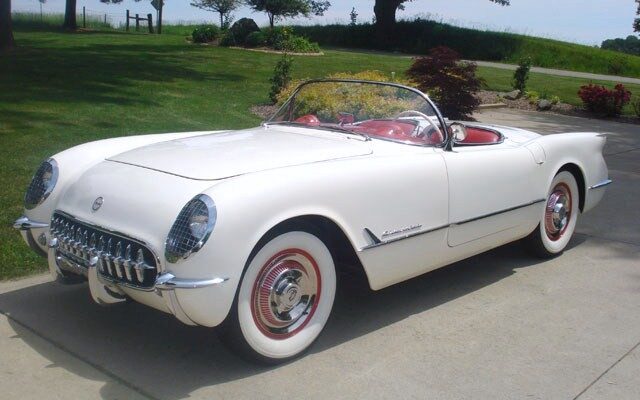
America’s first 300 Corvettes emerged from Flint as hand-built artifacts of sports car ambition.
Every 1953 Corvette wore Polo White paint with red interior and black soft top—no options existed. The 235 cubic inch “Blue Flame” inline-six with triple carburetors produced 150 hp, paired exclusively with a two-speed Powerglide automatic. These hand-assembled cars represented Chevrolet’s first tentative step into sports car territory.
The surviving 1953 Corvettes are highly prized as the origin of America’s longest-running sports car lineage. While a significant portion survive, fully original examples are increasingly rare and valuable. They represent that thrilling moment when Chevrolet took a genuine gamble on the American sports car dream.
8. 1963 Chevrolet Corvette Grand Sport
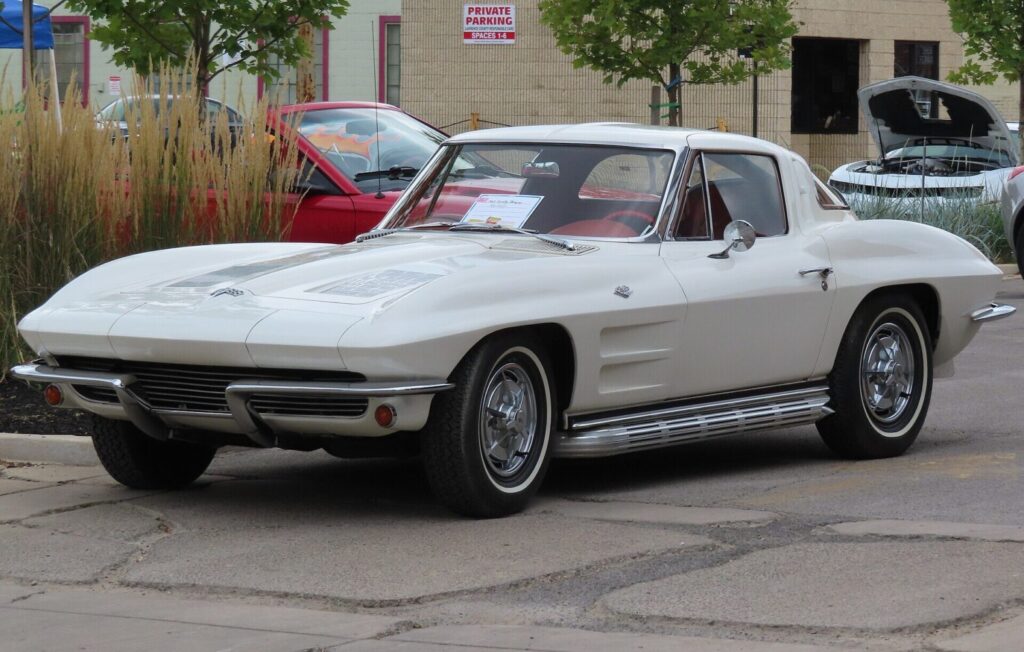
GM’s racing ban halted production after just 5 chassis, creating instant legends.
Zora Arkus-Duntov’s secret racing project planned 125 Grand Sports for homologation, but GM’s corporate racing ban stopped production after only 5 were completed. These lightweight machines used fiberglass and aluminum panels with tubular chassis modifications and high-output small-blocks capable of exceeding 500 hp in race trim.
All 5 original Grand Sports survive and rank among the most valuable Corvettes ever built. Individual cars have sold in the multi-million-dollar range, reflecting their status as forbidden fruit that defied corporate orders. They represent pure racing DNA disguised as street-legal Corvettes.
7. 1957 Lincoln Premiere Convertible
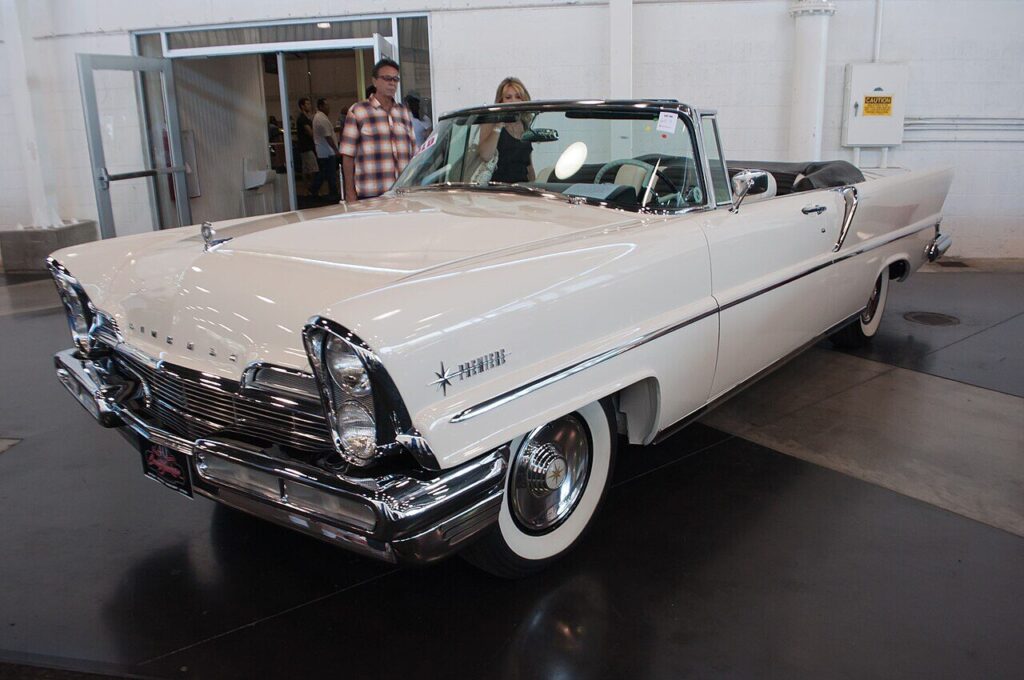
About 3,676 Premiere convertibles showcased late-50s luxury before Lincoln’s dramatic 1958 redesign.
The 1957 Premiere featured Lincoln’s 368 cubic inch Y-block V8 producing around 300 hp, paired with automatic transmission and luxury appointments. Dramatic tailfins, heavy chrome, and a long, low body represented peak 1950s American luxury design. Many served as everyday luxury cars rather than collector items, leading to significant attrition.
Well-preserved survivors are increasingly rare, as most were used extensively and subjected to varying restoration quality. The 1957 Premiere captured Detroit’s confidence before the industry shifted toward even larger, more ornate designs that ultimately proved unsustainable.
6. 1955 Gaylord
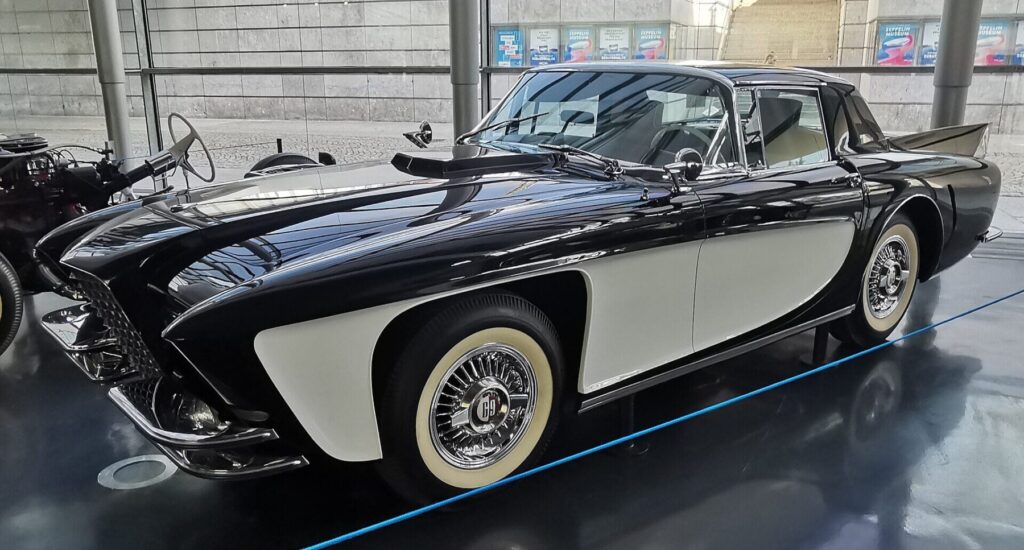
3 completed Gaylords combined American power with retractable hardtop innovation years before Ford’s Skyliner.
Brothers Jim and Ed Gaylord commissioned designer Brooks Stevens to create an ultra-luxury GT featuring a retractable hardtop mechanism years ahead of mass production. Chrysler Hemi V8 power aimed to combine American performance with European grand touring sophistication. Only about 3 completed cars plus 1 unfinished fourth were constructed due to extreme cost and development challenges.
The Gaylord’s retractable hardtop predated Ford’s 1957 Skyliner by several years, showcasing advanced engineering in an extremely limited package. These cars represent the pinnacle of 1950s custom coachbuilding ambition, when money seemed no object for those chasing automotive perfection.
5. 1966 Shelby Cobra 427 “Super Snake”
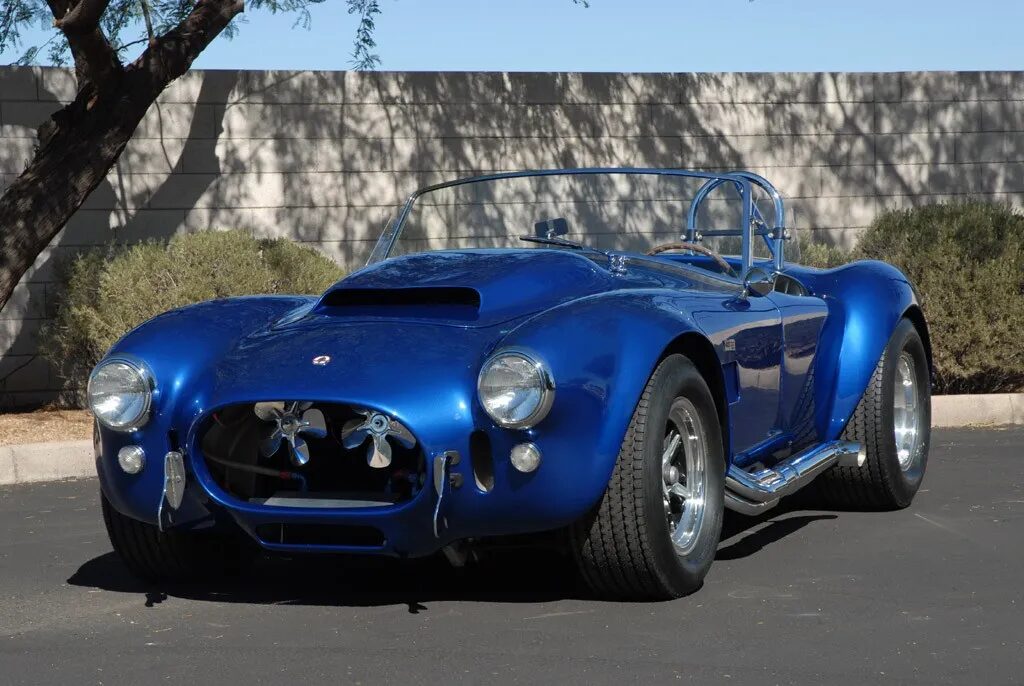
Twin Paxton superchargers pushed CSX3015 to 800+ hp for high-speed tire testing.
Carroll Shelby fitted chassis CSX3015 with 2 Paxton superchargers on the 427 cubic inch Ford V8, creating one of the most powerful roadgoing Cobras ever built. The car served as Shelby’s personal demonstration vehicle and tire-testing platform, achieving speeds well above 170 mph. Shelby advertised a small production run, but only 2 true Super Snake Cobras were completed.
After 1 was destroyed in an accident, CSX3015 became the sole surviving original. It sold at Barrett-Jackson in 2007 for $5.5 million, then a record for an American car at auction. This represents the ultimate expression of Shelby’s philosophy—if some power is good, more power is always better.
4. 1941 Chrysler Thunderbolt
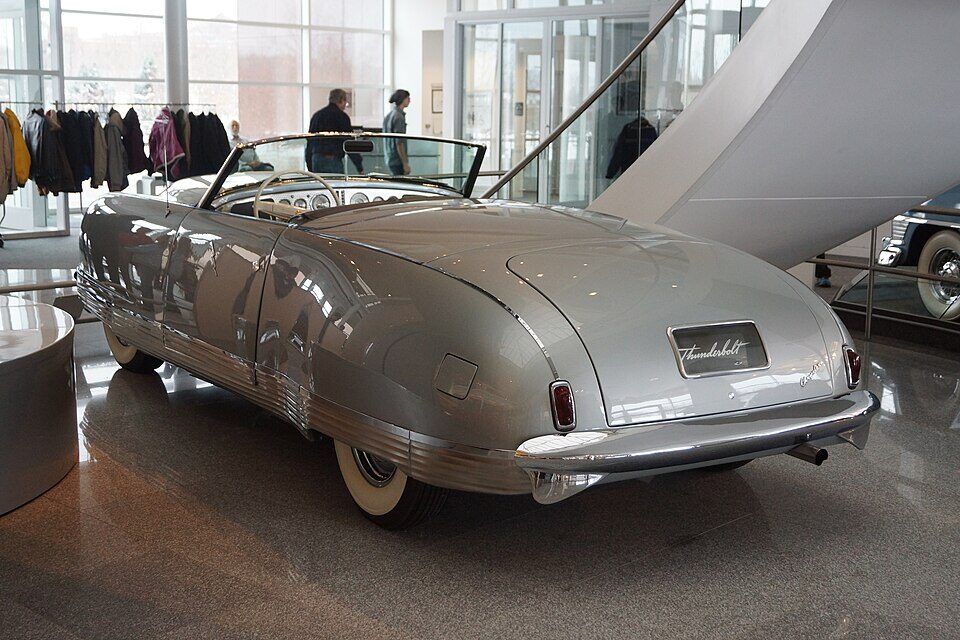
LeBaron built 6 futuristic concepts featuring retractable hardtops and push-button controls.
The fully functional Chrysler Thunderbolt showcased advanced 1940s thinking with streamlined aluminum bodies, retractable metal hardtops, concealed headlights, and flush door handles. Most controls operated via pushbuttons, emphasizing a futuristic theme just before World War II halted such experimentation. LeBaron constructed 6 examples on Chrysler New Yorker chassis.
At least 4 Thunderbolts survive in major collections and museums, representing some of the most important prewar American concept vehicles. They demonstrated how far automotive styling and technology could advance when freed from production constraints and cost considerations.
3. 1933 Duesenberg SJ
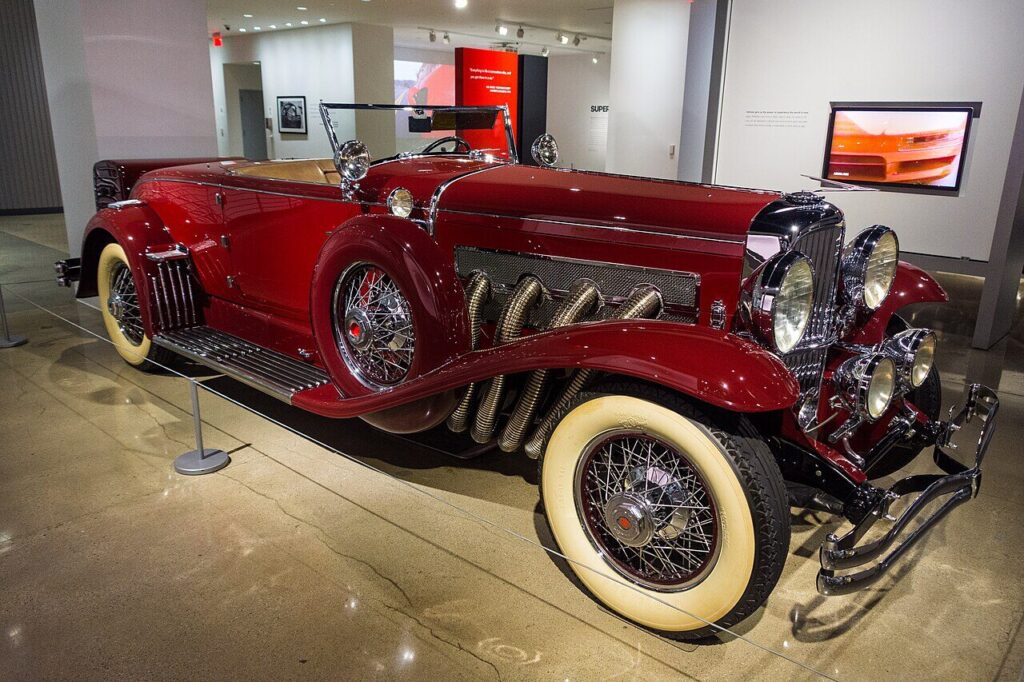
About 36 supercharged SJs produced 320 hp when most cars barely managed 100 hp.
The supercharged Duesenberg SJ took the already legendary Model J and added forced induction to its 420 cubic inch straight-eight engine. During the Great Depression, complete SJ cars with custom coachwork cost $17,000–$25,000—over 10 times the average annual income. Top coachbuilders like Murphy and Derham created bespoke bodies for these ultra-luxury machines.
Surviving, well-documented SJs frequently sell for multiple millions at auction, representing the pinnacle of American classic car collecting. They embody an era when American manufacturers could build anything regardless of cost, creating rolling sculptures that defined automotive excess during the nation’s leanest times.
2. 1907 Thomas Flyer
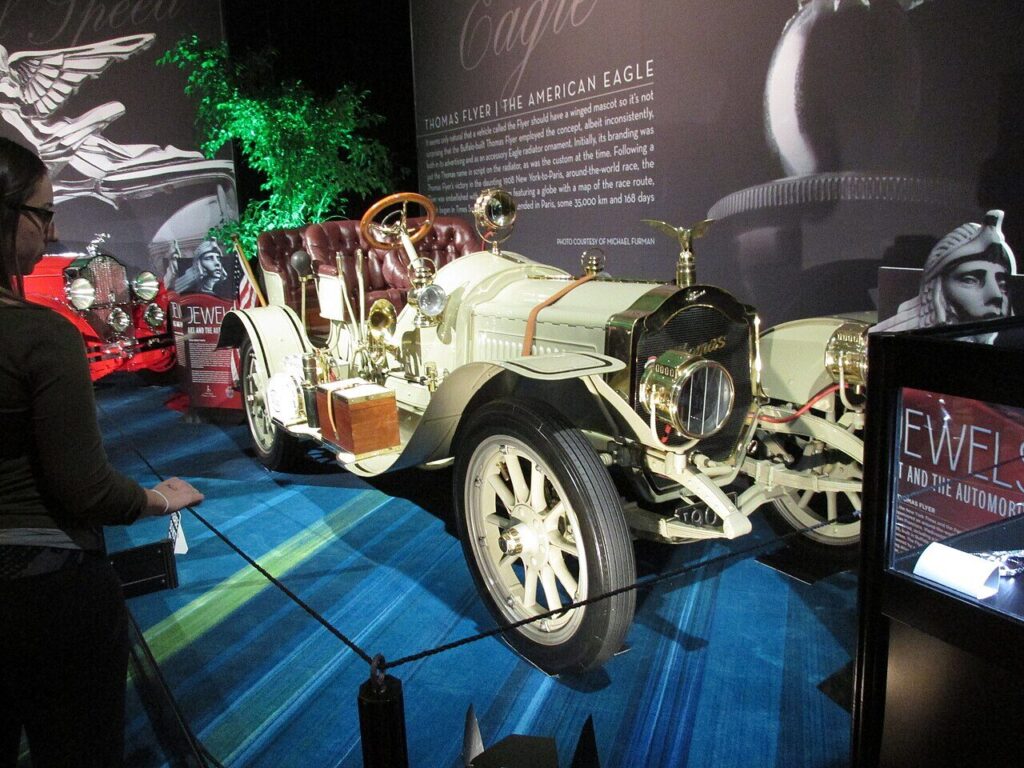
The only car to complete the 1908 New York to Paris Race under its own power.
The Thomas Flyer conquered roughly 22,000 miles across continents and harsh winter conditions in the most grueling early automotive competition. Built by E.R. Thomas Motor Company with a reliable 4-cylinder engine, the car was driven primarily by George Schuster through Siberia, Europe, and the American West.
The original race-winning Thomas Flyer was later rediscovered and restored, now residing in the National Automobile Museum in Reno as a centerpiece exhibit. It stands as a singular testament to automotive durability and human perseverance—a rolling monument to what cars could accomplish long before modern conveniences made travel effortless.
1. 1963 Corvette Grand Sport Roadster
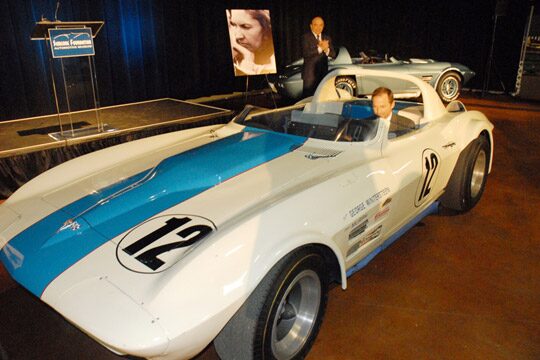
Chassis 002 retains its unrestored, as-raced condition at the Simeone Foundation.
2 of the 5 Grand Sports were converted to roadsters for racing; chassis 002 carries extensive period competition history from events like Nassau Speed Week and Sebring. Unlike most historic race cars that receive full restoration, this example at the Simeone Foundation Automotive Museum in Philadelphia maintains its original panels and racing patina.
The car was offered at auction by RM in 2008, with bidding reaching $4.9 million before failing to meet reserve. Its unrestored condition provides an authentic connection to 1960s sports car racing, when lightweight Corvettes battled international competition on circuits worldwide. Top-tier road courses don’t care about your comfort—they demand respect and reward precision.