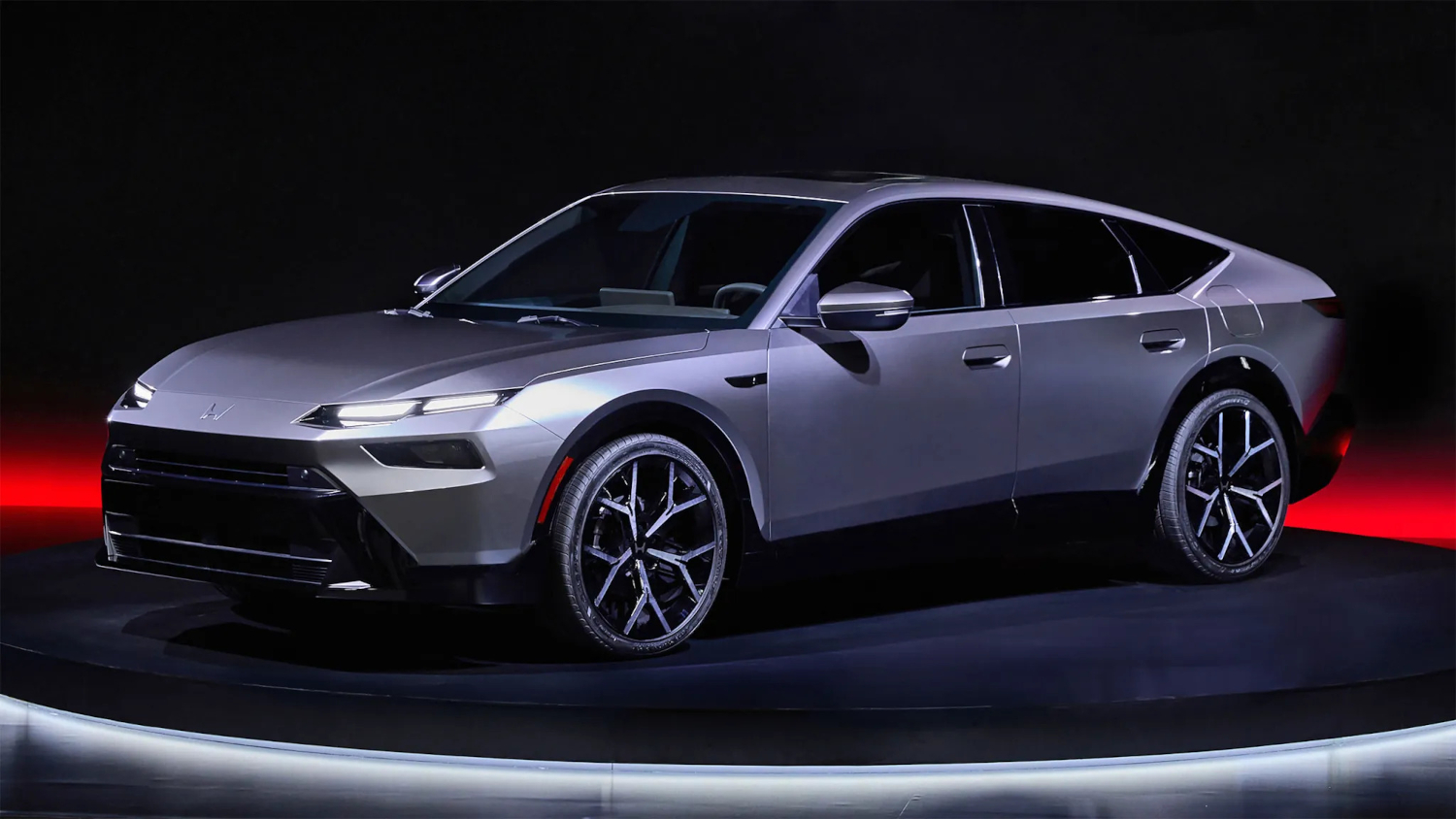


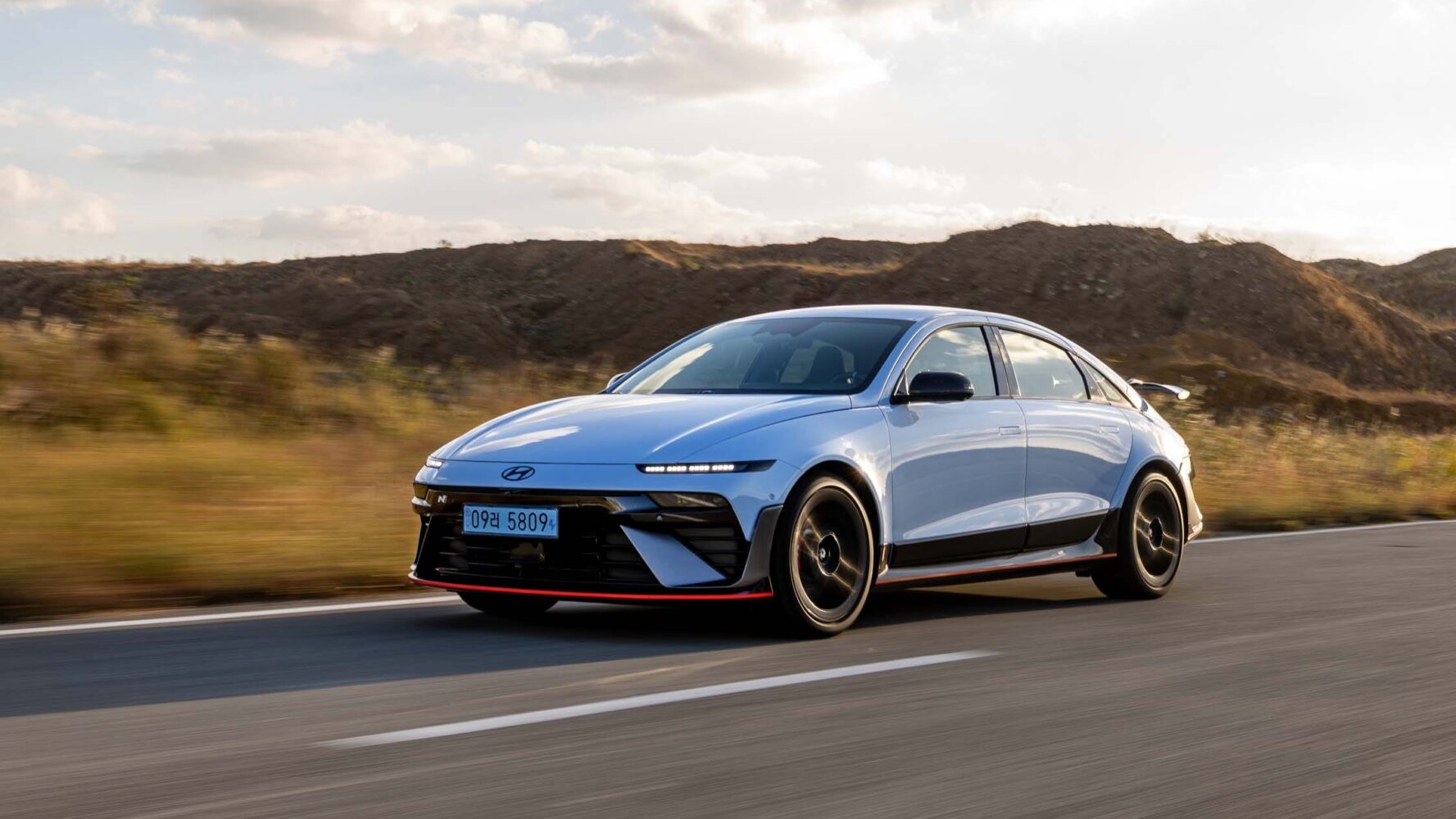
At a stoplight, the Ioniq 5 N sits silent: electric motor at rest, all-electric powertrain on E-GMP (Hyundai’s dedicated BEV platform), somewhere in the region of 600 horsepower waiting on the accelerator. Drop it into N mode, and the car starts making exhaust noises. Fake ones. Deliberately fake ones, mapped to a virtual rev limiter with pops and bangs on lift-off. Those are N e-shift and N Active Sound+ — systems Hyundai engineered specifically to make a battery-electric car feel like a rowdy combustion hot hatch. It’s a deliberately bizarre choice — and reportedly exactly what Hyundai’s customers are asking for. Fans of cars coming in the next model cycle will find IMA-platform N models among the most anticipated.
What’s Reportedly Coming Next
If the Ioniq 5 N’s theatrics felt like a first act, Hyundai N’s global R&D head is already writing the sequel.
According to reporting by Autocar, summarized by CarBuzz, Hyundai global R&D head Manfred Harrer says the next generation of N EVs — built on Hyundai’s upcoming IMA (Integrated Modular Architecture) platform — will push further into combustion-simulation territory:
- Simulated engine idle at standstill: a software-generated “heartbeat” reportedly delivered through sound and cabin vibration, though Hyundai has not yet confirmed the exact technical method
- Enhanced backfire and overrun effects, with Harrer suggesting richer, more physically engaging results — specific implementation details remain unconfirmed
- Intentional cabin vibrations to replicate the pulse of a running engine, whether achieved through motor torque modulation or other means, have not been officially specified
- Driver-configurable settings, potentially updatable over the air, consistent with Hyundai’s broader software-defined vehicle roadmap
- IMA’s next-generation 800-volt charging and deeper software integration, which Harrer reportedly described as a “huge evolution” over E-GMP rather than a clean-sheet redesign
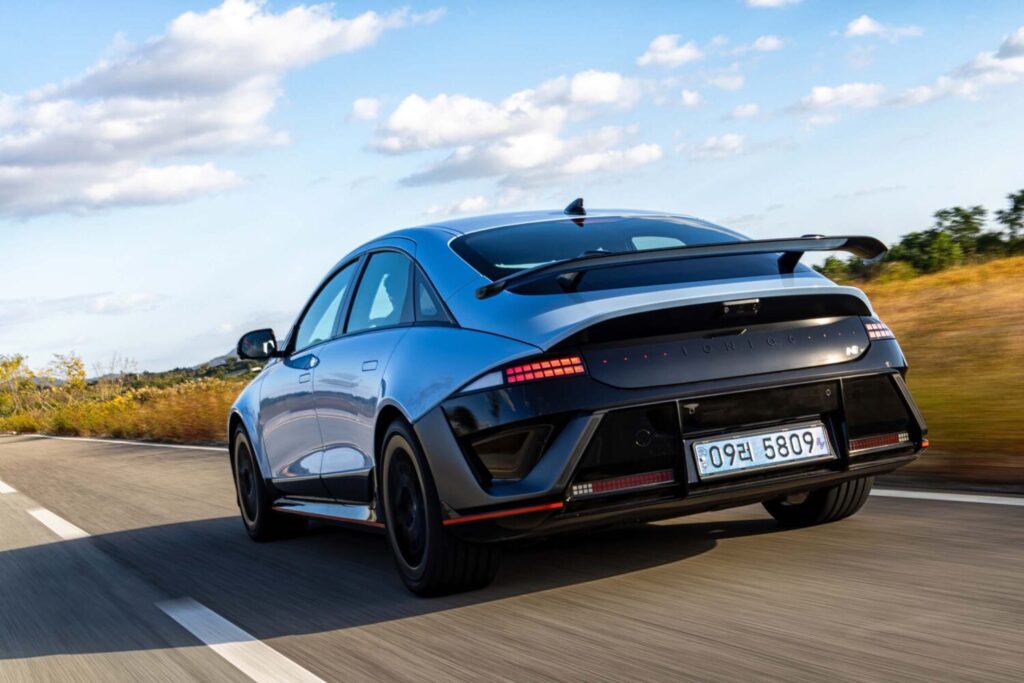
The Philosophy: Not the Serious Porsche Guys
Hyundai N isn’t chasing lap records — it’s chasing the feeling that makes drivers grin at a stoplight.
Harrer is direct about where N sits in the performance landscape. “We are leading — we are not following — on this technology,” he told Autocar. His team isn’t obsessing over another tenth of a second to 60 mph or positioning against Porsche’s engineering orthodoxy. N is explicitly about accessible, irreverent fun — and that framing matters. It explains why Hyundai is investing engineering resources in a simulated idle rather than chasing a faster quarter-mile.
The authenticity debate is real, though. Some enthusiasts see simulated combustion drama as the automotive equivalent of vinyl crackle added to a digital stream — a charming, deliberate nod to analog nostalgia. Others view it as elaborate cosplay that distracts from what makes EVs genuinely compelling. Harrer addressed the criticism directly, stating to Autocar, “Many people claim it’s fake, but others appreciate it, so there is beauty in this — why not experiment with it?” For a performance brand betting its identity on driver enjoyment over purist credentials, that answer is less deflection than it is a mission statement.
The Platform Behind the Theater
Better hardware doesn’t just improve performance — it gives Hyundai N a more sophisticated canvas for its combustion-mimicking software.
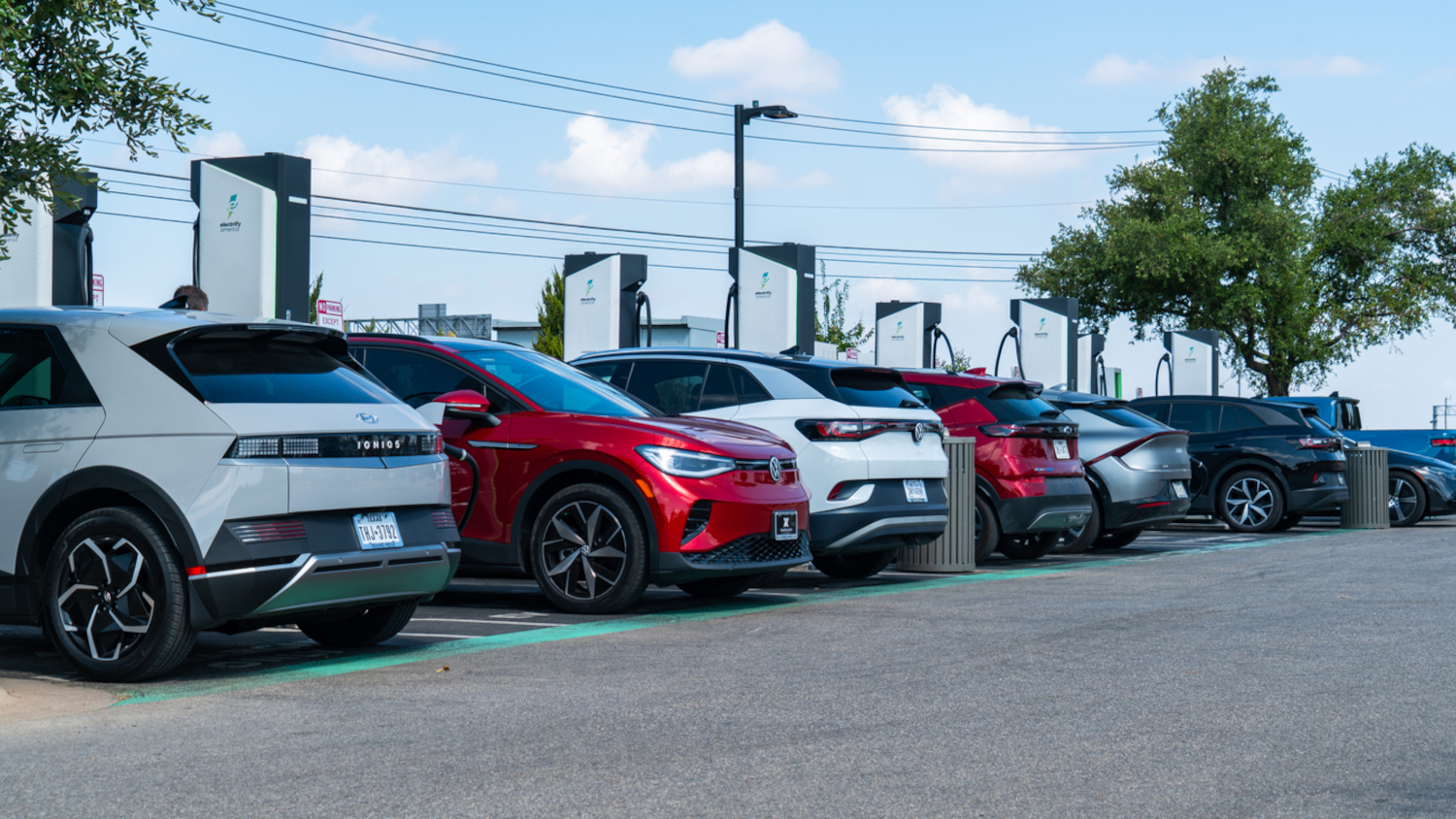
IMA replaces E-GMP as Hyundai’s core EV architecture, bringing next-generation 800-volt charging and deeper software integration. For a sense of the best EV value among Hyundai Group siblings on this same platform family, the 2026 Kia EV6 offers useful context. Demos are reportedly already running internally, according to Harrer’s comments to Autocar. No launch dates or specific model names have been confirmed, and the exact implementation details — whether cabin vibration comes from dedicated haptic hardware or software-driven torque modulation — have not yet been disclosed in any official technical briefing.
The theatrical layer, in other words, sits on top of genuine performance and platform advances. That distinction matters for anyone inclined to dismiss the simulation features as surface-level gimmickry.
The Real Question
The argument about authenticity may be less relevant than the one about engagement.
Hyundai is openly building cars that simulate being something they’re not — and positioning that simulation as a deliberate feature rather than a compromise. Whether a fake idle is “authentic” may already be the wrong question. If the driving experience is genuinely engaging at every speed, not just under hard acceleration, the more interesting question becomes: Does it matter where the feeling originates? Models like these are among the vehicles most poised to disrupt the auto industry in 2026.