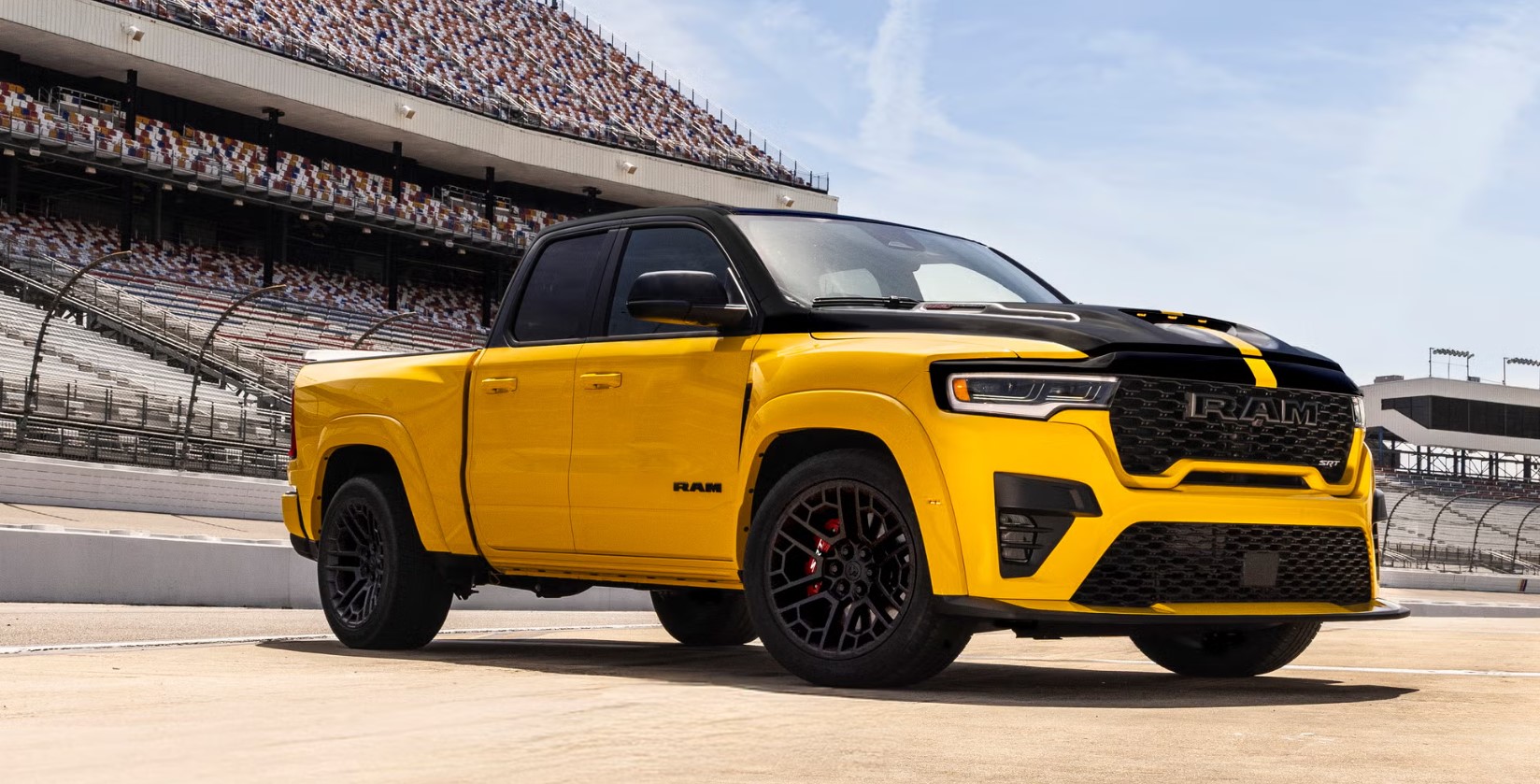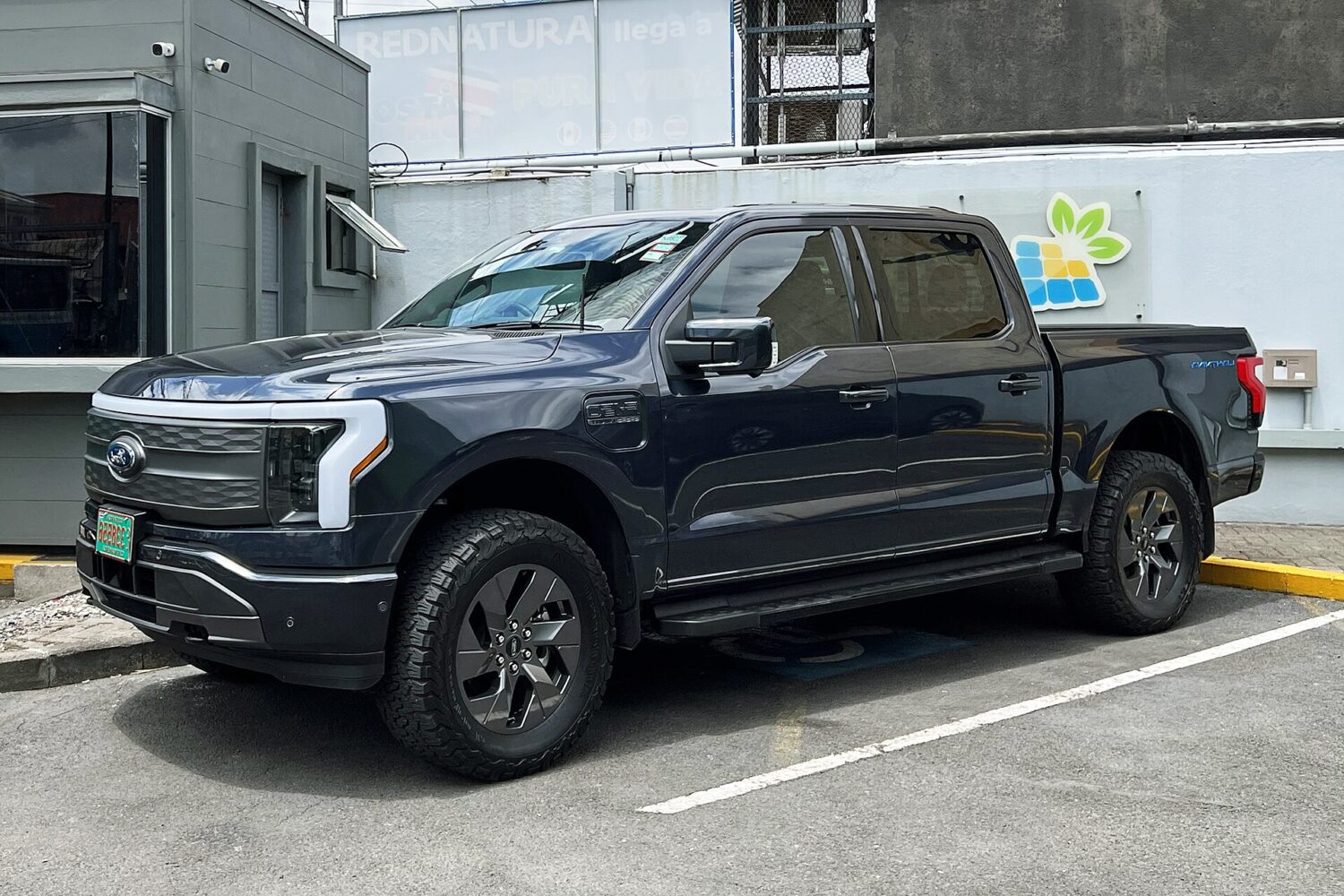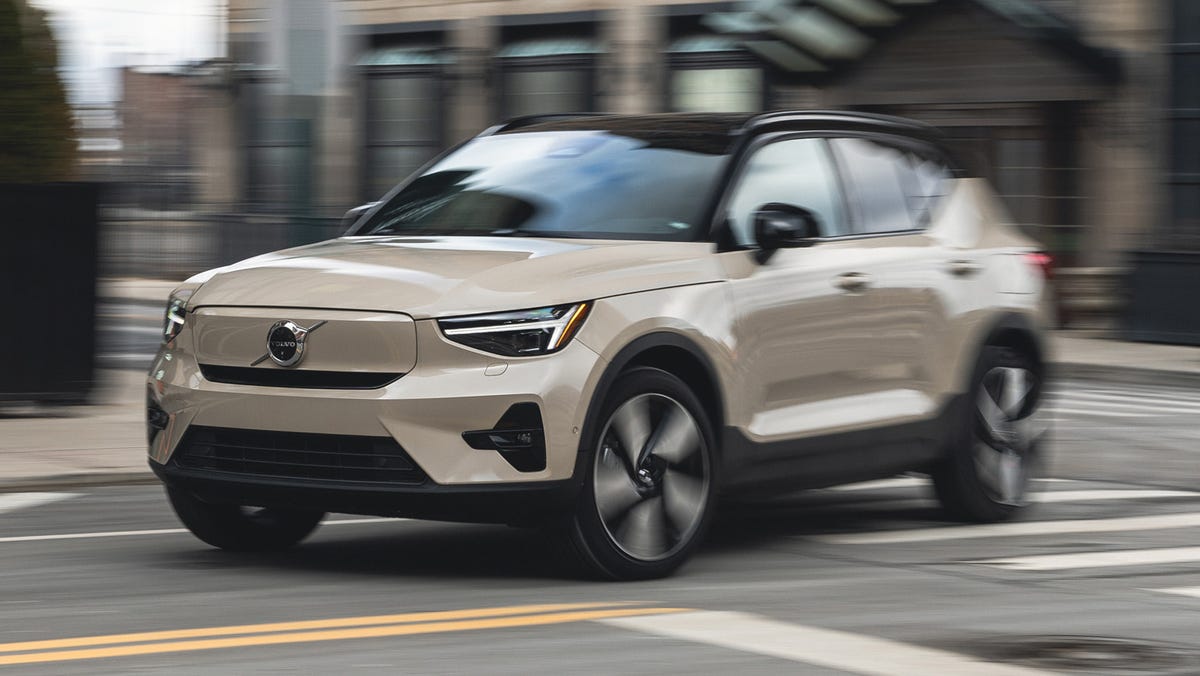


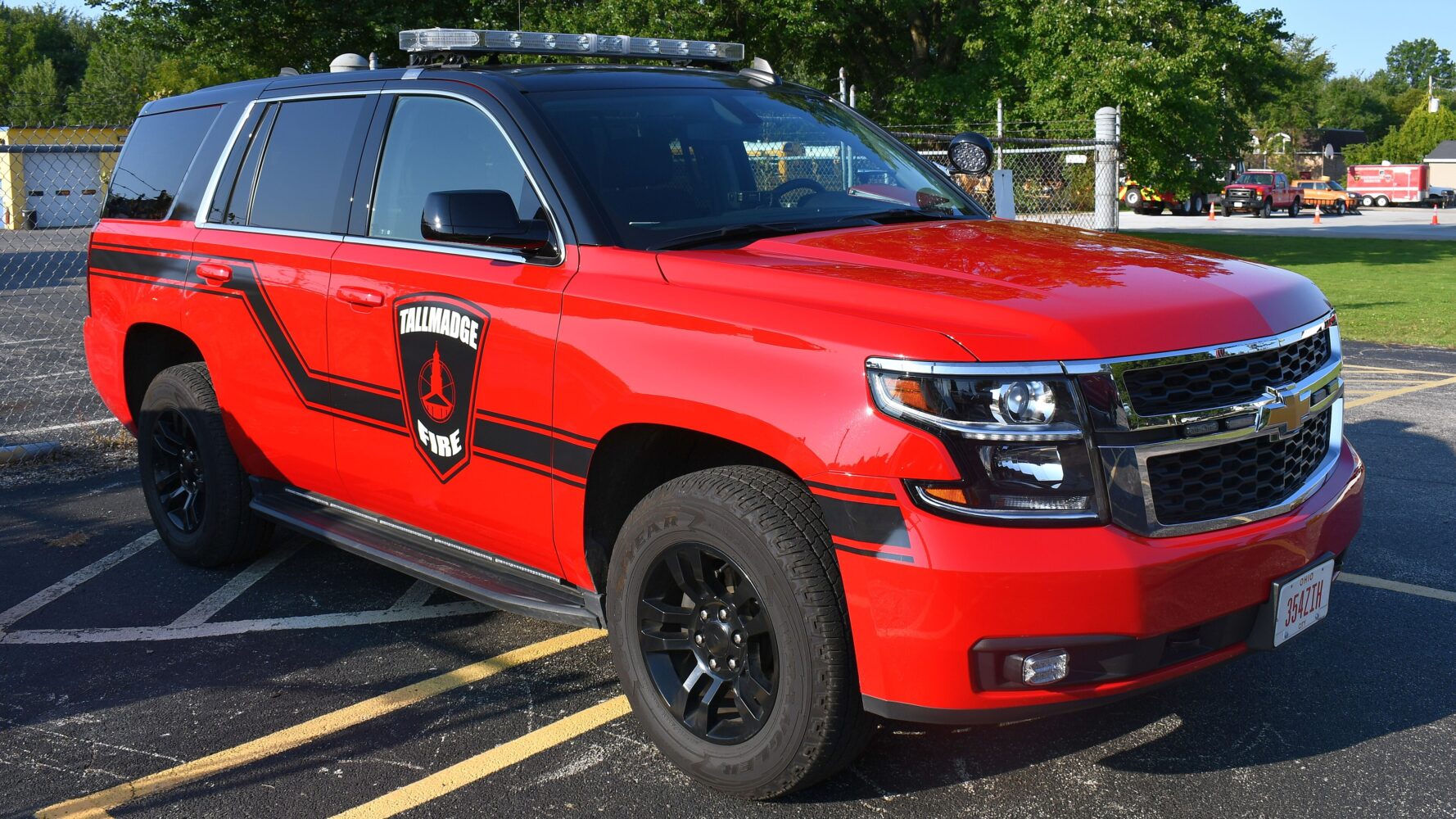
Between 2016 and 2024, taller hoods on SUVs and pickups contributed to roughly 3,000 pedestrian deaths that likely wouldn’t have occurred if front-end heights had stayed lower — that’s the central finding of a New York Times data investigation published in June 2026. The mechanism isn’t mysterious. Lower hoods tend to strike legs, flipping people up onto the hood, where some impact is absorbed. Tall, blunt fronts connect with chests and heads, punting walkers forward onto asphalt.
Since 2009, pedestrian fatalities have climbed 80%, per the Governors Highway Safety Association, while all other traffic deaths rose just 13% over the same period. That gap doesn’t happen by accident.
The Physics Are Simple. The Politics Are Not.
Hood height is a measurable, controllable design variable — it just isn’t a regulated one.
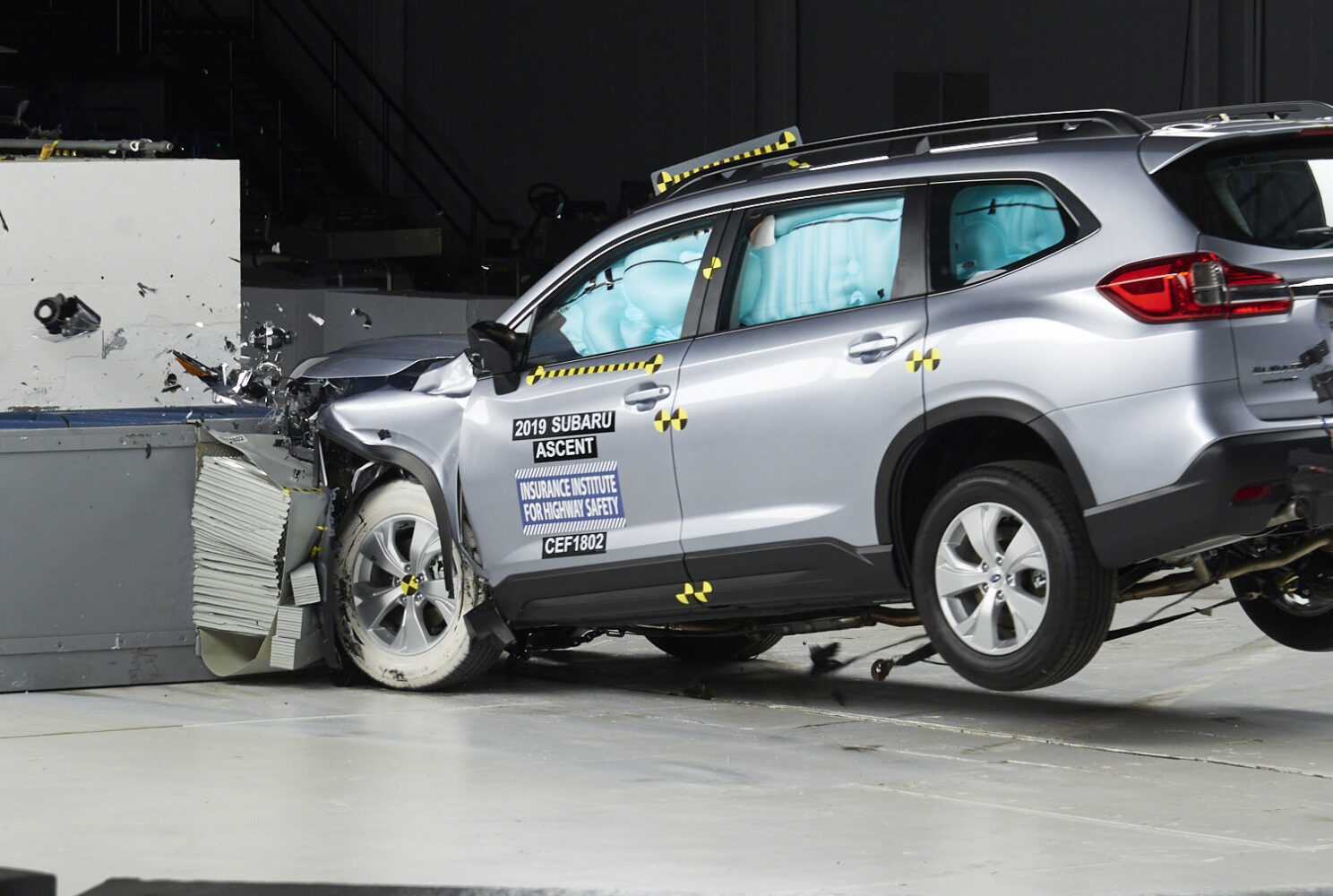
Crash tests conducted by Forensic Rock for the Times make the difference visceral. At relatively low speeds, tall-front vehicles send people’s heads under the wheels before drivers fully register the collision. The data behind those tests is equally stark.
- Every 4-inch increase in hood height raises pedestrian fatality risk by 22%, according to a 2024 UHERO study analyzing more than 3,400 crashes.
- Hoods taller than 40 inches are 45% more likely to cause fatalities than vehicles with hoods under 30 inches and sloped fronts, per IIHS research across nearly 18,000 crashes.
- Light trucks — SUVs and pickups — were involved in 54% of pedestrian fatalities in 2023, versus 37% for passenger cars, according to GHSA.
- UHERO estimates a 4-foot hood-height cap could prevent roughly 509 deaths annually.
- The Times describes its 3,000-death figure as conservative, noting it excludes driveways and parking lots entirely.
Forensic Rock’s Shawn Harrington described seeing devastating collisions even at lower speeds, with pedestrians punted forward — their heads ending up under a wheel before the driver knows what happened. It’s a kinetic reality that abstract crash statistics struggle to convey.
What Changes Now
NHTSA rates vehicles on how well they protect the person inside — almost nothing in U.S. standards covers the person outside.
NHTSA’s New Car Assessment Program scores vehicles on occupant protection. Front-end geometry and its effect on anyone crossing the street remains largely absent from those standards. Both the UHERO study and research published in Accident Analysis & Prevention propose incorporating hood height and bluntness into NCAP ratings — the same mechanism that pushed automakers toward airbags and crumple zones over decades. Federal regulators have shown they can act swiftly on vehicle safety when the evidence demands it.
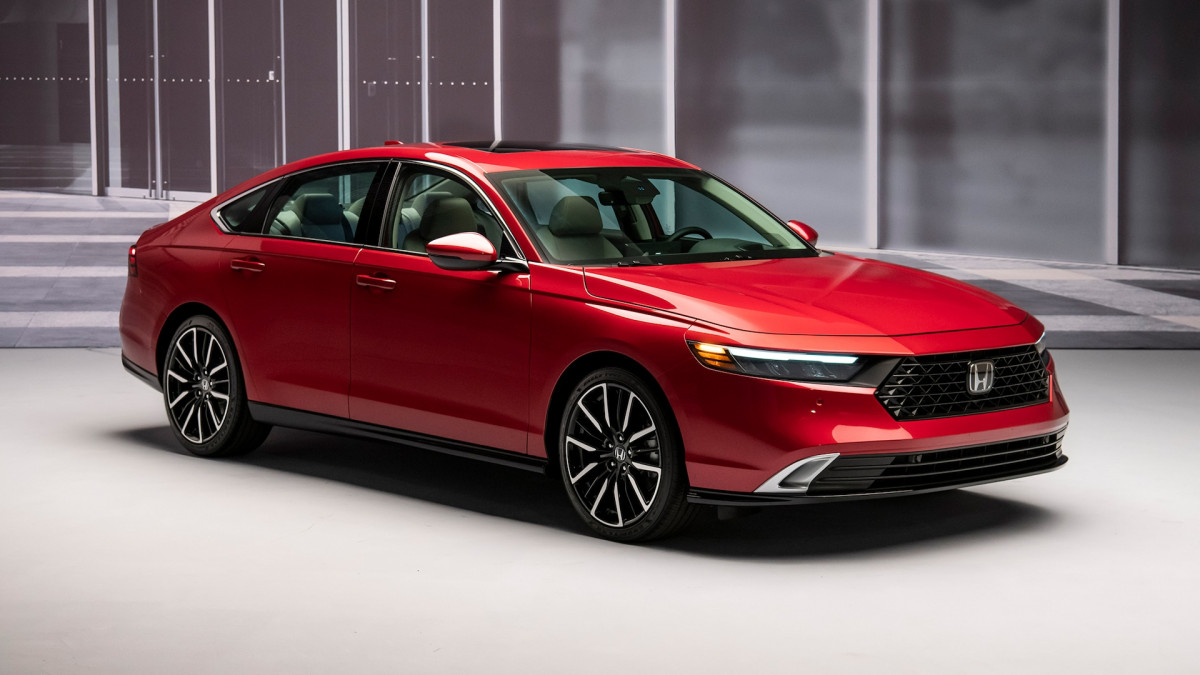
According to the UHERO analysis, manufacturers can make vehicles less dangerous to pedestrians by lowering the front end of the hood and angling the grille to create a sloped profile — and current styling choices aren’t functionally necessary to achieve that. IIHS reaches a similar conclusion, finding no functional safety benefit to massive, blocky fronts.
The auto industry optimized for intimidation aesthetics the way fast food chains upsized portions — consumers rewarded the look, and someone else absorbed the cost. If NHTSA adds front-end geometry to NCAP scoring, the market shifts. It happened with occupant safety. Much like the vanishing affordable new car, the pedestrian-safety gap reflects how industry incentives can diverge sharply from public interest. The data, the crash tests, and the proposed NCAP reforms all point toward the same conclusion: the engineering solutions exist, and the only missing variable is regulatory will.