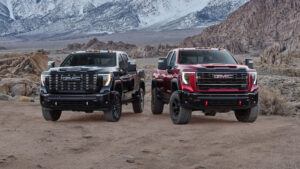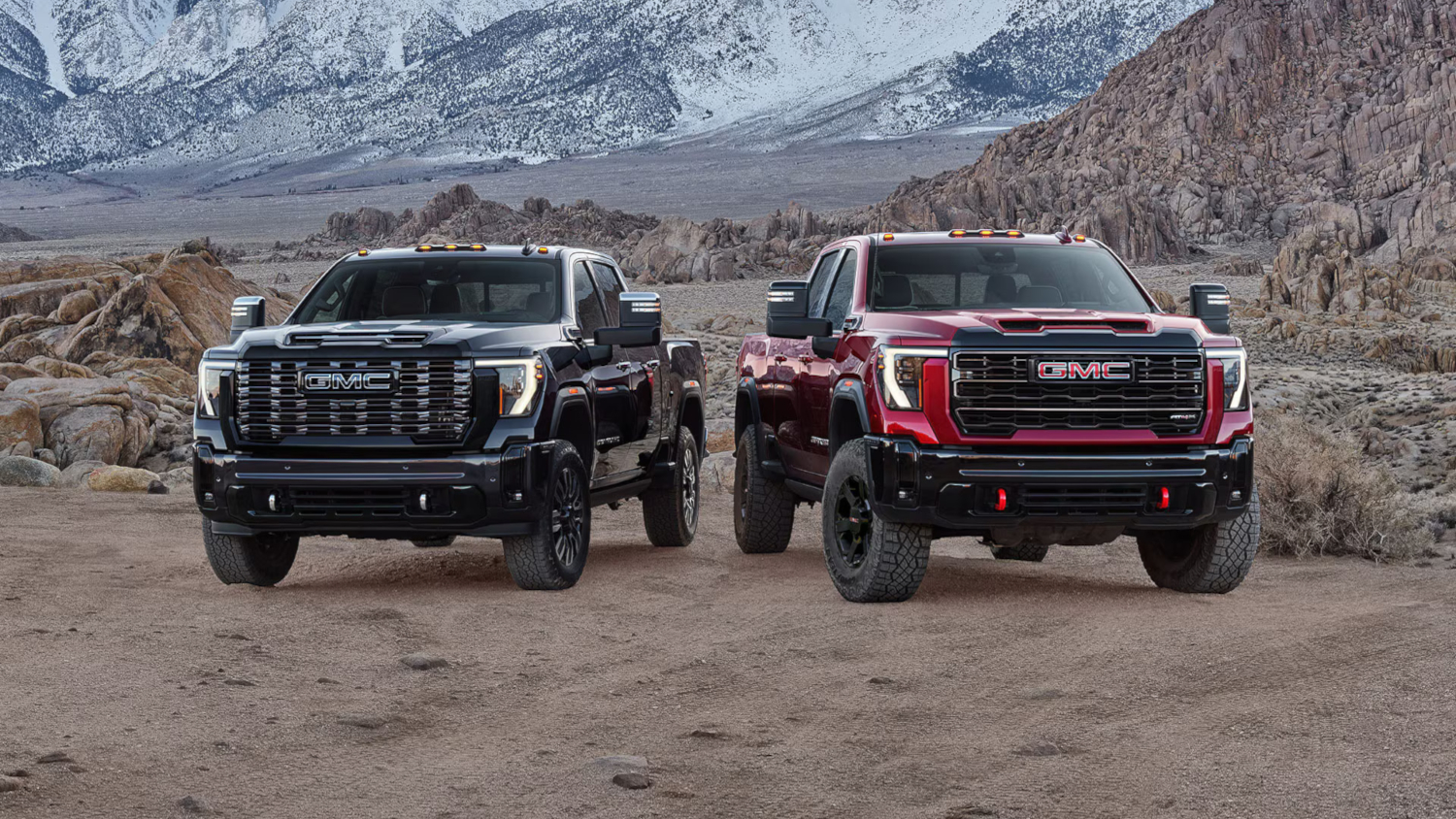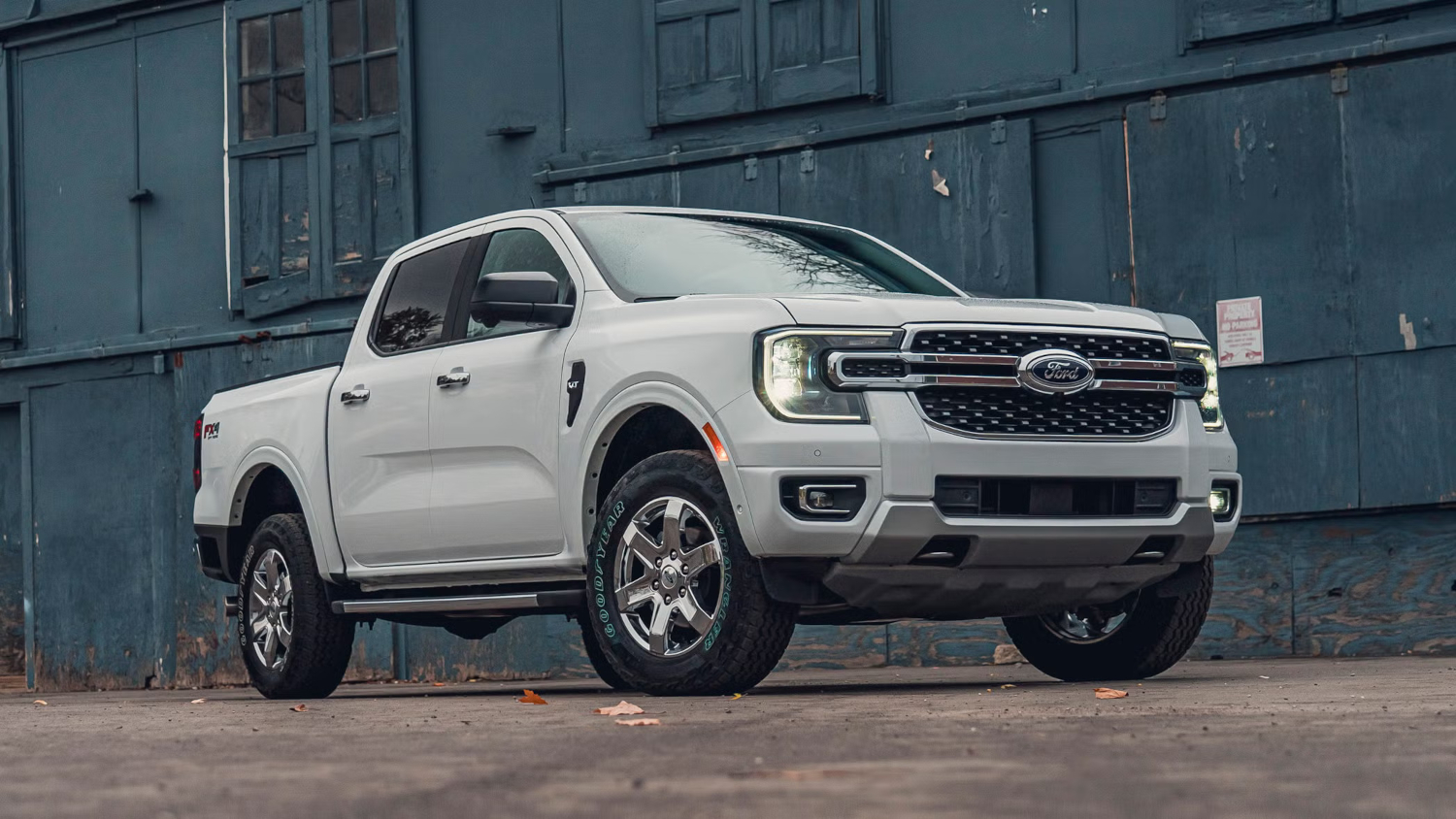


GM spent years quietly planning to cut Apple CarPlay and Android Auto from its trucks. Customers noticed. The backlash was loud enough that GM reversed course — and on September 15, 2026, dressed that retreat in a genuinely thoughtful new interface. The 2027 Chevrolet Silverado 1500 and GMC Sierra 1500 are the launch vehicles for this platform. The honest read: some of it is spin, some of it is real, and the towing features alone might justify the upgrade for anyone who moves a trailer for a living.
What’s Actually on the Screens
Two displays, one job — keep your eyes on the road and your hands off the menus.
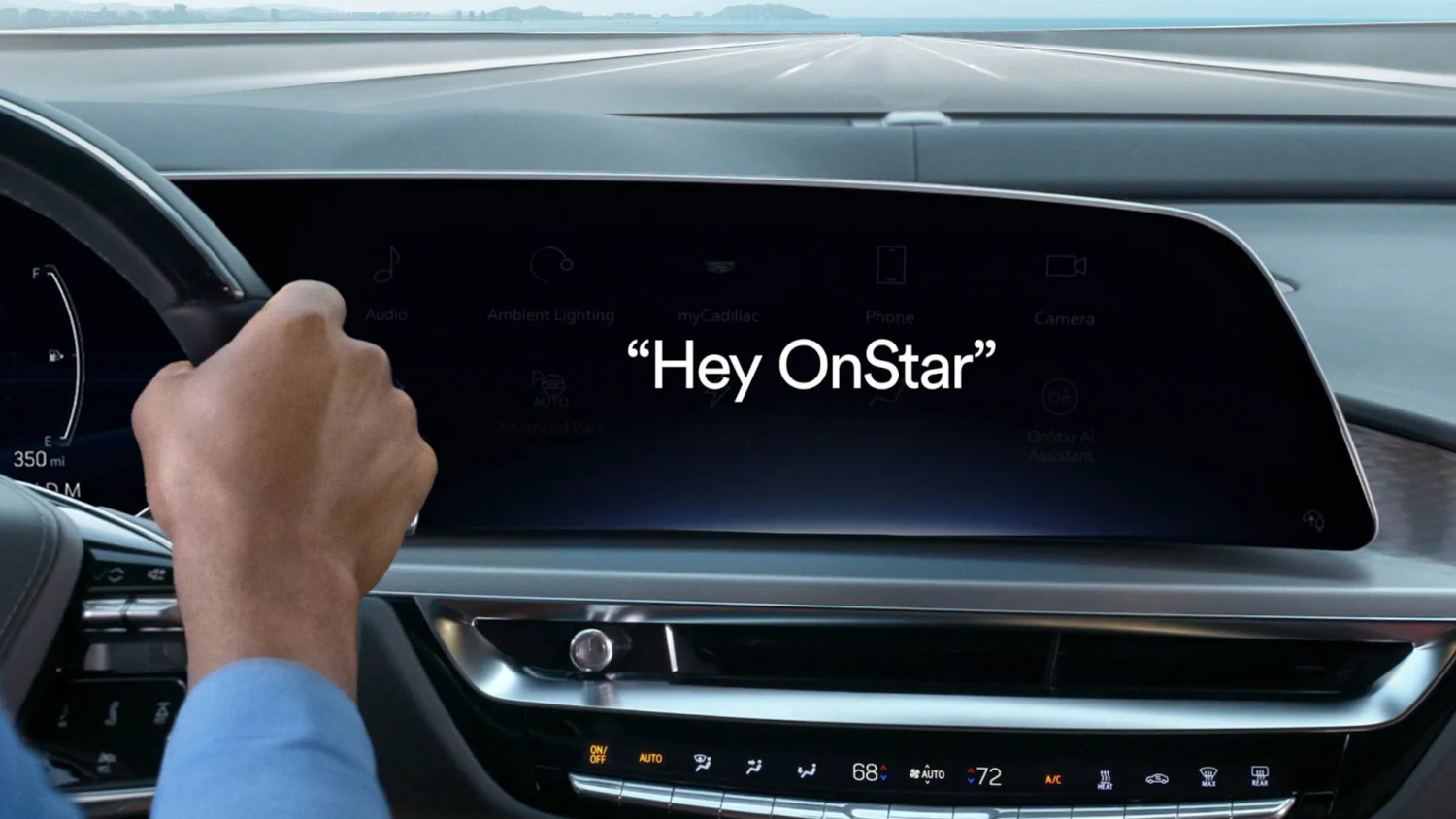
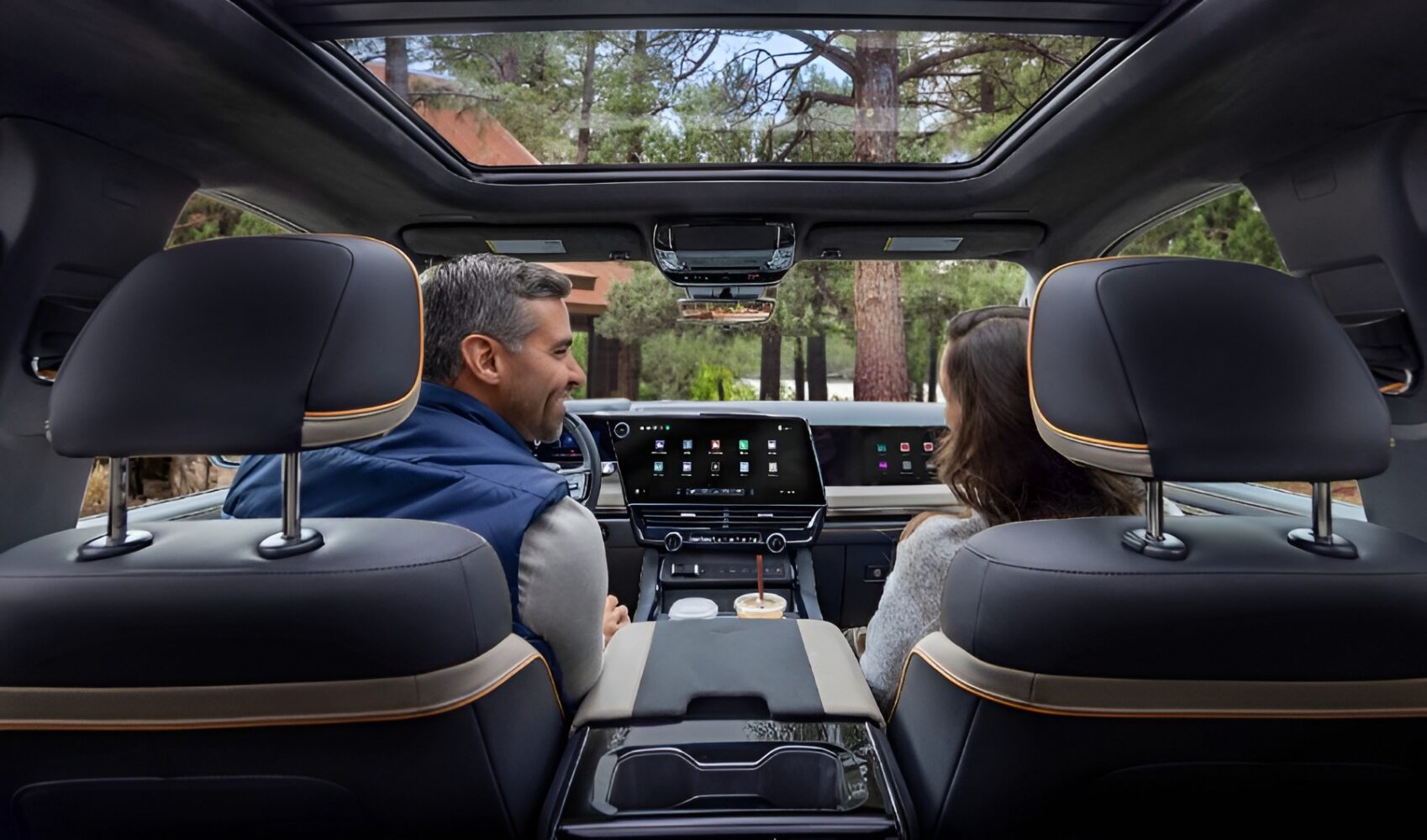
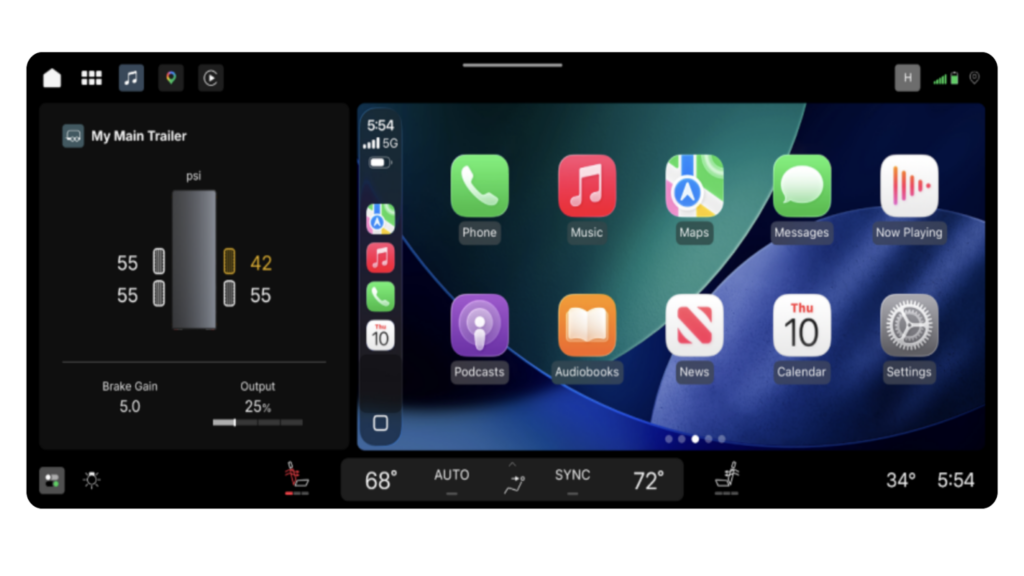
A 16.3-inch center touchscreen and a 12.2-inch digital instrument cluster anchor the setup, both using full-array local dimming for deeper blacks and sharper contrast. The default home screen splits the center display between a large navigation map and a contextual panel showing trailering metrics, fuel efficiency, or media — your choice, without abandoning the map to find it.
Hook up a trailer and the cluster automatically shifts into a trailering layout. Engage Super Cruise and a next-generation 3D visualization renders surrounding traffic and lane markings in real time, letting you see what the truck sees. GM product managers described the goal as making the interface “simple, fast and predictable.”
Four features stand out for drivers who spend serious time on the road:
- The Hitch View camera handles solo trailer alignment without a spotter, while terrain and underbody cameras navigate hidden obstacles off-road.
- A mobile trailer light check — run directly from your phone, covering brake, turn signal, reverse, and running lights — eliminates repeated walks between cab and trailer before every departure.
- The front passenger screen, using polarized technology, streams Disney+, YouTube, Hulu, and others without putting anything in the driver’s sightline.
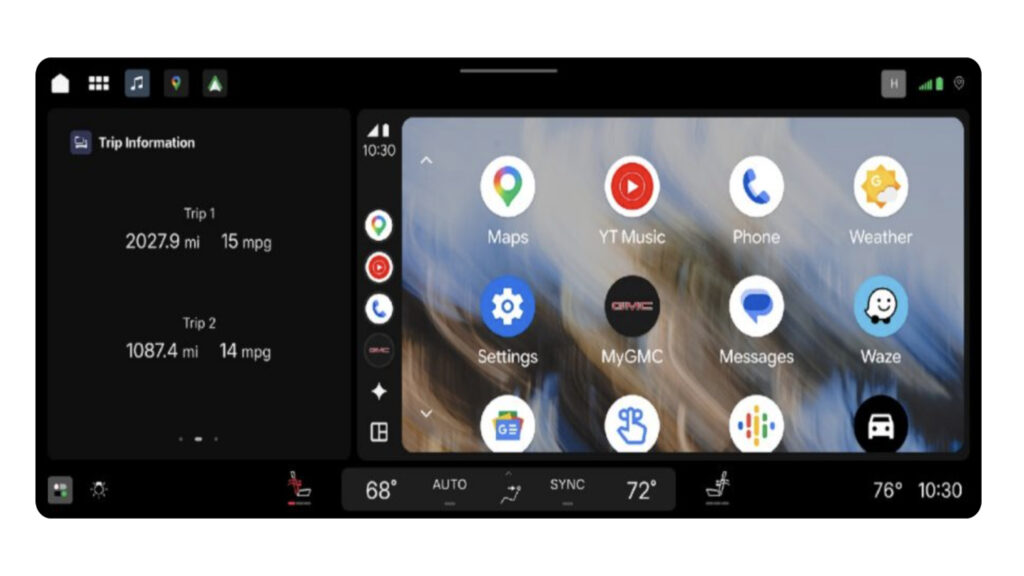
- Apple CarPlay and Android Auto now run in split-view alongside native truck apps rather than replacing them entirely.
The CarPlay Capitulation, Plainly Stated
GM tried to own your phone’s job. Truck buyers said no.
Industry coverage has used the word “capitulation” — and it fits. GM had a plan. Customers pushed back hard enough to kill it. The compromise lands CarPlay and Android Auto inside GM’s UI as a “window-in-window” split view rather than a full-screen takeover, coexisting with trailering tools and Google Gemini. That’s a smarter outcome than the original plan. Whether it’s smarter than simply letting CarPlay run the show is a question buyers will answer at the dealership.
What Comes Next
GM’s “living, software-defined architecture” means the truck you buy in 2027 will keep evolving — for better or worse, depending on execution.
Built on what GM calls a “living, software-defined architecture,” this platform receives over-the-air updates throughout ownership and is slated to expand across GM’s full lineup — EVs, SUVs, sedans. The truck rolling off the lot in 2027 won’t be static, and for buyers weighing whether the next generation is worth waiting for, the execution of those updates is the only thing worth watching now.