

Federal and industry data reveal U.S. pedestrian fatalities have surged roughly 70% to 80% since 2009. The National Highway Traffic Safety Administration reported 7,388 pedestrian deaths in 2021; the CDC documented over 8,000 in 2022. This grim trend ties directly to modern truck and SUV designs dominating American roads. Taller fronts and increased mass transform minor collisions into fatal impacts for people on foot. Design choices—from towering hoods to reinforced A-pillars—compromise real-world visibility and pedestrian safety. What follows dissects the specific ways these vehicles have become deadlier.
1. The Pedestrian Fatality Spike
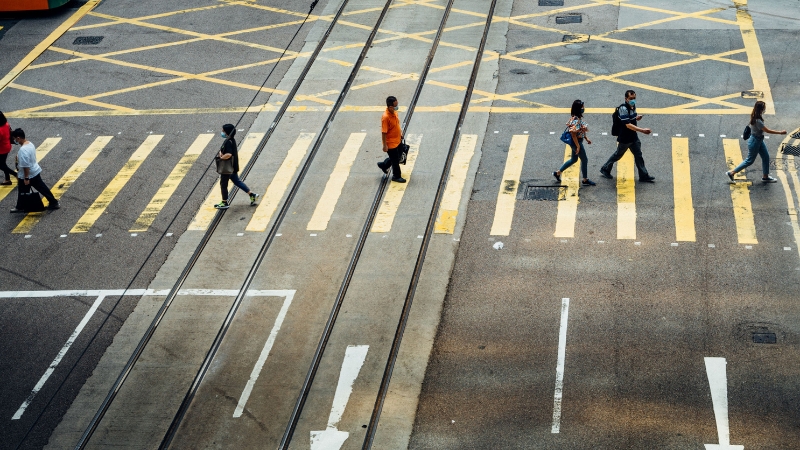
Since 2009, U.S. pedestrian deaths have climbed 72%, defying global safety improvements.
The Insurance Institute for Highway Safety confirms pedestrian deaths increased 72% since 2009, now accounting for 18% of crash fatalities. This upward trajectory positions American road safety as a glaring exception while other developed nations see declines. Urban areas bear the brunt, with the AAA Foundation reporting a 53% increase in pedestrian fatalities from 2009 to 2018.
Close calls have become routine: stepping off a curb as a hulking truck looms from a blind spot feels less like bad luck and more like inevitable consequence. What was once a clear visual field becomes an anxious guess, underscoring a persistent problem that demands more than vigilant walking.
2. Size and Lethality

National Safety Council data shows pedestrians are 50% more likely to die when struck by an SUV or pickup than a passenger car.
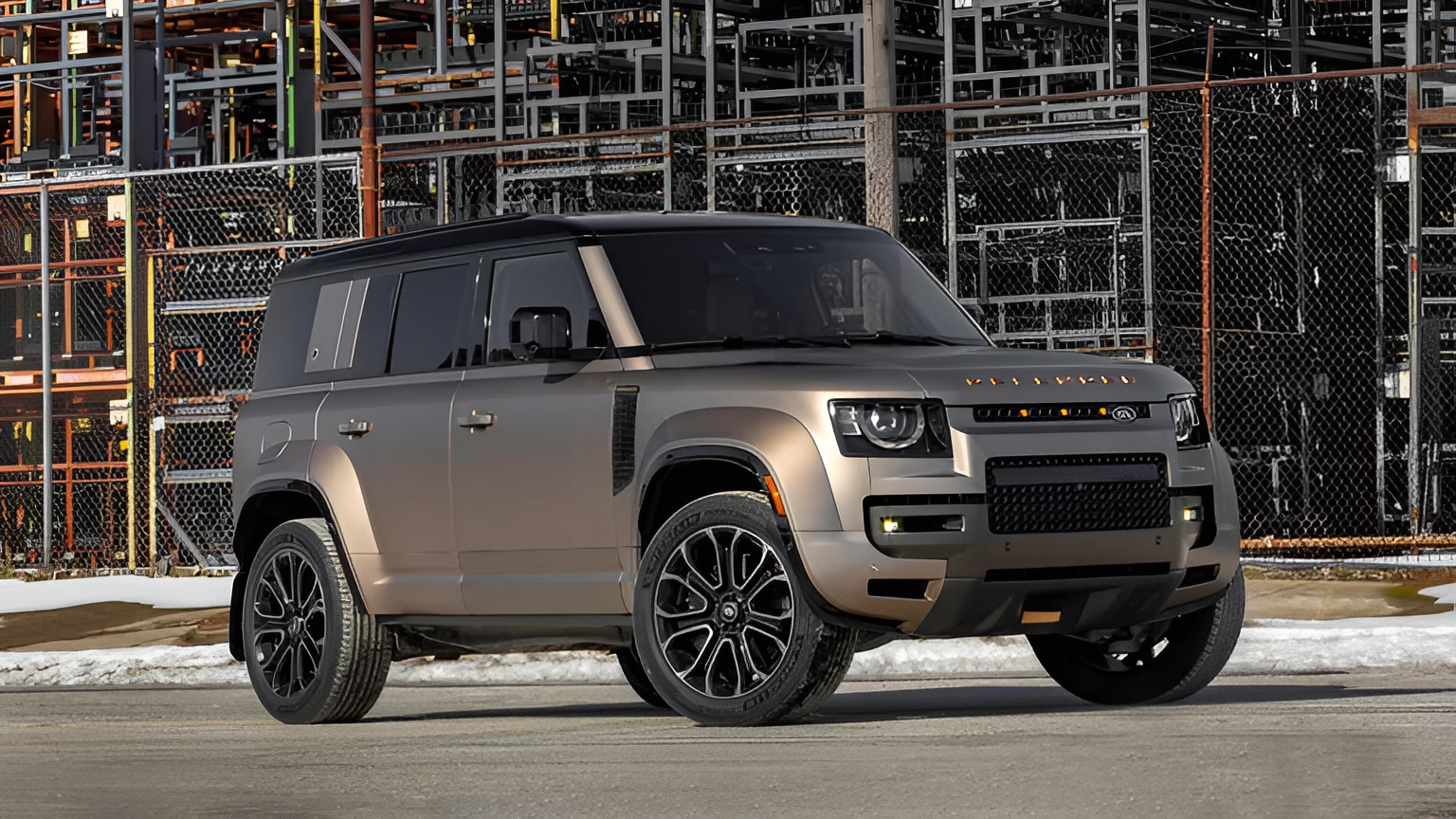
The New York Times investigation estimates approximately 3,000 deaths from 2016 to 2024 link directly to increasing vehicle hood heights. What might be a survivable collision with a sedan becomes devastating, altering crash dynamics entirely. The taller front end strikes victims at chest or head level rather than legs.
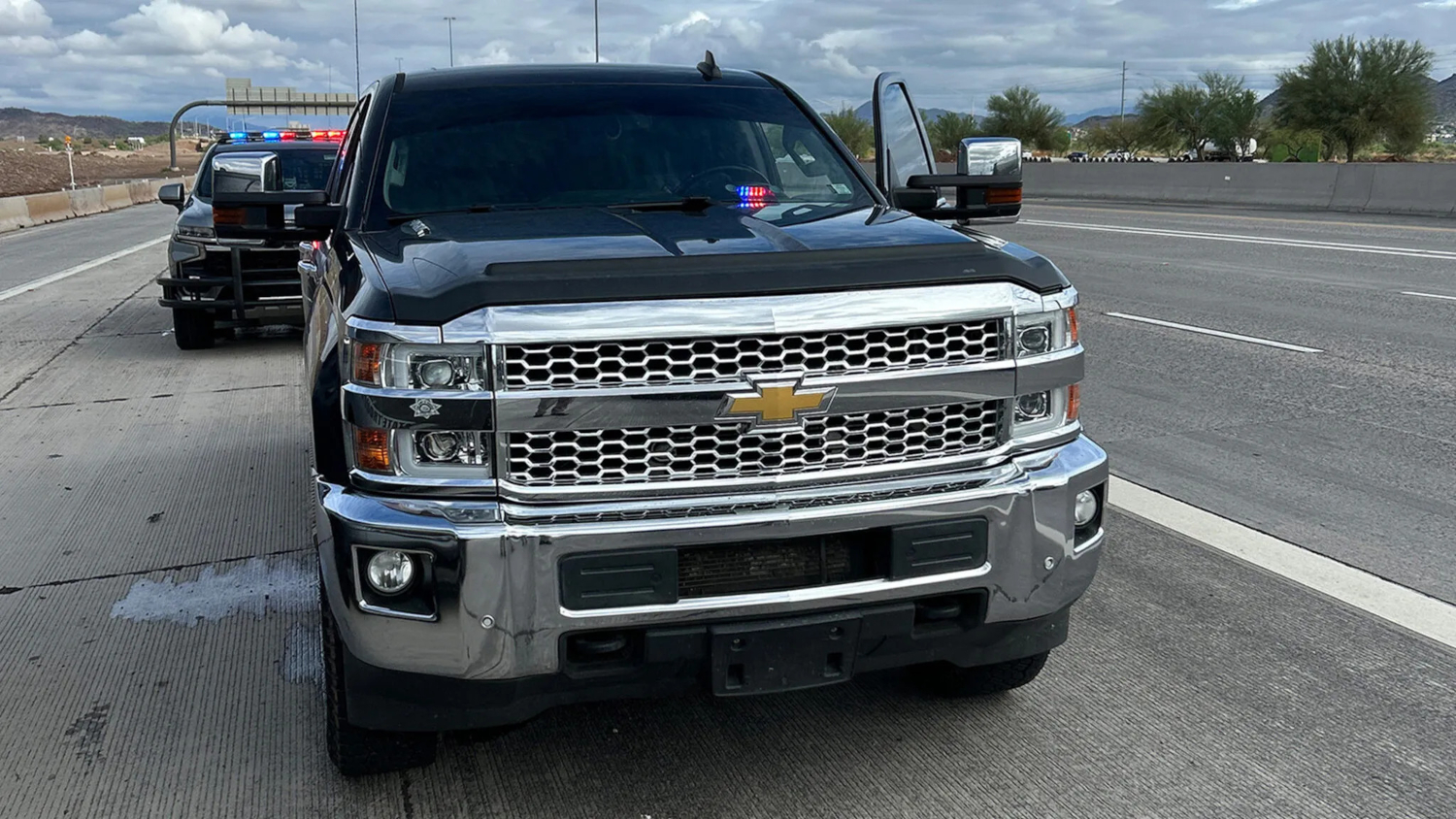
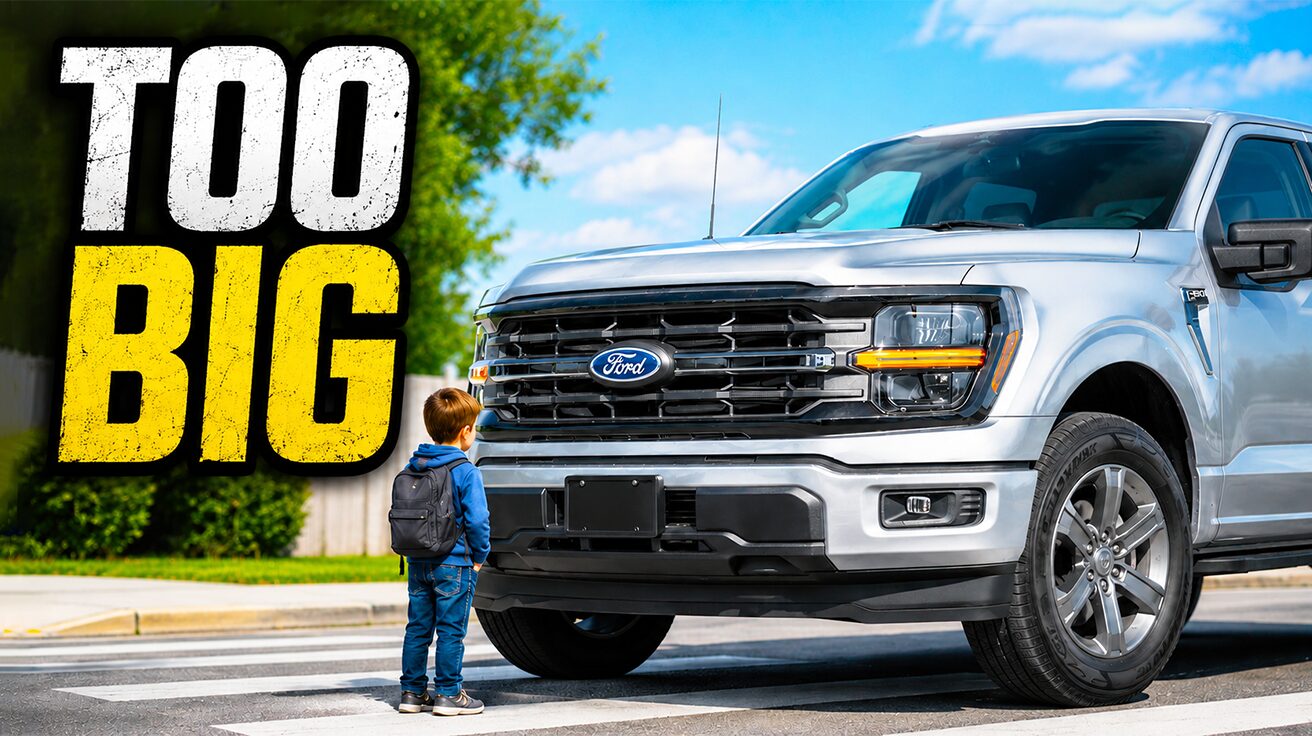
Navigating a crowded parking lot in a modern truck means peering over a literal wall. Hoods on heavy-duty models like the Ford F-250 exceed 50 inches (127 cm), creating massive front blind zones. Spotting a child or smaller car becomes challenging. Backing up one of these machines? You might nearly collect a rogue shopping cart, spotting it just in time.
3. Hood Heights Keep Climbing

Consumer Reports documents how average passenger truck hood height has increased steadily since 2000.
Vehicle fronts transformed dramatically: a 2002 Toyota Corolla featured a 26-inch (66 cm) hood, while a 2014 Ford Escape measured 36 inches, and a 2022 Chevrolet Silverado reaches 47 inches (119 cm). Heavy-duty pickups now exceed 50 inches (127 cm). These towering fronts easily obscure a child crossing the street just feet from the bumper.
This upward creep fundamentally alters the driving experience. Drivers lose critical ground-level awareness, detached from immediate surroundings. The subtle art of judging distances—essential for parallel parking an older sedan—disappears. Higher impact points amplify pedestrian injuries, turning minor incidents into severe outcomes.
4. Blind Zones Double in Size

The New York Times reports blind zones for the Chevrolet Silverado nearly doubled compared with earlier models.
These expanded blind spots dramatically hinder the ability to see shorter pedestrians, especially children and adults under 5 feet 6 inches (168 cm). Parallel parking a massive pickup in a tight city spot feels like docking an ocean liner at a canoe launch.
The GMC Sierra and Toyota Tacoma saw blind zones grow approximately 60%, while the Ford F-150’s increased roughly 25%. This trend forces drivers to rely heavily on cameras. Direct, unimpeded visibility matters more than digital approximations. The increasing height of vehicle fronts has effectively put vulnerable pedestrians out of sight, a significant trade-off for perceived command seating.
5. Thicker A-Pillars Block Vision
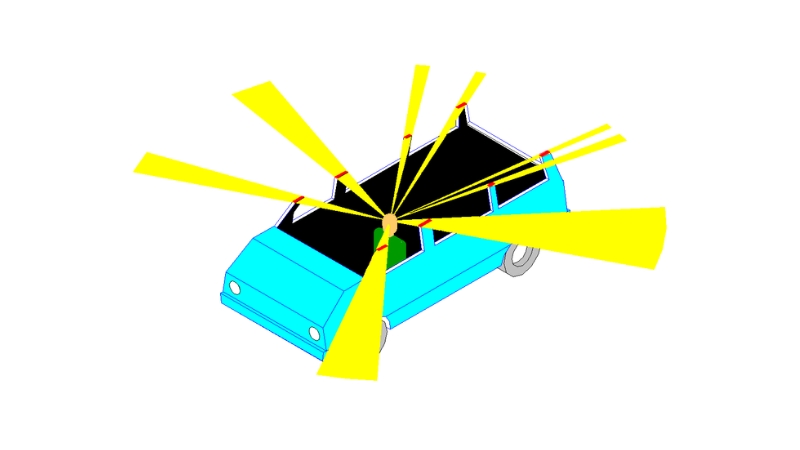
Roof-strength rules enacted in 2009 required structural reinforcements that widened A-pillars and expanded blind spots.
Making a left turn in a modern truck or SUV means sections of the world simply vanish. Those thick A-pillars, anchoring the windshield, create blind spots large enough to swallow a pedestrian. These requirements helped reduce rollover deaths but contributed to thicker structural pillars and higher vehicle profiles.
A pedestrian on the crosswalk can disappear for a split second. Navigating city intersections becomes guesswork rather than skill. The pursuit of improved rollover protection extracted a severe cost in everyday visibility—bolting in a massive roll cage that blocks the windshield.
6. Rollover Standards Reshape Vehicles
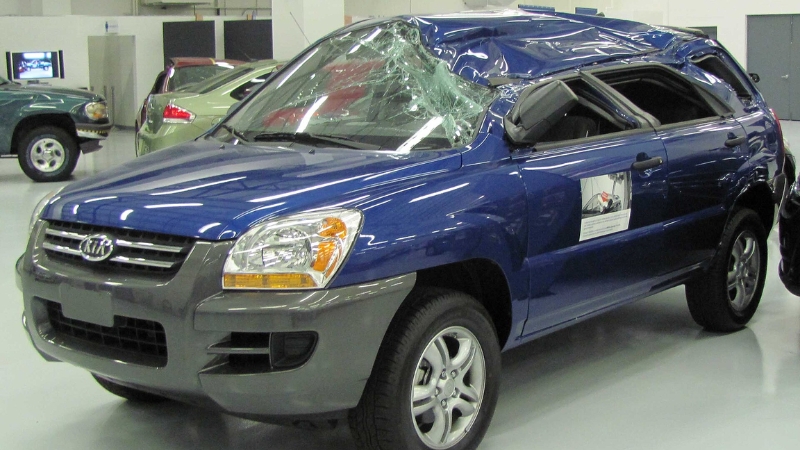
The 2009 safety mandates fundamentally altered vehicle construction with stronger roof requirements.
This regulatory solution significantly reduced rollover deaths, addressing a critical safety problem. However, progress came with unintended consequences. Taking a fast corner in an early 2000s SUV felt direct; in today’s machines, stout A-pillars can obscure an entire minivan.
Standards improve occupant safety during rollovers while simultaneously reducing visibility for everyday driving. This delicate balance illustrates inherent compromises in automotive safety design—tuning an engine for both power and efficiency inevitably involves tradeoffs.
7. Command Seating Distorts Perception

A 2006 Traffic Injury Prevention simulator study found drivers with high eye height drove faster, with more variability, and struggled more to maintain lane position.
Elevated “command seating” fundamentally alters perception, often detaching drivers from the immediate reality of their speed. Sitting high in a large SUV on the interstate, convinced of gently flowing with traffic at 70 mph (113 km/h), only to realize the speedometer reads 85 mph (137 km/h).
Perceived security of a high driving position encourages less precise driving. Trusting this detachment invites danger—embarking on a long road trip with a fuel gauge stuck on full, blissfully unaware of the dwindling tank. Actual control and the feeling of control are often two very different beasts.
8. Industry Shapes Demand
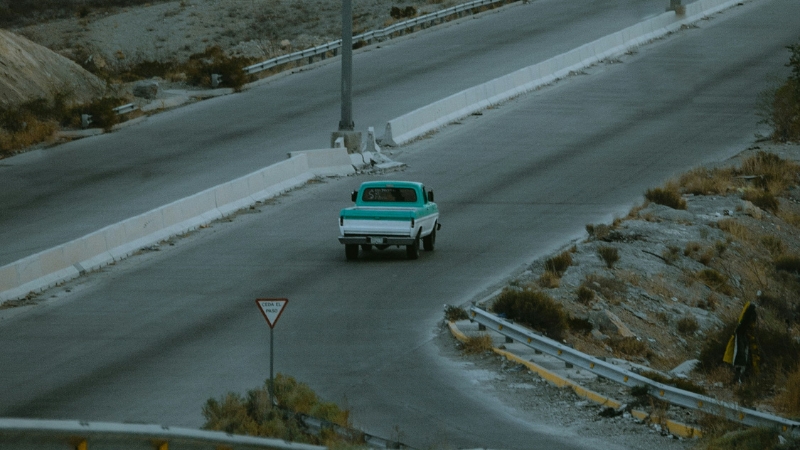
Automakers prioritize larger vehicles because they command higher profit margins.
The automotive industry often deflects blame onto consumer choice. Dealers subtly push for vehicles customers don’t truly need. The Ford F-Series pickups, consistently among America’s best-sellers, exemplify this manufactured demand, effectively narrowing practical options at the dealer lot.
Advertising and social pressure nudge buyers toward the latest behemoth. Entering a dealer lot reveals few small car options; buyers feel boxed into purchasing larger vehicles. A 2022 warning to NHTSA officials regarding pedestrian sensing tech failures remains largely unaddressed. The industry must re-evaluate its role in shaping this dangerous trend.
9. Silverado’s Expanding Footprint
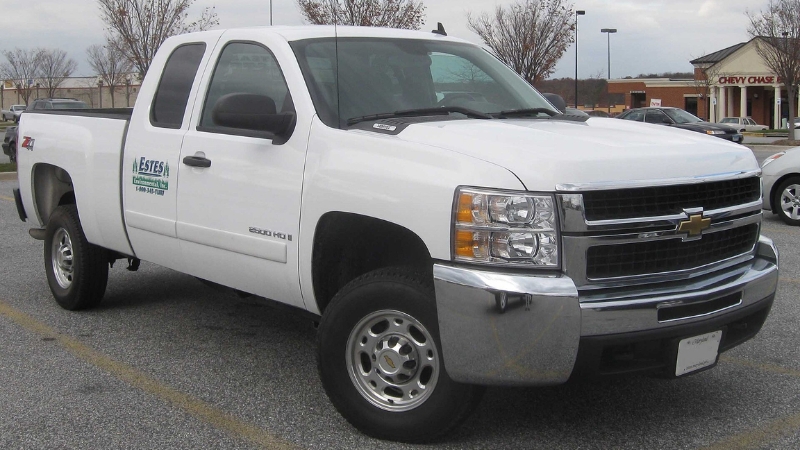
Heavy-duty Silverado variants push hoods past 50 inches (127 cm), making spotting anything shorter than a compact car an act of faith.
A 2022 Chevrolet Silverado features a hood measuring 47 inches (119 cm) tall. The New York Times investigation found Silverado blind zones nearly doubled. Driving one feels like captaining a semi down a residential street, scanning for a smaller car in the blind spot like searching for a dropped contact lens in a dimly lit warehouse.
This sheer scale complicates daily tasks beyond parking. The engineering prioritizes “command” seating, but practical necessity for everyday errands remains questionable. Hauling a flat-pack bookcase or a bag of dog food doesn’t require a truck casting such a large shadow. The push for bigger has tangible consequences.
10. F-150’s Modest But Real Growth
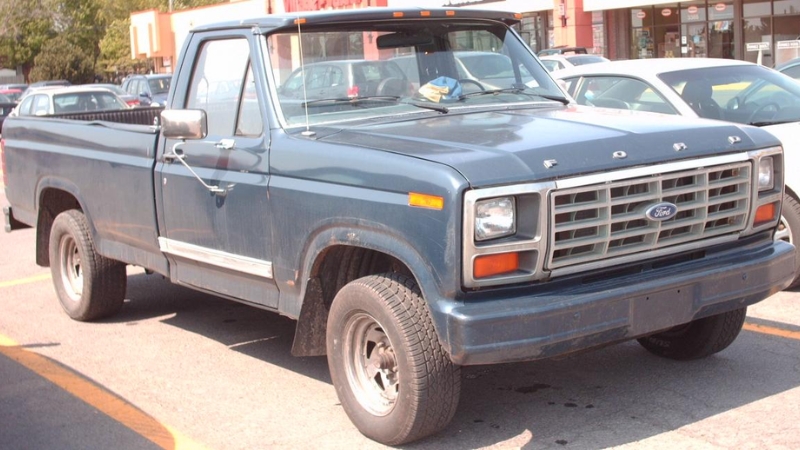
The New York Times reports F-150 blind zones grew approximately **25%**—the smallest increase among large trucks reviewed.
This perennial American best-seller dominates highways and backroads. Its popularity ensures constant navigation around them. Merging onto a crowded interstate in an F-150 makes drivers acutely aware of vast proportions and hidden areas where smaller cars vanish.
Once-nimble handling now feels burdened by extra weight—sharp edges gone. Even modest blind zone increases demand disproportionate attention. A minor miscalculation at a corner’s apex can have serious consequences. Drivers must respect these new sightline challenges on every journey.
11. Tacoma Grows Beyond Midsize
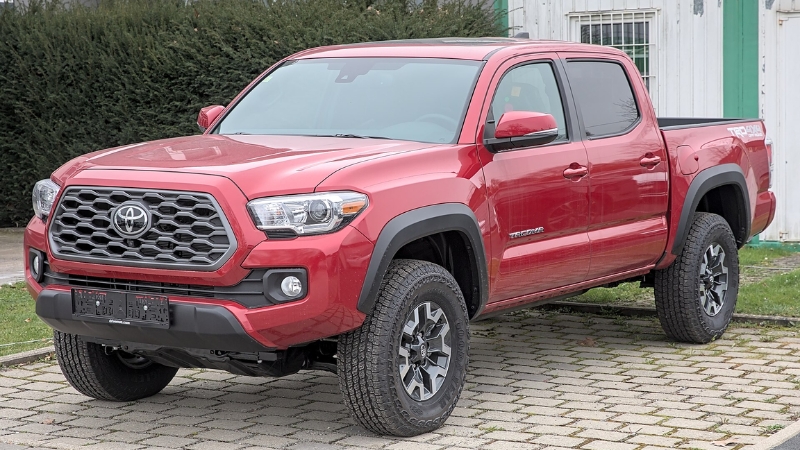
The New York Times documented Tacoma blind zones growing approximately 60%, reflecting universal size creep.
What was once a manageable pickup now sports a hood height around 48 inches (122 cm), up from the mid-30s in earlier versions. It transformed from a practical trail rig into something far bulkier, sacrificing nimble practicality for road presence.
Parking now feels like squeezing an ocean liner into a narrow slip. This expansion isn’t isolated to heavy-duty haulers. The entire market faces pervasive size creep, creating real visibility issues for drivers and pedestrians alike. No segment—even the traditionally modest—remains immune to the industry’s ongoing growth spurt.
12. F-250’s Imposing Profile

Heavy-duty trucks like the Ford F-250 feature hood heights exceeding 50 inches (127 cm).
This immense scale transforms a simple drive into a high-stakes maneuver. The F-250’s imposing front—resembling a brick wall on wheels—reduces driver visibility and amplifies collision impact for pedestrians. Piloting one through a city intersection requires threading a needle with a bulldozer.
The question becomes whether such unbridled automotive growth serves its purpose in urban environments. The human cost of these gargantuan machines continues rising, reflected in pedestrian fatality statistics. Consumer Reports notes some heavy-duty truck hoods now stand nearly as tall as sedan rooflines—a troubling benchmark for street safety.