

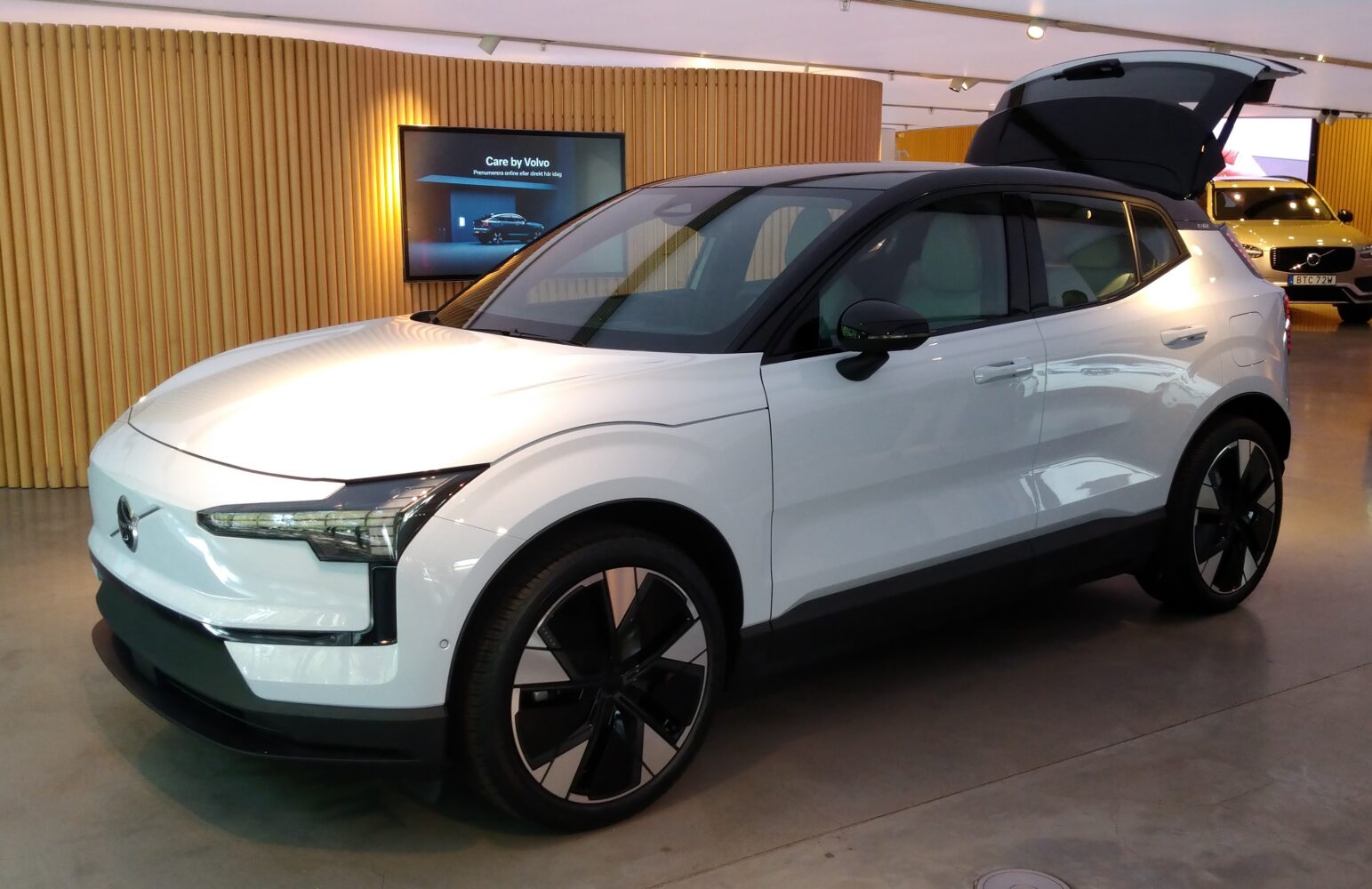
Battery modules catching fire shouldn’t be part of the EV ownership experience, yet 40,323 Volvo EX30 owners worldwide now live with that reality. The Swedish automaker—ironically famous for inventing the three-point seatbelt—issued a global recall after high-voltage battery cells from supplier Shandong Geely Sunwoda Power Battery Co. proved prone to overheating when charged beyond 70%.
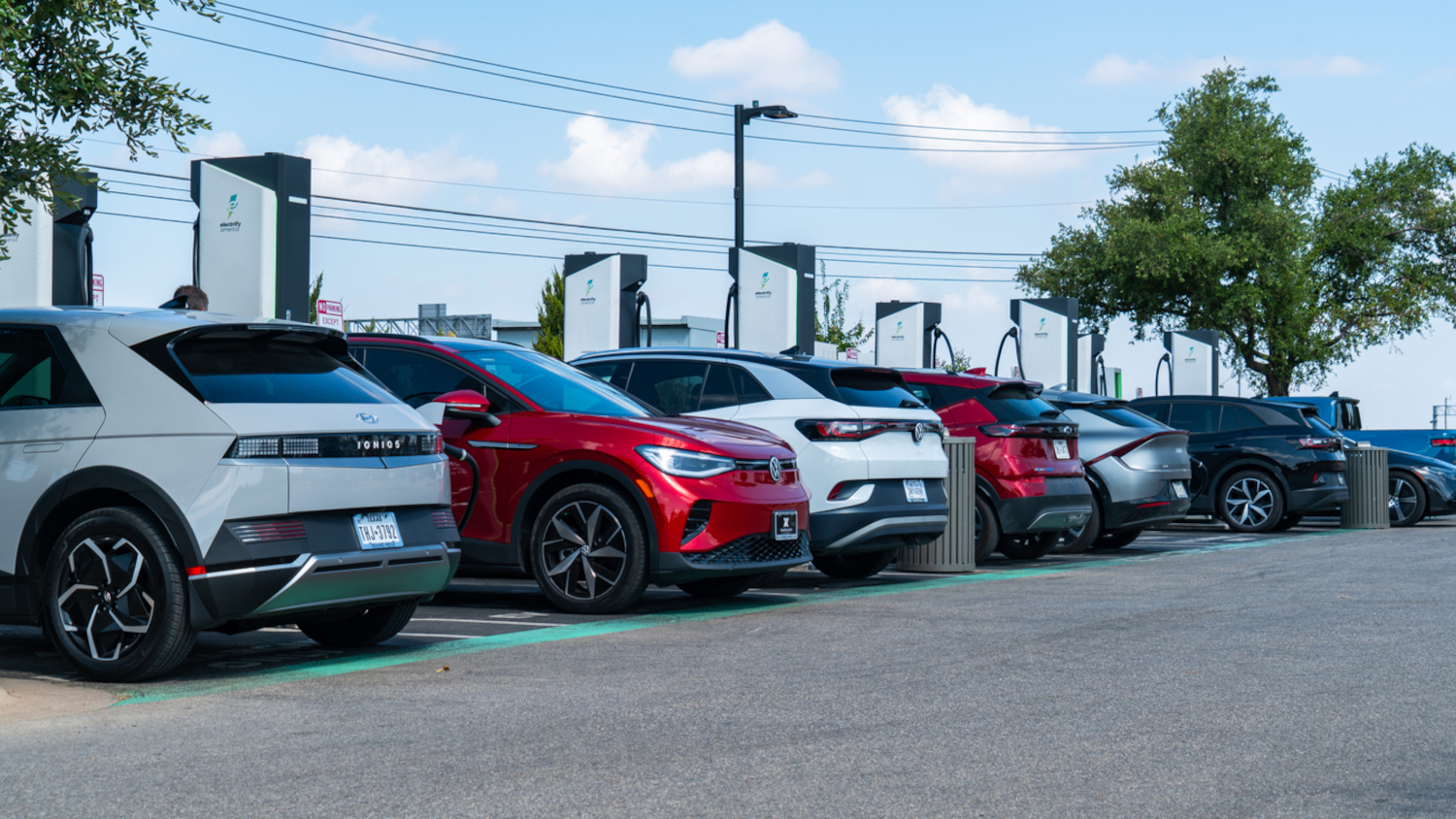
Since December, Volvo has advised owners across more than a dozen countries to park away from buildings and cap their charging. That 70% limit slashes the EX30’s advertised 261-mile range down to roughly 183 miles, forcing owners toward expensive public fast-chargers instead of cheaper home charging.
The Brand That Built Its Reputation on Not Dying
Industry veterans warn that safety failures strike at Volvo’s core identity.
“Volvo can’t afford a safety issue because that strikes at the heart of their brand,” warns industry veteran Andy Palmer. The company spent decades building trust through obsessive safety engineering, from crash test innovations to pedestrian detection systems.
Now, Volvo finds itself joining the unwelcome club of automakers with battery fire recalls. General Motors spent roughly $2 billion replacing 140,000 Chevy Bolt batteries in 2020. Nissan faced similar Leaf battery issues. The difference? Those brands didn’t stake their entire identity on keeping people alive.
When Chinese Suppliers Meet Swedish Standards
Geely ownership complicates Volvo’s supply chain safety oversight.
Volvo’s official statement acknowledges that “in very rare cases, the affected vehicles can overheat when charged to a high level. In a worst-case scenario this could lead to a fire starting in the battery.” That corporate-speak translates to: your driveway could become a crime scene.
Free Fixes Can’t Repair Trust Overnight
Revised battery modules promise resolution, but reputation damage lingers.
The supplier has reportedly resolved the manufacturing issue, and Volvo promises free battery module replacements for all affected vehicles. Only 189 units reached U.S. customers, limiting domestic exposure.
Still, the recall threatens Volvo’s positioning in the competitive affordable EV market, where safety-conscious buyers pay premiums specifically to avoid these scenarios. Trust rebuilds slower than batteries discharge—especially when your brand promise is literally about not catching fire.