

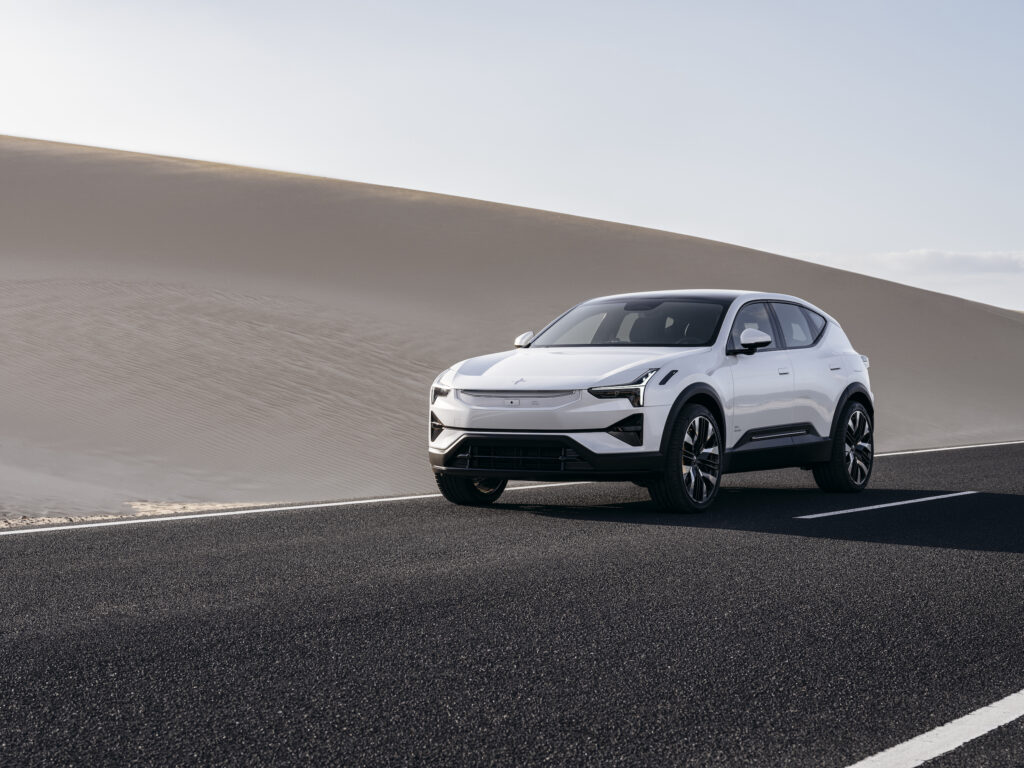
When you’re tracking EV announcements, most sound like recycled press releases promising revolutionary breakthroughs. Polestar‘s latest reveal cuts through that noise with concrete plans: the Polestar 7 SUV arrives in 2028, built in Europe, and it’s bumping the flashy 6 convertible further down the timeline.
This isn’t just another “coming soon” tease. The 7 represents Polestar’s first European-manufactured vehicle, rolling off production lines at Volvo’s new Kosice, Slovakia facility.
Think of it as Polestar’s Netflix strategy—building local infrastructure to serve regional audiences while dodging the tariff headaches that plague Chinese-made EVs. Platform sharing gets interesting here.
The 7 will ride on Volvo’s upcoming SPA3 architecture, the same bones supporting the forthcoming EX60 SUV. Before you dismiss this as badge engineering, consider how Apple and Google both use ARM processors yet deliver completely different user experiences. Polestar promises distinct suspension tuning and chassis dynamics that preserve their performance-focused DNA, even while sharing fundamental components with their more safety-obsessed Swedish cousin.
The timeline shuffle reveals strategic priorities. Your Polestar 5 sedan still arrives in 2025 as planned, but the 7 SUV now takes precedence over the 6 convertible sports car.
SUVs pay bills; convertibles win hearts. Polestar needs volume before it can afford romantic gestures.
Technical specs remain closely guarded, but expect 800-volt architecture enabling rapid charging speeds and that “cell-to-body” battery integration that sounds like marketing speak but delivers structural rigidity while maximizing energy density. Translation: potentially more range in a smaller package.
The 7 positions itself as Polestar’s volume driver—their Model Y equivalent, targeting premium compact SUV buyers who want Scandinavian minimalism with genuine performance credentials. European production means shorter supply chains, reduced shipping costs, and proximity to sophisticated suppliers who understand both luxury finishes and sustainable manufacturing.
Your takeaway? If you’re shopping premium EVs in 2028, the Polestar 7 could offer that sweet spot between Tesla’s tech-forward approach and traditional luxury brands’ comfort focus. Just don’t expect the dramatic styling of that delayed convertible 6—this SUV prioritizes market success over Instagram appeal.