


Performance doesn’t require a trust fund. These ten machines prove you can get genuine thrills without emptying your bank account. With used car prices finally stabilizing after the pandemic madness, now’s the time to strike. Skip the marketing fluff and overpriced badges—these cars connect you to the road.
10. BMW Z3 (2002) (Interior)
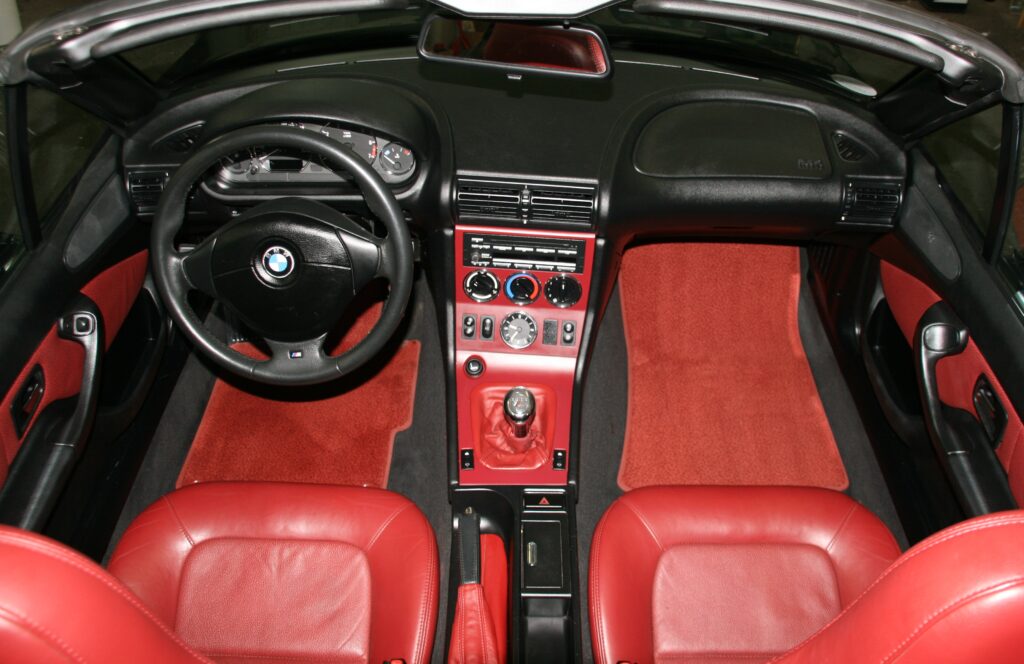
Germanic precision meets roadster simplicity in the BMW Z3 M Roadster. Quality materials and solid construction feel expensive despite the car’s affordable used prices.
Driver-centric layout keeps essential controls within reach. Limited storage reminds you this car prioritizes driving over hauling cargo.
BMW Z3 (2002) (Exterior)
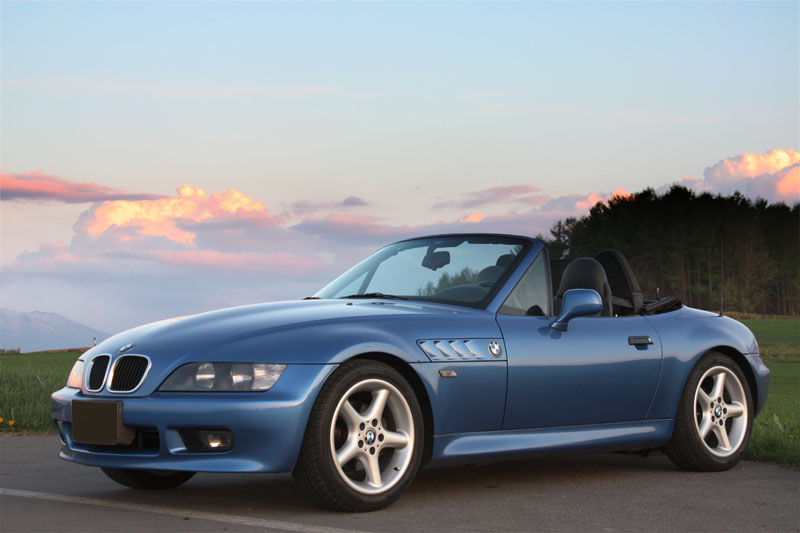
Classic roadster proportions create timeless appeal. Long hood houses the straight-six while short overhangs enhance agility and visual balance.
Subtle curves and clean lines avoid design gimmicks. Soft top integrates seamlessly when raised, maintains purity when lowered.
9. Volkswagen GTI (2014) (Interior)
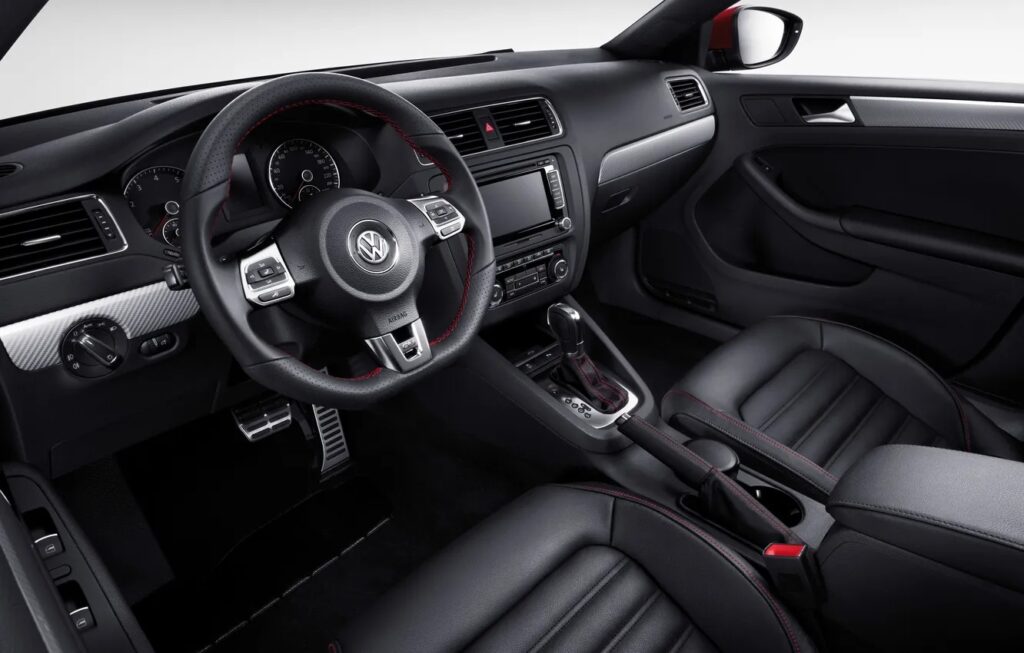
The Volkswagen Golf GTI delivers serious driving joy in a practical hatchback package. Inside,Quality materials and solid construction justify the premium over regular Golf models. Sport seats provide excellent support without sacrificing daily comfort.
Practical hatchback space accommodates both people and cargo. Intuitive controls and clear displays maintain German engineering reputation for functionality.
Volkswagen GTI (2014) (Exterior)
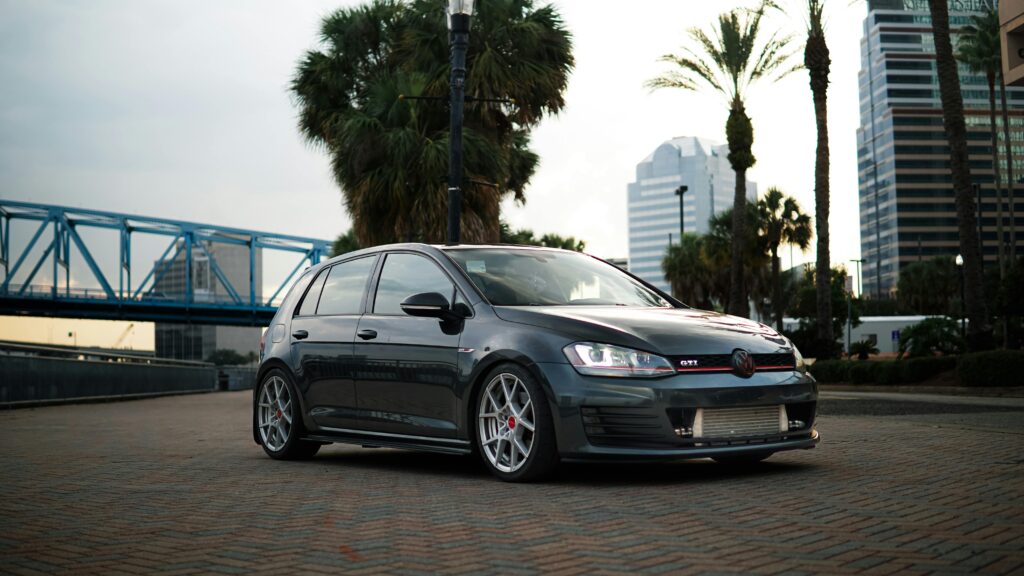
Subtle performance cues distinguish the GTI from lesser Golf variants. Red brake calipers, dual exhaust, and distinctive wheels signal serious intent.
Clean lines avoid flashy styling that dates quickly. Understated aggression appeals to enthusiasts who prefer substance over show. For those looking to get even more out of their driving experience, consider exploring the best car accessories to enhance comfort and convenience.
8. Scion FRS (2013) (Interior)
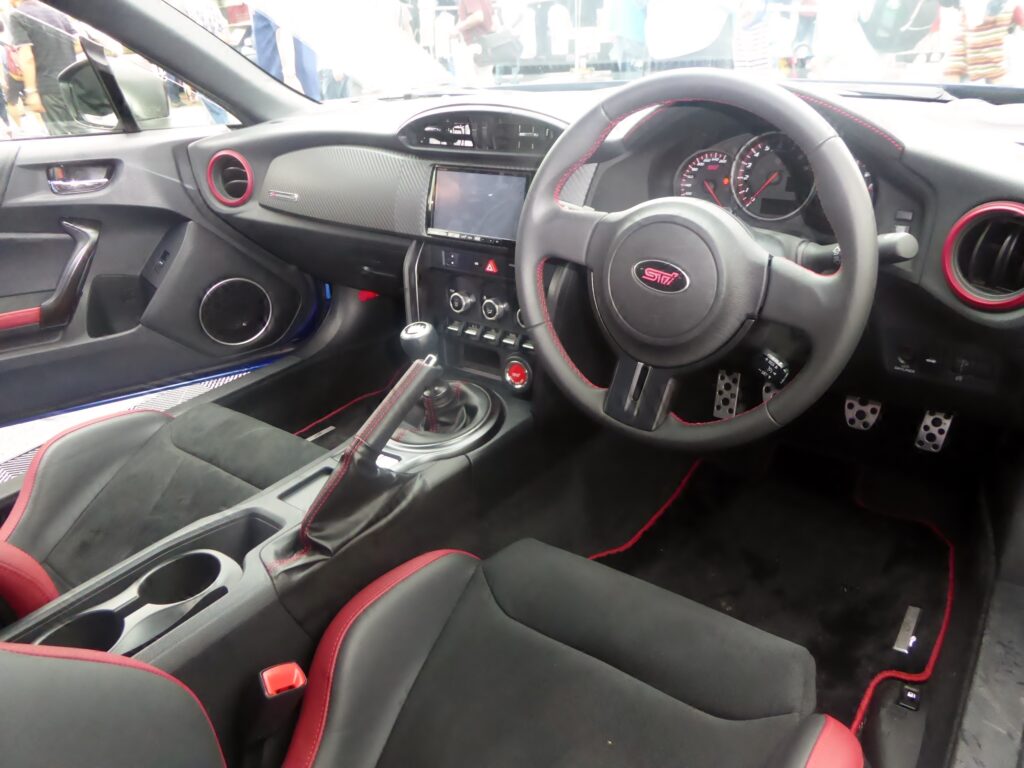
Driver-focused cockpit puts essential controls within easy reach like a fighter jet’s instrument panel. Sport seats hold you in place without crushing your ribs during daily commutes.
Rear seats exist mainly for insurance purposes. Limited storage space forces you to travel light—exactly as intended by the designers.
Scion FRS (2013) (Exterior)

Low, wide stance communicates serious intent. Clean lines flow from nose to tail without unnecessary decoration or fake performance cues.
Functional aerodynamics enhance performance rather than just looking aggressive. Proportions remain timeless while avoiding retro pastiche. If you’re looking to enjoy your sportscar when driving and even improve your overall comfort, installing some of these car gadgets can make a significant difference.
7. Chevrolet Camaro (4th Gen LS1) (2002) (Interior)
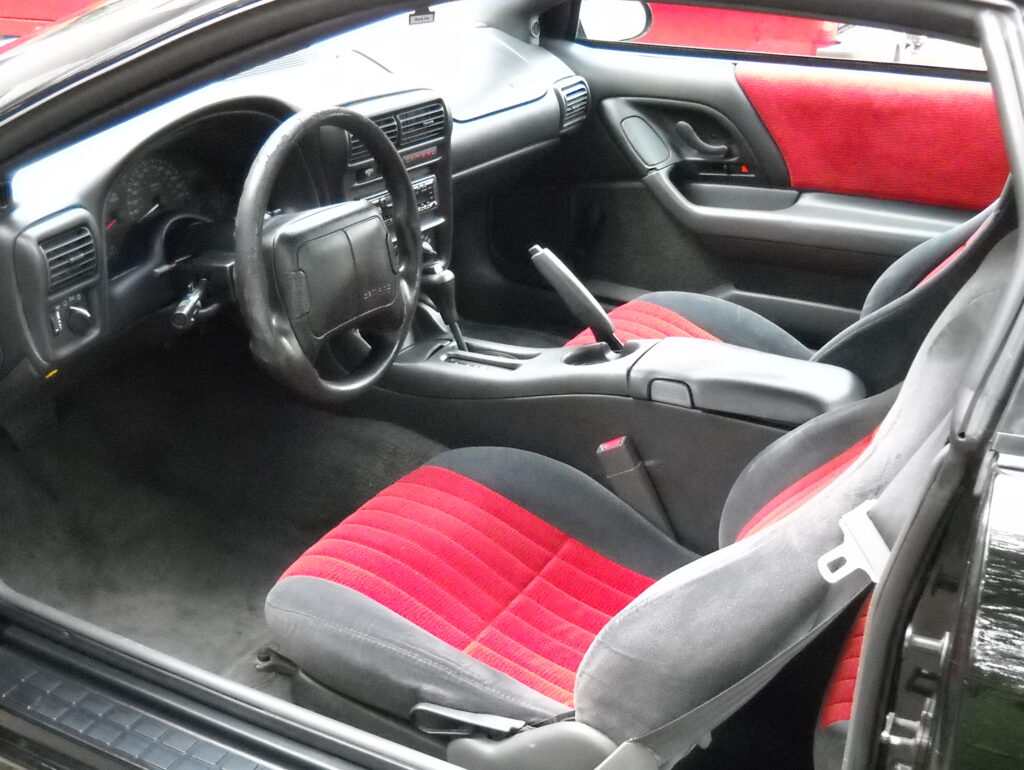
Dated interior design reflects 1990s GM cost-cutting mentality. Cheap plastics and questionable ergonomics detract from the driving experience.
Sport seats provide decent support during spirited driving. Rear seats exist mainly for insurance purposes—cargo space more practical than passenger accommodation.
Chevrolet Camaro (4th Gen LS1) (2002) (Exterior)

Controversial styling divided opinions when new and continues polarizing enthusiasts today. Aggressive front end and swoopy profile create love-or-hate reactions.
Muscular proportions hint at the LS1 power lurking beneath polarizing bodywork. Wide stance and flared fenders accommodate serious rubber.
6. Dodge Challenger (2013) (Interior)
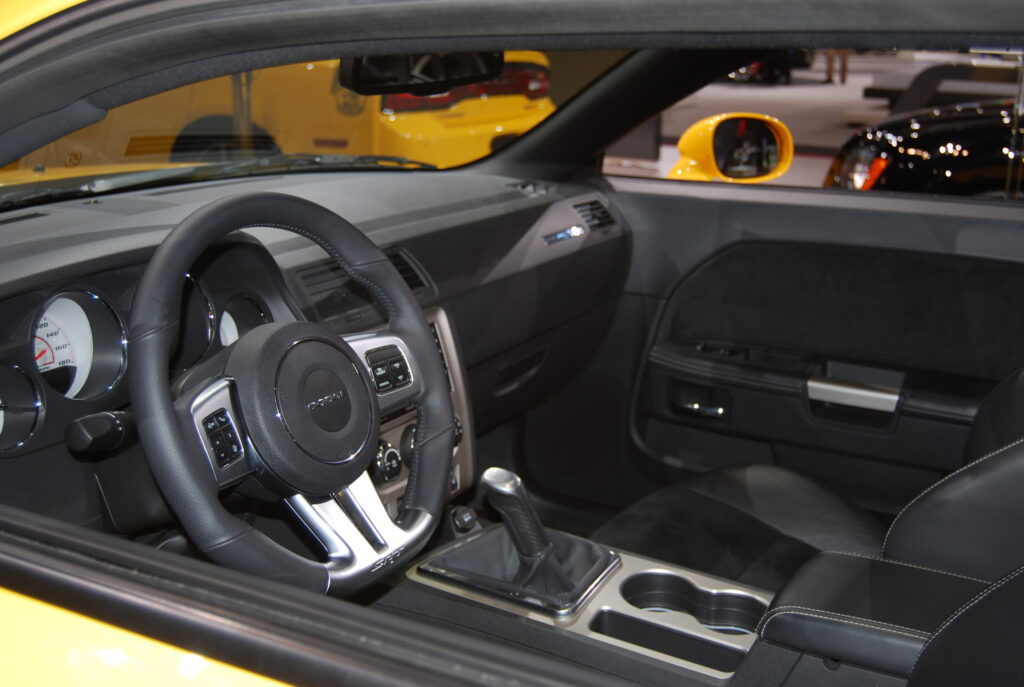
Spacious cabin with comfortable seating for five adults like a luxury sedan wearing a leather jacket. Modern technology integrates seamlessly with retro-inspired design cues throughout the dashboard.
Quality materials and solid build construction create an environment you won’t tire of. Cup holders that actually hold cups—revolutionary concept.
Dodge Challenger (2013) (Exterior)
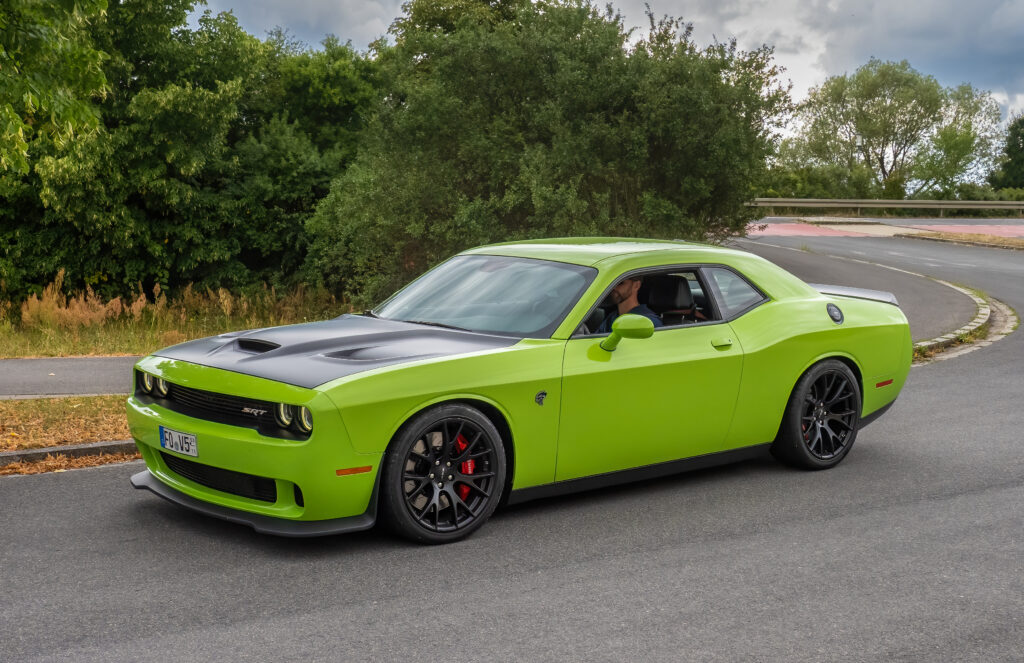
Retro styling captures 1970s muscle car essence without looking like a cartoon. Bold lines and aggressive stance command respect at stoplights.
Functional hood scoops and dual exhaust outlets hint at serious performance capability. Wide body accommodates massive tires and powerful drivetrain components.
5. Pontiac Solstice/Saturn Sky (2008) (Interior)
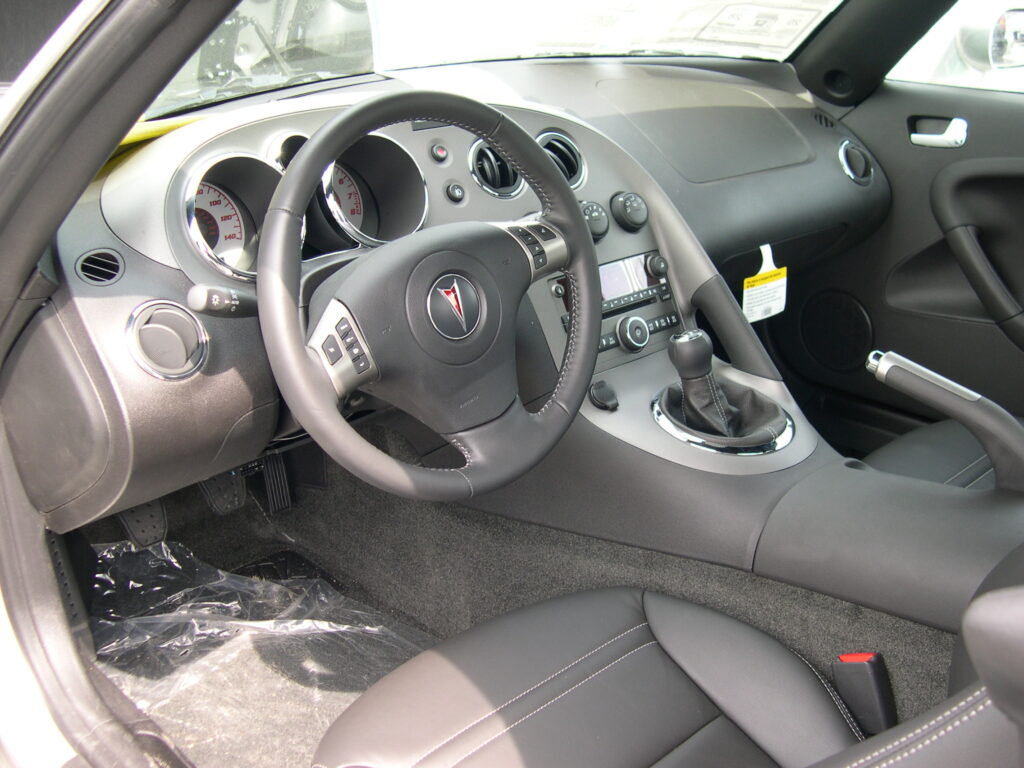
Roomier cockpit accommodates taller drivers better than most roadsters. Interior materials feel solid despite GM’s cost-cutting efforts during this era.
Simple layout focuses on driving essentials. Limited storage space typical for the segment, but clever design maximizes available room.
Pontiac Solstice/Saturn Sky (2008) (Exterior)
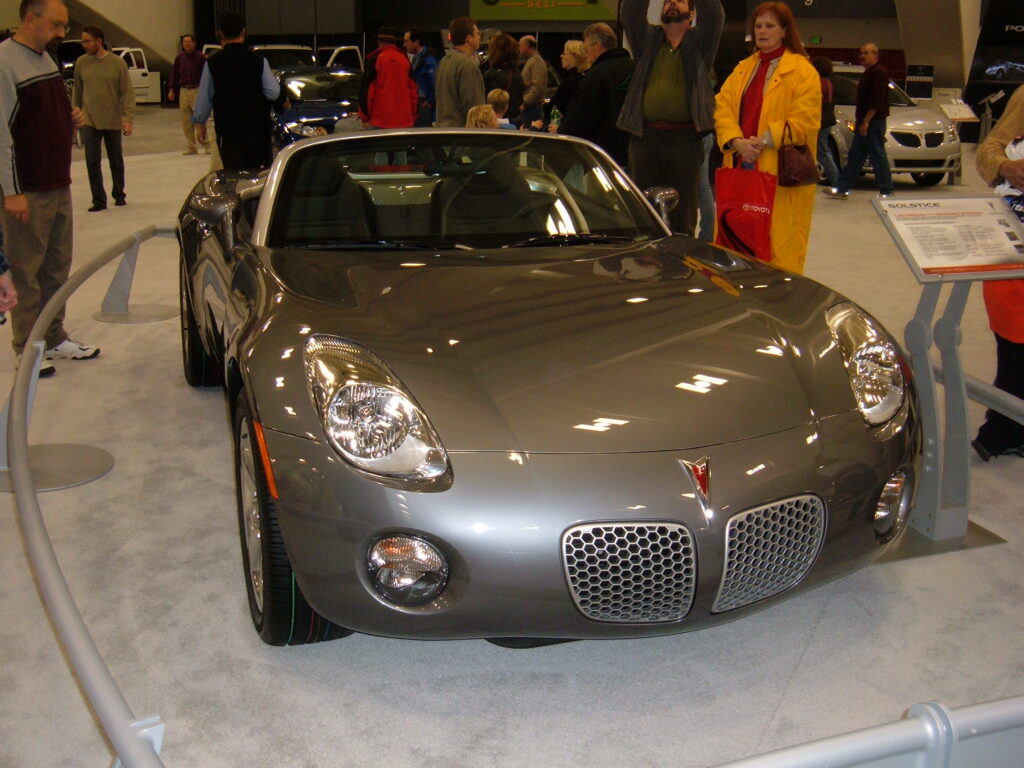
Distinctive American interpretation of the roadster formula. Bold lines and muscular proportions create visual impact missing from more conservative designs.
Convertible top mechanism works smoothly when properly maintained. Proportions remain striking from every angle, aging better than contemporary rivals.
4. Infiniti G35 (Interior)
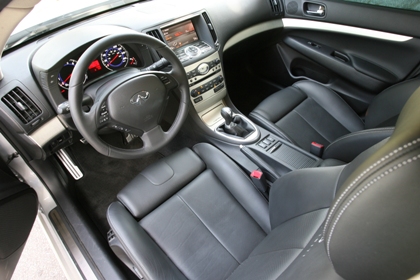
Premium materials justify the luxury badge. Leather seats provide comfort during long drives while maintaining lateral support when cornering hard.
Rear seats accommodate actual humans, unlike most sports cars. Dashboard layout prioritizes driver needs without drowning you in unnecessary buttons.
Infiniti G35 (Exterior)

Sleek coupe lines with sedan practicality create the perfect balance. Aggressive stance hints at the performance lurking beneath refined bodywork.
Proportions work from every angle—long hood, swept roofline, muscular haunches. Subtle spoiler and dual exhaust tips complete the package.
3. Ford Mustang GT (SN95) (2002) (Interior)
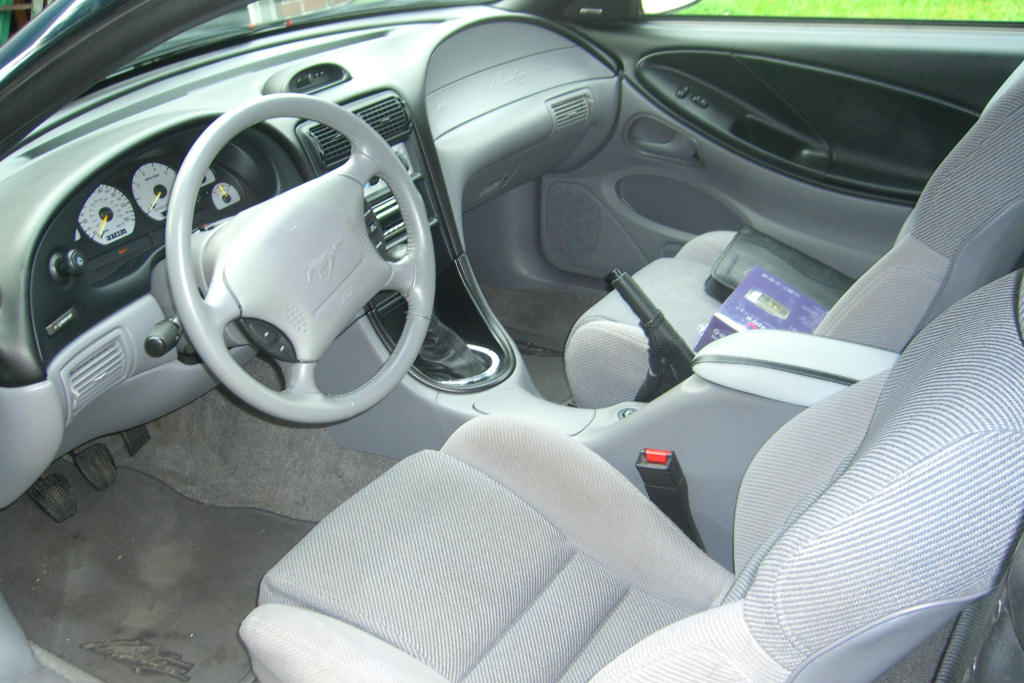
Basic but functional cabin reflects the car’s affordable mission. Seats provide adequate support though materials feel cheap compared to modern standards.
Simple gauge cluster and controls avoid unnecessary complexity. Rear seats accommodate small adults or children, unlike true two-seaters.
Ford Mustang GT (SN95) (2002) (Exterior)
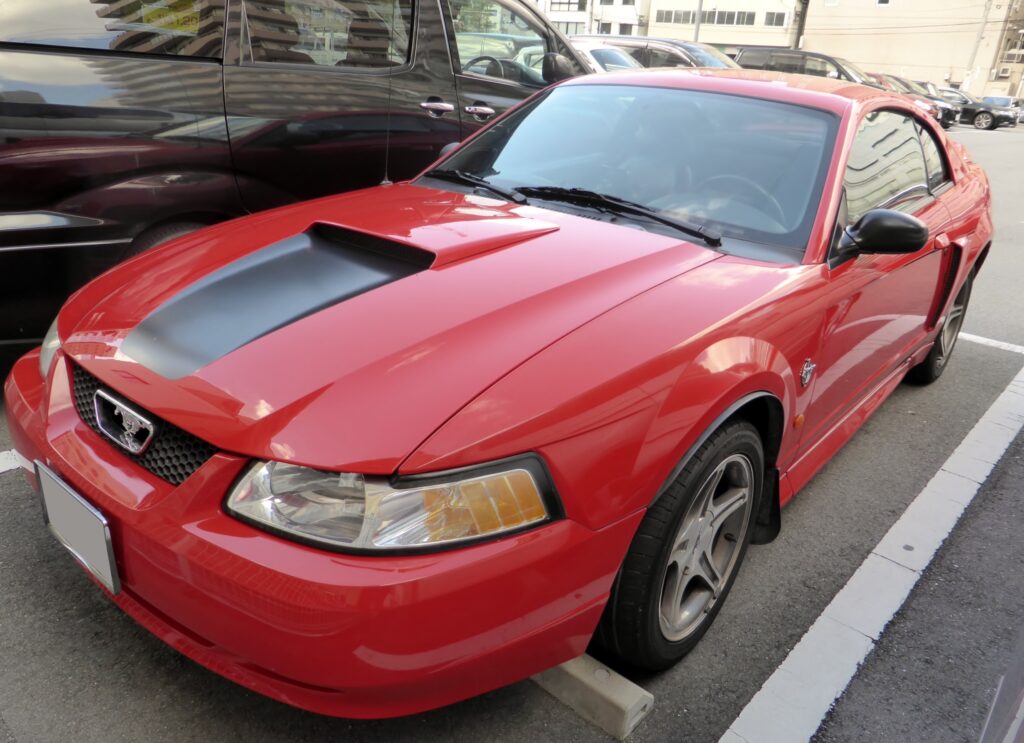
New Edge styling updates classic Mustang themes with modern interpretation. Sharp creases and aggressive stance communicate performance intent clearly.
Functional hood scoop and dual exhaust outlets hint at V8 power lurking beneath. Proportions maintain classic pony car DNA.
2. Chevrolet Corvette C5 (Interior)
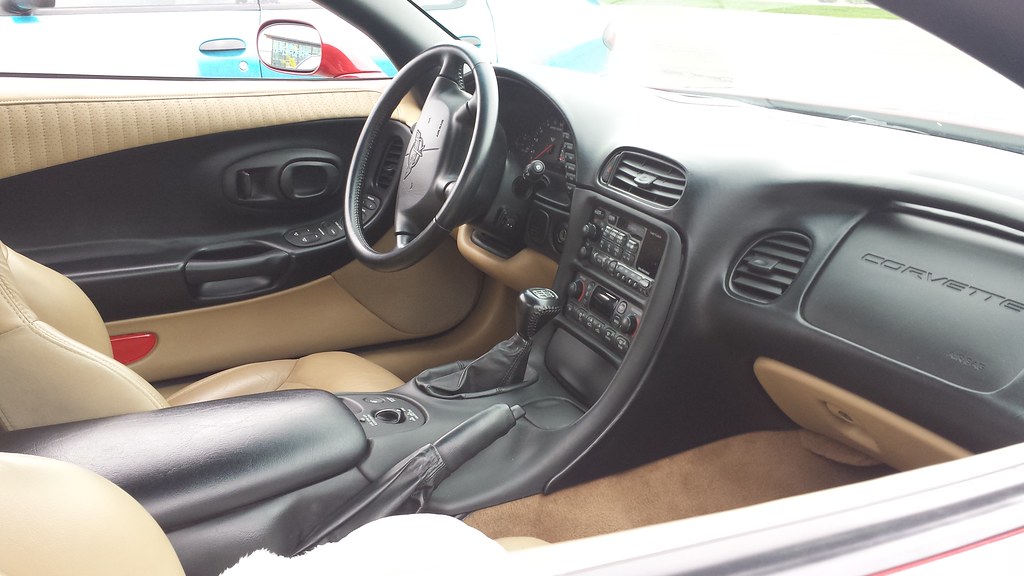
Functional cabin prioritizes performance over luxury. Sport seats provide excellent support during aggressive driving while remaining comfortable for long trips.
Interior materials show their age but remain durable. Digital displays provide clear information without unnecessary complexity distracting from driving.
Chevrolet Corvette C5 (Exterior)
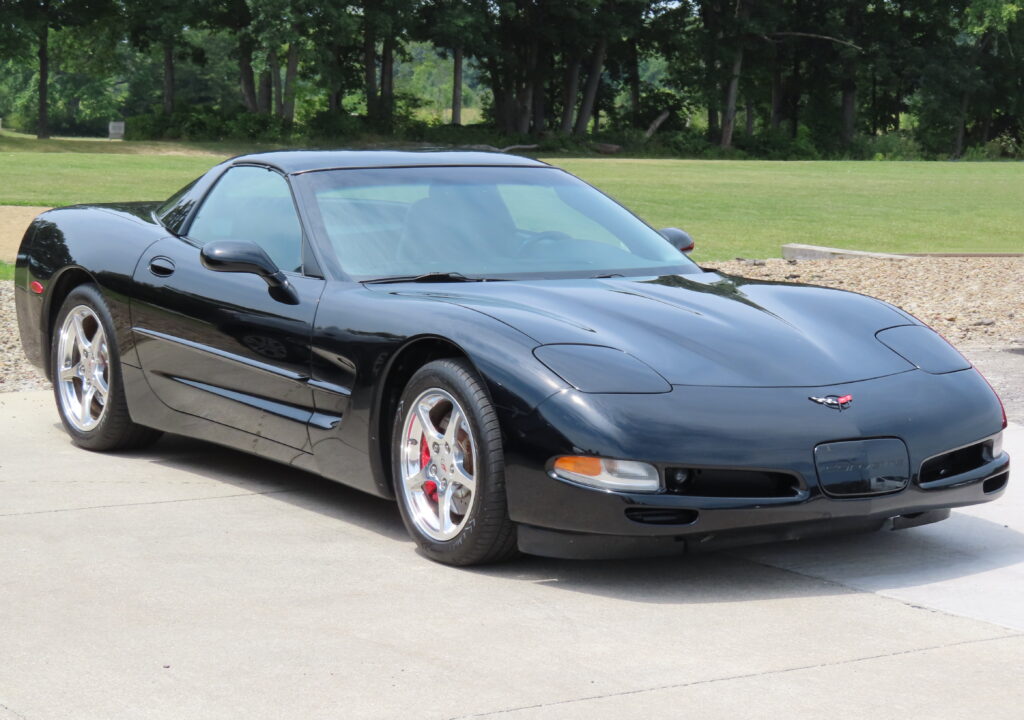
Sleek bodywork hides impressive aerodynamic efficiency. Pop-up headlights maintain classic Corvette DNA while smooth underbody reduces drag significantly.
Muscular haunches accommodate wide rear tires. Aggressive front splitter and rear spoiler provide real downforce, not just visual drama.
1. Nissan 350Z (2006) (Interior)
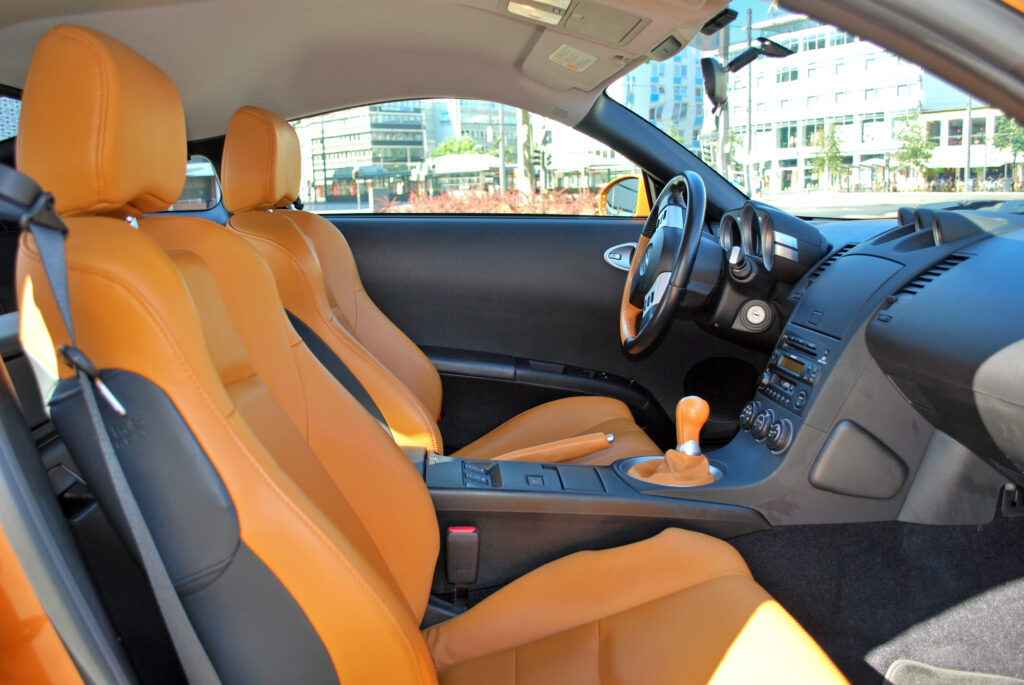
The Nissan 350Z is a spiritual successor to the classic Z cars—and it doesn’t disappoint. Inside, it’s all about focus. No fluff, no fuss—just clear gauges and tactile controls.
Nissan 350Z (2006) (Exterior)
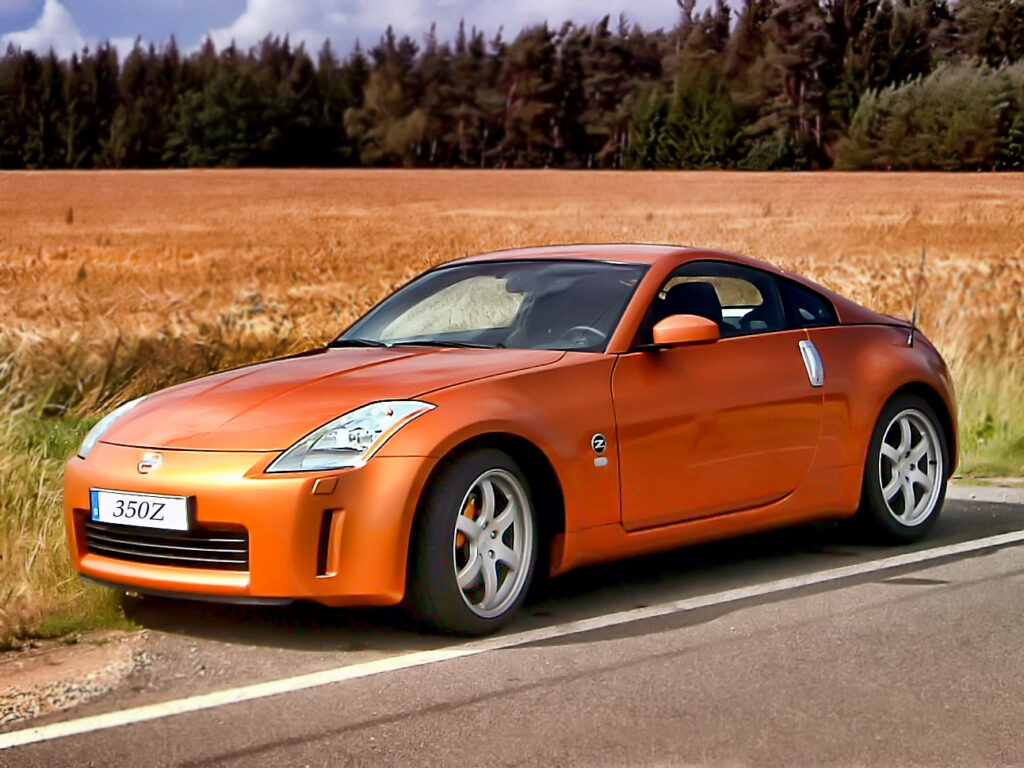
Clean, purposeful lines age better than most early 2000s designs. Long hood, short deck proportions scream sports car from every angle.
Aggressive front fascia and wide stance telegraph serious intent. No fake vents or unnecessary complexity—just honest sports car design that works.