

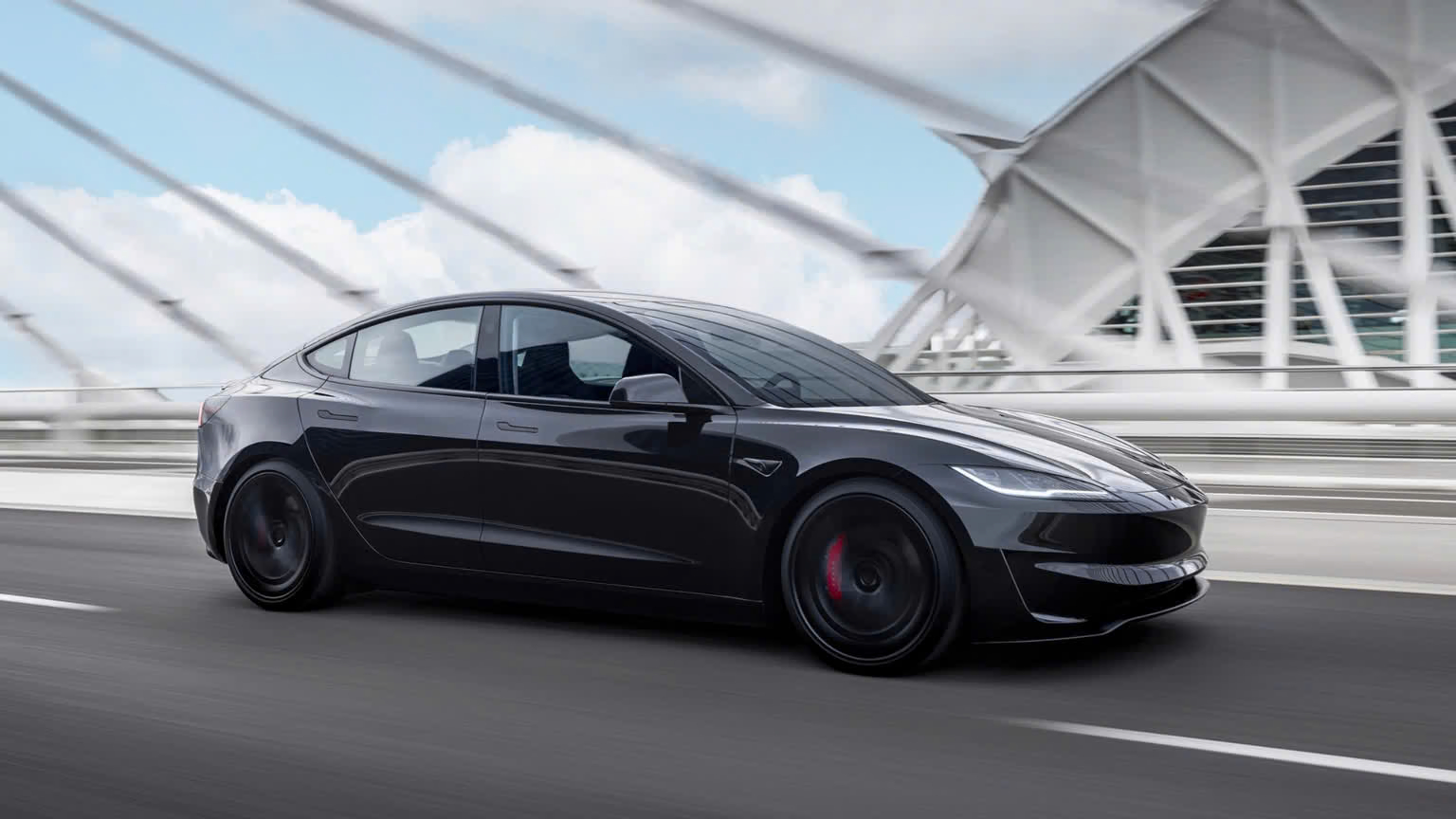
While Tesla’s Cybercab robotaxi generates headlines about autonomous futures, its engineering is already moving into something more familiar. Nick Verzini, Tesla’s head of drive-unit engineering, said during a Munro Live factory tour that the 2026 Model 3 will adopt the Cybercab’s redesigned inverter electronics. The inverter converts battery DC electricity into AC current for the motor — the translator between stored power and forward motion. Tesla plans to make that translator significantly simpler, though no consumer-facing specification change has been announced.
Fewer Parts, More Supplier Options
The redesign is about building cars smarter, not necessarily making them faster.
The specific changes target the inverter’s printed circuit board assembly and power stage — the electronic brain and muscle of the power conversion system. The redesigned version reportedly contains substantially fewer components than the current Model 3 inverter, though Tesla hasn’t disclosed an exact count. The new design also accepts parts from multiple suppliers, reducing concentration risk when any single manufacturer hits a snag. Think of it like a shared vehicle platform underpinning multiple models across a brand’s lineup: standardize the core, and the whole system becomes easier to build and sustain. Supplier flexibility is a possible manufacturing benefit — not a confirmed reduction in vehicle price.
The Interface Is the Tell
Verzini’s phrasing reveals deliberate modularity, not happy coincidence.
When asked whether the complete inverter could fit a Model Y drive unit, Verzini’s answer was direct: “We kept the entire interface.” That’s not an offhand remark. Tesla reportedly engineered the Cybercab’s inverter to slot into existing platforms without rebuilding everything around it — intentional architecture, not accidental compatibility.
Whether the Model Y actually receives this inverter remains unconfirmed; Tesla has not announced a production rollout for that vehicle. Also worth noting: the Cybercab drive unit carries other distinctions:
- An 11:1 front-motor gear ratio versus roughly 9:1 in most Tesla vehicles
- A mechanical oil pump
- Cooling channels integrated into an aluminum housing
Tesla has not confirmed that any of those features will transfer to the Model 3.
What to Watch
The real questions won’t be answered at a factory tour.
Unresolved details include:
- The production start date
- Which Model 3 variants receive the new inverter
- Whether real-world efficiency shifts follow
- Whether the Model Y eventually joins the rollout
These gaps matter because Tesla’s timelines rarely follow announcement order. If this works as intended, the benefit lands on Tesla’s balance sheet before it reaches your garage — but that’s a meaningful first step in how robotaxi development quietly reshapes the mainstream EV market.