


The standard pickup truck formula — body-on-frame, rear bed, workhorse proportions — has produced some of the best-selling vehicles in automotive history. It has also produced decades of essentially identical engineering decisions. These 8 vehicles represent the moments when someone looked at that formula and decided to ignore it entirely, producing a Bavarian sports sedan with a truck bed, a six-wheeled luxury tank weighing 8,400 pounds, the world’s only rotary-engine pickup, and a convertible Dakota that sold nearly 4,000 units before Dodge quietly moved on. Some of these decisions were brilliant. Others demonstrate what happens when engineering ambition outpaces market research. All of them are more interesting than any current full-size truck lineup.
8. 2011 BMW M3 Pickup (Exterior)

BMW’s M3 Pickup was an internal engineering exercise rather than a production vehicle — built by BMW M GmbH staff as an April Fools’ project that produced a genuinely functional machine. The M3’s aggressive front end and performance stance survived the conversion intact, and the proportions held together better than they had any reason to. At a 186 mph top speed, it was the fastest pickup ever built at the time of its creation — a distinction that requires acknowledging it was also the only M3-based pickup ever built.
2011 BMW M3 Pickup (Interior)

The cabin remained pure M3 throughout — supportive sport seats, performance-focused controls, and build quality that reflected the vehicle’s origins rather than its body configuration. The dashboard layout prioritized performance metrics because this was a 420-horsepower sports sedan that happened to have a bed, not a truck that happened to go fast. The conversion required significant structural modification while preserving every driving dynamic the M3 platform was built to deliver.
7. 2017 Hennessey VelociRaptor 6×6 (Exterior)

Hennessey extended the Raptor’s frame and added a third axle, producing proportions that make the standard F-150 read as a compact vehicle by comparison. Aggressive fender flares, massive off-road tires, and a stance calibrated to announce its presence at significant distance. At $349,000, the exterior needed to justify the price through visual impact alone — it does, at the cost of any reasonable claim to subtlety. The VelociRaptor takes every Raptor styling cue and applies more of each one simultaneously.
2017 Hennessey VelociRaptor 6×6 (Interior)

The cabin retained Ford’s Raptor interior with custom Hennessey touches that reflect the significant premium over standard Raptor pricing. Controls for the additional drivetrain components integrated with Ford’s existing systems rather than requiring a separate interface. The interior balance — functional truck capability alongside the refinement level appropriate for the price point — holds up as a finished product rather than a modified vehicle that shows its origins in the details.
6. 1989-1991 Dodge Dakota Convertible (Exterior)
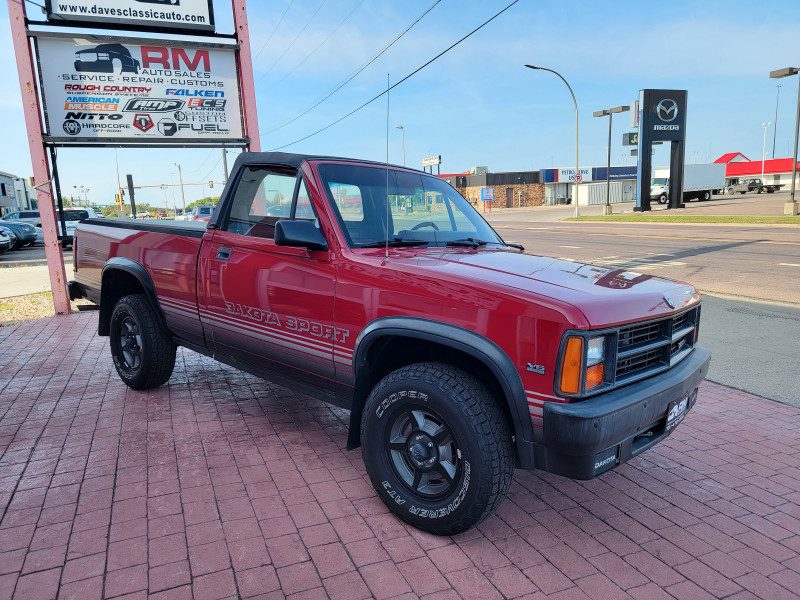
The Dakota Convertible was a factory production vehicle — American Sunroof Corporation handled the conversion under contract, removing the roof and reinforcing the remaining structure with the steel required to maintain rigidity without the top’s contribution to torsional stiffness. Only 3,759 units were produced across the 1989-1991 model years, making surviving examples genuinely rare. The manual soft top folded behind the cab cleanly enough for the era. This was Dodge’s answer to a question nobody had formally asked — and it sold nearly four thousand times regardless.
1989-1991 Dodge Dakota Convertible (Interior)
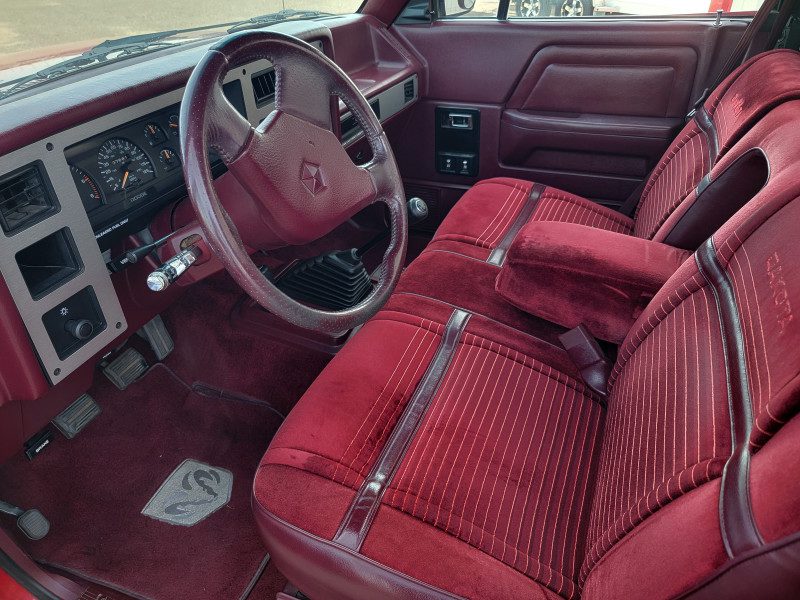
The interior maintained standard Dakota practicality with reinforced A-pillars substantial enough to meet rollover requirements — a structural necessity that the conversion engineers addressed rather than left to optimism. Seat materials held up reasonably well to regular weather exposure, which was a legitimate engineering concern given the top’s optional nature. With the top down, climate control became a function of speed and ambient temperature rather than dashboard controls — a tradeoff that appealed to the specific buyer who purchased a convertible pickup truck in the first place.
5. Porsche 928 Pickup Conversions (Exterior)

The Porsche 928 pickup conversions were aftermarket custom builds rather than factory products — individual examples modified to truck configuration by independent builders, producing results that vary in execution across surviving examples. The 928’s distinctive front end and design language survived the conversion better than the concept deserves credit for, maintaining enough of the original’s proportions that the result reads as intentional rather than improvised. These are rare by nature — each is a one-off or near-one-off rather than a limited production run.
Porsche 928 Pickup Conversions (Interior)
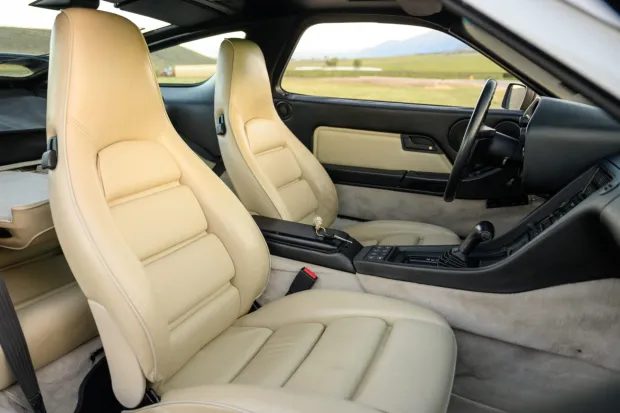
The cabin retained the 928’s luxury appointments — premium materials, ergonomic seating, and build quality appropriate for a vehicle that started life as a $50,000+ grand tourer. Porsche’s interior engineering survived the conversion process in the examples that were built with care rather than speed. The driving position and control layout remained oriented around the driving experience, which meant these conversions separated themselves from every other pickup truck on the road by the quality of what happened inside the cab as much as what the bed looked like behind it.
4. 1974-1977 Mazda REPU (Exterior)

The REPU — Rotary Engine Pick Up — remains the only rotary-powered pickup truck ever sold to the American public, produced from 1974 through 1977. Mazda’s styling cues from the RX-3 translated into pickup form with cleaner proportions than American compact trucks of the same era managed. At just over 4,000 pounds, the REPU was lean by the standards of the Detroit offerings it competed against. The small bed reflected its positioning — this was a driver’s truck rather than a contractor’s tool, built around the engine’s character rather than maximum payload.
1974-1977 Mazda REPU (Interior)

The interior drew from Mazda’s sports car DNA — a dashboard layout that prioritized driver engagement, with a tachometer that served a genuine purpose given the rotary engine’s power delivery characteristics and the rpm range where it produced meaningful output. Seating was supportive for longer drives rather than purely utilitarian. The cabin read as car-like rather than truck-like throughout, which accurately reflected what the REPU actually was: a rotary sports car powertrain packaged into pickup format for buyers who wanted both capabilities simultaneously.
3. 1971-1977 Motion Performance Chevrolet Vega Pickup (Exterior)

Motion Performance converted the Vega’s compact economy car proportions into something with genuine drag strip visual intent — flared fenders, aggressive stance, and exterior cues that communicated the powertrain upgrades underneath. The small bed was secondary to the performance argument in every visual and mechanical decision Motion made. These are rare vehicles today — the conversion work was expensive at the time and the survival rate of performance vehicles used hard reflects that history.
1971-1977 Motion Performance Chevrolet Vega Pickup (Interior)
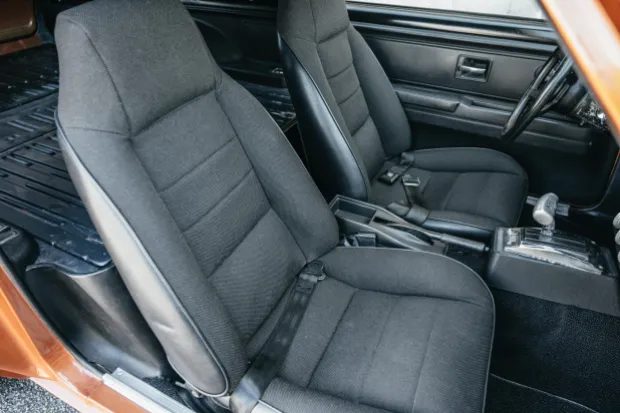
The interior kept its focus on driving rather than comfort — gauges calibrated to the performance modifications, seating that handled the acceleration forces the powertrain upgrades produced, and an overall execution that reflected the Vega’s economy car origins rather than obscuring them. Motion added performance instrumentation where it mattered and left the rest of the cabin largely stock. Build quality varied across individual conversion examples, which is expected for aftermarket performance work from the era. The driving experience was the point, and the interior reflected that priority throughout.
2. 2013 Mercedes-Benz G63 AMG 6×6 (Exterior)

The G63 6×6 weighs 8,400 pounds, runs nearly 20 feet long, rides on six wheels with portal axles producing 18 inches of ground clearance, and is a production Mercedes-Benz vehicle. The third axle distributes weight across six contact patches — a functional engineering decision that produced genuine off-road capability rather than simply additional visual impact. At these proportions, a Hummer H2 reads as restrained by comparison. This is what happens when a military vehicle program crosses with a luxury SUV platform and nobody involved decides to moderate the result.
2013 Mercedes-Benz G63 AMG 6×6 (Interior)

Mercedes maintained full G-Class interior standards — premium leather, wood trim, dual-zone climate, and the isolation from road conditions that the G-Wagon platform delivers regardless of what is happening outside the vehicle. Controls for the portal axles and differential locks integrate into the cabin without disrupting the luxury environment. The interior presents the same contradiction as the exterior: genuine extreme capability packaged in genuine luxury refinement, with no apparent interest in resolving that tension into something more conventional.
1. 2015 Toyota Tundra CrewMax Scene (Exterior)
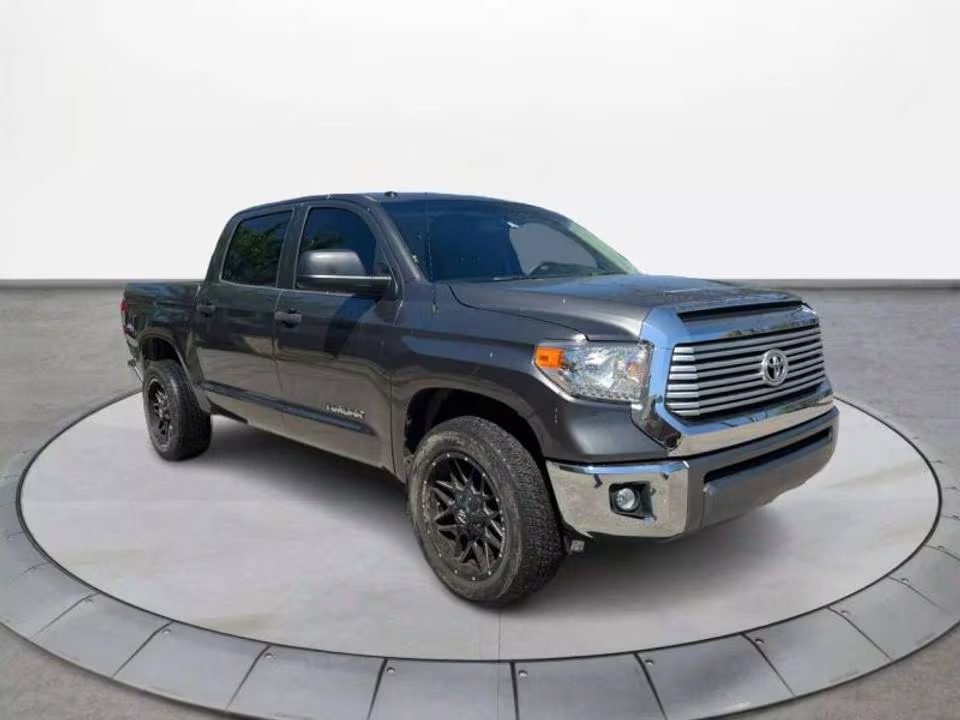
The Tundra CrewMax Scene maintained the Tundra’s standard exterior proportions with graphics and color treatment that communicated its actual purpose: a mobile entertainment platform built around a 55-inch bed-mounted television. Toyota’s designers balanced truck visual credibility with lifestyle vehicle aesthetics — the exterior needed to appeal to buyers who wanted the truck identity without the occupational requirements that traditionally came with it. The result is a concept vehicle that reads as completely earnest about what it is rather than apologetic about what it is not.
2015 Toyota Tundra CrewMax Scene (Interior)
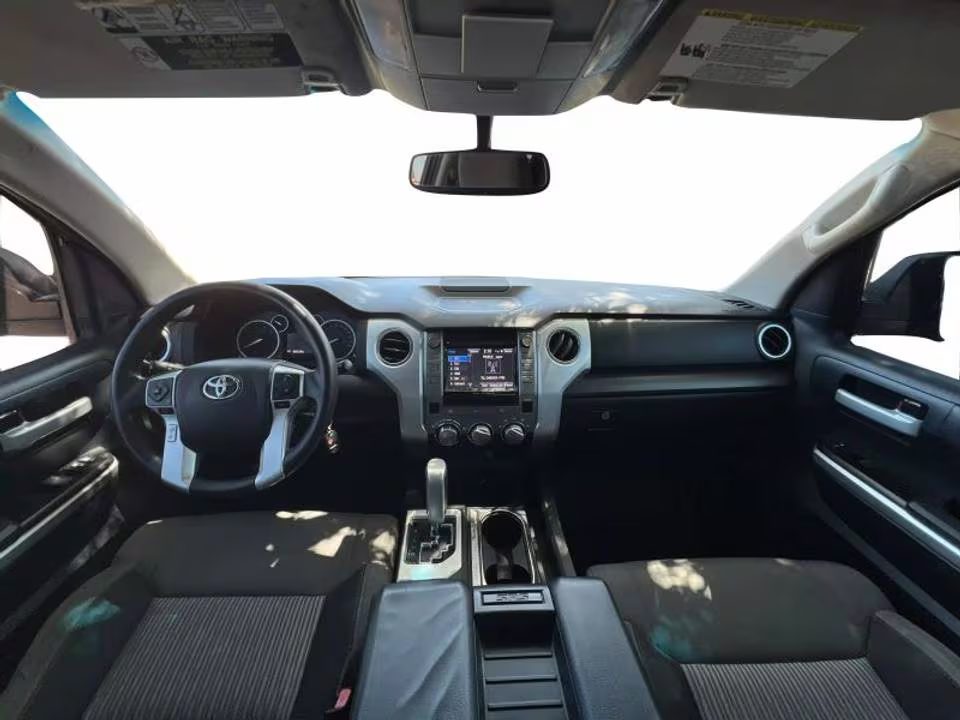
The CrewMax cabin prioritized passenger comfort and technology integration over payload or towing considerations — climate control, premium seating, and a dashboard layout calibrated for long drives to wherever you deploy a 55-inch bed-mounted TV. The interior appointments pointed toward Toyota’s luxury truck ambitions rather than its workhorse heritage. The CrewMax cabin provides the space to appreciate the entertainment system concept without physical compromise, which was the specific engineering brief this vehicle was built to answer.