

Runaway shopping carts shouldn’t rule grocery store lots, yet they terrorize parked cars daily. Ford’s latest patent promises to end this automotive anxiety with technology that lets your vehicle literally move itself out of harm’s way. Published May 5, 2026, patent US-12617393-B2 describes a system where parked Fords detect incoming threats and autonomously relocate to safer spots—turning your car into its own bodyguard.
Smart Sensors Meet Evasive Action
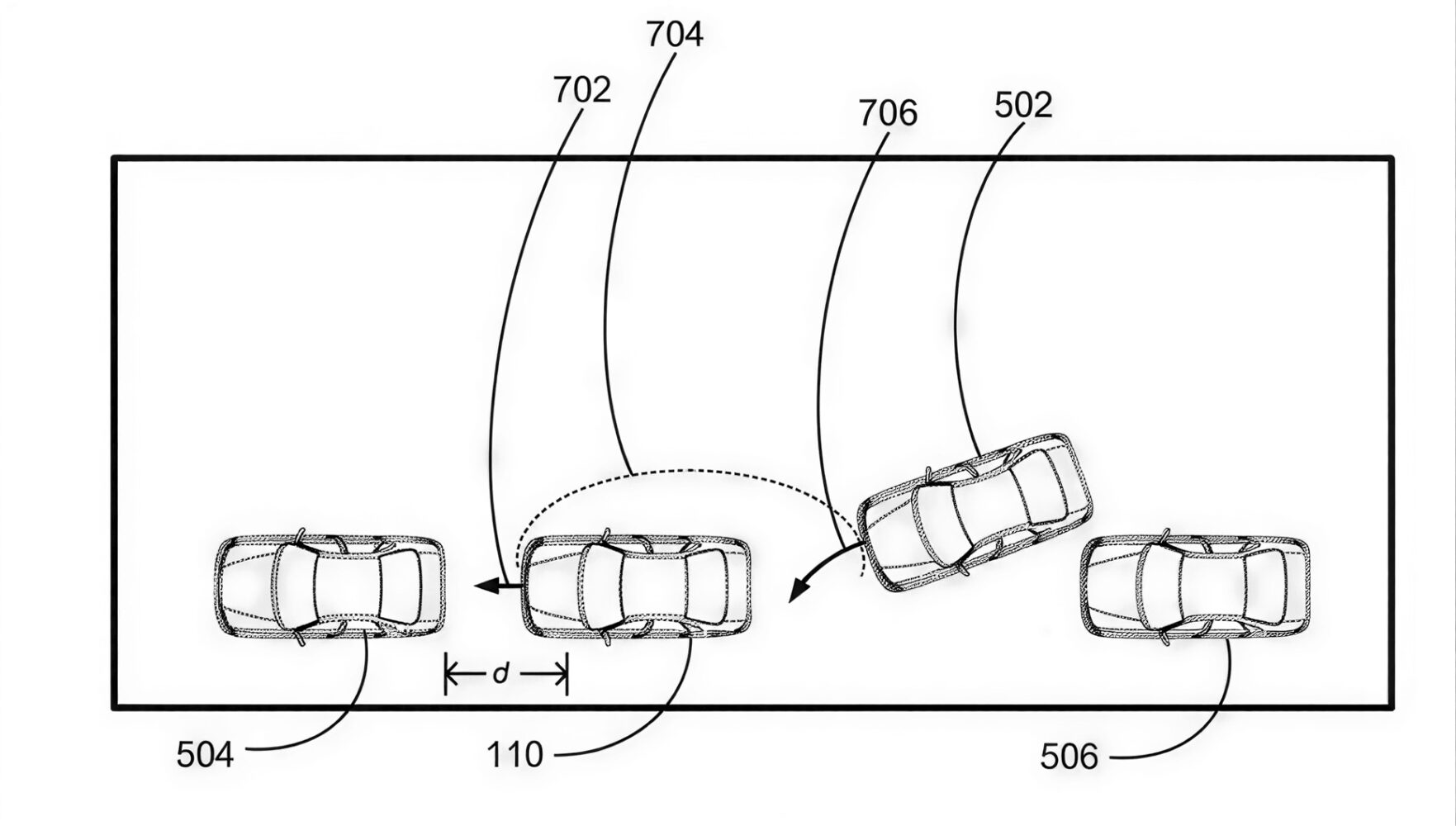
Ford’s approach builds on familiar technology already in trucks, cars, and SUVs. The system continuously monitors surroundings using existing sensor suites, assigning threat levels to moving objects based on trajectory and speed.
When danger approaches—whether it’s a loose cart or a careless pedestrian—the vehicle first attempts diplomacy through flashing lights and horn warnings. If that fails and a safe space exists nearby, the car takes matters into its own wheels, autonomously repositioning itself away from the threat.
- Threat assessment analyzes object speed, trajectory, and proximity
- Warning sequence includes flashing lights and horn alerts
- Autonomous relocation occurs only when a safe space is available
- Video recording captures unavoidable impacts for documentation
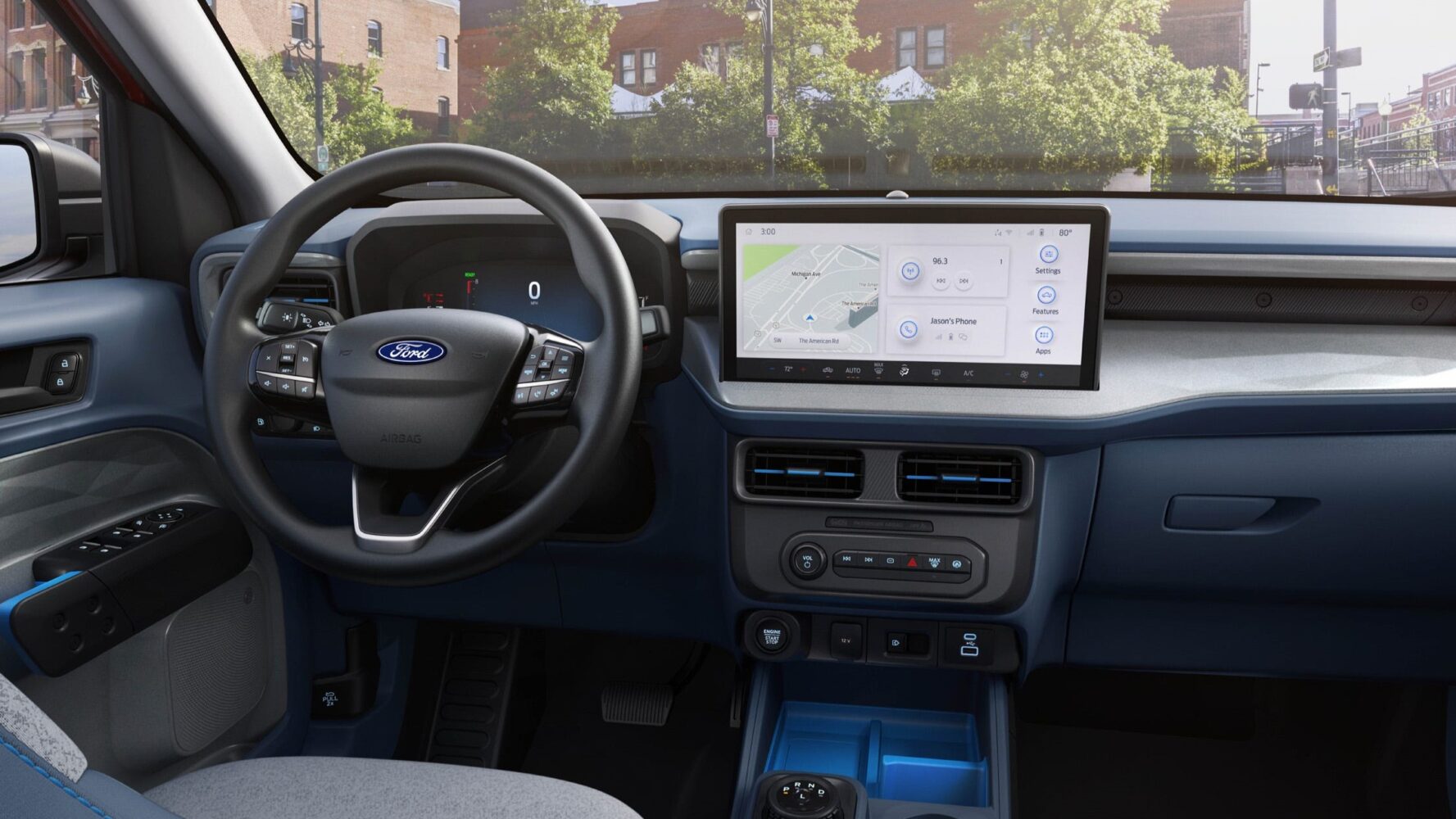
- Technology integrates with existing Ford sensor systems
Real-World Challenges Ahead
The patent acknowledges obvious limitations that any driver would spot immediately. Your Ford needs somewhere to actually go—tight urban lots offer little escape room for evasive maneuvers. More importantly, current regulations don’t permit unmanned vehicle movement in public spaces, meaning Ford faces significant legal hurdles before this technology reaches dealerships.
The company hasn’t announced production timelines, suggesting this remains firmly in the development phase.
When avoidance proves impossible, the system pivots to documentation mode, recording video evidence of the impact for insurance and liability purposes. This feature alone could prove valuable in parking lot disputes where determining fault becomes a he-said-she-said nightmare.
The broader implications extend beyond individual convenience. For urban drivers who park in cramped spaces near markets, restaurants, and entertainment venues, the technology promises genuine peace of mind.
Ford’s patent positions the automaker aggressively in the autonomous protection space, potentially influencing competitors like GM and Tesla to develop similar defensive capabilities. Whether your next Ford will actually duck and weave remains uncertain, but the foundation for smarter parking lot survival is clearly being laid.