

Automotive design sometimes mirrors a bad tuning job, where too many ideas clash until the whole thing just looks off. Concepts roll onto auto show floors promising futures that never arrive in production. This collection cuts through the hype, examining cars whose ambition outstripped execution, or whose styling left an indelible, often questionable, mark on history. These vehicles became cultural touchstones for all the wrong reasons. Each car here is a masterclass in how bold vision can derail, chosen for sheer audacity and profound impact on the automotive landscape. Forget flawless classics; these are the rides that remind everyone why even the best engineers sometimes misplace their compass.
1. Ford Edsel
When marketing budgets can’t save miscalculated timing.
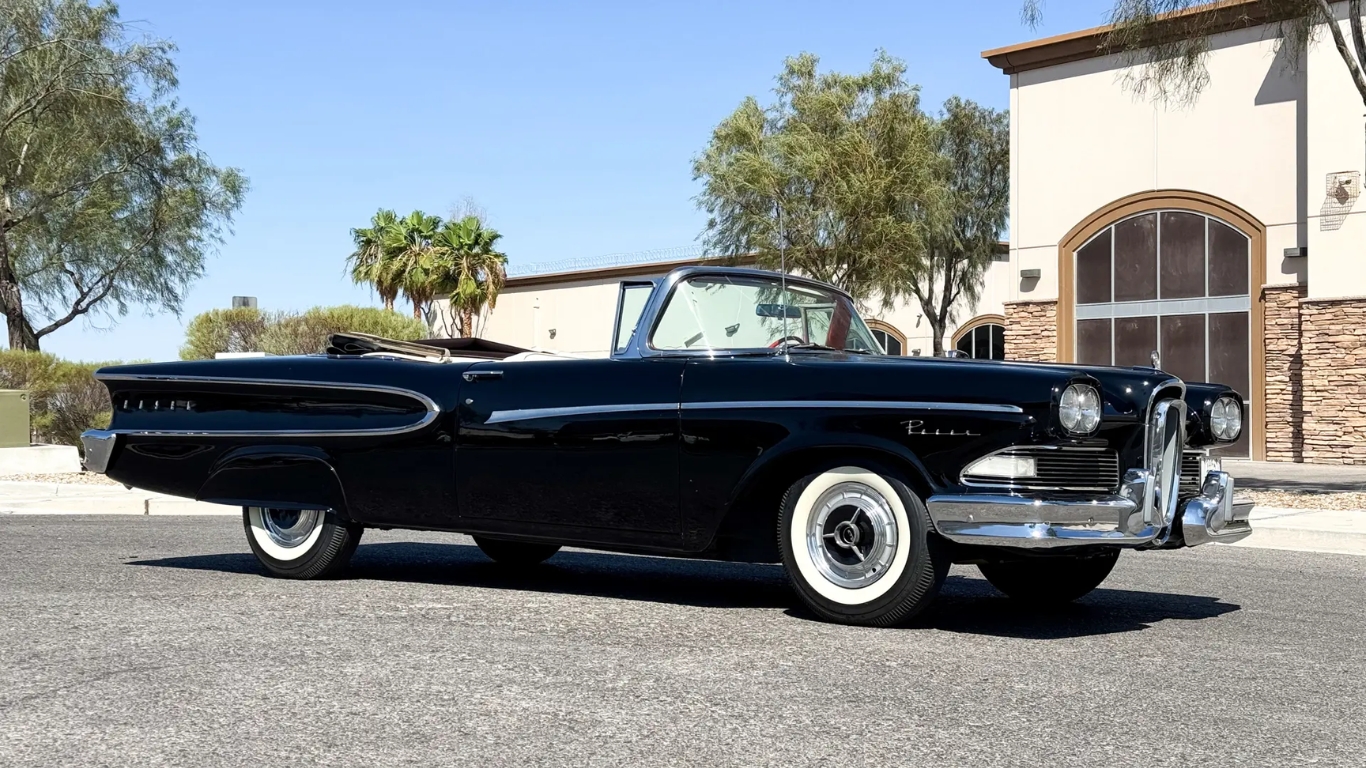
Ford aimed for 200,000 Edsel sales in 1958, but the market delivered blunt truth with only about 63,000 finding homes. This mid-priced marque, named for Henry Ford’s son Edsel Bryant Ford, attempted to carve a unique path between Ford and Mercury models with a splashy launch on “E-Day,” September 4, 1957.
Its distinctive vertical “horse-collar” grille instantly became cultural shorthand for automotive design gone wrong. The 1957–58 recession compounded these challenges, along with quality control issues and muddled pricing that stepped on its own siblings’ toes.
Despite innovations like a rolling-dome speedometer and steering-wheel-hub push-button “Teletouch” transmission, the Edsel became a cautionary tale of timing and taste. Its discontinuation in late 1959 marked the end of a vision that simply couldn’t connect.
2. BMW 4 Series (G22)
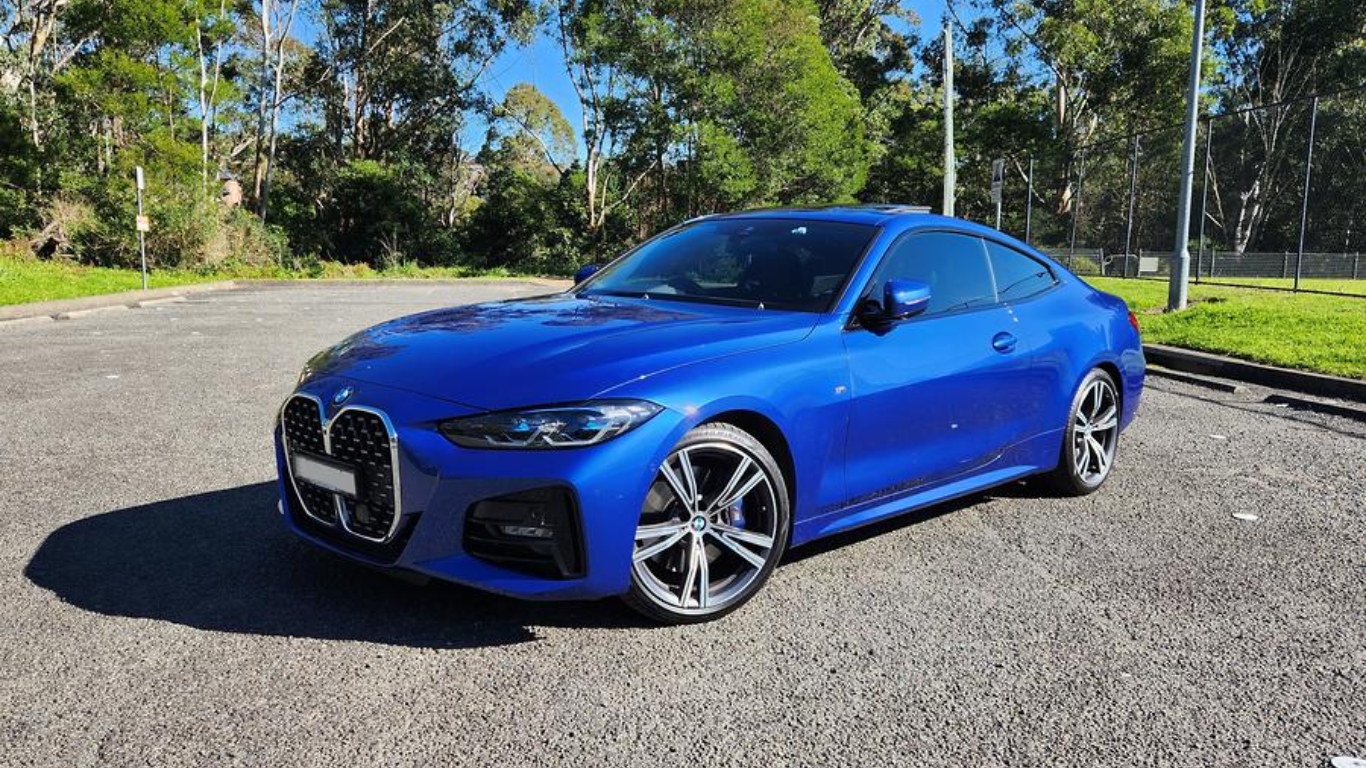
Vertical kidneys that sparked a thousand forum wars.
BMW carried over 80% of the 2019 Concept 4’s styling directly into the production second-generation 4 Series, including its highly controversial grille. Introduced in 2020, this model stands out with the largest double-kidney grille ever fitted to a BMW coupe, extending nearly the full height of the front fascia.
Reviewers and designers likened its prominent stance to “huge nostrils” or “buck teeth,” making it impossible to miss. BMW defends this vertical grille design, citing inspiration from classic models like the 1930s BMW 328 and 3.0 CSi, aiming to make the 4 Series “unmistakable” for customers who desire to stand out.
This polarizing effect extends to related high-performance models like the M3 (G80) and M4 (G82), cementing its place as a bold, if divisive, design statement in the automotive landscape.
3. Zeta Sports
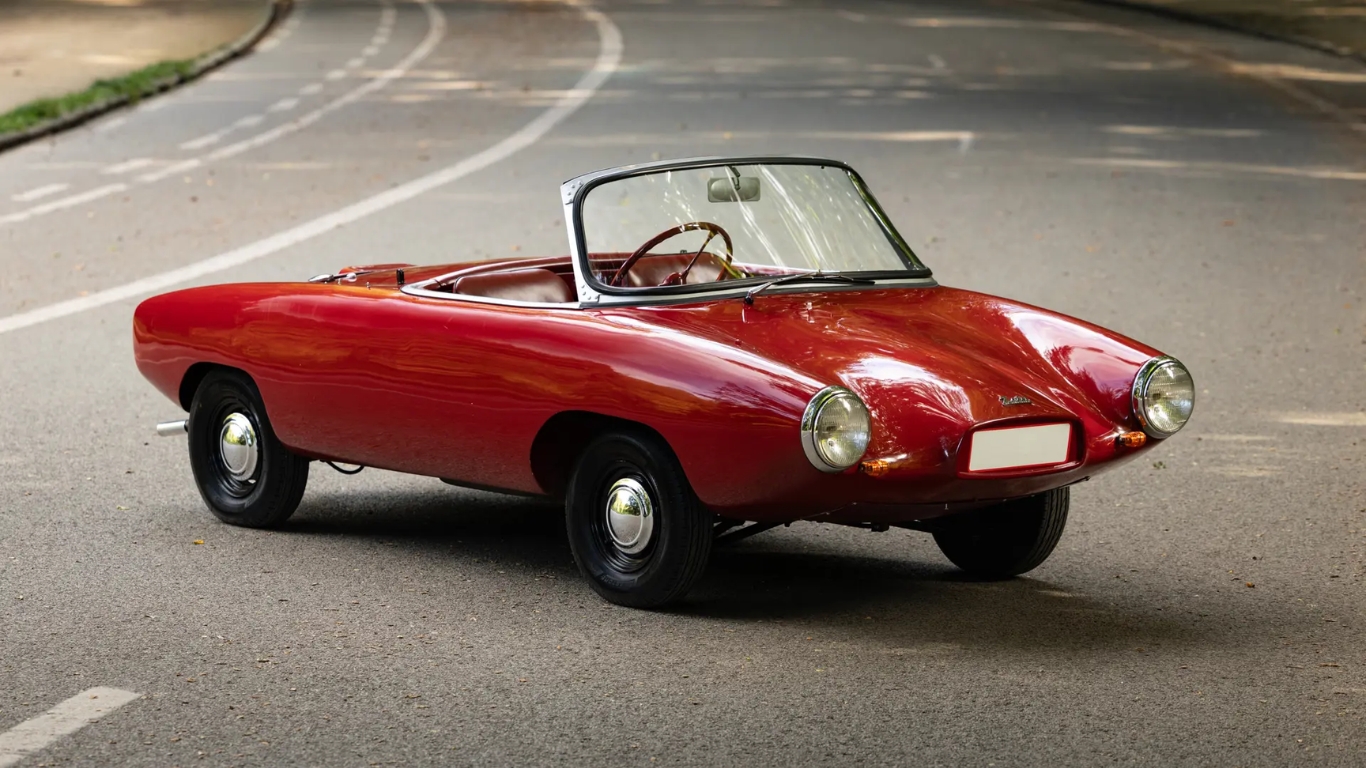
Australia’s microcar roadster with a 48-unit legacy.
Only 48 examples of the Zeta Sports were ever built between 1963 and 1965, a production run shorter than most band reunions. This Australian two-seat microcar roadster, from the unlikely stable of Lightburn & Co., featured a fiberglass body on a steel frame, weighing around 400 kg.
It perched on tiny 10-inch wheels with drum brakes, embodying minimalism so extreme it made a beach buggy look opulent. Occupants scaled the body sides; no doors or bumpers graced this machine. Its rear-mounted ZF Sachs FMR 498–500 cc two-stroke engine managed a modest 15.5 kW (21 hp) through a 4-speed sequential gearbox.
The Zeta Sports earned constant comparisons to a child’s plaything due to its proportions and unique entry. This microcar was a commercial flop, an almost forgotten piece of motoring eccentricity that reminds everyone some ideas are best left in the sketchpad.
4. Citroën Ami 6
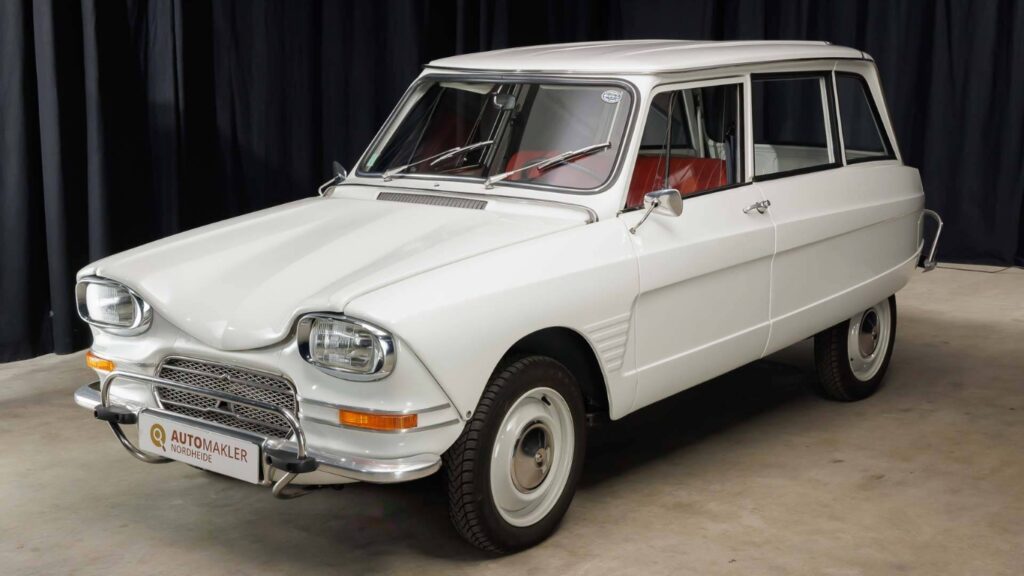
Rectangle headlights debut on a baroque French oddity.
The Ami and Ford Taunus P3 broke ground as the first production cars equipped with non-round rectangular headlights. Developed by Cibie, these units delivered up to double the luminous intensity of conventional round units, a stark advantage on unlit rural roads where illumination is everything.
This small family car, produced from 1961 to 1969, flaunted unconventional design by Flaminio Bertoni, featuring a reverse-raked rear window, a “pagoda”-style roof, and sharply profiled body sides that created a distinctive baroque silhouette. It rode on the proven air-cooled flat-twin engine and front-wheel-drive underpinnings from the 2CV, with displacements around 602 cc and outputs ranging from 20 to 35 hp.
Despite its polarizing aesthetics, approximately 1,039,384 units were produced; the estate version became particularly popular. The Ami 6 blended functional innovation with deeply idiosyncratic style, securing its curious place in automotive lore.
5. Aston Martin Lagonda
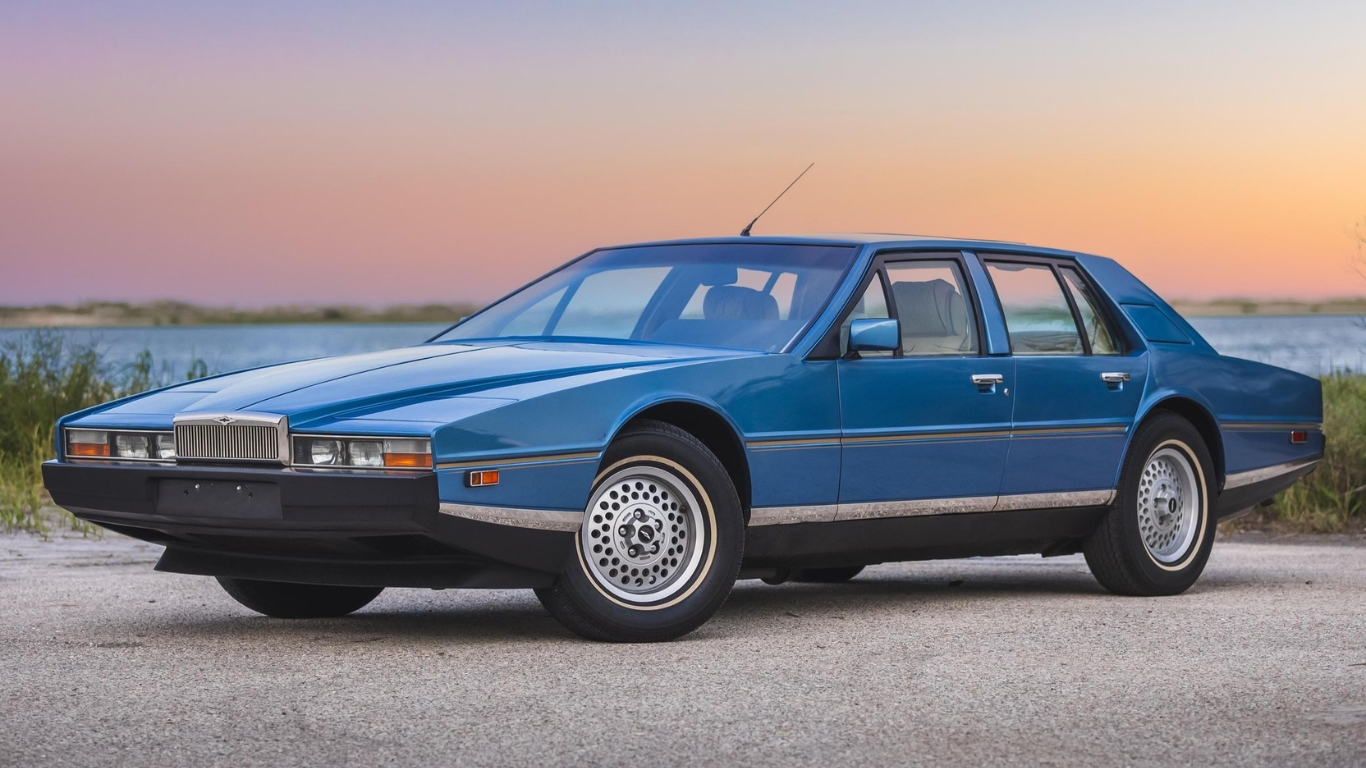
When electronics budgets quadruple the rest of the car.
Development of the Aston Martin Lagonda’s electronic instrument cluster and control system cost approximately four times the budget of the rest of the car. This wedge-shaped luxury sedan, produced from 1976 to 1990, aimed for the stars with its angular design and premium price tag, rivaling the most expensive vehicles of its era.
It famously pioneered the use of a digital instrument panel, featuring LED or LCD displays and an array of touch-sensitive switches. However, this advanced technology proved notoriously unreliable, forcing multiple redesigns from LED to CRT to vacuum fluorescent gauges.
Beneath the dramatic exterior lay Aston Martin’s 5.3-liter DOHC V8, delivering around 280 hp, yet only about 645 wedge-era Lagondas were ever built. The Lagonda, with its hand-built ethos, represented a daring but ultimately fragile foray into automotive futurism.
6. Fiat Multipla
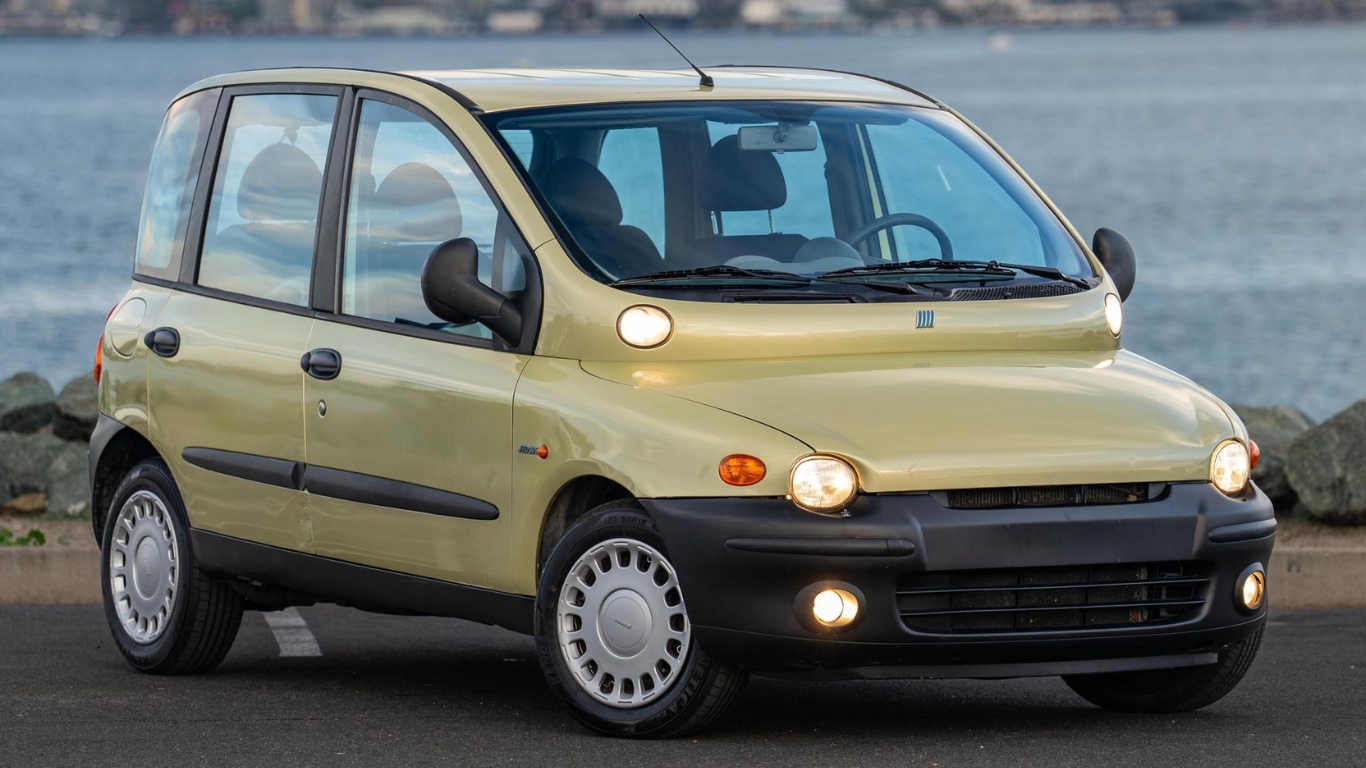
MoMA-worthy space efficiency in a polarizing package.
The Museum of Modern Art in New York selected the Fiat Multipla for its 1999 exhibition, recognizing design truly ahead of its time. This compact MPV, produced from 1998 to 2010, was a masterclass in prioritizing usable interior volume over conventional aesthetics.
It offered a 3+3 seating layout, capable of hauling six adults and 400–430 liters of luggage, all within a vehicle under 4 meters long. Its polarizing “stacked” front end, with its distinct two-level headlamp arrangement, maximized visibility and cabin space.
Under the hood, a 1.6-liter petrol engine delivered 105 hp. Owners consistently championed its ingenuity and spatial efficiency, demonstrating that thoughtful engineering can eclipse mere curb appeal.
7. Pontiac Aztek
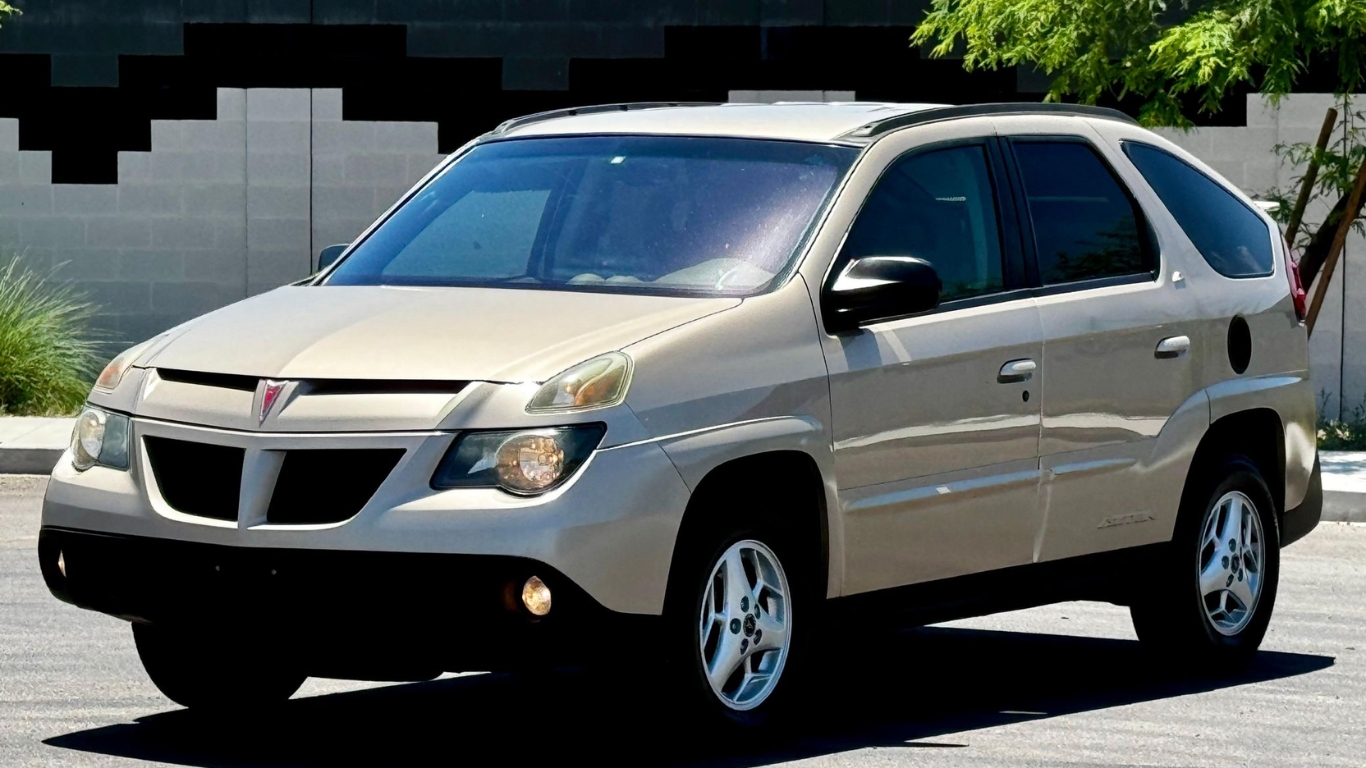
The crossover visionary nobody asked for.
Produced from 2001–2005, the Pontiac Aztek often earns its place on lists of aesthetic failures, yet it foreshadowed the modern crossover revolution. This vehicle, one of GM’s earliest car-based crossovers, utilized a modified minivan U-platform.
It featured a 3.4-liter V6 engine coupled with a 4-speed automatic transmission, offering optional all-wheel drive for varying conditions. While its “design by committee” approach resulted in awkward proportions and plastic cladding, its sheer utility was ahead of its time.
Buyers could deploy the optional tent and air mattress with surprising ease, or configure flexible seating and a removable rear cargo tray. The Aztek’s vision for a versatile, go-anywhere family hauler was clear, even if its exterior design was more cautionary tale than sleek machine.
8. BMW 3 Series Compact (E46)
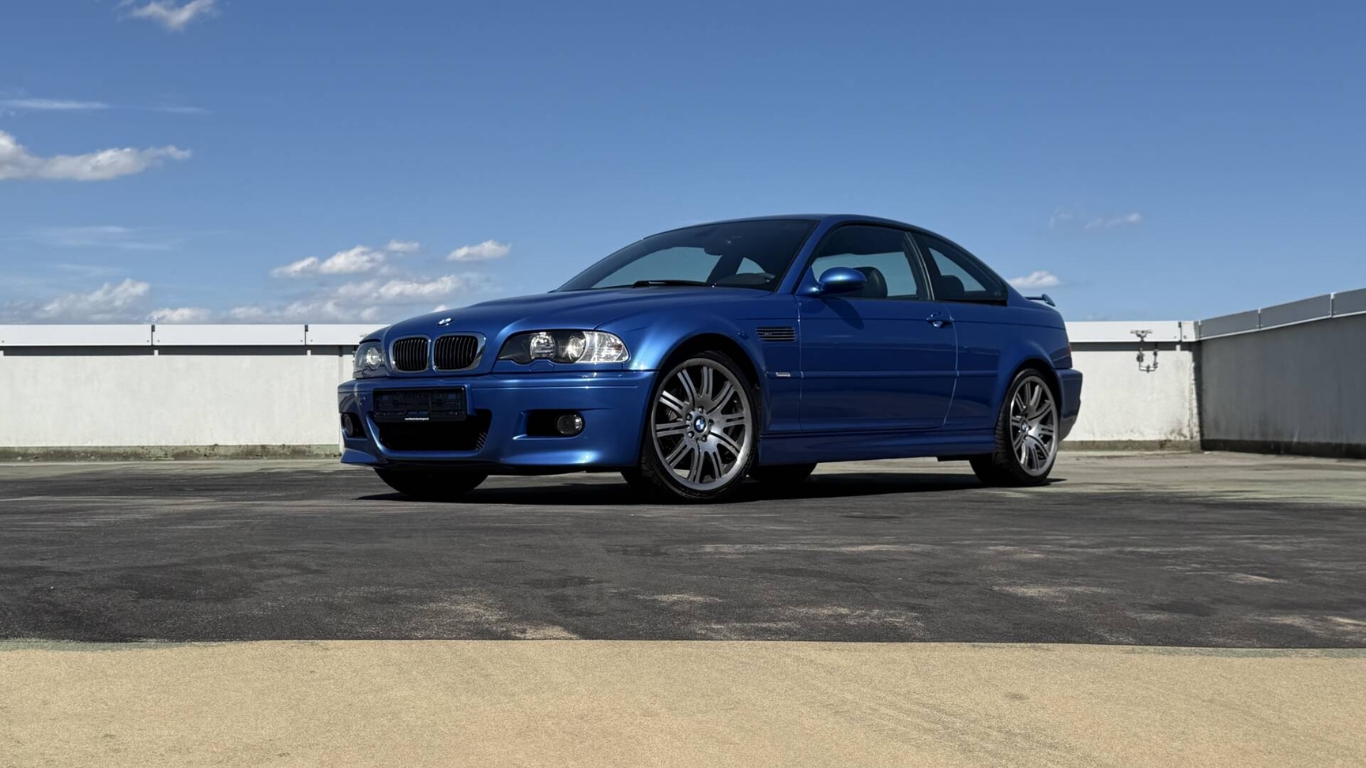
Truncated E46 with full driving credentials.
From 2000 to 2004, BMW delivered around 199,000 units of the E46 3 Series Compact, proving controversial design choices are not exclusive to modern lineups. This three-door hatchback retained the marque’s signature front-engine, rear-wheel-drive layout, featuring a 2,725 mm wheelbase (identical to its sedan siblings) but a noticeably shorter 4.26 m overall length.
Its unique front and rear lighting, combined with truncated bodywork, targeted a younger demographic. The visual execution, however, proved polarizing enough to spark endless forum debates.
Despite its aesthetics, the underlying engineering remained classic BMW. Engines like the 2.5-liter 325ti, making around 189–192 hp, ensured it handled corners with surgical precision. This was pure E46 beneath the polarizing skin.
9. Nissan Murano CrossCabriolet
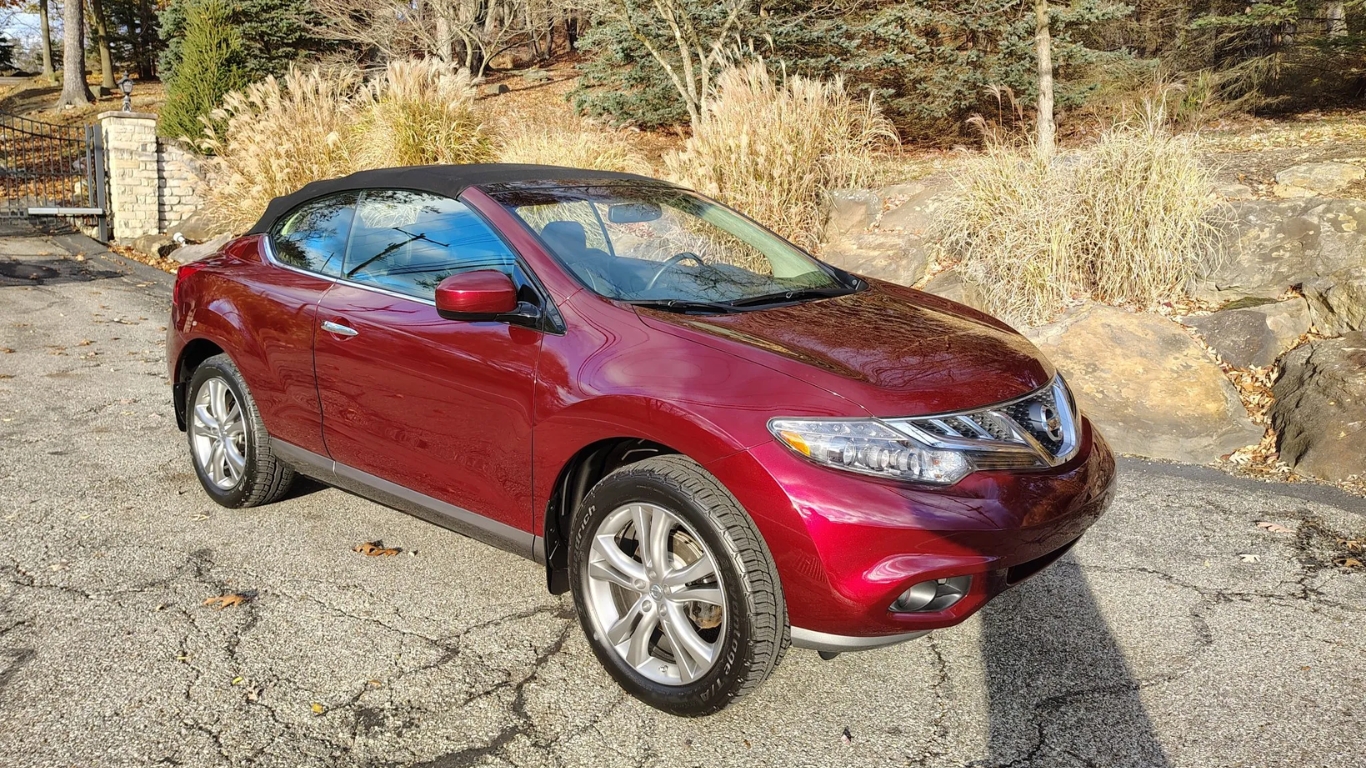
All-wheel-drive drop-top utility that defied logic.
The world’s first all-wheel-drive crossover convertible, the Nissan Murano CrossCabriolet, arrived for the 2011 model year. This two-door Murano shed its fixed roof for a cloth soft-top, necessitating significant body reinforcement that packed on around 400 lb of extra heft.
Under the hood, Nissan’s proven 3.5-liter V6 delivered 265 hp and 248 lb-ft of torque, routing power through an Xtronic CVT and standard AWD. Trunk space disappeared faster than patience in rush hour once that top dropped.
Its mid-$40,000s price tag and polarizing looks contributed to limited sales of only about 5,700–6,000 units before its quiet exit after just four years of production. Some experiments are better left as thought exercises.
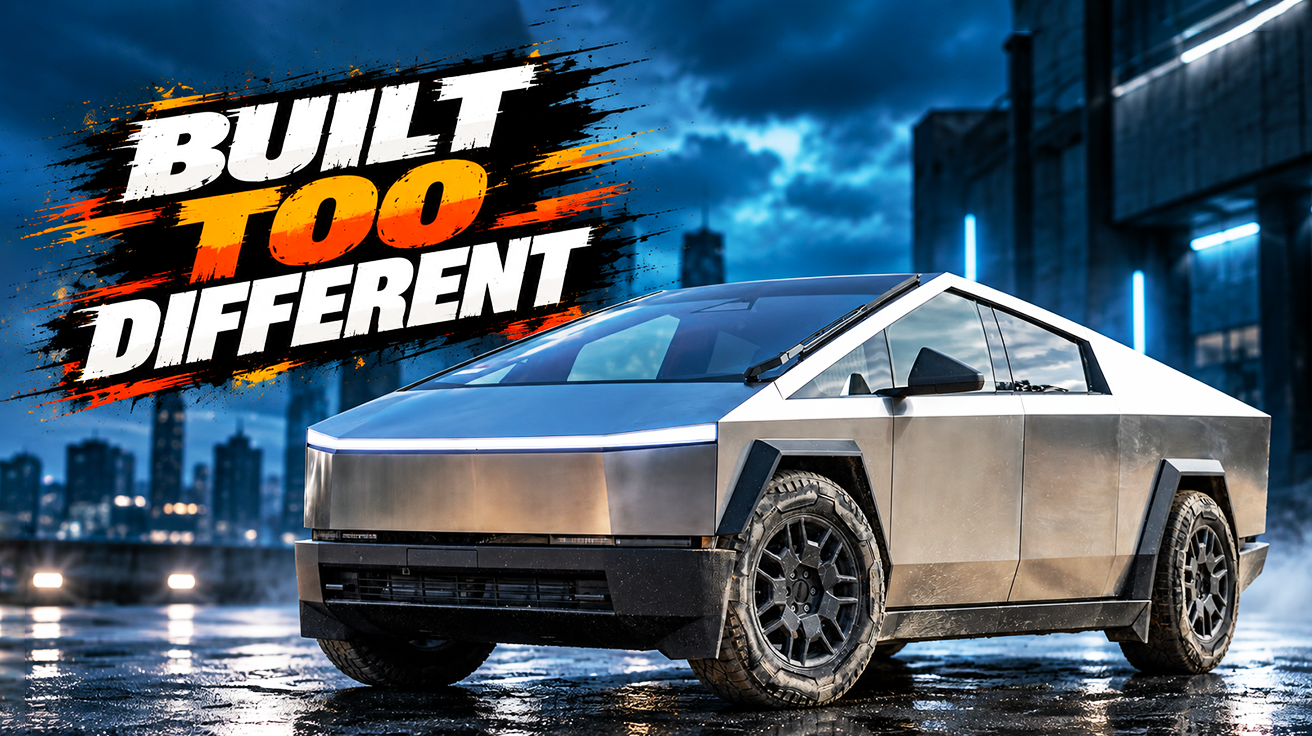
10. Tesla Cybertruck
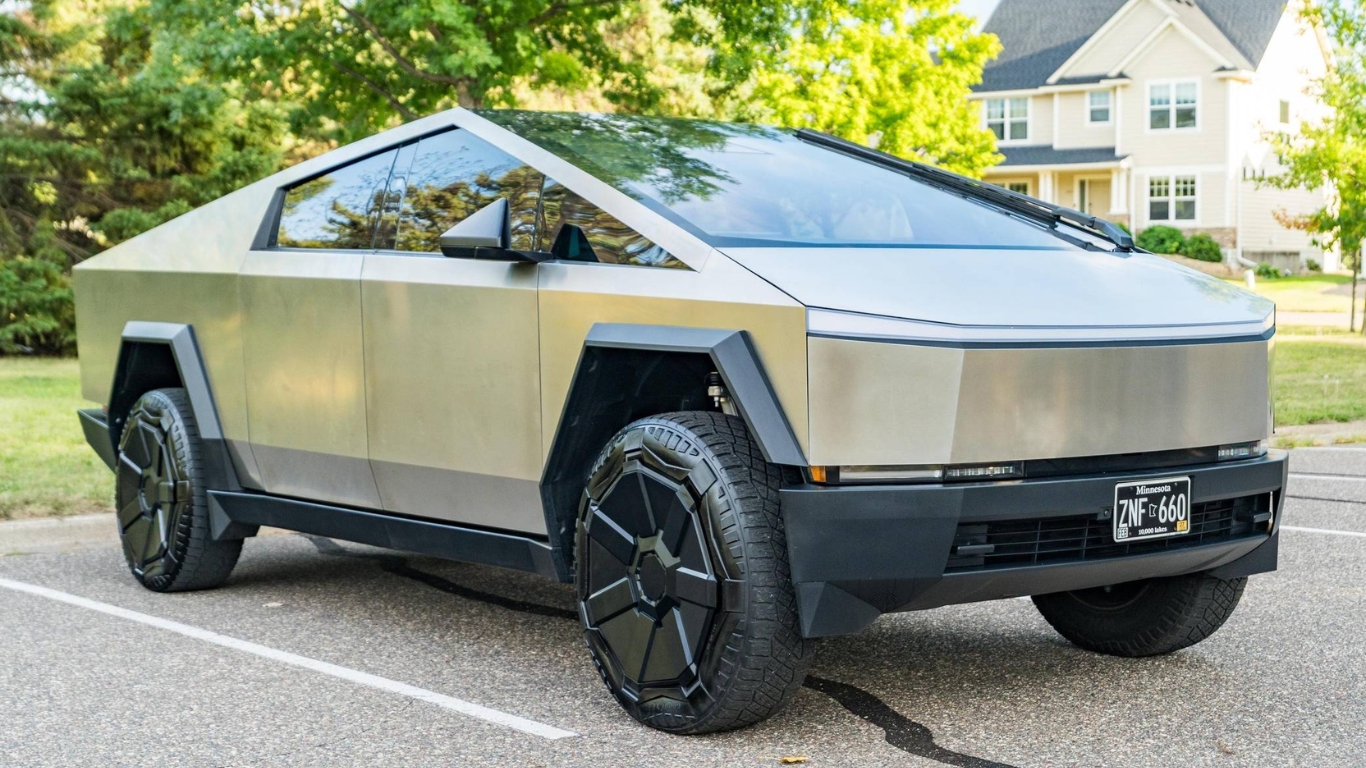
Stainless steel exoskeleton meets European regulatory brick wall.
As of 2026, the Tesla Cybertruck has not received EU Whole Vehicle Type Approval, making it impossible to legally import or register for public road use in Germany or the wider EU, according to USAREUR-AF statements. Tesla began limited production in 2023, with a stated goal of 250,000 units per year by 2025.
Its defining feature, a rigid stainless-steel exoskeleton with flat, unpainted panels around 1.8 mm thick on the doors, makes it look like it rolled straight out of a forgotten arcade game. European regulators cite “significant passive safety concerns” due to its stiff body, sharp edges, and high mass (often above 4 tonnes GVW), especially for pedestrian protection.
Anyone planning a European road trip in this machine would hit a bureaucratic wall before leaving the port. This polarizing design challenges convention, but its ambition crashes head-on with global road safety realities.