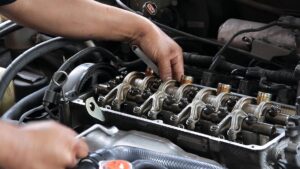


So, you’re thinking about an engine swap? Awesome! The promise of more power, better performance, and bragging rights is intoxicating. But hold your horses (pun intended) before you start wrenching. Engine swaps are complex, and even seasoned tuners, gearheads, and speed freaks can fall victim to common mistakes. This article will steer you clear of those pitfalls, saving you time, money, and a whole lot of frustration. We’ll tackle the crucial errors that can turn your dream build into a mechanical nightmare. Are you ready to dive in and learn how to do it right?
Key Takeaways:
- Proper Planning is Paramount: A successful swap starts long before you pick up a wrench. Research, compatibility checks, and a detailed plan are non-negotiable.
- Don’t Skimp on Supporting Systems: More power requires upgraded cooling, fuel delivery, and electrical systems. Ignoring these is a recipe for disaster.
- Wiring is Your Friend (or Your Enemy): A messy or incorrect wiring harness can cause everything from minor annoyances to complete engine failure. Take your time and do it right.
- Mounting Matters: Ensure proper engine and transmission mounting for stability and to prevent vibrations that can damage components.
- Exhaust Flow is Key: A poorly designed exhaust system can choke your engine and negate any performance gains.
- Tuning is the Final Frontier: A custom tune is essential to optimize performance and ensure your engine runs reliably with its new setup.
- Don’t Forget the Details: Overlooking seemingly minor components like sensors, hoses, and clamps can lead to major headaches down the road.
Understanding the Basics of Top 7 Mistakes in Engine Swaps
An engine swap isn’t just about dropping a new engine into your car. It’s a holistic process that involves integrating a new powerplant with your vehicle’s existing systems. Think of it like a heart transplant for your car. You can’t just slap a new heart in and expect everything to work perfectly. You need to ensure compatibility, address potential complications, and provide the necessary support for the new organ to function properly. Key concepts include understanding engine families (e.g., LS, JZ, Coyote), drivetrain configurations (FWD, RWD, AWD), and the specific requirements of your chosen engine. For example, swapping a modern turbocharged engine into a classic muscle car requires significantly more planning and modification than swapping a similar engine within the same generation of vehicle.
Importance and Implications
Why should tuners, gearheads, and speed freaks care about avoiding these mistakes? Simple: because engine swaps are expensive and time-consuming. A botched swap can lead to wasted money, damaged parts, and a car that’s undrivable. More importantly, a poorly executed swap can be dangerous, potentially leading to accidents or even fires. On the flip side, a well-executed swap can transform your car into a high-performance machine that’s both reliable and enjoyable to drive. The benefits include increased horsepower, improved torque, better fuel economy (in some cases), and a unique driving experience.
Practical Applications or Strategies
Here’s some practical advice to help you avoid common engine swap mistakes:
- Research, Research, Research: Before you even think about buying an engine, research its compatibility with your car. Look for online forums, build threads, and expert opinions.
- Create a Detailed Plan: Outline every step of the swap, from removing the old engine to wiring the new one. Include a parts list, budget, and timeline.
- Upgrade Supporting Systems: Don’t try to run a high-horsepower engine with a stock radiator or fuel pump. Upgrade these components to handle the increased demands.
- Label Everything: When disconnecting wires and hoses, label them clearly to avoid confusion during reassembly.
- Use a Wiring Diagram: A wiring diagram is essential for connecting the new engine’s electrical system to your car’s harness. If you’re not comfortable with wiring, hire a professional.
- Double-Check Everything: Before starting the engine for the first time, double-check all connections, fluid levels, and clearances.
- Get a Professional Tune: A custom tune is essential to optimize performance and ensure your engine runs reliably with its new setup.
Expert Insights or Case Studies
I’ve seen countless engine swaps go wrong over the years. One particularly memorable example involved a guy who tried to swap a turbocharged Subaru engine into a classic VW Beetle without upgrading the brakes or suspension. The car was incredibly fast in a straight line, but it was virtually undrivable in corners and terrifying to stop. He ended up crashing it a few weeks later. The lesson? Don’t focus solely on horsepower. Consider the overall performance and safety of your car.
Another common mistake is neglecting the wiring harness. I once worked on a car where the owner had tried to splice the new engine’s wiring harness into the car’s existing harness without using a wiring diagram. The result was a tangled mess of wires that caused all sorts of electrical problems. It took me days to sort it all out.
Cooling System Considerations
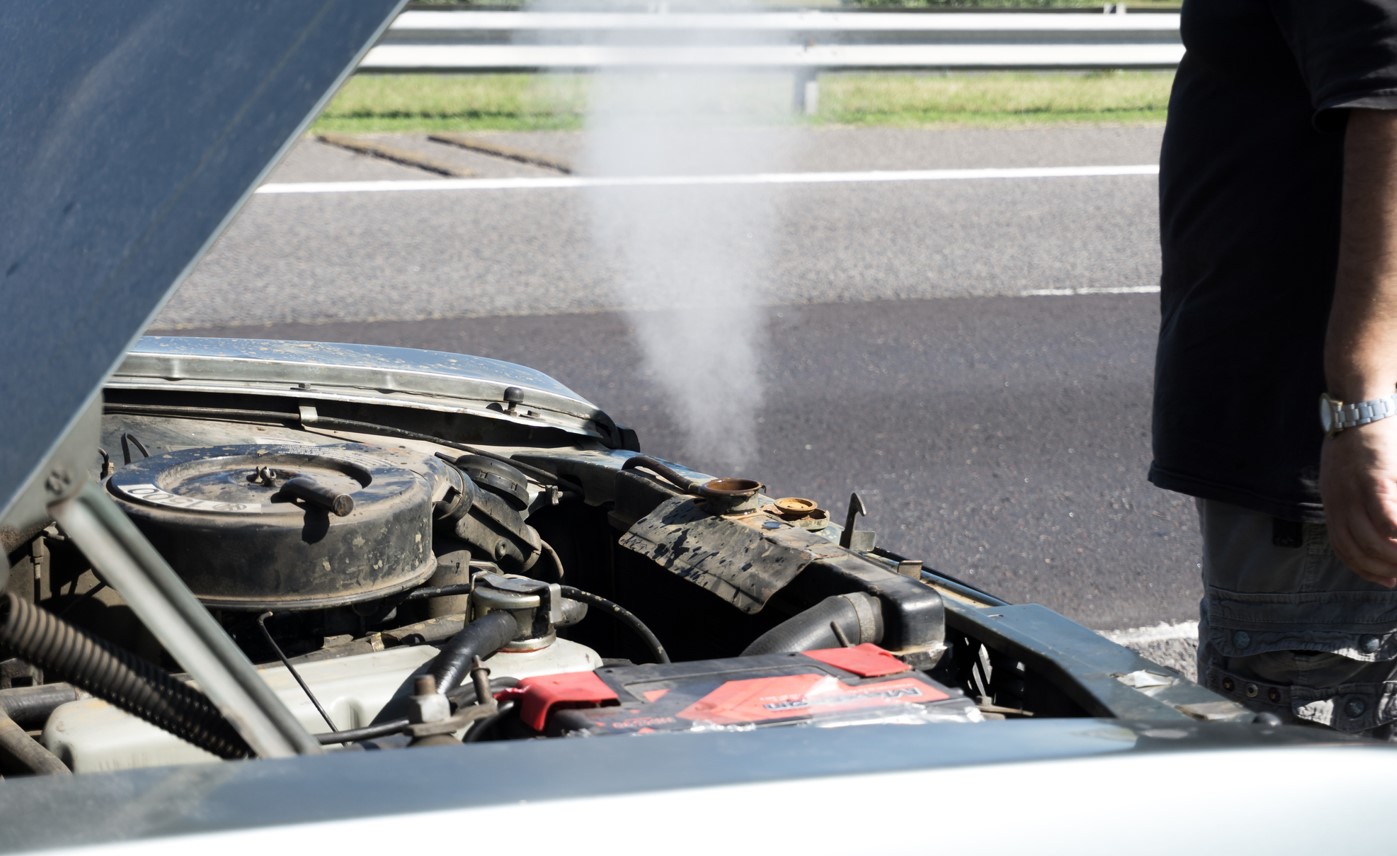
One of the most overlooked aspects of an engine swap is the cooling system. A more powerful engine generates more heat, and your stock radiator may not be up to the task. Consider upgrading to a larger radiator, adding an oil cooler, and using a high-flow water pump. Also, make sure to use the correct coolant and bleed the system properly to remove any air pockets.
Exhaust System Design
The exhaust system plays a crucial role in engine performance. A poorly designed exhaust system can restrict exhaust flow and reduce horsepower. Consider using larger diameter pipes, a high-flow catalytic converter (if required), and a performance muffler. Also, make sure the exhaust system is properly supported to prevent vibrations and leaks.
Conclusion:
Engine swaps can be incredibly rewarding, but they require careful planning, attention to detail, and a thorough understanding of automotive systems. By avoiding the common mistakes outlined in this article, you can increase your chances of a successful swap and enjoy the benefits of a more powerful and capable car. So, do your research, plan carefully, and don’t be afraid to ask for help when you need it. Happy wrenching!
Frequently Asked Questions:
What is Top 7 Mistakes in Engine Swaps?
Top 7 Mistakes in Engine Swaps refers to the most common errors made during the process of replacing a car’s original engine with a different one. These mistakes can lead to performance issues, mechanical failures, and costly repairs.
Why is Top 7 Mistakes in Engine Swaps important for Tuners, gearheads, speed freaks?
Avoiding these mistakes is crucial for ensuring a successful and reliable engine swap. It can save time, money, and frustration, and ultimately result in a more enjoyable and high-performing vehicle.
How can I apply the concepts of Top 7 Mistakes in Engine Swaps in my context?
Start by thoroughly researching your chosen engine and its compatibility with your car. Create a detailed plan, upgrade supporting systems, and pay close attention to wiring and exhaust design. Don’t hesitate to seek professional help when needed.
Where can I learn more about Top 7 Mistakes in Engine Swaps?
Online forums, build threads, and automotive websites are great resources for learning more about engine swaps. You can also consult with experienced mechanics or tuners for expert advice.