

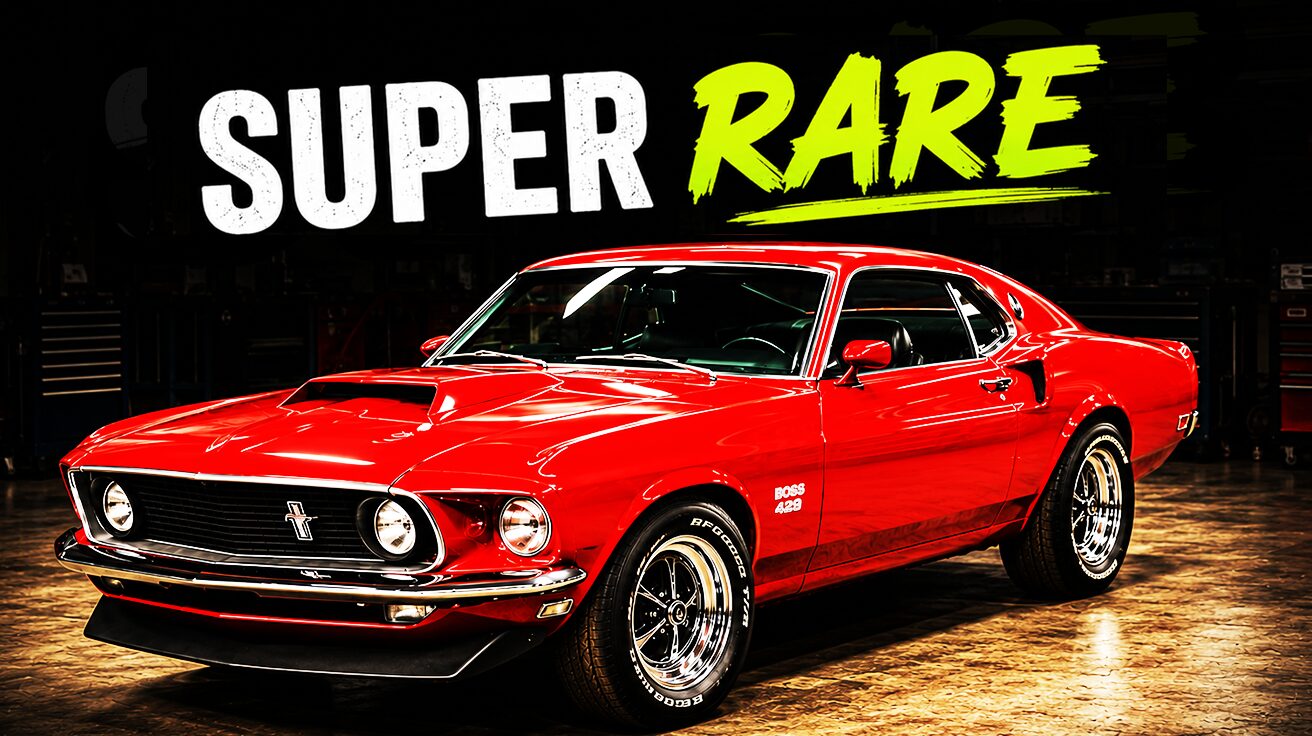
Ford has built over 10 million Mustangs since 1964. Most of them are commuter cars with pony badges.
This list covers the other kind. These are the factory hot rods, the prototypes, and the tuner specials that left Dearborn in tiny batches, some numbering in the dozens. A few of them sit alongside the rarest American muscle cars ever built, and their auction prices prove it.
Here are the Mustangs that collectors actually fight over.
1. 1967 Mustang GT Hi-Po 289 K-code
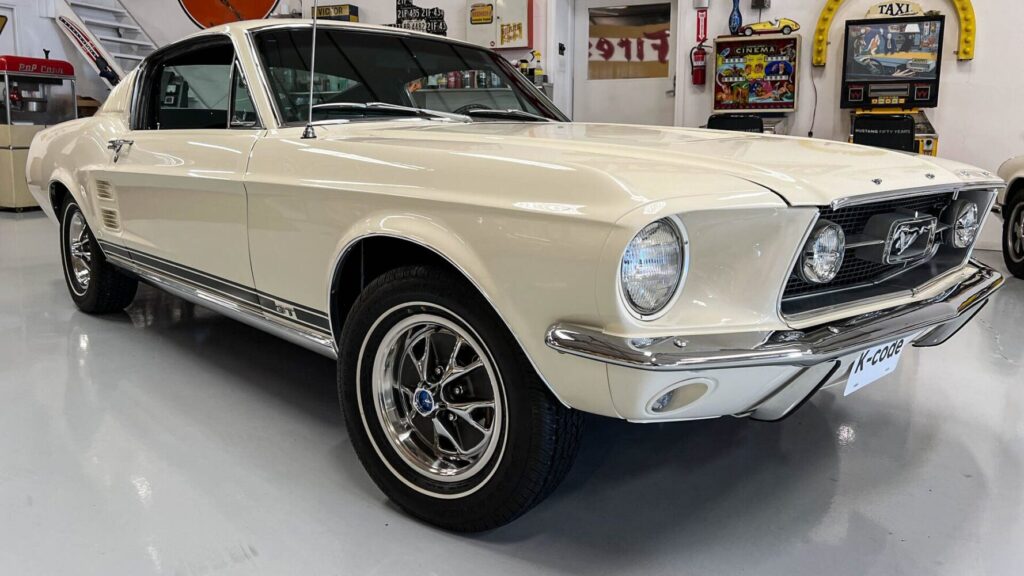
When only 195 non-Shelby Mustangs received the ultra-rare Competition Suspension package, Ford created one of the most collectible pony cars ever built.
Ford transformed this machine by installing a 289 cu in (4.7 L) Hi-Po V8 that produced 271 hp at 6,000 rpm and 312 lb-ft of torque at 3,400 rpm. Power came from a solid-lifter camshaft and dual-point distributor—engineering choices that let this engine sing at sustained high RPM.
The Competition Suspension package added heavier-duty springs, adjustable shocks, and a larger front sway bar. All K-code Mustangs carry a “K” as the fifth digit in the VIN, marking them as factory performance machines. This subtle exterior belied serious mechanical upgrades.
The 1967 model year marked the final appearance of the 289 Hi-Po option in the Mustang. A properly restored K-code Hi-Po GT with competition suspension now commands serious collector attention, with values exceeding six figures for exceptional examples.
2. 1971 Mustang Mach 1 429 Super Cobra Jet
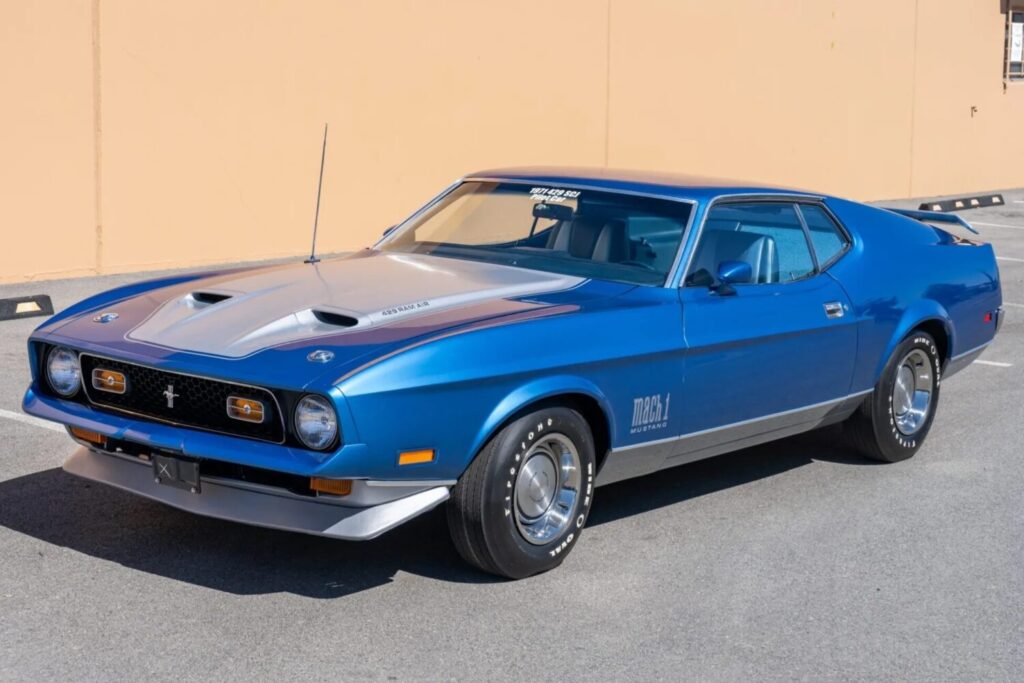
Beneath its Mach 1 hood lurked a monstrous 429 cu in (7.0 L) big-block V8, officially rated at 375 hp and 450 lb-ft of torque—figures famously conservative for the era.
This wasn’t a cruiser; it was a quarter-mile specialist. The Super Cobra Jet (SCJ) package delivered pure drag-race hardware: 3.91 Traction-Lok rear gears, an engine oil cooler, solid lifters, and a high-flow Holley 4-barrel carburetor. All components were designed to push riders back into the seat like a slingshot.
Period testing showed 0–60 mph runs in the mid-6-second range, with quarter-mile passes in the high 14-second bracket at speeds near 97 mph. The 429 SCJ was a blunt instrument of speed, a proper stoplight terror.
The 1971 model year marked the end of big-block 429-powered Mustangs, making the Mach 1 429 Super Cobra Jet one of the last and most potent factory big-block Mustangs ever produced.
3. 1993 SVT Cobra R
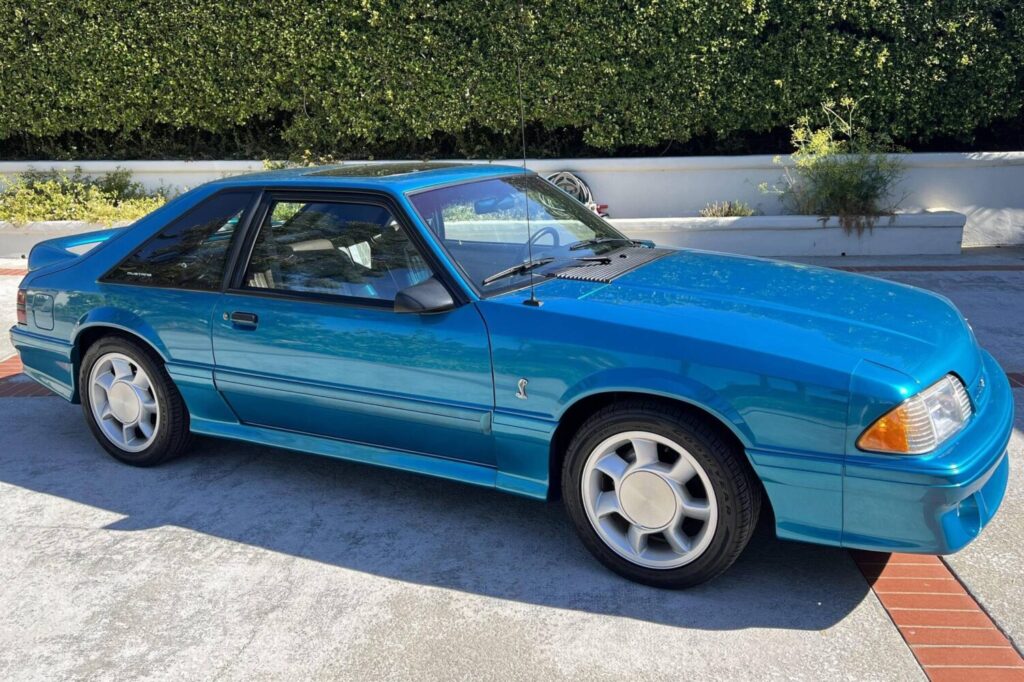
Just 107 units rolled off Ford’s assembly line, all coated in Vibrant Red Clearcoat—no other colors, no exceptions.
Ford’s Special Vehicle Team crafted this machine as a bare-knuckle track fighter, stripping approximately 250 to 300 lb by deleting the radio, air conditioning, rear seat, and most sound deadening. The result was a Fox-body Mustang closer to a purpose-built race car than a street machine.
Its 5.0 L (302 cu in) OHV Windsor V8 delivered 235 hp and 280 lb-ft of torque through a 5-speed manual transmission. Koni adjustable shocks and struts, unique springs, revised suspension geometry, and five-lug 17-inch wheels gave it surgical precision.
Drivers felt every input, every change in the road. The connection was as direct as a manual gearbox. This Cobra R, originally priced around $25,000, now commands strong collector interest, proving some things are best left unfiltered.
4. 2020–2022 Shelby GT500 Code Red
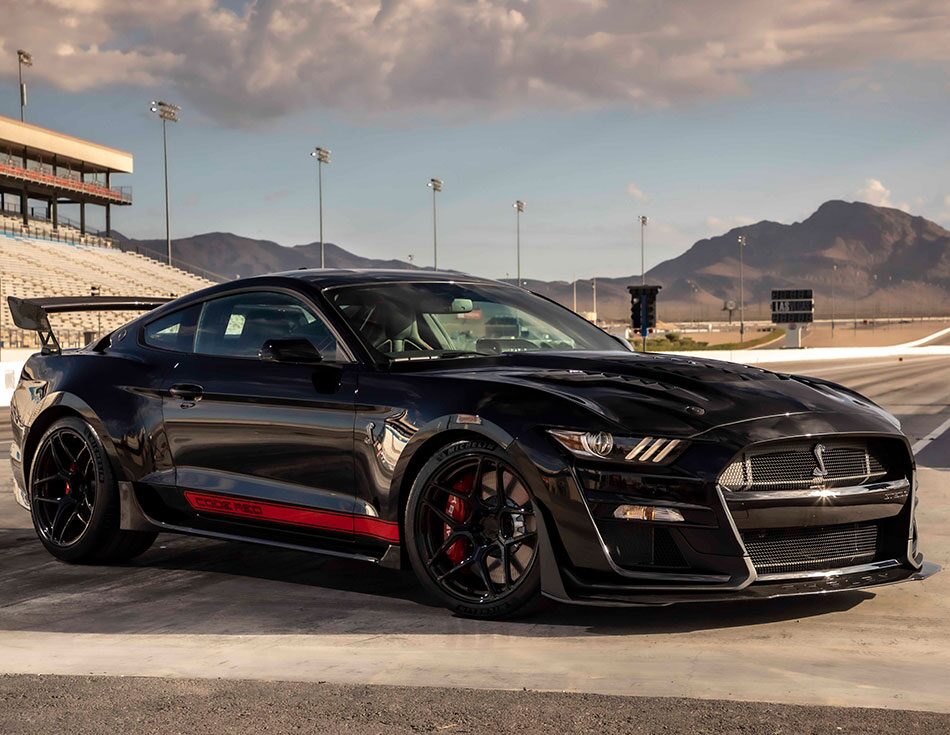
Only 30 units were produced globally, securing its status as an ultra-limited hypercar.
Shelby American fundamentally re-engineered the factory 5.2 L ‘Predator’ V8, replacing its supercharger with a twin-turbo system developed with Fathouse Performance. The result delivers an astonishing 1,300+ hp and over 1,000+ lb-ft of torque on E85 fuel.
Managing this explosive output required advanced electronic features like boost-by-gear and a rolling anti-lag system to keep the turbos spooled. A widebody kit and extensive carbon-fiber aero components, including a large rear wing, make its track-bred intentions clear from any angle.
Upgraded cooling, bespoke turbo oil scavenging, and unique “Code Red” badging and striping complete the package. This positions the Code Red visually and functionally as a hypercar-level Mustang that rewrites performance expectations.
5. 1994 Saleen S351 Speedster
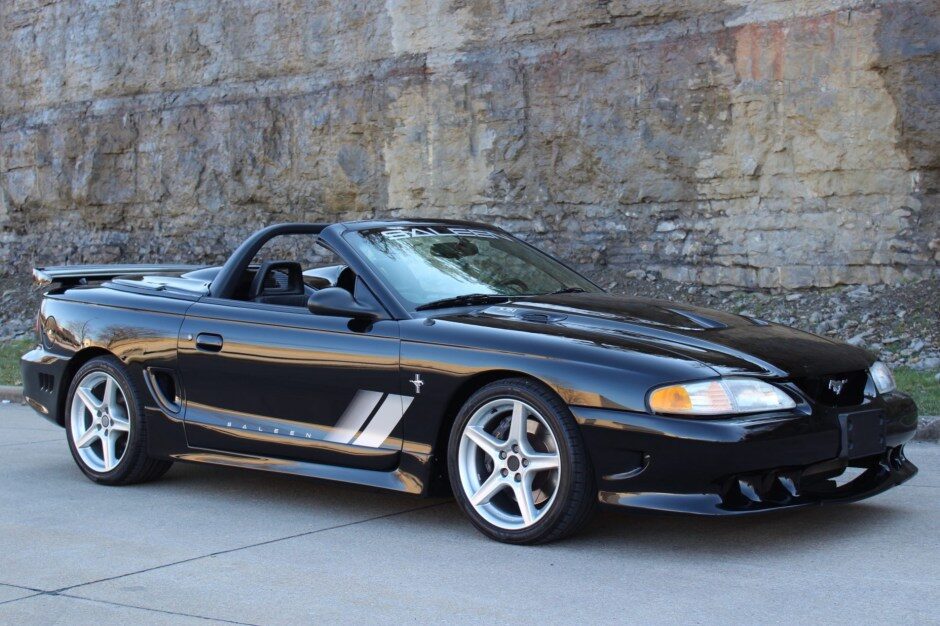
With production estimates placing convertible versions in the low double digits, the 1994 Saleen S351 Speedster carved out a distinct legacy in the 1990s aftermarket tuning scene.
Beneath its distinctive bodywork, a supercharged 5.8 L (351 cu in) V8 engine regularly delivered between 480–500 hp. That brute force channeled through a durable 6-speed Borg-Warner T-56 manual transmission, an upgrade over the factory 5-speed that enhanced high-speed and track capability.
Saleen Racecraft springs and shocks, revised alignment settings, and larger performance brakes combined with 18-inch five-spoke wheels to sharpen handling dramatically. The suspension gripped the road like a claw hammer on a stubborn nail.
The signature Speedster light bar and unique front fascia completed a package that felt less like a car and more like a street-legal cannonball, built for those who understood that real joy came from the unapologetic journey.
6. 1980 Mustang McLaren M81
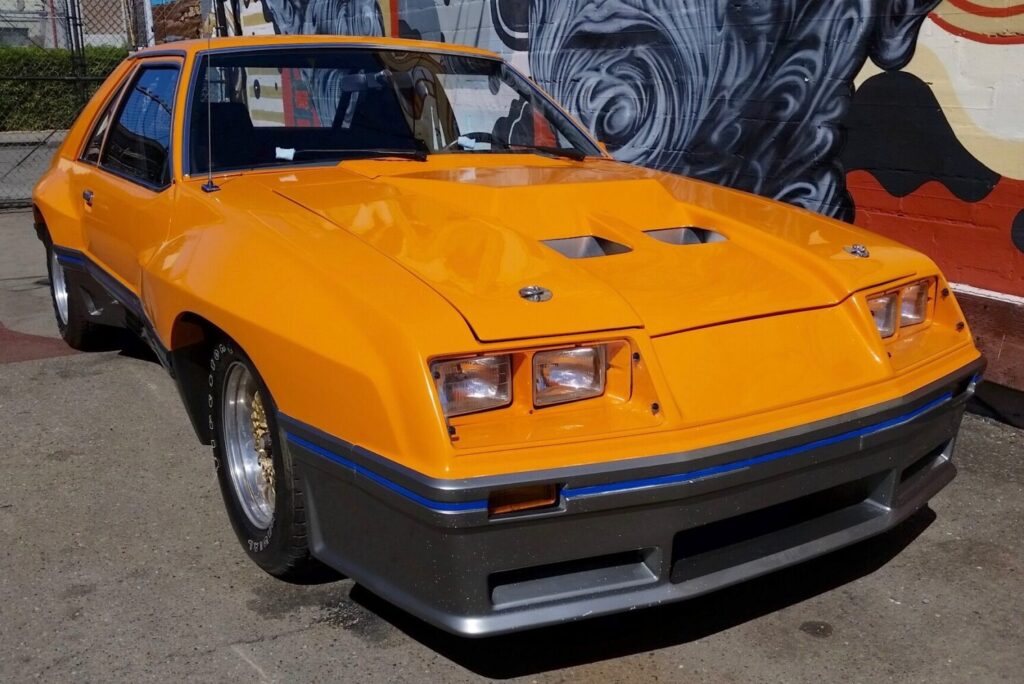
Ford’s ambitious collaboration with McLaren Engines produced just 10 examples—far fewer than the roughly 250 units originally planned for homologation.
The heavily reworked 2.3 L turbocharged inline-four delivered approximately 175 hp with an improved Garrett T3 turbo pushing around 11 psi of boost. Recalibrated fuel and ignition systems improved throttle response versus the standard turbo four. All cars were equipped with a 4-speed manual transmission.
This was a scalpel, not a sledgehammer, reflecting Ford’s IMSA racing ambitions. The aggressive front air dam, functional hood scoops and pins, flared fenders, and 15-inch BBS alloy wheels announced its intentions. Most cars wore Bittersweet Orange paint, with others in Enduro Blue and a single black-and-white example.
Ford originally planned the M81 as a street interpretation of IMSA racing efforts but canceled the larger run. These machines now command values in the high five-figure range, with excellent examples approaching $75,000 or more.
7. 1971–1972 Shelby Europa

Only nine examples were ever built by Belgian Ford dealer Claude Dubois, including two convertibles—making them rarer than a full house on a poker night.
Based on the Mustang SportsRoof, these European-market Shelby Mustangs packed Ford’s M-code 351 Cleveland V8, generating around 300–320 hp and hitting top speeds near 140+ mph. The combination delivered performance credentials that matched contemporary muscle cars.
Visual identifiers included Shelby script on the rear decklid, a special gas cap with Cobra logo, additional driving lights in the grille, deletion of U.S.-style side stripes, and 15-inch Shelby Cal 500 wheels. The cleaner, European look set these apart from their American counterparts.
This was a European special, a discreet monster unlike anything hitting U.S. showrooms. The extremely limited production and unique provenance make authenticated Shelby Europa examples among the rarest Shelby-badged Mustangs.
8. 2011 Shelby 1000
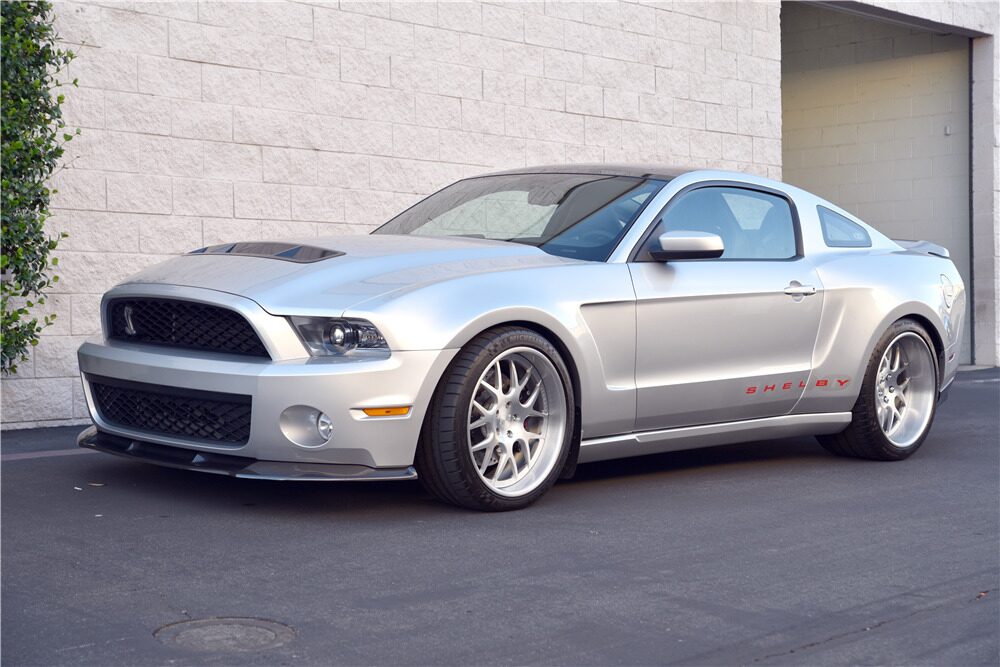
With production limited to single-digit to low double-digit units in early runs, the 2011 Shelby 1000 arrived like a meteor strike in the Mustang world.
This Shelby American post-title package, based on the 2012 Shelby GT500, initially rated at approximately 950–1,000 hp for the street version. The track-only Shelby 1000 S pushed output up to 1,100+ hp.
Power came from a heavily reworked 5.4 L supercharged V8 with forged internals, upgraded cooling, and a large 4.0 L Ford Racing twin-screw supercharger. All components were designed for extreme boost and high output.
Taming such extreme power required bespoke engineering. Shelby fortified the six-speed manual transmission, upgraded the clutch, strengthened the driveshaft and rear axle components, and added comprehensive suspension and brake upgrades. Base package pricing reached well into six figures, not including the GT500 donor vehicle. Anyone who has felt a car try to outrun its chassis knows the fight this Shelby demands.
9. 1967 Shelby GT500 Super Snake
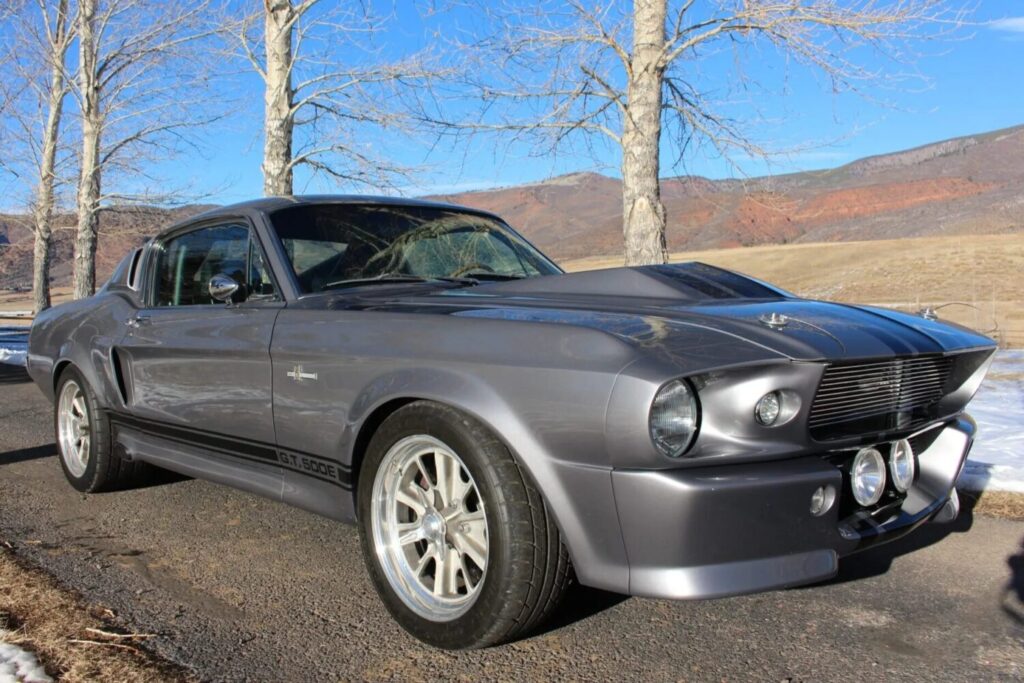
A singular achievement built at Goodyear’s request to promote the company’s new Thunderbolt tires.
Shelby American started with a standard 1967 GT500 and swapped in a 427 cu in race-spec V8 similar to Ford GT40 Le Mans engines, producing well over 500 hp. This far exceeded the standard GT500’s output.
The Super Snake performed a 500-mile high-speed tire test at Goodyear’s San Angelo track, averaging about 142 mph and reaching speeds exceeding 170 mph. The demonstration proved both tire durability and the car’s extreme performance capabilities.
Externally, it remained close to a regular Wimbledon White GT500 with Le Mans stripes. Its unique mechanical specification and one-off status have made it the most valuable Mustang ever sold, bringing $2.2 million at auction in 2019. Collectors taste the raw, uncompromised speed every time this legend changes hands.