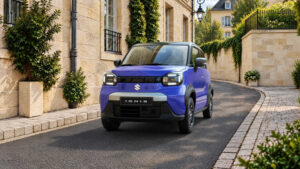


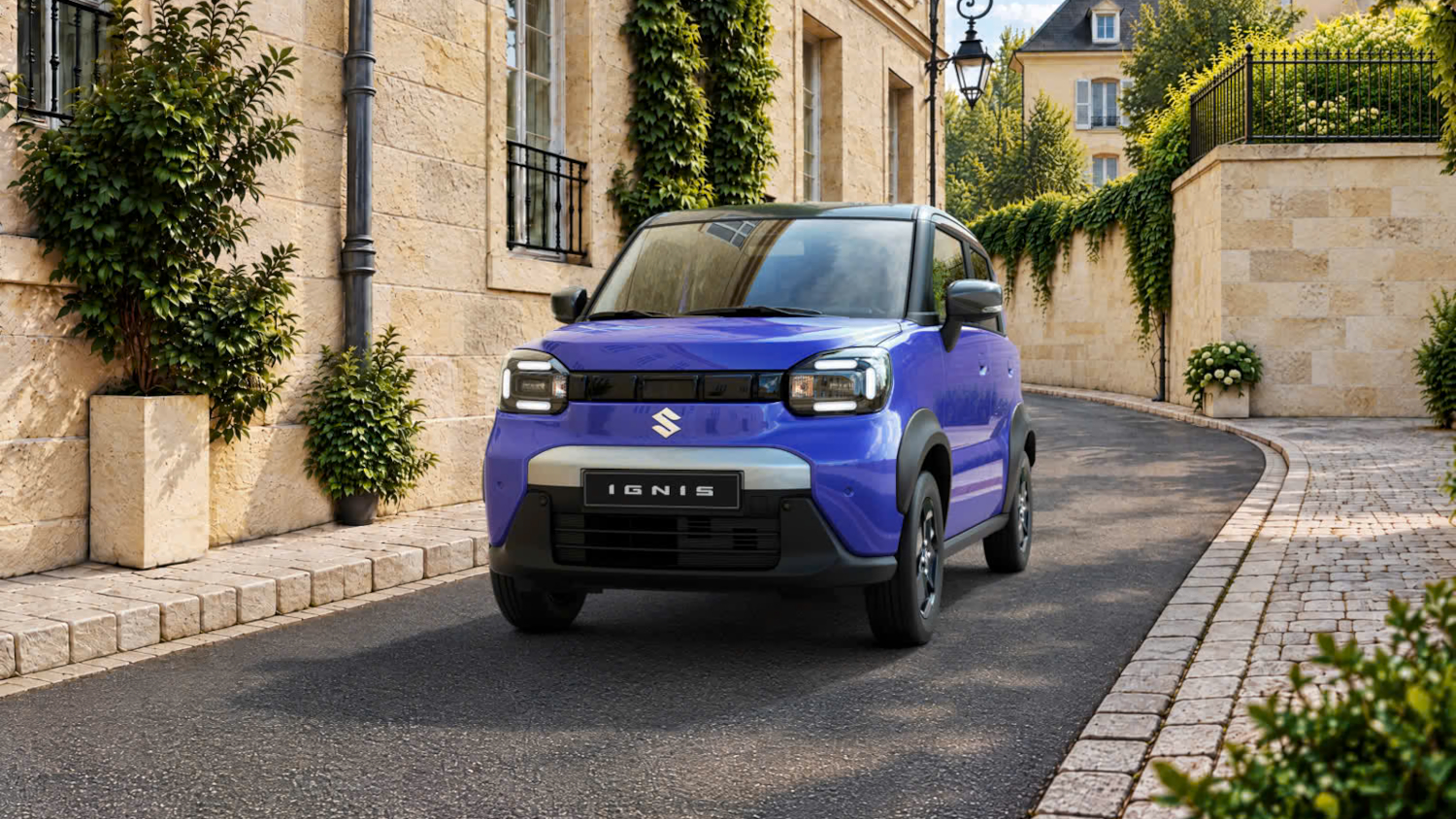
European parking lots are a stress test for optimism at the best of times. As electric vehicles trend larger and heavier, the Ignis EV arrives as a pointed counterargument — compact by design, not by compromise, and aimed squarely at urban drivers who have watched the city-car segment quietly disappear under a wave of crossovers.
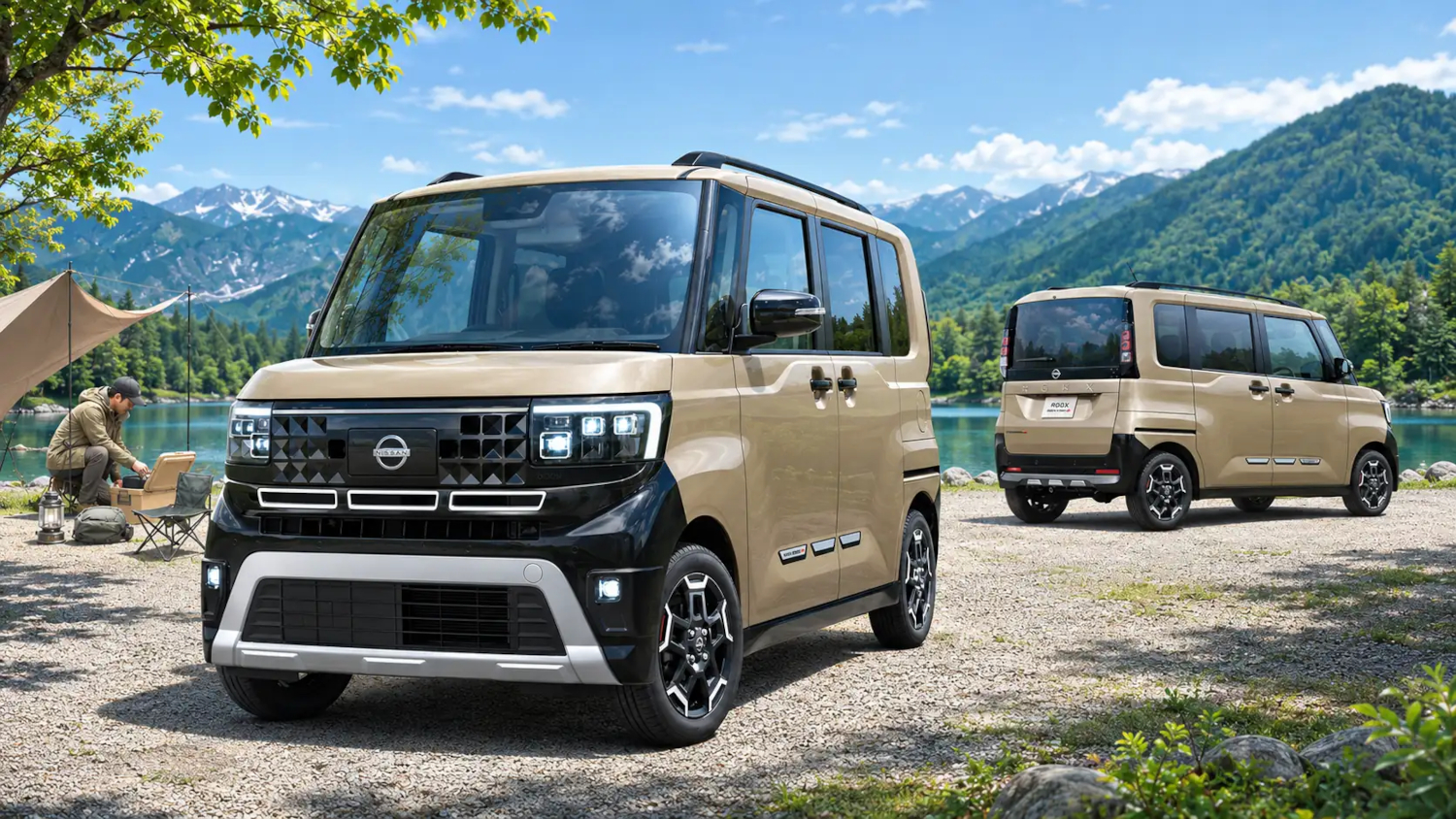
Suzuki unveiled the car in November 2026, with European sales targeting summer 2027. At 3.57 meters long and 1.56 meters wide, it is among the smallest EVs headed to the continent. The platform is HEARTECT-e, shared with Japan’s e-Sky kei car, though Suzuki has recalibrated the drivability and widened the body for global markets. The result is a vehicle that retains the kei car’s compact philosophy while meeting the demands of European roads and regulations.
What You’re Actually Getting
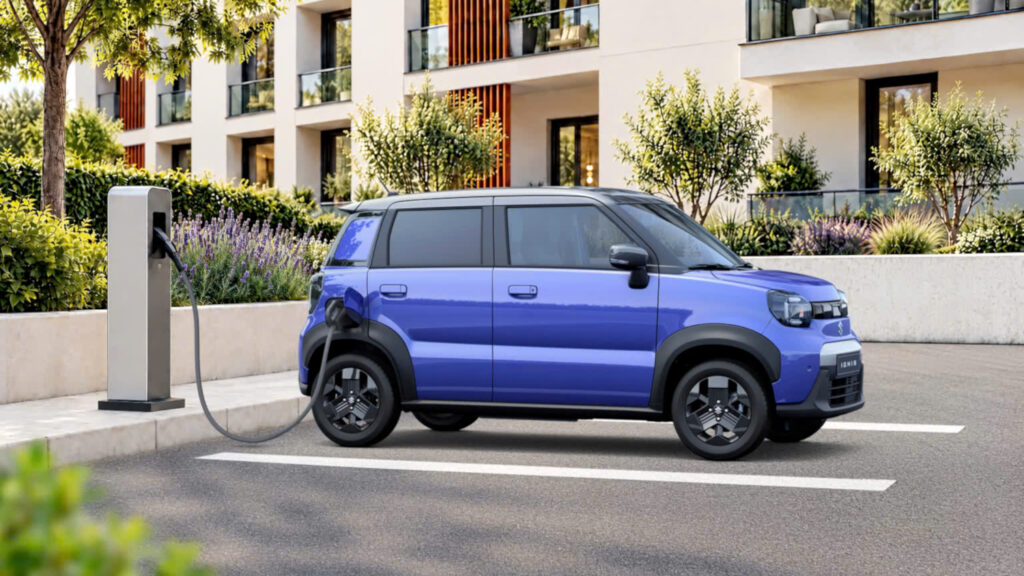
A 90-hp front motor, a tight turning radius, and a surprisingly thorough safety kit define the Ignis EV’s urban case.
A 90-horsepower front motor delivers 133 Nm of torque, with front-wheel drive keeping things straightforward. More telling for city use is the 4.5-meter turning radius — roughly a nine-meter turning circle — which makes navigating narrow streets and cramped car parks genuinely easier than most comparably priced alternatives.
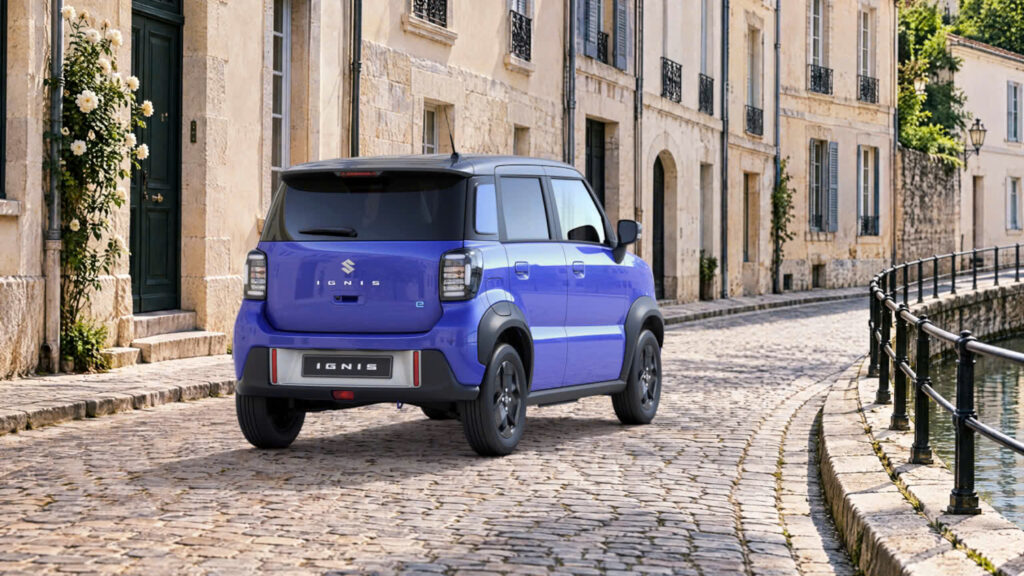
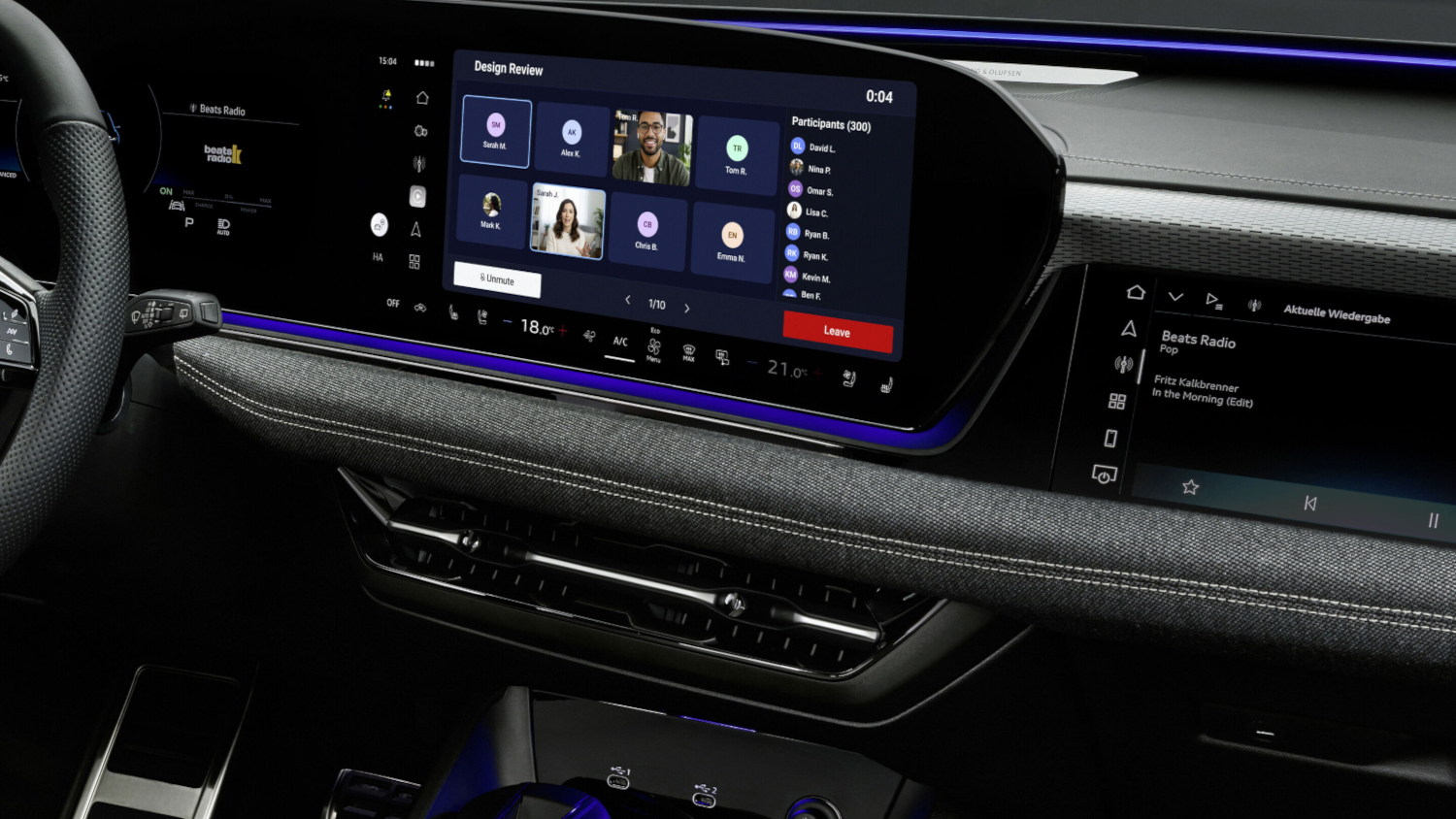
Inside, the Ignis EV reportedly seats four, with a 10.1-inch infotainment display integrated with the digital instrument cluster, plus bottle storage and center-console cup holders. Safety equipment is said to include seven airbags and a Level 2 driver-assistance suite covering adaptive cruise control, lane assist, and automatic emergency braking, though final specifications may vary by market and trim level.
Charging options at a glance:
- DC fast charging: up to 50 kW; reportedly from 10% to 80% in under 30 minutes at room temperature
- AC charging: up to approximately 7.4 kW; full charge in roughly four hours
- Slower 3.7-kW AC: approximately eight hours for a full charge
- Battery chemistry: 26-kWh lithium-iron-phosphate, which is generally more temperature-stable and longer-lived than conventional lithium-ion cells
- One-pedal-style driving: via Suzuki’s reported “easy pedal operation,” which uses regenerative braking to decelerate when lifting off the accelerator
The Questions That Still Matter
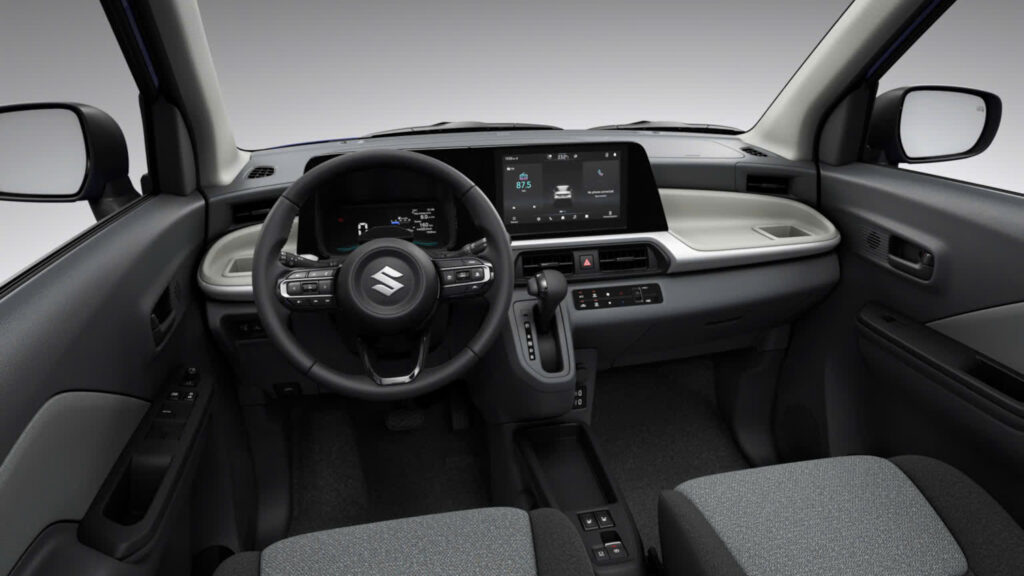
Pricing, official range, and trim details remain unconfirmed — and those gaps will define whether the Ignis EV finds its audience.
Comparable models in this segment include the Dacia Spring, Renault Twingo E-Tech, BYD Dolphin Surf, and Fiat 500e. The Ignis EV’s LFP battery chemistry, tight turning radius, and 50-kW DC charging capability could set it apart — but European pricing has not been announced, and in the small-EV segment, that number matters more than almost anything else.
On range: Japan’s related e-Sky reportedly achieves around 310 km on Japan’s WLTC test cycle. Suzuki has not confirmed a European WLTP figure for the Ignis EV, and because WLTP testing is generally more demanding, the European result could be lower than the Japanese rating. Prospective buyers should treat the WLTC figure as context, not a promise.
Before summer 2027, Suzuki needs to confirm a competitive price, publish an official WLTP range, and release detailed trim specifications. Those three disclosures will determine whether the Ignis EV earns a place in the urban EV conversation — or simply raises the question of what might have been.