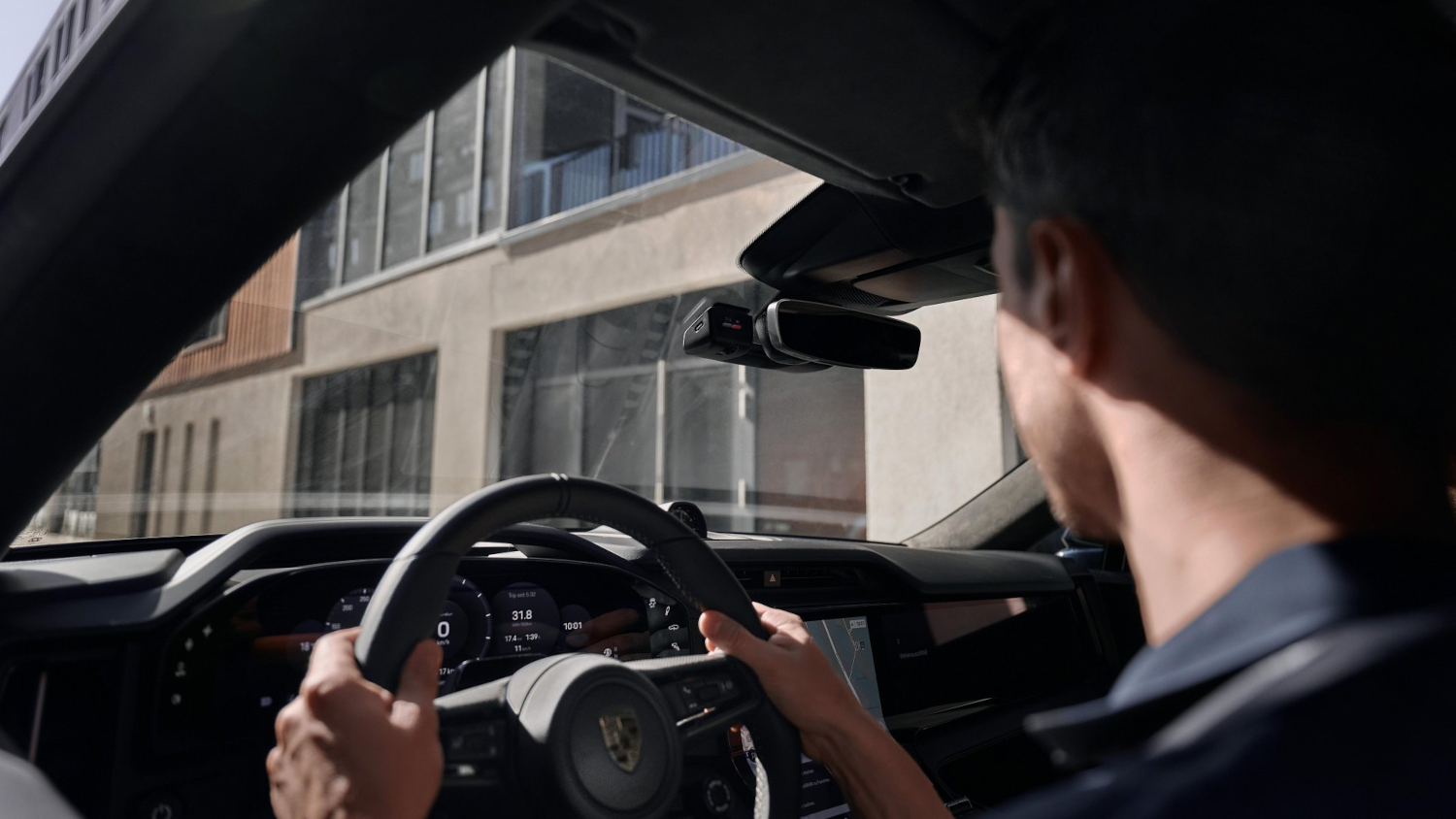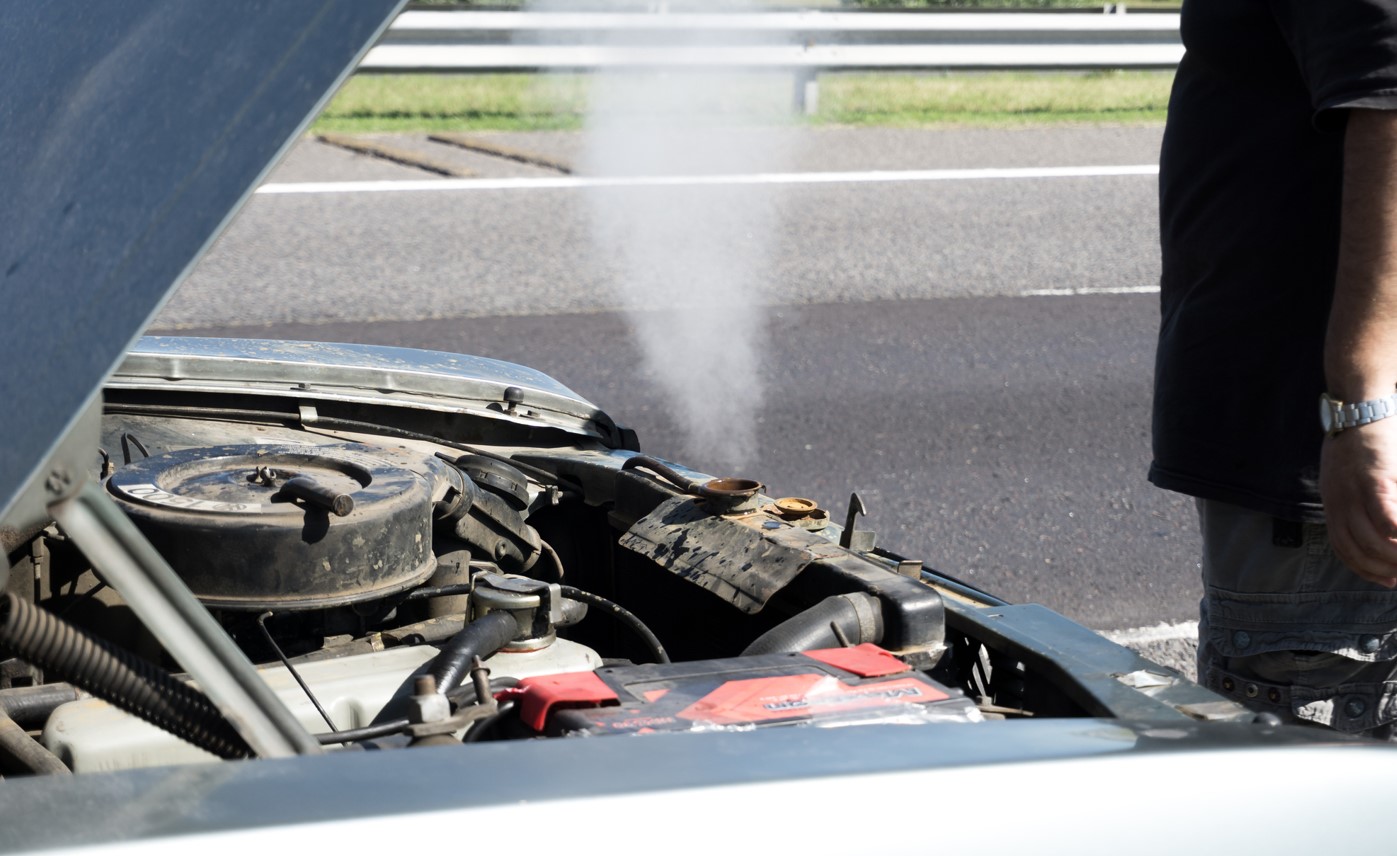


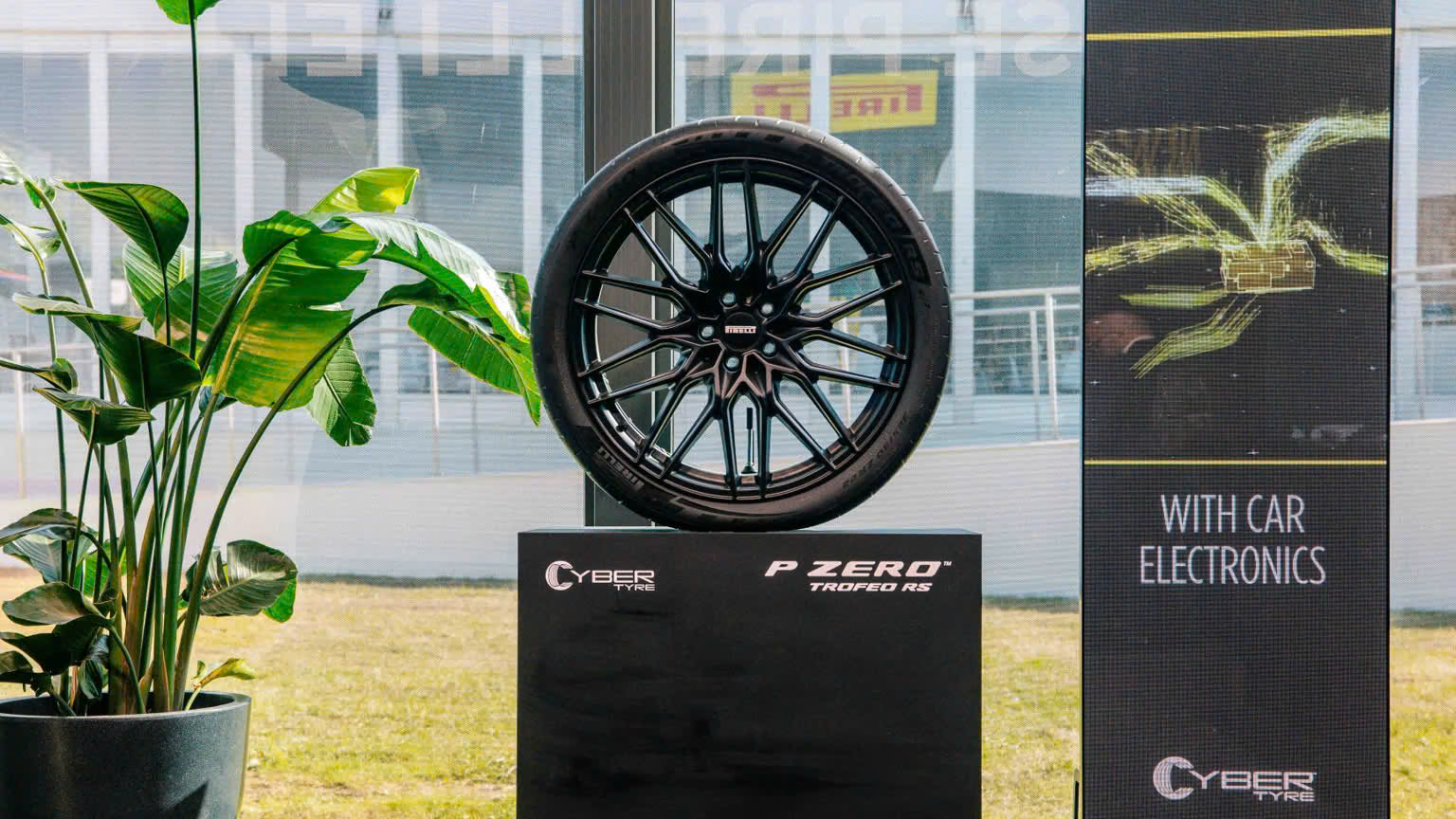
Your tire pressure warning light is, in automotive terms, a smoke alarm. It tells you something’s wrong after the fact. Pirelli’s Cyber Tyre is designed to be something closer to a nervous system. Debuted in the U.S. on November 23, 2026, during the Las Vegas F1 Grand Prix weekend, the technology embeds a sensor directly in the tire. That sensor transmits pressure, temperature, acceleration, and tire identity wirelessly to the vehicle’s electronic control systems — in real time, while you’re driving.
What It Actually Does to Your Car’s Brain
The difference between Cyber Tyre and a standard pressure sensor isn’t what appears on the dashboard — it’s what happens underneath you when conditions change.
Pirelli developed Cyber Tyre with Bosch, which means the data doesn’t simply appear on a readout and get ignored. It feeds directly into ABS, electronic stability control, and traction control. According to Pirelli, the system can identify a tire’s point of maximum grip and supply that tire-specific information to vehicle-control systems in real time. It also supports early aquaplaning detection. That’s the meaningful distinction from a conventional sensor: Cyber Tyre is intended to influence how the vehicle responds, not just what the driver sees.
Key details confirmed so far:
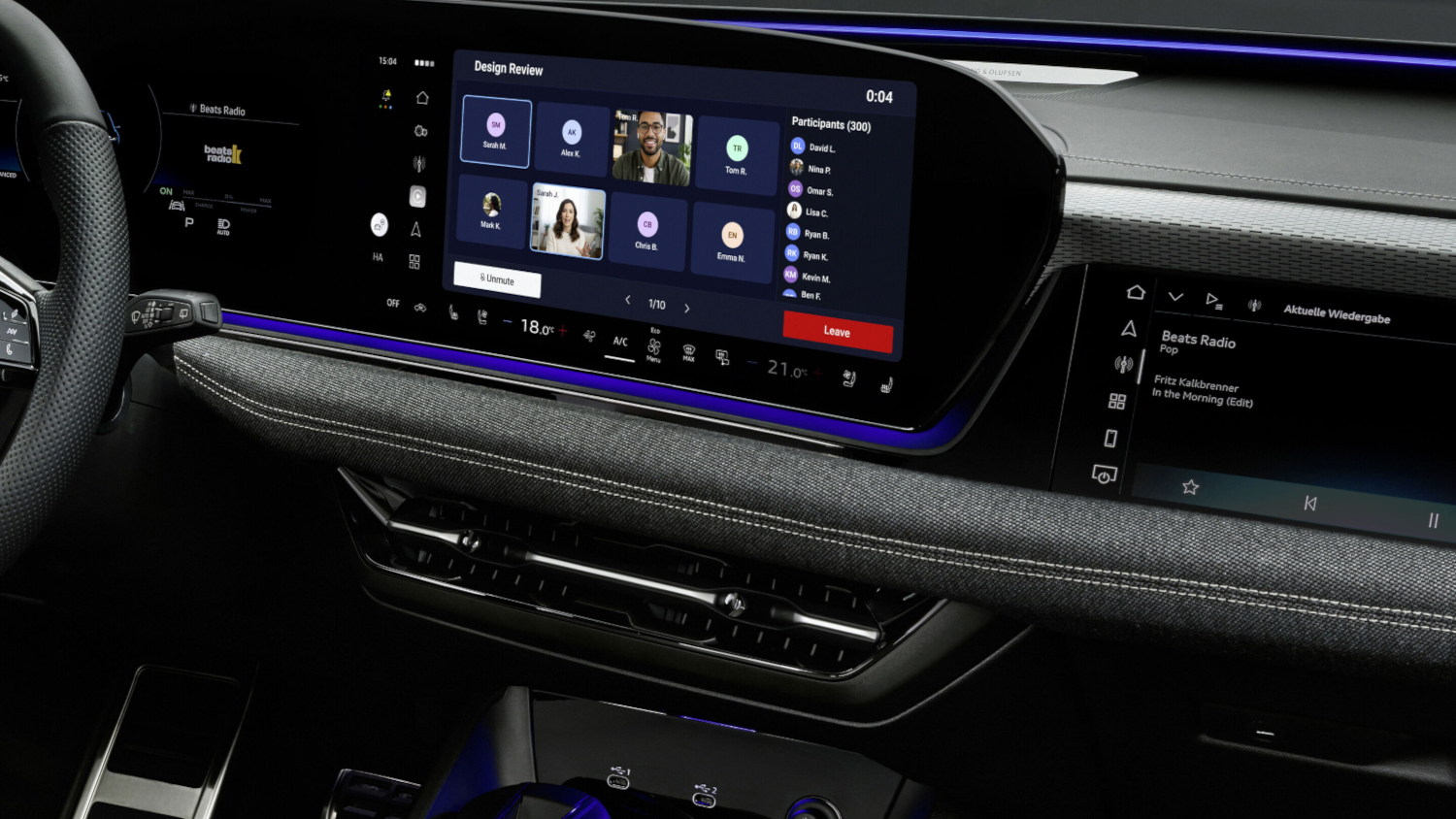
- First production vehicle: The Pagani Utopia Roadster — tire type and temperature data reportedly adjusts torque management, and tire information appears on the infotainment display
- Development partner: Bosch supports integration with ABS, electronic stability control, and traction control
- Next automaker: Aston Martin has indicated upcoming models will use the technology, according to secondary reporting, though no official launch date has been announced
- U.S. manufacturing: Cyber Tyre products for the U.S. will be built at Pirelli’s Rome, Georgia facility, part of a roughly $1.2 billion U.S. investment announced in September 2026
- Scale: The Rome expansion begins in 2027, targeting approximately 6 million tires per year by 2033 and around 1,000 new jobs
Pirelli describes the system as giving a vehicle a “sense of touch” — the car doesn’t just know that tires are fitted, it knows which tires. That distinction matters in practice. Traction control informed by the specific tire fitted beneath you can operate more accurately than a system working from generic assumptions. The Pagani Utopia Roadster is the first production vehicle to demonstrate this integration at the factory level, with tire data feeding directly into vehicle management rather than sitting passively on a screen.
The honest limitation, though, is worth stating plainly. Cyber Tyre is a factory-integrated system with no aftermarket retrofit or consumer pricing announced, and broad availability for ordinary passenger vehicles — including the indicated Aston Martin rollout — remains undefined. For most drivers, this is still horizon technology.
Built in Georgia, Aimed at Something Bigger
The story behind Cyber Tyre’s U.S. rollout runs through a small Georgia city with an outsized role in premium tire manufacturing.
The Rome facility expansion begins in 2027, backed by that $1.2 billion commitment and roughly 1,000 planned jobs. The real test comes later: whether tire-derived grip data delivers measurable safety gains once this technology reaches vehicles beyond the ultra-premium tier — and whether the system that currently speaks only to a Pagani eventually finds its way into cars that the rest of the world actually drives.