

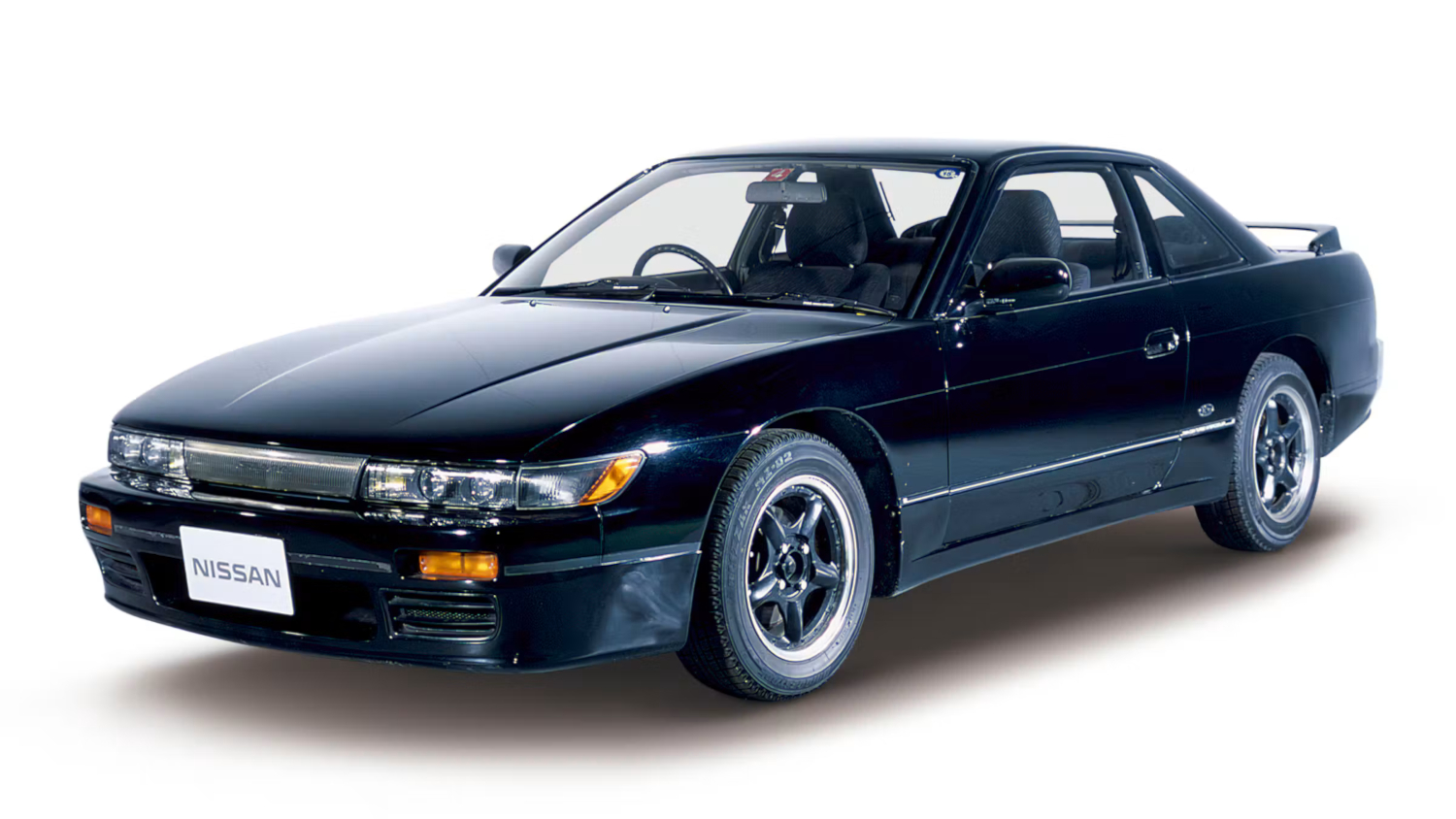
When Ponz Pandikuthira, Nissan’s North American planning chief, was asked about reviving the Maxima, his answer was essentially: wrong car. He’d rather bring back the Silvia first. That single preference has lit up automotive forums like a drift car with its handbrake yanked — but context matters. Nissan has not publicly announced an approved production program. The company has released no production specifications and no launch date. What exists, by Pandikuthira’s own careful description, is a “work in progress.”
That phrase is doing a lot of heavy lifting.
What’s Confirmed, What’s Still Smoke
The gap between executive enthusiasm and a green-lit production car is wider than it looks.
- CEO Ivan Espinosa has publicly called sports cars “the core of what we are as a company.”
- Pandikuthira has indicated that any Silvia revival would “absolutely” need a manual transmission.
- A new shared platform — capable of supporting electrified powertrains and selling across multiple global markets — would reportedly be required to make the economics work.
- The 2013 IDx concept, a modern visual interpretation of the Datsun 510’s compact rear-drive proportions, could potentially share that same architecture. Pandikuthira has said the IDx “has legs.”
Arrival timeline, per some reporting based on those executive comments: the 2030s, or later. In the meantime, there are cars coming in the near term that enthusiasts may find worth watching.
That is not a launch window. In car-industry terms, it is closer to a geological era.
Why the Manual Question Actually Matters
The soul of the Silvia revival hinges on whether enthusiasm survives the electrification process.
Enthusiasts familiar with the Silvia’s American chapter know it through the 240SX — a lightweight, rear-drive coupe that became closely associated with drift culture and endured in games like Gran Turismo well after production ended. The concern with any heritage revival is that the nostalgia survives while the character gets engineered away. Electrification is reportedly likely; Nissan’s e-Power system, which uses a combustion engine as a generator while electric motors drive the wheels, has been mentioned as one possible candidate — though no powertrain has been confirmed.
Pandikuthira’s “absolutely” on the manual transmission suggests Nissan understands what enthusiasts are listening for, at least rhetorically. The harder question is whether the company has the financial runway and platform investment to actually follow through.
The Bigger Signal
Choosing a sports coupe over a mainstream sedan says something real about where Nissan’s priorities are pointing.
An automaker in the middle of a business rebuilding choosing emotional identity over a contracting sedan segment is worth paying attention to. The Maxima has lost ground as buyers have shifted toward SUVs and crossovers, and Pandikuthira’s comments make clear it is not Nissan’s current priority. The Silvia, by contrast, represents something the brand reportedly wants to be again — and the story echoes how an executive hints at a heritage nameplate revival can carry real weight even without a confirmed production program.
Whether the hardware ever follows the ambition — that part remains unwritten.