

What Rockstar changed was not a matter of tuning sliders — it took a BMW 325i, an endurance race, and a complete rewrite of the simulation to get here. GTA VI changes that, and according to Rockstar North’s own technical director, the shift grew directly from the team’s real-world motorsport experience. GTA V’s driving model made sense for its time. Everything felt planted, predictable, broadly forgiving — a deliberate accessibility choice that meant every vehicle shared roughly the same handling envelope. That consistency came with a cost: cars rarely felt like distinct machines. GTA VI changes that, and according to Rockstar North’s own technical director, the shift grew directly from the team’s real-world motorsport experience.
Cars That Actually Drive Like What They Are
Rockstar reportedly rewrote the vehicle simulation for every vehicle type — and you’ll feel exactly what that means the first time the Ganado steps out from under you.
Oversteer is when a car’s rear steps out and rotates; understeer is when the front pushes wide and resists your input. Early gameplay reporting suggests GTA V rarely made players feel either with any conviction. GTA VI delivers both, depending on what you’re driving.
The Vapid Ganado — one of the first cars encountered in the game — reportedly has limited rear grip and will spin under throttle if pushed. A front-wheel-drive minivan understeers heavily and changes direction slowly. An AE86-inspired car sits somewhere in between: more willing to oversteer than a modern commuter vehicle, but less unruly than the Ganado. Each vehicle, in other words, behaves like something specific.
Ben Lyons, Rockstar North’s technical director for physics, told TechRadar that the team “completely rewrote the vehicle simulation for every vehicle type” in GTA VI. He also said that building and racing real cars taught the team about setup, modification, failure behavior, and what happens when a tire blows at speed — the kind of knowledge that shapes how a simulation handles edge cases, not just normal driving.
The Nürburgring Wasn’t a PR Stunt
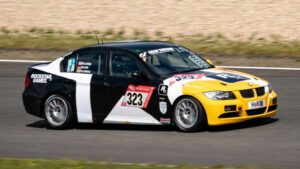
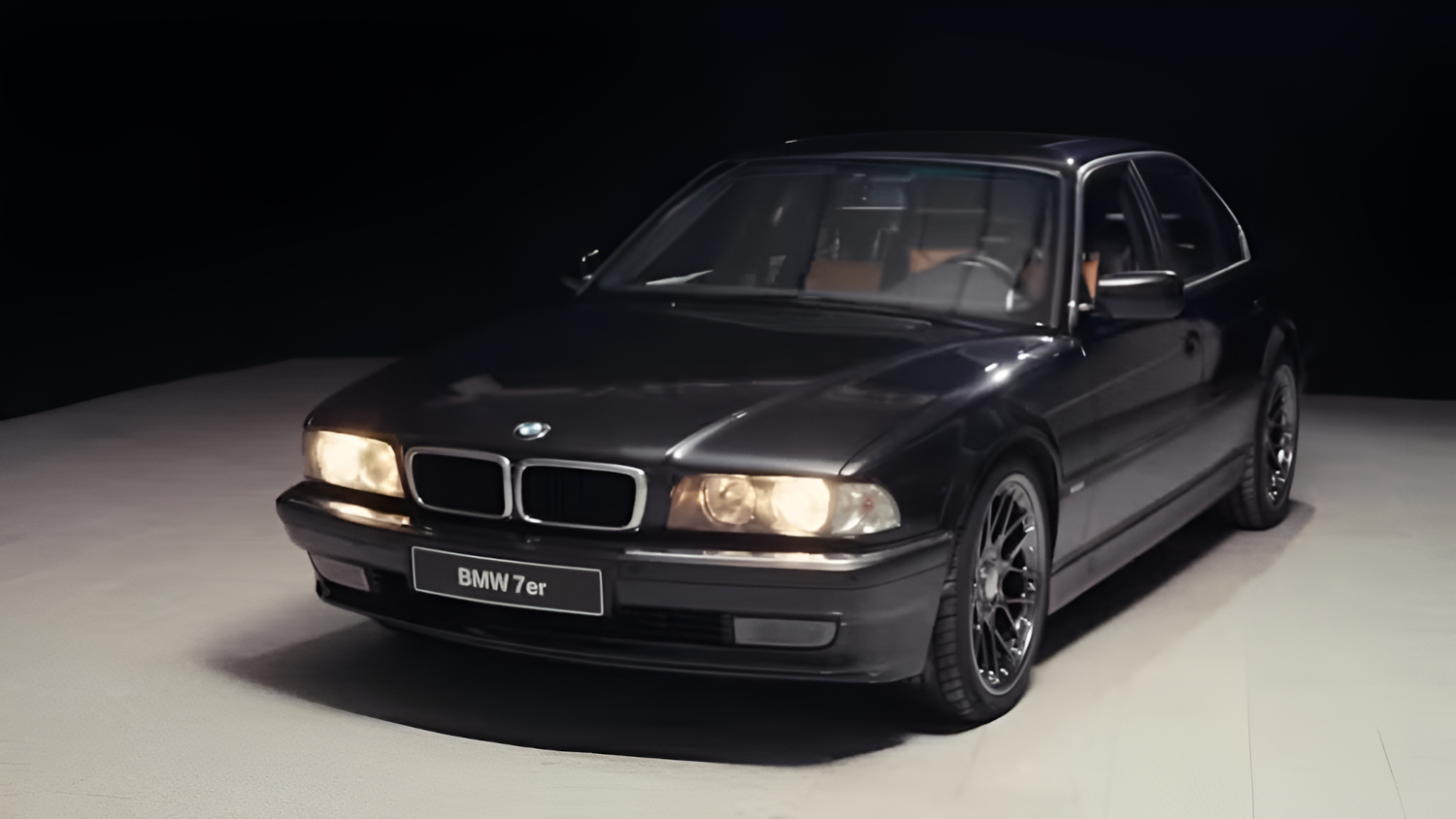
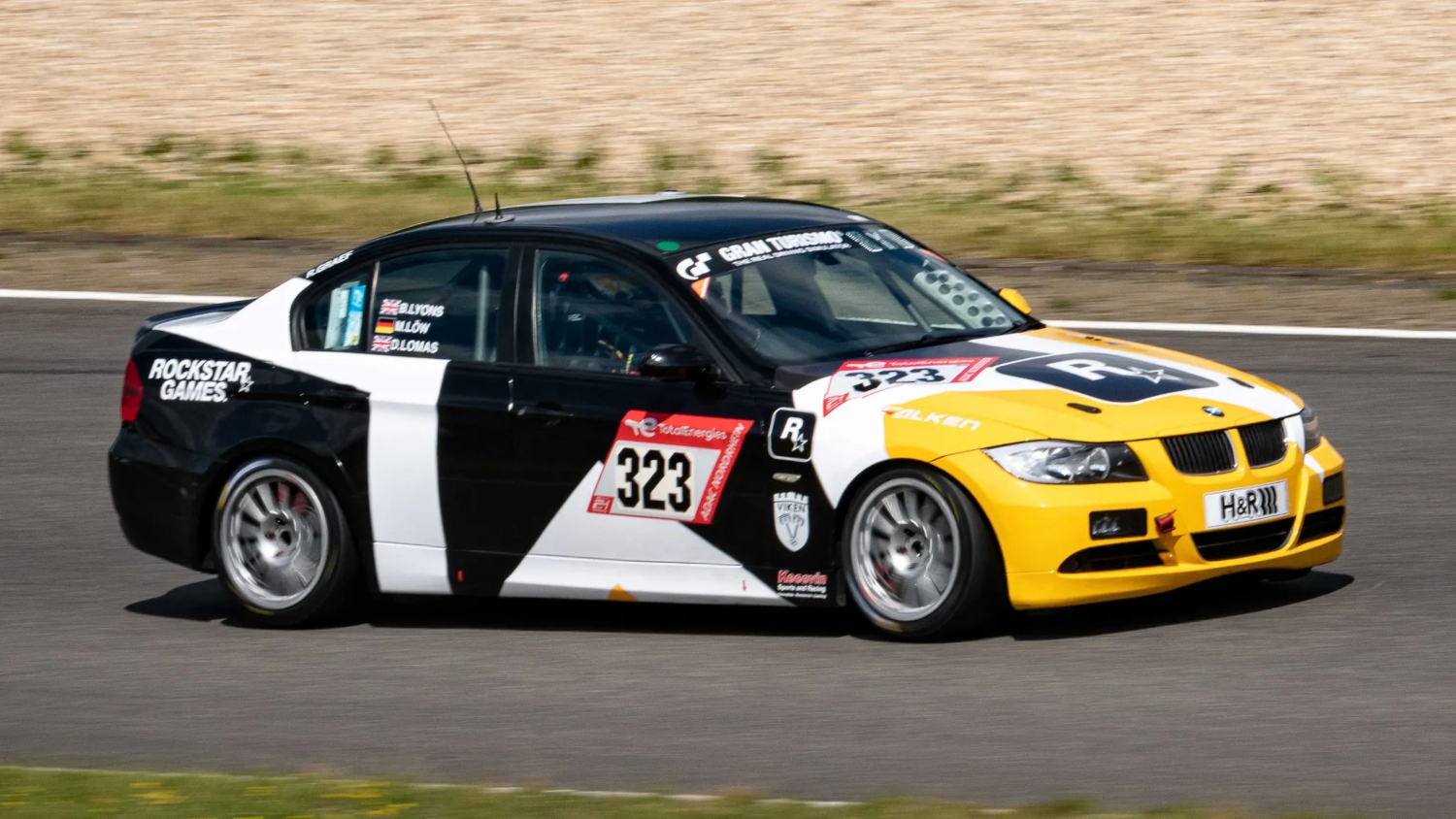
Lyons, alongside colleagues Markus Low and Dale Lomas, raced a BMW 325i at the 24 Hours of Nürburgring in 2022 and won their class — practical field research by any measure.
Lewis Bentley, a former Gran Turismo World Series competitor who reportedly spent time on Rockstar’s physics team, adds further depth to that expertise. The defensible read here is not that professional racing drivers designed GTA VI’s handling, but that developers responsible for simulating vehicle behavior went and experienced it firsthand — setup decisions, grip limits, mechanical failures, and all.
The overall result reportedly lands between GTA IV’s heavy, deliberate handling and GTA V’s accessibility-first stability: more demanding without becoming punishing, and more varied without feeling inconsistent. The more attention paid to what each car is doing, the more the system rewards that attention.
What This Means Behind the Wheel
This is what it feels like when the people building the simulation have actually felt a rear tire let go at speed.
Rockstar’s physics team combined real endurance racing with a ground-up software rewrite — and that combination shows in how differently vehicles now behave from one another. The weight transfer, the grip limits, the way a rear-wheel-drive car rotates under throttle versus how a front-wheel-drive box pushes wide — that understanding was informed by experience on actual tarmac. In GTA VI, reportedly, you are not just driving faster. You are driving something that knows what it is supposed to feel like.