


Compact V8 powerplants pushed engineering boundaries, forcing designers into packaging puzzles that fit eight cylinders where four typically sat. These engines defined eras and sometimes entire tax codes, proving potency isn’t always about displacement—it’s about maximizing every cubic centimeter. The following engines represent some of the most ingenious small-displacement V8s ever fitted to road-going vehicles, from aluminum American workhorses to exotic Italian screamers.
1. Oldsmobile 215 V8
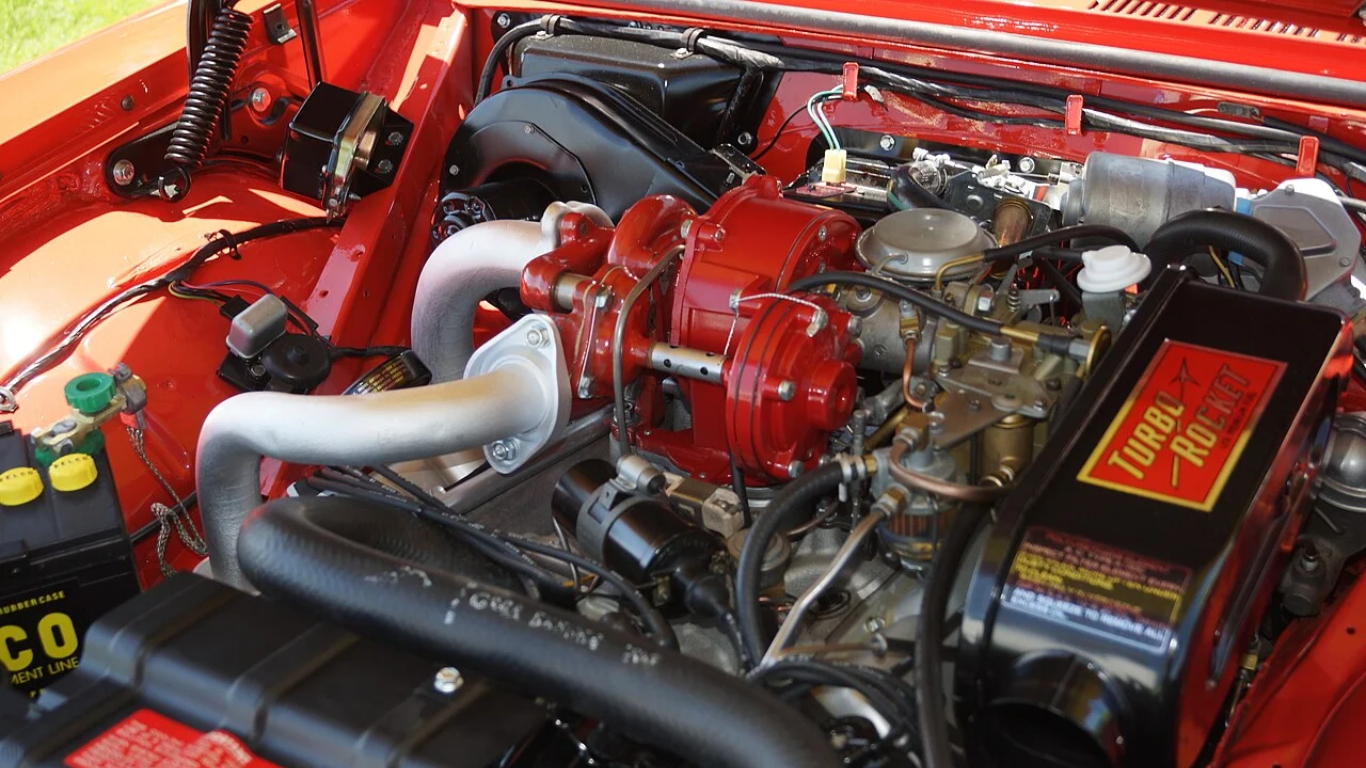
This lightweight aluminum marvel became the blueprint for decades of performance engineering.
Introduced for the 1961 model year, the 215-cubic-inch (3.5-liter) all-aluminum Oldsmobile 215 V8 revolutionized lightweight construction. Weighing approximately 320 pounds, this engine shed significant bulk from the front end compared to cast-iron contemporaries. Buick and Pontiac also adopted the compact powerplant, aiming for more agile, fuel-efficient vehicles that responded like modern hot hatches on winding roads.
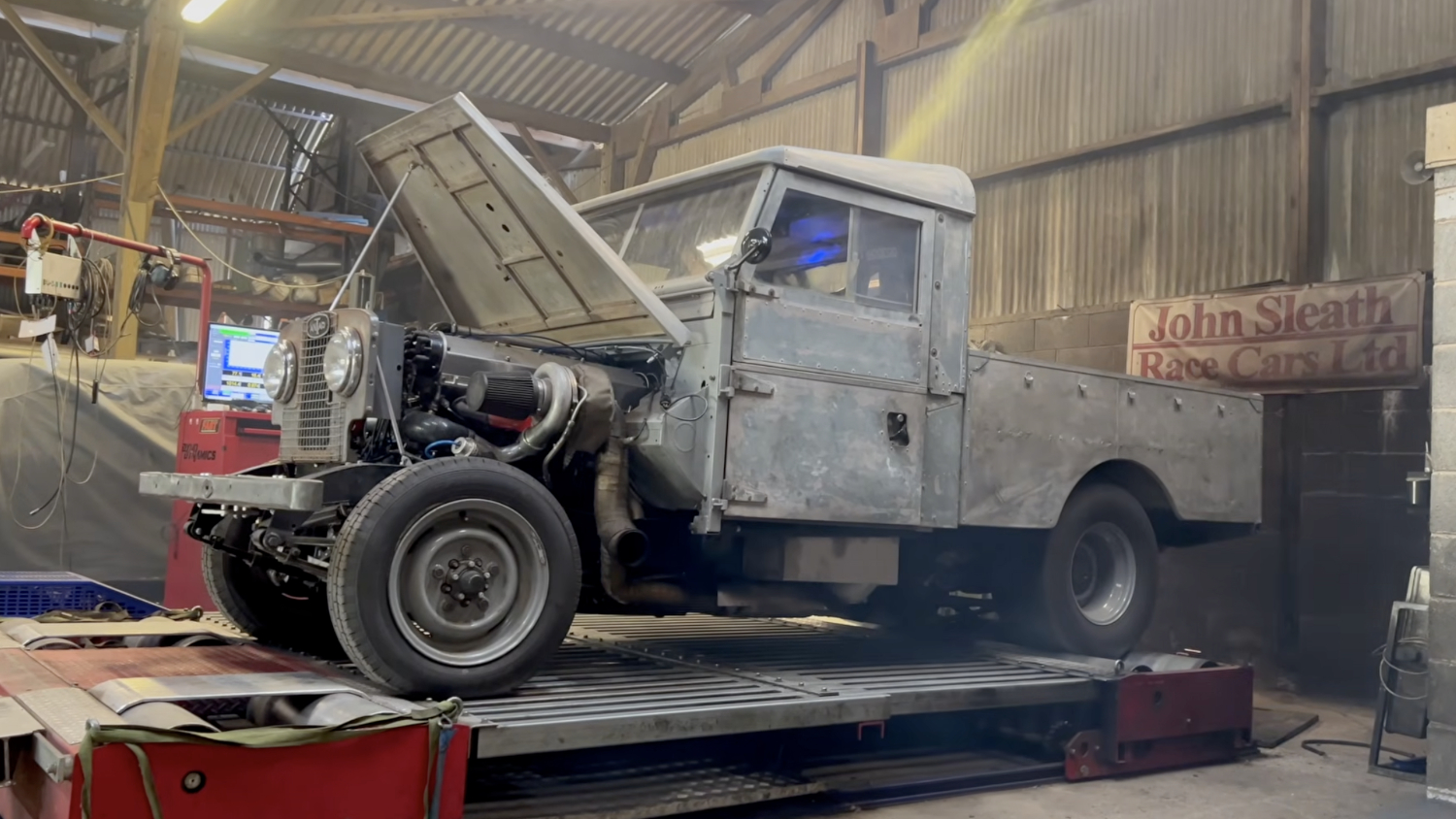
The turbocharged Oldsmobile Jetfire version delivered 215 horsepower and 300 pound-feet of torque, numbers that gave these cars responsiveness belying their size. The power-to-weight ratio made balanced dynamics immediately apparent on any spirited drive. This innovative design later crossed the Atlantic after being licensed to Rover, where it formed the basis for a long-running family of aluminum V8s that powered everything from Land Rovers to TVRs.
2. Ford-Yamaha 3.4-liter SHO V8
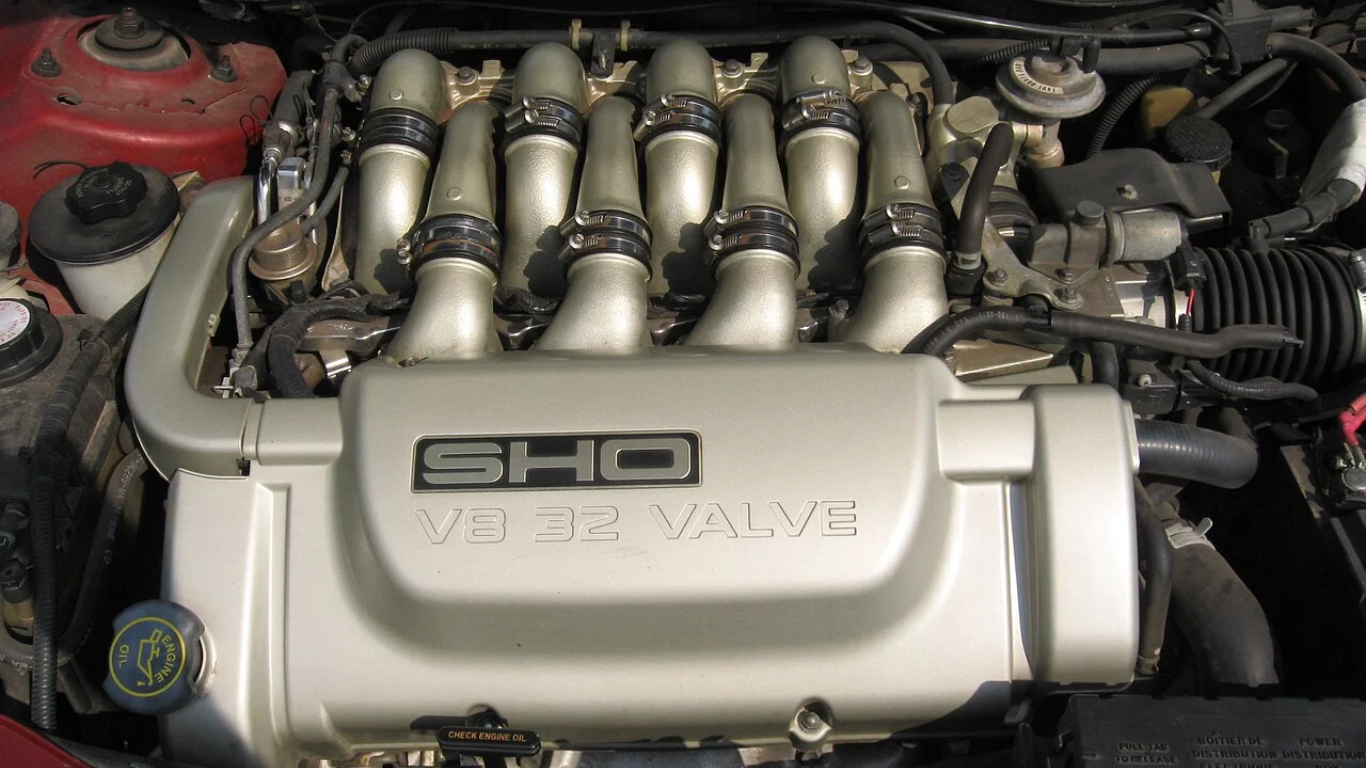
Ford and Yamaha’s collaboration produced a transverse V8 unlike anything in family sedans.
This transverse-mounted 3.4-liter V8 featured a distinctive 60-degree cylinder-bank angle, developed collaboratively between Ford and Yamaha. Based on the Duratec V6 architecture, the engine used dual overhead camshafts and four valves per cylinder. Its aluminum construction delivered 235 horsepower and 230 pound-feet of torque, solid output for a powertrain in a family sedan from 1996 to 1999.
The SHO V8 represented a seamless fusion of American packaging ingenuity and Japanese precision engineering. Its compact dimensions allowed Ford to fit genuine V8 power into the front-wheel-drive Taurus platform, creating one of the few transverse V8 sedans ever produced. Throttle response felt immediate, though the configuration created unique service challenges that kept dealership technicians busy.
3. Jaguar AJ-V8 3.2
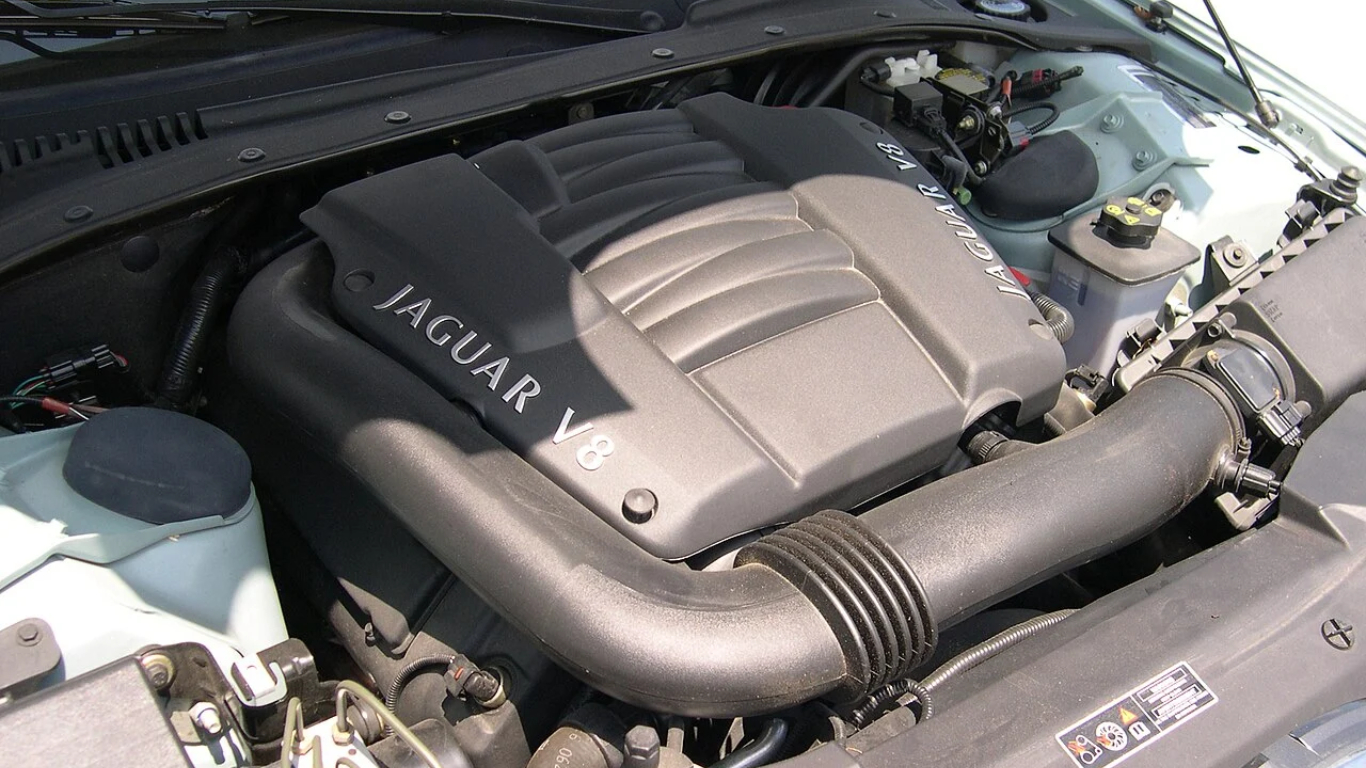
Jaguar’s modular aluminum V8 family brought Formula 1-derived manufacturing to luxury sedans.
This 3.2-liter DOHC V8 featured innovative casting methods that created hollow sections to reduce weight substantially. Variable valve timing and sequential fuel injection worked in concert with aluminum construction and four valves per cylinder. The AJ-V8 powered models including the XJ8 and XK8 throughout the late 1990s and early 2000s, demonstrating that compact displacement could deliver refined power.
The engine’s electronic management system represented a leap forward in digital engine controls for its era. The modular architecture allowed Jaguar to scale displacement across the range while maintaining core engineering principles. Drivers found the 3.2-liter variant delivered smooth, linear power delivery that suited grand touring better than outright aggression, though it could carve up a backroad when pressed.
4. Daimler 2.5-liter V8
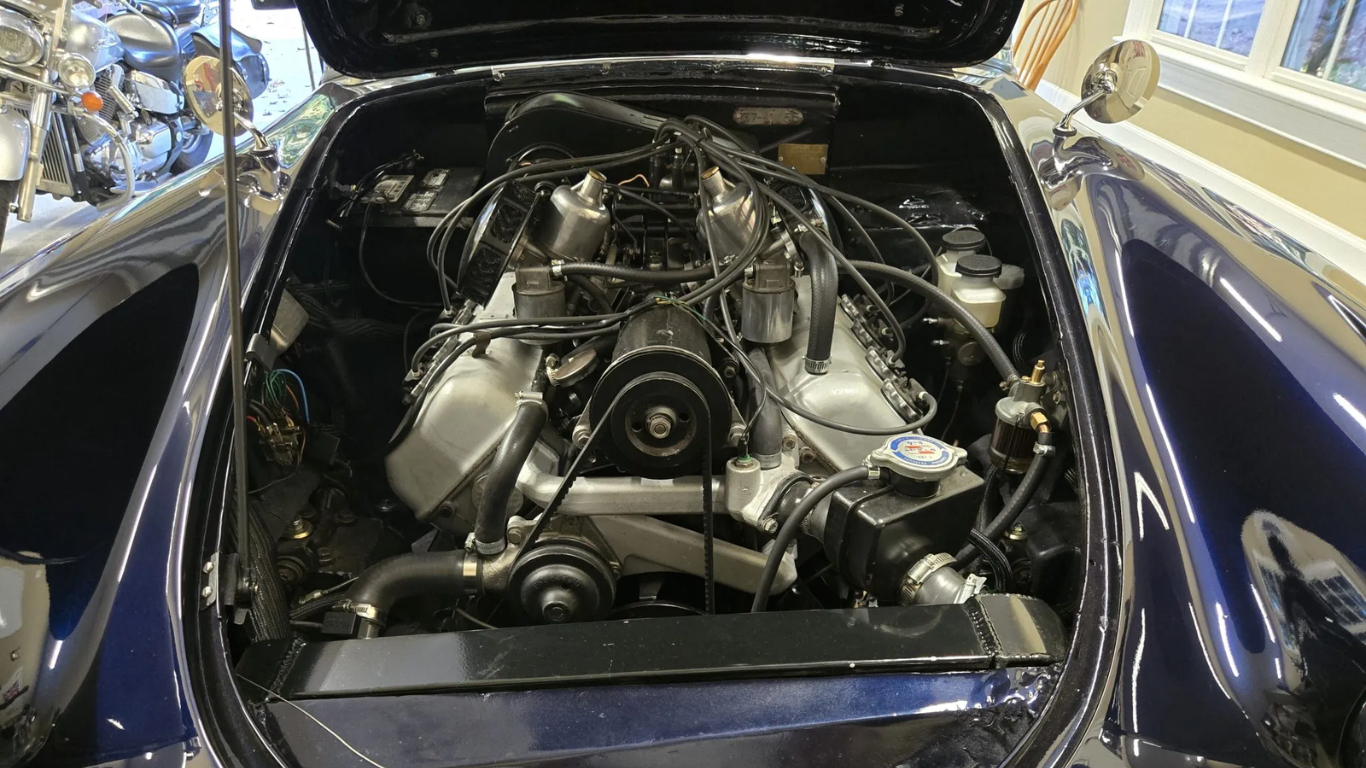
Daimler’s hemispherical V8 proved British sports cars could rev with the best.
The 2,548-cubic-centimeter (2.5-liter) V8 powering the Daimler SP250 roadster combined a cast-iron block with aluminum cylinder heads. Introduced in the late 1950s, this engine used hemispherical combustion chambers and a 90-degree V angle. Output reached approximately 140 horsepower, making it a notably advanced and high-revving British V8 for the period.
Hemispherical combustion chambers optimized airflow and flame propagation, extracting maximum efficiency from the compact displacement. The engine’s willingness to rev and responsive character made the SP250 a genuine sports car rather than a softly sprung cruiser. Competition versions extracted even more power, demonstrating the design’s inherent strength and tuning potential for those willing to push boundaries.
5. Tatra 2.5-liter Air-Cooled V8
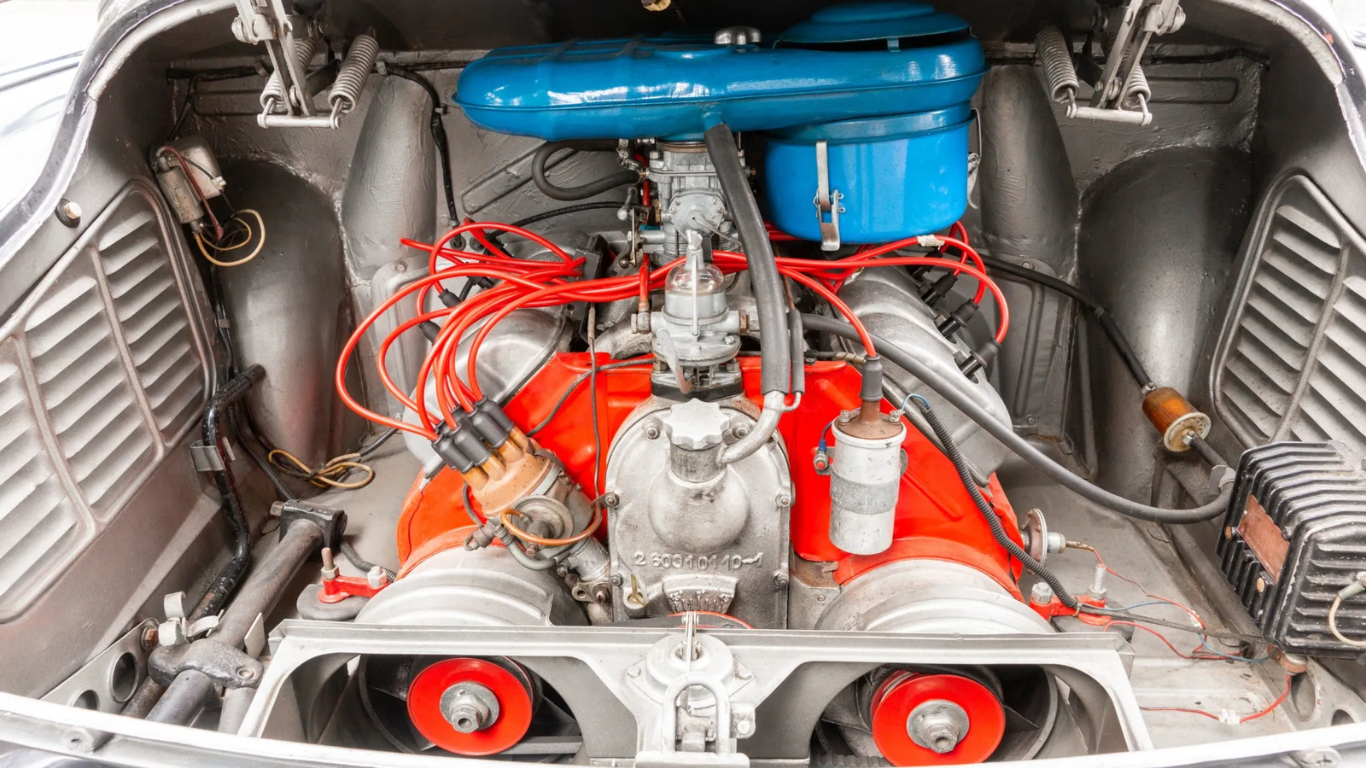
Czechoslovakian engineers proved liquid cooling wasn’t mandatory for V8 refinement.
Tatra’s rear-mounted, air-cooled 2,545-cubic-centimeter V8 eliminated traditional radiators and hoses entirely. The unusual layout reflected Tatra’s distinctive aerodynamic and rear-engine engineering approach in the 603 sedan. Cooling fins on each cylinder managed heat without a single drop of coolant, a bold solution that worked reliably in production from 1956 to 1975.
The engine produced approximately 100 horsepower and 112 pound-feet of torque. Sophisticated thermal controls managed fan speed based on temperature demands. The air-cooled architecture reduced complexity and weight compared to liquid-cooled contemporaries, though ambient temperature extremes required careful engineering to maintain consistent performance across operating conditions.
6. Ford Flathead V8-60
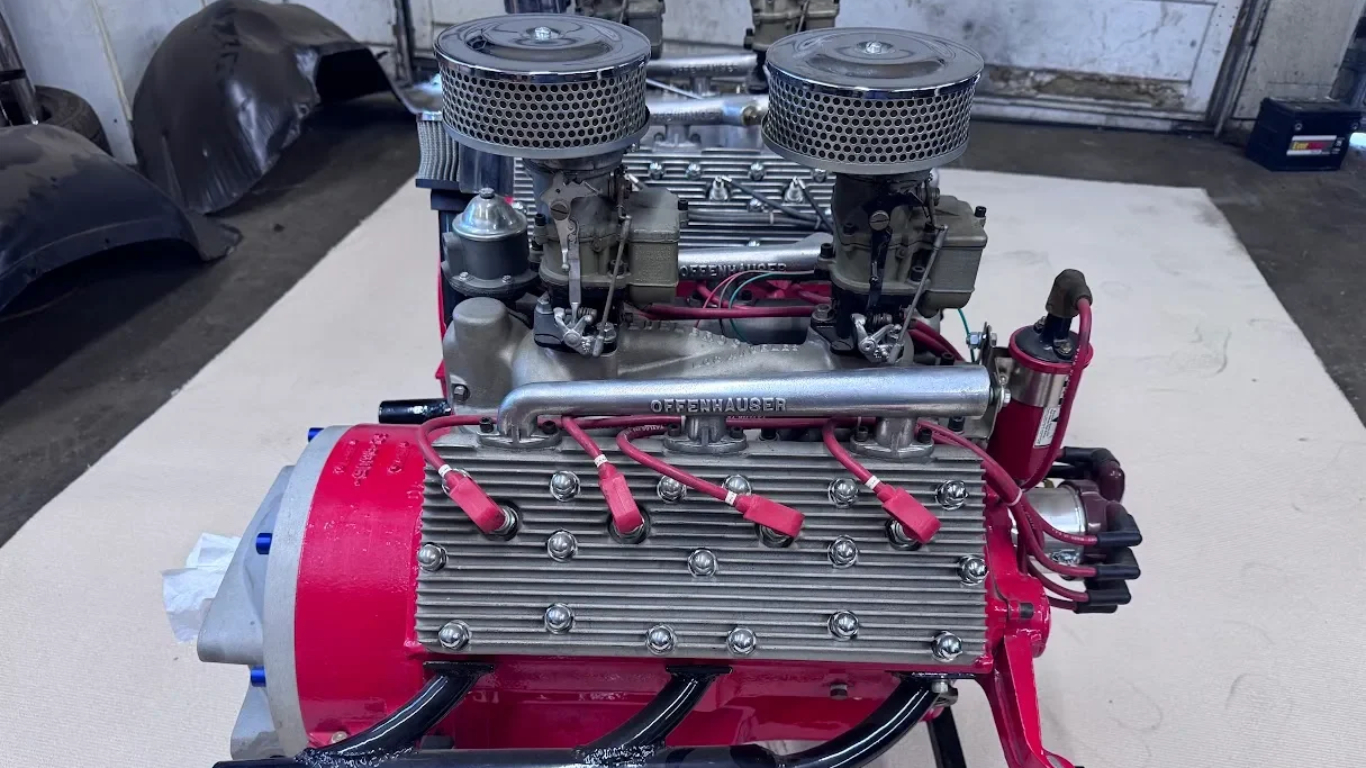
Ford’s economy V8 proved eight cylinders didn’t require thirst or expense.
Ford introduced the 136-cubic-inch (2.2-liter) V8-60 in 1937 as a smaller, more economical alternative to its larger flathead V8s. The “60” designation referred to its approximate 60-horsepower output. Smaller bore and shorter stroke compared to the standard Ford Flathead created a compact, fuel-efficient package that delivered notably lower consumption than larger displacement variants.
The V8-60 used a flathead layout and targeted buyers prioritizing economy over outright performance. Its design philosophy focused on reliability and range rather than acceleration, making it ideal for Depression-era drivers who needed transportation efficiency. Precise manufacturing occasionally made production costs approach those of larger Flatheads, highlighting the engineering challenge of scaling down without sacrificing quality.
7. Fiat 8V Tipo 104
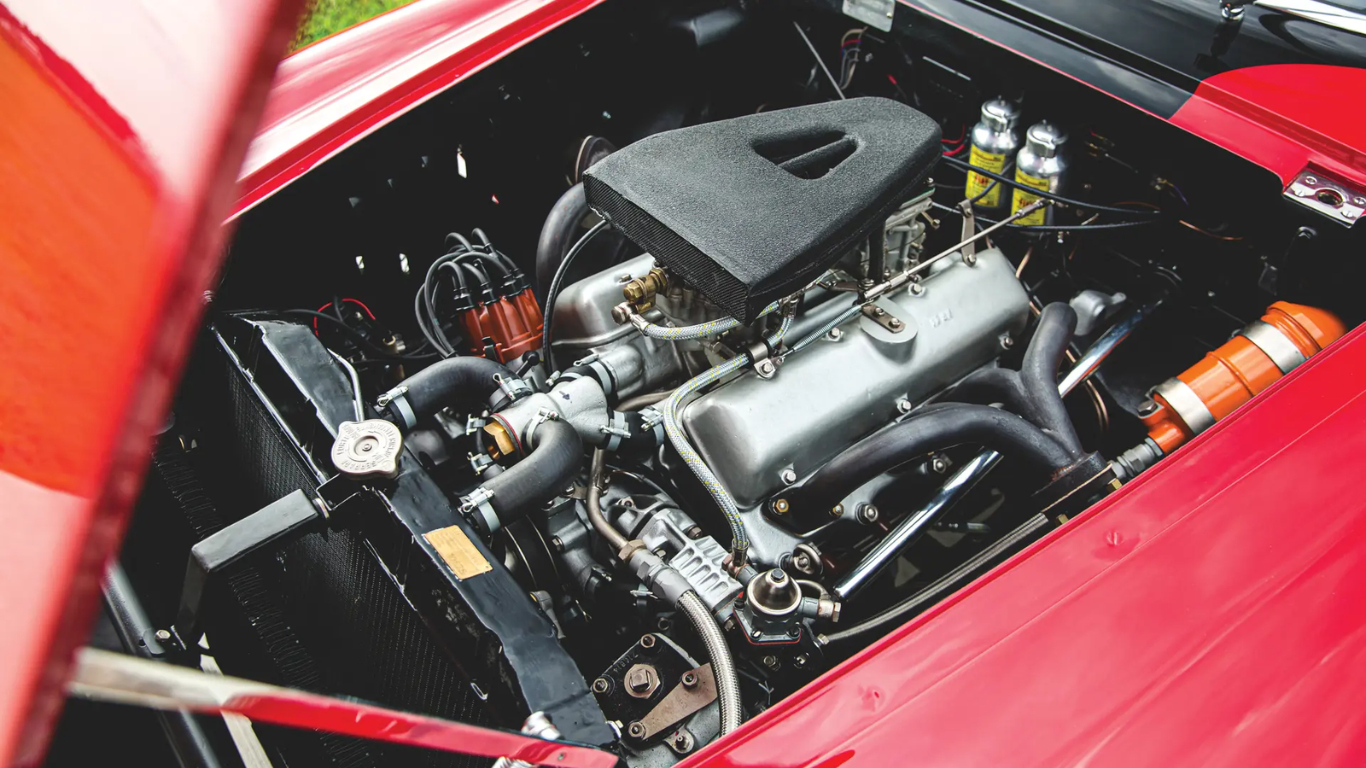
Fiat’s rare V8 sports car proved Italian ambition could rival American muscle in miniature.
Introduced with the Fiat 8V in 1952, the Tipo 104 displaced 1,996 cubic centimeters and featured a cast-iron block with aluminum heads. An unusual 70-degree cylinder-bank angle distinguished this engine from conventional 90-degree V8 designs. Depending on tune, output ranged from roughly 105 to 127 horsepower, respectable figures for a two-liter in the early 1950s.
Fiat produced only 114 8V cars between 1952 and 1954, making the engine historically significant as a rare small-displacement Italian V8. The compact packaging and rev-happy character gave the 8V genuine sports car credentials. Advanced features for the era included sodium-filled exhaust valves, typically reserved for racing applications. This Fiat delivered a driving experience proving Italian engineering could extract remarkable performance from modest displacement.
8. Alfa Romeo 2.0-liter V8
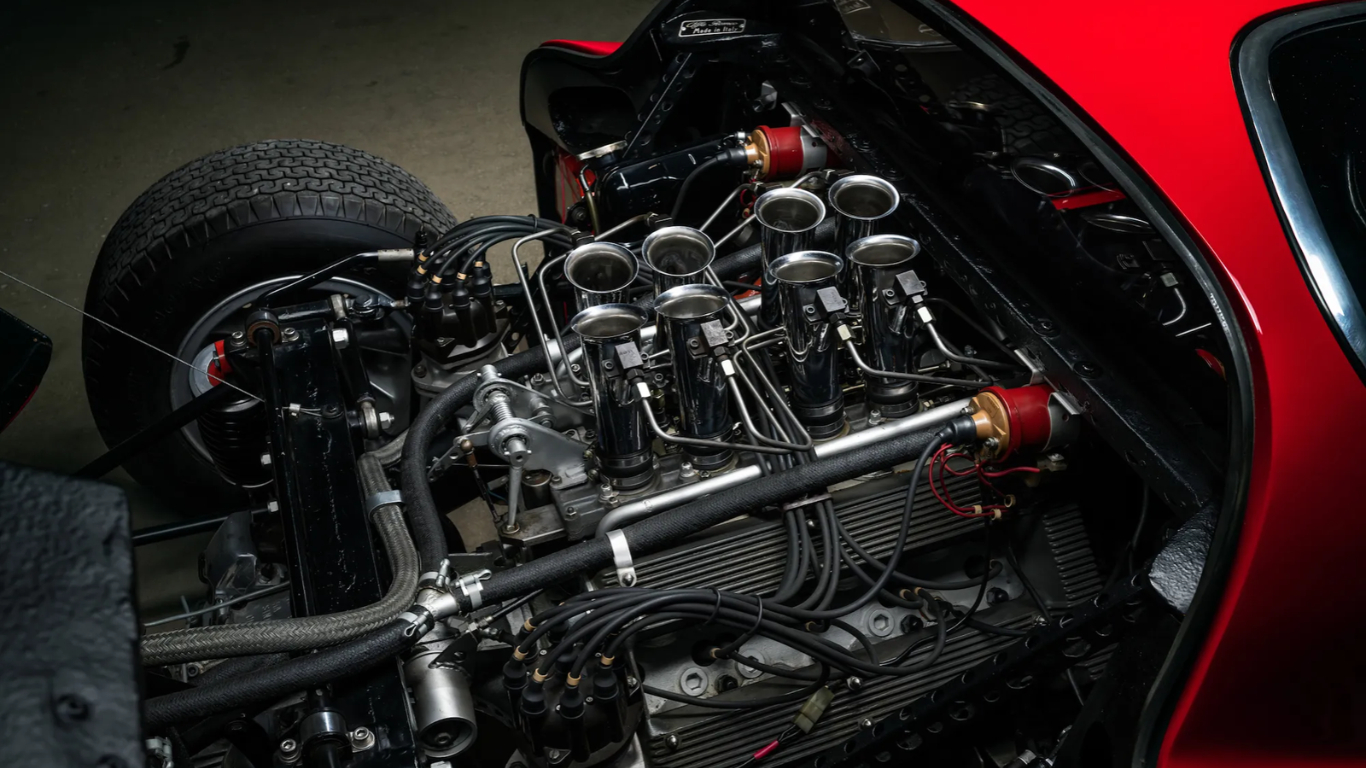
Alfa Romeo’s racing-derived V8 brought motorsport intensity to homologation specials.
The 1,995-cubic-centimeter V8 used in the Alfa Romeo 33 Stradale derived directly from Alfa Romeo’s Tipo 33 racing engine. Aluminum construction, dual overhead camshafts, and racing-derived technology characterized this powerplant. Road-car output reached approximately 227 horsepower at 8,800 rpm, making it one of the most highly tuned small production V8s ever built.
Dry-sump lubrication and mechanical fuel injection reflected the engine’s competition heritage. The scream at full throttle reminded drivers this was no detuned racer but a barely civilized track weapon wearing license plates. The 33 Stradale’s extreme rarity and astronomical values today stem partly from this engine’s uncompromising character—a scalpel among sledgehammers that refused to pretend it belonged in traffic.
9. Lamborghini Urraco P200 2.0-liter V8
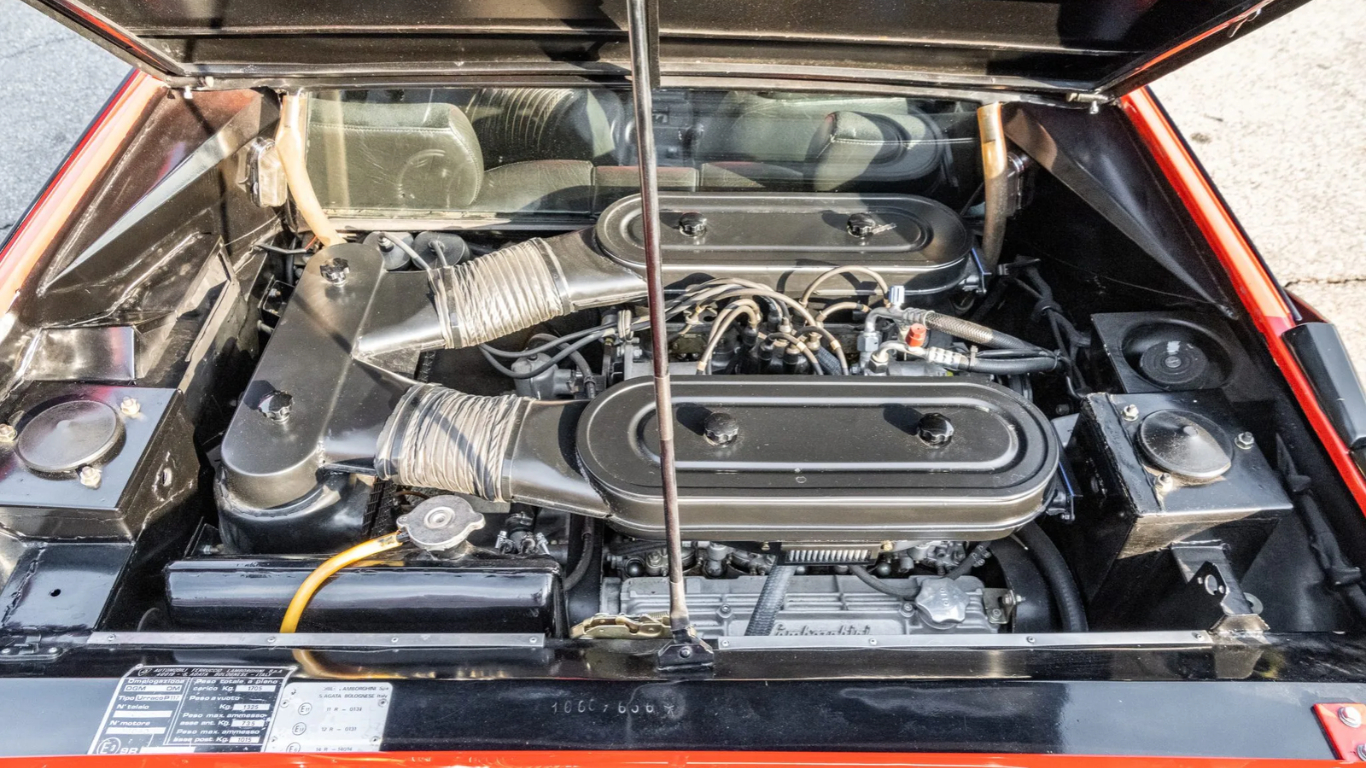
Italian tax law forced Lamborghini to prove supercar DNA could fit sub-two-liter displacement.
The Urraco P200, introduced in 1972, used a 1,995-cubic-centimeter V8 specifically to avoid Italy’s heavier taxation on engines exceeding two liters. This represented the smallest engine offered in the Urraco range. Multiple carburetors and a high-performance DOHC layout extracted maximum output from the displacement-limited powerplant. Only 66 examples were built out of roughly 791 total Urracos produced.
The P200 demonstrated Lamborghini’s ability to engineer excitement within fiscal constraints. High compression ratios and careful tuning maintained the brand’s performance character despite displacement limitations. The rarity of the P200 today reflects both its limited production and the reality that most buyers opted for larger-displacement Urraco variants when they could afford the additional tax burden.
10. Ferrari Dino 208 GT4 2.0-liter V8
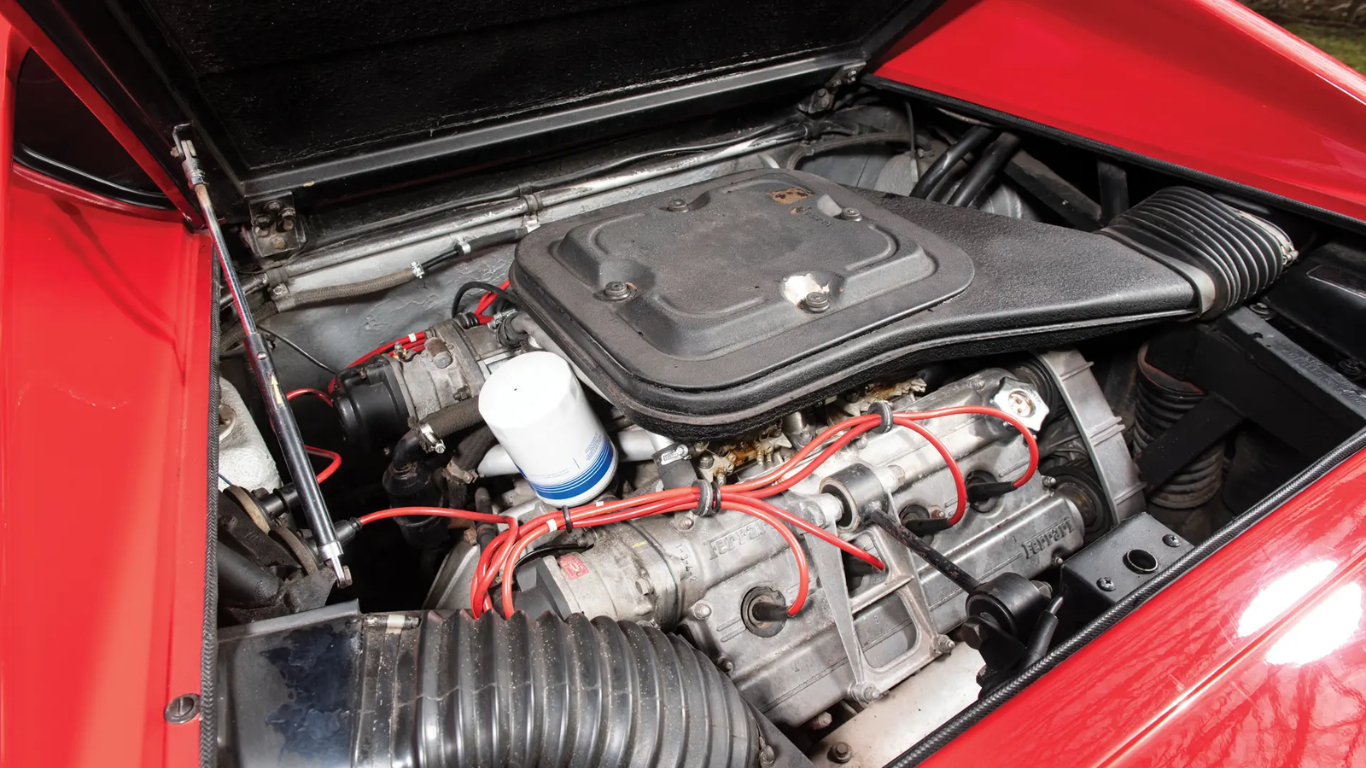
Ferrari’s tax-dodging two-liter proved the Prancing Horse could thrill without displacement.
Introduced in 1975, the Ferrari Dino 208 GT4 used a 1,991-cubic-centimeter version of Ferrari’s aluminum DOHC V8. The displacement was selected specifically to avoid Italy’s heavier taxation on engines over two liters. Its flat-plane crankshaft and four Weber carburetors supported approximately 170 horsepower at 7,700 rpm. About 840 examples were produced before the model was discontinued in 1980.
The 208 GT4 demonstrated that Ferrari’s engineering excellence transcended displacement figures. The engine’s willingness to rev and characterful intake roar reminded drivers that cubic centimeters don’t define driving joy. While the two-liter produced less outright power than its 2.9-liter sibling, the lighter weight and tax advantages made it an appealing choice for Italian buyers who valued agility over straight-line acceleration.