

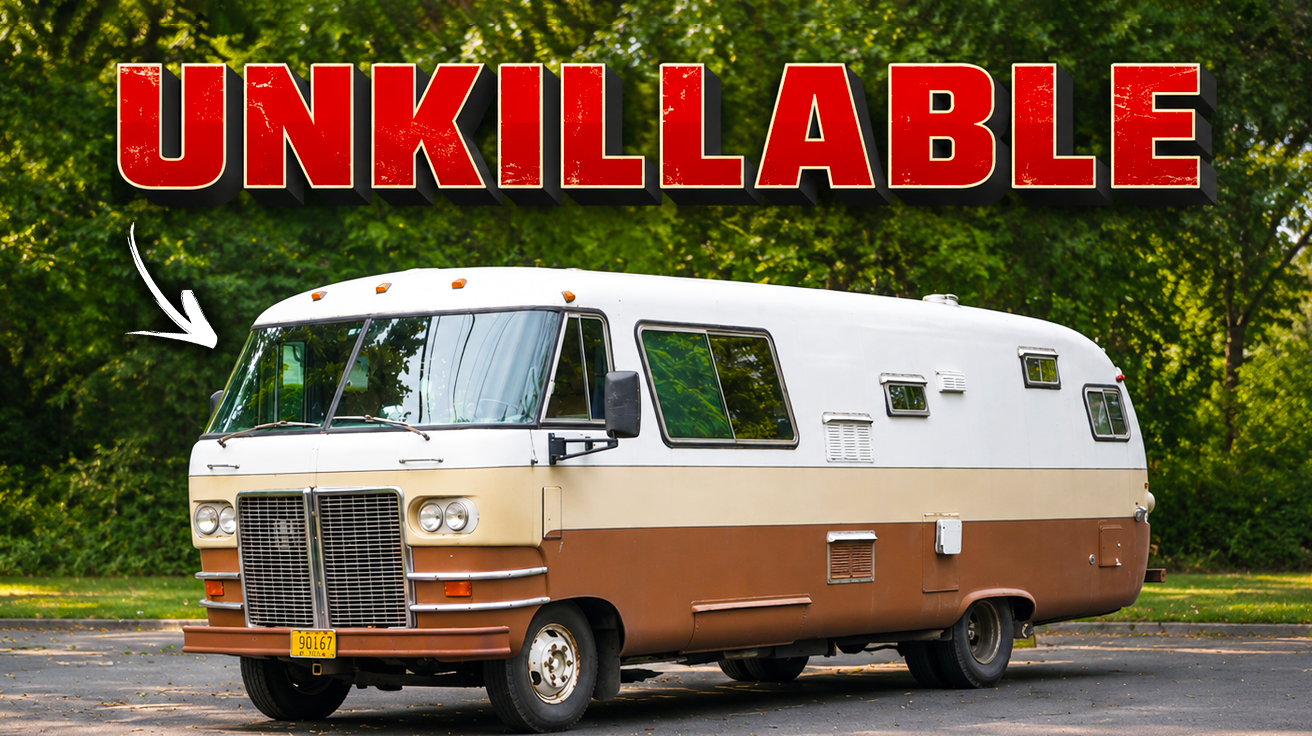
Over 11 million RVs cruise North American roads, but many newer models handle like shopping carts with missing wheels. Built with the longevity of mayflies, they often leave drivers stranded. This guide cuts through marketing hype, highlighting motorhomes engineered for durable construction and straightforward repairs. You’ll spend more time on the asphalt and less time wrenching. We’ve vetted vehicles known for mechanical familiarity and readily available parts. Anyone who’s watched an economy-grade engine gasp its last breath on a roadside knows the grim reality. Discover the real-world road warriors that empower you to truly chase the horizon instead of your mechanic’s bill.
1. Chevrolet P30 Class A Motorhomes

Owners regularly report 9 to 10 miles per gallon from these behemoths—surprisingly frugal for a 7.4-liter V8 hauling a small house.
The Chevrolet P30 chassis formed the backbone for numerous Class A motorhomes, including Southwind, Bounder, and Brave, from the late 1980s through the late 1990s. This platform leveraged the robust Chevrolet 454 V8, available in both throttle-body and later Vortec versions.
When that distinct cold-start exhaust tick surfaces, it often signals a cracked exhaust manifold—a common issue with a straightforward bolt-on fix. Other predictable wear includes worn idler arms, easily diagnosed with a quick steering wheel wiggle. No coach is immune to age, but a P30’s repair playbook reads like familiar territory, with plentiful parts and knowledgeable mechanics. Longevity on the road comes from accessible repairs, not mythical immunity from breakdowns.
2. Chevrolet G30 Class C Motorhomes

The 5.7-liter small-block Chevrolet V8 remains one of America’s most ubiquitous engines, found extensively in countless trucks and vans.
You’re never far from a spare part or a mechanic familiar with its operation. Servicing this V8 feels like swapping out a guitar string: straightforward and predictable. This inherent simplicity makes G30-based motorhomes like the Four Winds or Tioga an ideal first rig, easing new owners into RV maintenance.
You can embark on a long haul, chasing the next great vista, without fear of common issues sidelining your adventure for weeks. The widespread presence of this engine makes parts availability feel like ordering from a drive-thru. Tackling a serpentine belt replacement in a rest stop with basic tools and a quick YouTube search? Entirely possible. These coaches, including models such as Shasta and Jamboree, keep your focus on the open road.
3. Ford E-Series 460 Class C Motorhomes
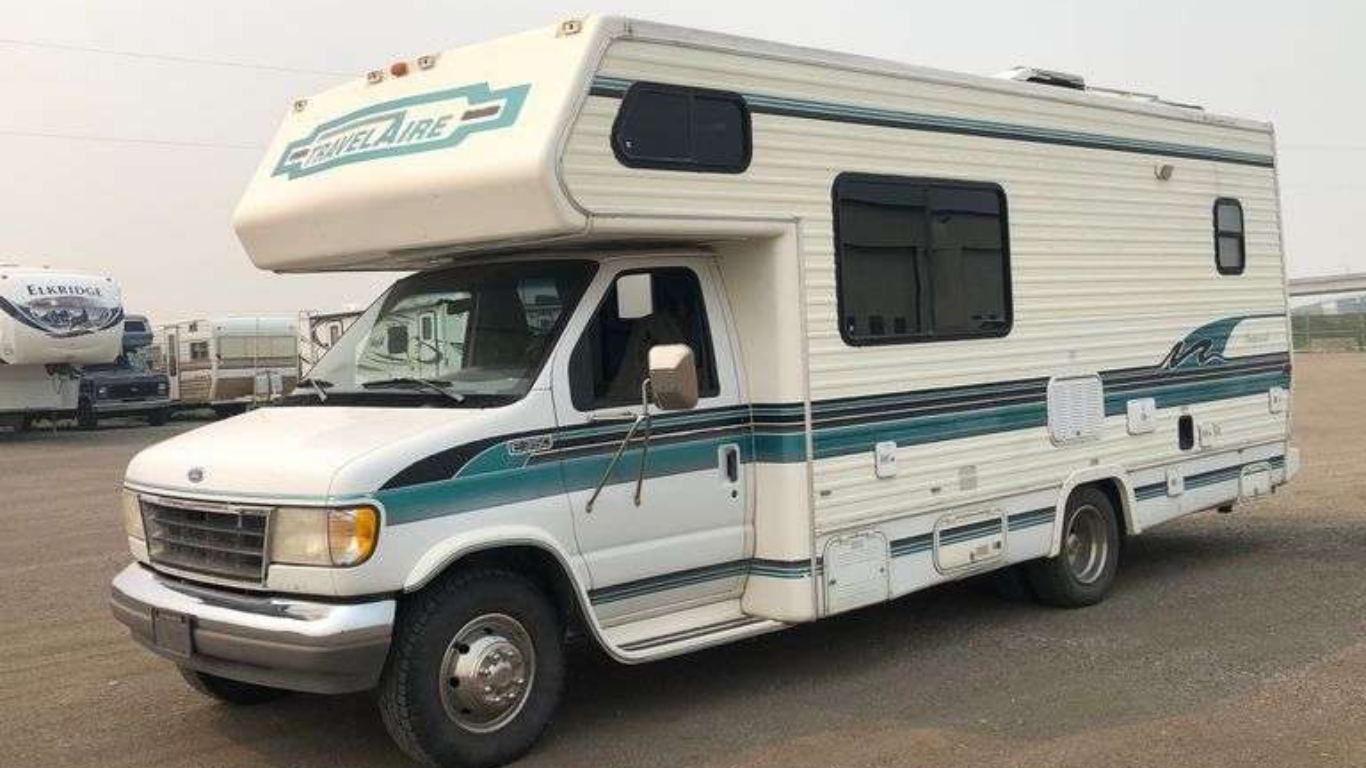
The fuel-injected 7.5-liter Ford 460 V8 delivers low-end torque suited to pulling heavy coaches over mountain passes.
The Ford E-Series 460 Class C was built for a different kind of grunt work. This engine churns out strong torque that helps pull loaded coaches up steep grades. That brute force comes with fuel consumption that makes a monster truck look economical, so budget accordingly.
The critical component to inspect is the E4OD automatic transmission. Symptoms like lazy shifts, converter shudder, or delayed engagement when you pull into drive can indicate trouble. Pull out of a desert gas station near Barstow, and you might experience hesitation so long it feels like the transmission packed its bags and left. Ignoring these signs invites expensive failure. Budgeting for potential transmission work is paramount if any issues surface, preventing your adventure from becoming a costly, immobile monument.
4. Dodge M-series Motorhomes

Dodge M-series motorhomes offered mechanical simplicity, powered by stout V8 engines and TorqueFlite transmissions.
The M-series commonly used engines including the 318, 360, 413, and 440 V8s, generally paired with the fully hydraulic, non-electronic TorqueFlite 727 automatic transmission. This setup operated without digital drama, getting the job done with reliable simplicity.
For a coach roughly 50 years old, mechanical design flaws are rarely the issue. Instead, you face the predictable decay of time: brake lines, fuel lines, and wiring insulation turn brittle. Getting these cruisers back on the road demands a sensible budget to refresh these age-related components. The M-series’ enduring presence is a testament to simple, serviceable engineering that reminds you why straightforward mechanics often outlast complex systems on the open road.
5. Travco Molded-Fiberglass Class A Motorhomes

Produced from the 1960s into the late 1980s on Dodge chassis, these coaches featured a revolutionary molded fiberglass shell.
Ray Frank, the visionary behind Travco, helped pioneer early production motorhomes. This construction reduced common headaches like sidewall delamination and wood-substrate rot found in laminated designs, though roof, floor, window, and plumbing leaks can still damage the interior.
With gross weights that could easily top six tons, the underlying chassis saw decades of hard work. When you inspect a Travco, the fiberglass shell often stands remarkably intact. Interior systems will likely need complete refurbishment of appliances, wiring, plumbing, upholstery, and seals. This enduring shell provides your foundation for future road trips and structural integrity.
6. Toyota Chassis Micro-Mini Motorhomes

These coaches, typically 18 to 22 feet long and powered by four-cylinder or small V6 engines, require careful axle inspection.
Toyota-based micro motorhomes like Sunrader, Dolphin, Chinook, and Winnebago Warrior offer compact footprints. Sunrader models are especially known for their molded fiberglass clamshell body, while many Dolphin models use wood-frame construction and are vulnerable to water damage and soft floors.
A critical safety check is the rear axle. The safer full-floating one-ton axle uses six lug nuts and a protruding hub; a five-lug axle with a flat center is a warning sign. You get down on your knees, count those lug nuts, and confirm it before making any purchase decision. This specific axle verification is more valuable than any inspection report.
7. GMC Motorhome

General Motors produced 12,921 GMC Motorhomes from 1973 through 1978, featuring a unique front-wheel-drive layout.
This distinct RV featured a front-wheel-drive powertrain utilizing an Oldsmobile 455 V8, later replaced by the Oldsmobile 403 during the 1977 model year. This innovative layout eliminated the driveshaft, allowing a low floor; the rear wheels used an unpowered tandem bogie arrangement rather than a conventional rear axle.
The body combined aluminum and fiberglass construction, offered in 23- and 26-foot configurations. Cruise a patchy highway, and the ride remains surprisingly smooth, soaking up imperfections better than traditional motorhomes. Common inspection priorities include half-shaft upgrades, bogie bearings, air suspension, brakes, corrosion, and water damage. Under-$5,000 examples are generally projects, non-runners, or incomplete restorations, yet their unique engineering offers long-term potential.
8. Barth Aluminum Motorhomes

Barth coaches are known for riveted aluminum body construction, including aluminum walls and roof structures.
This signature construction sets them apart from typical RVs. The design can resist hidden wood rot and sidewall delamination common in older fiberglass-skinned coaches, but aluminum corrosion, roof seams, rivets, windows, floors, chassis components, and interior water damage still require inspection.
Barth built relatively small numbers, and some examples were converted to commercial, medical, or mobile-office use. This construction offers structural integrity that makes these coaches desirable for anyone chasing forgotten routes. Low-priced examples are often stripped commercial units or major restoration projects.
9. Explorer Van-Based Motorhomes

These motorhomes offer a small, garageable footprint, making city navigation easier than larger coaches.
Explorer motorhomes were compact Dodge-based conversions with fiberglass roof and rear-body extensions, designed to remain more maneuverable and garage-friendly than full-size coaches. Some provide standing room while still fitting through drive-thrus and standard garages.
Mechanical parts are generally sourced through ordinary van and truck channels, but the fiberglass-to-steel seams are common leak points. A pre-purchase inspection demands focus on the roof, rear cap, seam sealant, floor edges, interior wall cavities, and any modifications to the original van structure. Neglecting them can turn your adventure into a water-damaged disaster.
10. Early Roadtrek Van-Based Motorhomes
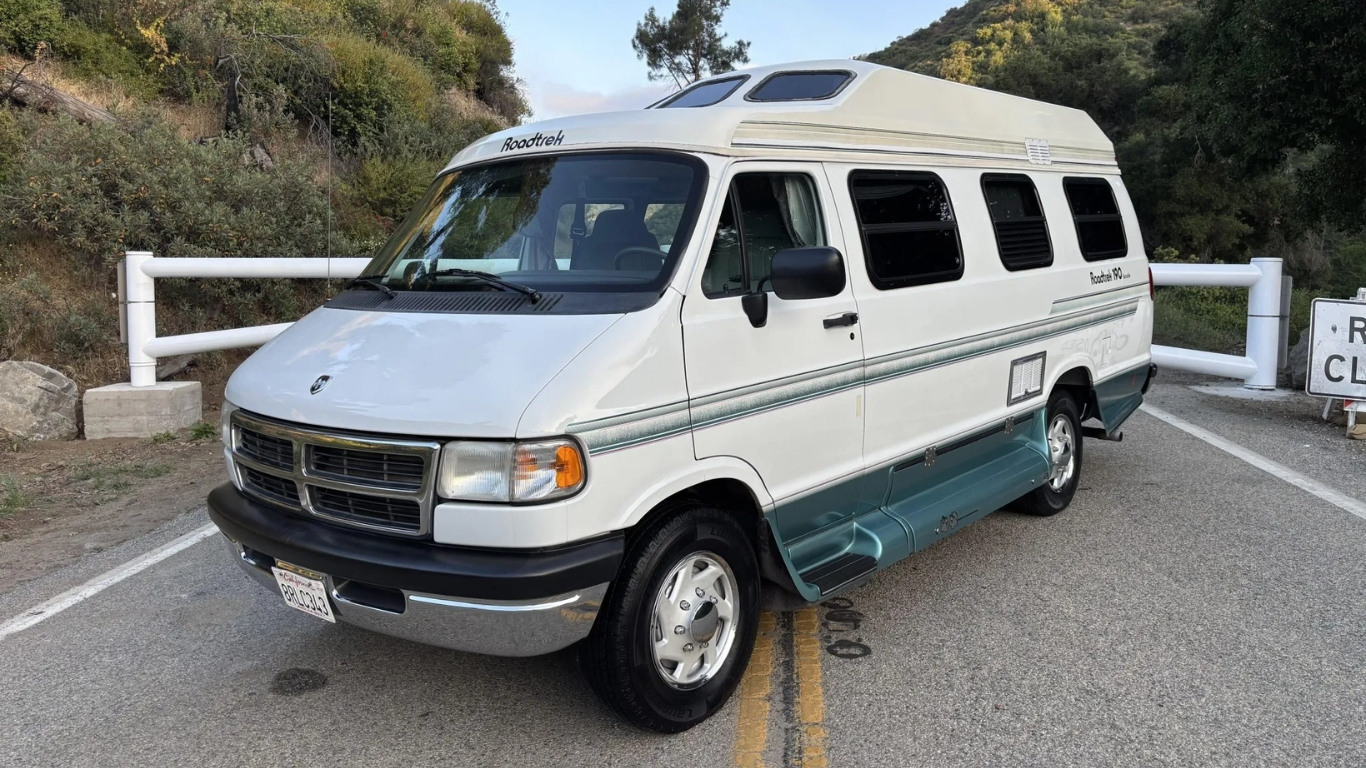
Built on Dodge or Chevrolet van chassis, early Roadtrek models offered enhanced maneuverability and daily usability.
Early Roadtrek models followed the broader van-conversion format. Mechanical parts were sourced through ordinary van and truck channels, simplifying repairs. You could pull into tight parking lots for quick weekend escapes, avoiding the headache of maneuvering massive Class A coaches.
This everyday practicality demands constant vigilance. The fiberglass-to-steel seams are common leak points. Diligently inspect the roof, rear cap, and all seams to prevent insidious water intrusion. Neglect turns a simple leak into structural rot. Keep these areas sealed properly, or your spontaneous road trip might end up a costly restoration project.
11. Bus-Built Coaches (e.g., Wanderlodge)

Bus-based motorhomes use heavy commercial bus frames, industrial drivetrains, air brakes, and air suspension.
A heavy-duty bus-built coach might appear to be the ultimate bargain at under $5,000, promising unrivaled durability and scale. Their structural strength and durable coachwork can be appealing, but purchase price is only one part of ownership cost.
The reality of owning one hits hard when repairs are needed. Air-system leaks, suspension repairs, brake work, tires, generator systems, cooling systems, and commercial transmissions can each cost more than the vehicle’s purchase price. Walk into a dealer lot excited about a low-cost rig, then watch your dreams deflate when the service manager quotes repair estimates for components that belong on an 18-wheeler. Obtain a professional inspection by a heavy-truck or bus specialist and confirm parts availability before purchasing.
12. Retired School Bus with Mechanical International DT466
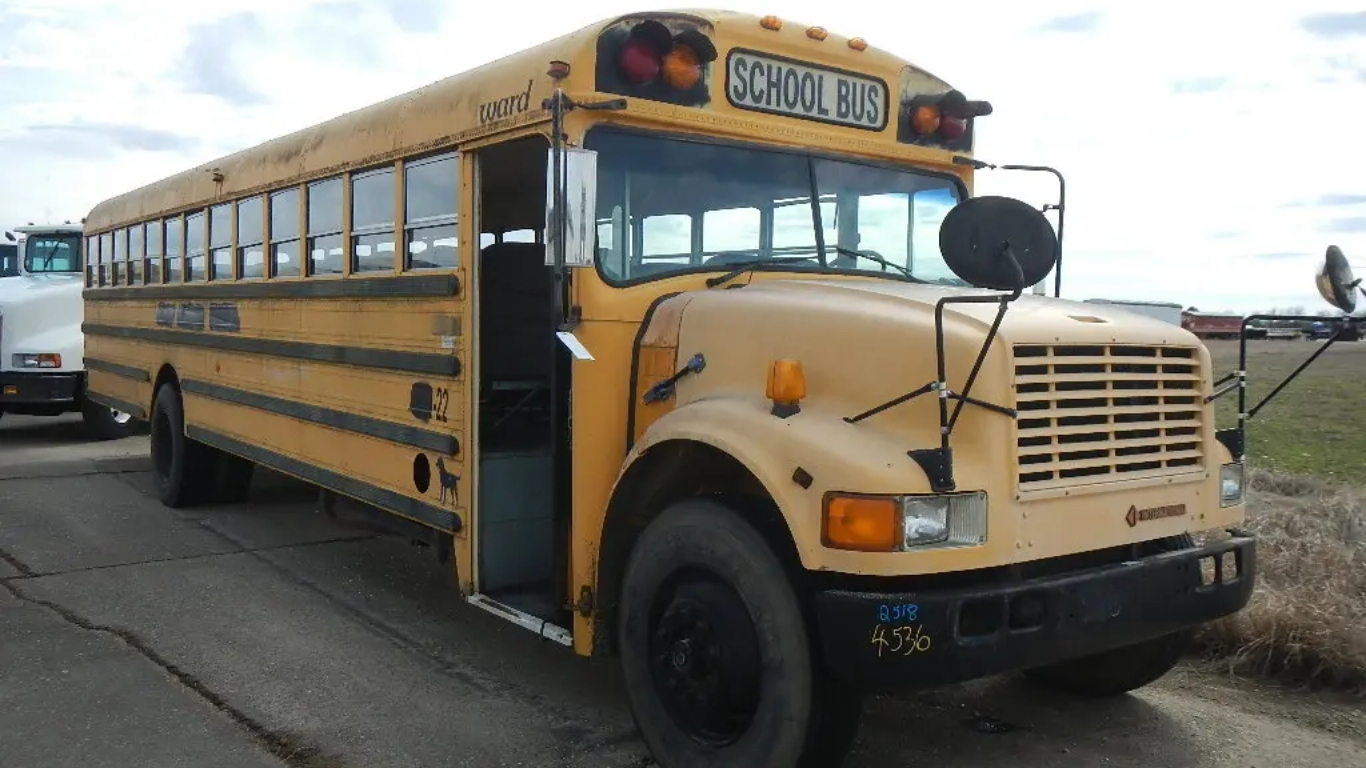
The mechanical International DT466 is a medium-duty inline-six diesel widely used in buses, trucks, and vocational equipment.
Its cast-iron construction, gear-driven valvetrain, and mechanical fuel system make it suitable for overhaul in many bus applications. The claimed in-frame serviceability is a design and application advantage; actual overhaul cost depends heavily on labor rates, parts, and engine condition.
Beyond the engine’s potential durability, buyers should focus on rust, frame condition, coolant contamination, oil pressure, blow-by, cooling-system performance, transmission type, brake system, and the legality and quality of the conversion. This combination of a serviceable powerplant and a bus chassis offers potential longevity, provided you address common inspection points thoroughly.