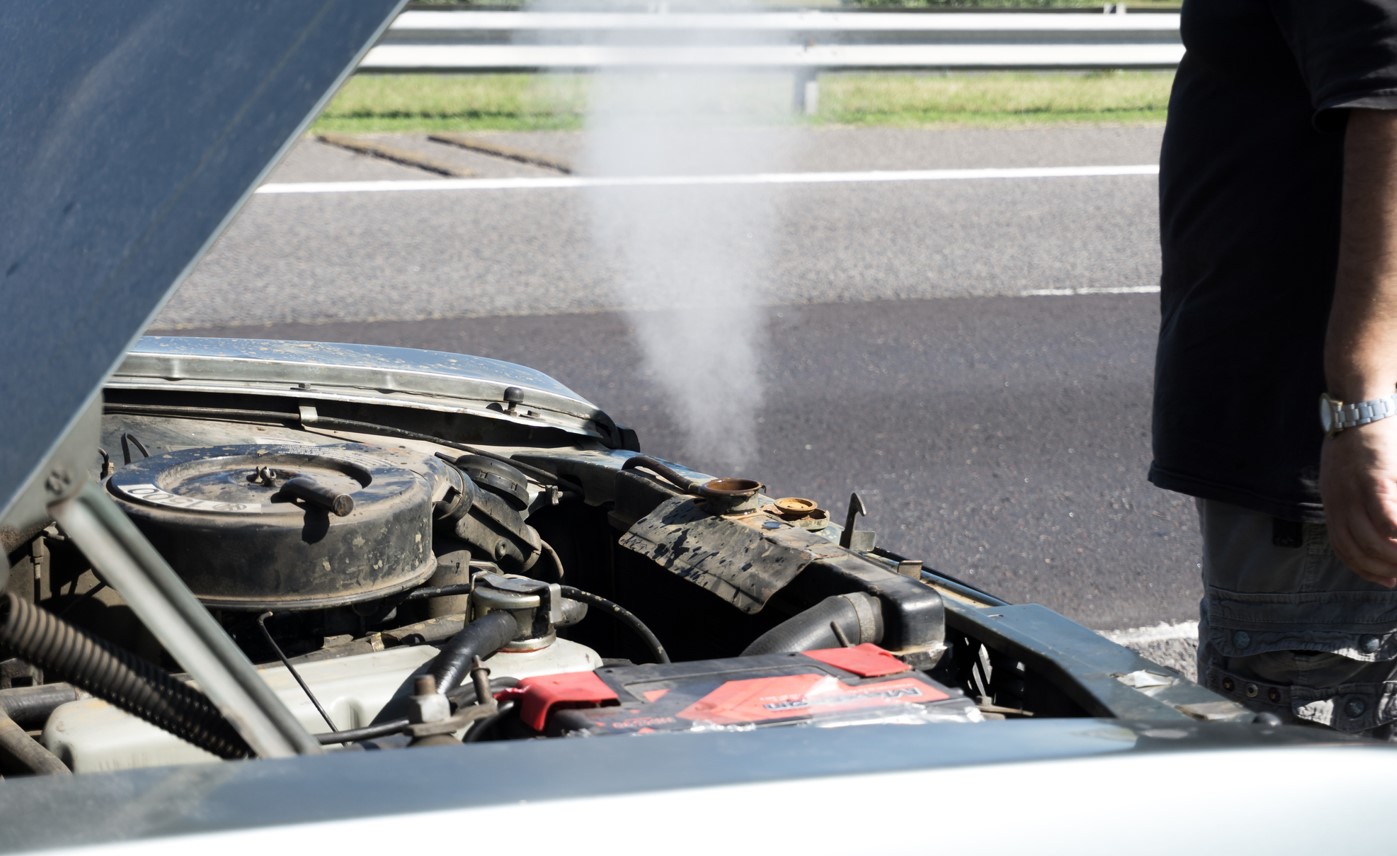



Drivers fork over thousands annually at the pump, yet the internet peddles a flood of “performance hacks” promising miracles. Road tests separate genuine gains from shiny distractions—some modifications actually work, while most leave drivers with the sour taste of a bad roadside diner coffee and an emptier wallet. Real data, not marketing hype, remains the only compass worth trusting on the open road.
1. OBD2 Cars Fuel Saver
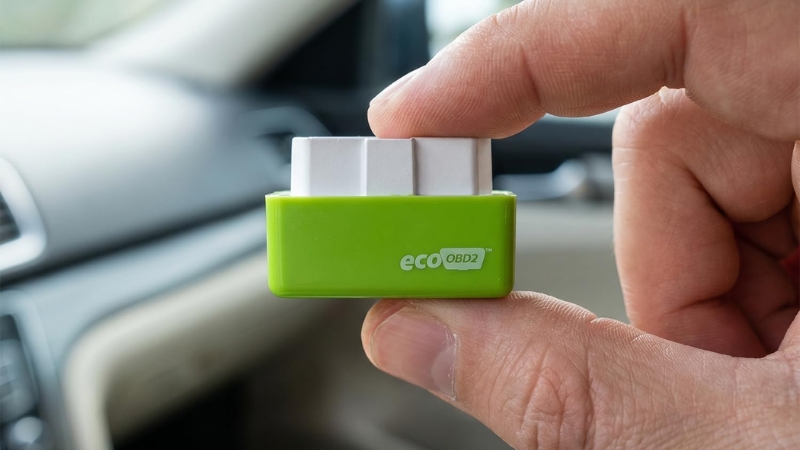
A $31 plug-in device promising improved performance delivers nothing but disappointment.
Rising fuel costs drive roughly half of all drivers to seek quick fixes. The OBD2 Cars Fuel Saver plugs into the diagnostic port with bold claims of better mileage and power. Road testing on a high-mileage Chevrolet Suburban over a consistent 77-mile route at 70 mph told a different story. The result? A disappointing 16.7 MPG, showing no meaningful improvement against baseline. Real testing proves crucial—it separates genuine gains from the automotive equivalent of trying to fill a leaky bucket with a thimble.
2. Nitro OBD2
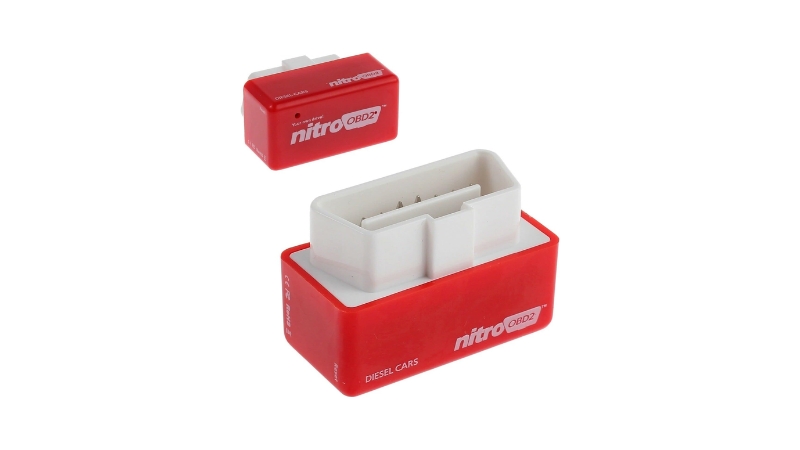
An $8 Chinese gadget promising 35% more power actually slows acceleration and tanks fuel economy.
This plug-in device claims to unlock 35% more horsepower and 25% more torque from the engine by remapping parameters through the diagnostic port. Rigorous testing quickly exposed the reality behind these aggressive claims. The Nitro OBD2 delivered a slower 0–60 mph time of 8.5 seconds (baseline: 8.32 seconds) and calculated fuel economy of 16.45 MPG, slightly below control. The hard numbers cut through marketing noise like a dull wrench on a rusted bolt, proving that truth lives in dyno sheets, not sales pitches.
3. 2G Fuel Saver
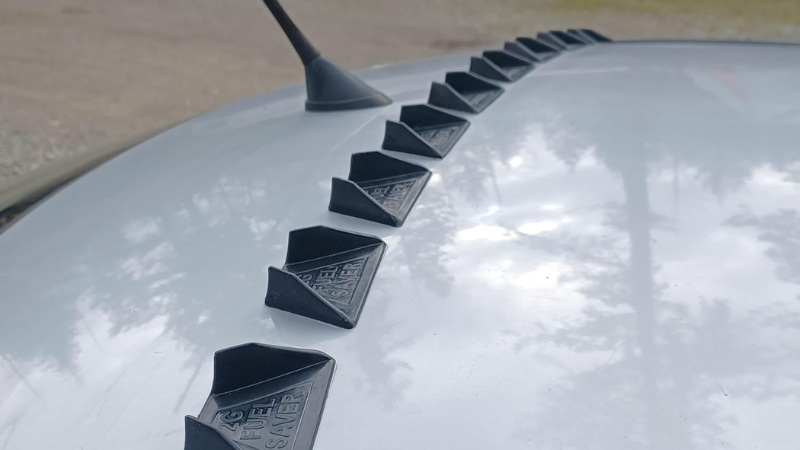
A $20 aerodynamic fin kit made efficiency worse, not better.
The 2G Fuel Saver arrives as a nine-piece kit with 18 fins, marketed as an aerodynamic enhancement promising 8% fuel economy improvement for SUVs. Road tests revealed this accessory acted more like strapping a wind-catching parachute to the vehicle. Efficiency plummeted to 16.39 MPG, worse than even other questionable add-ons. Merging onto the highway feels like fighting an unseen force. This bolt-on, designed purely for aesthetic flair with no real science behind it, proves how arbitrary modifications often hinder actual road gains.
4. MBRP High-Flow Exhaust System
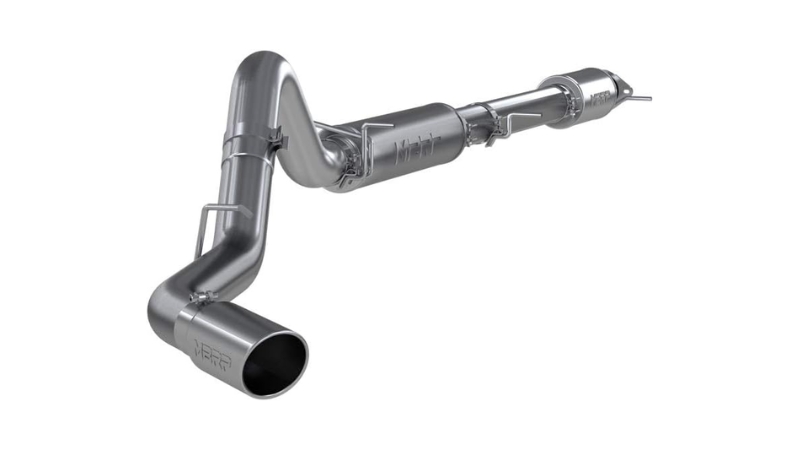
A $448 aftermarket exhaust delivers measurable airflow gains and improved performance.
Reducing exhaust back pressure translates into real efficiency gains. The MBRP High-Flow Exhaust System arrives as a four-piece kit with clamps, bolts, and a distinctive tip. Straightforward installation and straight-through muffler design make assembly simple. Airflow tests showed the MBRP system pushed 101 CFM of air—a significant jump over the stock exhaust’s 74 CFM. This increased gas expulsion translates directly into crisper engine response and a more satisfying, deep exhaust note, making a quick blast down a backroad feel like a perfectly timed shift.
5. Cold Air Intake
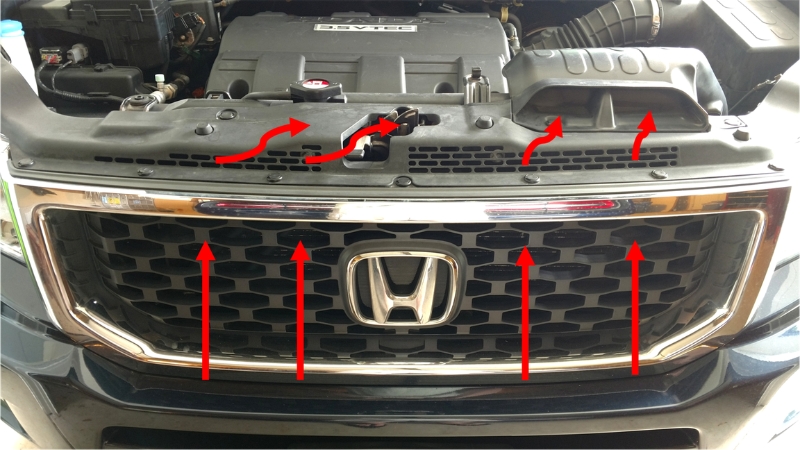
Swapping the restrictive factory airbox for a performance filter improves engine breathing and efficiency.
A cold air intake offers a straightforward path to improved engine respiration. The process involves cleaning the mass air flow sensor, then swapping the restrictive factory airbox for an aftermarket tube and performance filter. Combined with a high-flow exhaust, engine load drops 3–5%. Optimal fuel flow follows, with instant MPG readings climbing above 20 on the highway. Punch the throttle and the engine inhales deeply, pulling forward with an eagerness reminiscent of an old muscle car finally uncorked. This foundational modification ensures the engine sings rather than just works.
6. Superchips Performance Tuner
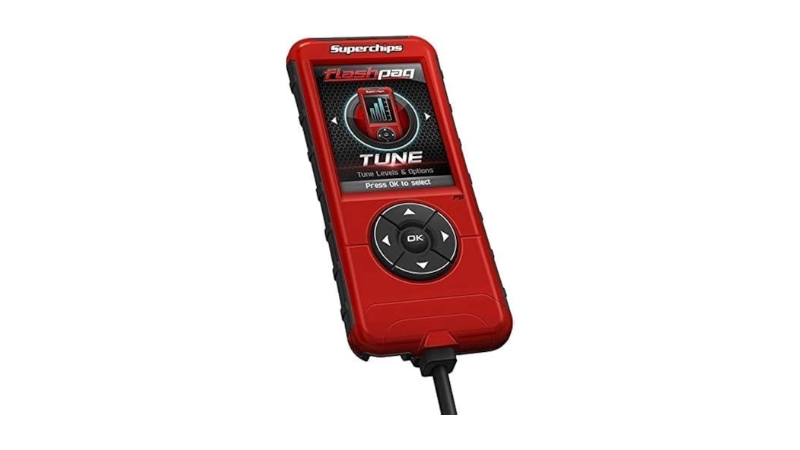
A $461 handheld tuner delivers real gains: 18.78 MPG and improved acceleration.
The Superchips Performance Tuner taps into the vehicle’s true potential through custom programming. It offers specific programs, including an 87-octane mileage tune capable of adding up to 15 horsepower or 40 lb-ft of torque, all viewable on its 2.8-inch color screen. Testing proved the gains: 18.78 MPG (nearly 2 MPG over factory) and a 0–60 mph time of 8.01 seconds on the test route. With a custom tune downloaded, engine response becomes immediately more precise. The Suburban, known more for cargo capacity than sprint speed, shed hundreds of pounds on the drag strip. This tuner allows customization of power delivery and fuel economy, proving to be pivotal for achieving balanced improvements.
7. Ferox Brand Fuel Tablets
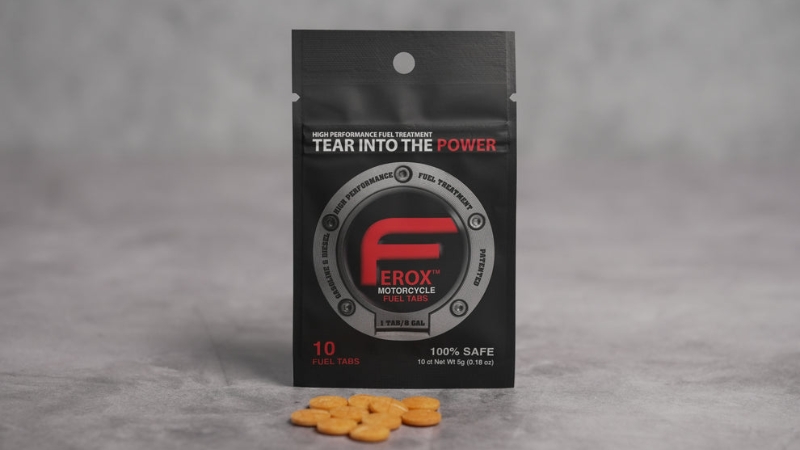
$35 fuel tablets made in the USA promise engine performance gains but deliver zero measurable improvement.
Generator testing revealed a baseline runtime of 22 minutes 48 seconds for straight gasoline. With a quarter Ferox Brand tablet added, runtime measured 22 minutes 16 seconds—an insignificant change. Post-test spark plug inspection confirmed no carbon buildup reduction. These tablets attempt to tackle complex engine chemistry with naive simplicity, like cleaning a deep-fried carburetor with a single squirt of window cleaner. Ditching mechanical reality for a magic pill remains a fool’s errand.
8. Turbonator
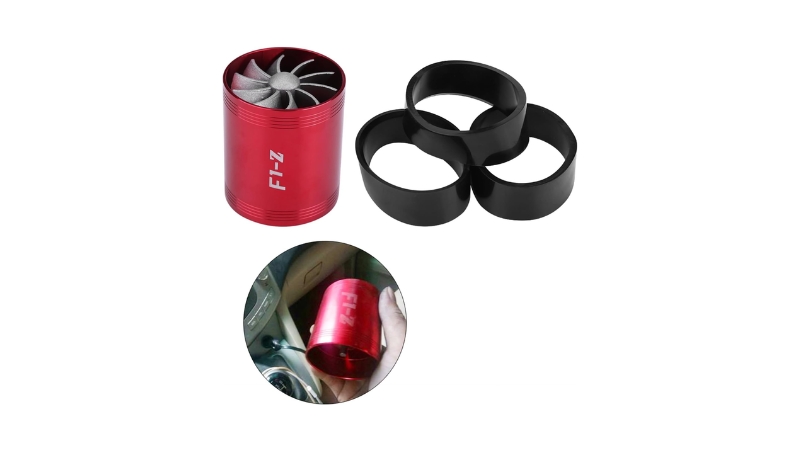
A $16 intake device with a “dual propeller mechanism” requires manual intervention just to spin.
The Turbonator promises increased horsepower and improved fuel economy through its dual propeller mechanism. Testing revealed the blunt truth: when installed in a generator, the internal propeller required manual intervention with an air duster just to spin. Even then, over a 22-minute adjusted runtime, no meaningful improvements in performance or fuel consumption registered. Physical presence alone does not guarantee functional benefit under the hood—this device looks more like a child’s pinwheel trying to power a jet engine.
9. Neo Socket Fuel Shark
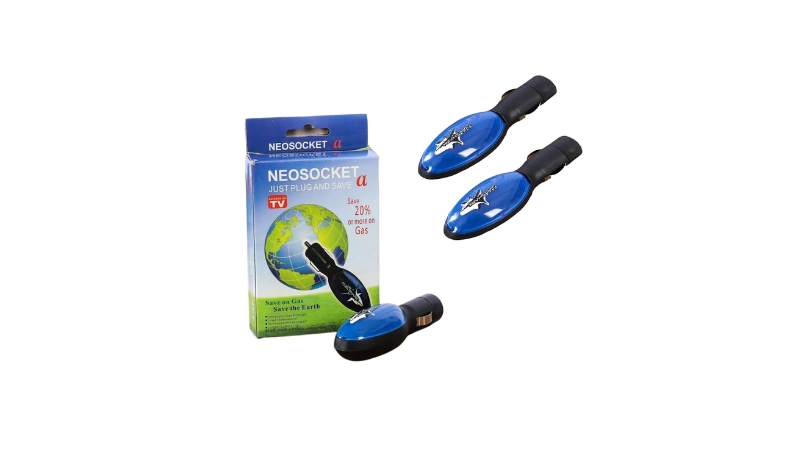
A $20 cigarette-lighter plug-in delivers negligible improvement: less than 1 MPG difference.
The Fuel Shark, sourced from China, claims cleaner emissions, more horsepower, longer battery life, and up to 30% gas savings—a mechanic’s workshop worth of gains from a single component. Real-world road tests contradict these claims. In a 2020 Chevrolet Suburban, the Fuel Shark yielded 23.36 MPG over a 77-mile test route, a negligible difference of less than 1 MPG compared to the Eco OBD2. Watching the fuel gauge on successive runs reveals identical movements, as if stuck in a low-fi loop. If such a device could genuinely reprogram the engine for efficiency and power, automakers would have integrated it years ago.
10. Optimized Driving Strategy
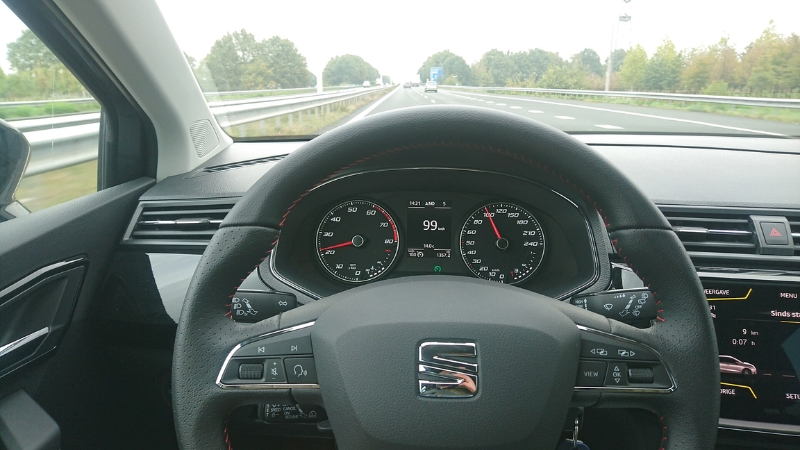
Increased tire pressure and reduced highway speed delivered the best result: 26.23 MPG and a 3 MPG gain.
Drivers searching for genuine fuel savings often discover the most impactful gains come from fundamental adjustments, not flashy aftermarket gadgets. Increased tire pressure to 50 PSI and a modest reduction in highway speed (dropping from 70 mph to 63 mph) delivered a noticeable 3 MPG increase on a 77-mile test route. This approach drastically cut engine workload, plummeting from 22% load to just 13.33%. The results were undeniable: a calculated 26.23 MPG, transforming a typical drive into a noticeably quieter, more economical cruise. Instant MPG readings climb like a high score in a classic arcade game. Forget the expensive add-ons; sometimes, the best performance upgrade is simply a smarter way to drive.