

The sub-$25,000 new car segment has improved significantly — not in marketing language, but in actual standard-equipment safety technology, fuel economy, and interior quality. Automatic emergency braking, lane-keeping assist, and adaptive cruise control are now baseline features on vehicles that cost less than a used midsize sedan did five years ago. The ten vehicles below cover the range from $17,190 to just under $25,000, with honest assessments of where each one delivers and where it does not.
10. Kia Soul – Box Office Hit (Exterior)
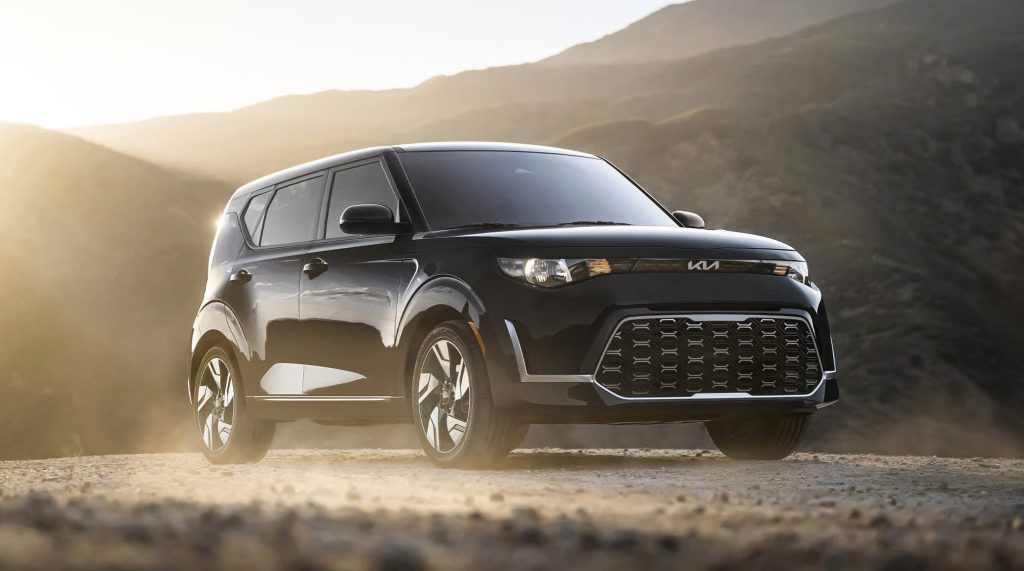
Starting around $20,490, the Soul’s boxy exterior is a functional decision — the upright roofline and squared-off body produce interior headroom and cargo volume that comparably priced subcompacts cannot match. The driving experience is more composed than the price suggests, with handling that does not feel like a penalty for spending less.
Kia Soul – Box Office Hit (Interior)
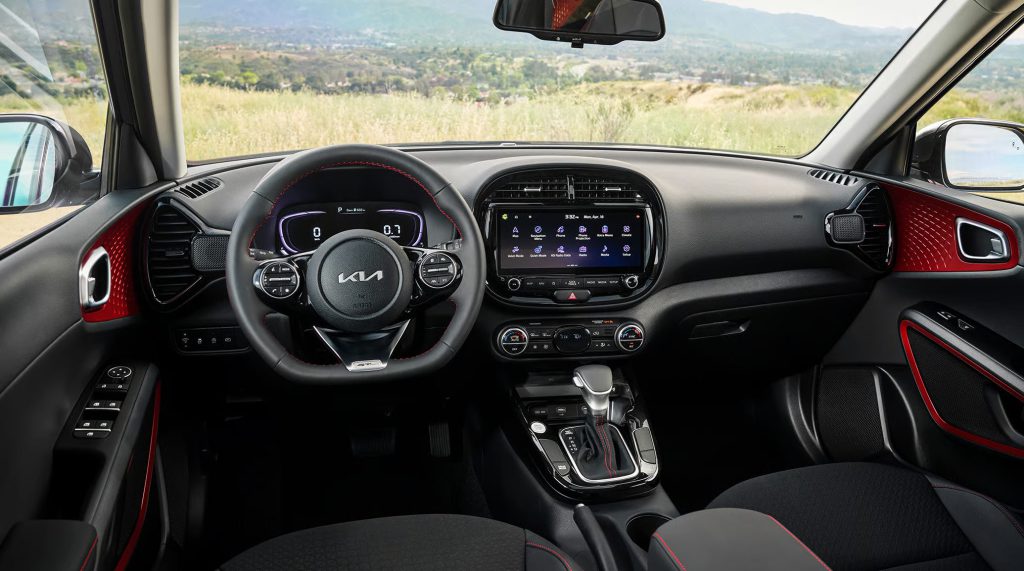
Front-wheel drive only is the practical limitation — buyers in snow regions will want winter tires. The cabin space relative to exterior footprint is the Soul’s specific competitive advantage at this price point, and it is a meaningful one for urban buyers who need to park in tight spaces without sacrificing usable interior room.
9. Toyota Corolla – The Straight-A Student (Exterior)
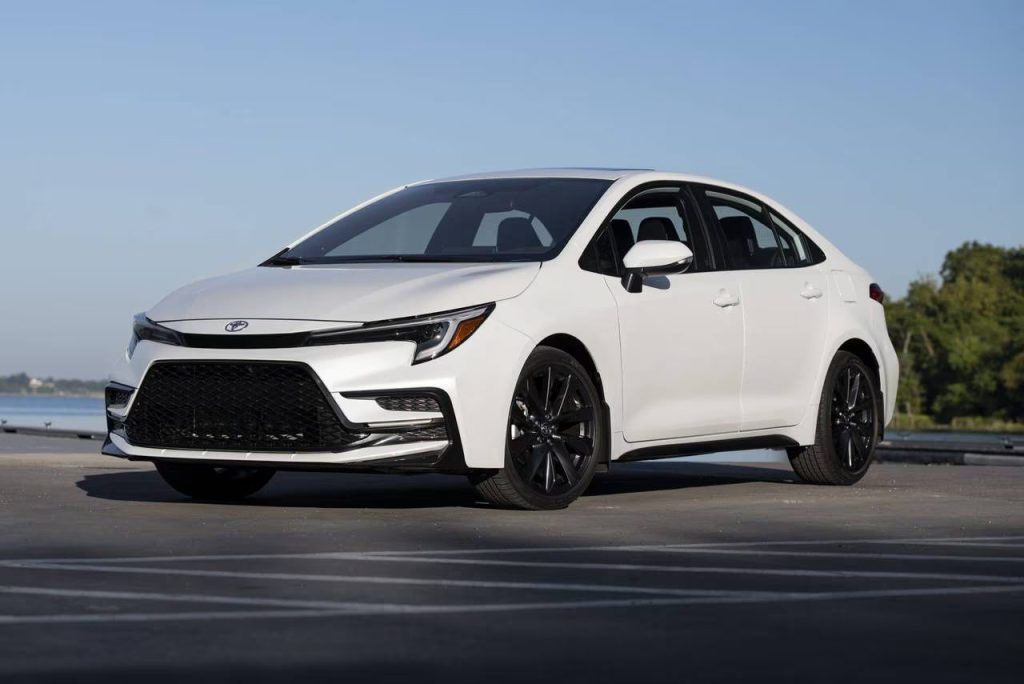
Starting at $23,460, the Corolla delivers 31/40 mpg fuel economy and a reliability record accumulated across decades of global ownership data. The exterior styling is conservative by current standards, which reflects Toyota’s consistent prioritization of broad appeal over trend-chasing — a decision that ages better than the alternative.
Toyota Corolla – The Straight-A Student (Interior)
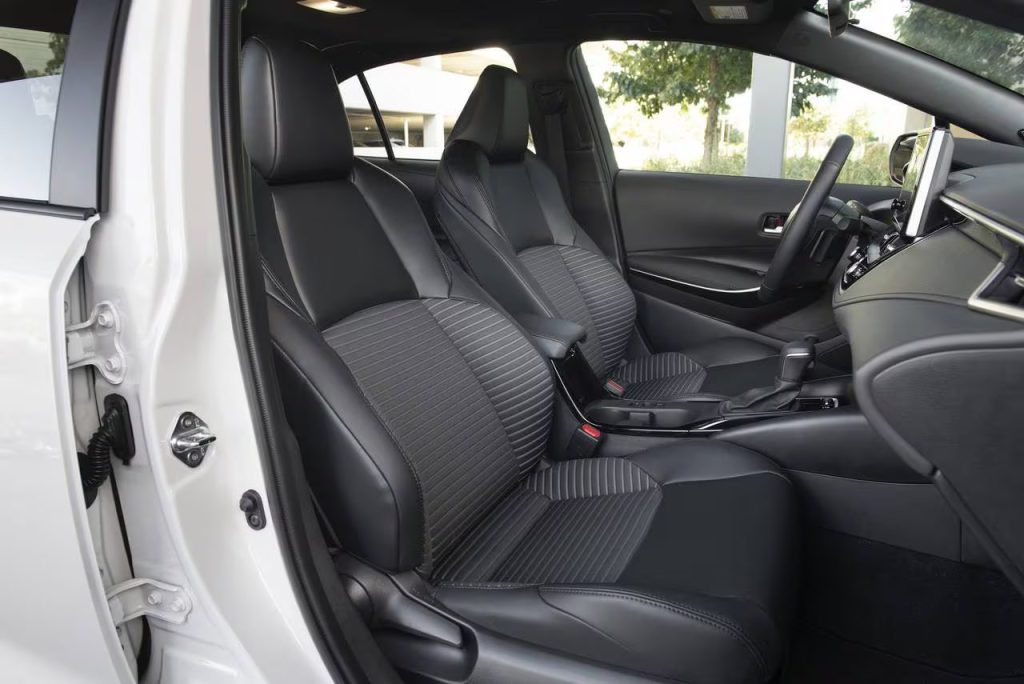
The non-GR Corolla does not offer an exciting driving experience and is not trying to. Comfortable front seats, predictable operation, and low long-term ownership costs are the actual value proposition — a straightforward trade that makes sense for buyers whose primary requirement is dependable daily transportation over many years.
8. Hyundai Venue – The Compromise Mobile (Exterior)
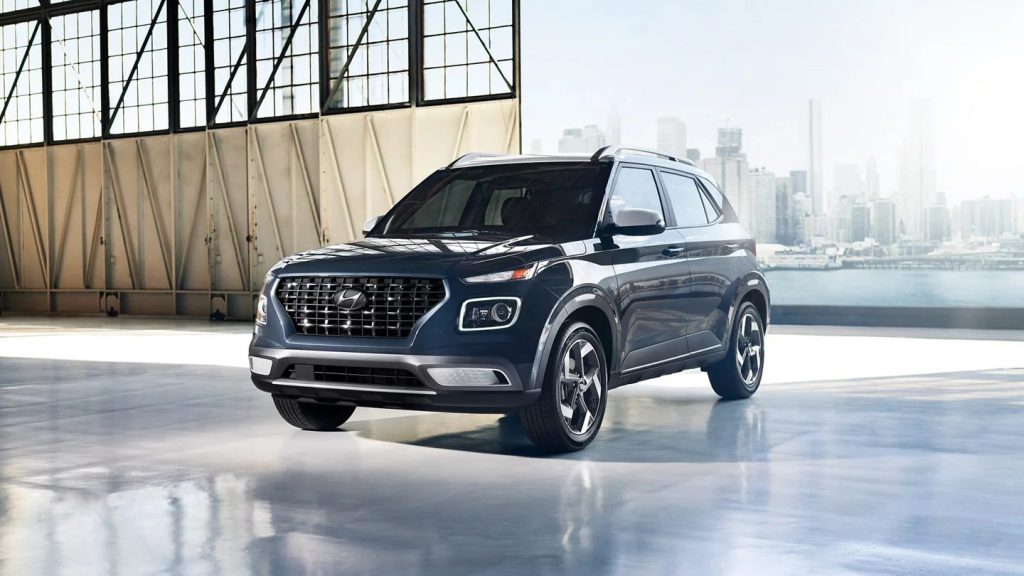
At $20,200, the Venue is Hyundai’s entry-level SUV, and the interior materials communicate that position clearly. The 1.6-liter engine is adequate for city speeds and noticeably less so for highway merging. The exterior SUV proportions are what buyers are paying for at this price point.
Hyundai Venue – The Compromise Mobile (Interior)
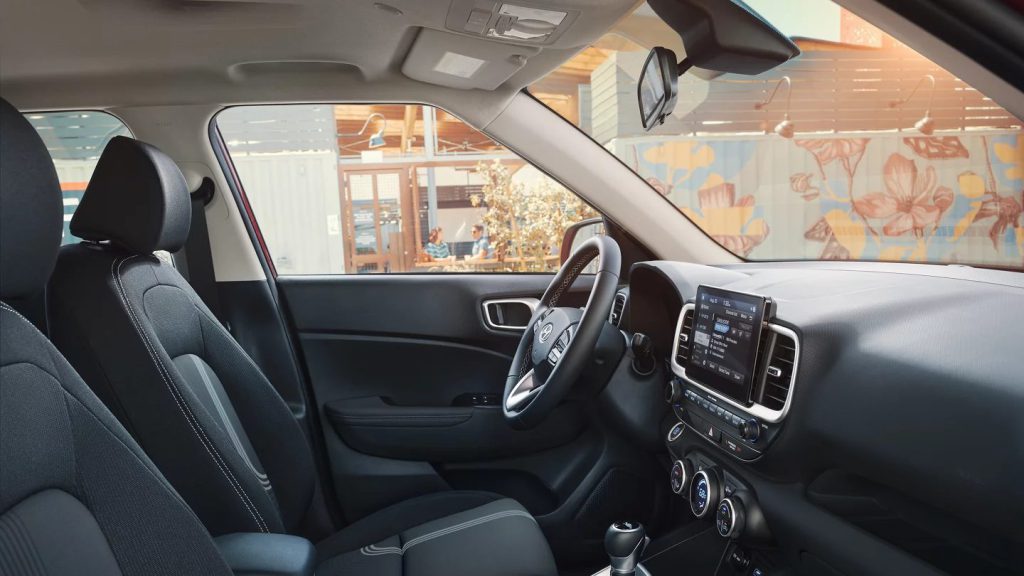
The compact footprint helps urban parking and hurts rear passenger space — those two outcomes are directly related. Better-value options exist at similar prices for buyers who are flexible on body style, but the Venue delivers SUV styling at a price that most alternatives in the segment cannot match.
7. Volkswagen Jetta – Highway Hero (Exterior)
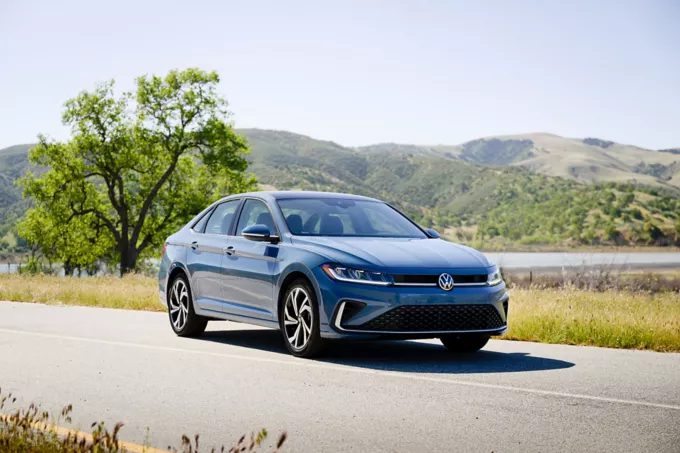
The refreshed Jetta reaches 40 mpg highway and offers rear seat space that accommodates tall passengers more comfortably than most compact sedans at this price. Updated interior materials improve the cabin quality over the previous generation. The driving dynamics are competent rather than engaging, which is an honest description of most compact sedans in this segment.
Volkswagen Jetta – Highway Hero (Interior)
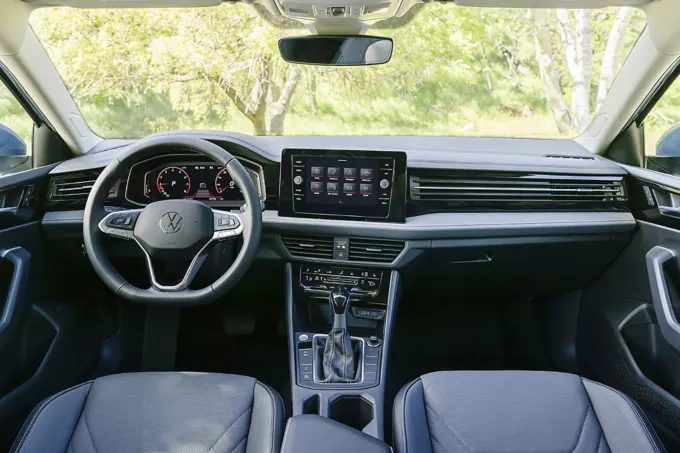
The Jetta’s value case is clearest for high-mileage commuters. The highway fuel economy figure matters more the more miles you drive, and the rear passenger space matters more the more often you carry adult passengers — two use cases where the Jetta outperforms its segment positioning.
6. Nissan Versa – Your Wallet’s Best Friend (Exterior)
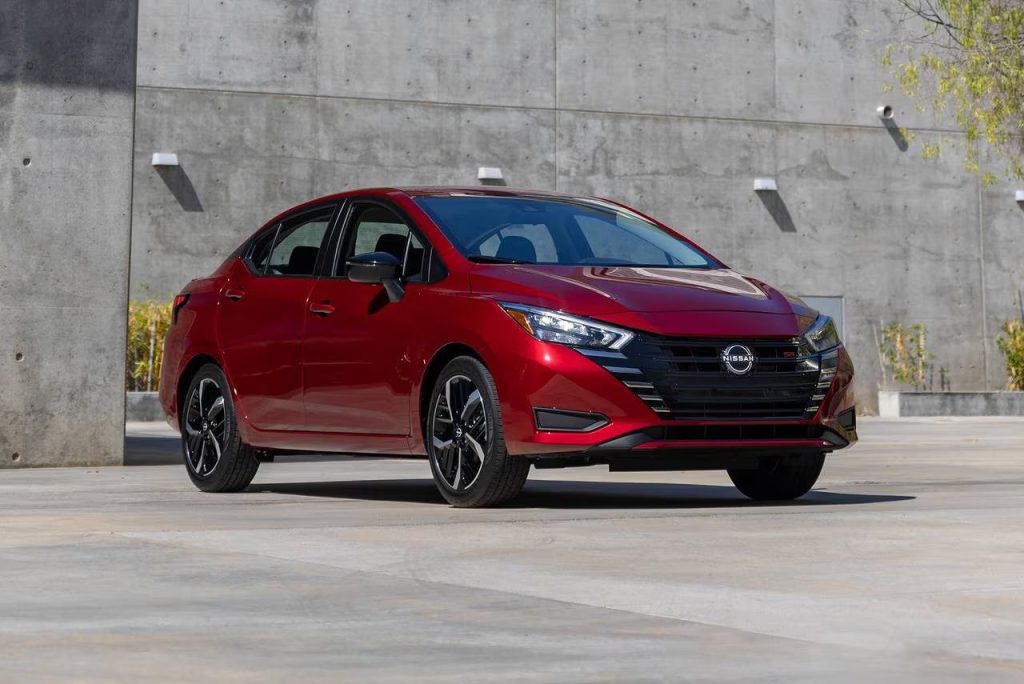
At $17,190, the Versa is the least expensive new car available in the American market. It still offers a 5-speed manual transmission — a specification that has largely disappeared from this segment — and a trunk that fits more cargo than the exterior dimensions suggest. The exterior is unremarkable, which is consistent with a vehicle whose competitive advantage is price rather than presence.
Nissan Versa – Your Wallet’s Best Friend (Interior)
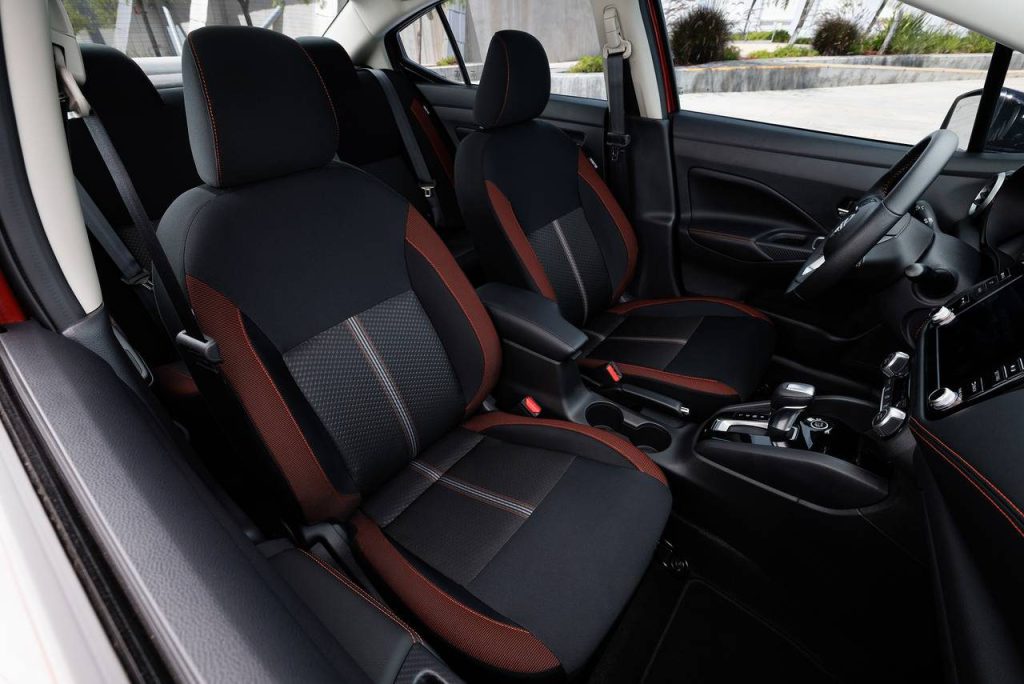
The Versa is loud at highway speeds and the interior materials reflect its price point directly. The 32/40 mpg fuel economy is the practical counterargument to those limitations — a buyer whose primary requirements are low purchase price and low fuel cost gets both without significant compromise on either metric.
5. Nissan Kicks – The Glow-Up Graduate (Exterior)
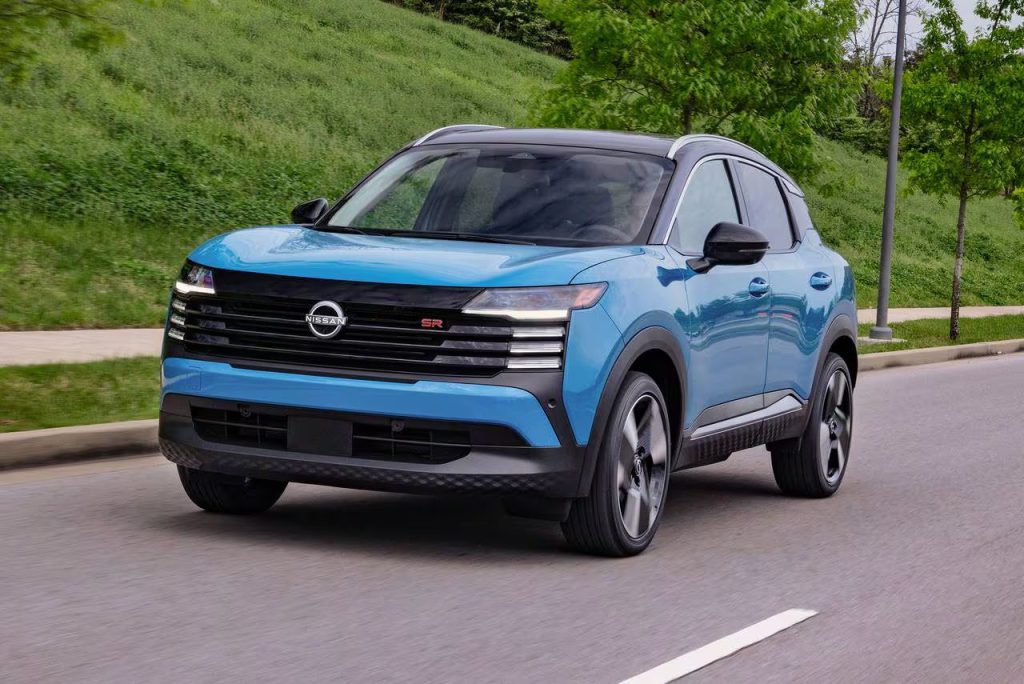
The redesigned Kicks is a meaningful improvement over its predecessor across most metrics. More cabin room, a more powerful engine, and standard safety features that the previous generation did not offer at base trim levels. The exterior design is now competitive rather than the afterthought it was in the first generation.
Nissan Kicks – The Glow-Up Graduate (Interior)
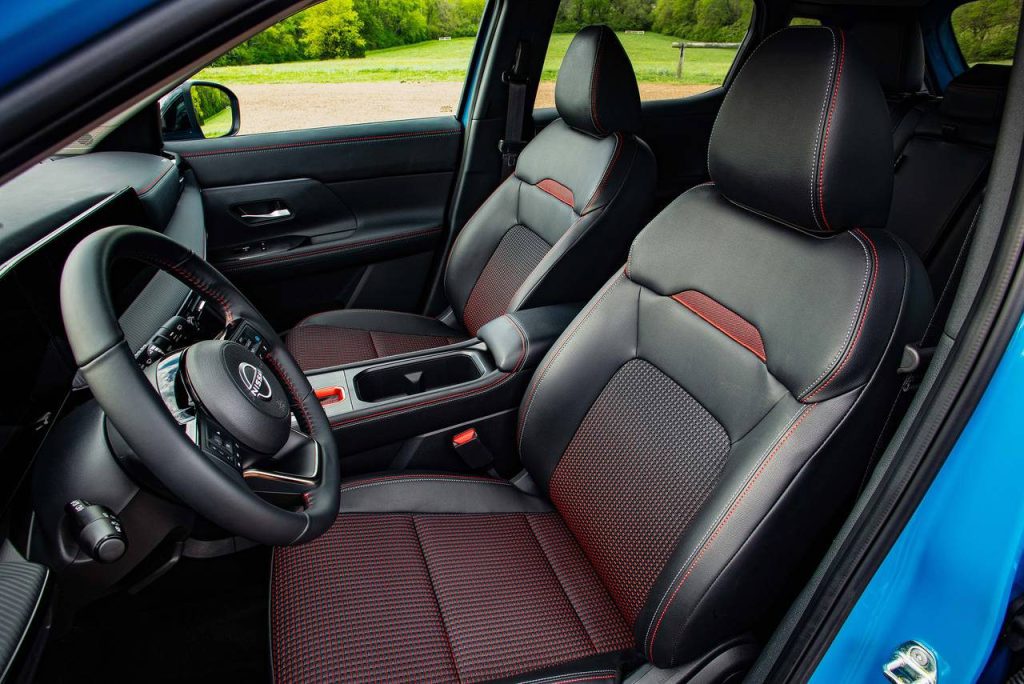
Available all-wheel drive is new for 2025 and addresses one of the previous generation’s primary limitations. The Kicks trades cargo efficiency and fuel economy against a hatchback at this price point in exchange for the elevated seating position and SUV proportions that a consistent portion of the market continues to prefer regardless of the practical trade-offs involved.
4. Hyundai Elantra – The Safety Scholar (Exterior)
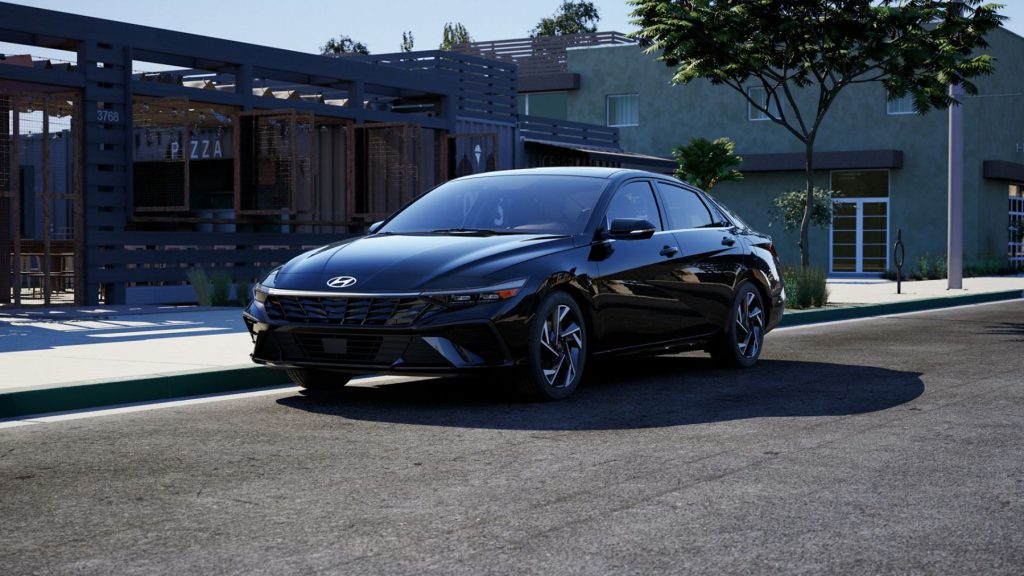
The Elantra earned IIHS Top Safety Pick+ recognition at a starting price of $22,125 — a combination that makes the safety argument straightforward for budget-conscious buyers. The exterior styling is more aggressive than the segment average, with 32/41 mpg fuel economy that outperforms most compact sedan competitors at this price point.
Hyundai Elantra – The Safety Scholar (Interior)
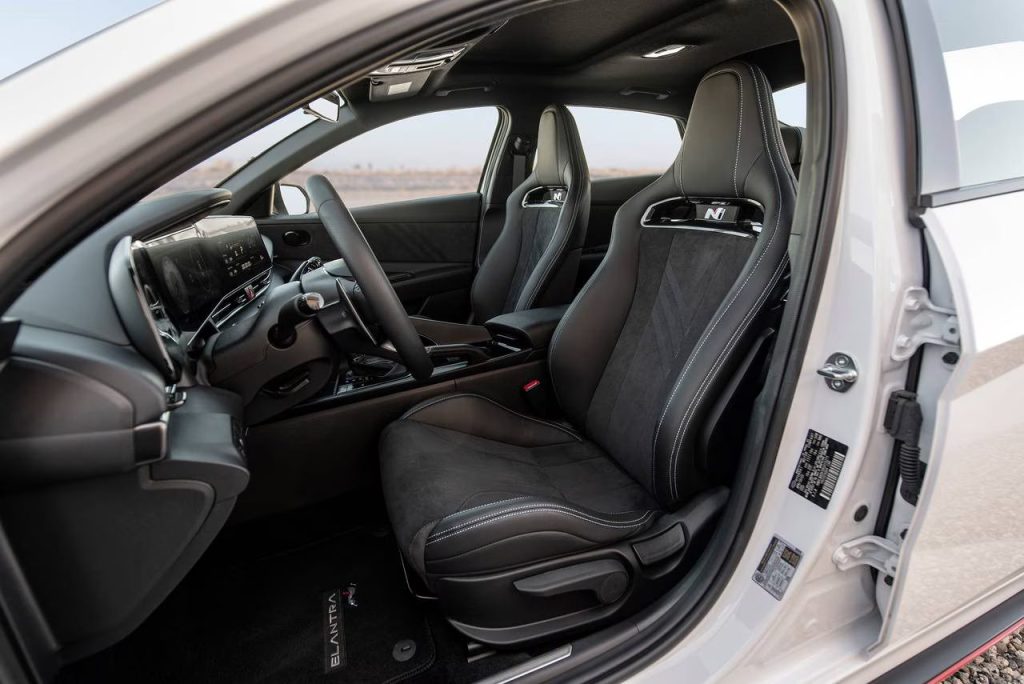
Interior space is competitive for the vehicle’s footprint. The Elantra shares mechanical underpinnings with the Kia K4, which means the platform is well-validated across two model lines. For buyers who prioritize crash test performance as a primary purchasing criterion, the Elantra delivers that at a price that does not require compromising on other baseline requirements.
3. Chevrolet Trax – The Comeback Kid (Exterior)
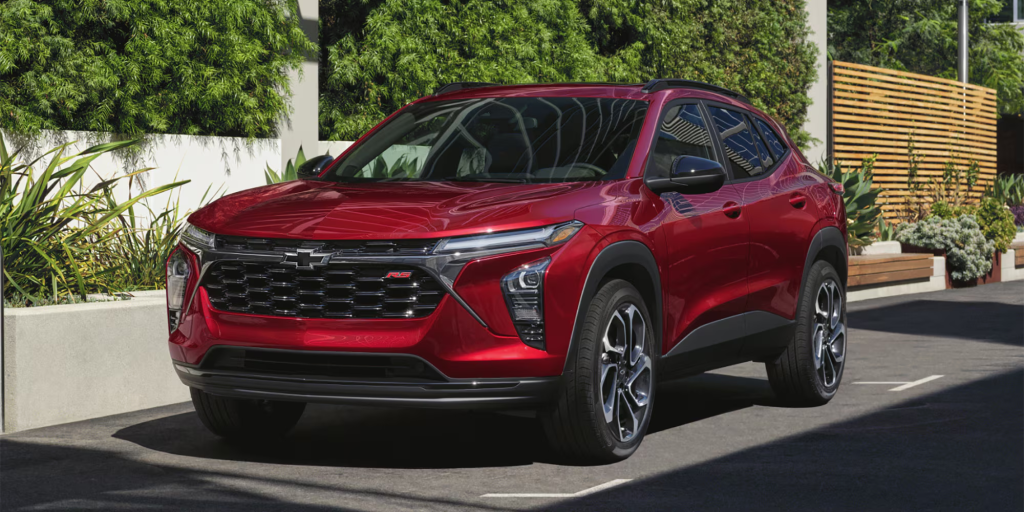
The current Trax generation is a genuine redesign rather than a refresh — the previous model’s proportions and interior quality were both replaced rather than updated. Starting at $21,495, the exterior now reads as an intentional design rather than a budget constraint, which is a meaningful improvement for a vehicle competing in a segment where visual appeal drives a significant share of purchase decisions.
Chevrolet Trax – The Comeback Kid (Interior)
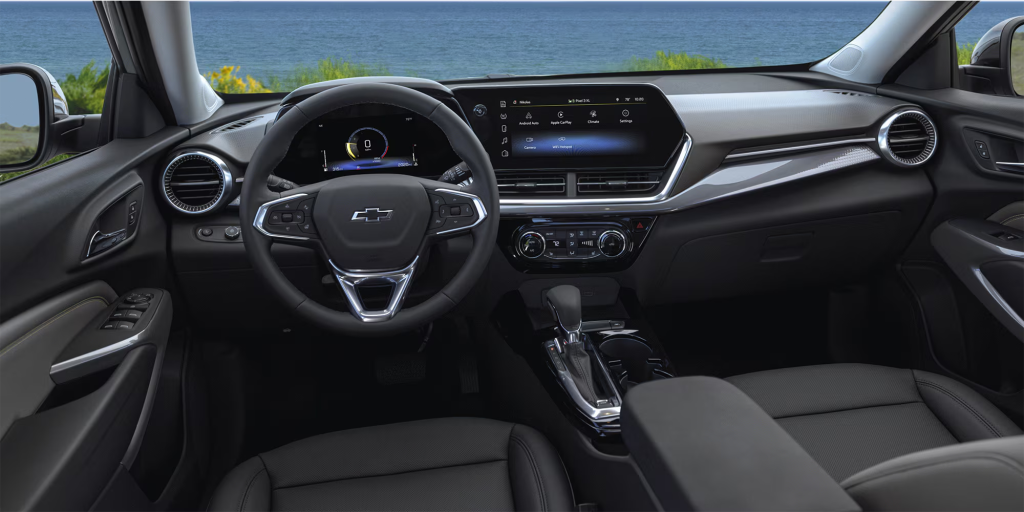
Standard wireless Apple CarPlay and Android Auto come on the base trim — a specification that requires paying more to match on several competitors. The 1.2-liter turbocharged engine handles daily driving without drama. The Trax’s value case is straightforward: more standard technology and better design than the segment average at a competitive price.
2. Kia K4 – Style Over Substance (Exterior)
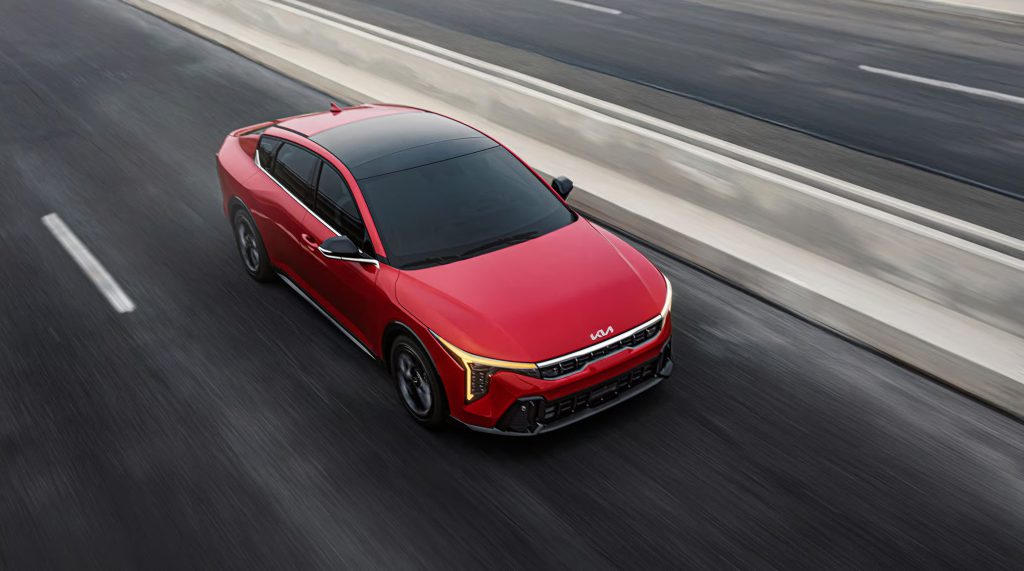
The K4 replaces the Forte with exterior styling that reads as a more expensive vehicle than its price tag suggests — a specific achievement in a segment where most budget sedans communicate their budget clearly from the outside. The proven powertrain carries over from the Forte with a reliability record already established across that model’s production run. Interior space exceeds what the price tier typically delivers.
Kia K4 – Style Over Substance (Interior)
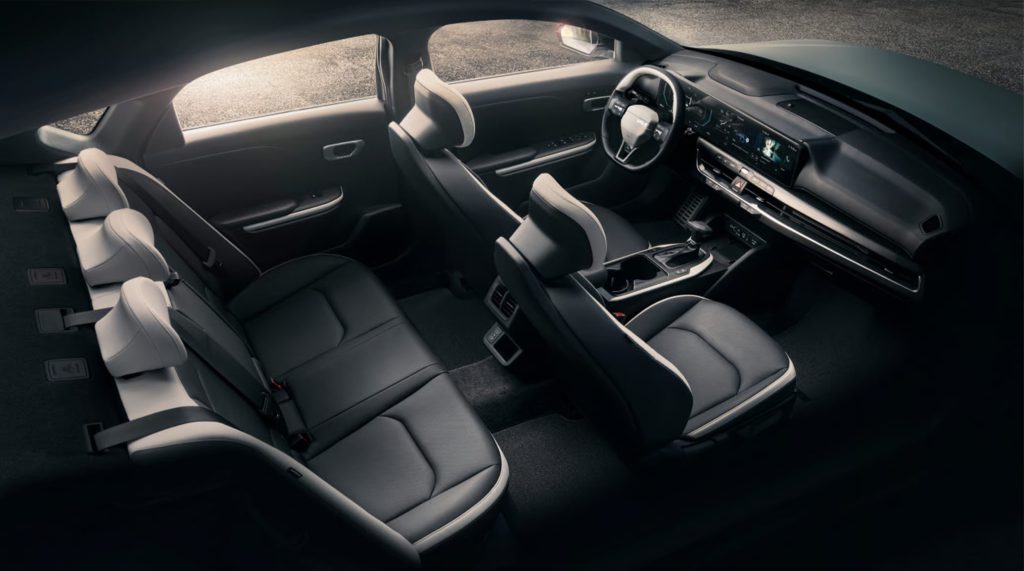
Performance does not match the exterior’s visual promise — the K4 is a comfortable and capable daily driver, not a spirited one. The interior offers more room than a Corolla without requiring Civic-level pricing. A rumored hatchback variant could strengthen the K4’s case for buyers who need cargo flexibility alongside the styling advantage the sedan already delivers.
1. Nissan Sentra – Almost There Champion (Exterior)
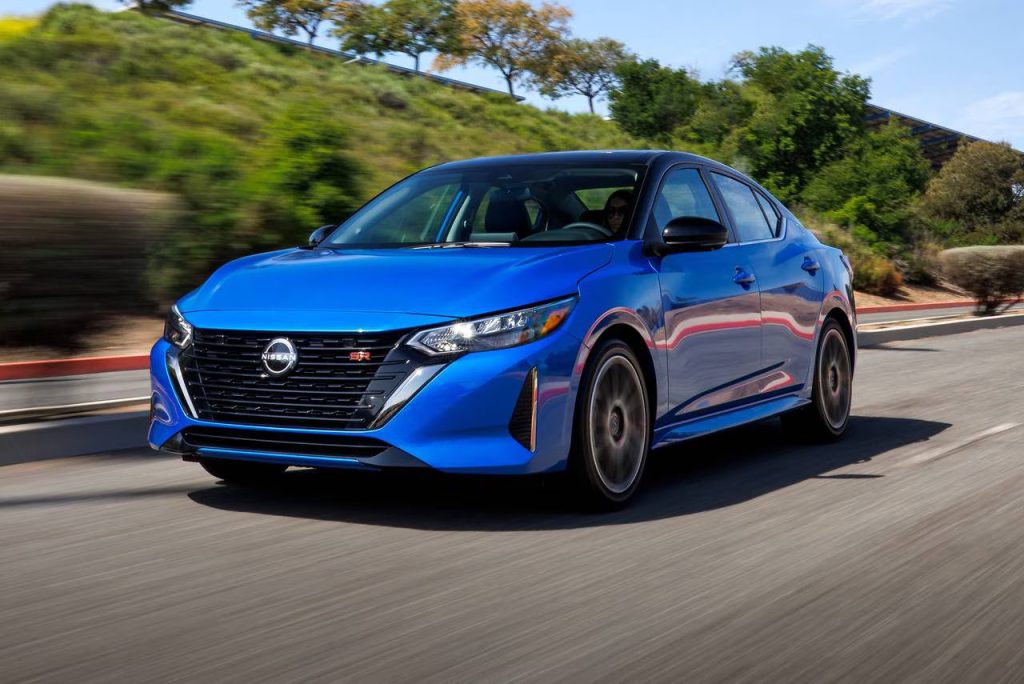
The Sentra is the least expensive compact sedan in the segment at $21,590, with 40 mpg fuel economy and exterior styling that photographs well for the price. Nissan has improved the safety specifications meaningfully in recent years, earning Consumer Reports recognition for the effort.
Nissan Sentra – Almost There Champion (Interior)
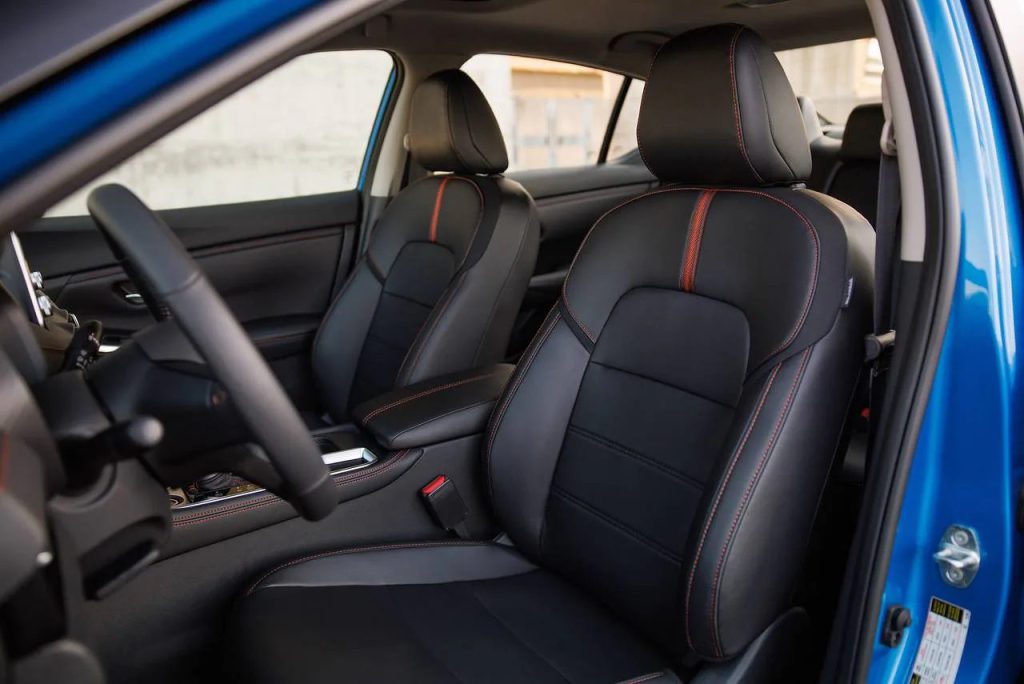
Steering feedback is limited — the handling feels disconnected from driver input in a way that becomes noticeable in anything other than straight-line highway driving. Rear seat space is tight for adult passengers on longer trips. The Sentra delivers reliable transportation and strong fuel economy at the segment’s lowest price, which is a complete value proposition for buyers whose requirements stop there.