

Clint Eastwood’s car collection is not a status display. It is a set of personal acquisitions built over six decades, each one connected to a specific moment or relationship — a car Carroll Shelby handed him personally, a Ferrari he drove straight from the factory to a film set, a Bullitt Mustang he tracked down after it disappeared for 44 years. He once turned down millions for his Cobra. That refusal tells you more about this collection than any appraisal could.
These are the 10 most significant cars in it.
9. 1968 Ford Mustang GT 390 ‘Bullitt’ (Exterior)
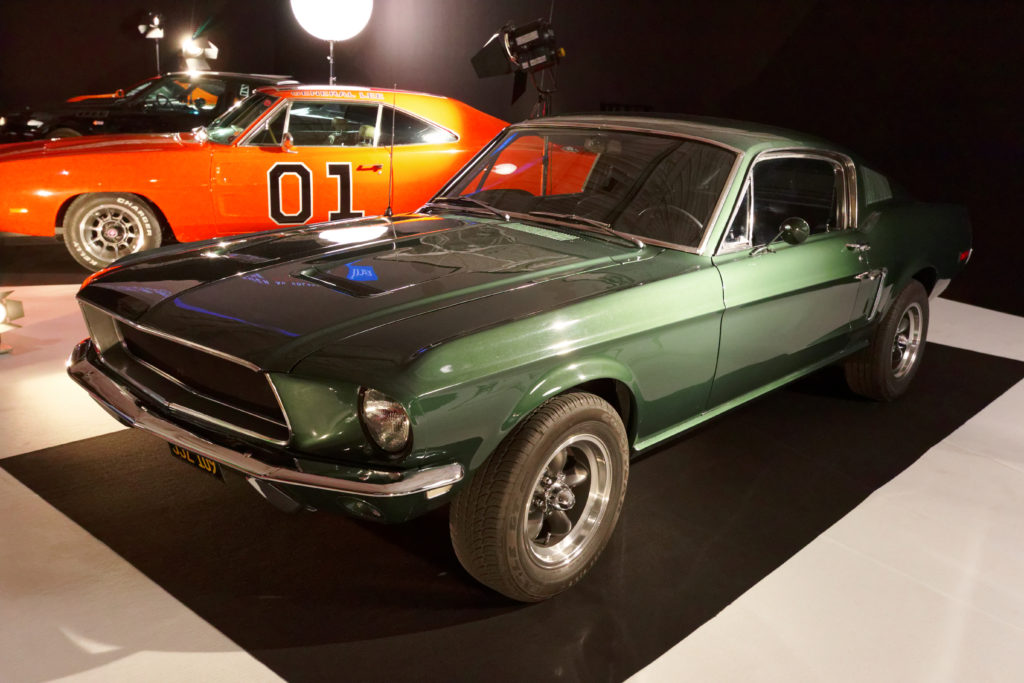
The Highland Green 1968 Mustang GT 390 is one of the rarest cars ever documented — the actual Bullitt Mustang Steve McQueen drove through San Francisco, no stripes, no badges, nothing added or removed from how it looked on screen. The understated exterior is the point. This car carried its identity entirely through what it did rather than what it announced, and it looks exactly the same today. Eastwood tracked it down in 2018 after it had sat in a Kentucky barn since 1974.
1968 Ford Mustang GT 390 ‘Bullitt’ (Interior)
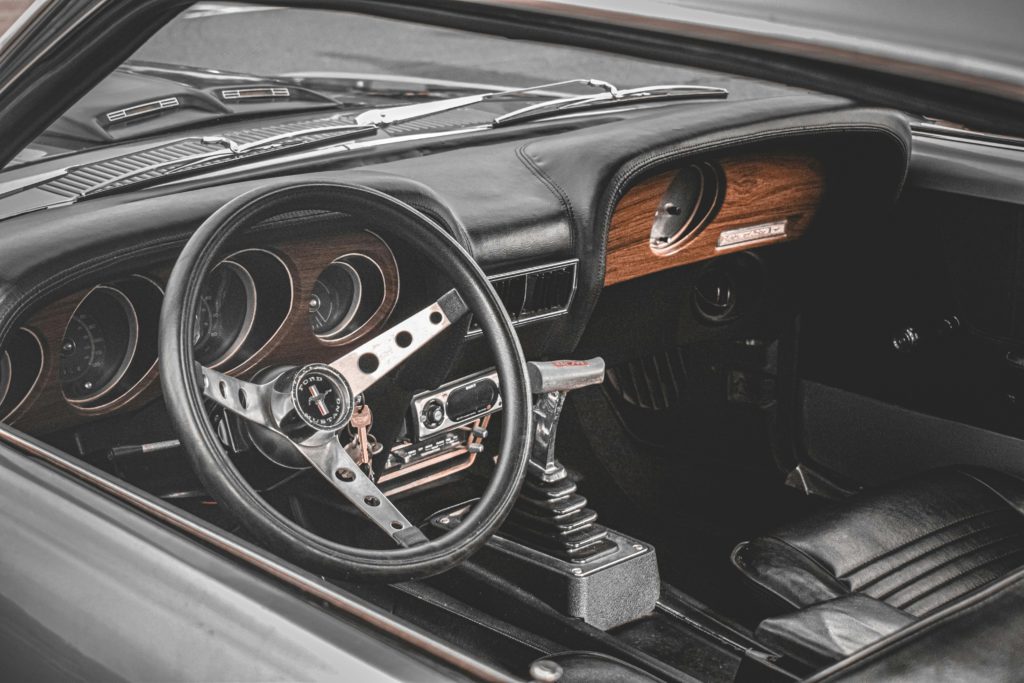
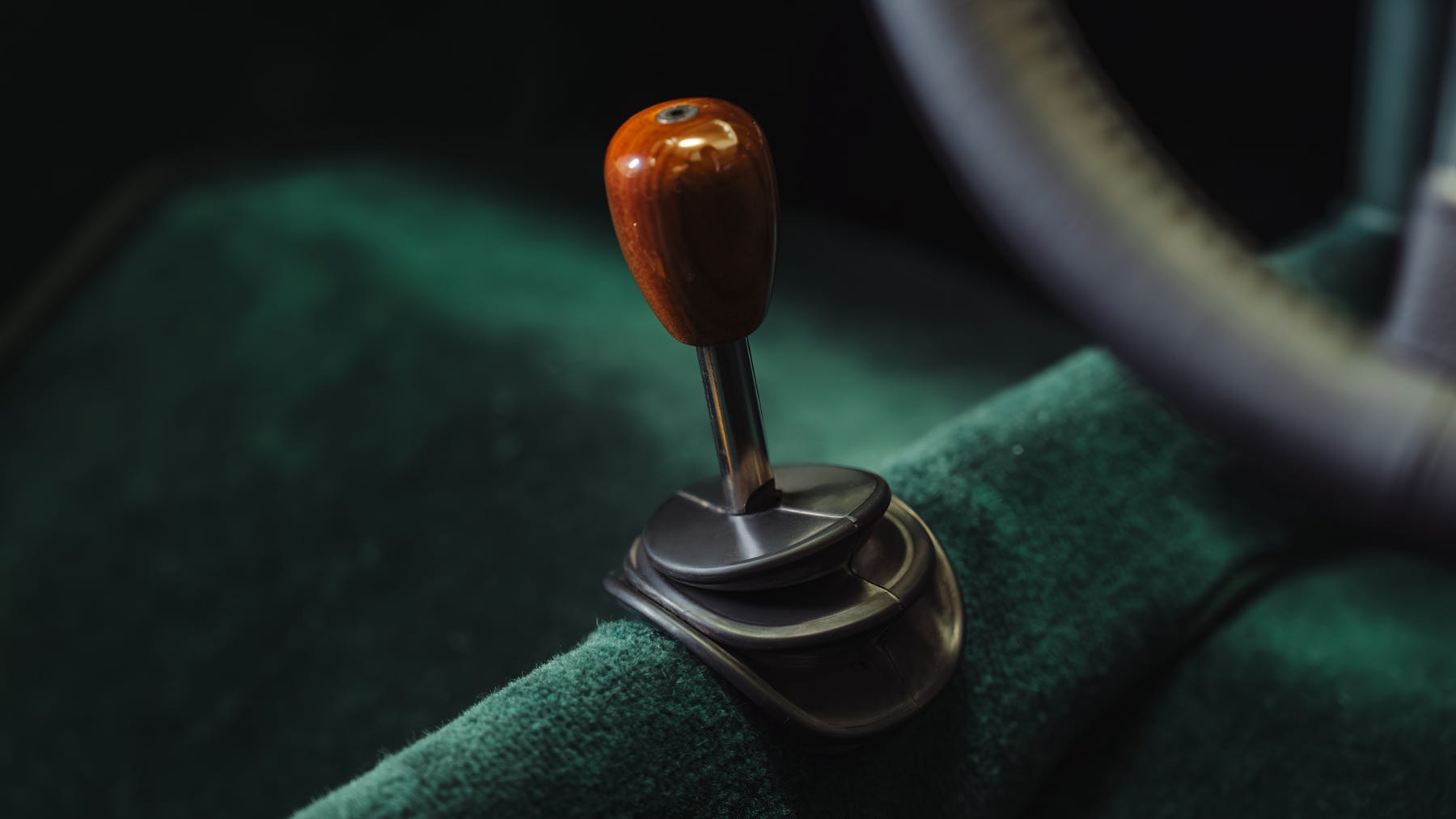
The three-spoke steering wheel and the shifter are exactly as McQueen left them — no restoration, no replacement parts, every gauge and control original to 1968. The car sat untouched in that Kentucky barn from 1974 until Eastwood found it, which means the interior carries 44 years of dormancy on top of its film history. For a car this documented, originality is the entire argument, and this one makes it without qualification.
8. 1971 Ferrari 365 GTB/4 Daytona Competizione (Exterior)
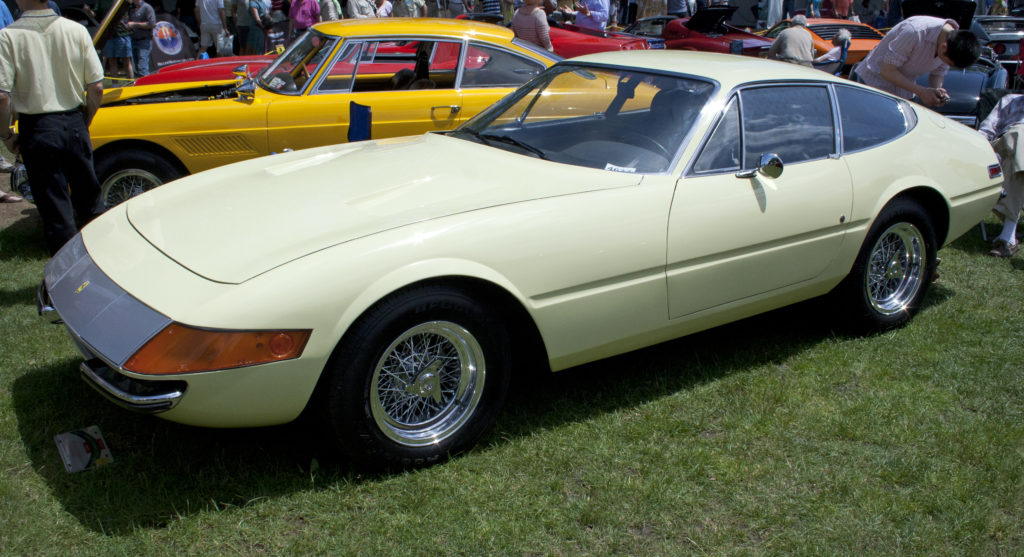
One of just three factory-built lightweight Daytona Competizione examples ever produced, this car left the factory with hand-formed aluminum panels and plexiglass windows to reduce weight for competition use. The covered headlights, purposeful nose, and simple twin taillights are the exterior of a car built to race rather than to impress at shows. Every body element has a performance reason behind it. Eastwood found this one in Italy, stored in a chicken coop since 1975, with Enzo Ferrari’s handwritten notes still in the engine bay.
1971 Ferrari 365 GTB/4 Daytona Competizione (Interior)
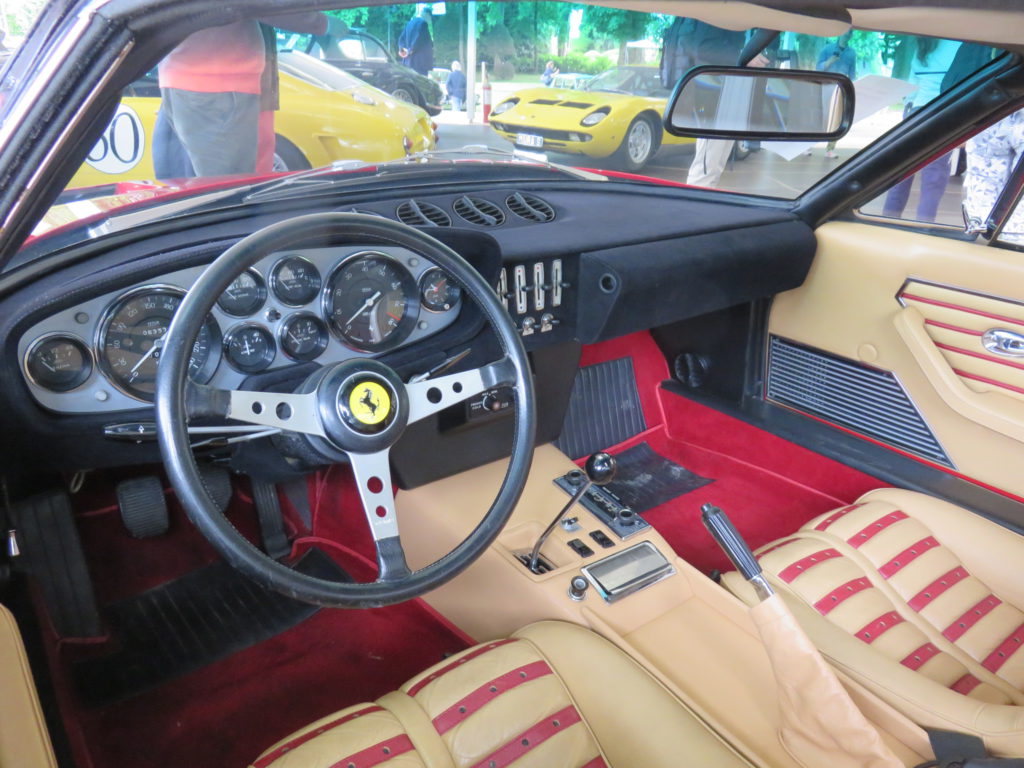
Racing seats, exposed metal surfaces, no sound insulation, an oversized Momo steering wheel, and a tall shifter dominate a cockpit stripped of everything that did not serve the competition program this car was built for. The race-tuned V12 provides the only soundtrack that matters here. Enzo’s handwritten notes surviving in the engine bay for decades inside a chicken coop is the kind of provenance that no restoration can manufacture — it either happened or it did not, and in this case it did.
7. 1967 Ford GT40 MKIII (Exterior)
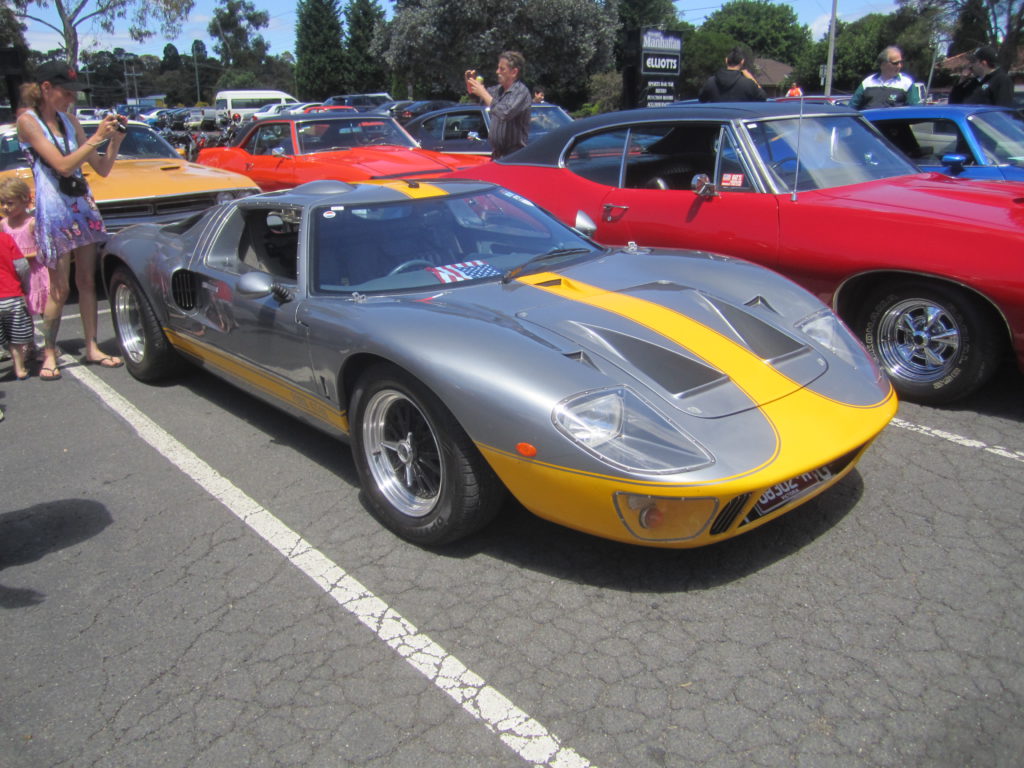
One of just seven GT40 MKIII street cars ever built, this example sits 40 inches off the ground — the measurement the name refers to — with round headlights, functional air intakes, metallic blue paint, and an experimental aluminum body that makes it distinct even within the seven-car production run. This is the road-legal version of the car that won Le Mans four consecutive years, modified for street use but carrying the same fundamental architecture. Eastwood recovered it from a Ford engineer who had kept it hidden for 30 years.
1967 Ford GT40 MKIII (Interior)
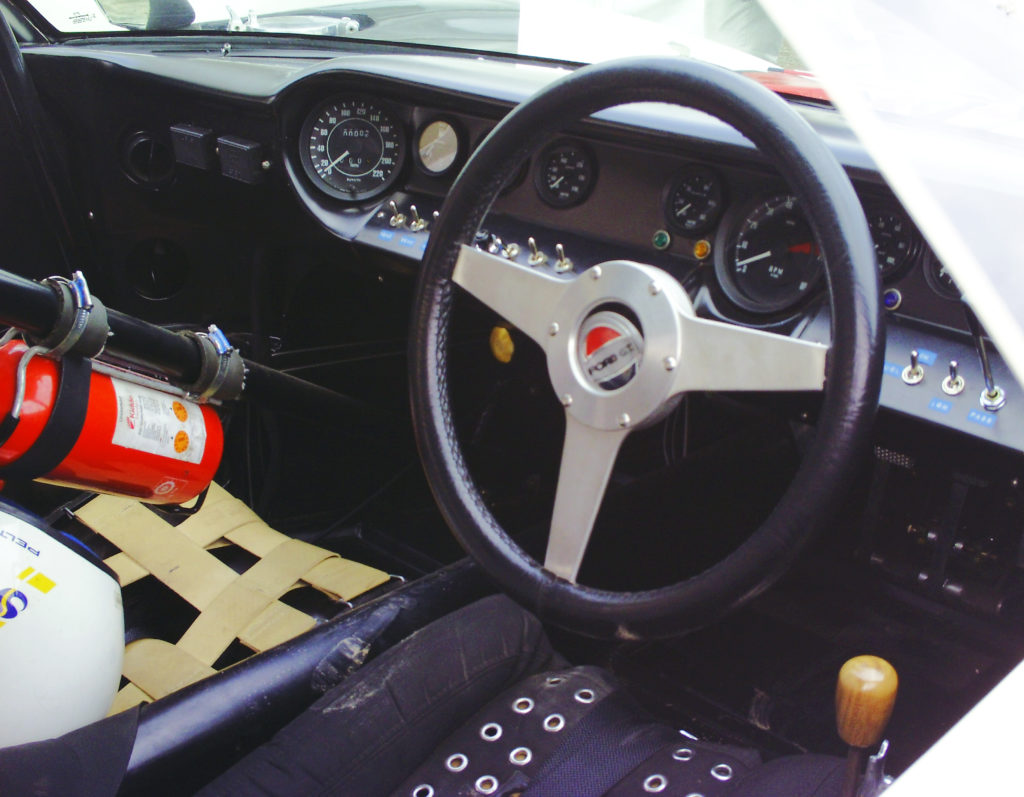
The driver sits offset to clear the transmission tunnel, toggle switches line the center console in rows, and leather bucket seats provide just enough padding for the road without compromising the racing-derived ergonomics. The whole car weighs 2,200 lb. At that weight with Le Mans DNA in the chassis, the offset seating position and toggle-switch interface are not quirks — they are exactly how a car this serious is supposed to feel from the inside.
6. 1957 Mercedes-Benz 300 SL Roadster (Exterior)
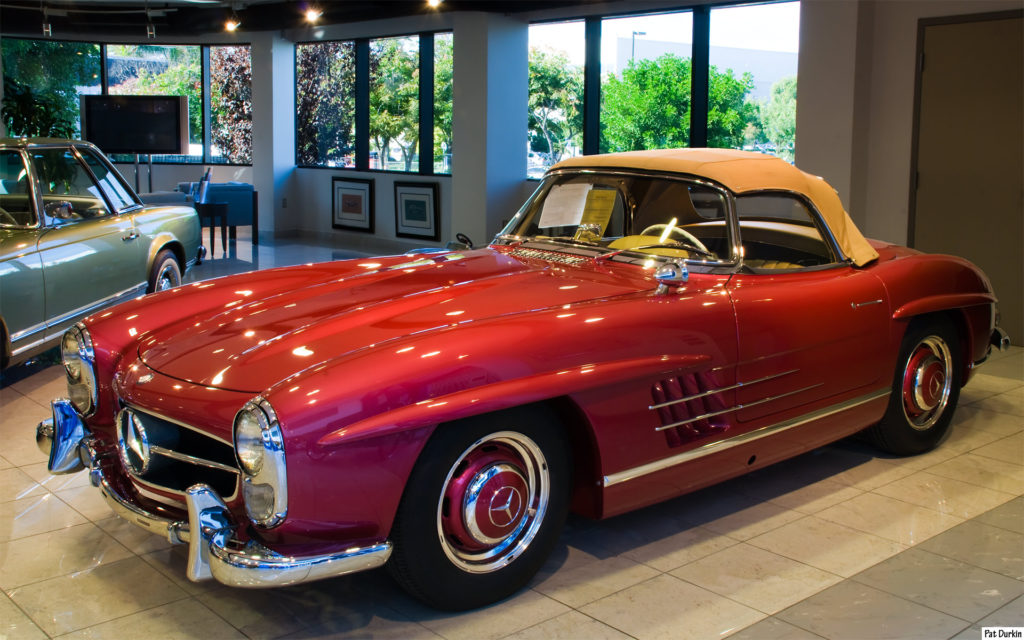
One of just 29 aluminum-bodied 300 SL Roadsters ever made, this example was originally ordered by Clark Gable and finished in silver that catches light differently than the standard steel-bodied cars. The side gills are functional — releasing engine heat during hard driving rather than serving as decoration. This car has appreciated approximately 8% annually for decades, a rate that reflects both the aluminum body’s rarity within an already scarce model and the documented provenance from Gable’s ownership. Eastwood found it in a Beverly Hills garage in 1977 in remarkably original condition.
1957 Mercedes-Benz 300 SL Roadster (Interior)
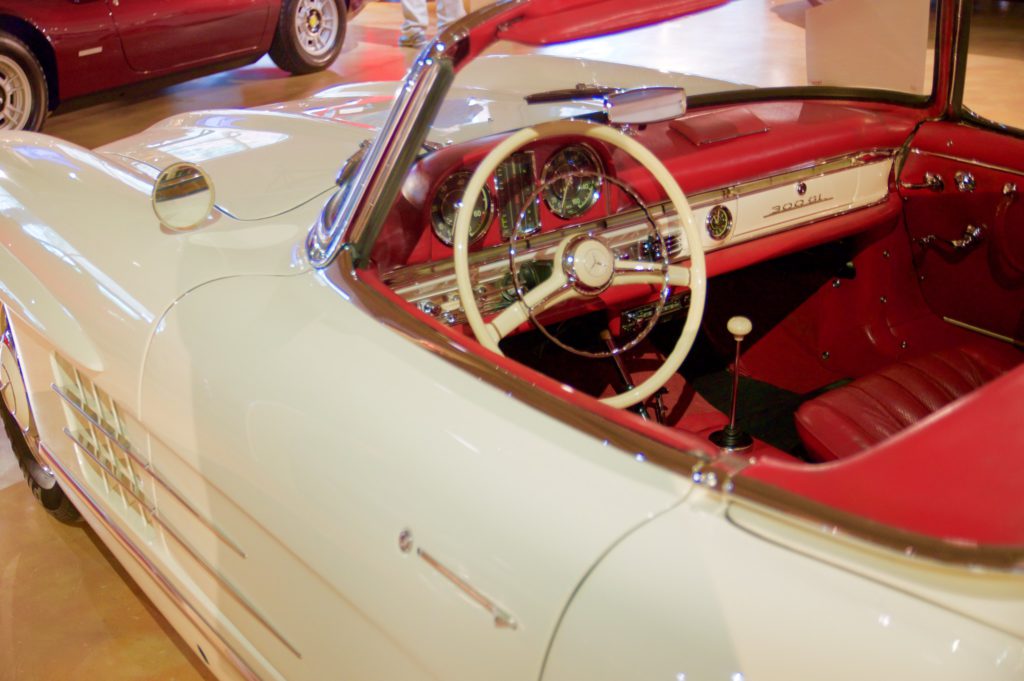
Hand-stitched red leather against a silver exterior, a large steering wheel, and clear gauges that reflect the engineering-first priorities Mercedes brought to everything it built in this period define an interior that is luxurious without being soft. The car had appeared at the Paris Auto Show before coming to America. Original condition in 1977 after a Paris debut and Clark Gable ownership is not a common combination — Eastwood understood what he was looking at when he found it.
5. 1970 Ford Mustang Boss 429 (Exterior)
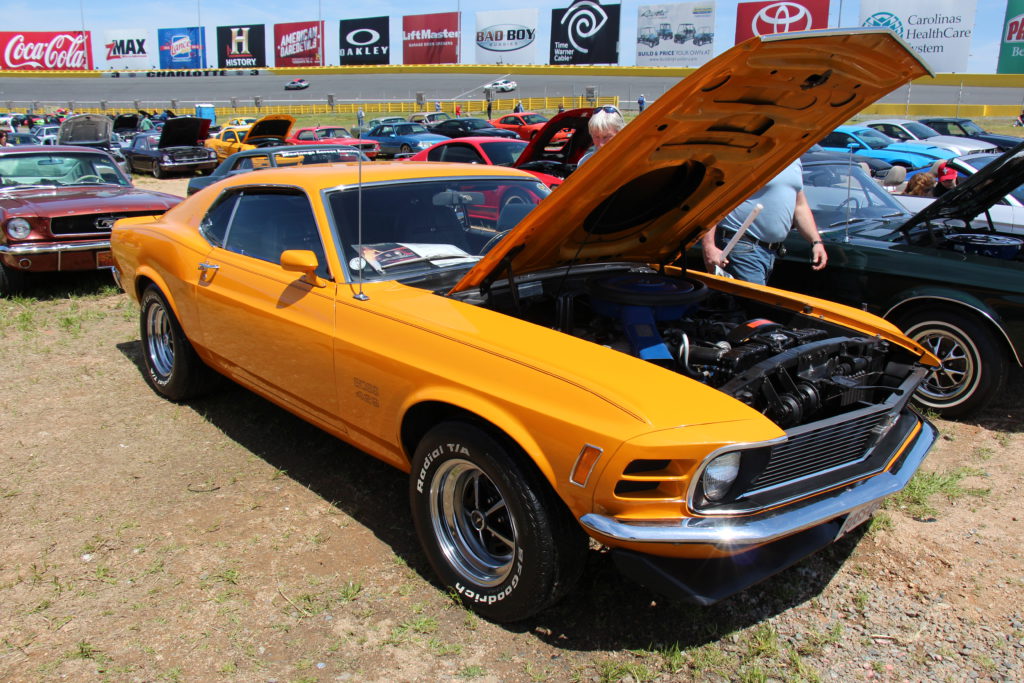
One of the first 10 Boss 429s ever built, this example carries early production details that later cars did not receive, finished in Grabber Blue paint mixed specifically for this car rather than pulled from a standard color chart. The hood bulge is functional, the fenders are flared to clear the competition-spec suspension, and the clean sides with minimal chrome keep visual attention on the shape rather than the trim. Early production numbers in a limited run within a limited model carry a different kind of rarity than standard Boss 429 production — this is both.
1970 Ford Mustang Boss 429 (Interior)
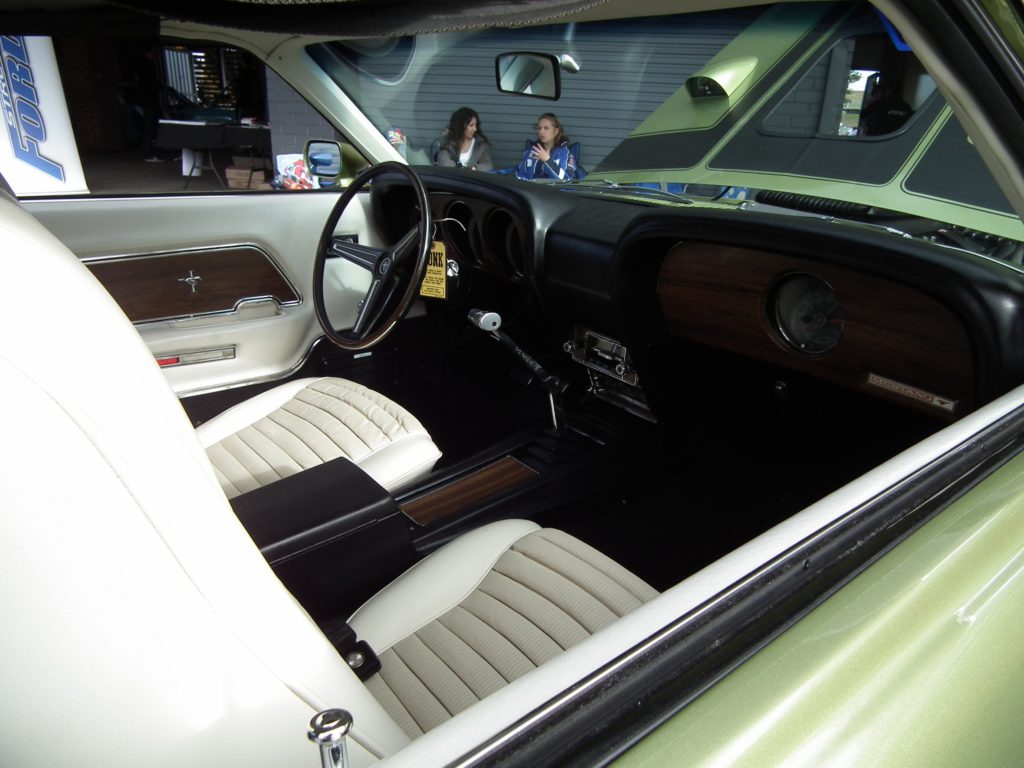
Black vinyl high-back bucket seats, a wood-rimmed steering wheel, and a straightforward gauge layout define an interior focused entirely on driving performance rather than passenger comfort. The 429 cubic inch NASCAR-derived V8 was officially rated at 375 horsepower; dyno testing confirmed 465 actual horsepower, a number Ford kept quiet to avoid insurance complications. Ford also relocated the battery to the trunk to fit the engine. The understated interior is doing a significant amount of work containing something that was never really meant for street use.
4. 1963 Shelby Cobra 289 Factory Competition (Exterior)
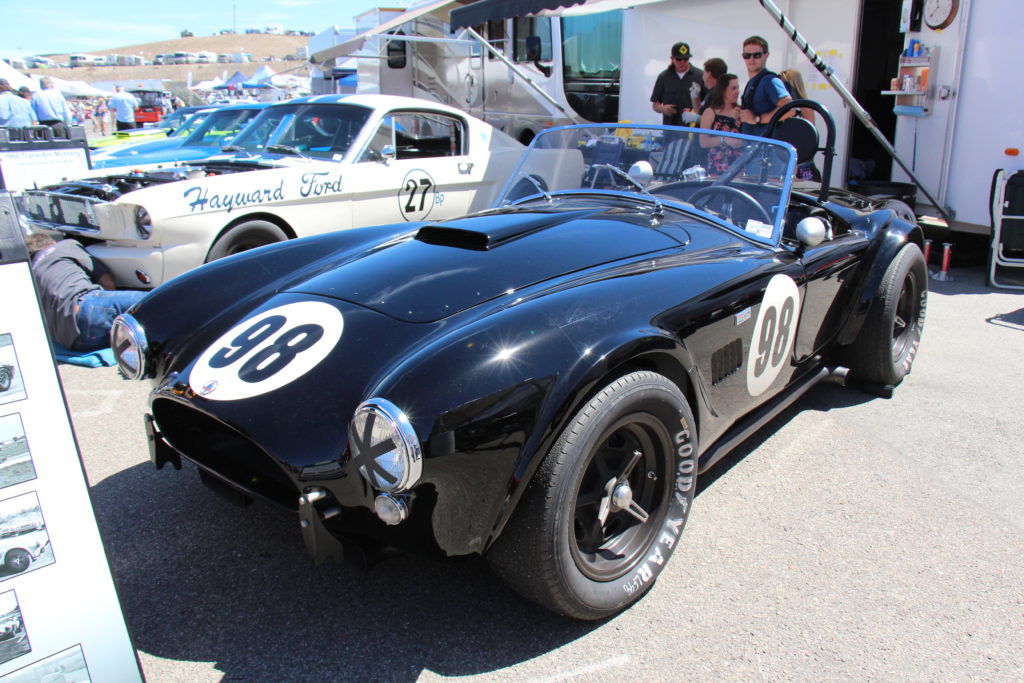
One of only six Factory Competition 289 Cobras ever built, this car wears Guardsman Blue over hand-formed aluminum panels shaped specifically for racing, with side pipes exiting just below the doors. Carroll Shelby personally presented it to Eastwood in 1965 with full documentation of its competition history from the factory. Its value has appreciated more than 3,000% since Eastwood acquired it. When Eastwood refused millions for this car, this is the one — six examples built, direct Carroll Shelby provenance, and 60 years of single ownership.
1963 Shelby Cobra 289 Factory Competition (Interior)
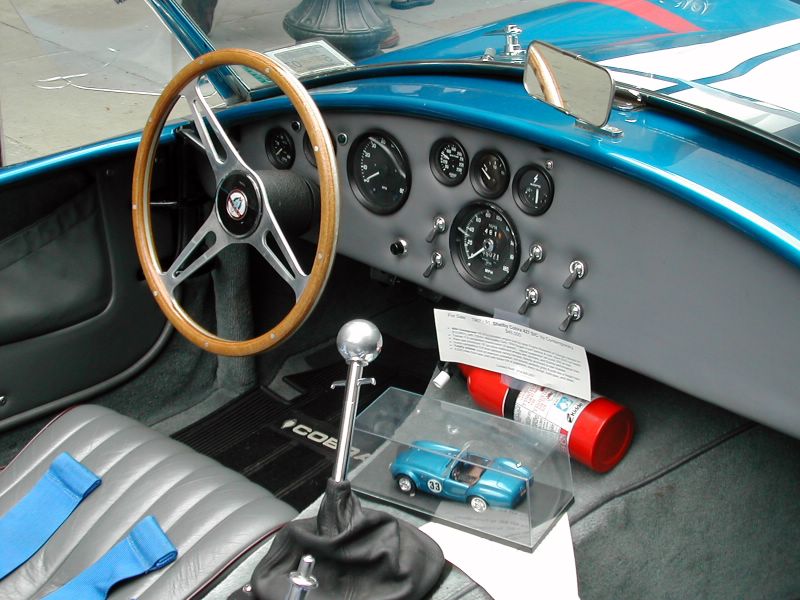
The dashboard holds authentic Smith gauges with white markings on black faces, and the wooden steering wheel is the only material concession to driver comfort in a cockpit containing nothing that does not contribute to going faster. The car weighs only 29 lb more than a modern Miata despite being built over 60 years earlier. At that weight with factory competition specification and original Smith instruments, the correct racing seats alone now carry a value that makes the original purchase price look like a rounding error.
3. 1956 Jaguar XKSS (Exterior)
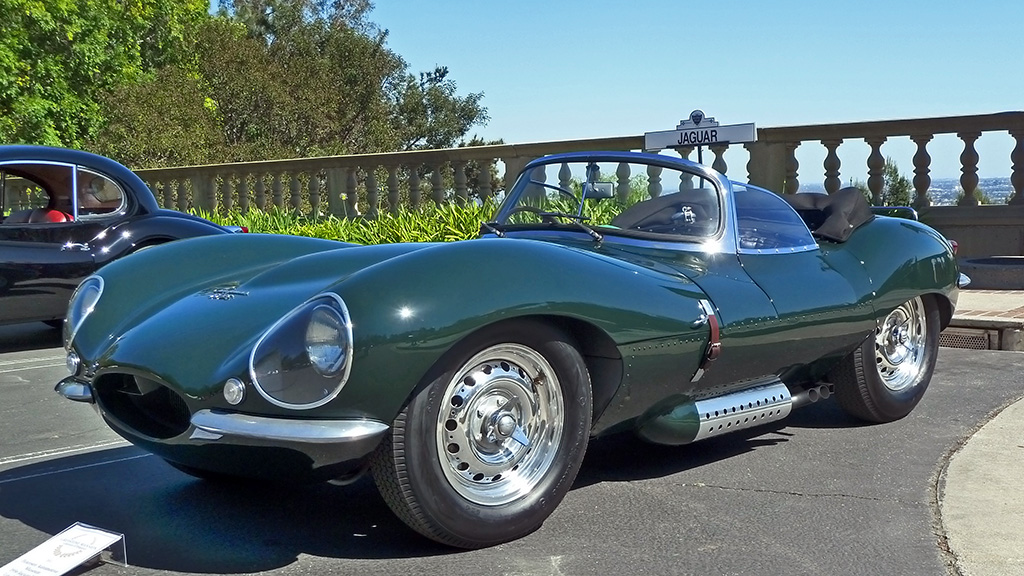
One of only 16 XKSS models ever completed — nine others were destroyed in the 1957 Jaguar factory fire — this British racing green example features the distinctive covered headlights, wide oval grille, long hood, short deck, and side-exit exhaust that mark it as one of the most immediately recognizable cars in any collection. This specific car served as Jaguar’s development vehicle for certification. Eastwood bought it in 1972 from a retired Northern California racing driver who had used it as daily transportation, meaning the car arrived with genuine miles and genuine history rather than the preserved-in-amber condition of a show piece.
1956 Jaguar XKSS (Interior)
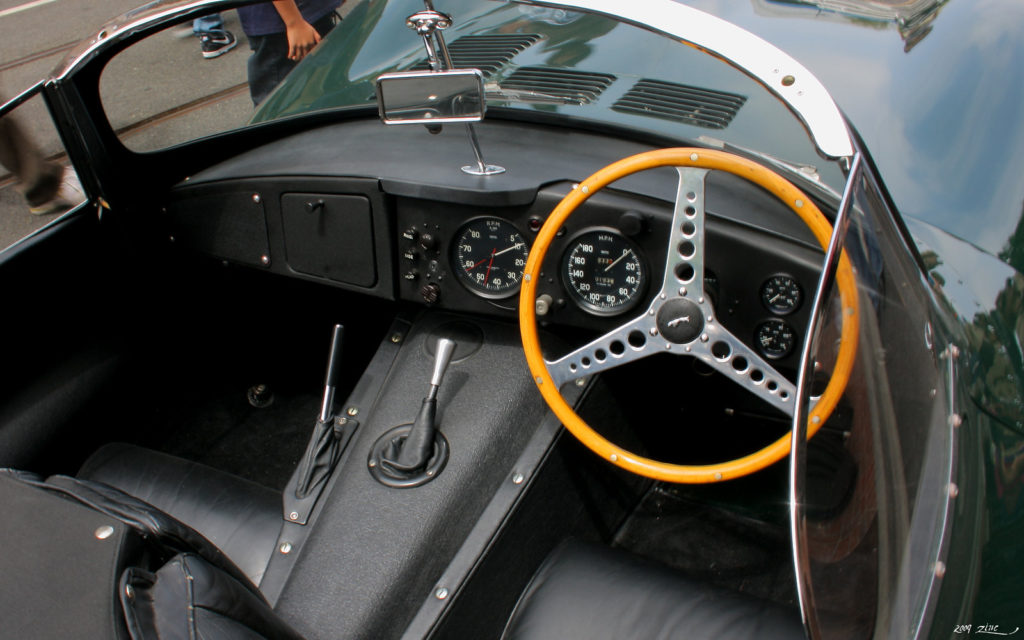
Green leather covers the seats and center tunnel, a classic Bakelite steering wheel frames white-on-black gauges, and the cockpit dimensions fit closely without being restrictive — a balance that reflects Jaguar’s attempt to make a racing car usable on public roads. The previous owner proved that was not just a marketing claim by driving it daily. A certification development vehicle that then served as someone’s regular transportation for years before Eastwood acquired it is a use history that most cars of this significance never accumulate.
2. 1970 Plymouth Hemi ‘Cuda Convertible (Exterior)
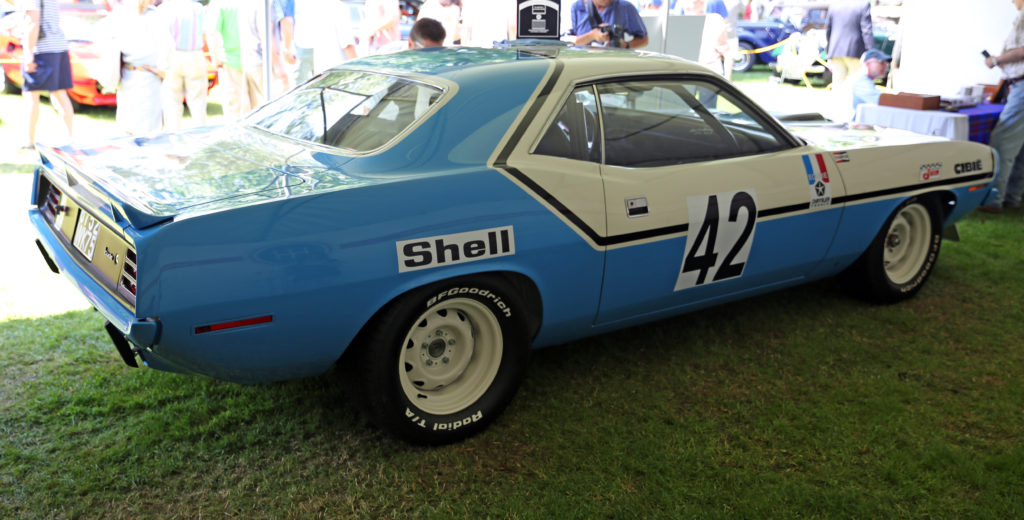
Fourteen Hemi ‘Cuda convertibles were built in 1970. Four of those had four-speed manuals. This is one of the four, finished in Plum Crazy purple with a white interior that creates a contrast visible from a considerable distance, and a shaker hood scoop that visibly trembles when the engine runs — a design detail that communicates the power underneath without requiring any additional explanation. The top disappears completely when lowered, leaving clean lines that the Plum Crazy paint makes impossible to overlook. Eastwood found this example in Montana with under 16,000 miles on it.
1970 Plymouth Hemi ‘Cuda Convertible (Interior)
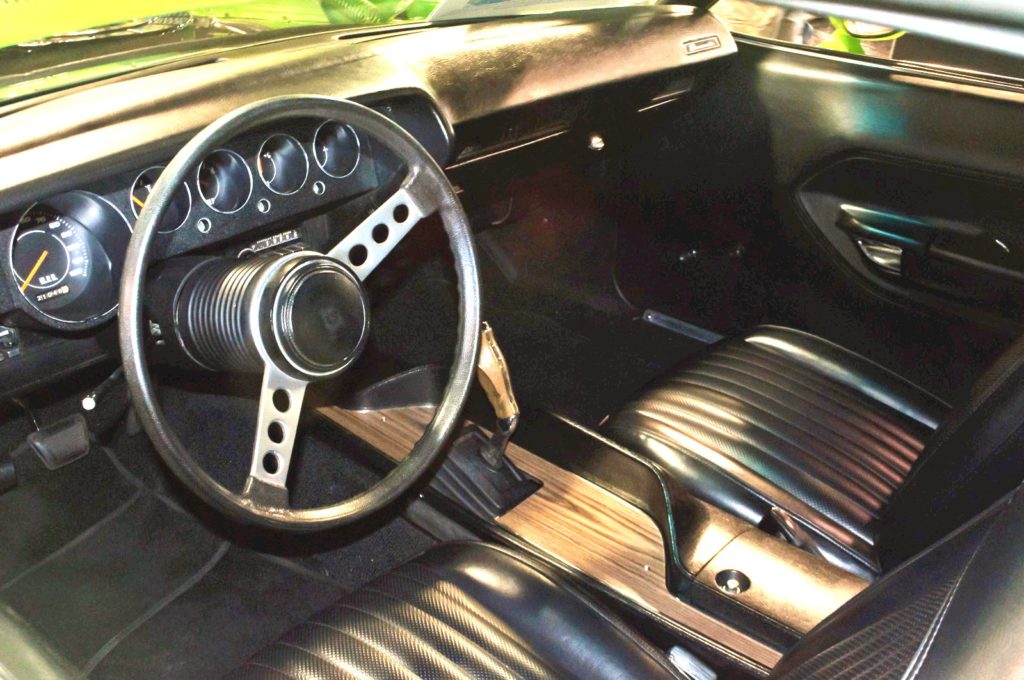
White leather bucket seats with stitching patterns specific to this model, a pistol-grip shifter connecting to the four-speed manual, and the muscle car interior tradition of putting every control exactly where a driver reaching for it under acceleration would expect to find it define a cabin built around using all 465 dyno-confirmed horsepower the 426 Hemi actually produced. Plymouth officially rated it at 425 hp. The Montana preservation at under 16,000 miles means this interior has barely been used, which for a car this specific and this scarce makes the condition almost as significant as the specification.
1. 1964 Ferrari 250 GT Lusso (Exterior)
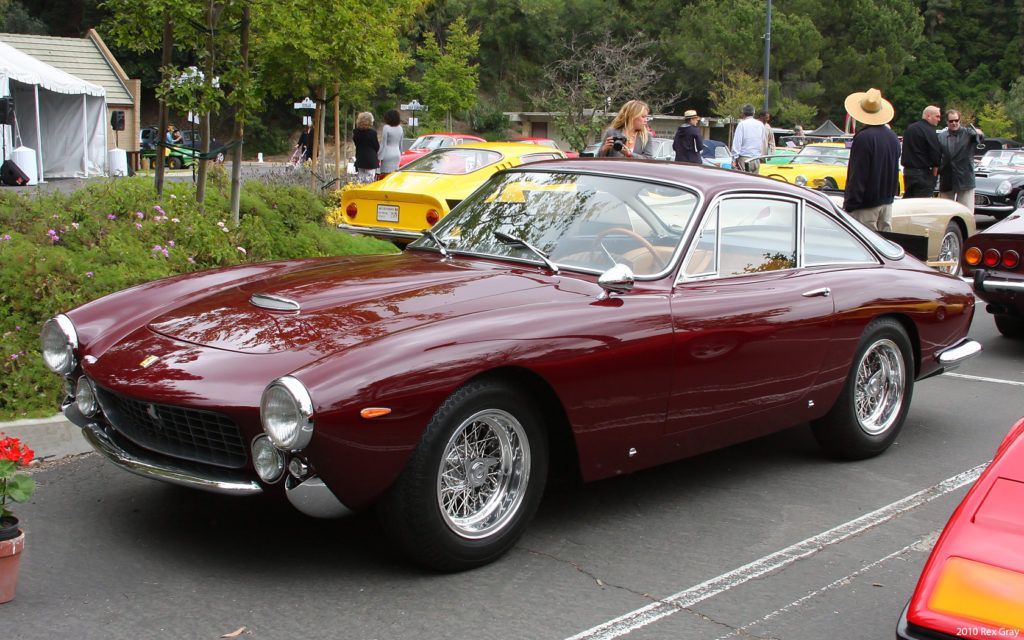
The last Lusso ever produced, with a Pininfarina body in deep burgundy over flowing lines and delicate chrome bumpers that make the egg-crate grille the most detailed element on an otherwise restrained exterior. Steve McQueen tried to buy this specific car from Eastwood in 1967 and could not convince him to sell. Eastwood bought it in 1964 directly from the Ferrari factory immediately after finishing “A Fistful of Dollars” and drove it to Spain for his next film. Since then it has appreciated approximately 8,700%. The combination of last-of-production status, direct factory purchase, documented McQueen interest, and 60 years of single ownership makes this the defining car in a collection full of defining cars.
1964 Ferrari 250 GT Lusso (Interior)
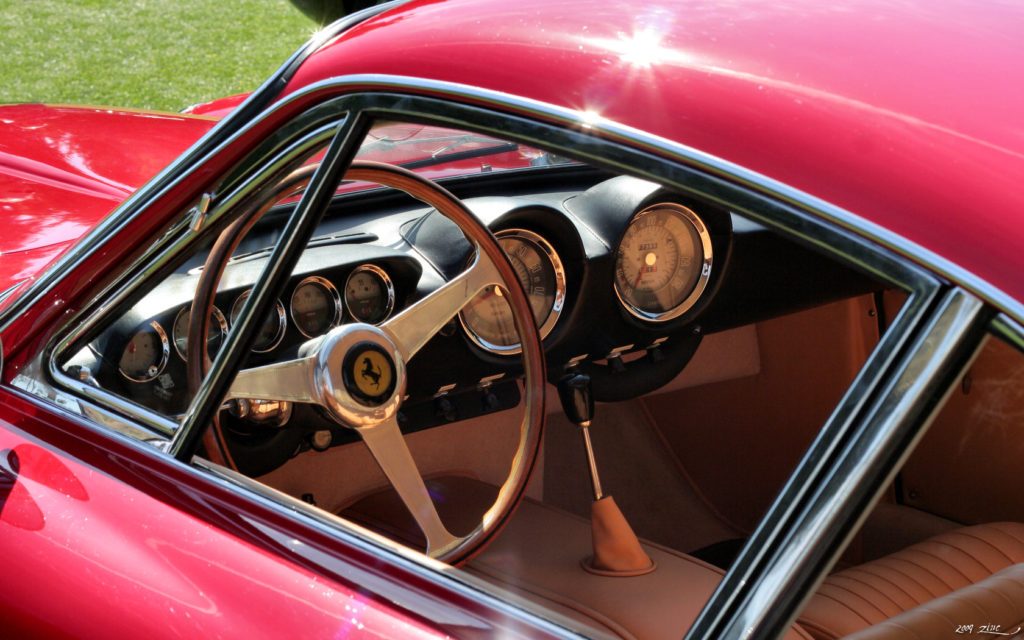
Hand-stitched tan leather covers the seats, dashboard, and door panels, with the distinctive center-mounted Veglia gauges positioned to be equally readable by driver and passenger — a detail that reflects the Lusso’s grand touring intent rather than pure sports car priorities. Eastwood drove this car from the factory to a Spanish film location in 1964 and has kept it since. Sixty years of ownership from new, a direct factory purchase, documented McQueen refusal, and 8,700% appreciation represent a convergence of history, provenance, and financial performance that no other car in this collection, or most collections anywhere, can match.