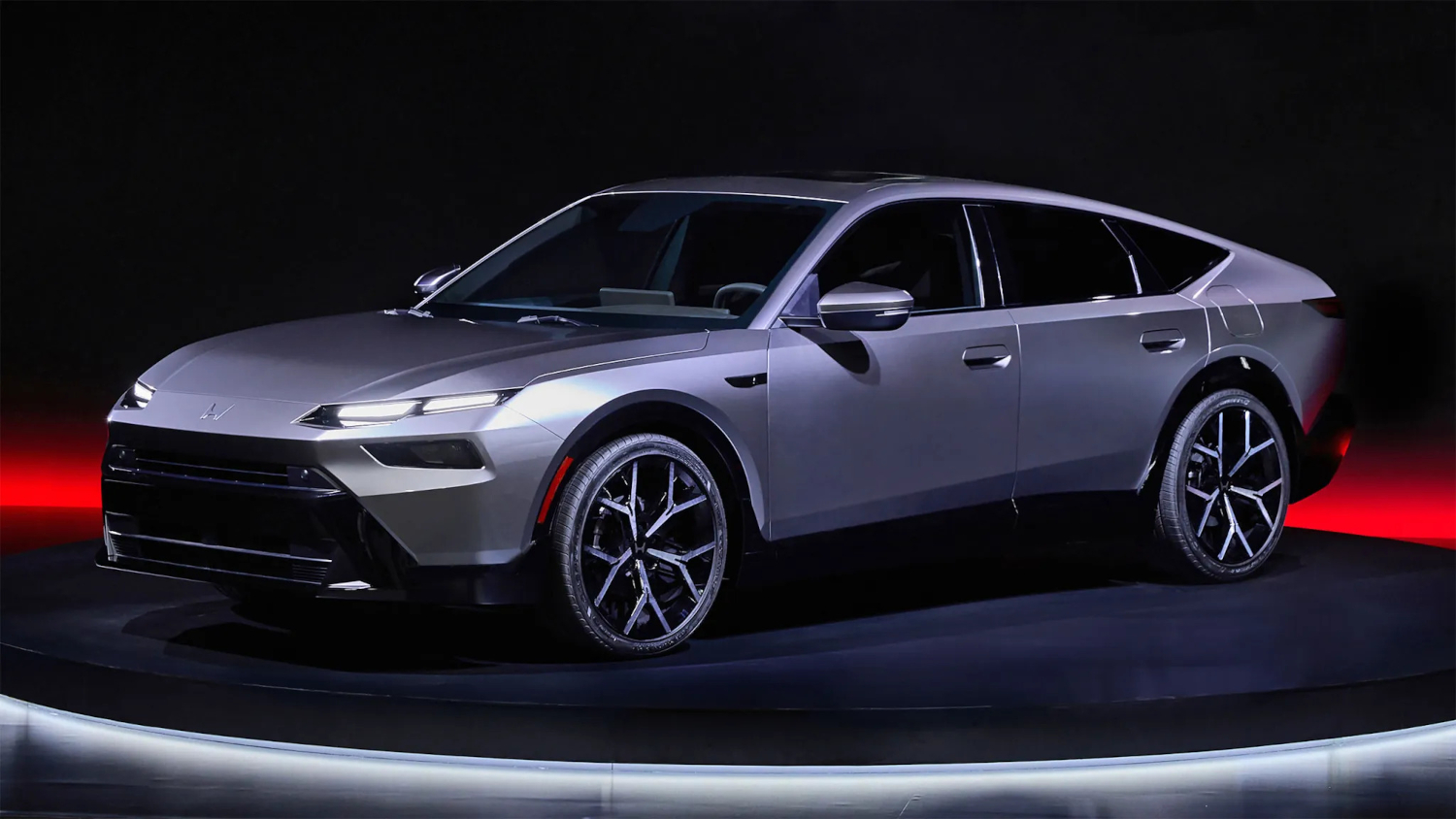


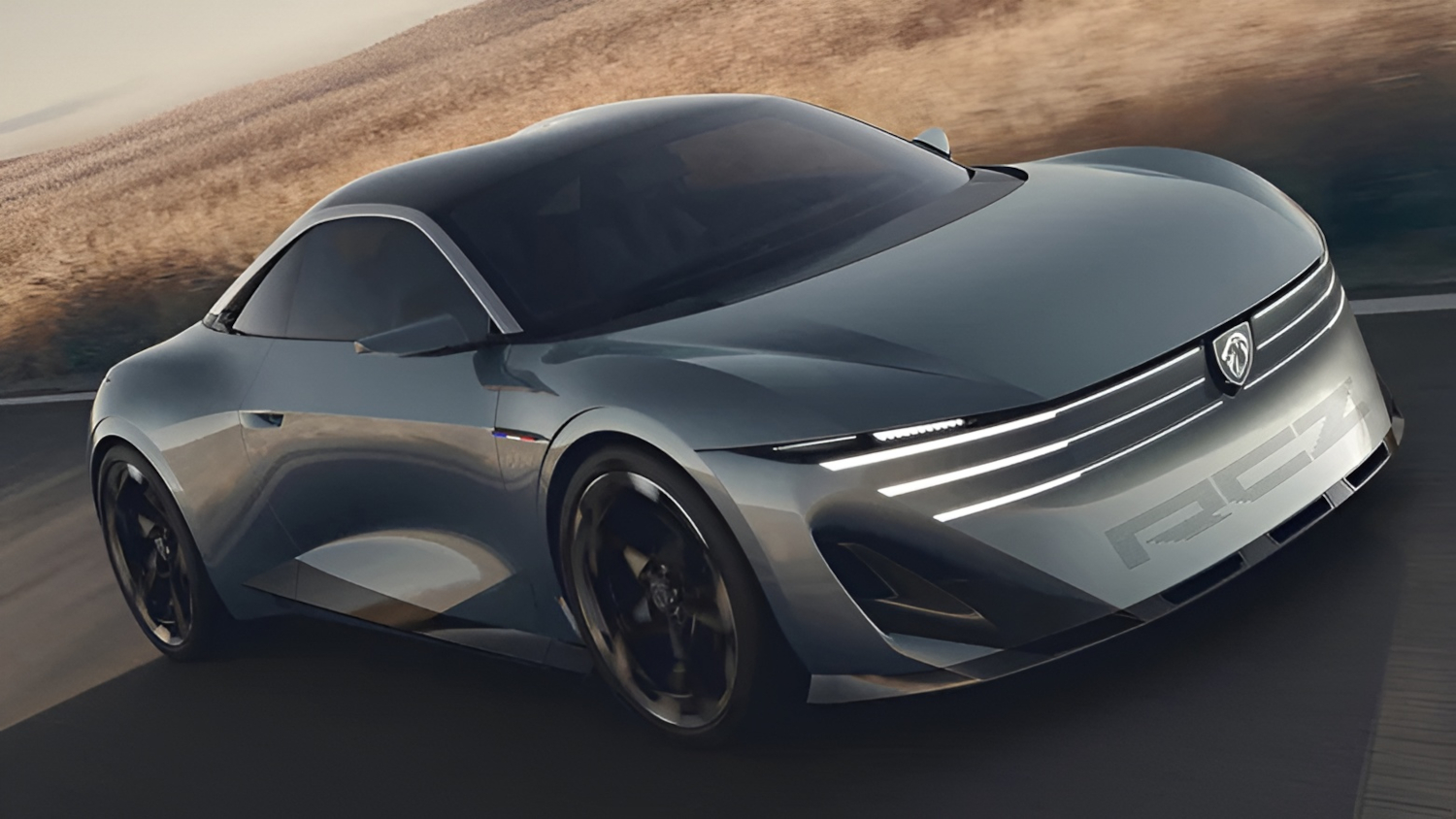
Few front-wheel-drive coupes have ever stopped strangers dead on the pavement. The original RCZ — born from Peugeot’s 2007 concept — managed it with a double-bubble roofline so distinctive it made the car’s modest drivetrain irrelevant. That’s the high-wire act the RCZ Vision has to follow. At the 2026 Paris Motor Show, Peugeot unveiled a four-seat electric coupe concept that is emphatically not a confirmed production car. It is, however, the most persuasive case Peugeot has made in years that an EV can lead with desire rather than duty. If you’re tracking cars coming in this era of electric coupes, the RCZ Vision belongs on your radar.
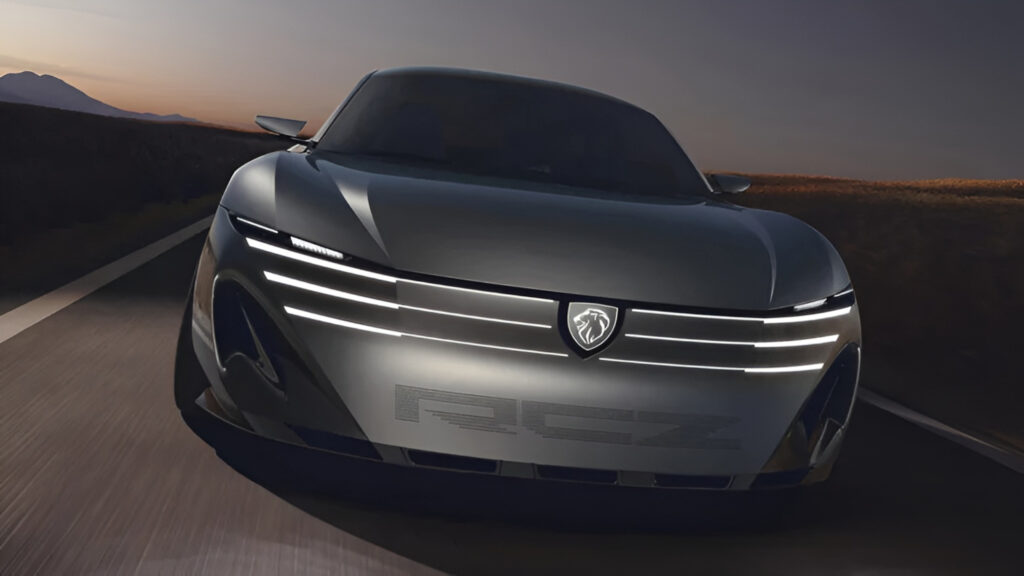
The Double-Bubble Returns – Evolved, Not Repeated
Peugeot sharpens the RCZ’s defining roofline into something more structural and more theatrical.
Rather than simply retracing the original’s twin humps, the Vision develops the signature with:
- Two roof sections
- A transparent panel
- Illuminated RCZ branding
- A crisper C-pillar
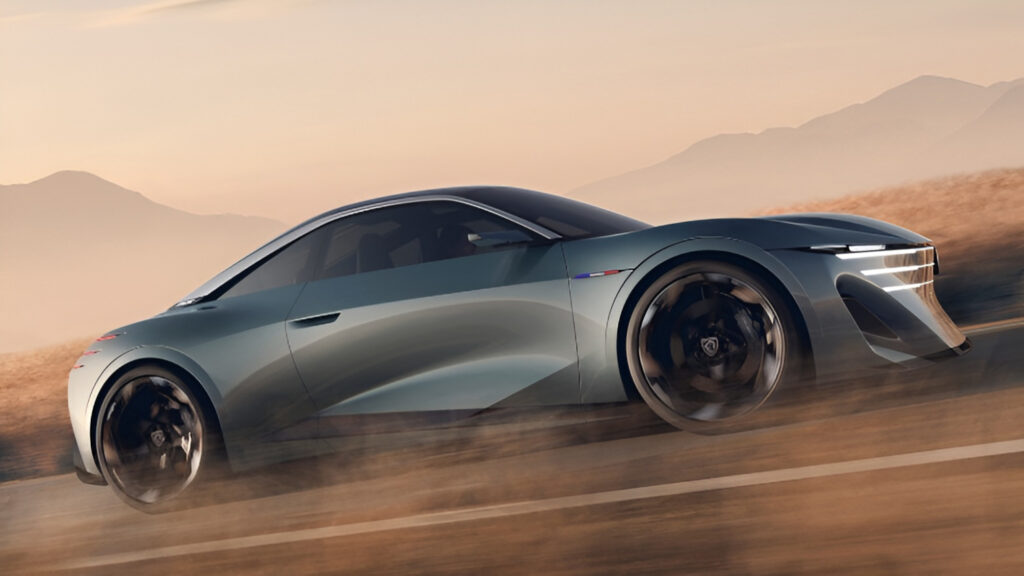
Dimensions run approximately 4.65 meters long, 1.94 meters wide, and 1.35 meters tall — broader and more assertive, but still low and coupe-proportioned. Three horizontal light signatures sweep across the front, creating what Peugeot calls a “lion’s gaze” — the centerpiece of its new “Feline Future” design language. Think Balmain doing big-cat couture, executed in steel and glass. The 22-inch rear wheels and muscular fenders complete a silhouette that crouches rather than poses.
The headline numbers Peugeot is putting behind the Vision are manufacturer claims for a concept car, not independently verified production specifications:
- 500 horsepower from an electric drivetrain
- Up to 600 km (roughly 373 miles) of WLTP-claimed range at approximately 11.5 kWh/100 km
- A solid-state battery developed with Factorial Energy, roughly 110mm thick on a 1,000-volt architecture
- A claimed 10%-to-80% charge in 10 minutes
- Four seats, with rear headrests designed to fold for added cargo flexibility
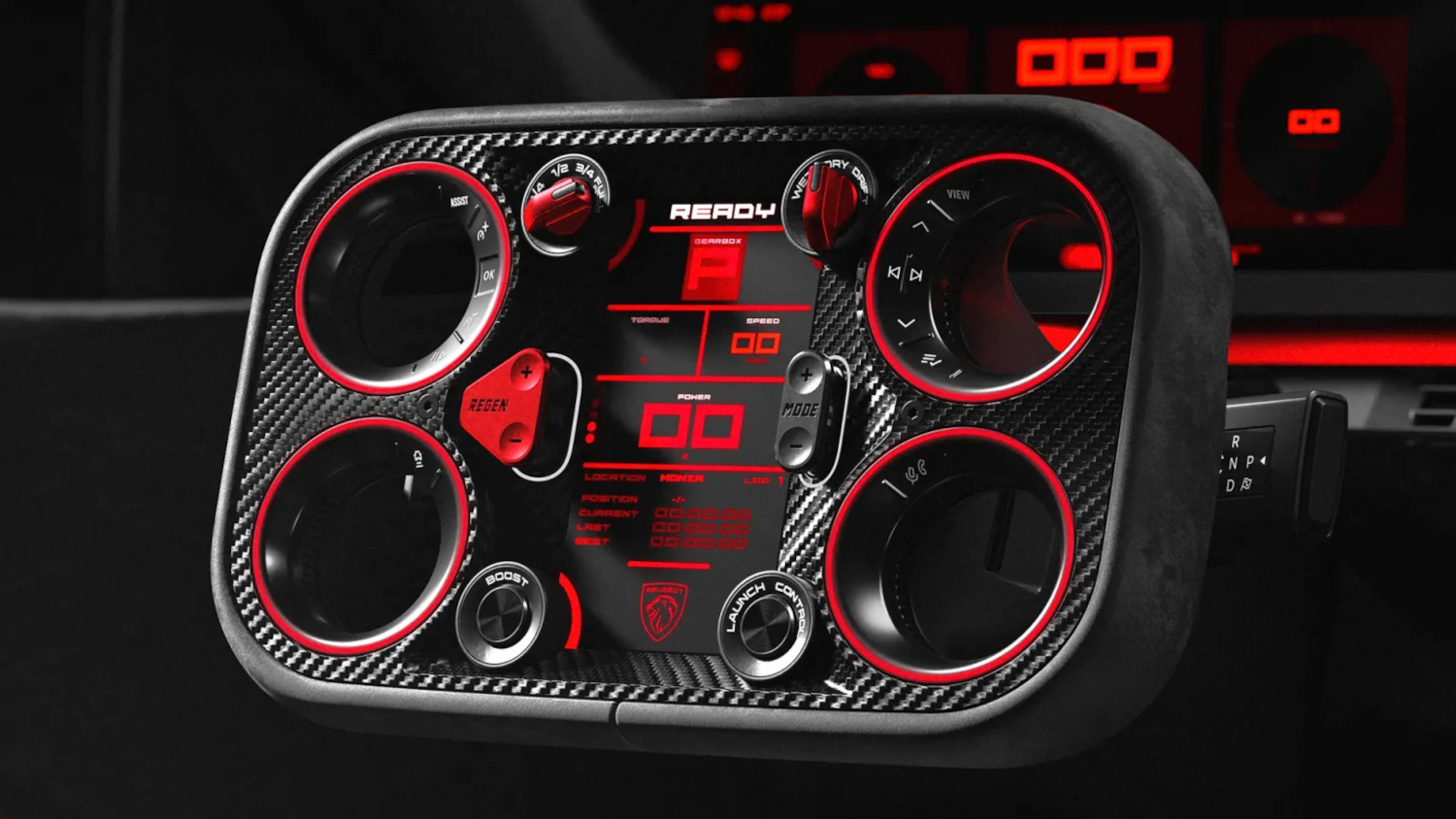
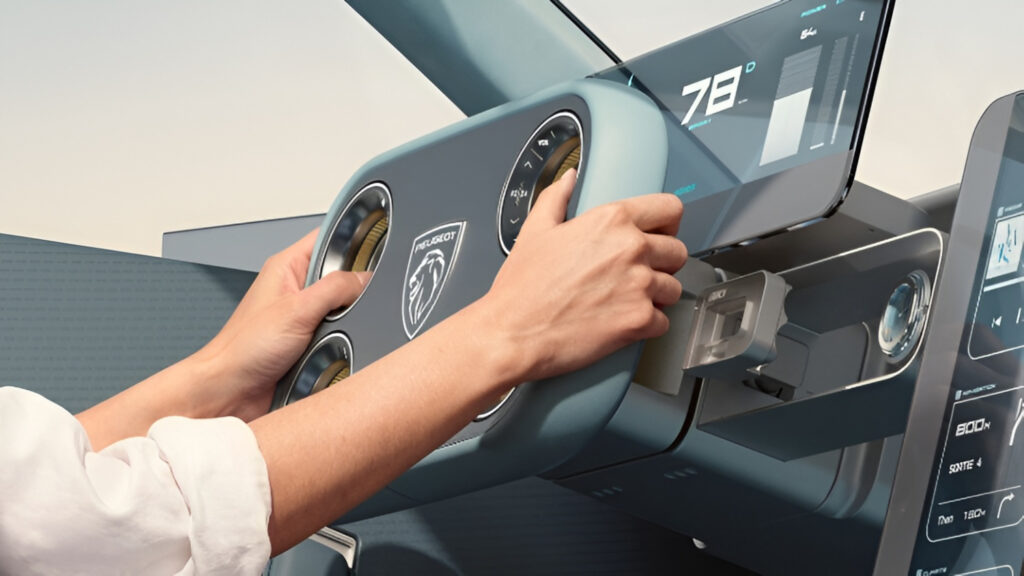
Inside, the Hypersquare steering interface — a steer-by-wire system with a compact square form, circular grips, thumb controls, and a speed-variable ratio requiring less than one full rotation — is Peugeot’s most production-credible interior idea. Design director Matthias Hossann indicated, per paultan.org reporting, that the team prioritized realistic proportions and four seats precisely so the concept would not become a futuristic “UFO.”
Beautiful Argument, Unanswered Question
Customer demand, not design ambition, will determine whether the Vision becomes a car you can actually buy.
Hossann indicated that production would depend on customer demand — an honest answer and an inconvenient one. A road-going RCZ would need to justify low-volume coupe economics while competing for Stellantis investment against electric SUVs and hatchbacks. Some theatrical concept elements are likely to be simplified for production; the “Feline Future” exterior cues, Hypersquare interface, and lighting signatures appear the most plausible survivors.
What the Vision suggests, right now, is that the original RCZ’s appeal came from its total attitude — not only the roof treatment. Peugeot has translated that attitude into an electric-era shape convincingly enough that you’ll want them to build it. Whether wanting it proves enough to make it happen remains, for the moment, entirely open.