

University of Michigan and Toyota Research Institute built a steering wheel with inflatable air sacs that negotiates with drivers — and the results are promising, unsettling, and a little too comfortable for safety researchers’ liking.
Mid-Curve, the Wheel Starts to Breathe
A warning chime would be easier to ignore — this prototype makes disagreement physical.
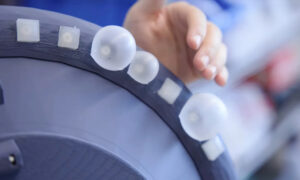
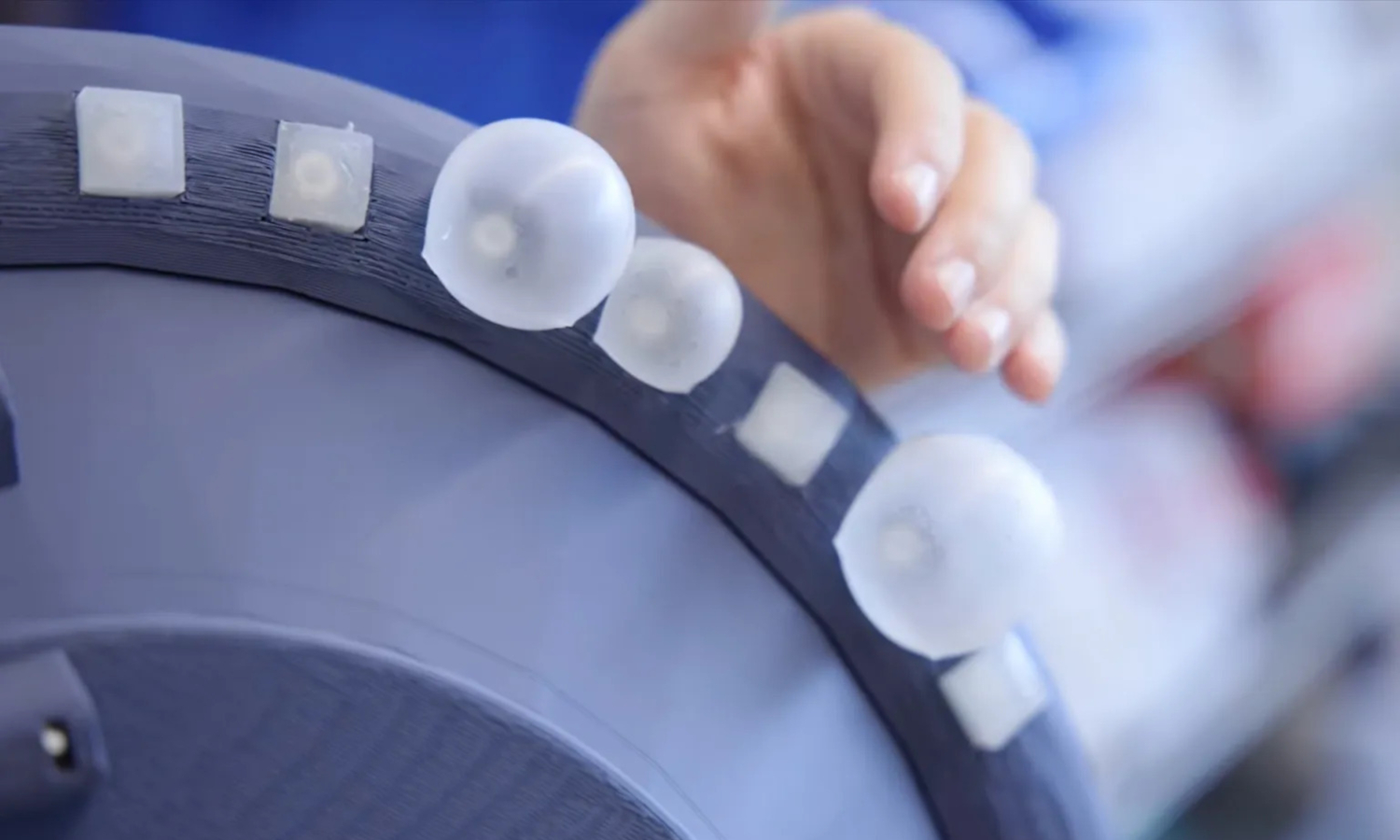
Something inflates under your left palm mid-turn. Not a warning chime. Not a flashing light. The wheel pushes back, alive with pressure, signaling it wants to steer left. That’s the prototype University of Michigan engineers built with Toyota Research Institute funding — a steering wheel embedded with inflatable air sacs designed to turn a one-way warning system into something closer to an actual negotiation.
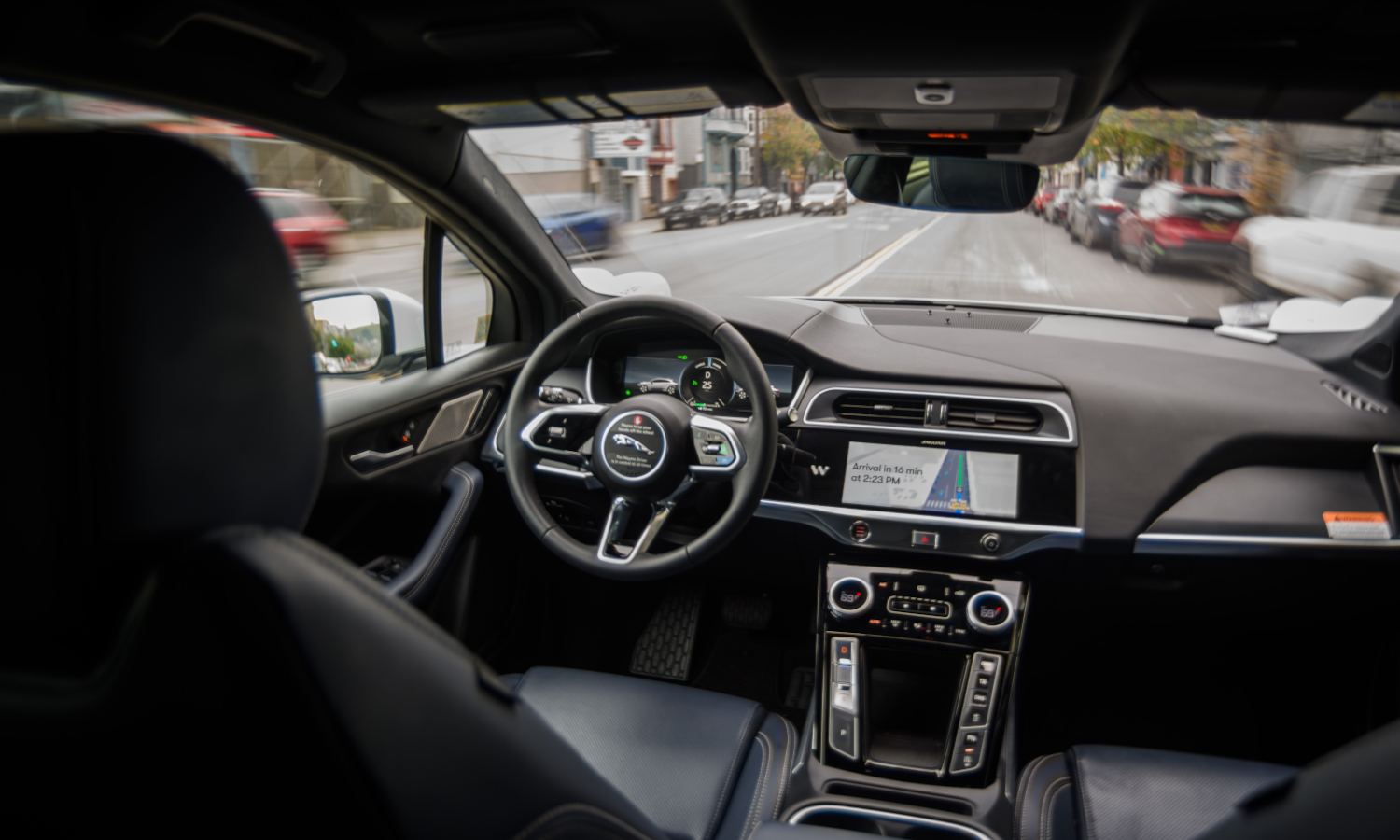
This isn’t a self-driving wheel. It’s a mediator for the awkward middle ground where Level 2 driver assistance — the kind already in millions of cars — and human instinct constantly collide.
How the Wheel Actually Works
Inflate, squeeze back, pulse — a physical conversation rather than a command.
The air sacs are positioned around the 10- and 2-o’clock areas, where drivers typically grip the wheel. System wants to steer left, the left sacs inflate. Squeeze the haptic zone to signal disagreement and they deflate. System persists, the sacs pulse. The design aims for a continuous, tactile exchange between driver and machine rather than a single-direction alert.
Simulator testing put participants through turns with unexpected obstacles. Results, as reported by The Drive:
- Drivers spent less time physically fighting the assistance system
- Reported lower frustration, effort, and physical demand
- Were more likely to trust the system again after it made an error
- Some participants became too trusting — researchers noted this as a safety concern
The Comfort Is the Point – and the Problem
Better dialogue with your car sounds ideal until it quietly reduces how carefully you watch the road.
A wheel that feels like a thoughtful co-pilot could accelerate the same overreliance instinct that leads drivers to defer blindly to navigation systems. Researchers noted that some participants placed excessive trust in the system — a finding that complicates the headline results. Fewer conflicts, yes. Less vigilance, possibly.
Mercedes-Benz offers a simpler commercial alternative. MB.DRIVE ASSIST PRO uses cooperative steering that lets drivers adjust direction while assistance stays active. According to Electrive, a planned rollout begins in selected German cities in late 2026. Less expressive than Michigan’s prototype — and considerably less strange.
The Uncanny Valley Problem
A wheel that visibly expands and contracts while you merge onto a highway presents a design challenge no spec sheet resolves.
Watching a steering wheel breathe is effective as a tactile signal and genuinely unsettling as a visual one. That uncanny quality is both the prototype’s defining feature and its most obvious psychological hurdle — one the researchers have yet to solve. Specialized hardware also adds maintenance requirements and costs that no automaker has committed to absorbing.
The harder problem isn’t whether the wheel can talk to drivers. It’s whether drivers will listen without quietly switching off their own judgment. Better human-machine dialogue is worth building; human nature remains the undefeated variable.