

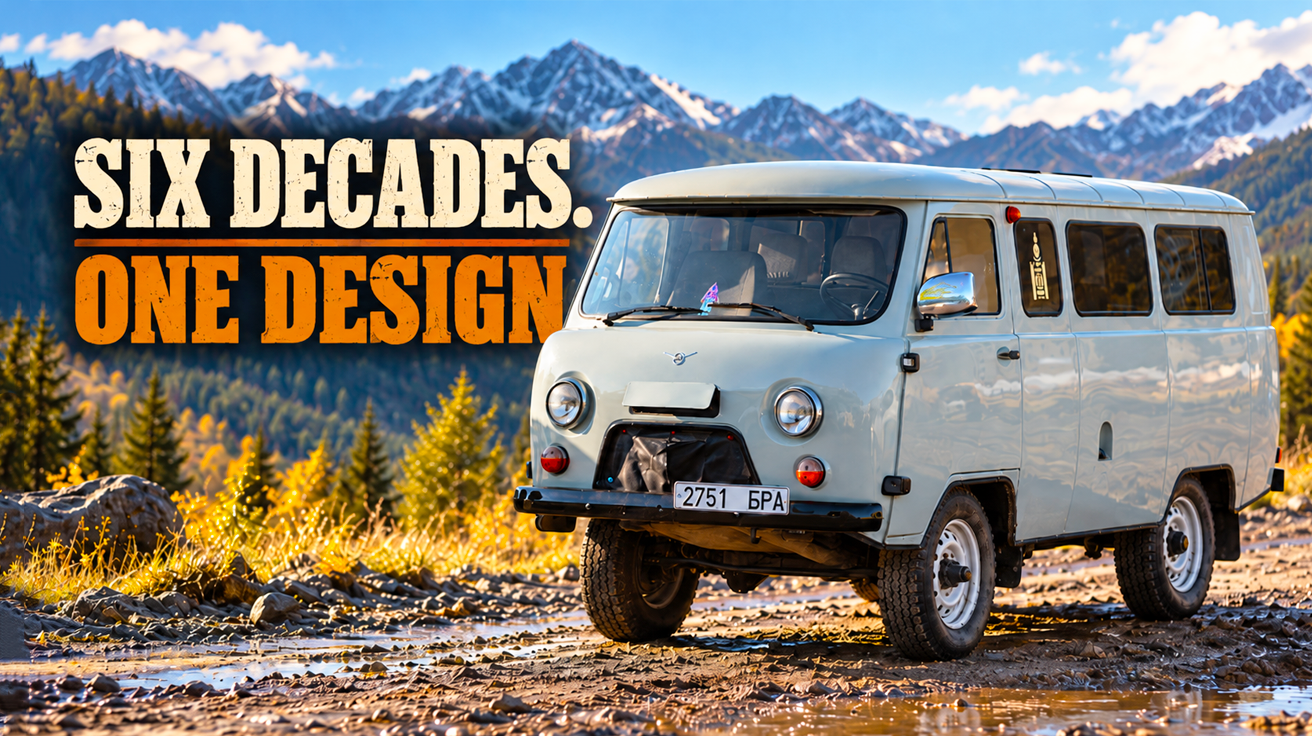
A car surviving decades on the production line means it’s built on something fundamental. These aren’t fragile museum pieces; they’re the workhorses and the wild cards, automotive philosophies that resisted obsolescence like a stubborn mechanic refusing to upgrade his favorite wrench. True grit reveals itself when a design still handles abuse that would fold modern crossovers like a cheap lawn chair. This list cuts through the noise of fleeting trends, highlighting vehicles chosen for their enduring engineering and the sheer driving character that makes them more than just transport. Get ready to explore the machines that defined their eras and still command respect on any road.
1. Peugeot Pars
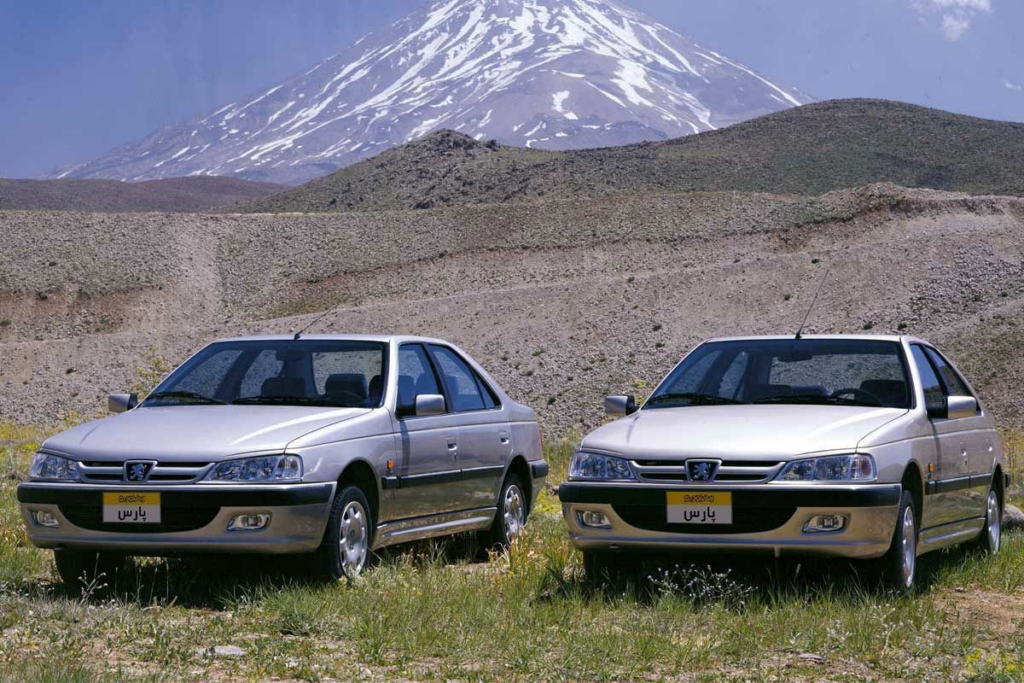
Dead-simple reliability and low running costs define market value in many regions.
Based on the 1986 Peugeot 405 platform, the Peugeot Pars received its facelift around 2000, prioritizing function over fashion. Like a robust analog watch in a world of smartwatches, it performs its core duty without pretense. Measuring around 4.45 meters long, it offers no-nonsense transport for markets where dependability trumps digital dashboards.
Power options included a 1.8 L XU7 SOHC generating 101 hp or a 1.6 L TU5JP4 DOHC. The unique rear-wheel-drive Peugeot ROA even used older Paykan running gear, creating an oddball variant that enthusiasts still debate. Simple mechanics and abundant parts allowed it to shrug off challenging road conditions, ensuring easy repairability. Much like resilient characters in classic road-trip films, this car got the job done without complaint, reportedly remaining in production until autumn 2024.
2. Toyota Land Cruiser 70 Series
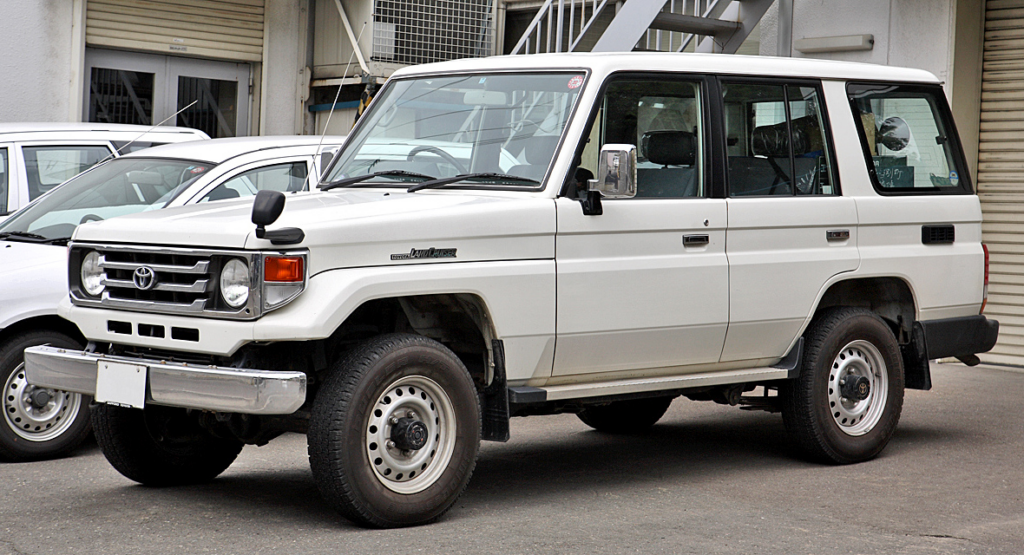
For four decades, this heavy-duty Land Cruiser has operated as the automotive equivalent of an unstoppable freight train.
Introduced in 1984 as a heavy-duty successor to the 40 Series, the Toyota Land Cruiser 70 Series features body-on-frame construction and solid axles front and rear, providing unmatched ruggedness. Available in diverse styles from the 3-door wagon to the LC79 pickup, it prioritizes pure capability over comfort, designed for the harshest environments on Earth.
The 70 Series commands challenging terrain, powered by options like the 4.5 L 1VD-FTV V8 turbo-diesel delivering 151 kW and 430 Nm. Recent updates added the 2.8 L 4-cylinder turbo-diesel offering 150 kW and 500 Nm. With 300 mm of ground clearance and a 3,500 kg towing capacity, it moves essential supplies across remote tracks. This raw capability is what separates genuine workhorses from mall-crawling pretenders.
3. Lada Niva Legend
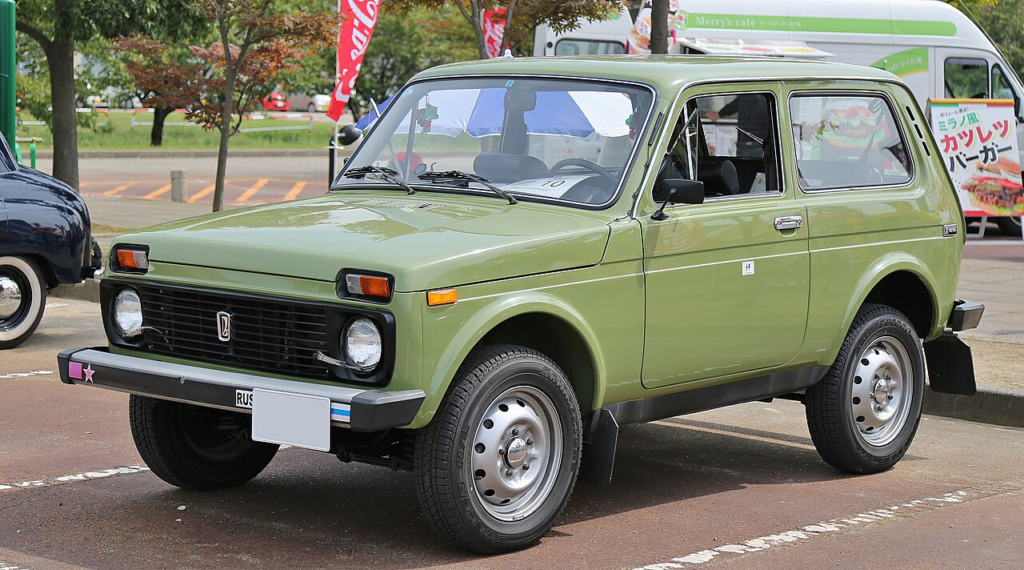
The world’s first mass-produced 4×4 featuring unibody construction and independent front suspension arrived in 1977.
The Lada Niva rewrote the rules for off-road vehicles, introducing a radical departure from traditional ladder frames that later influenced modern SUVs like the Suzuki Vitara. Produced by AvtoVAZ and known over its long life as the VAZ-2121 and Lada 4×4, it received the Lada Niva Legend rebrand in 2021. It boasts permanent all-wheel drive, a two-speed transfer case, and a lockable center differential, delivering real capability rather than suburban pretense.
Its enduring relevance stems from ruthless simplicity that shrugs off complex failures, much like a well-worn Swiss Army knife in an era of single-use gadgets. Initially running on a 1.6 L petrol engine delivering 76-80 hp, current versions use a 1.7 L petrol engine producing 80-83 hp (59-63 kW) with fuel injection. Its compact 3.72 m length and 213-220 mm ground clearance make it nimble on trails, effortlessly tackling muddy, snow-covered tracks. The original blueprint often remains the best way to conquer trails without breaking the bank.
4. Caterham 7
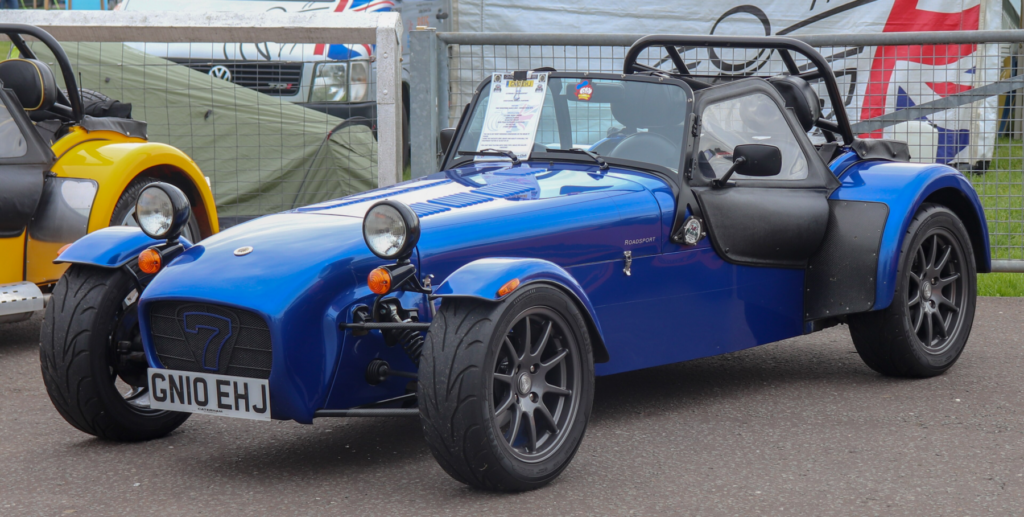
Not a single part on a modern Caterham 7 is directly interchangeable with the original Lotus Seven, despite its iconic silhouette.
Caterham Cars acquired the rights from Lotus and began production in 1973, adhering to Colin Chapman’s philosophy of “simplify, then add lightness.” This ethos birthed the Seven 170, the lightest variant, which uses a 660 cc turbocharged 3-cylinder Suzuki engine generating 84 bhp. It launches from 0-62 mph in approximately 6.9 seconds, all from a scant 440 kg curb weight. At just 3.18 meters long, it’s a stripped-down instrument, not a passenger car.
Every shift and ripple transmits directly through the chassis, like a finely calibrated racing simulator without the screen. The extreme 620R delivers with a supercharged 2.0 L Ford engine punching out 310 bhp, ripping 0-60 mph in a brutal 2.8 seconds despite weighing just over 600 kg. Available either factory-built or as a kit for self-assembly, it’s a throwback to pure, unadulterated driving that makes modern hypercars feel muted by comparison.
5. UAZ-452 Bukhanka
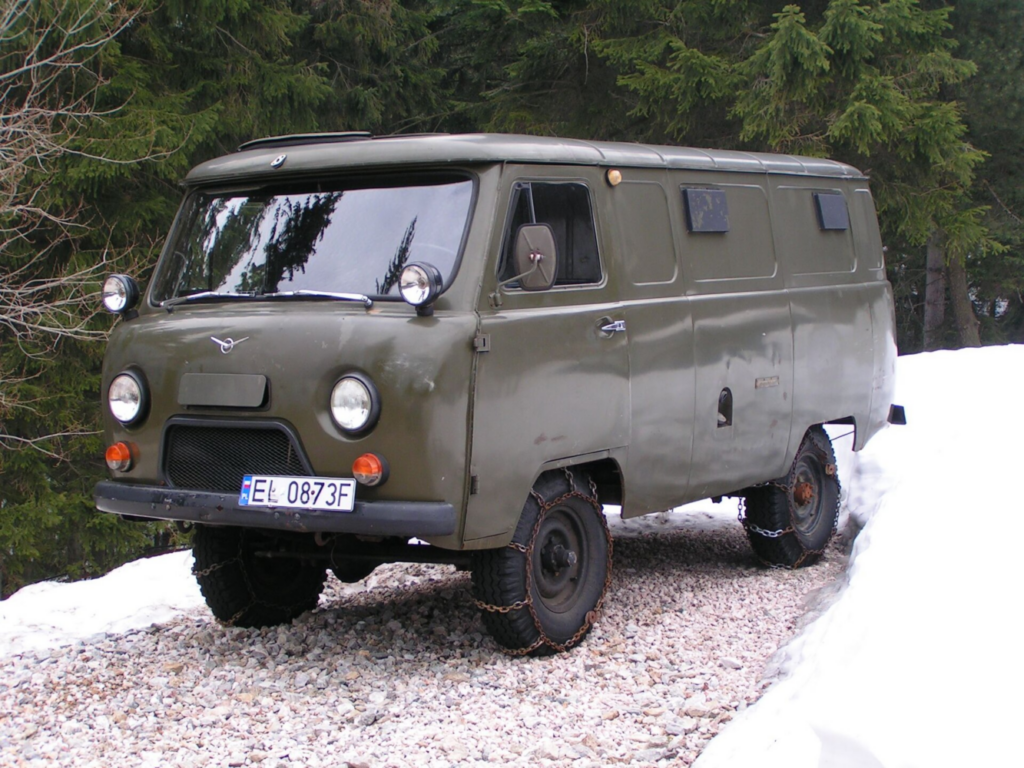
Affectionately nicknamed “loaf of bread,” the UAZ-452 has been in production since 1965, largely unchanged.
This multi-purpose 4×4 van defies an era of constant automotive evolution. Picture a rural postal worker navigating icy Siberian roads, confident the Bukhanka’s robust 200-220 mm ground clearance and selectable 4×4 will always deliver. Its 2.7 L petrol engine and manual transmission offer the unyielding grit demanded by military, emergency services, and rural users. It’s the automotive equivalent of a trusty sledgehammer.
Its core design features dimensions like 4.44 m length and a 2.30 m wheelbase that have barely shifted in over half a century, a testament to raw utility. Much like an old Land Rover from the ’80s, it simply keeps going. If anyone has been stuck deep in mud, they appreciate a vehicle that refuses to quit.