

The global automotive landscape has completed a tectonic shift, making 2026 a pivotal year for Chinese car brands that now lead rather than chase. Those outdated perceptions are firmly in the rearview mirror. This shift delivers genuinely engineered vehicles that perform, hold up over time, and deliver real driving joy. From city crawls to mountain passes, these contenders underwent rigorous testing over thousands of kilometers, connecting with the asphalt and proving their capability.
Old jokes about Chinese build quality are now as relevant as a Blockbuster video card. JD Power’s 2025 China Vehicle Dependability Study ranked Chery as the top Chinese domestic brand with 188 problems per 100 vehicles (PP100). Recalibrate expectations; this isn’t about flashy screens. It’s about fundamental mechanics holding up on a long haul, like a well-tuned engine finding its rhythm on a desert road. Independent assessments separate the dependable from the pretenders. Discover which Chinese marques are engineered to go the distance, mile after grueling mile.
1. LDV T60 Max
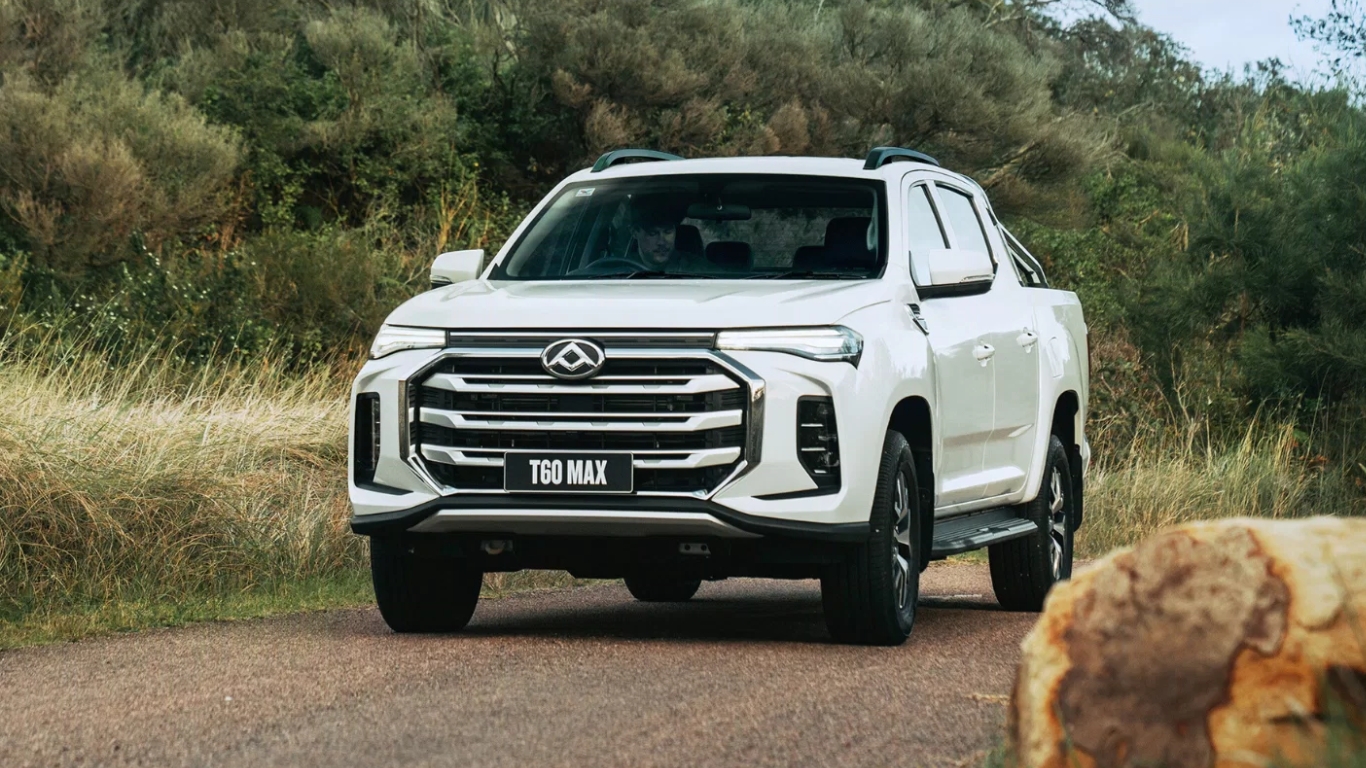
A decade of proven grunt work in Australian trades, backed by warranty confidence that speaks louder than marketing.
LDV has spent a decade building its reputation among Australian tradespeople, a commitment reflected in its current offerings. The T60 Max offers a robust 7-year / 200,000 km new-vehicle warranty, plus 5-year / unlimited-kilometre roadside assistance. Built solid and ready for another season of hard work, it doesn’t mess around.
This ute pulls its weight with a substantial 3500 kg braked tow rating. With prices around AUD $43,900, it’s a practical choice for anyone needing a workhorse. A truck that starts every morning, rain or shine, without drama. The T60 Max proves itself as reliable as that tool you’ve owned for twenty years.
2. Leapmotor C10
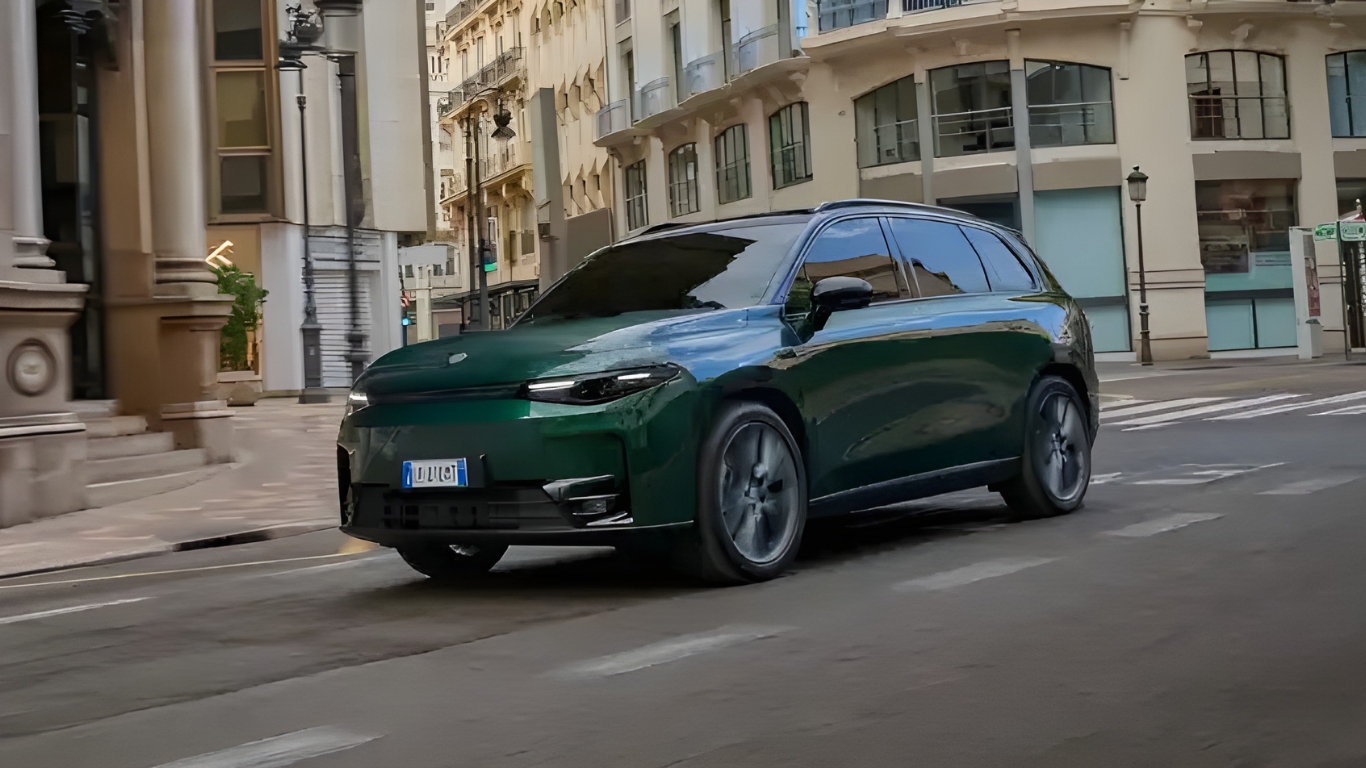
Stellantis put €1.5 billion where its mouth is—backing Leapmotor with established dealer networks and serious OEM confidence.
Stellantis invested €1.5–1.6 billion to acquire roughly 21% equity in Leapmotor, definitively answering questions about OEM backing for this Chinese EV maker. This forged Leapmotor International, a 51/49 joint venture designed to push Leapmotor vehicles into global markets using Stellantis’ established dealer networks. A major automotive player has put its chips down on Leapmotor’s engineering, potentially smoothing out the usual bumps and offering confidence often missing in the burgeoning EV scene.
The Leapmotor C10 delivers on core metrics as the brand’s global flagship. This family-centric EV boasts a 420 km WLTP range, respectable for daily commutes and weekend escapes. More importantly, it earned a 5-star Euro NCAP safety rating in 2024, with especially high scores in child occupant protection. When eyeing a new ride, safety should always be non-negotiable. With a launch price around AUD $45,888, Chinese pricing pairs with the kind of established European support that usually costs considerably more.
3. Changan Deepal S07/S7
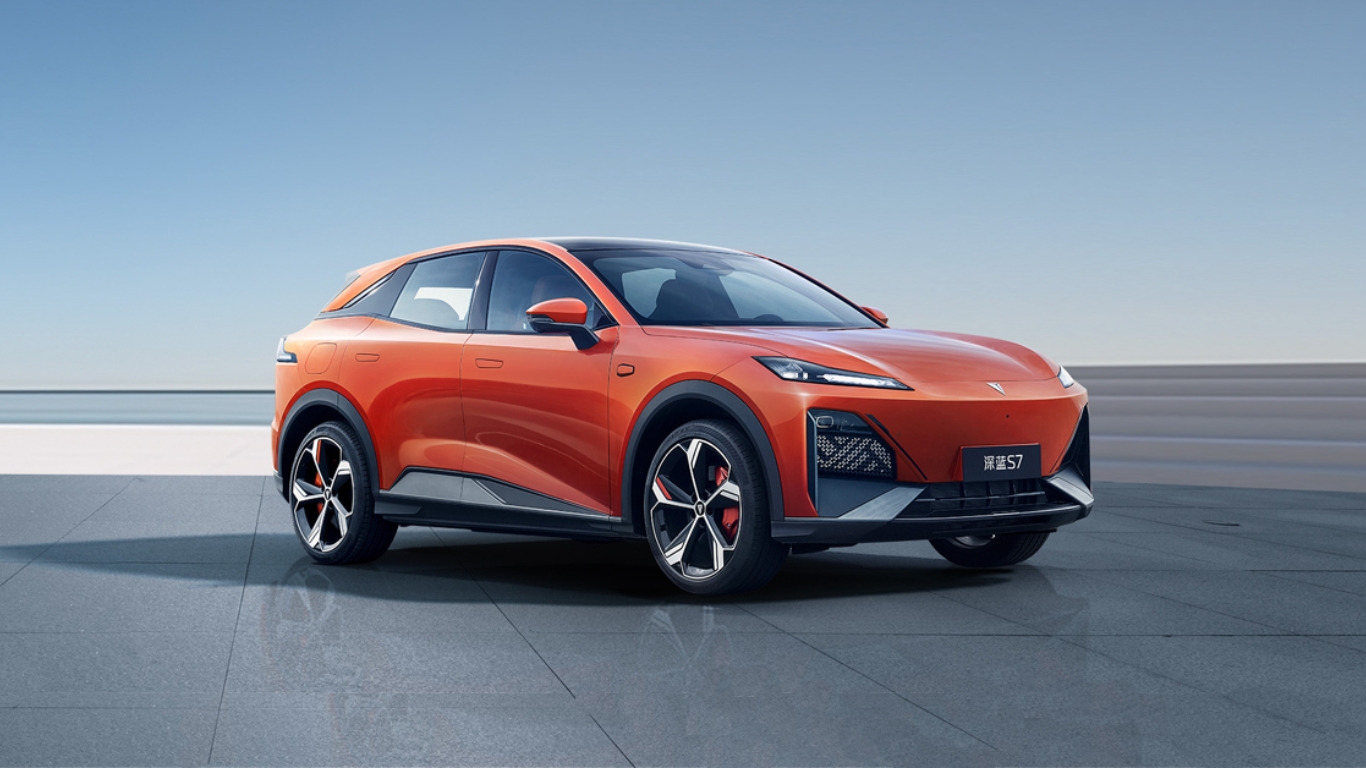
The highest adult occupant protection score in Euro NCAP’s entire 2024 testing cycle—engineering substance over digital flash.
Changan’s history extends over 160 years, predating most car companies by a century. Deep roots beneath modern EV aspirations. This heritage translates into foundational engineering focus, seen clearly in the Deepal S07/S7’s safety performance.
The car earned a 5-star Euro NCAP safety rating in 2024, achieving an exceptional 95% Adult Occupant score. That score was the highest for any vehicle tested that year, proving solid engineering still matters more than digital screens when it counts. A performance that makes occupants feel planted, like high-grip tires on a tight turn. Beyond raw crash protection, Changan’s attention to detail extends to technology, where the brand collaborates with Huawei on battery management and smart cockpit systems. The S07/S7 positions itself as a serious safety benchmark in the rapidly evolving electric vehicle market.
4. Omoda E5 & Jaecoo J7
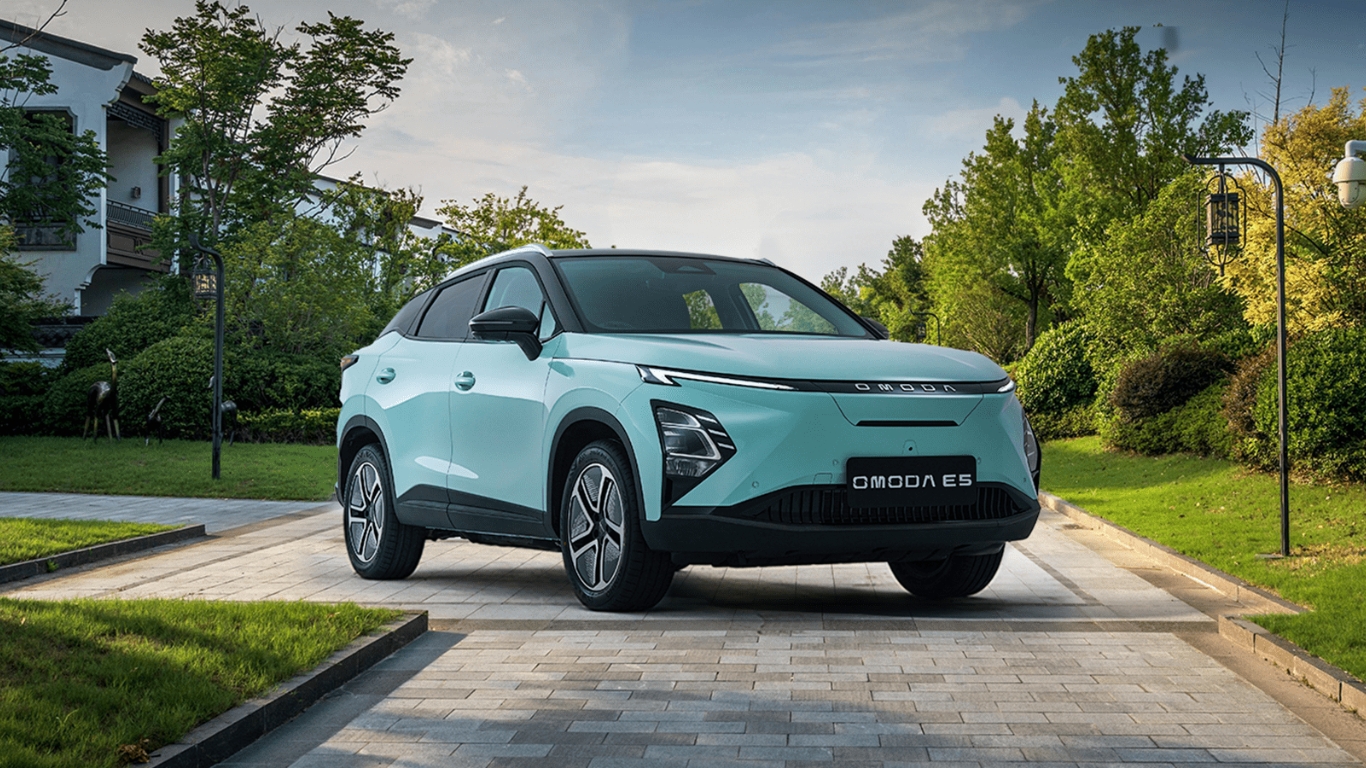
Chery’s lifestyle brands conquered UK salary-sacrifice schemes with value and backed Australian buyers with 8-year unlimited warranties.
While Chery targets broad market appeal, Omoda and Jaecoo were engineered for younger, lifestyle-focused customers. The Omoda E5 became the UK’s best-selling salary-sacrifice EV in 2025, outselling the Tesla Model Y. It offers an estimated monthly cost around £300, with a 61–65 kWh battery, 257–258 miles (about 410–415 km) WLTP range, and a ~14.6-inch central touchscreen.
Jaecoo, a more premium arm, backs its J7 SUV with an 8-year / unlimited-kilometre vehicle warranty in Australia, plus 8 years of battery cover. Strong commitment builds confidence. The J7 also boasts annual service costs in the low AUD $400s. Shared engineering and aggressive strategies position Omoda and Jaecoo to capture buyers seeking long-term value without sacrificing features or backing.
5. GWM Haval Jolion & Tank 300

Fifteen years in Australia, third-ranked small SUV sales, and diesel torque that shrugs at rough terrain—GWM’s commitment is tangible.
Great Wall Motor’s 15-year presence selling vehicles in Australia signals long-term commitment, not fleeting ventures. The Haval Jolion exemplifies this strategy by offering significant value and reliability. It comes with a 7-year, unlimited-kilometre warranty, a stark declaration of confidence.
For 2026, the Jolion holds steady as a top-selling small SUV, ranking third year-to-date among rivals. Its petrol variants start from AUD $26,990 drive-away, with average annual service costs around $310 over five years. It performs like a reliable touring musician showing up for every gig, keeping drivers on the road without breaking the bank for daily commutes.
Stepping up from the Jolion, the Tank 300 shows GWM’s evolutionary push into more rugged territory. The Ultra Diesel variant, priced at AUD $51,990 drive-away, boasts a 2.4-litre turbo-diesel engine punching out 135 kW and 480 Nm. This powertrain delivers combined fuel consumption around 7.8 L/100 km, proving capable for both bitumen and bush. The Tank 300 rolls over rough terrain like a seasoned bush pilot navigating a storm. GWM’s continued product refinement solidifies its dedication to the Australian market, offering honest metal for real drivers.
6. Zeekr X
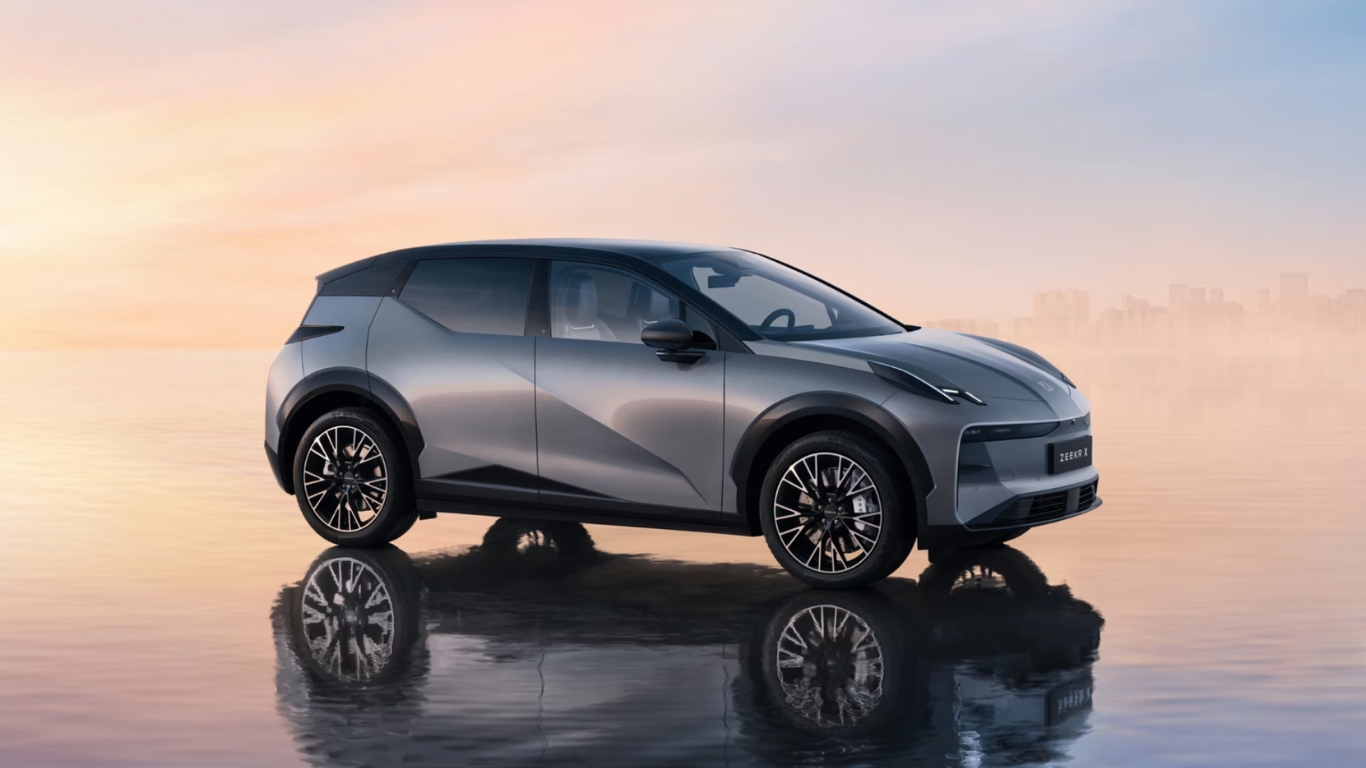
Built on Volvo’s Swedish-engineered SEA platform, the Zeekr X became Euro NCAP’s research vehicle for tougher 2029 safety standards.
Beyond battery and motor, the underlying platform is the real backbone. The Zeekr X is built on Geely’s Sustainable Experience Architecture (SEA) platform, the same robust foundation shared with the Volvo EX30 and Polestar 4. This isn’t some repurposed sedan chassis; it’s a modular design developed in Gothenburg, suggesting significant European engineering influence beneath the skin.
This shared architecture translates directly to safety, with the Zeekr X earning a 5-star Euro NCAP rating. Euro NCAP used the Zeekr X as a research vehicle, pushing it against tougher 2029 safety protocols, testament to its advanced driver-assistance systems and crash performance. Solid backing comes with a 5-year / unlimited-kilometre vehicle warranty and an 8-year / 160,000 km EV battery warranty, with service intervals set at 12 months / 20,000 km. For the MY26, the RWD model starts at AUD $48,900, with the AWD version available for AUD $57,900. Strong engineering doesn’t demand a lottery win.
7. Geely Auto EX5
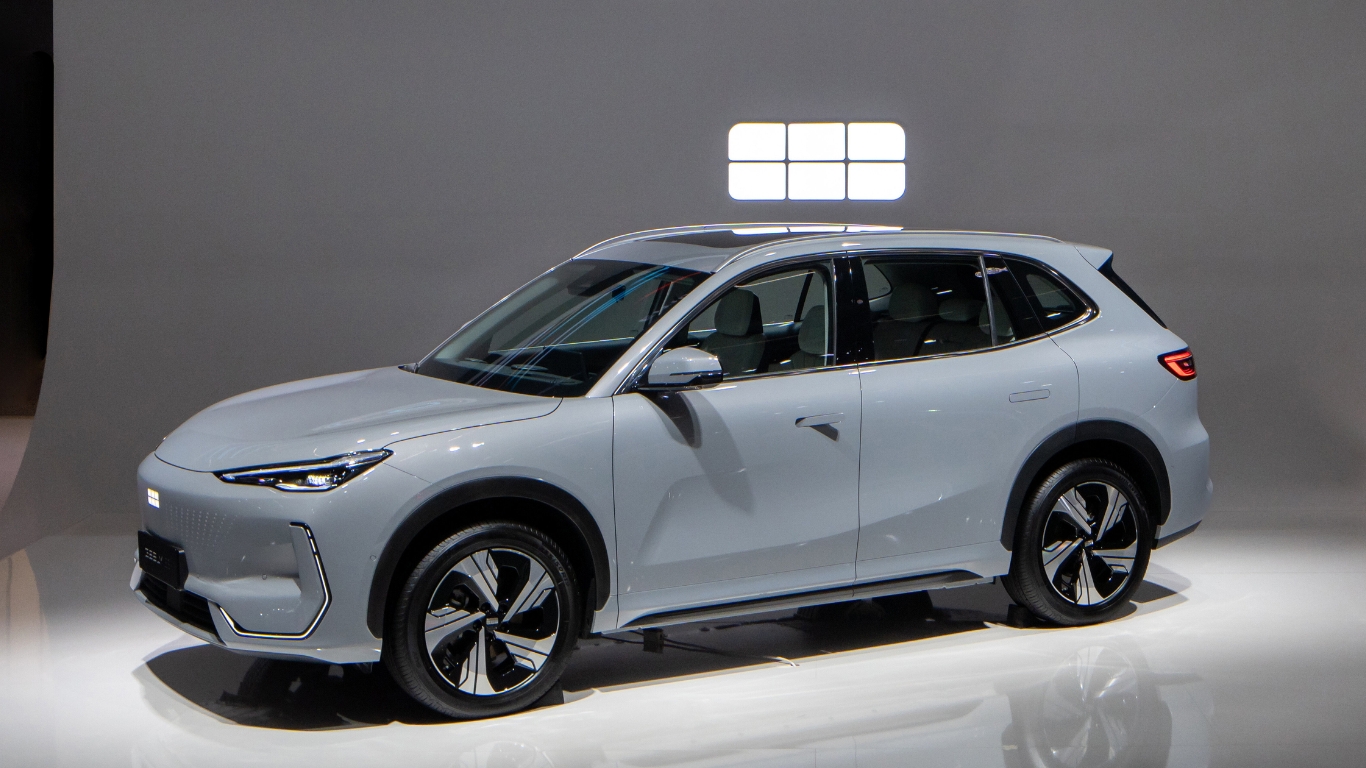
A decade after buying Volvo, Geely’s Swedish engineering depth surfaces in its own marque—5-star Euro NCAP at £31,990.
Geely Holding Group’s quiet expansion mirrors a meticulously executed endurance race, acquiring Volvo Cars in 2010 for US$1.8 billion. This strategic move granted crucial access to Swedish engineering, which now underpins brands like Polestar, Lotus, and Smart (a 50/50 venture with Mercedes-Benz).
This engineering depth is evident in the Geely EX5, a mid-size electric SUV launching in the UK in October 2025 from £31,990 OTR. Its 60 kWh battery and 215 hp motor claim 267 miles of range. The EX5 earned a 5-star Euro NCAP rating, with an 86% Adult Occupant score. JD Power’s 2025 China Vehicle Dependability Study ranks Geely third among Chinese domestic brands with 200 PP100, behind Chery and FAW Hongqi. Geely’s investments now deliver demonstrable quality under its own marque.
8. MG Motor (MG4 EV)

MG leveraged SAIC backing into 153 UK dealerships and Australia’s longest new-car warranty—10 years / 250,000 km.
Conventional wisdom once dictated Chinese automakers struggled to gain Western traction. MG Motor defied this, operating continuously in Commonwealth markets since 2007. Under SAIC Motor, this British-origin brand built a robust UK network of 153 dealerships. The MG4 EV hatchback earns recommendations as an affordable electric car. Owners praise its mechanical reliability, often noting infotainment quirks instead of powertrain failures.
For drivers hitting the open road, MG’s commitment extends to assurance. MG Australia introduced a 10-year / 250,000 km factory warranty, conditional on authorized servicing. That’s a statement worth noting. Plan that epic trip knowing the investment is covered. This approach solidifies MG’s market leadership where trust is earned through action, not marketing fluff.
9. BYD (Blade Battery)

2.25 million BEVs sold in 2025—outselling Tesla while building batteries rated for 1 million miles of cycle life.
In 2025, BYD shifted 2.25 million BEVs globally, becoming the largest seller with a nearly 28% year-on-year increase, surpassing Tesla’s 1.63 million. Its dominance stems from vertical integration, manufacturing all components. The Blade Battery’s LFP chemistry drastically reduces thermal runaway risk, a significant safety leap that eases common EV concerns for any driver.
This isn’t fragile tech; the Blade Battery boasts cycle-life figures approaching 1 million miles (roughly 1.6 million km), built for the long haul. Australian models, like the Atto 3 at AUD $39,990 and Seal from AUD $49,888, include a 6-year / 150,000 km vehicle warranty and an 8-year / 160,000 km battery warranty. BYD defines the integrated EV leader, letting drivers focus on the drive rather than range anxiety or battery replacement costs.
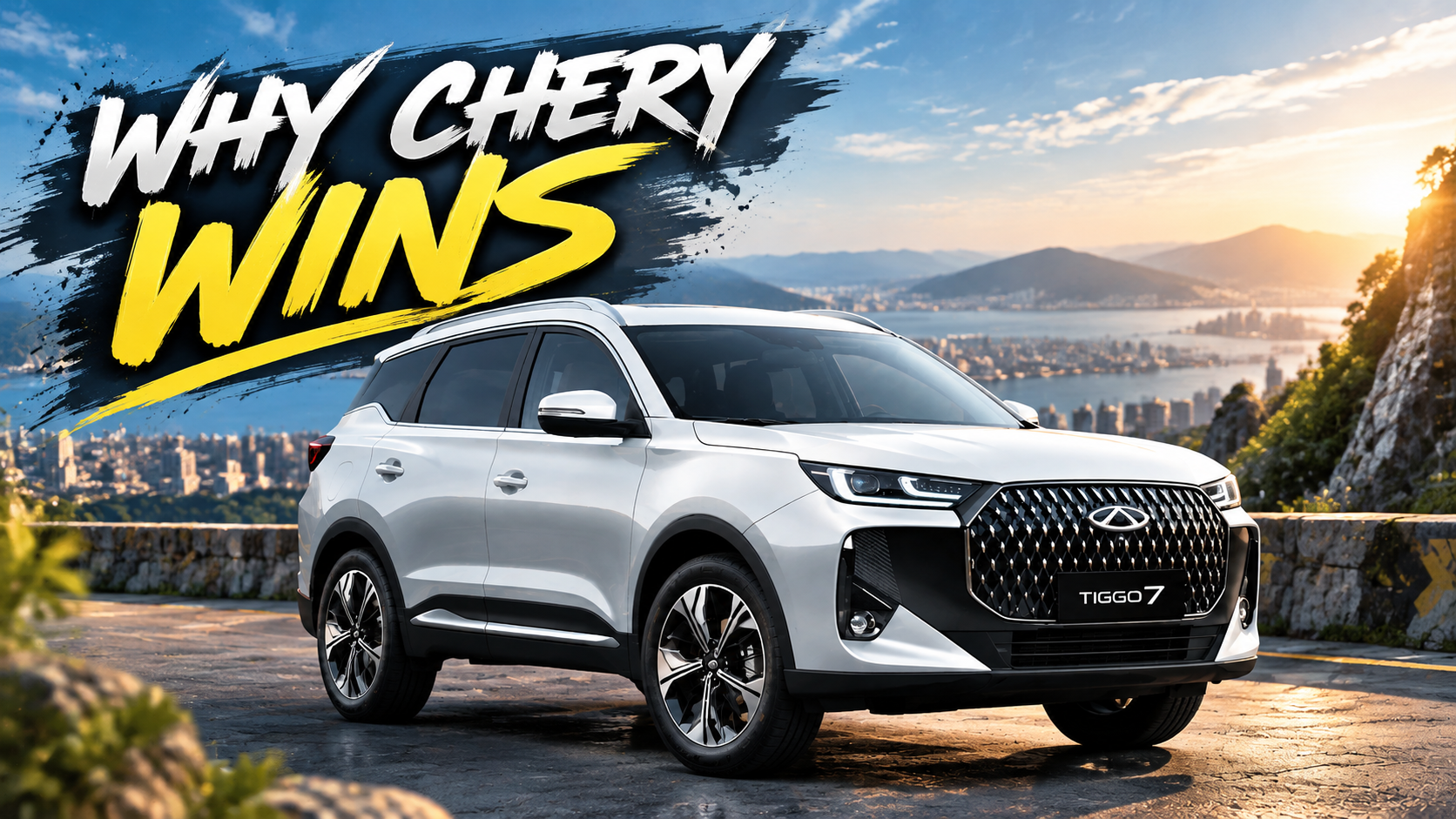
10. Chery (Tiggo 4/7)
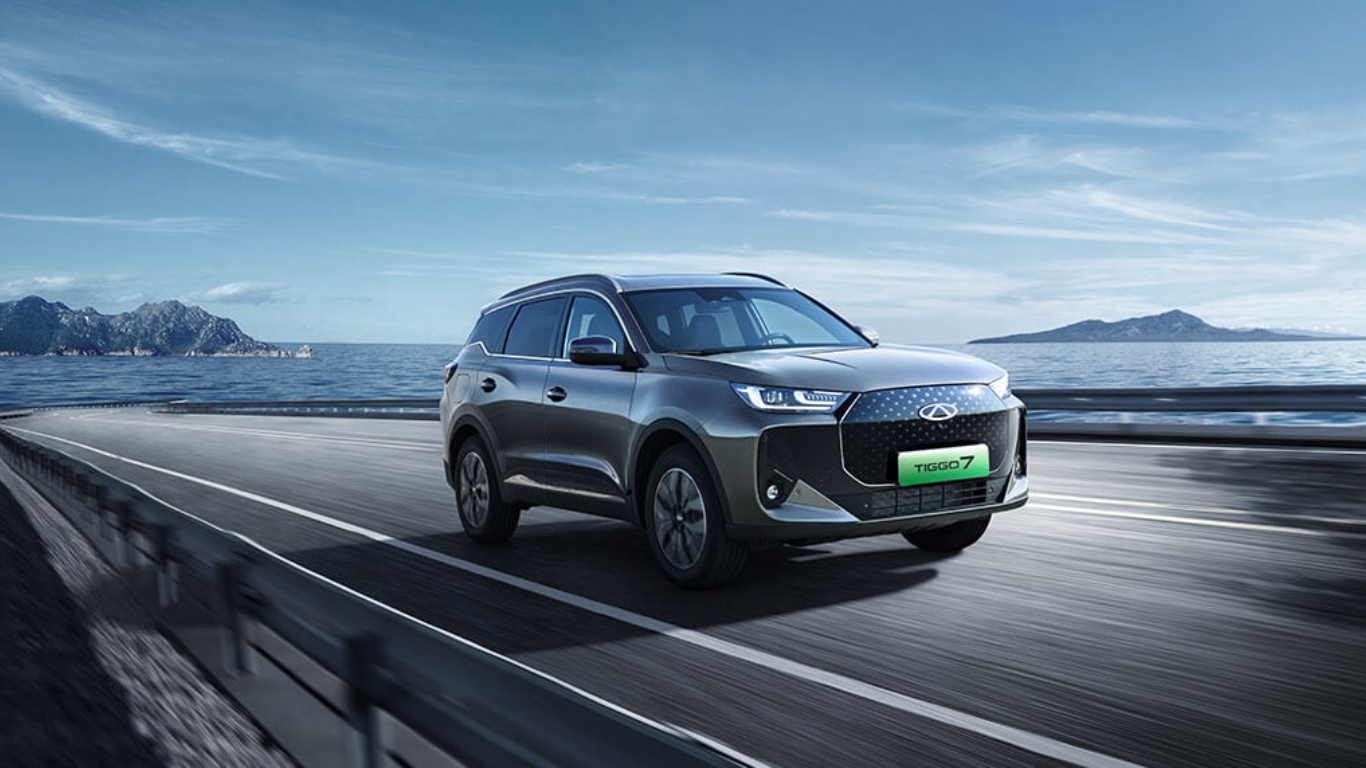
Top Chinese brand in both 2025 and 2026 JD Power VDS studies—Tiggo 4 Pro became Australia’s best-selling small SUV in Q1 2026.
The 2025 JD Power China Vehicle Dependability Study (VDS) ranked Chery as the top Chinese domestic brand, recording 188 problems per 100 vehicles (PP100). This outpaced the mass-market average of 202 PP100. Chery led Chinese brands again in the 2026 VDS with 181 PP100, also topping the 2025 Initial Quality Study (IQS). Long-term reliability isn’t a fluke here.
Skepticism is natural. The Tiggo 4 Pro became Australia’s best-selling small SUV in Q1 2026, showing 84% year-on-year sales growth in March. The Tiggo 7 PHEV boasts a 5-star ANCAP safety rating. Expect a 7-year / unlimited-kilometre vehicle warranty and 8-year / 160,000 km battery coverage. The first five services cost around $299 each. Chery is a solid bet in a world of fleeting trends, much like that trusty road atlas kept in the glove box.
11. Hongqi
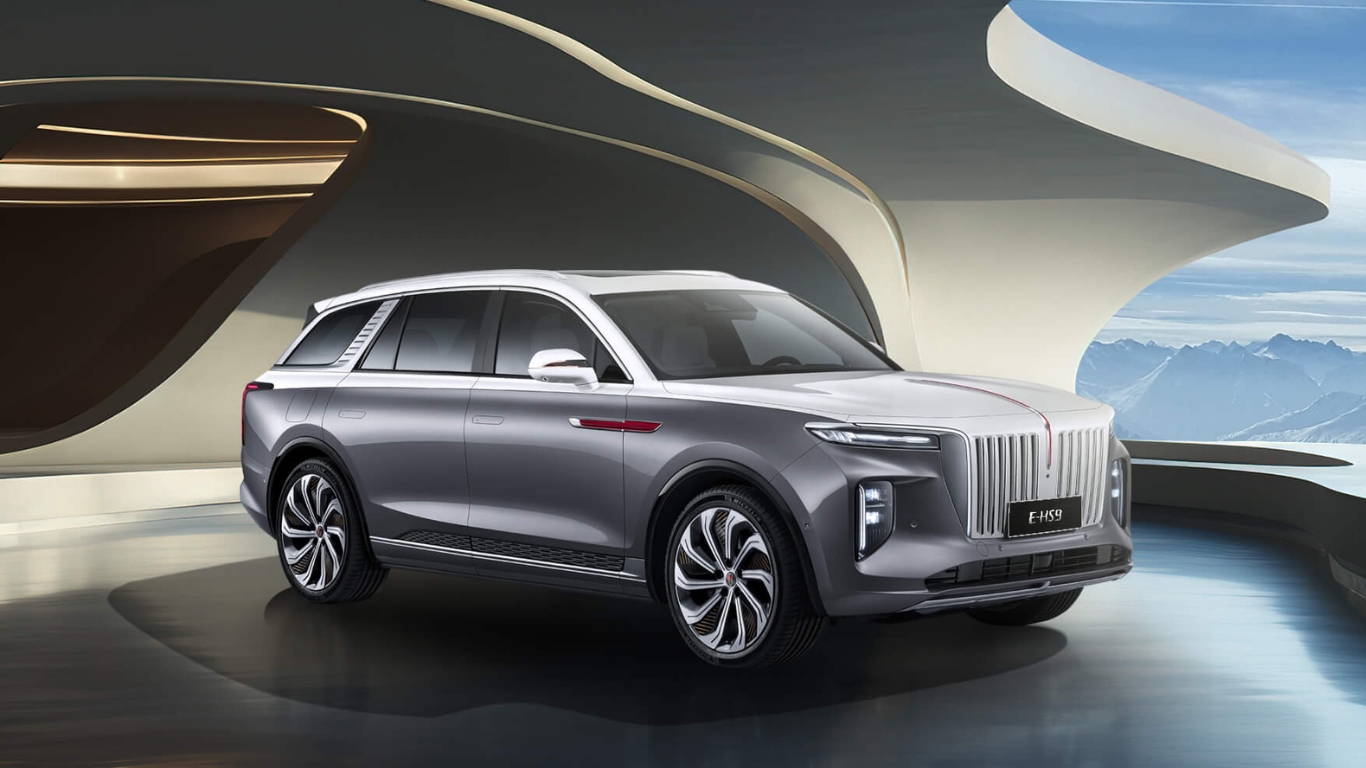
China’s oldest passenger-car marque—supplier of state limousines since 1958—scored second among Chinese brands in JD Power’s 2025 VDS.
Hongqi, meaning “Red Flag,” serves as FAW Group’s luxury marque, historically providing state limousines. China’s oldest passenger-car brand, launched in 1958, it built a legacy with ceremonial vehicles like the L5/Guoli sedan. Hongqi projects precision and heritage through decades of high-profile service.
Proven reliability is evident; JD Power’s 2025 China VDS ranked FAW Hongqi second among Chinese domestic brands, scoring 192 PP100. The 2026 VDS shows Hongqi tied with GAC Trumpchi at 186 PP100. Hongqi now targets right-hand-drive markets, with an Australian launch in the second half of 2026 led by the E-HS9 luxury electric SUV. This is a bold entry. Anticipate initial skepticism, but Hongqi offers proven state-level engineering, aiming to redefine luxury and reliability expectations beyond China’s borders.