

According to industry data, many new cars lose roughly 20% of their value in the first year alone. Understanding your vehicle’s true trade-in worth keeps you from getting fleeced at the dealership. Some models shed value faster than a set of tires under full throttle, leaving owners stranded with negative equity. This analysis identifies the rides that often act as a financial anchor, dragging down your next purchase based on current depreciation data, recall issues, and dealer inventory patterns. Discover which vehicles will leave you wishing you had driven a harder bargain.
1. Chrysler 300
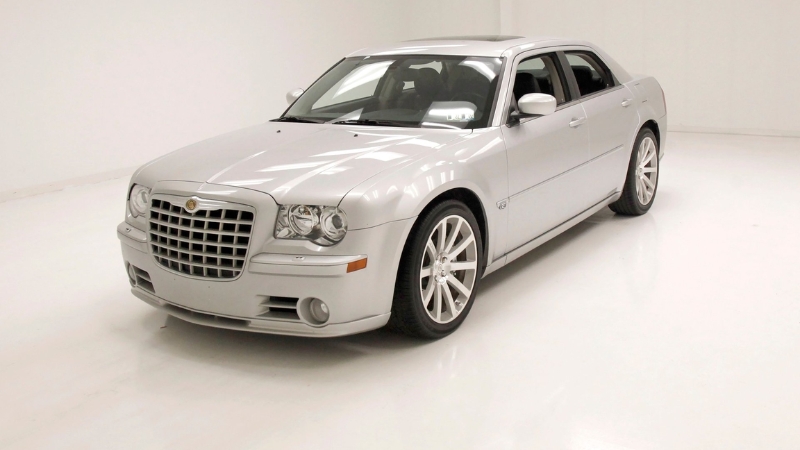
The full-size sedan’s discontinued status and shrinking brand presence have dealers backing away.
Chrysler ended production of the 300 after the 2023 model year with no successor announced. The brand’s lineup has effectively shrunk to only the Pacifica minivan, signaling a clear shift in market priorities. This move has severely impacted resale values for remaining 300 models on dealer lots.
Owners attempting to trade in low-mileage examples often face outright rejection regardless of condition. The wholesale market for these sedans has cratered as dealer networks consolidate and buyers gravitate toward crossovers. Mainstream sedans already face soft demand, but a discontinued nameplate from a contracting brand accelerates depreciation beyond typical rates. The 300’s traditional strengths—V6 or HEMI V8 power, rear-wheel drive, spacious interior—can’t offset the reality that fewer dealers want inventory nobody’s asking for.
2. Mitsubishi Outlander (gasoline model)
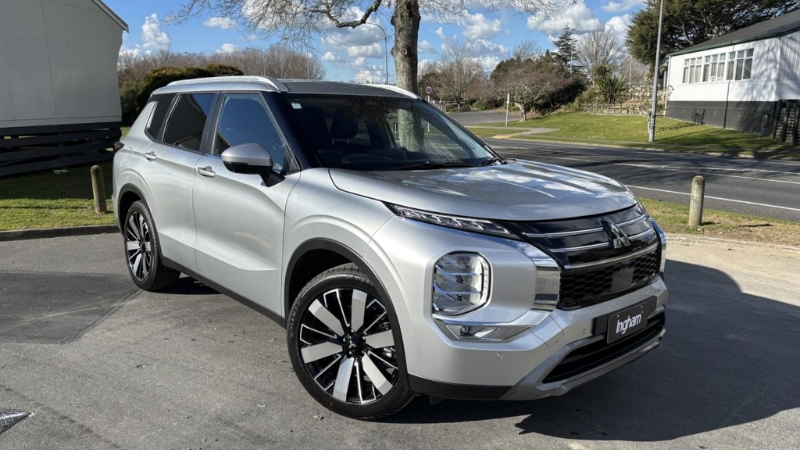
Steep depreciation and a shrinking dealer network make this compact crossover a tough sell.
After the initial thrill of a new car purchase, Outlander owners face harsh reality at trade-in time. The gasoline Outlander depreciates by approximately 51% over 5 years according to CarEdge data, nearly double the typical rate for compact crossovers in its class. This rapid devaluation signals deeper market forces at play.
Mitsubishi’s U.S. presence has withered considerably, with the brand’s dealer network contracting in recent years. Annual U.S. sales remain well under 100,000 vehicles, limiting brand visibility and dealer coverage nationwide. For buyers, this means harder resales and less confidence in long-term support.
The Outlander offers available three-row seating in a compact footprint and value-oriented pricing. Yet these features can’t fully offset weaker resale performance compared to rivals like Toyota, Honda, and Hyundai in the same segments. Depreciation data from used-car analytics consistently shows mainstream Mitsubishi models losing value more heavily than category leaders.
3. Nissan Pathfinder
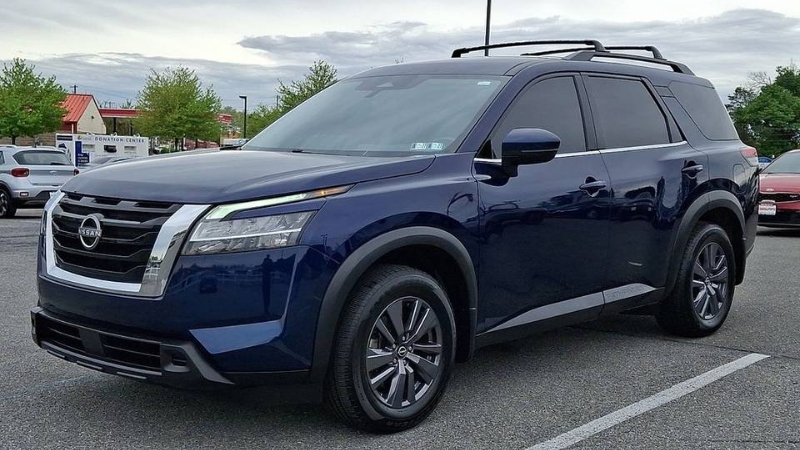
Financial struggles and past transmission issues continue weighing on this three-row SUV’s resale value.
A 2022 Nissan Pathfinder that originally stickered near $33,000 now trades for around $17,000 on the used market. CarEdge data indicates these models face a depreciation rate of roughly 60% over 5 years, a swift tumble that catches owners off guard. That kind of value loss hits harder when you still owe payments on the original loan.
Nissan’s financial challenges certainly contribute to market perception; the company reported a $1.44 billion net loss in the first half of fiscal 2025. This figure makes used car buyers nervous about long-term brand stability and support. Historically, the Pathfinder’s continuously variable transmissions generated reliability complaints and class-action litigation.
Even with newer generations moving to conventional automatics, that history casts a long shadow over resale confidence. Independent depreciation analyses show the Pathfinder losing a substantial portion of its value within five years, often more than category leaders such as Toyota Highlander or Honda Pilot. Past reliability concerns prove difficult to shake, even after engineering improvements.
4. Buick Enclave
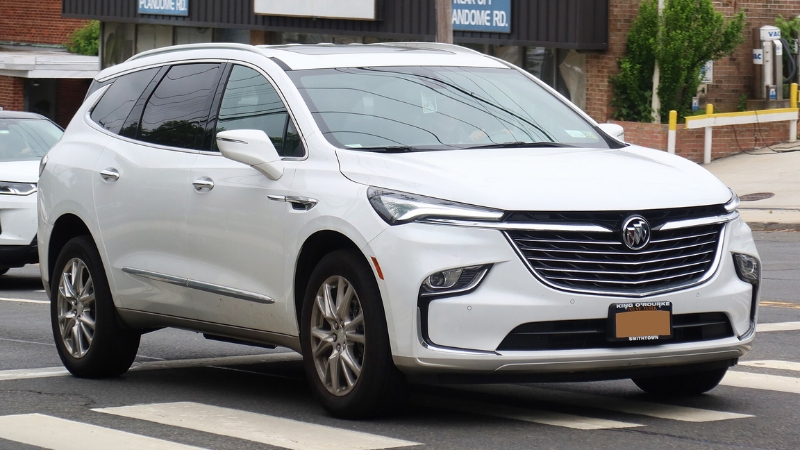
Dealer network consolidation and faster-than-luxury-average depreciation hurt this three-row SUV.
A new Buick Enclave purchased for $50,000 might return a mere $11,000 trade-in after four years. This luxury-leaning SUV often loses approximately 58.5% of its value over 5 years based on depreciation studies. Owners expecting respectable returns frequently discover the market offers far less than anticipated.
GM’s strategic shift delivered an ultimatum to Buick dealers: invest in EV infrastructure or accept a buyout. A significant percentage chose the buyout, reducing the brand’s standalone dealer footprint. Fewer dedicated Buick outlets limit competition for trades and reduce local demand for used Buicks, putting downward pressure on trade-in offers.
Depreciation studies place the Enclave among the quicker-depreciating mid-size luxury-leaning SUVs. The current generation shares GM’s C1XX platform with the Chevrolet Traverse and GMC Acadia, using a 3.6-liter V6 with front- or all-wheel drive. Despite its strengths as a family hauler, the Enclave typically loses well over half its value after five years compared with more sought-after luxury nameplates.
5. Dodge Charger (final HEMI V8 generation)
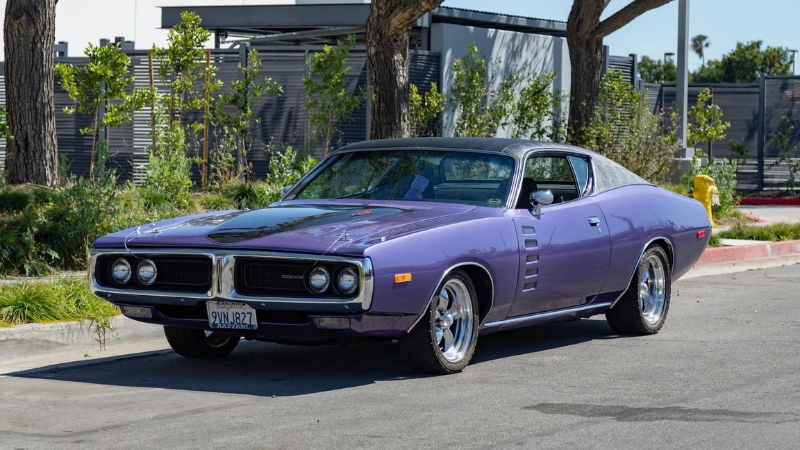
Discontinuation of gas-powered models and uncertain electric successor create trade-in challenges.
The roar of a HEMI V8 defined the Dodge Charger for decades as a muscle sedan legend. Gas-powered sedan production ceased in 2023, leaving a void for those who cherished raw power and rear-wheel-drive performance. Dodge ended production of the traditional gas-powered Charger as part of Stellantis’ shift toward electrification and stricter emissions requirements.
V8 Chargers often carried high MSRPs and were purchased with long-term loans. When depreciation accelerates after discontinuation or a major lineup shift, owners can easily end up with negative equity. A new Charger replacement with electric and smaller-displacement options has launched, but early market reports show resistance from traditional muscle-car buyers.
The Charger’s historical strengths—performance, cult following, police and enthusiast use—are now counterbalanced by the brand’s transition away from HEMI V8s. This complicates used-market expectations as buyers question which version will hold value better long-term. Uncertainty about the new powertrains’ resale value adds another layer of complexity for current owners seeking to trade.
6. Chevrolet Blazer (current gas-powered crossover)
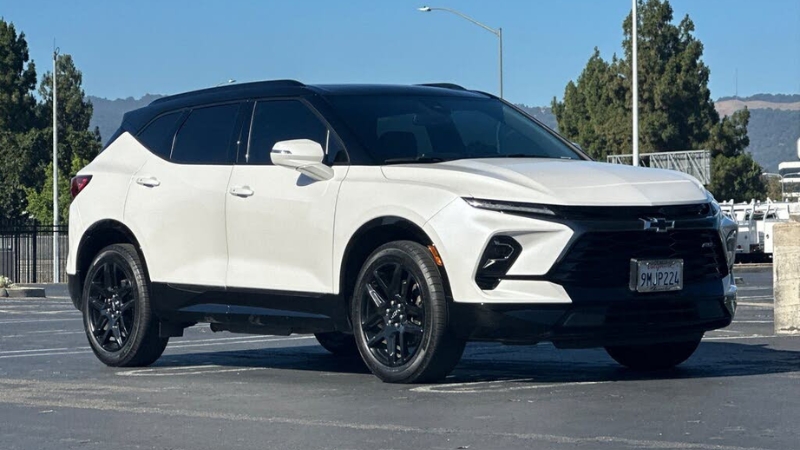
Name recognition can’t overcome weak demand and steep depreciation versus segment leaders.
Some names carry weight and history; others get slapped on products that don’t earn the badge. Chevrolet revived the legendary Blazer name for a front-wheel-drive-based crossover, abandoning its off-road legacy for urban buyers. This identity crisis translates directly into resale struggles.
The modern Blazer, reintroduced for the 2019 model year, is a mid-size crossover distinct from the body-on-frame off-road Blazer of the past. It offers 2-row seating, available AWD, and engines including a 2.0-liter turbo four-cylinder and 3.6-liter V6. GM positioned it between Equinox and Traverse in Chevy’s SUV lineup.
CarEdge and similar data sets show relatively steep depreciation for the gas Blazer compared to segment stalwarts such as the Toyota RAV4 and Honda CR-V. The mismatch between the historical “Blazer” brand association and the current urban crossover positioning creates a demand problem. Chevrolet has also introduced the all-electric Blazer EV, which further complicates the nameplate’s identity and may fragment consumer interest between gas and electric versions. Owners seeking quick sales due to job relocations or financial pressures often face brutal hits on trade-in value.
7. Infiniti QX60
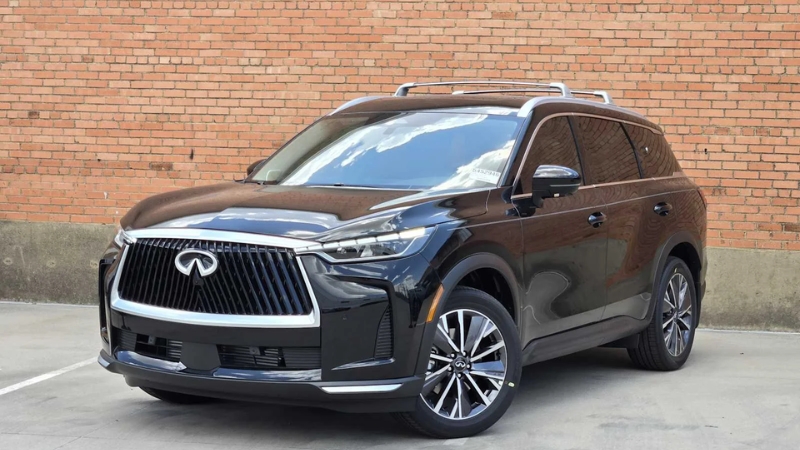
Brand retreat and weak demand push this luxury SUV’s depreciation well above rivals.
A luxury SUV losing approximately 61.2% of its value over five years according to CarEdge data is not merely a financial misstep; it’s a cautionary tale. Infiniti sold significantly fewer total vehicles nationwide than rival luxury brands like Lexus, BMW, or Mercedes-Benz in recent years. Dealers average minimal daily sales, and inventory sits far longer than competitive luxury models.
The sting extends beyond the showroom floor. The Infiniti QX60 is a three-row luxury crossover that shares a platform with the Nissan Pathfinder but is positioned as a premium offering. The current generation uses a 3.5-liter V6 and 9-speed automatic, emphasizing comfort and luxury features.
Infiniti’s U.S. sales have declined markedly over the past decade. The brand has consolidated its retail footprint, often co-locating Infiniti operations with Nissan dealerships, signaling a retreat from a standalone luxury-brand strategy. Depreciation analyses rank the QX60 among the weaker luxury SUV performers by resale.
Owners considering lease buy-outs frequently discover they’re deep underwater on residual values. When a brand retreats to farm-team status after chasing the majors, true luxury—enduring value, not just initial flash—proves elusive.
8. Mitsubishi Outlander PHEV
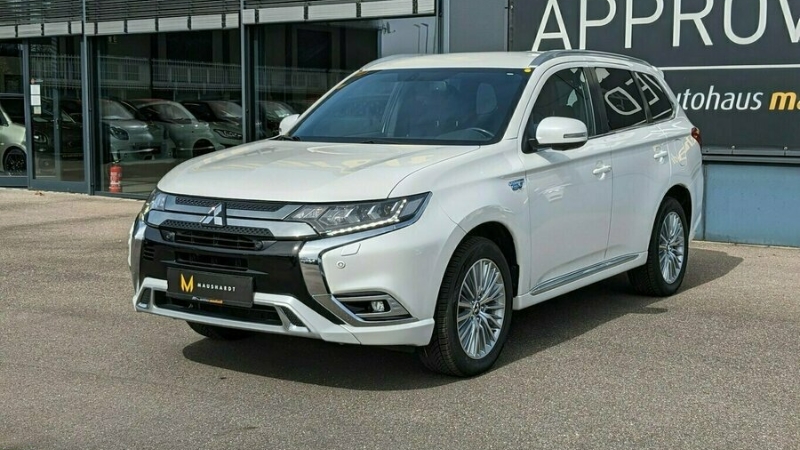
Complex powertrain and limited service infrastructure compound already-steep depreciation.
The Mitsubishi Outlander PHEV depreciates approximately 52.7% over five years according to CarEdge data, a 16-point gap worse than the roughly 36% average for hybrid compact SUVs. While federal tax credits might reduce the initial purchase price, that upfront saving can feel like a mirage when long-term ownership costs surface.
The Outlander PHEV is a plug-in hybrid version combining a gasoline engine with electric motors and a chargeable battery pack to allow limited EV-only driving. It was one of the first mainstream plug-in hybrid SUVs offered globally. As a PHEV, its upfront cost is higher than the standard Outlander, though tax credits and incentives have historically reduced purchase price.
Long-term ownership concerns center on battery degradation and potential replacement cost once warranties expire. PHEV battery replacement can be expensive and more complex than typical internal combustion engine repairs. Resale performance is heavily influenced by brand strength and EV/PHEV service infrastructure.
Mitsubishi’s shrinking dealer network and limited EV specialization make buyers wary of older Outlander PHEVs in the used market. Finding specialist PHEV service becomes challenging when the nearest qualified technician sits two counties away. The combination of steep depreciation, complex powertrain, and limited service infrastructure creates a perfect storm for trade-in difficulties.
9. Nissan Altima
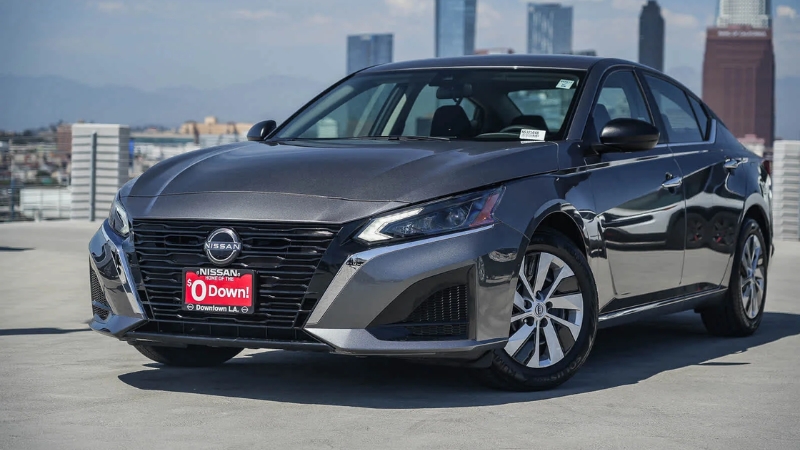
Fleet saturation and brand repositioning accelerate depreciation versus Camry and Accord.
Reliable, affordable transport is often the bedrock of daily life, yet the path from new car to trade-in can hit unexpected potholes. An Altima purchased for around $29,000 might fetch only $13,000 at trade-in after 5 years. This translates to approximately 44% depreciation in value according to depreciation data, which stands several points worse than the mid-size sedan class average.
The Nissan Altima is a mid-size sedan that has served as Nissan’s core U.S. passenger car since the early 1990s, competing with the Toyota Camry and Honda Accord. The current generation features available all-wheel drive and a choice of 2.5-liter four-cylinder or 2.0-liter variable compression turbo engine.
This steep drop often stems from the Altima’s heavy use in rental fleets and commercial applications. Many appraisers treat Altimas as likely ex-rental even when individually they are not, creating a stigma in the used market. With Nissan publicly signaling a strategic shift away from sedans toward crossovers and trucks—discontinuing several sedan nameplates in North America—questions about the long-term role of the Altima persist.
Buyers face uncertainty wondering how long parts and support will remain readily available. Depreciation data typically shows the Altima losing value faster than class leaders, influenced by rental-fleet saturation, brand repositioning, and strong competition from Toyota and Honda. Even dependable transportation can’t outrun its own narrative when fleet history and brand direction work against it.
10. Ram 1500
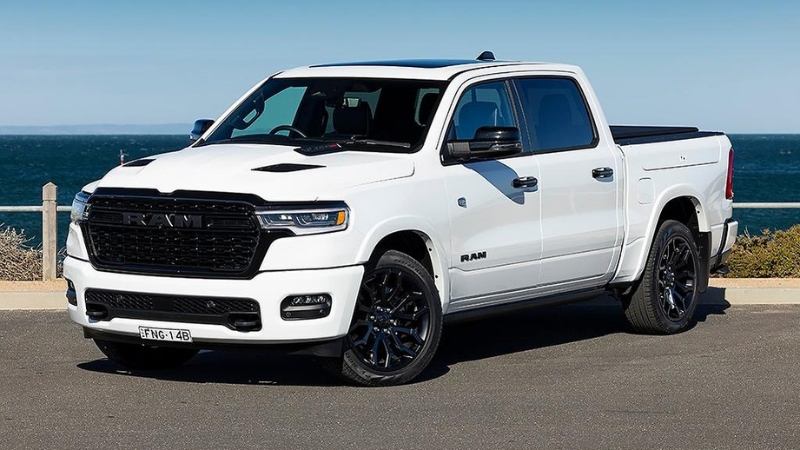
Bloated new inventory and aggressive dealer incentives crater used truck values.
A seasoned truck with solid miles used to command respect on the trade-in lot, but today’s market tells a different story entirely. High-mileage Ram 1500 models that delivered years of reliable service sometimes fetch surprisingly low trade-in offers despite their capability and condition. Getting lowball offers for trucks that have served faithfully frustrates owners expecting fair returns.
The Ram 1500 is Stellantis’ full-size light-duty pickup truck, competing with the Ford F-150 and Chevrolet Silverado. Modern generations emphasize ride comfort with a coil-spring or air-suspension rear setup. It offers multiple engines including V6, V8, and mild-hybrid “eTorque” options, with trims ranging from work-focused Tradesman to luxury-oriented Limited and off-road Rebel variants.
Ram has periodically carried high days-supply inventory in the U.S. market, leading to aggressive discounting on new trucks when stock builds up. When manufacturers heavily incentivize or discount new trucks, used Ram 1500 values suffer because buyers can cross-shop close-priced new units instead of paying near-retail for lightly used examples.
Despite strong reviews for comfort and capability, long-term cost of ownership for Ram trucks can be affected by reliability perceptions, complex electronics, and fluctuating resale values compared with more conservative rivals. When new trucks roll off the line cheaper than some well-kept used models, selling pre-owned inventory becomes an uphill battle.
11. Chevrolet Malibu
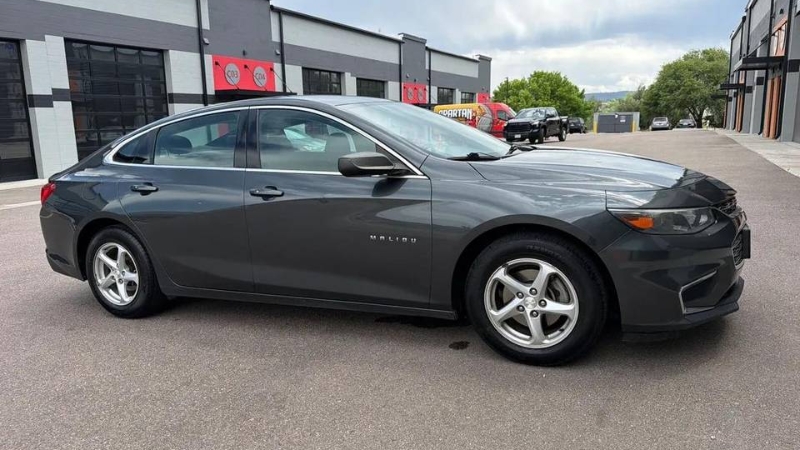
Discontinuation triggers concerns about parts, service, and long-term support.
General Motors confirmed that Malibu production would end around the mid-2020s, with no direct replacement announced in the lineup. The sedan was discontinued as GM shifts focus toward crossovers and EVs. The phrase “no longer manufactured” immediately triggers buyer concerns, essentially poisoning the well for future owners.
Discontinuation increases perceived ownership risk. Potential buyers start questioning parts supply, service familiarity at dealerships, and long-term support, much like trying to find a specialty tool for an engine nobody builds anymore. Discontinuation typically hurts resale: mainstream sedans already see soft demand compared to SUVs, and a discontinued nameplate from a brand pivoting away from cars tends to depreciate faster.
The Malibu has typically been priced as a value-oriented sedan, but heavy fleet usage and GM’s pivot away from sedans have weakened consumer demand in the used market. Owners nearing payoff can find that trade-in offers fall below the total of payments already made, particularly when discontinued status converges with broader sedan-segment softness.
Despite diligent maintenance and on-time payments, owners may discover trade-in offers significantly below what they’ve already paid into the vehicle. That feels like getting ghosted after years of loyalty, leaving you with a perfectly running machine that the market suddenly deems worthless.
12. Jeep Grand Cherokee 4xe
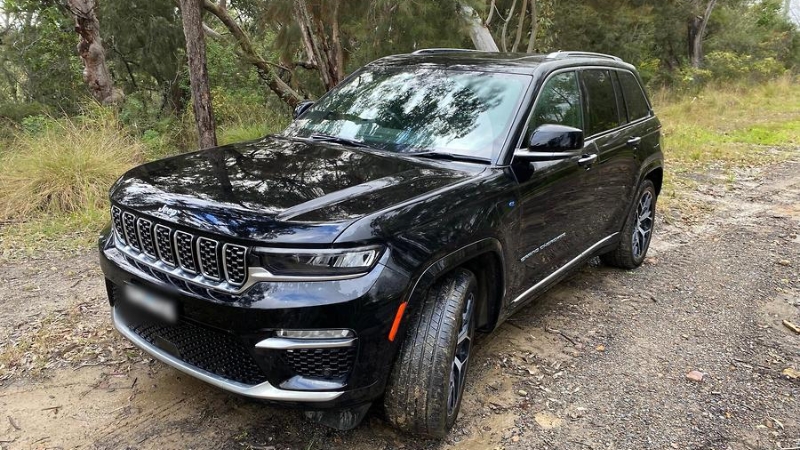
Fire-risk recall with “park outdoors” guidance makes dealers wary of affected plug-in hybrids.
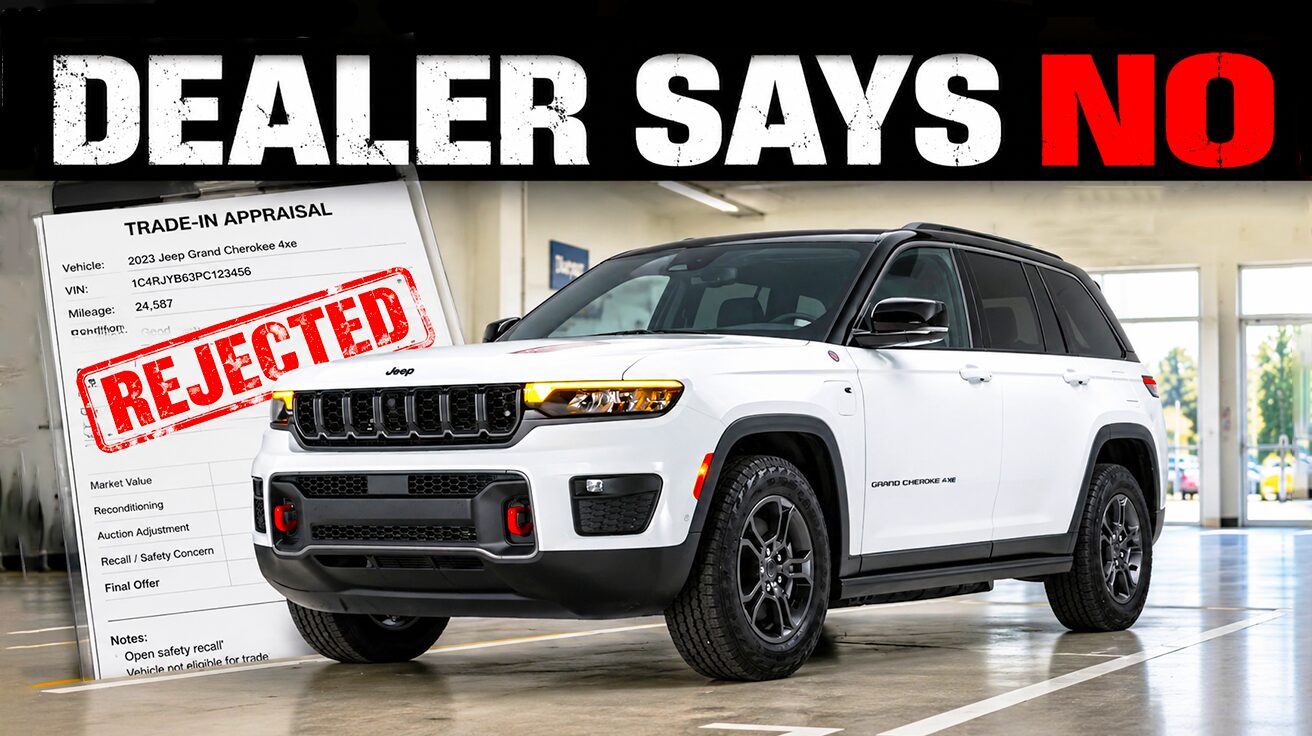
NHTSA recall 25V741 for the Jeep Grand Cherokee 4xe is direct: avoid charging and park outdoors, far from any structure. According to NHTSA documentation, the recall addresses a confirmed battery fire risk affecting over 320,000 Jeep plug-in hybrids, with multiple documented fires. For owners, this news transforms a modern SUV into a liability demanding old-school caution.
The Jeep Grand Cherokee 4xe is a plug-in hybrid variant pairing a turbocharged 2.0-liter gasoline engine with electric motors and a rechargeable battery to deliver both off-road capability and electric-only driving range. It is part of Jeep’s “4xe” electrified lineup, positioned as a premium, high-tech Grand Cherokee with substantial pricing above conventional gas models.
When a recall involves unresolved fire risk and restricts normal use—no charging, outdoor parking—dealers often hesitate to accept affected vehicles on trade. They must complete recall repairs before retailing and face liability if issues persist. Until a permanent fix is available, many stores either heavily discount or refuse such units on trade.
Owners face making payments on vehicles they cannot safely charge or shelter, particularly challenging in harsh winter climates. Plug-in SUVs like the Grand Cherokee 4xe carry complex high-voltage systems; long-term ownership and resale are highly sensitive to brand support, recall handling, and consumer confidence in the safety of the electrified platform. The combination of safety concerns and restricted usage creates substantial trade-in challenges.
13. Jeep Wrangler 4xe
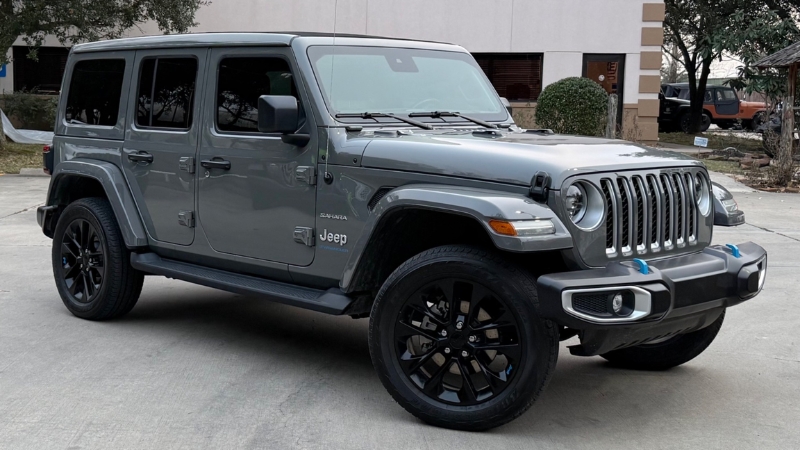
Multiple fire recalls and steep depreciation leave owners underwater and dealers reluctant.
How does an enthusiast’s dream vehicle transform into a rolling financial nightmare? Recent Wrangler Rubicon 4xe buyers have discovered this bitter truth firsthand. The Jeep Wrangler 4xe is the plug-in hybrid version of the iconic Wrangler, combining a turbocharged 2.0-liter engine with electric motors and a battery pack to provide electric-only range while retaining off-road capability.
Multiple recalls have been issued for Wrangler 4xe battery and electrical issues, including recalls for potential high-voltage battery failures that could lead to fire. NHTSA documentation and owner reports have highlighted recurring recall campaigns. Open or unresolved safety recalls make it difficult for dealers to retail affected vehicles, especially certified pre-owned.
According to Kelley Blue Book depreciation data, the 2023 Wrangler 4xe loses approximately 52–55% of its value over 3 years depending on trim. This steep decline, combined with recall history and niche powertrain concerns, creates substantial negative equity for many owners. Buyers purchased tickets to trail adventures but ended up on one-way trips to negative equity.
Dealerships, wary of open recalls, largely refuse to accept the 4xe until Stellantis confirms permanent fixes. Owners cannot safely charge or garage affected vehicles, yet payments continue. Depreciation data from used-vehicle analysts indicates Wrangler 4xe models have lost substantial portions of their value within just a few years, influenced by recall history and buyer preference for simpler gas or diesel Wranglers. The combination of safety concerns, restricted use, and rapid depreciation paints a bleak picture for current owners seeking trade-in options.