

Long rides fail in predictable ways. The pacing mistake that causes a bonk at mile 60. The fueling gap that turns a strong rider into a shuffling mess by the final climb. The saddle sore that starts as a minor irritation at hour two and becomes the only thing that exists by hour five. The flat tire in the rain with no spare tube and fading daylight. These 20 lessons do not require years of suffering to absorb — but most cyclists absorb them through suffering anyway, because nobody reads the manual until something goes wrong.
20. Master Your Pacing

Zone 2 efforts burn fat while preserving glycogen for when the ride actually demands power. Pushing into higher heart rate zones too early burns through carbohydrates at an unsustainable rate — lactate accumulation limits duration more than fitness level does, and no amount of fitness compensates for depleted glycogen stores in the final miles. A reliable fitness tracker takes the guesswork out of zone monitoring and turns pacing from an estimate into a measurable practice. Save the hard efforts for the final miles when they change the outcome rather than the first miles when they only accelerate the suffering.
19. Think Time, Not Distance

Fifty kilometers with 1,500 meters of climbing is not a quick 50k. Distance measurements mislead because they do not account for terrain, surface quality, wind, or traffic — all of which determine how long a given stretch actually takes. Plan rides by time in the saddle rather than miles covered, since heart rate, power output, elevation gain, and weather conditions determine the real effort required. Time-based planning produces realistic expectations and prevents the specific disappointment of missing distance targets that were miscalculated from the start.
18. Shammy Cream Prevents Saddle Hell

Chamois Butt’r creates a friction-reducing barrier that eliminates chafing during multi-hour rides. The physics is straightforward — repetitive pedaling motion against skin creates friction, friction creates heat, heat creates breakdown. Apply before rides longer than your usual distance. Some riders never use chamois cream and get away with it; others discover the hard way that getting away with it has a distance limit that varies by individual. The post-ride coffee stop tends to sort out which category everyone belongs to.
17. Don’t Let Dead Batteries Kill Your Ride
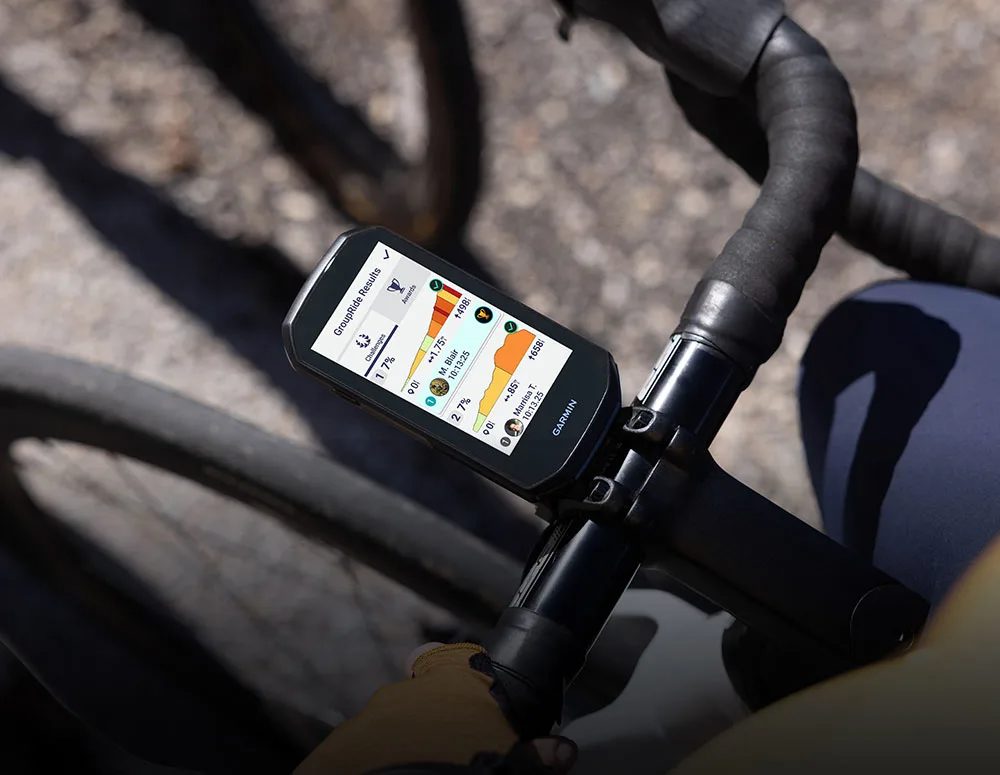
GPS tracking, power data, and navigation all depend on battery life that manufacturers consistently overestimate. The Garmin Edge battery that supposedly lasts 15 hours tends to make a different calculation when GPS accuracy is high and backlight usage is frequent. Carry a small battery pack in your top tube bag with charging cables for critical electronics — USB ports on frame bags allow on-the-go charging without stopping. Dead batteries convert any of the top road bikes into an analog machine with no route guidance and no performance data at the worst possible moment.
16. Research Your Route
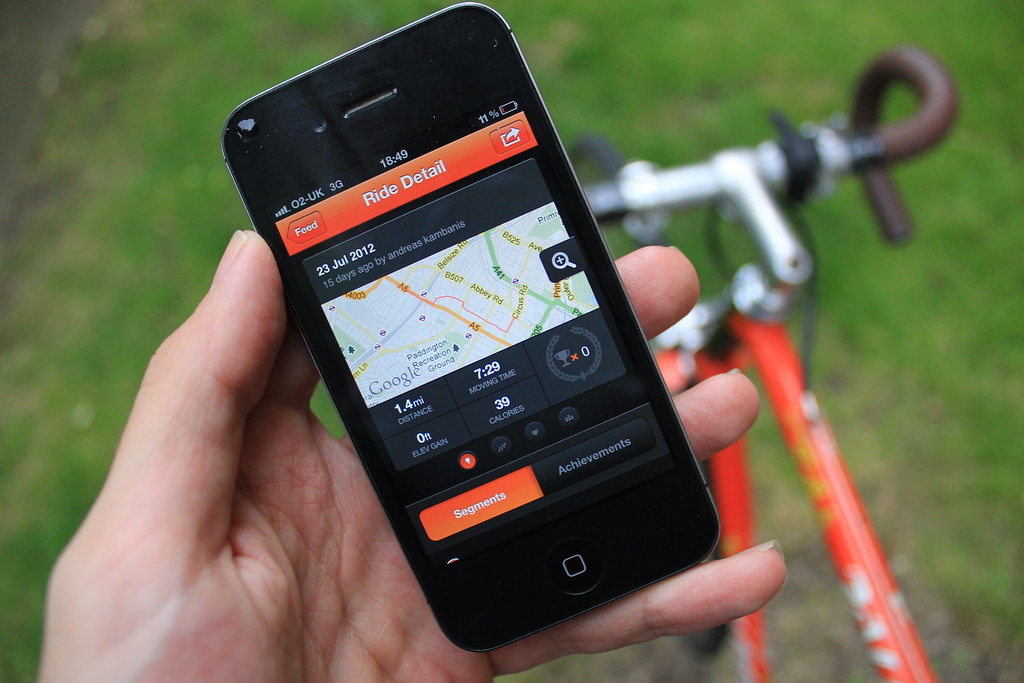
Chip seal versus smooth pavement changes average speed by 2-3 mph over distance — a significant difference for century planning that maps do not show. Google Street View reveals road surface conditions before the ride. Strava segments and Ride with GPS provide rider-generated data about actual conditions, and recent activity comments report construction, road closures, and seasonal hazards in real time. Route knowledge converts surprises from ride-ending problems into anticipated challenges with planned responses.
15. Multiple Bib Shorts Matter

Each manufacturer cuts chamois differently, places seams in different locations, and uses varying pad densities — what feels correct on day one of a multi-day ride can create pressure point problems by day three. Rotating Rapha Pro Team with Pearl Izumi, or any two quality pairs, distributes pressure across different anatomical areas and prevents any single contact point from accumulating enough friction to become ride-ending. Back-to-back long days on the same shorts accelerate the problem; alternating pairs slows it considerably.
14. Plan for Murphy’s Law
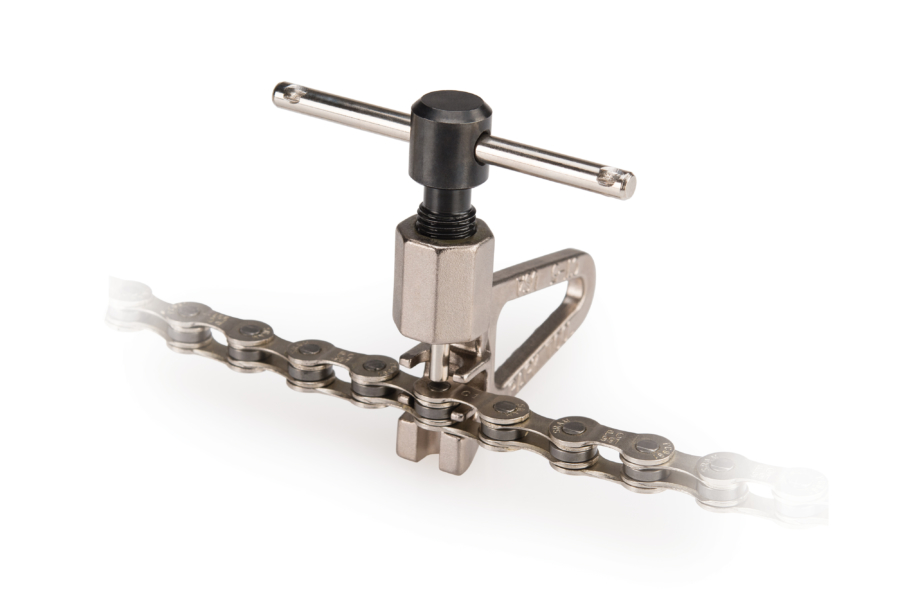
Mechanical failures happen at maximum distance from help — this is not coincidence, it is probability applied to long rides. The Park Tool CT-5 mini chain tool handles a snapped chain 40 miles from home; a rain shell, buff, emergency food, and cash handle the rest of what goes wrong. Tell someone your planned route and expected return time since cell coverage disappears in the rural areas where long rides tend to go. Each of these preparations costs almost nothing against what it costs to be stranded without them.
13. Nail Your Fueling Strategy

Bonking at mile 60 ends more rides than mechanical failures, and it is entirely preventable. Eat before hunger arrives and drink before thirst kicks in — the stomach processes approximately 200-300 calories per hour during steady efforts, and that budget needs to be met consistently rather than played catch-up with. Real food works as well or better than expensive gels for most riders: bananas, energy bars, and straightforward carbohydrates stay down and taste reasonable when you are suffering, which is the relevant test at mile 70.
12. Optimize Your Bike Storage

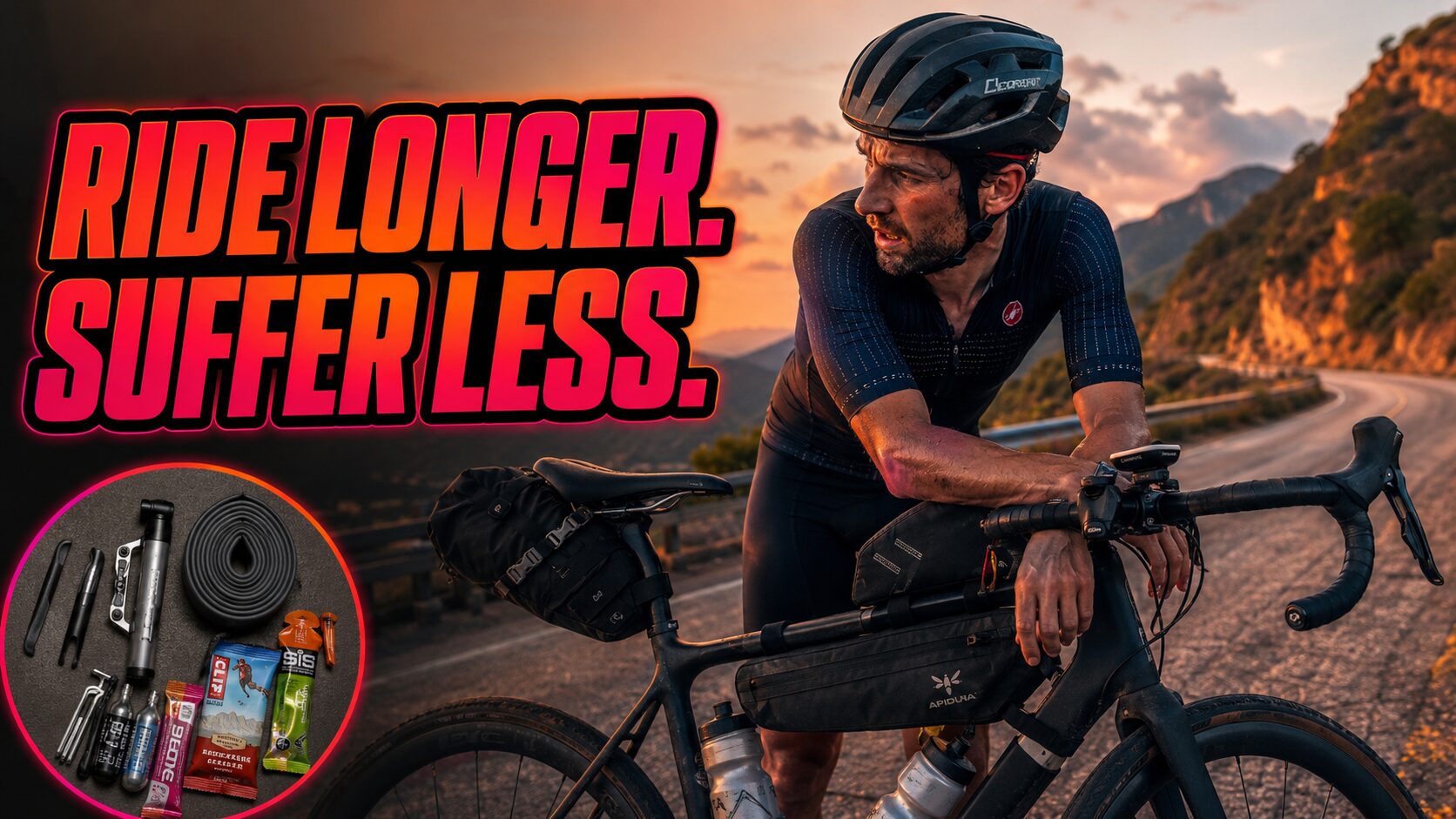
Jersey pockets loaded with tools, food, and spare tubes shift center of gravity toward the back and create the sagging, unbalanced feeling that gets worse over hours. Frame bags position weight low and centered where it belongs. Top tube bags keep snacks accessible without the reach-and-fumble of jersey pocket retrieval. Saddle bags handle the bulk. Distributed storage across the bike’s frame produces a cleaner riding position and a more comfortable experience than the jersey-as-backpack approach that most riders default to without thinking about it.
11. Master Group Riding Dynamics
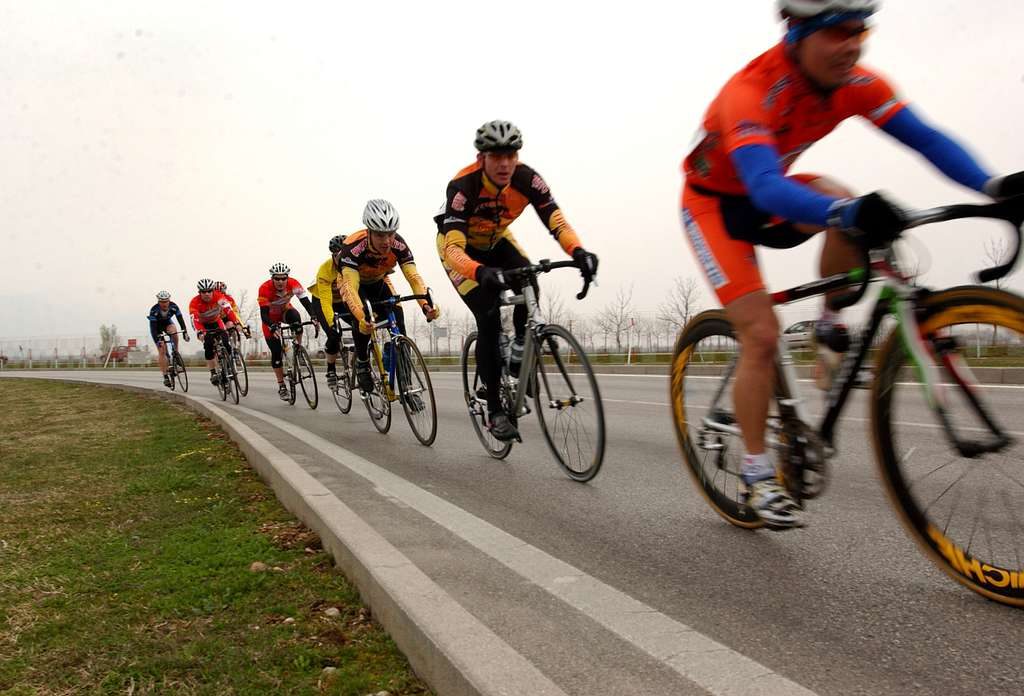
Drafting at 300 watts feels equivalent to a solo effort at 400 watts — a 30% energy reduction that transforms what distances are achievable on a given day. Effective pacelines involve shared work and strategic positioning: stronger riders pull longer, weaker riders recover in the draft, and everyone communicates predictably enough to keep the group safe at speed. Group riding skills take time to develop but pay dividends proportional to how often they are practiced, which is why the riders who do the most miles tend to be the ones most comfortable in organized group settings.
10. Choose Mountain Bike Shoes
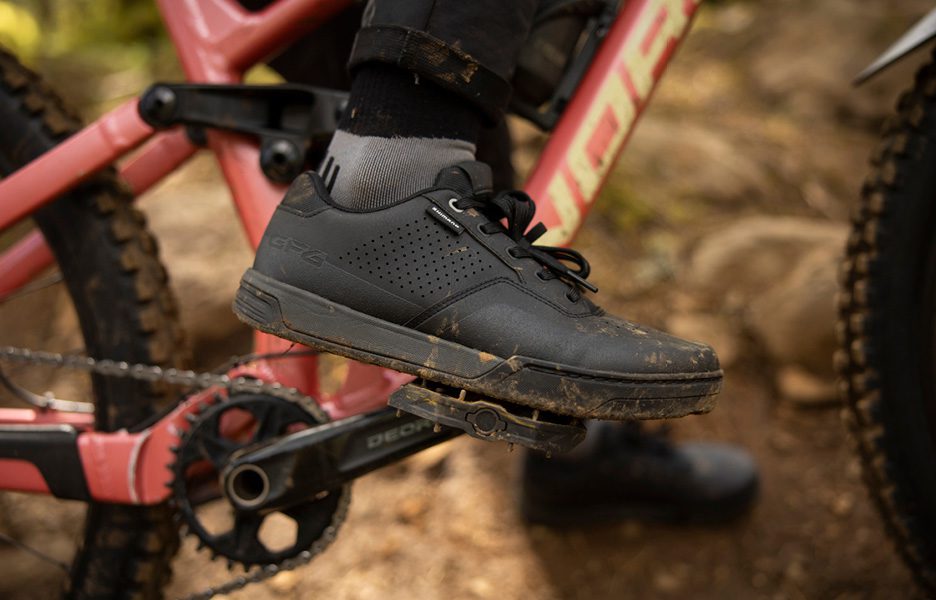
The Shimano SH-XC7 delivers road-comparable power transfer with the ability to walk normally at coffee stops, gas stations, and anywhere else a long ride requires leaving the bike. Road shoes cannot be walked in without risk of damage or injury on smooth floors — a practical limitation that becomes a real problem during multi-stop rides. The Shimano SPD two-bolt system works reliably in all conditions and sacrifices minimal efficiency against road-specific three-bolt alternatives, making it the practical choice for riders who measure value in how a shoe performs across the entire ride rather than only on the bike.
9. Keep Your Chain Happy
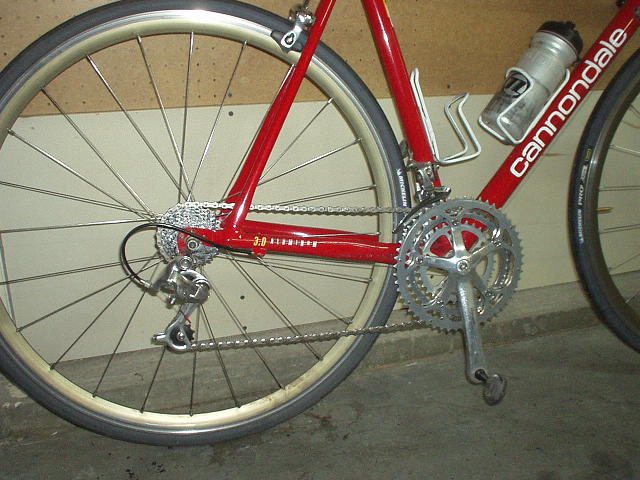
Grinding sounds from the drivetrain mean component damage is already happening. Dirt and grit act as abrasive paste against chain, cassette, and chainring surfaces — the components designed to work together wear each other down faster when contaminated than they would through normal use alone. A $10 bottle of chain lube protects hundreds of dollars in drivetrain components from premature replacement. Clean after muddy rides, degrease when buildup accumulates, lubricate after cleaning, and the drivetrain performs correctly and lasts as long as the manufacturer intended rather than a fraction of that.
8. Invest in Quality Bib Shorts

The Assos Mille GT bibs eliminate pressure points and keep chamois positioned correctly across 6+ hour efforts. Shoulder straps remove waistband pressure and prevent the shifting that cheap alternatives produce over distance. Quality chamois design distributes pressure evenly while managing moisture — the two factors that determine whether long saddle time is manageable or miserable. Budget shorts create friction problems that quality shorts do not, and the cost difference between adequate and inadequate bib shorts is small relative to what a ruined century or multi-day ride costs in terms of recovery time and missed riding.
7. Carry Spare Tubes

Patching a tube in freezing rain while a group waits takes meaningful time and produces results that may not hold. A spare tube converts the same situation into a five-minute stop: swap the tube, inflate, ride. Fix the punctured tube at home with dry hands and adequate light. Even tubeless setups benefit from a backup tube for catastrophic failures that sealant cannot address. The weight and space cost of carrying a spare tube is negligible against the time and frustration cost of roadside patching in poor conditions at the end of a long ride.
6. Accept the Mental Low Points

Mental walls hit around mile 50 for most cyclists, and the experience does not improve with fitness — it becomes more familiar and therefore more manageable. Research confirms that endurance athletes experience predictable psychological dips during extended efforts. The preparation that helps is knowing the pattern in advance: the low point is temporary, it passes, and continuing to pedal through it is the entire skill. Focus on the next mile marker rather than the remaining distance. Professional cyclists know this pattern as well as anyone and continue anyway — the technique is not complicated, it just requires prior experience with the specific discomfort.
5. Prioritize Post-Ride Recovery

The glycogen window closes in 15-30 minutes post-ride — carbohydrates and protein consumed within that window are processed more efficiently for recovery than the same calories consumed later. Chocolate milk works well because the carbohydrate-to-protein ratio happens to match recovery requirements; so does any combination of real food that delivers both. Sleep and nutrition drive recovery more than any other variables. Delayed refueling extends recovery time and reduces the body’s ability to handle back-to-back long efforts, which matters for anyone riding consecutive days.
4. Maintain a Clean Drivetrain
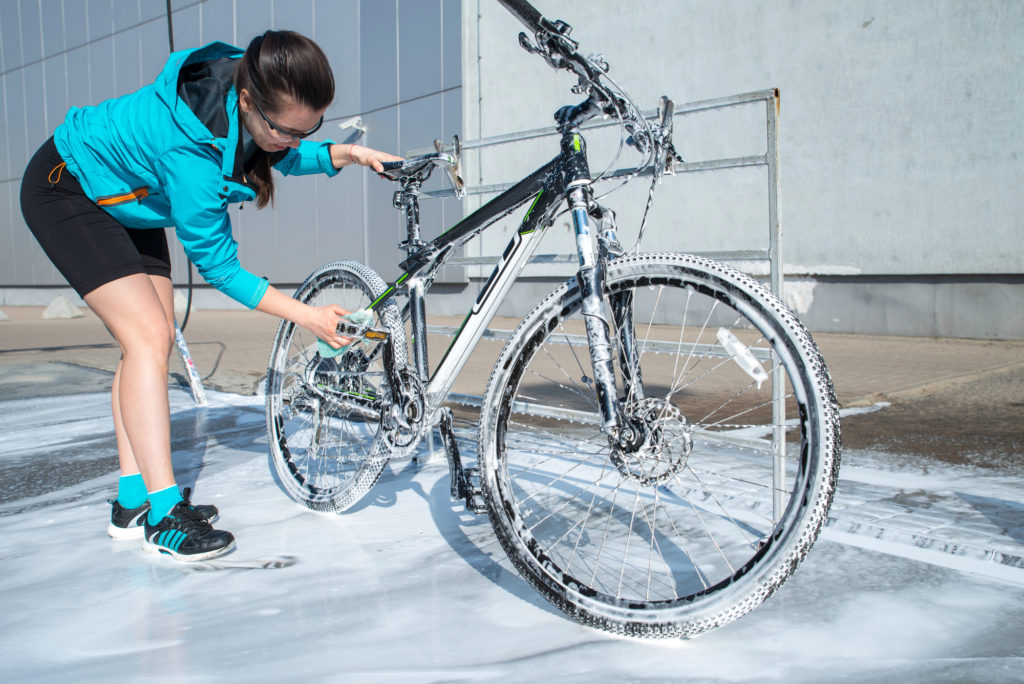
A SRAM Red AXS drivetrain costs $2,000 and three muddy months of neglect will damage it measurably. Grit and grime embedded in chain links act as abrasive between every moving contact surface — cassette, chainring, derailleur pulleys all wear faster under contaminated conditions than clean ones. Warm soapy water after dirty rides, degreaser when buildup accumulates, fresh lubrication after cleaning. GT85 and chain-specific cleaners remove buildup effectively when used regularly. The maintenance routine takes 15 minutes and extends expensive component life from months to years.
3. Layer Like a Pro

Climbing at 8 mph then descending at 35 mph creates a temperature swing that a single garment cannot address in both directions. The Castelli Perfetto vest handles the core warmth requirement without restricting arm movement and packs small enough to fit in a jersey pocket when the descent ends. Base layers plus removable outer shells adapt to changing conditions more effectively than any single heavy garment. Effective layering handles weather changes without requiring a full outfit stop — the ability to add or remove one layer in 30 seconds covers most situations a long ride produces.
2. Fuel Your Engine

Glycogen depletion during extended climbing efforts is more debilitating than most riders anticipate until they experience it once. Real food — bananas, rice cakes, sandwiches, whatever works for the individual rider’s digestion — often outperforms engineered nutrition because it tastes better under duress and provides psychological as well as caloric relief. Eat regularly rather than reactively, keep something edible in a jersey pocket at all times, and get calories in within 15 minutes of finishing. The rider who manages fueling consistently arrives at the end of a long day with energy remaining; the rider who waits for hunger signals is perpetually behind the deficit.
1. Ignore the Unwritten Rules
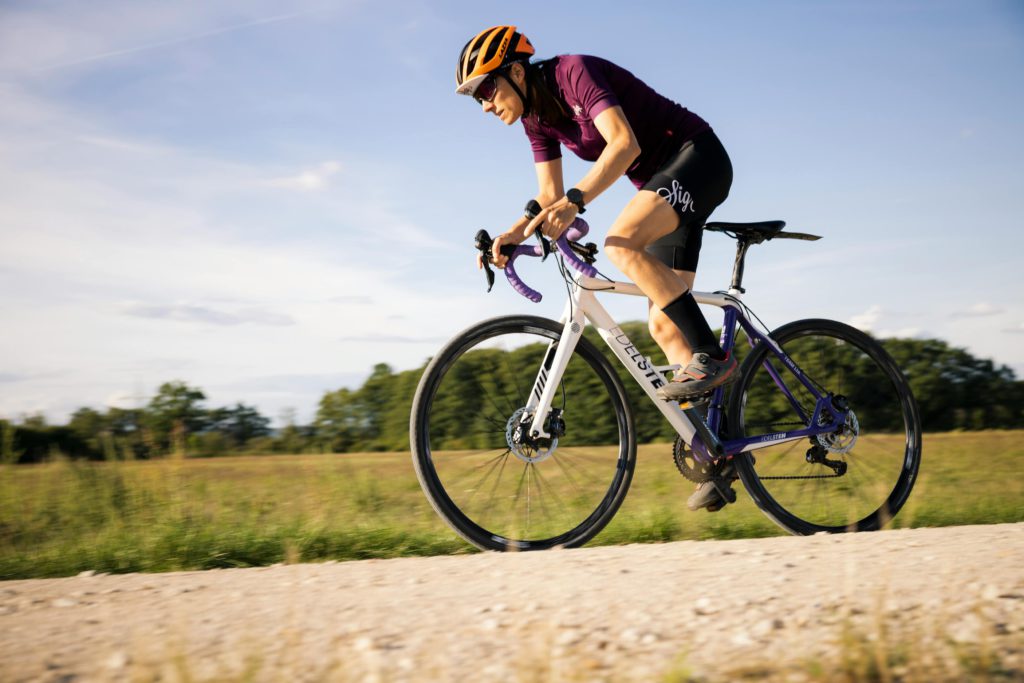
Cycling culture generates significant pressure around equipment choices, clothing standards, and riding style — pressure that benefits retailers and experienced riders who enjoy the hierarchy, and serves nobody else. Carbon wheels do not make a rider capable of 100-mile efforts; consistent training and the lessons on this list do. Comfort choices, gear selections, and riding approach are personal decisions where performance outcomes matter more than peer approval. The cyclists who cover the most miles tend to be the ones who figured out what works for them specifically rather than what the prevailing group consensus recommends for cyclists in general.