

Sport-touring motorcycles occupy a specific and useful market position: more wind protection and comfort than a sportbike, more performance than a pure tourer, and enough electronic sophistication to make long days in the saddle manageable rather than punishing. This list runs from $11,899 to over $30,000, covering parallel twins, inline-fours, V-twins, triples, and the 187-horsepower Austrian option that is not currently available in the US but belongs on any honest list of what this segment offers. Horsepower ranges from 101 to 187 depending on how seriously you take the “sport” half of the category description.
12. Practical Excellence: Honda NT1100
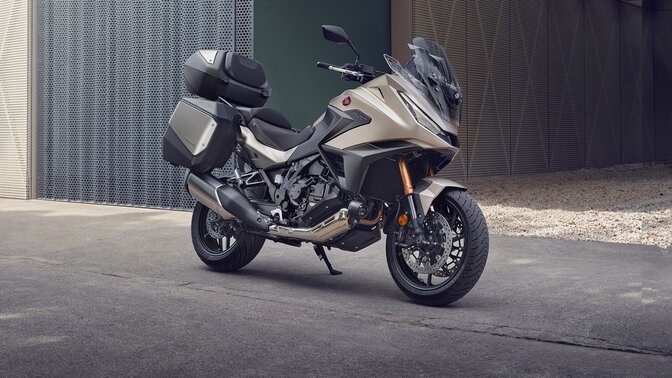
The Honda NT1100 DCT starts at $11,899 — the entry point for the segment and a meaningful value proposition given what it delivers. The 1,084cc parallel-twin produces 101 horsepower and 86.2 lb-ft of torque, with Honda’s dual-clutch transmission handling gear changes for riders who prefer to focus on the road rather than the lever. The 2025 model receives 7% more torque and improved wind protection. Storage solutions are integrated into the design rather than bolted on as accessories. Honda’s reliability record means the NT1100’s operating costs over time are predictable in a way that performance-focused alternatives often are not.
11. Heritage Engineering: BMW R18 B Series
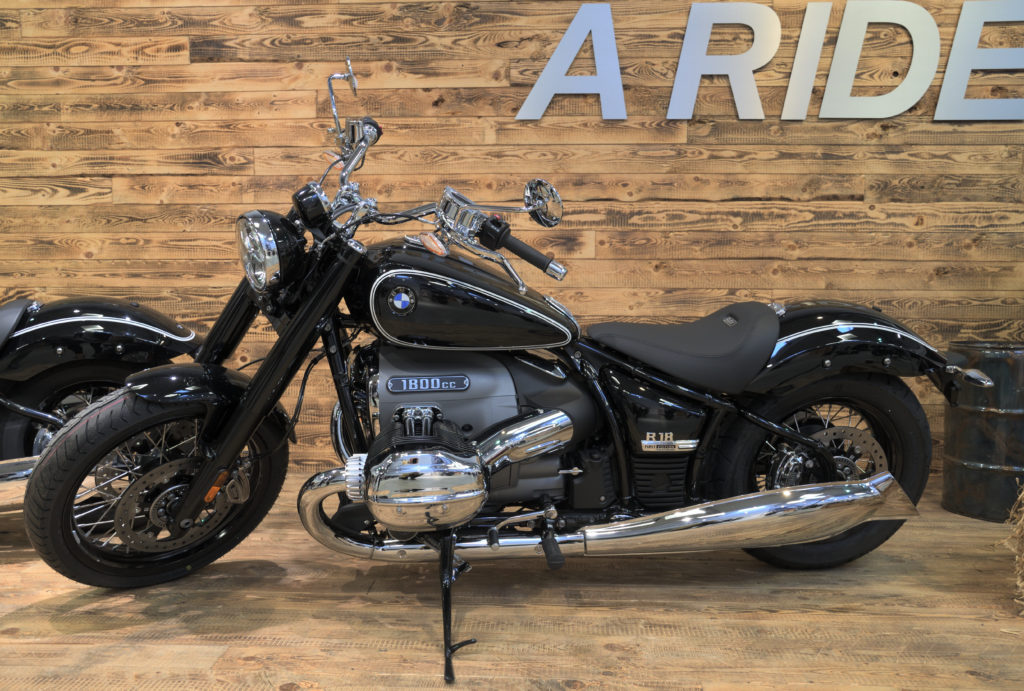
The BMW R18 B starts around $21,770 and is built around the 1,802cc boxer twin — the largest displacement boxer engine BMW has ever produced. The torque output at low rpm makes highway cruising genuinely relaxed. Heritage styling combines classic proportions with modern electronics, producing reliable motorcycles that use the visual language of BMW’s past without limiting the engineering to match it. The boxer engine’s character — the lateral cylinder heads, the specific vibration signature, the low center of gravity — is not something that can be replicated through styling alone, which is what separates the R18 B from bikes that reference the same heritage through design rather than engineering.
10. Accessible Performance: Kawasaki Versys 1000
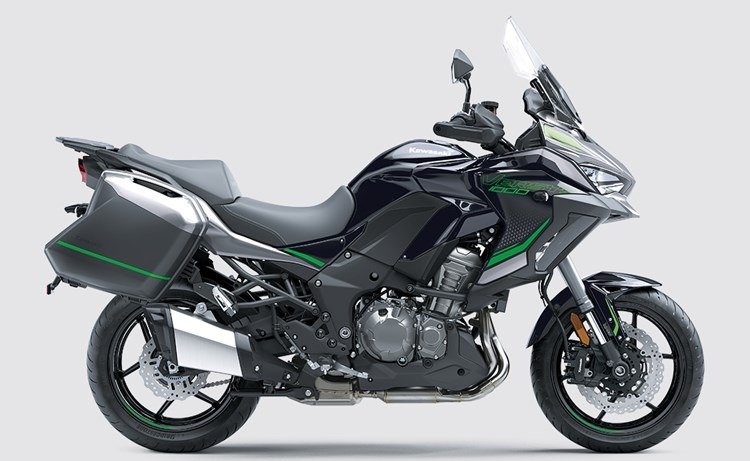
The Kawasaki Versys 1000 received a displacement increase from 1,043cc to 1,099cc for 2025, with the updated inline-four producing 133 horsepower. Strong mid-range torque reduces the need for downshifting when road conditions vary, which matters on long days covering mixed terrain. The transmission shifts more cleanly than the previous generation. The Versys 1000 has never been a visual statement — its appeal is function delivered without demanding attention, which suits a substantial portion of the touring market that wants the miles covered efficiently rather than dramatically.
9. Italian Sophistication: Ducati Multistrada V2
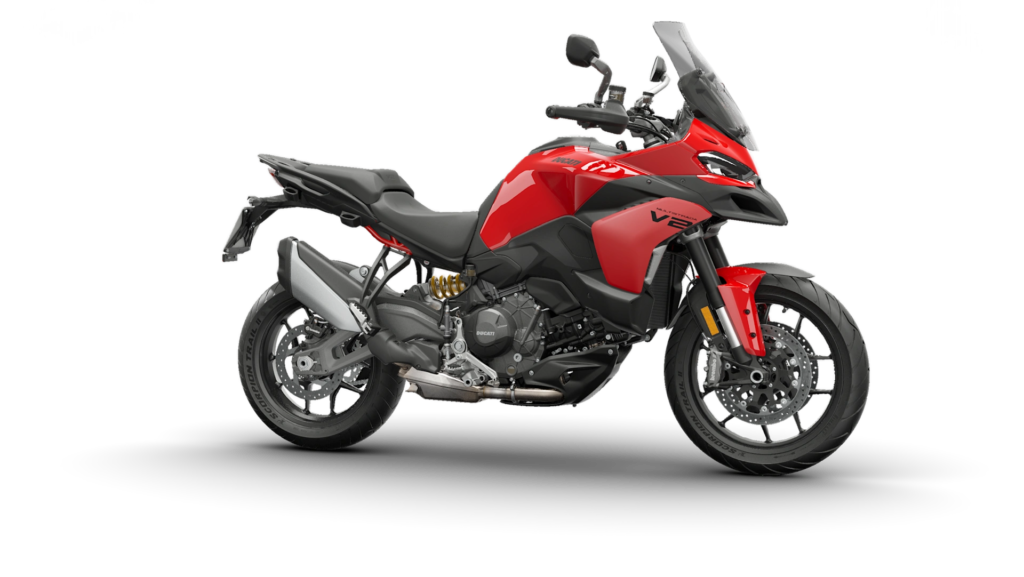
The Multistrada V2 costs $15,995 and uses an 890cc V-twin producing 92 Nm of torque. The S version adds electronic suspension that adjusts to road conditions without rider input. The aluminum frame produces handling that works on tight mountain passes and sustained highway distances without the bike feeling compromised in either environment — a balance that touring-focused designs frequently sacrifice in one direction or the other. The Multistrada V2 is the entry point into Ducati’s touring lineup and carries the brand’s specific engine character at a price point below the full Multistrada V4 range.
8. Breakthrough Performance: Triumph Tiger Sport 800
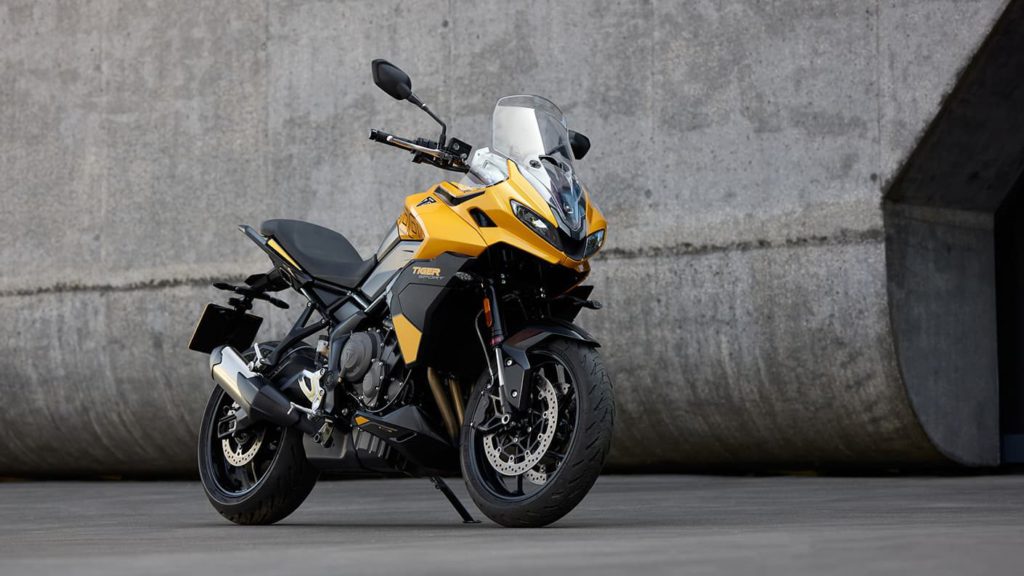
The Tiger Sport 800 starts at $12,495 with a 798cc triple producing 113 horsepower at 10,750 rpm and 61.9 lb-ft of torque. The triple-cylinder engine configuration delivers power with a character distinctly different from parallel-twin alternatives at similar displacement — linear delivery with a specific sound signature that has defined Triumph’s middleweight lineup. Standard cruise control and adjustable suspension are included rather than priced as additions. At 471 pounds wet, it remains manageable at low speed and responsive at pace. Triumph’s triple has enough displacement now to make highway overtaking a straightforward exercise rather than a committed one.
7. American Icon: Harley-Davidson Street Glide Ultra
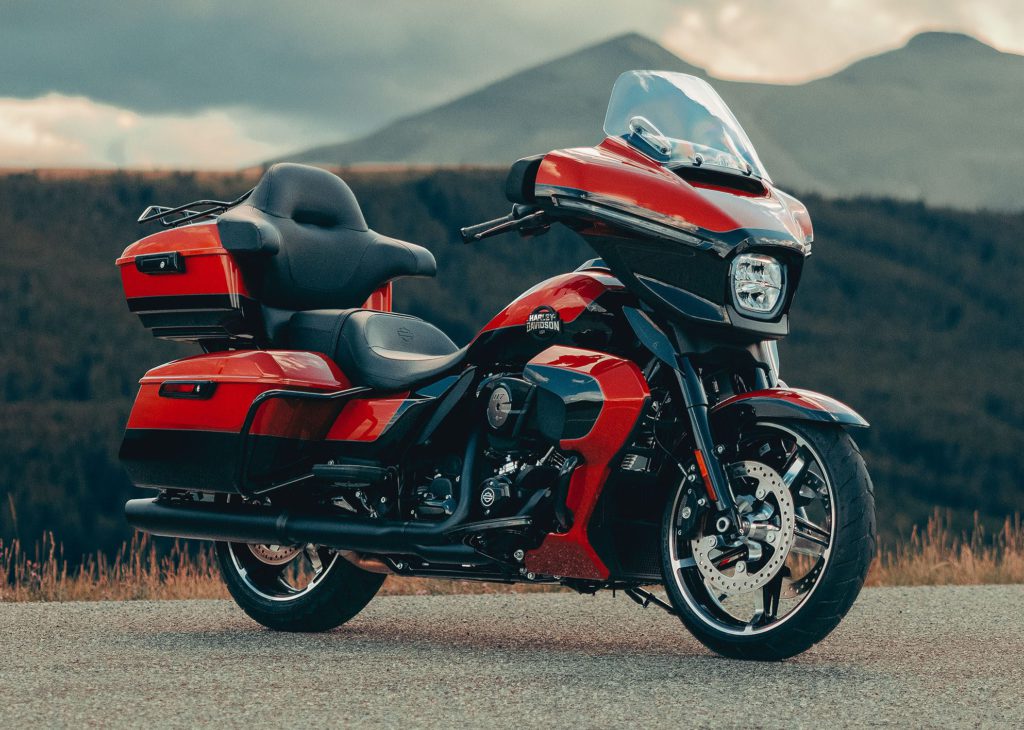
The Street Glide Ultra costs $30,749 and is powered by the Milwaukee-Eight 117 producing 130 ft-lb of torque. Power delivery at highway cruising speeds is effortless rather than strained. The four-inch taller windshield reduces helmet buffeting by up to 60 percent compared to standard models — a measurable ergonomic improvement on long days. Modern infotainment integration has arrived without displacing the core touring characteristics. Two-up ergonomics are specifically calibrated for the use case rather than adapted from a solo-focused design. The Street Glide Ultra’s position in this segment is based on what it delivers practically, not exclusively on brand identity.
6. Versatile Excellence: Yamaha Tracer 9 Lineup
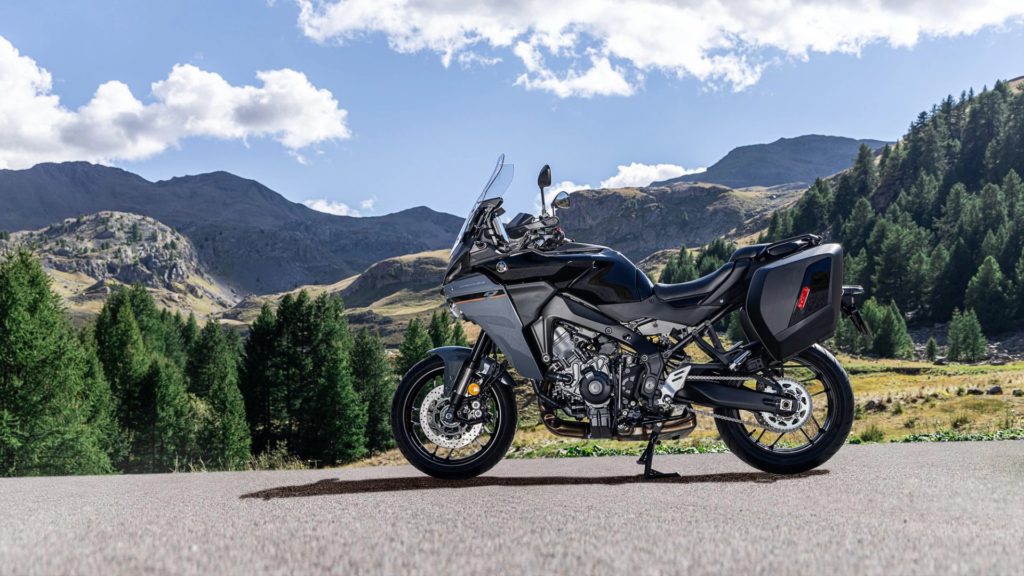
Yamaha’s Tracer 9 starts at $12,599 with the CP3 triple producing 117 horsepower. Three variants cover different buyer priorities: the base model, the GT with hard luggage and electronic suspension, and the GT Plus with adaptive cruise control and front radar systems. The GT Plus technology represents a meaningful advance in rider assistance — front radar adaptive cruise that functions reliably rather than requiring constant override. The three-variant lineup allows buyers to select the specification level their use and budget require without paying for features that are irrelevant to how they actually ride.
5. Sporty Alternative: Kawasaki Ninja 1000SX
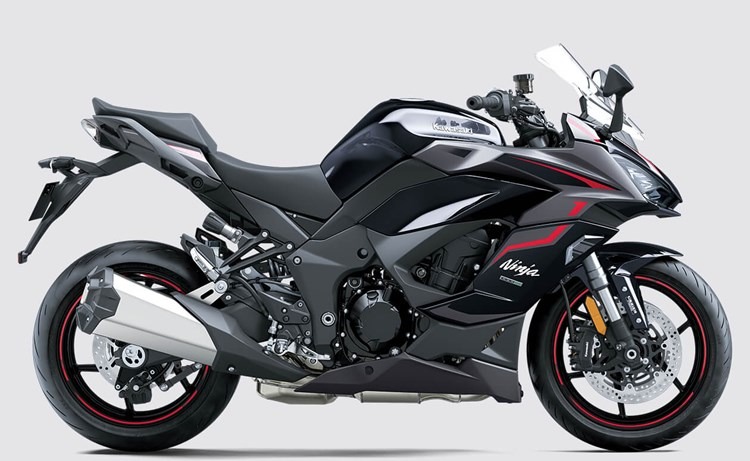
The Ninja 1000SX takes a different approach than the Versys platform — more aggressive ergonomics, lighter weight, and a riding position that prioritizes the sport side of sport-touring. The engine produces 134 horsepower at 9,000 rpm with throttle response calibrated for riders who want immediate output rather than linear delivery. The handling sharpness suits riders who measure a good day by corner quality rather than distance covered. Luggage capacity exists but is not the design priority — this is the choice for buyers who want touring range with sportbike dynamics rather than touring comfort with acceptable performance.
4. German Engineering: BMW F900 XR
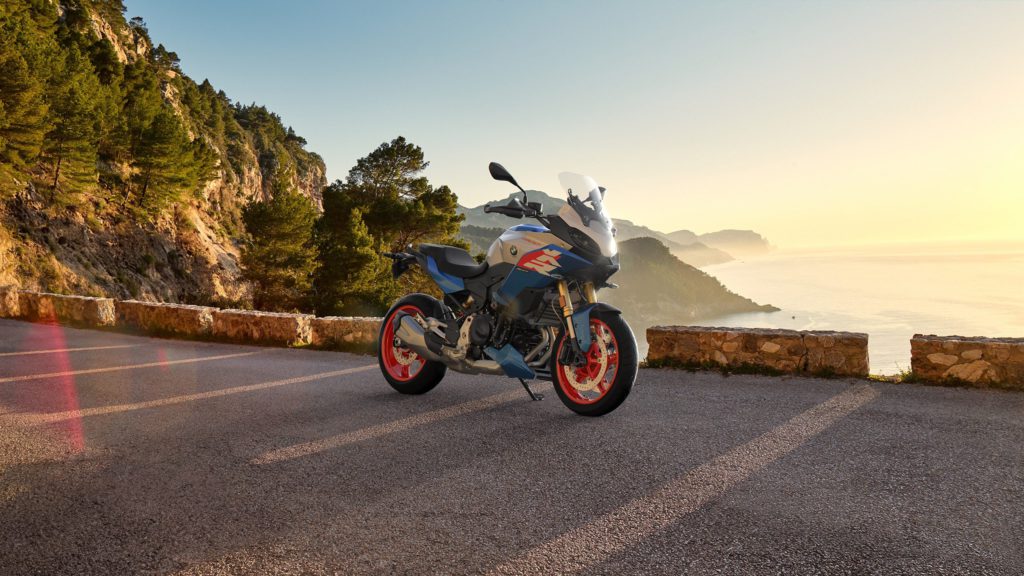
The BMW F900 XR starts at $12,370 with a parallel-twin engine that delivers smooth power across the rev range rather than in a specific band. Heated grips and comprehensive wind protection are standard rather than optional additions that inflate the purchase price. The aerodynamics address fatigue on extended rides by managing airflow around the rider rather than simply deflecting it. The F900 XR sits at the lower end of BMW’s motorcycle pricing while retaining the ergonomic and wind protection calibration that defines the brand’s touring approach — a practical entry point for buyers whose priority is BMW quality without BMW flagship pricing.
3. Unhinged Option: KTM 1390 Super Duke GT
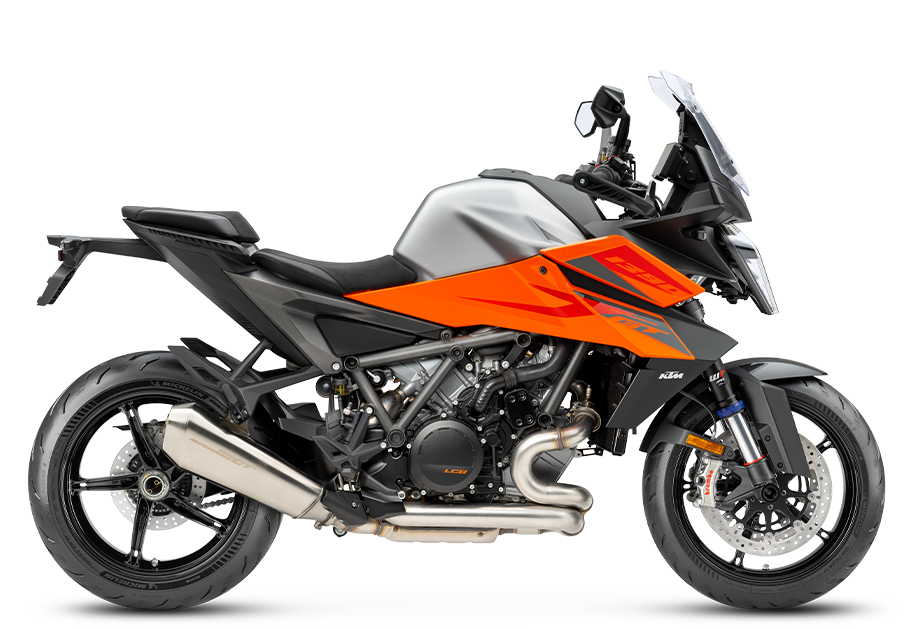
The 1390 Super Duke GT is not available in the USA for 2025 — European market only. For riders who have access to it, the machine produces 187 horsepower from a V-twin in touring bodywork with luggage capability. Brembo brakes and sophisticated suspension manage power at a level that requires both components to be performing correctly. The GT designation adds wind protection and practical storage without reducing the power output or blunting the Super Duke’s aggressive throttle character. This is the most powerful machine on this list by a meaningful margin, packaged for riders who want touring distance capability without the power concessions that usually accompany it.
2. American Evolution: Indian Roadmaster
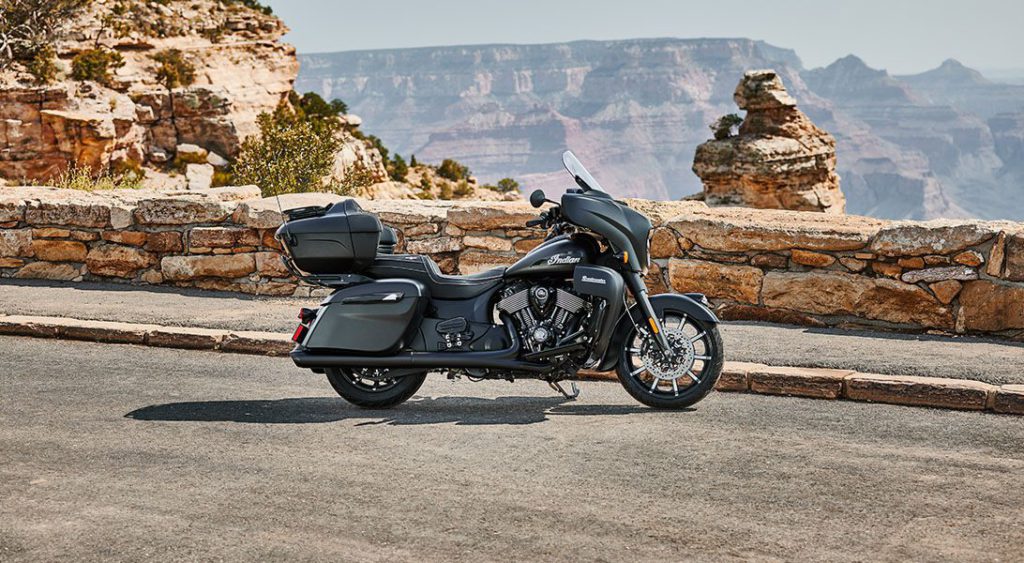
The Indian Roadmaster carries the Thunderstroke 116 producing 126 ft-lb of torque, with frame and suspension improvements that make the platform’s substantial weight more manageable in corners than the mass figures alone would suggest. Advanced rider assistance systems operate as designed. The limited-edition Roadmaster Elite is capped at 300 units worldwide — the exclusivity argument for buyers whose touring requirements include both capability and limited production numbers. Indian’s handling improvements in recent model years have closed the gap between American touring and more sports-oriented alternatives without abandoning the low-rpm torque delivery that defines the platform’s character.
1. Middleweight Champion: Triumph Tiger 900 Range
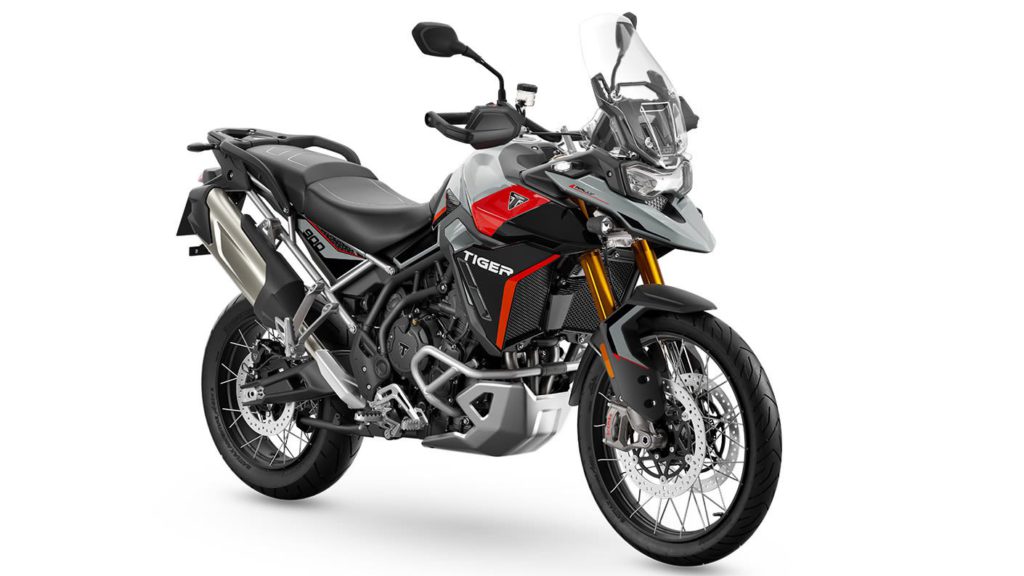
The Tiger 900 family runs from approximately $14,150 to $15,950 depending on configuration, with the 888cc triple producing substantial power across the rev range. Adjustable suspension allows setup tuning that competes with bikes priced significantly higher. Brembo brakes provide stopping confidence proportional to the machine’s pace capability. The larger fairing manages wind at highway speeds without the bulk that defines the premium touring segment. The Tiger 900 earns the top ranking by covering the full touring brief — wind protection, ergonomic comfort, performance reserve, suspension adjustability, and braking quality — without requiring the buyer to compromise significantly in any one area to achieve strength in the others.