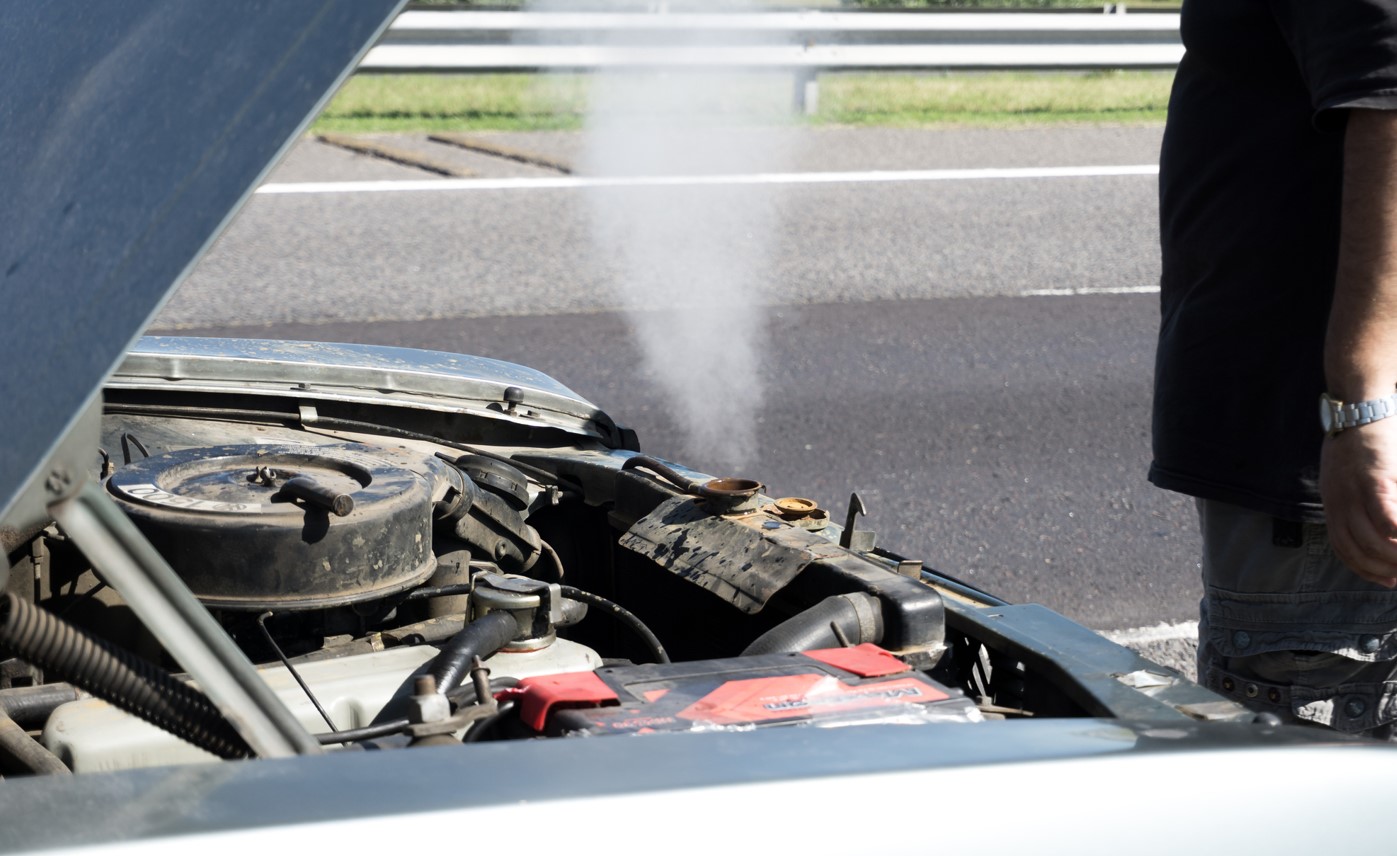


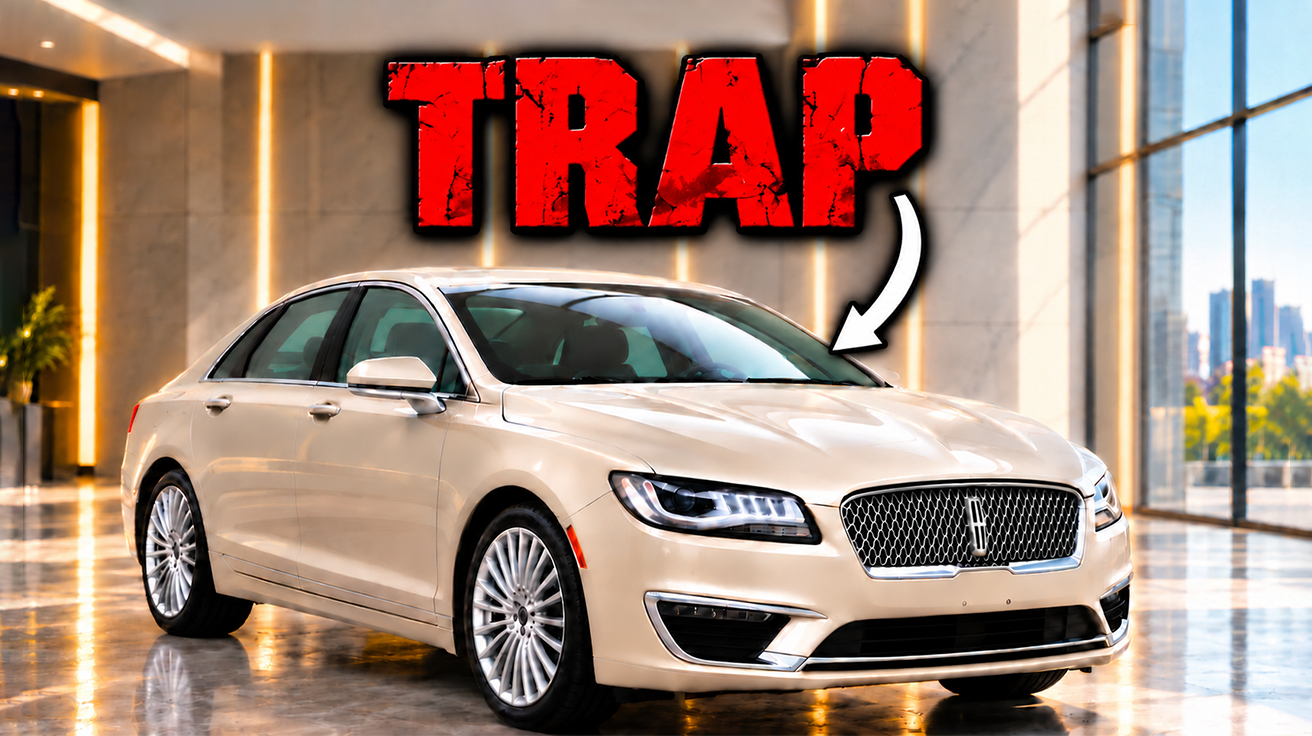
Used car sales topped 16.5 million vehicles in the first half of 2023, many carrying serious mileage. Skip the recall check or ignore known mechanical weaknesses, and your weekend escape becomes a roadside breakdown and a viral TikTok moment nobody wants to star in. This list exposes the specific traps hiding under hoods across dealership lots—turning guesswork into informed decisions. Factory service manuals bury these details in footnotes; consider this your decoder ring for avoiding financial disasters disguised as bargain sedans and crossovers.
1. Chevrolet Cobalt (2005–2010)
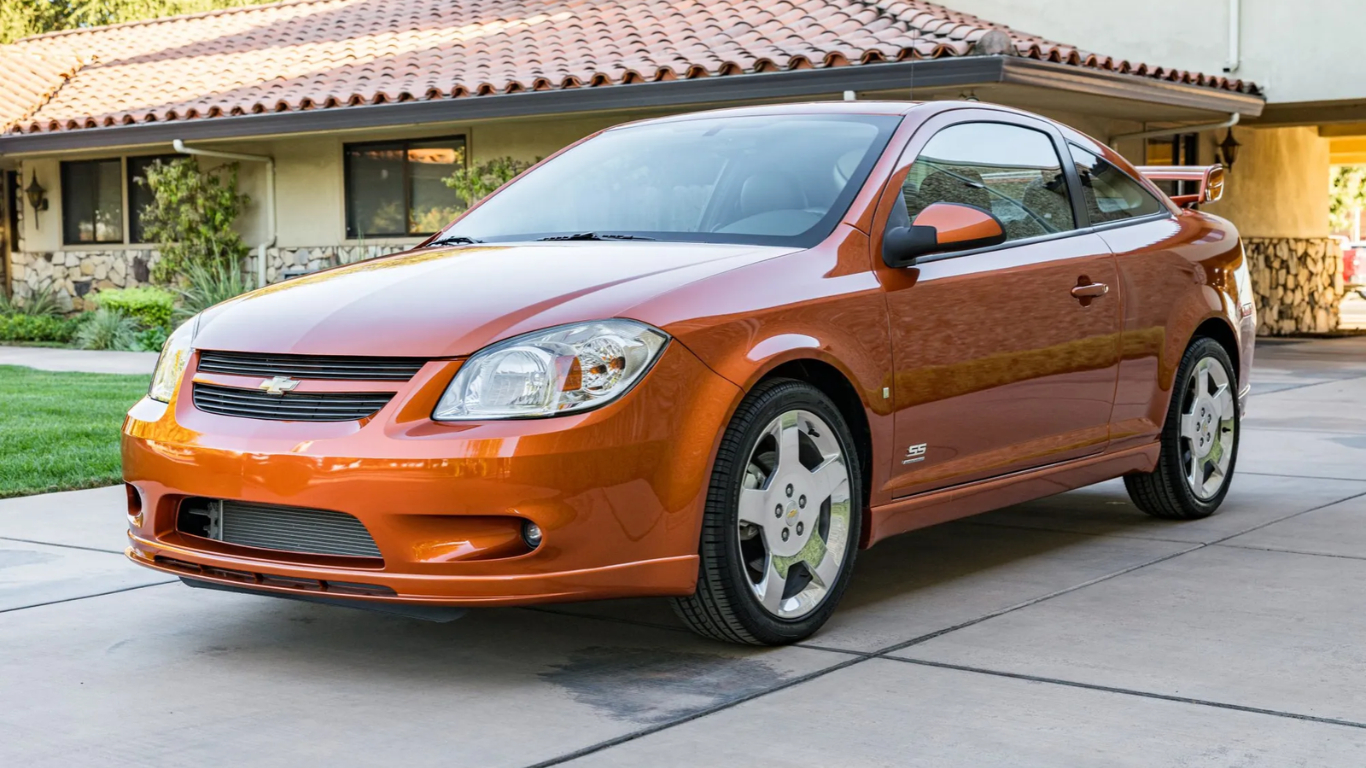
Electric power steering fails suddenly, turning low-speed parking into an arm workout.
The 2005 Cobalt logged more than 128 owner complaints about electric power steering before General Motors issued a recall in 2010. When the system fails, a chime sounds and “Power Steering” appears on the dashboard—but assist is already gone. Below approximately 15 mph, steering effort jumps dramatically. Parallel parking transforms into wrestling a stubborn shopping cart across hot asphalt.
The official remedy replaced the electric power-steering motor at no charge, but verifying recall completion by VIN remains essential. Dealers can confirm whether the original repair was performed and whether any follow-up campaigns affected replacement parts. Skipping this step risks discovering the hard way that your “bargain” Cobalt still carries a decade-old defect.
2. Ford Mustang V6 (2005–2010)
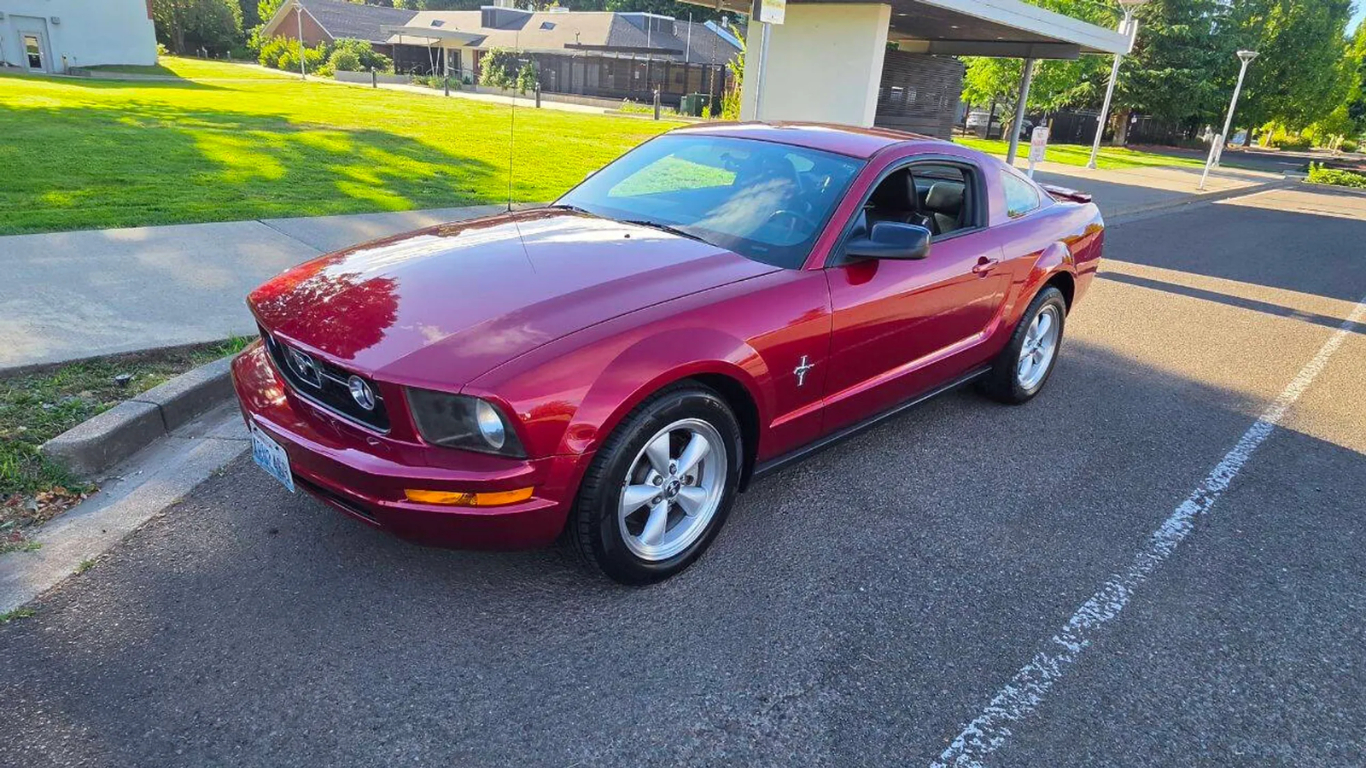
Multi-chain timing system rattles on cold starts, signaling expensive guide and tensioner wear.
Ford’s 4.0-liter V6 in these Mustangs uses a complex timing chain arrangement, including a rear-mounted chain that makes repairs labor-intensive. Cold-start rattling often indicates worn guides or tensioners—problems accelerated by skipped oil changes. The engine is generally non-interference, so chain failure rarely destroys valves, but repair bills still climb quickly.
Engines above 100,000 miles demand cold-start inspections and complete maintenance records. That morning rattle might seem minor until a mobile mechanic quotes four-figure labor to reach components buried behind accessories. A true enthusiast checks dipsticks and listens for rattles before handing over cash.
3. Chrysler 200 (2015–2017)
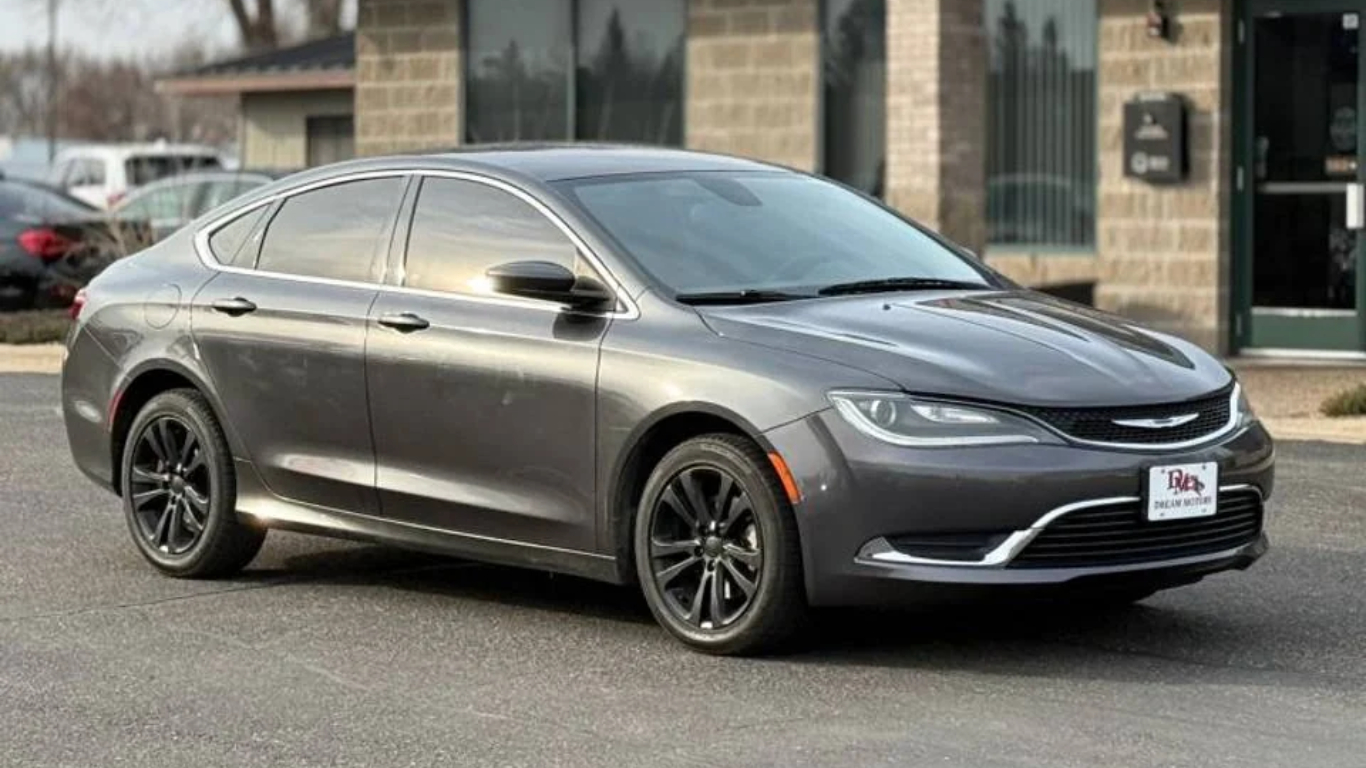
Nine-speed transmission problems include unexpected neutral shifts and park-lock failures covered by recalls.
Chrysler’s redesigned 200 paired with a nine-speed automatic notorious for abrupt behavior. A 2015 recall addressed park-lock mechanisms that allowed roll-away despite the shifter showing Park; a 2016 campaign covering more than 400,000 FCA vehicles targeted transmission sensor-cluster wiring that could shift the car into neutral without warning. Rush-hour power loss isn’t an inconvenience—it’s dangerous.
Recall completion doesn’t guarantee smooth operation. Owners still reported hesitation, harsh shifts, and delayed engagement outside official campaigns. Test drives must include repeated stops, highway merges, and parking-gear holds. Crossing fingers and hoping for the best doesn’t work when torque delivery vanishes mid-intersection.
4. GMC Acadia (2007–2016)

GM’s 3.6-liter V6 consumes oil internally, starving timing chains and triggering expensive failures.
Many Acadias use GM’s 3.6-liter V6, documented for consuming oil without visible leaks. The engine burns oil internally, dropping levels low enough to accelerate timing-chain wear. Warning signs include frequent low-oil conditions, rattling from the timing cover, rough idle, and reduced power. Problems often surface around 80,000 miles but vary by maintenance history.
One 2015 owner faced a $5,000 timing-chain bill—potentially exceeding the vehicle’s market value at 130,000 miles. Regular oil-level checks become mandatory, not optional. Waiting for a dashboard light means the damage is already done. Inspect the dipstick cold, verify chain-related service history, and walk away if records are missing.
5. Ford Focus and Fiesta with DPS6 Automatic (2011–2016)

Dry dual-clutch transmission shudders, bucks, and slips; extended coverage has mostly expired.
Ford installed a dual-clutch automatic in these models instead of a conventional torque converter. The DPS6 transmission delivered efficiency on paper but shuddering, bucking, hesitation, and delayed engagement in practice. Stop-and-go traffic turns every takeoff into a jerky gamble.
Ford extended clutch coverage to 7 years or 100,000 miles on certain vehicles and control-module coverage to 10 years or 150,000 miles on others, but most early vehicles are outside those windows now. Out-of-warranty clutch replacement can reach $4,000. Demand service records and test the car repeatedly from a dead stop. Smooth power delivery shouldn’t be a luxury feature.
6. Lincoln MKZ with 2.0L EcoBoost (2015–2019)

Coolant intrusion into cylinders can destroy the engine with minimal warning.
Ford Technical Service Bulletin 19-2340 documented coolant intrusion into cylinders on 2.0L EcoBoost engines. Symptoms include low coolant, white exhaust smoke, rough running, and misfire codes—but sometimes no check-engine light appears. Coolant doesn’t always puddle visibly; it leaks internally, contaminating oil and damaging bearings.
The prescribed repair may involve replacing the engine long block, potentially costing $8,000 to $10,000 or more. Check coolant level with the engine cold, inspect for misfire history, and request documentation of any engine replacement or coolant-intrusion repair. A luxury sedan shouldn’t hide catastrophic internal leaks behind a clean exterior.
7. Chevrolet Traverse (2009–2017)

Same 3.6-liter V6 oil-consumption and timing-chain problems found in the Acadia.
The Traverse shares the 3.6-liter V6 and its documented oil-consumption issues with the Acadia. Owners of 2011 models reported problems around 76,000 miles, though failure points vary widely. Internal oil burning leads to timing-chain wear, rough running, and reduced engine power. Repair costs typically exceed $2,000.
Inspect the oil cap and dipstick for sludge; check records for timing-chain replacement or reduced-power events. That “Reduced Engine Power” warning far from home transforms a family road trip into an expensive tow and rental-car scramble. Oil level matters more than odometer numbers.
8. Ford Taurus (2010–2019)
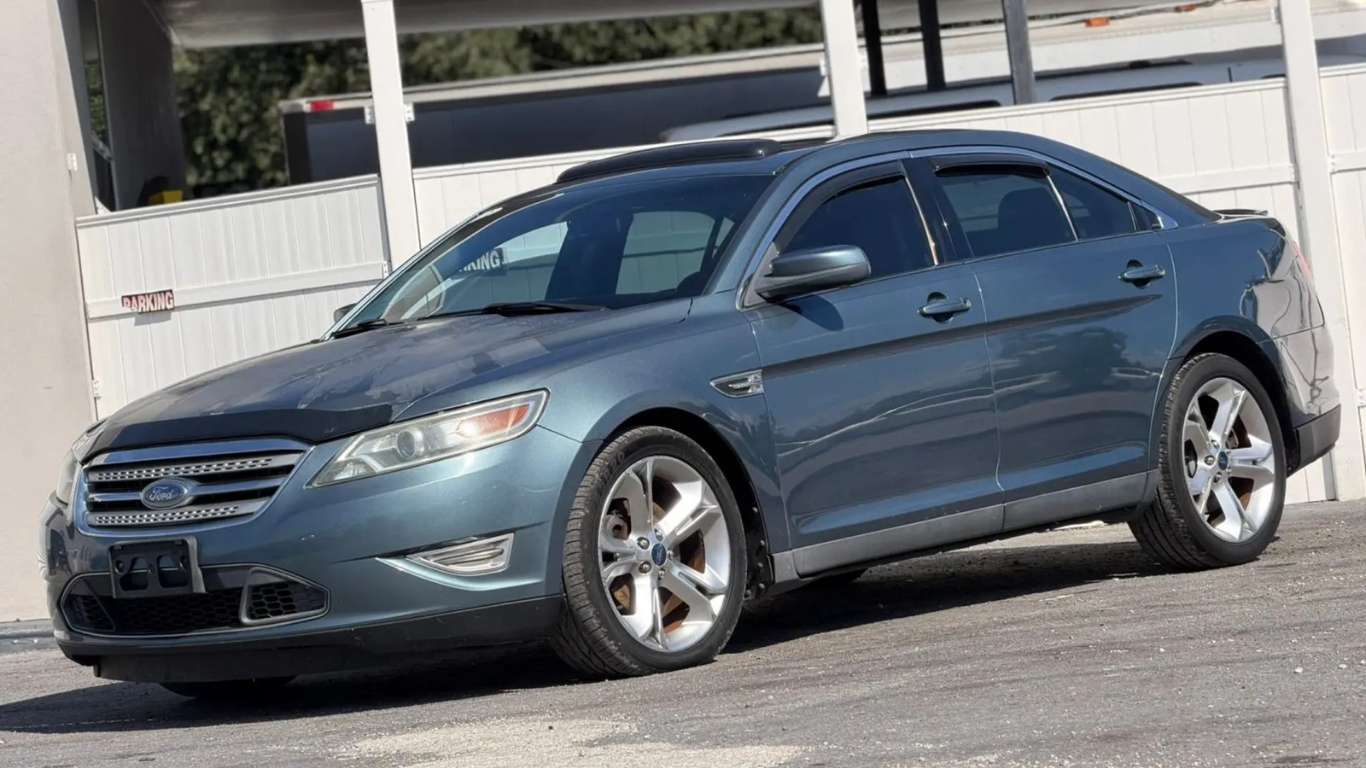
MyFord Touch system failures and internal water-pump problems create dual headaches.
MyFord Touch infotainment systems in these Tauruses proved unreliable, with black screens and unresponsive controls leading to replacement costs from $1,500 to $2,500. More critically, certain 3.5-liter V6 engines used an internal water pump driven by the timing chain. Seal failure allows coolant into the crankcase, contaminating oil and potentially destroying the engine. Repair costs range from $3,000 to $5,000.
Plastic crossover tubes can also crack and leak, leaving visible puddles. Inspect the cooling system, verify water-pump service history, and test every infotainment function. A dead screen is annoying; coolant in the oil is catastrophic.
9. Jeep Compass with Jatco CVT (2007–2016)
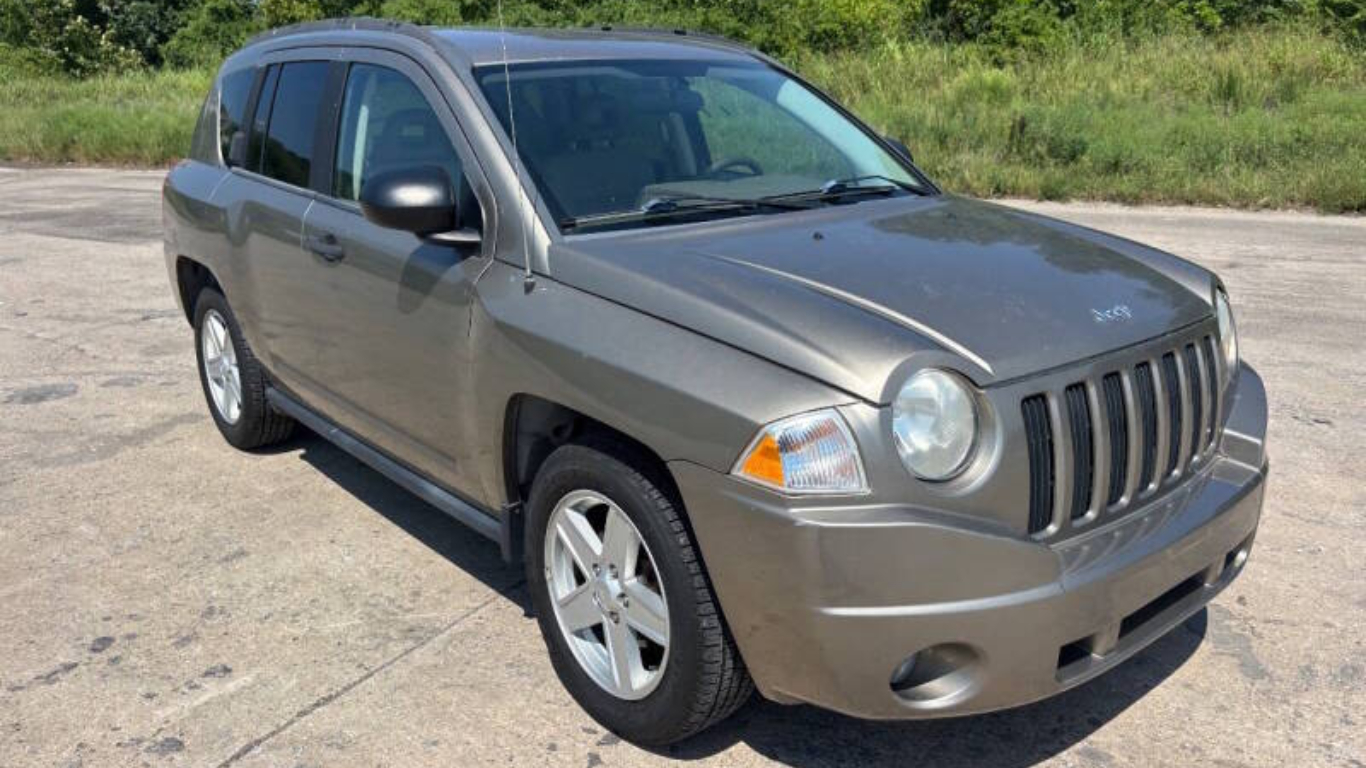
Continuously variable transmission whines, shudders, and overheats under sustained load.
Certain Compass models use a Jatco CVT instead of a conventional automatic. Reported symptoms include transmission whine, shuddering, overheating warnings, and power loss during highway operation. Problems appeared across varied mileages, making odometer readings unreliable predictors. Repairs can cost $1,700; replacements may exceed $3,000.
Manual and conventional-automatic versions avoid this specific concern. For CVT-equipped examples, demand a sustained highway test under load and complete transmission-service records. Marketing promises about capability mean nothing when power vanishes halfway up a mountain pass.
10. Cadillac ATS 2.0L Turbo (2013 Model Year)
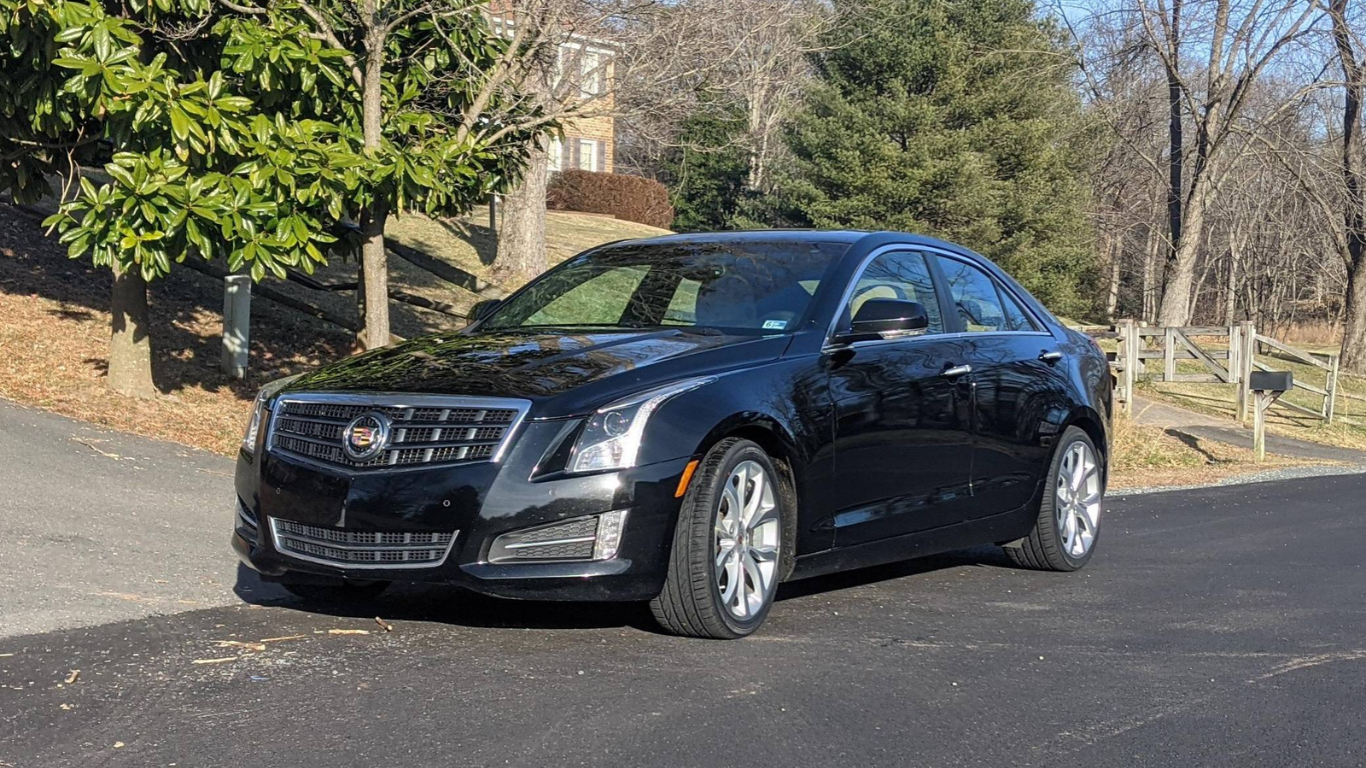
Pre-ignition problem in 2013 models damages pistons; software fix was time-limited.
GM documented a pre-ignition problem in the 2.0-liter turbo engine of certain 2013 ATS vehicles. Abnormal combustion cracked pistons between compression rings, producing misfires and diagnostic codes. The corrective program included an engine-control-module software update and colder spark plugs, offered through December 31, 2016.
Vehicles that missed the service window may still carry the defect. Verify that both the software reflash and spark-plug campaign were completed. Without documentation, request a compression or leak-down test. A missed service bulletin from 2013 can strand you a decade later, miles from anywhere, with a grenaded engine and no recourse.