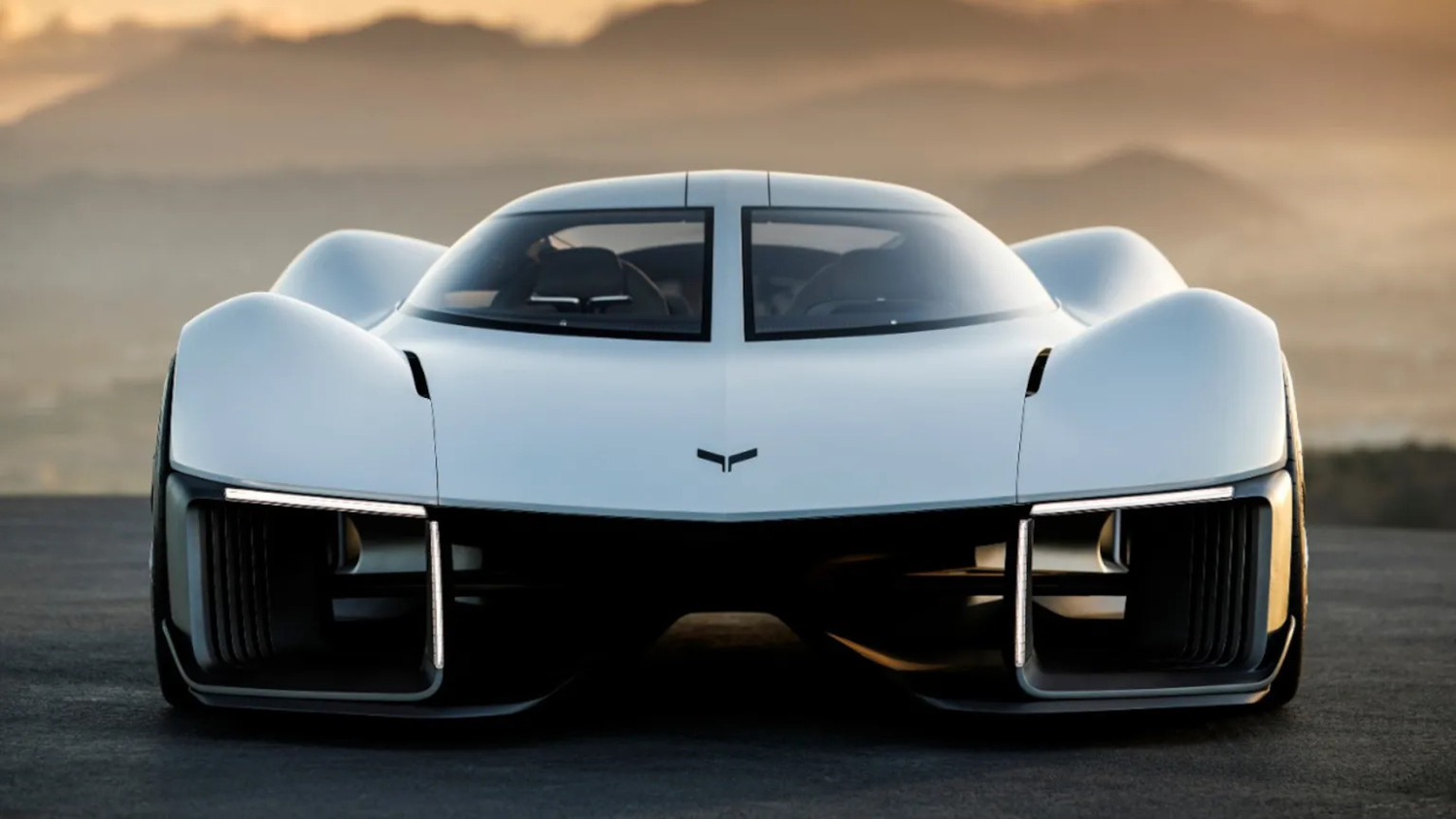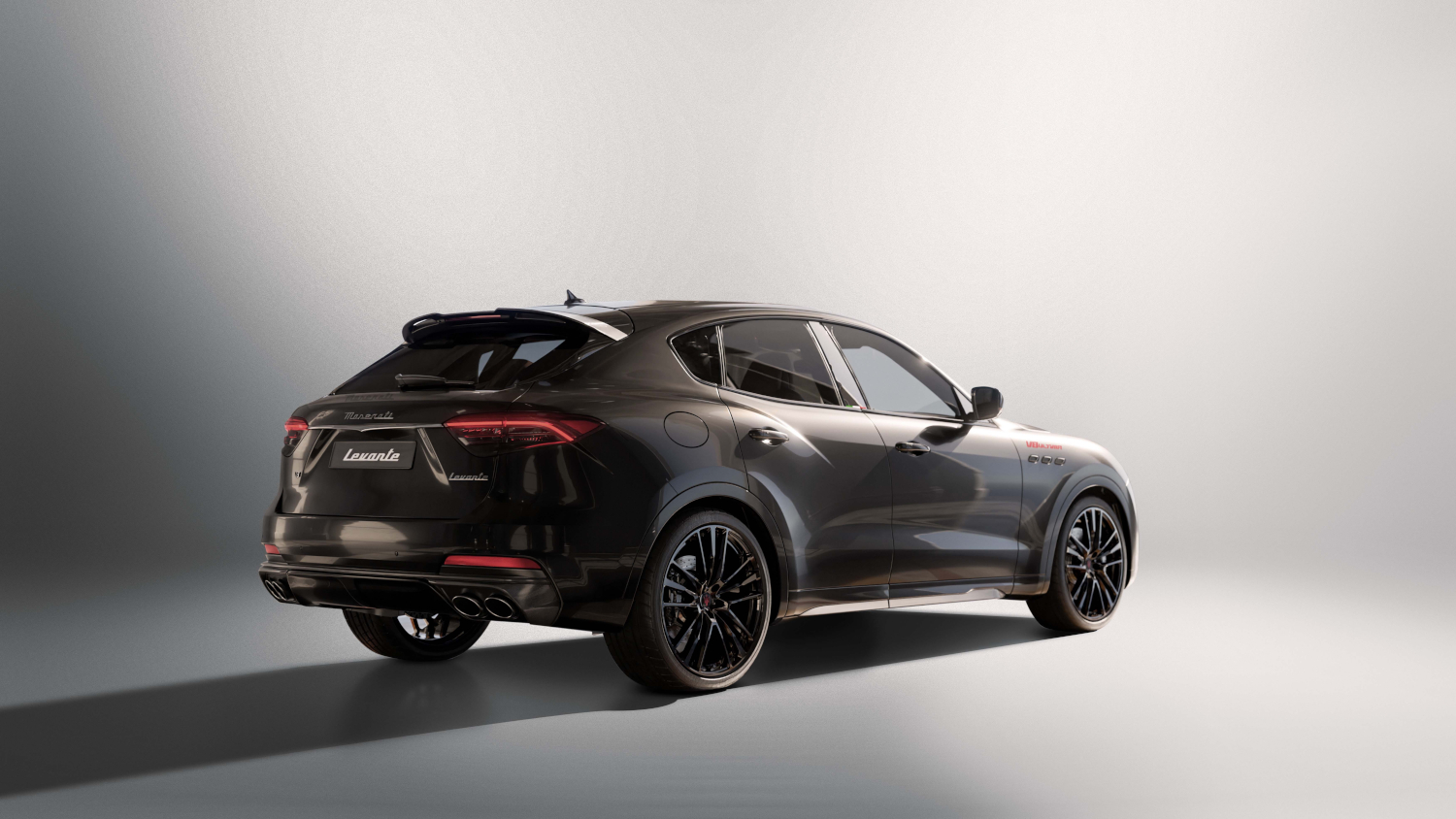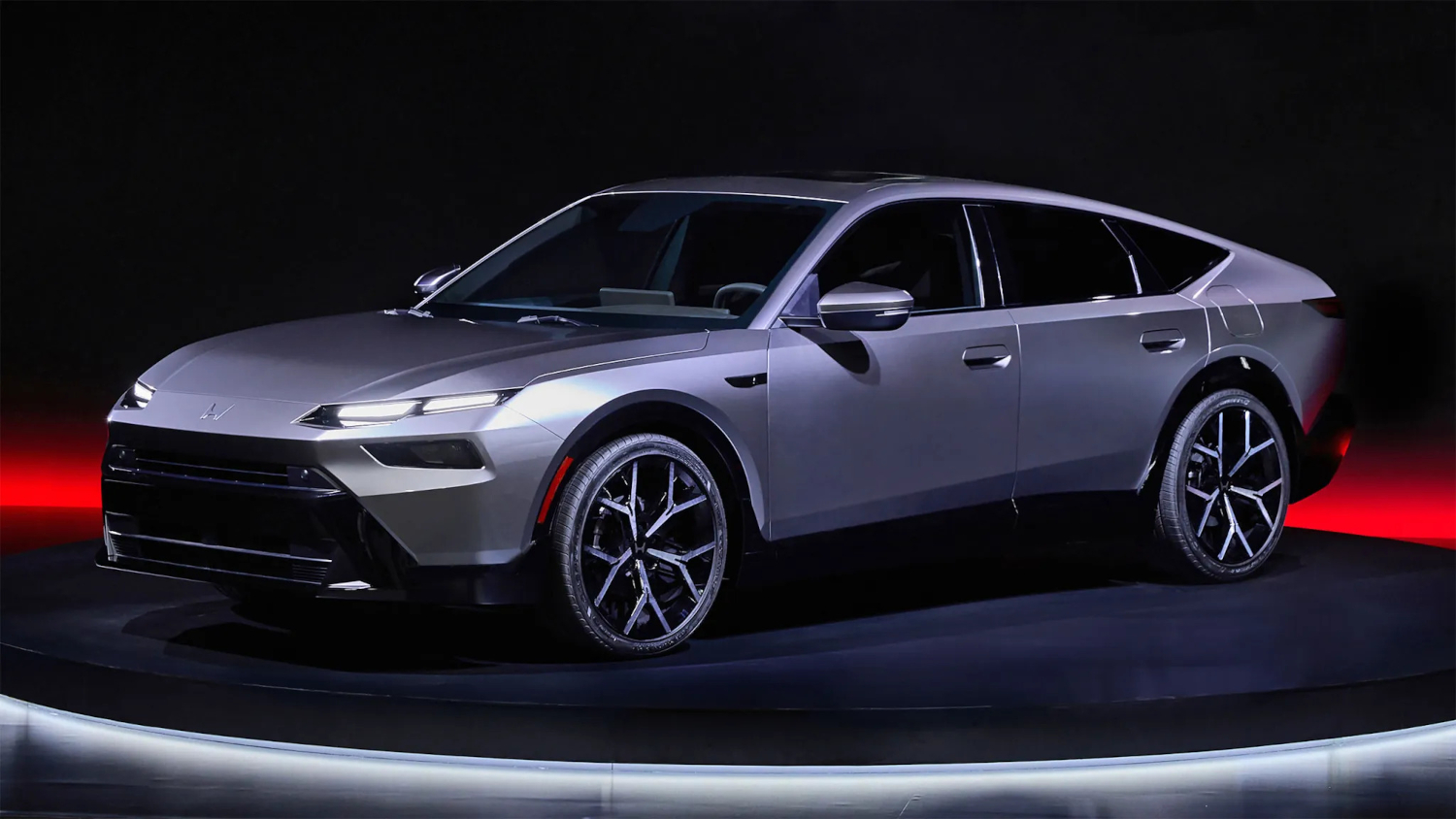


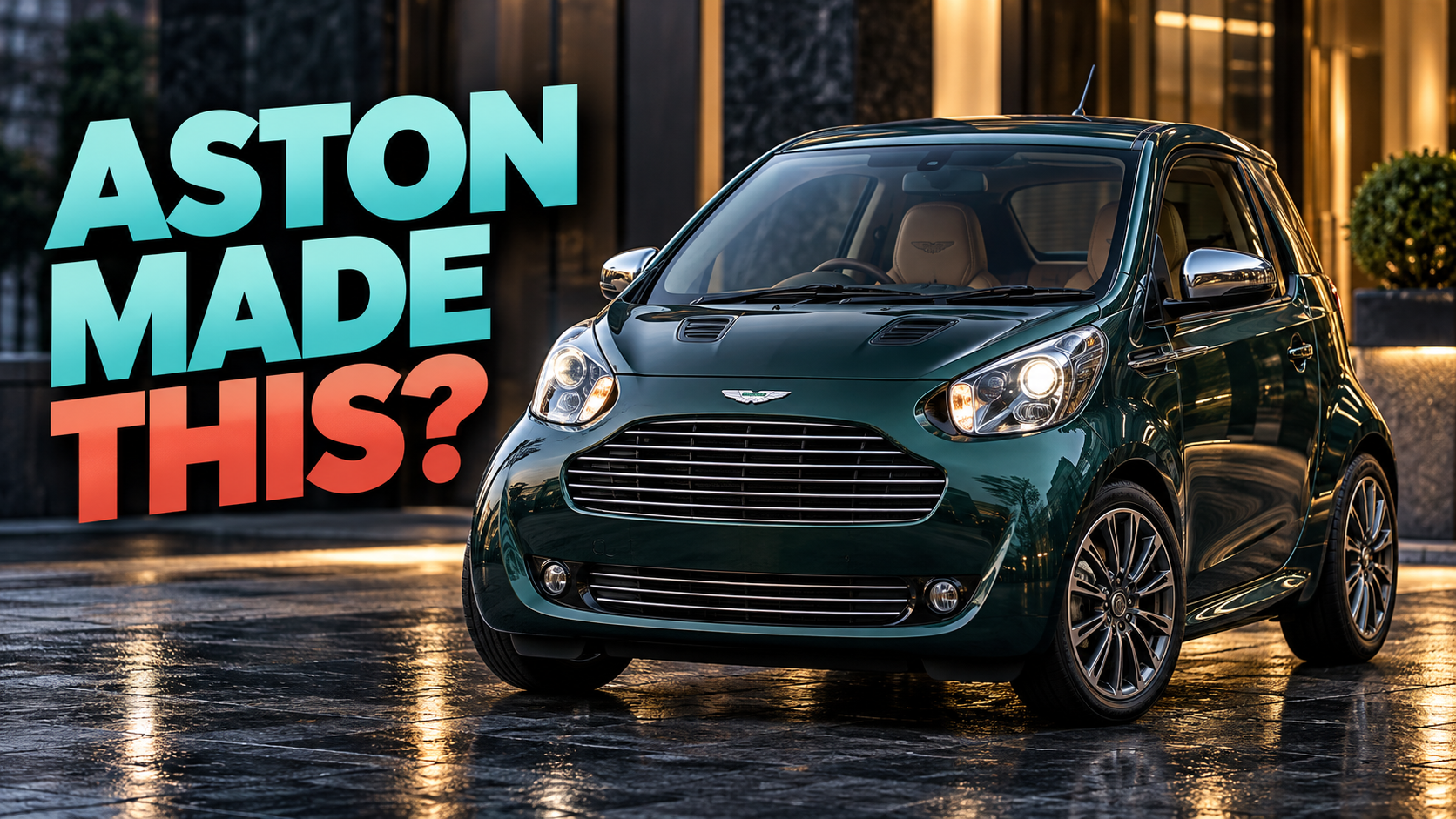
Premium automotive brands have historically courted a broader market, often with mixed results. This selection examines specific instances where luxury marques dared to tread into more accessible territory, creating vehicles that either redefined their segment or became cautionary tales for product planning. These bold moves shaped automotive history, from engineering triumphs to outright flops. The road to affordability is rarely smooth; after all, bolting prestige badges onto economy platforms doesn’t automatically deliver purebred performance.
1. Maserati Biturbo
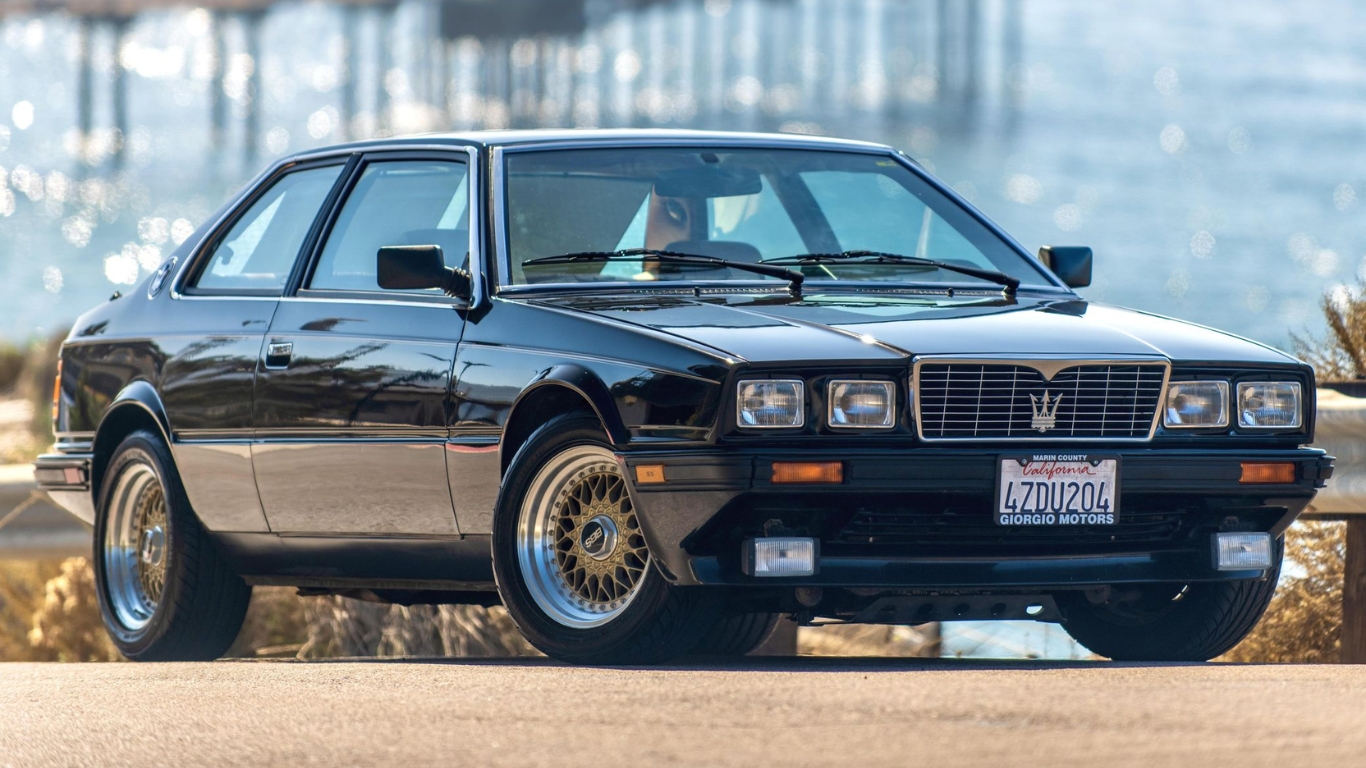
The trident badge couldn’t mask rushed development and borrowed parts.
In December 1981, Maserati launched the Biturbo, a compact grand tourer aiming for a broader market. The car introduced the brand’s first twin-turbocharged production engine, a 2.0-liter V6 making 180 hp. On paper, this effort to democratize Italian performance looked promising. In practice, early Biturbo models challenged Maserati’s production capacity and earned a reputation for reliability issues.
The cabin featured materials that didn’t match the marque’s premium positioning. Under the hood, the innovative twin-turbo V6 delivered strong performance when it worked properly, but early examples suffered from overheating and build-quality problems. What should have been Maserati’s volume success story instead became a cautionary tale about expanding too quickly without adequate development time.
2. Audi 50
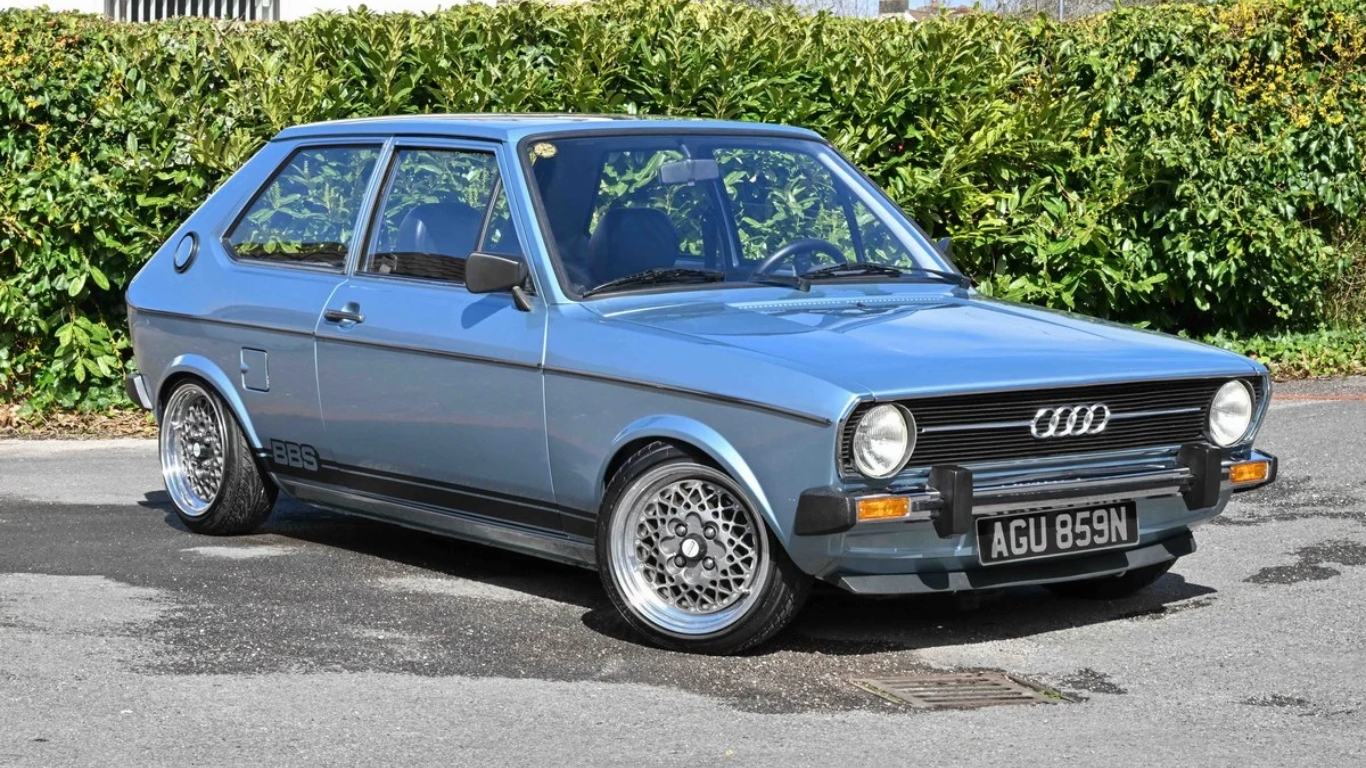
Germany’s first modern supermini pioneered compact packaging but lost the sales battle to its own sibling.
In 1974, Audi ventured into smaller segments with a three-door hatchback weighing just 685 kg (1,510 lbs). The Audi 50 featured a transversely mounted 1.1-liter water-cooled gasoline engine. The 50 LS offered 50 PS (49 hp), while the 50 GL pushed 60 PS (59 hp). Its front-wheel-drive layout and compact design delivered surprising agility for city streets and set the template for modern small cars.
Despite its innovative package, the Audi 50’s production ended after roughly four years. Its direct sibling, the Volkswagen Polo, quickly eclipsed it. The Polo’s lower cost made the Audi 50 a difficult proposition for buyers who saw nearly identical engineering wrapped in different badges. The 50’s pioneering design became the blueprint for the Polo’s mass-market triumph, proving that sometimes the less expensive version wins even when it arrives second.
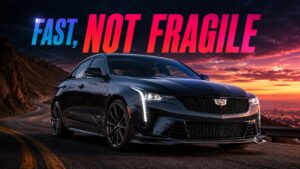
3. Cadillac Cimarron
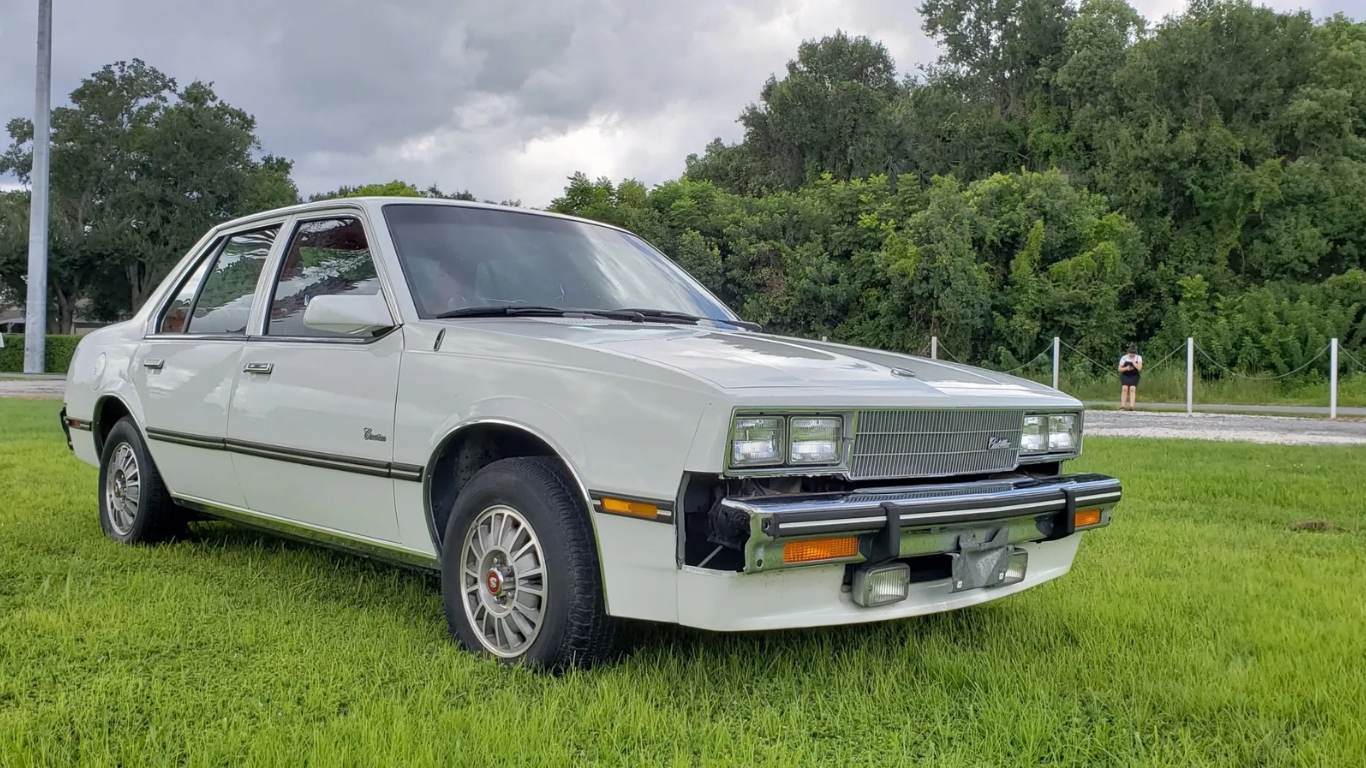
Leather seats and chrome trim couldn’t disguise a Chevrolet Cavalier underneath.
For the 1982 model year, Cadillac introduced the Cimarron as its compact, front-wheel-drive entry. The vehicle was essentially a re-skinned Chevrolet Cavalier, sharing much engineering and its basic four-cylinder powertrain. Its initial 1.8-liter engine produced a mere 88 hp, a figure more suited for basic transportation than luxury performance.
Despite added leather upholstery and trim, the mechanical underpinnings felt painfully familiar to anyone who’d driven a Cavalier. Buyers expecting Cadillac refinement instead received a thinly disguised economy car. A 2.8-liter V6 later became available and eventually standard, but the damage to Cadillac’s premium image was done. Cadillac discontinued the Cimarron after 1988, having learned that a fancy badge means nothing when the drive feels ordinary.
4. Porsche C88
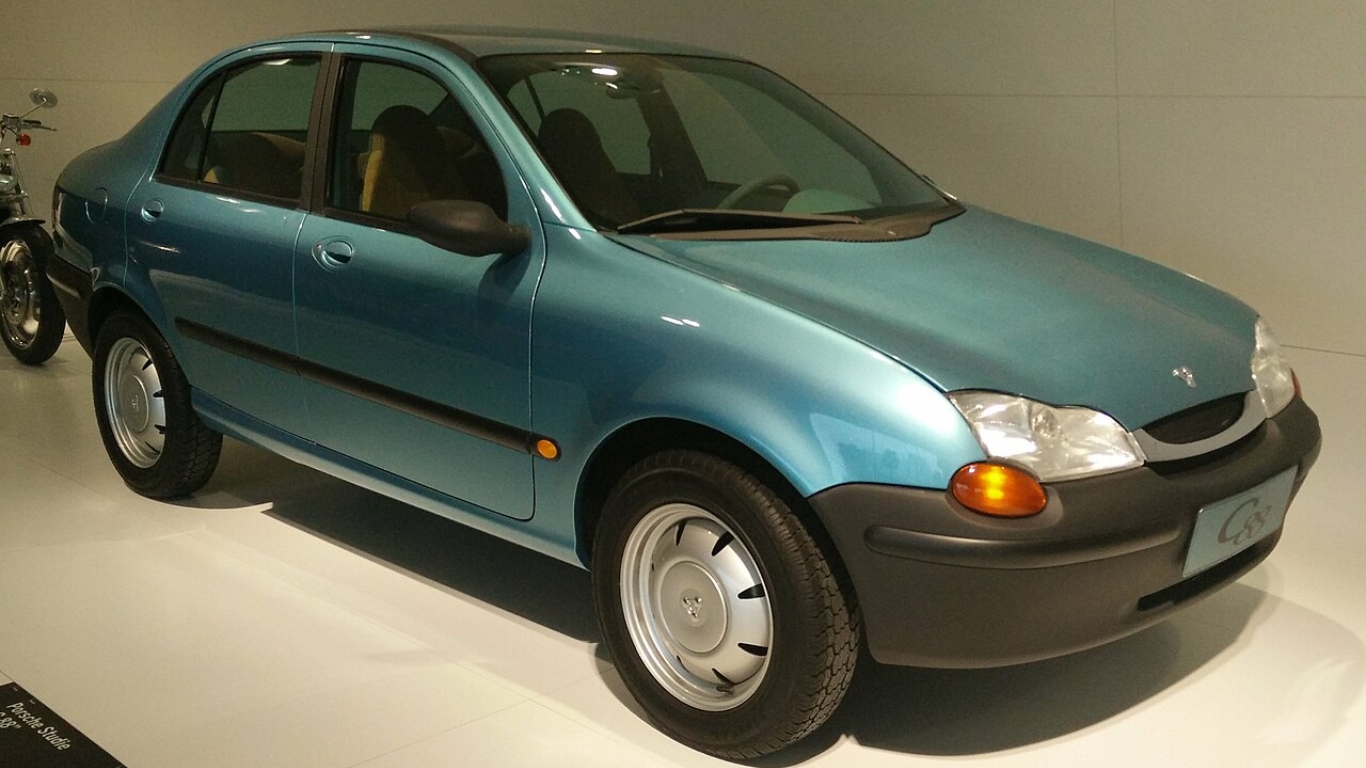
Stuttgart’s forgotten city car was designed for Chinese markets that never materialized.
Porsche developed this concept in 1994 for a Chinese government program seeking an affordable “people’s car.” The “C” referred to China, while “88” carried favorable cultural significance. The car was built for practicality and ease of manufacture rather than the performance typically associated with Stuttgart. Under the hood sat a small 1.1-liter boxer engine producing approximately 48 hp.
A Porsche badge typically signifies apex-shredding capability, yet the C88 delivered basic transportation at an accessible price point. The disconnect between brand expectations and actual product was stark. Despite its pragmatic design, the Chinese government canceled the program before Porsche received a production contract. The C88 never saw production. It now resides in the Porsche museum, a peculiar footnote demonstrating that even legends occasionally explore unexpected territory.
5. Mercedes-Benz A-Class
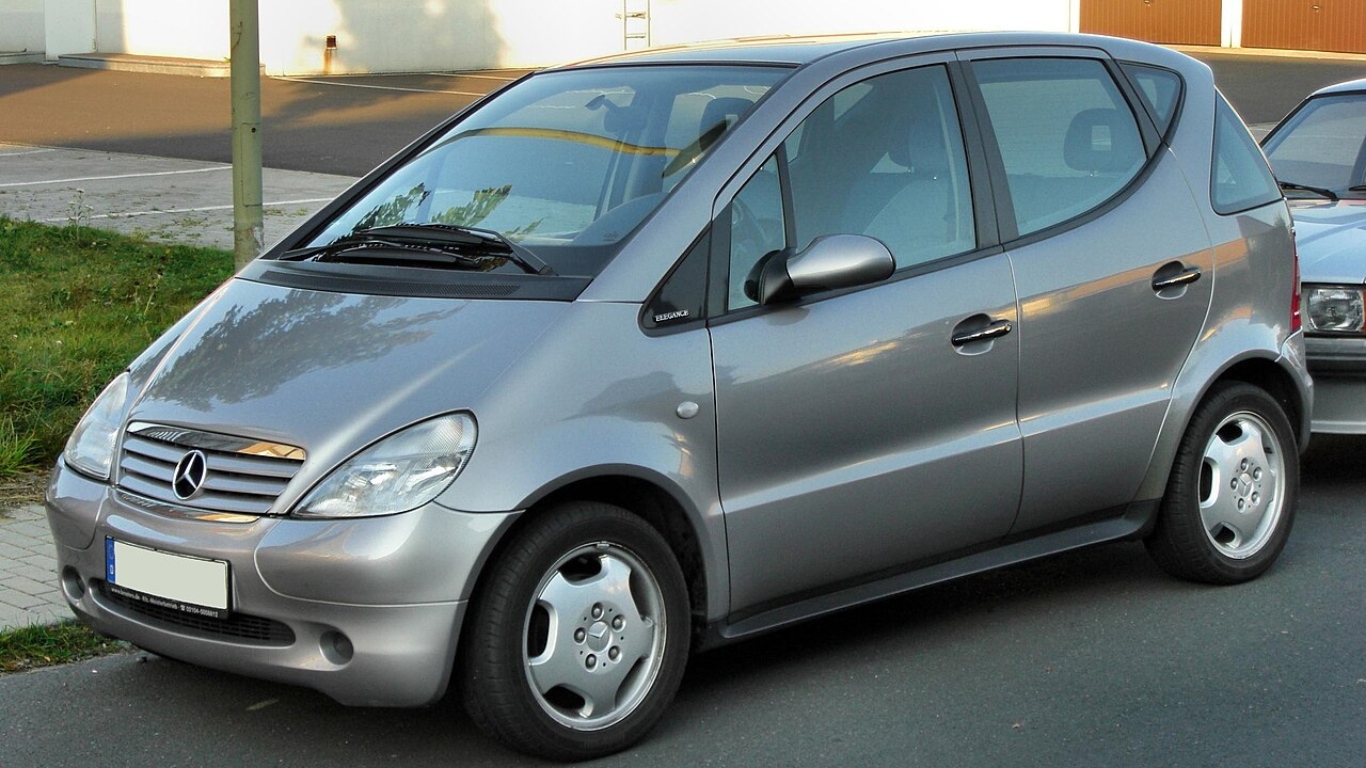
Groundbreaking packaging couldn’t prevent an embarrassing public safety failure.
Entering production in 1997, the first-generation Mercedes-Benz A-Class introduced a groundbreaking “sandwich floor” architecture. This design tucked components like the fuel tank and battery beneath the passenger compartment, allowing generous interior space despite the car’s compact exterior. Its front-wheel-drive layout and tall body showed Mercedes aimed for urban practicality in a segment the brand had never explored.
The A-Class quickly found itself under scrutiny after famously failing the “elk test,” a sudden avoidance maneuver that caused early examples to tip dangerously. Mercedes responded swiftly, adding stability control and suspension modifications to address the handling deficiency. This initial public stumble didn’t prevent the A-Class from becoming an important entry point into the Mercedes range. It proved the brand was willing to innovate and correct mistakes, even when those corrections happened under intense public scrutiny.
6. Ferrari Dino 208 GT4
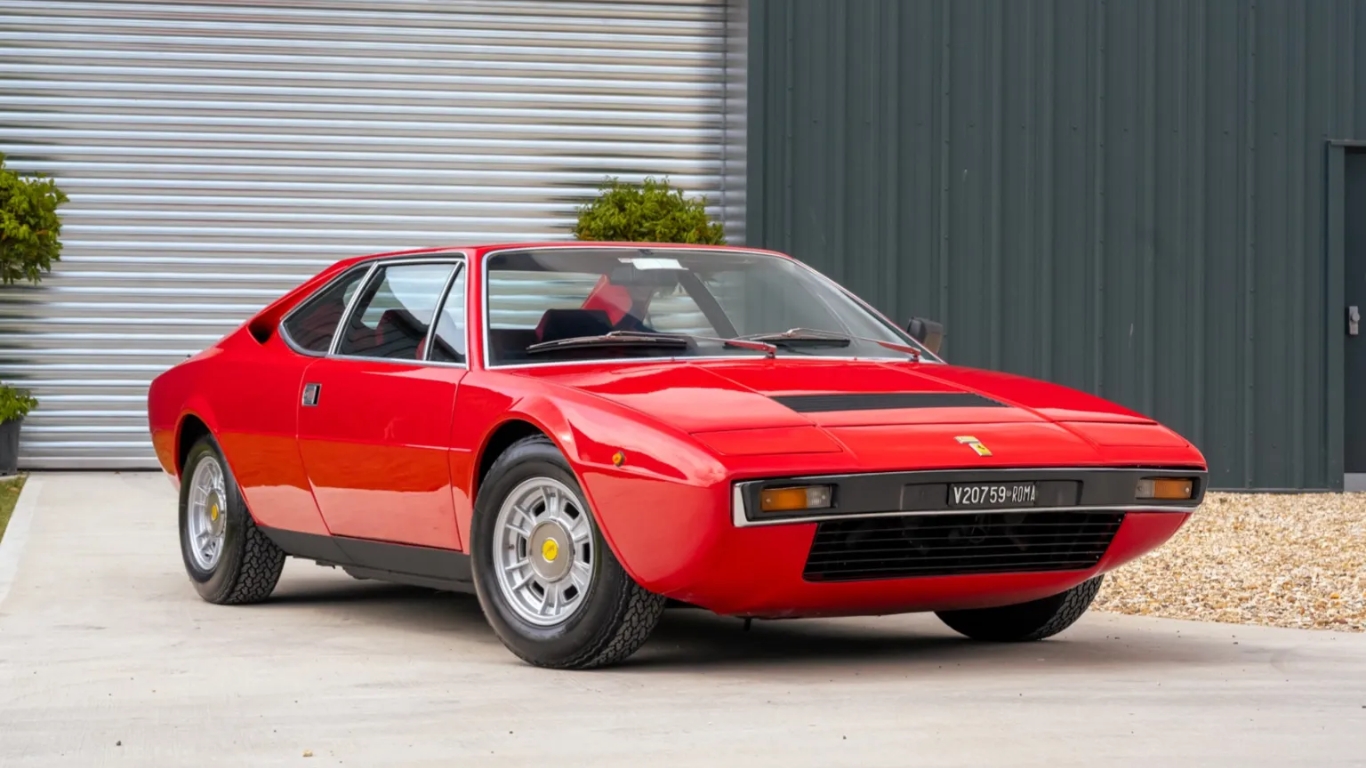
Tax regulations forced Ferrari to create a 2.0-liter V8 specifically for Italian buyers.
Italy’s punitive sales tax on engines over 2.0 liters forced Ferrari to craft a specific solution. The Dino 208 GT4, an Italy-only version of the 308 GT4, saw its engine displacement reduced from 3.0 liters to 2.0 liters. This move sidestepped the hefty taxation while maintaining the mid-mounted V8 layout and four-seat configuration, though with less power than the full-displacement model.
The 208 GT4 became one of the least expensive Ferrari-branded models of its era, opening Maranello ownership to Italian enthusiasts who might otherwise have been priced out by tax penalties. While its 2.0-liter V8 produced less raw power than its siblings, buyers still connected with a mid-engined Ferrari. This strategic adaptation brought the Ferrari experience within reach for a specific market, proving that sometimes compromise serves a purpose.
7. Aston Martin Cygnet
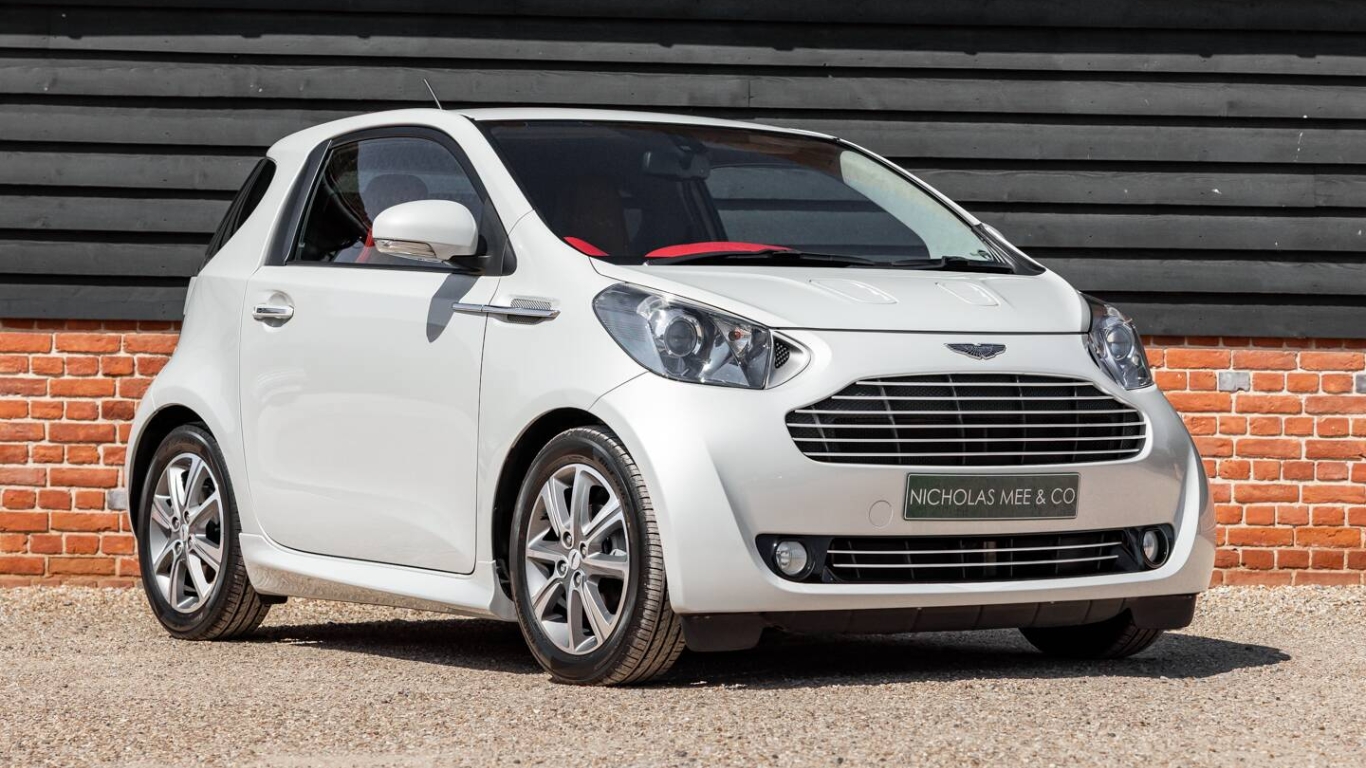
A Toyota iQ with Aston Martin badges failed to meet emissions goals or sales targets.
Aston Martin once tried to sell a city car at a luxury price point. The tiny Cygnet, based on the Toyota iQ, received Aston Martin panels, a unique grille, and a lavish leather interior, though a modest 1.3-liter four-cylinder engine powered it. The brand originally intended to sell approximately 4,000 units annually to existing customers, partly to help lower average fleet emissions under European regulations.
Production fell dramatically short of that target, with only around 300 cars built before the program ended. The Cygnet’s high price compared with its Toyota donor vehicle made it an unsuccessful attempt to combine a luxury brand with a low-emission city car. It proved that some shortcuts aren’t worth the detour, even with a famous badge on the grille.