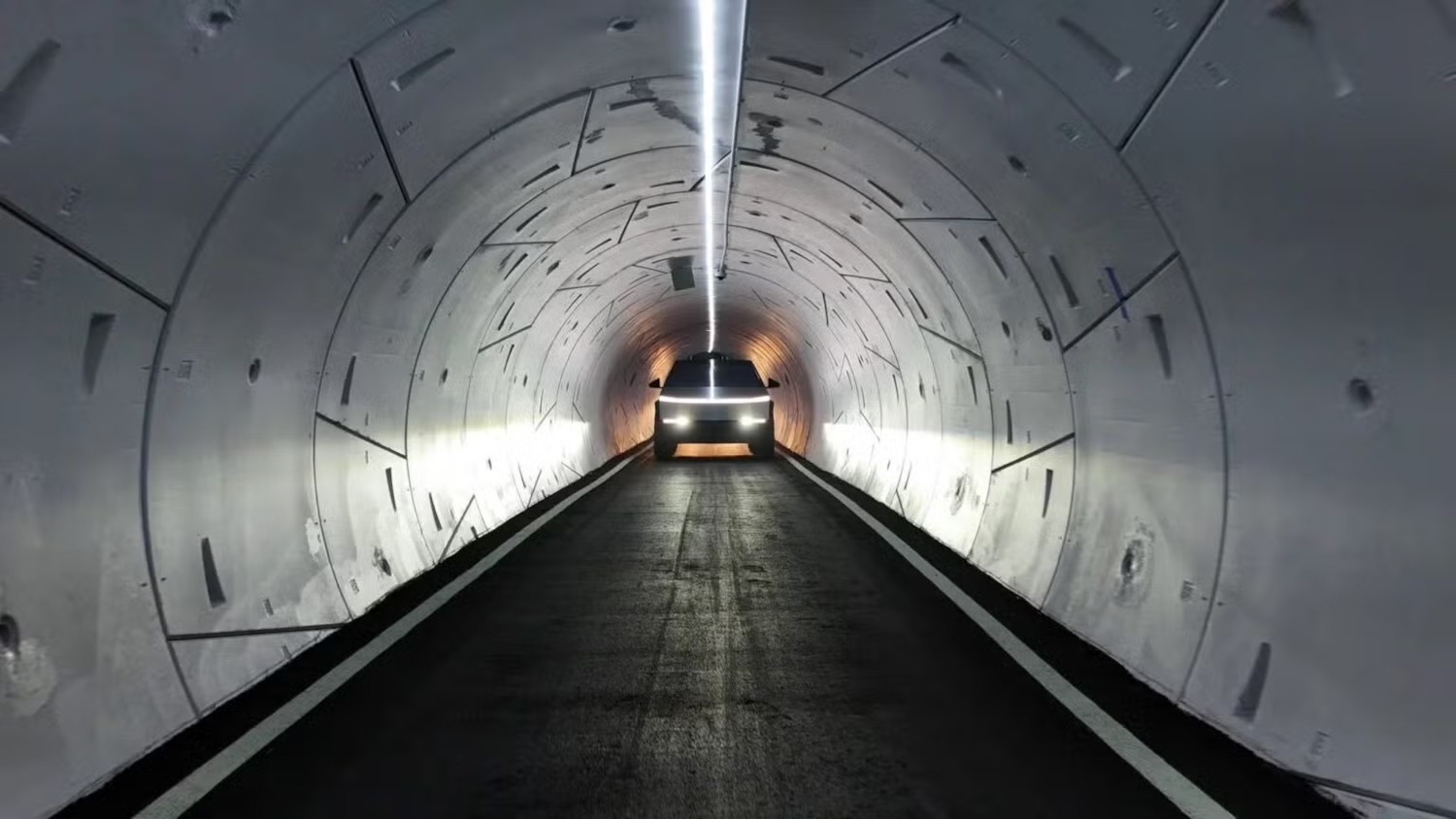


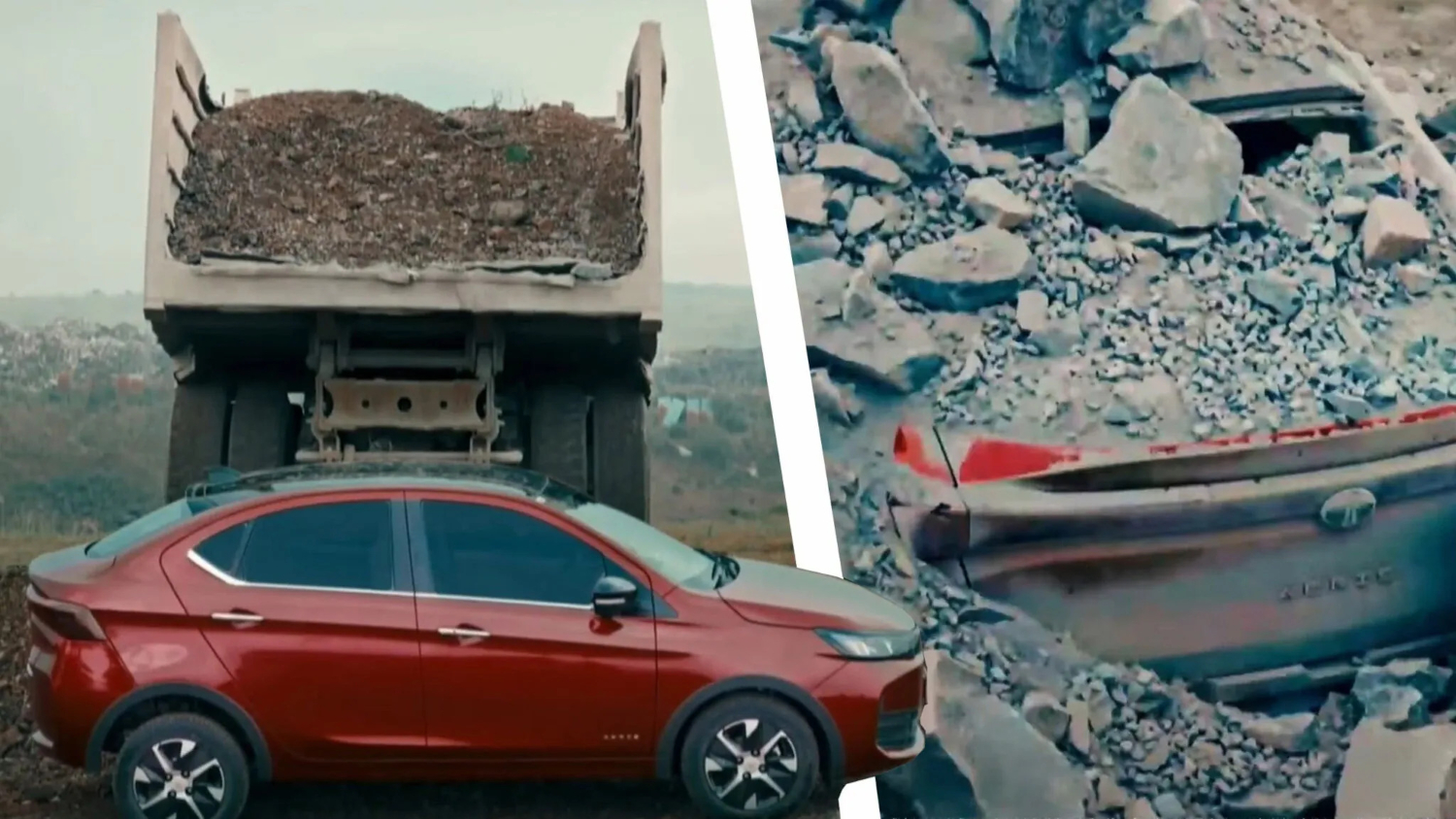
A dump truck positions over a compact sedan. Twenty metric tons of gravel, rocks, and stone debris cascade down progressively. The roof deforms. Windows shatter. Then the debris clears — and according to NDTV and Mathrubhumi reporting, the passenger compartment held, the doors opened, and the car started and drove away under its own power.
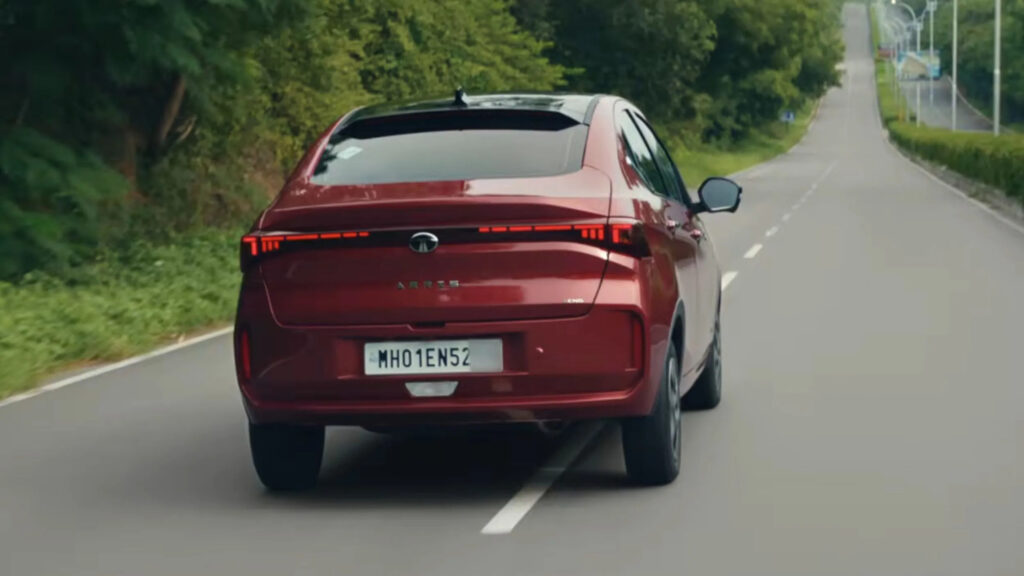
That car is the Tata Aeris, launched September 25, 2026, at ₹5.29 lakh — roughly $5,500 at approximate current rates. The stunt is Tata’s durability argument aimed directly at buyers for whom “affordable” and “structurally sound” have rarely appeared together on the same spec sheet.
What You’re Actually Getting for That Price
The Aeris replaces the Tigor — Tata’s compact notchback sedan on sale since 2017 — with sharper styling and a substantially upgraded cabin.
The sub-4-meter body, measuring 3,995 mm long with a 2,450 mm wheelbase, keeps the Aeris within India’s favorable compact-vehicle tax bracket. Under the hood sits a naturally aspirated 1.2-liter three-cylinder producing approximately 85 horsepower on petrol and around 75 horsepower on CNG, paired with a five-speed manual or automated manual transmission. Boot space on the petrol version reaches 419 liters — practical numbers for a sedan at this price point. The Aeris undercuts established rivals including the Honda Amaze, Hyundai Aura, and Maruti Suzuki Dzire. For readers outside India, the contrast with entry-sedan pricing elsewhere is worth noting as market context: this is a segment shaped by entirely different economic conditions.

Key equipment across the range:
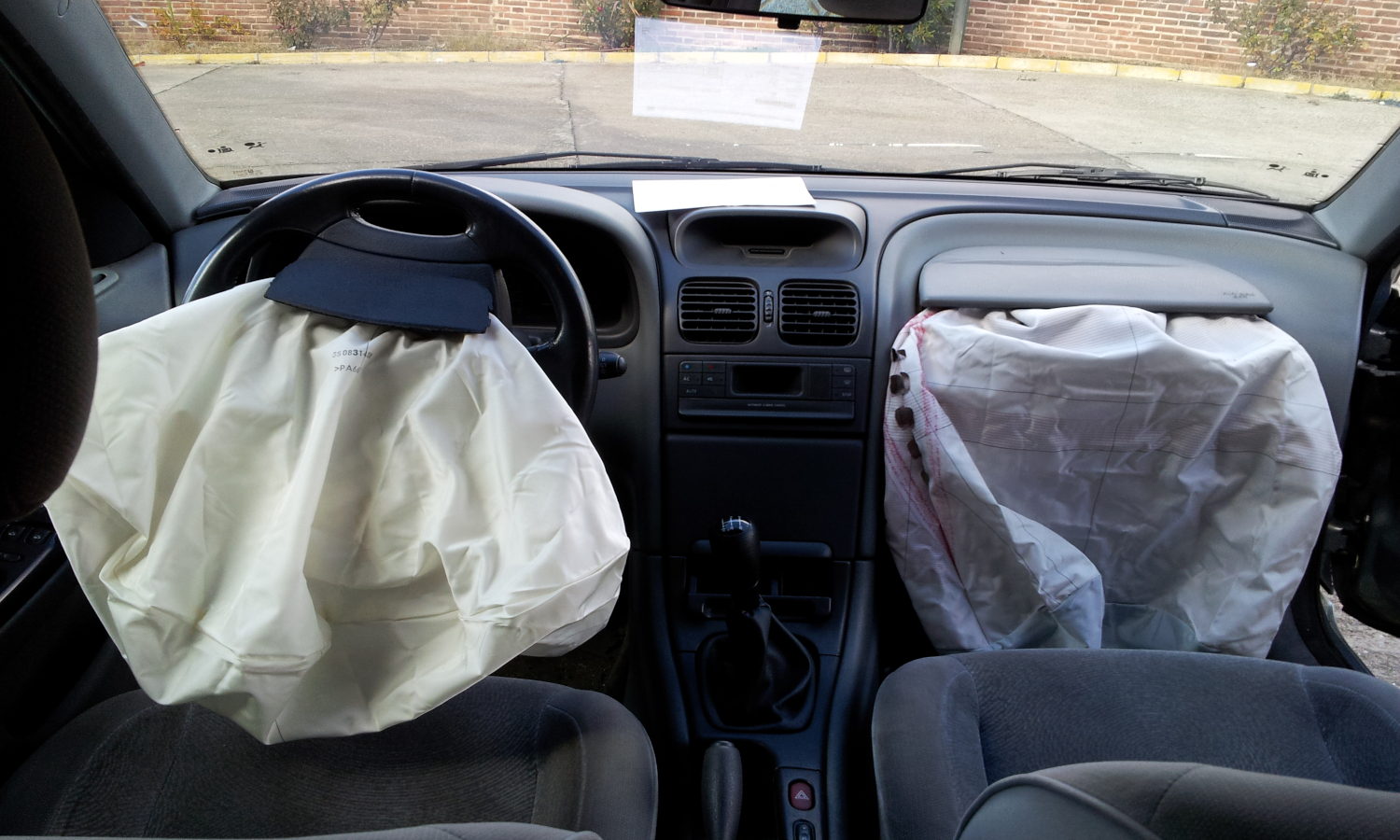
- Six airbags standard on every trim
- Available 10.25-inch infotainment display, 360-degree camera, and ventilated front seats
- Rotary gear selector and paddle shifters on automatic versions
- Recycled materials incorporated into parts of the cabin
- Top Accomplished CNG automatic trim reaches ₹9.74 lakh (approximately $10,100); deliveries begin October 11
Theater With a Real Question Inside It
The demonstration was visually compelling, but its limits deserve equal attention.
The gravel was released progressively — not as one instantaneous crushing load, a distinction that matters when assessing what the footage actually shows. Think of it as the automotive equivalent of a controlled demolition versus an earthquake: same debris, meaningfully different physics. Tata reportedly presented the demonstration as evidence of structural strength and CNG system durability, according to NDTV and Mathrubhumi coverage.
It is also, unambiguously, a manufacturer-controlled publicity test — not an independent crash certification or standardized safety rating. It demonstrates resistance to one specific crushing scenario and does not substitute for regulated frontal, side-impact, or rollover assessments.
What the stunt cannot answer: real-world reliability, fuel economy, ownership costs, and formal crash-test performance will matter far more once deliveries begin and owners accumulate genuine road time after October 11. The spectacle generated attention that dry specification sheets rarely do. The more durable question — whether an inexpensive compact sedan can genuinely protect its occupants — is one Indian buyers weigh carefully, with or without a dump truck overhead.