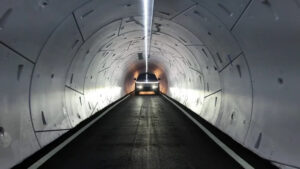


You know the Austin-to-San Antonio drive. Eighty miles that can consume up to 2.5 hours on a congested day. On September 20, 2026, Elon Musk posted on X that The Boring Company is working on a “simple, precursor Hyperloop tunnel” to address exactly that — vehicles moving faster than 200 mph, the whole trip completed in under 30 minutes. It is a genuinely compelling idea. It is also, right now, a post on the internet. No route, financing, permits, or construction timeline has been publicly disclosed in the sources reviewed. This fits a broader pattern of bold claims from Musk, including Tesla’s Flying Roadster promise, where ambition has consistently outpaced delivery timelines.
A Big Idea Built on a Small Foundation
The numbers are interesting; the scale gap between ambition and existing infrastructure is harder to close.
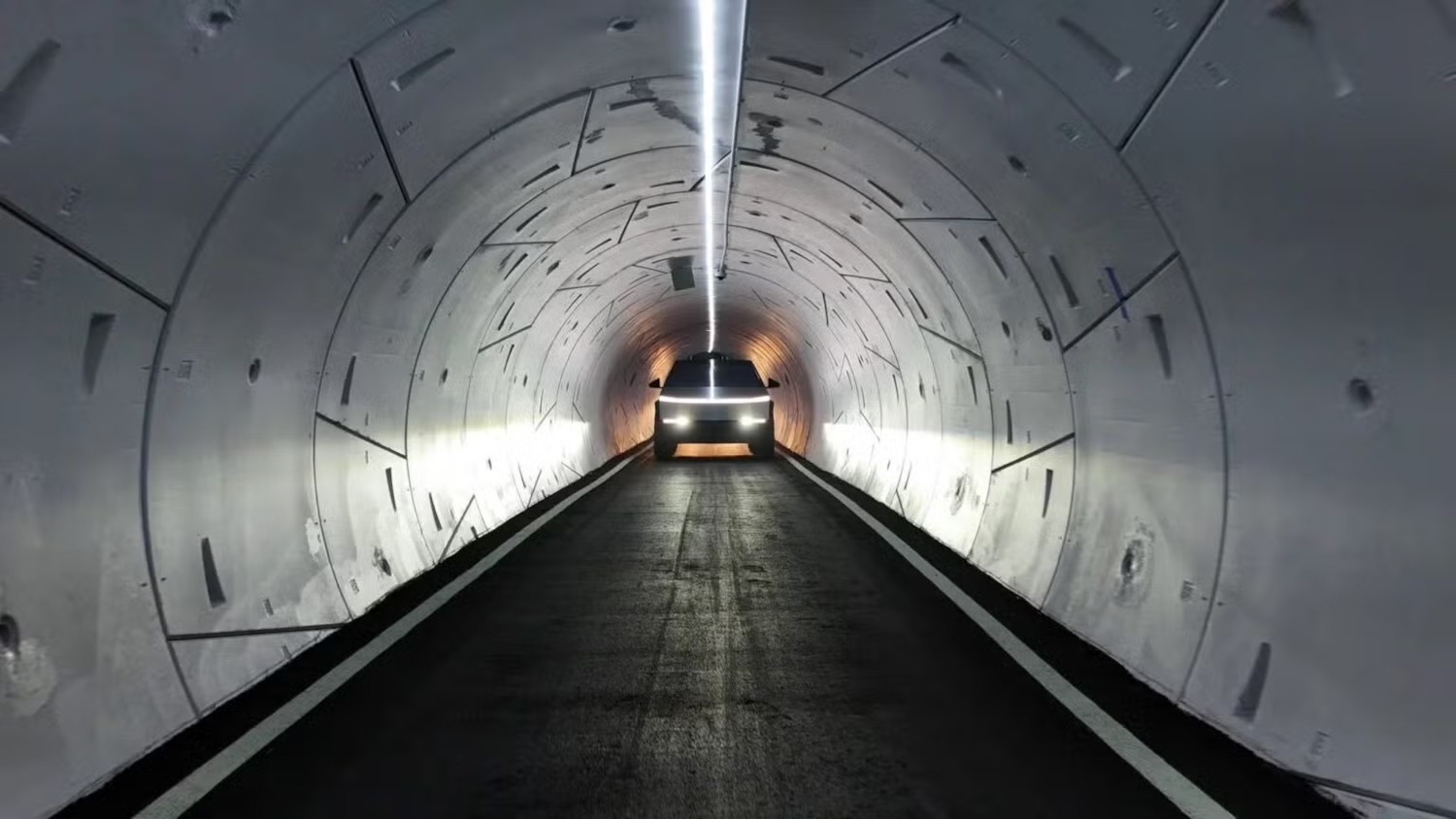
The math holds up at a glance. Covering roughly 80 miles in 30 minutes — a figure drawn from secondary reporting on the Austin–San Antonio corridor — requires an average speed of around 160 mph. That is before accounting for acceleration, deceleration, and station access at both ends. Musk says vehicles would exceed 200 mph, so the physics are plausible in theory. The scale comparison is more sobering. The Boring Company’s Las Vegas Convention Center Loop runs approximately 1.7 miles. Going from 1.7 miles to 80 is not an incremental upgrade — it is a different category of project entirely.
What Musk said, and what remains publicly undisclosed:
- Stated speed: faster than 200 mph; stated trip time: under 30 minutes
- Vehicle type: unspecified — no confirmation of Tesla cars, purpose-built pods, or vacuum tubes
- Cost and financing: not publicly identified in sources reviewed
- Route and permits: not identified
- Government or agency partners: none named
Precursor to What, Exactly?
The Texas proposal carries the Hyperloop name but shares few of its confirmed technical details.
Musk first outlined Hyperloop in 2013 as a fifth mode of transport — low-pressure tubes designed to slash aerodynamic drag at speeds approaching 600 mph. The Texas proposal is described only as a “precursor,” and readers should treat it accordingly. No vacuum-tube architecture has been publicly confirmed for this route, and no technical specifications have been shared. Other novel mobility projects, such as municipal pothole detectors developed through Waymo’s robotaxi program, illustrate how infrastructure partnerships require far more than a public announcement to reach operational status.
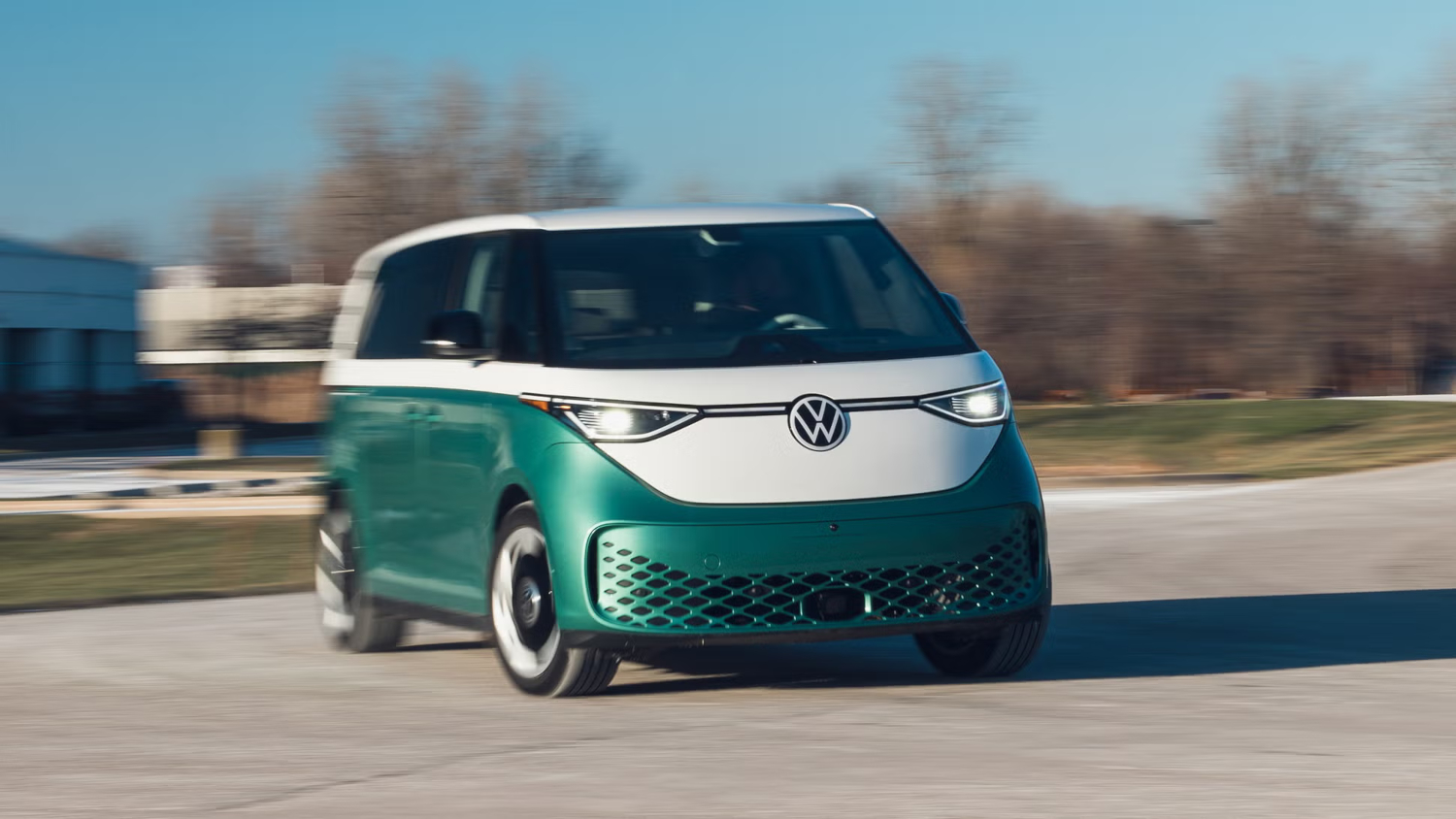
The vehicle question deserves a direct answer it has not yet received. Running a conventional road car above 200 mph inside a confined tunnel raises serious engineering considerations — braking distances, emergency egress, and guidance systems among them. A purpose-built transit vehicle would likely be better suited, though none has been identified for this corridor. As Musk wrote on X, the goal is a journey that is “consistent” at under 30 minutes. How that consistency would be engineered remains unclear.
The Distance Between a Post and a Project
What separates an announced concept from a real infrastructure project is a long list of public evidence that does not yet exist.
The Boring Company’s same-day follow-up post noted that Loop and Hyperloop function as express systems requiring stations at both ends — the principal operational detail available from the announcement and follow-up reviewed. What would shift this from concept to construction? Environmental review. Safety certification. Land-access agreements. A named financing structure. Documented involvement from a state or local transportation agency. None of that has been publicly disclosed in the sources reviewed.
The Austin–San Antonio corridor is real, congested, and expanding alongside two of Texas’s fastest-growing metro areas. The idea of connecting them underground at 200 mph deserves serious attention. Whether this announcement ever becomes a tunnel depends on evidence that has not yet surfaced — a credibility gap familiar to Tesla Owners who have navigated the distance between Musk’s product promises and real-world delivery.