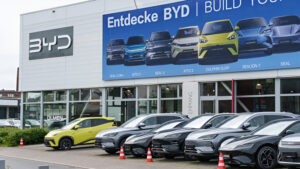


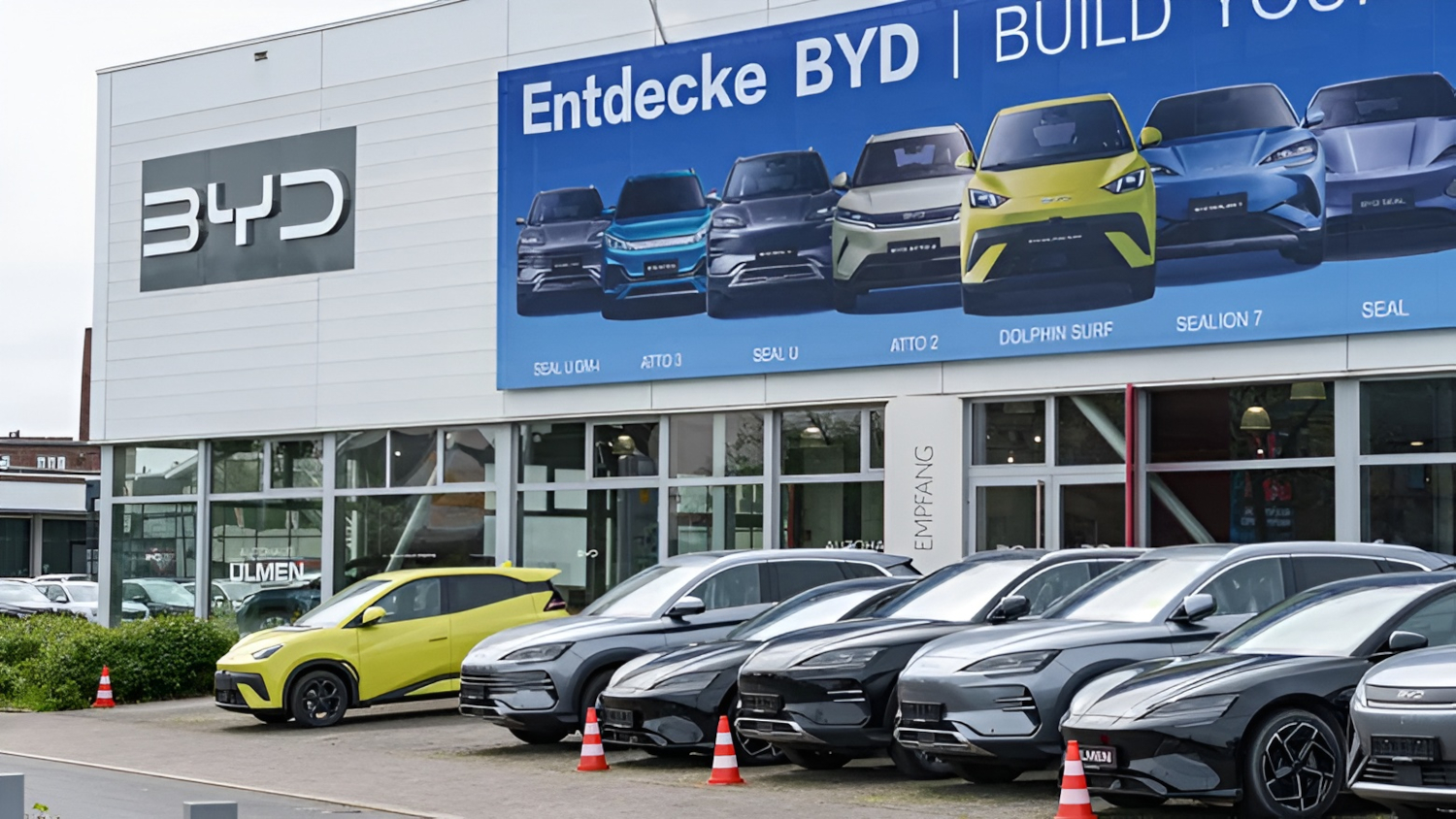
BYD roughly doubled its European new-vehicle registrations in a single year. In August 2026, the Chinese automaker posted 26,007 registrations — the standard industry measure of new vehicles officially filed for road use — up from roughly half that figure a year earlier, according to data from the European Automobile Manufacturers’ Association. Meanwhile, two U.S. senators are working to ensure Americans never face that same choice at a dealership, amid broader concerns about Chinese airbags and other components already drawing regulatory scrutiny.
The Numbers Out of Europe Are Hard to Ignore
Chinese brands are expanding at a pace that has Wolfsburg and Stuttgart paying close attention.
European new-car registrations rose 5.3% year-to-date through August 2026, with the market reaching 832,637 vehicles for the month, according to ACEA data. Chinese brands led the momentum:
- SAIC rose 32% to 21,214 registrations
- Leapmotor nearly tripled to 7,630
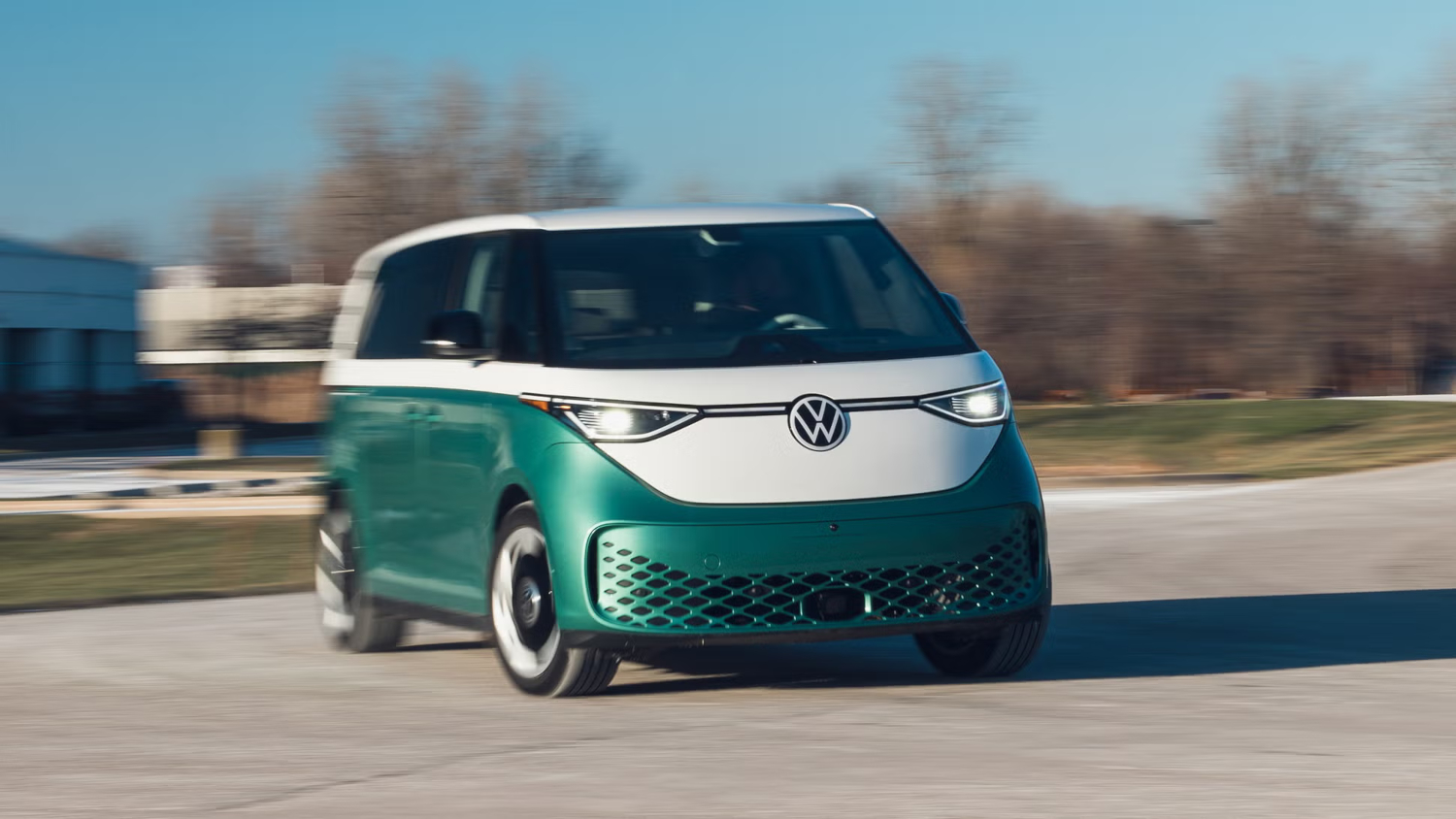
Volkswagen registered 201,818 vehicles in the same period — still the dominant force by volume — but the rate of change tells the more unsettling story for established manufacturers.
What the Senate Bill Would Do
A bipartisan push in Washington aims to make the current restrictions on Chinese vehicles a permanent feature of U.S. law.
Michigan Democrat Elissa Slotkin and Ohio Republican Bernie Moreno are sponsoring legislation that would close several doors at once. The bill would:
- Make existing restrictions on Chinese vehicles permanent, removing any future presidential waiver authority
- Cover not just completed cars but connected-vehicle technology — meaning software, hardware, and communications systems using cellular, Bluetooth, Wi-Fi, or satellite links — tied to China or other designated foreign adversaries
The measure has 51 Senate supporters and more than 100 House cosponsors. On September 24, sponsors attempted to advance it through unanimous consent — a procedure that allows a measure to move forward without extended debate, provided no senator objects. That attempt was delayed while Slotkin and Moreno sought the support of Senator Rand Paul, who had raised concerns. The legislation could also create complications for Mercedes-Benz, where Chinese investors hold more than 15% of the company; Senator Moreno indicated the automaker could receive additional time or a waiver under earlier versions of the measure, though the final bill’s treatment would depend on its precise ownership definitions.
“Whether you are a Democrat or Republican, no one wants Chinese cars in America,” Slotkin said, according to Reuters. Allowing Chinese companies to manufacture vehicles on U.S. soil, she warned, could be “the beginning of the end of auto manufacturing in the United States.”
Established Automakers Are Feeling the Pressure
The legislative push is arriving at a moment when traditional manufacturers are already cutting costs and reshoring production.
The bill’s powerful industry backing reflects real anxiety inside legacy automakers. Mercedes-Benz is reportedly targeting roughly €800 million — about $911 million — in German labor cost reductions, according to WirtschaftsWoche, with working hours and bonus structures among the options under consideration. Negotiations with workers were not complete as of the reporting date. Honda, meanwhile, is reportedly in final discussions over a $2.5 billion hybrid-vehicle assembly plant in Ohio, with operations potentially beginning around 2030. The company is targeting 15 next-generation hybrid models globally by March 2030, and North America accounts for roughly 40% of its global sales — a notable bet on what have become the fastest-selling cars in America.
If the Senate bill becomes law, Americans will not be buying Chinese EVs at affordable new car price points anytime soon. The senators sponsoring the legislation are counting on that outcome — and Senator Paul’s objections notwithstanding, the bipartisan coalition behind the bill remains formidable.