

Only 3,078 units of the Lexus IS SportCross reached North American buyers, a number that speaks volumes about the unpredictable turns in automotive history. Short production runs, marketing miscalculations, and brutal competitive timing transformed what should have been everyday machines into accidental rarities. Like forgotten album tracks that gained cult status decades later, these vehicles defied their intended fate. Market forces, design choices, or plain bad timing steered mass-production cars into obscurity, proving that production numbers never guarantee survival.
1. Plymouth Cricket
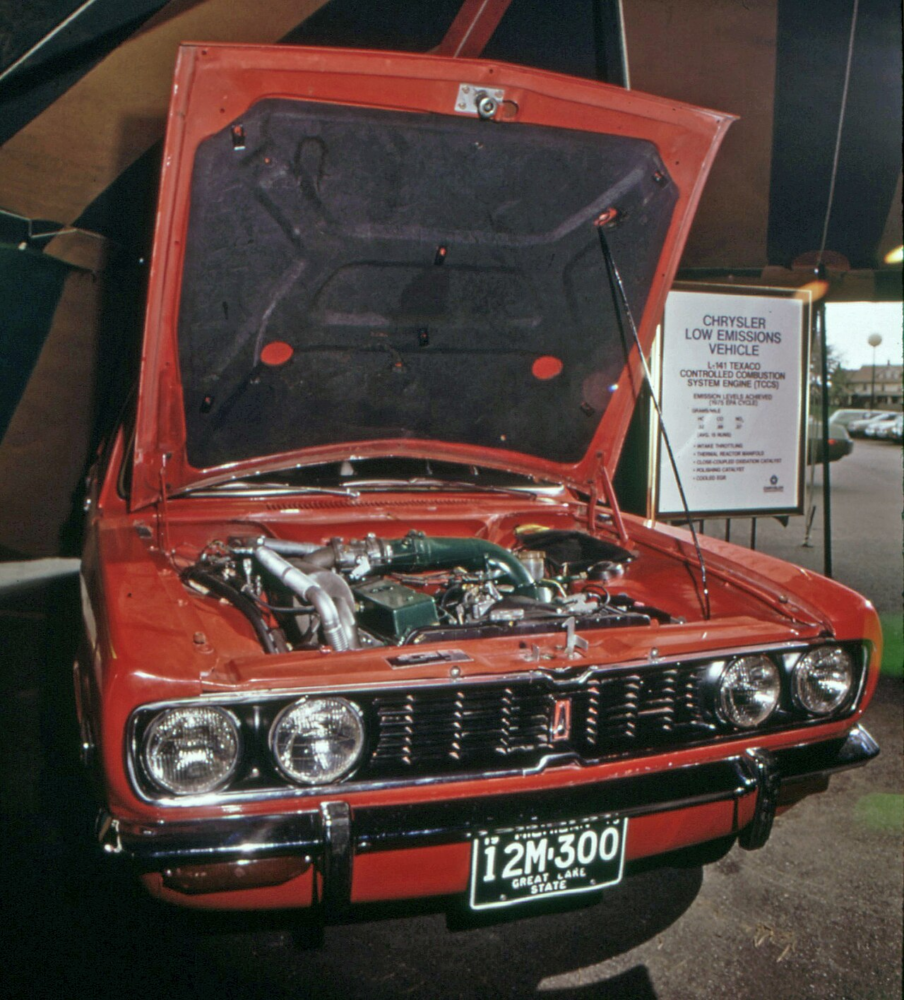
A North American rebadge that vanished faster than its British parent.
While competitors like the Dodge Colt racked up significant sales, the Plymouth Cricket managed only 27,682 units in its debut 1971 model year. This North American rebadge of the British Hillman Avenger was meant to be a compact workhorse positioned below larger Plymouth models. It found itself in a bare-knuckle brawl against the Chevrolet Vega and the Dodge Colt, never gaining traction despite two full model years of sales (1971 and 1972, with leftover inventory sold as 1973 models).
Finding a specific fender for a Cricket today means searching for a unicorn. Locating parts for this unexpectedly rare vehicle often feels like trying to find a dial-up modem in 2024. This model, intended for every driveway, became an automotive footnote. For a car meant to be ubiquitous, its scarcity remains a compelling punchline, leaving collectors with more stories about searching for parts than actual miles driven.
2. Suzuki Equator
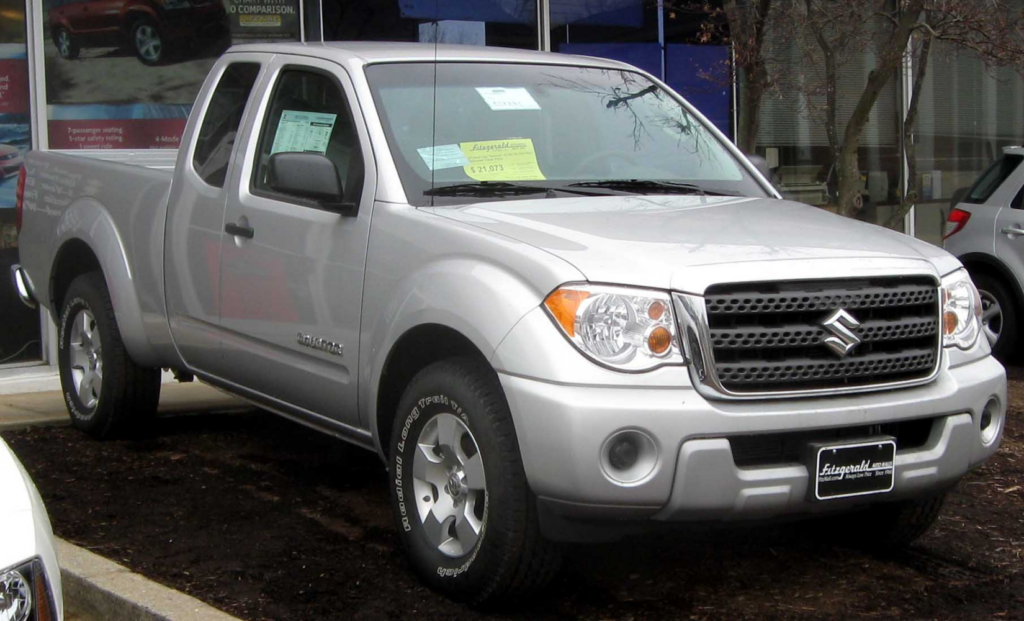
A rebadged Nissan Frontier that barely whispered in a room full of shouting V8s.
Entering the North American pickup market demands a unique identity, a challenge Suzuki barely addressed with its Equator. Introduced in 2009, this compact pickup was essentially a rebadged Nissan Frontier, distinguishable primarily by a changed front end. Production figures remain disputed—sources cite either 5,808 or approximately 8,863 units over four years—but either number speaks volumes about its market impact.
The Equator‘s brief run ended with its Canadian version vanishing in 2010, followed by the U.S. model in 2012. Cross-country road trips could span a thousand miles without spotting one; finding a Blockbuster Video still open for business would be easier than encountering two Equators side-by-side at a gas station. Its demise coincided with Suzuki’s broader withdrawal from most of the North American automotive market, a silent retreat from a segment the company never truly conquered.
3. Lexus IS SportCross
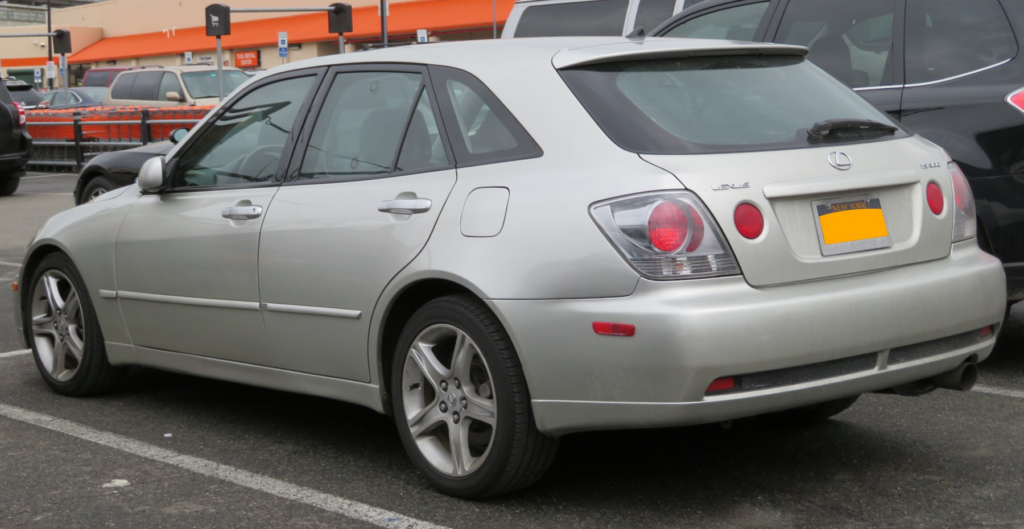
Lexus’s first and only station wagon experiment, disguised under “crossover” marketing.
Marketing departments often stumble when redefining established car segments. The IS SportCross, a five-door wagon variant, carried “crossover styling” in North American marketing materials, explicitly avoiding the “station wagon” label—like calling a perfectly good tool chest an “organizational system.” Underneath sat rear-wheel drive, a naturally aspirated 3.0-liter Toyota 2JZ-GE inline-six producing 215 hp, and a five-speed automatic transmission.
The market, despite Lexus’s efforts, remained unconvinced. Produced from 2002 to 2005, North American production totaled a mere 3,078 units (1,958 in 2002, 471 in 2003, 384 in 2004, and 265 in 2005). Spontaneous weekend getaways found this car swallowing all the camping gear without a grumble, yet buyers stayed away. Its current rarity makes it almost mythical, like finding a mint-condition arcade cabinet at a yard sale.
4. Genesis G70 Shooting Brake
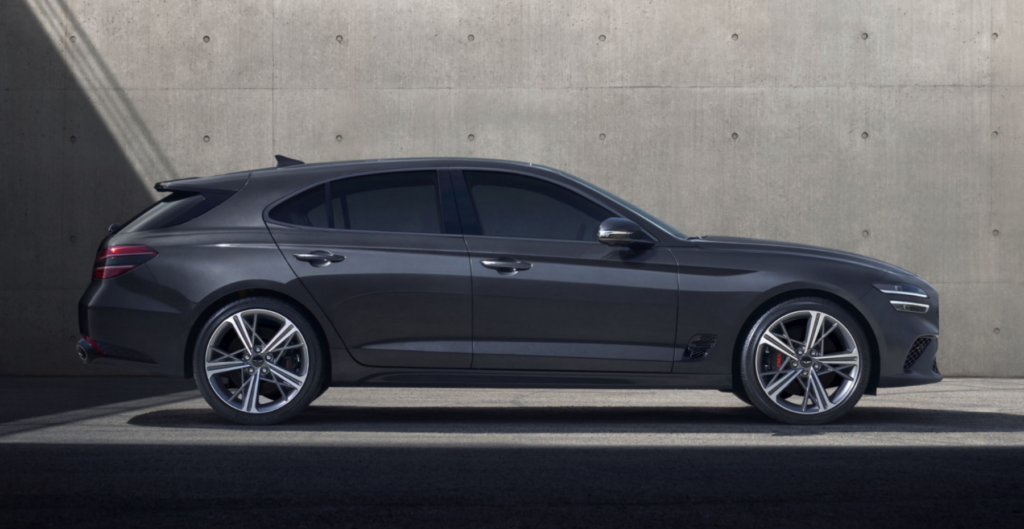
A wagon reserved for Europe alone, denying the rest of the world this engaging machine.
The Genesis G70 Shooting Brake, a wagon variant of the G70, was crafted primarily for the European market. Genesis branded it a “Shooting Brake” rather than a standard estate, distinguishing style from utility. This five-seater uses a front-engine, rear-wheel-drive layout, offering turbocharged four-cylinder petrol and diesel engines paired with an eight-speed automatic transmission.
Roughly 8,000 units rolled out over two years according to reports, making each sighting noteworthy. European drivers seeking distinct luxury found an almost rebellious choice, like discovering a secret backroad instead of the usual highway. The chassis communicates on an Alpine pass in ways few luxury sedans manage. Its exclusive European market release made it a regional whisper, not a worldwide anthem, denying global enthusiasts access to this engaging machine.
5. Proton Juara
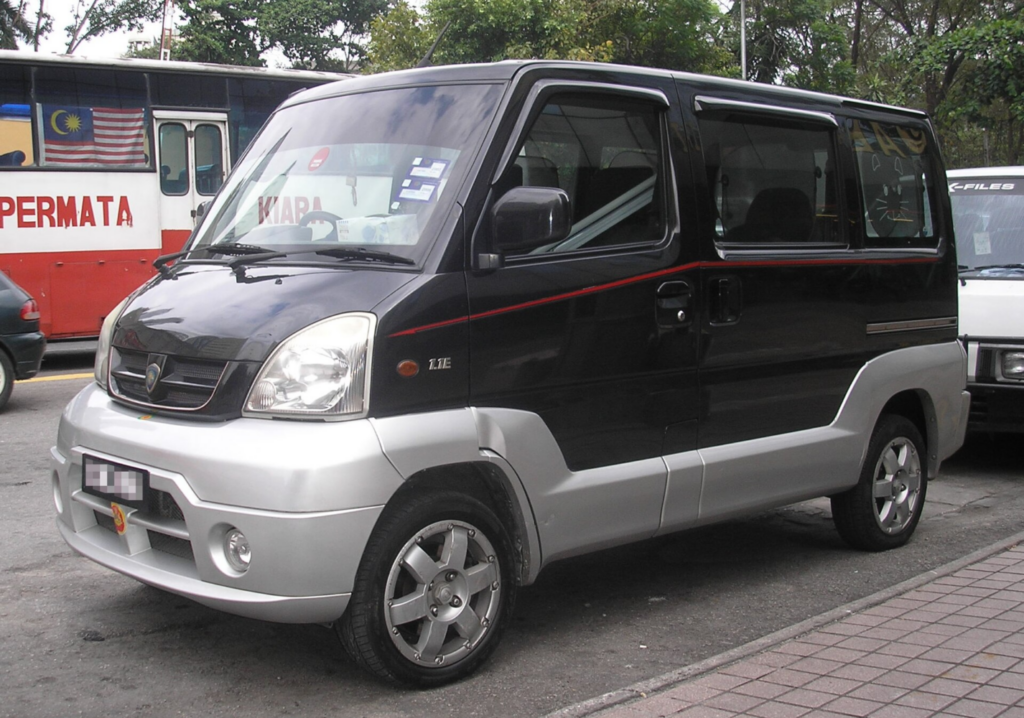
Ambitious targets met corporate friction; the vehicle paid the price.
This compact multi-purpose vehicle, Proton’s inaugural and sole rear-wheel-drive model, launched exclusively in Malaysia in 2001. The company reportedly targeted a dominant share of the local MPV market, but the Juara’s market run hit a wall fast, derailed by distribution problems and internal conflicts.
Production ceased after roughly three years. The vehicle stands as a stark reminder that even a solid concept can flatline when corporate friction becomes the primary antagonist. Malaysian families seeking versatile transport found few dealers willing or able to stock the model; immense potential was stifled by poor internal rollout, like trying to win a drag race with only half the cylinders firing.
6. South African BMW 745i
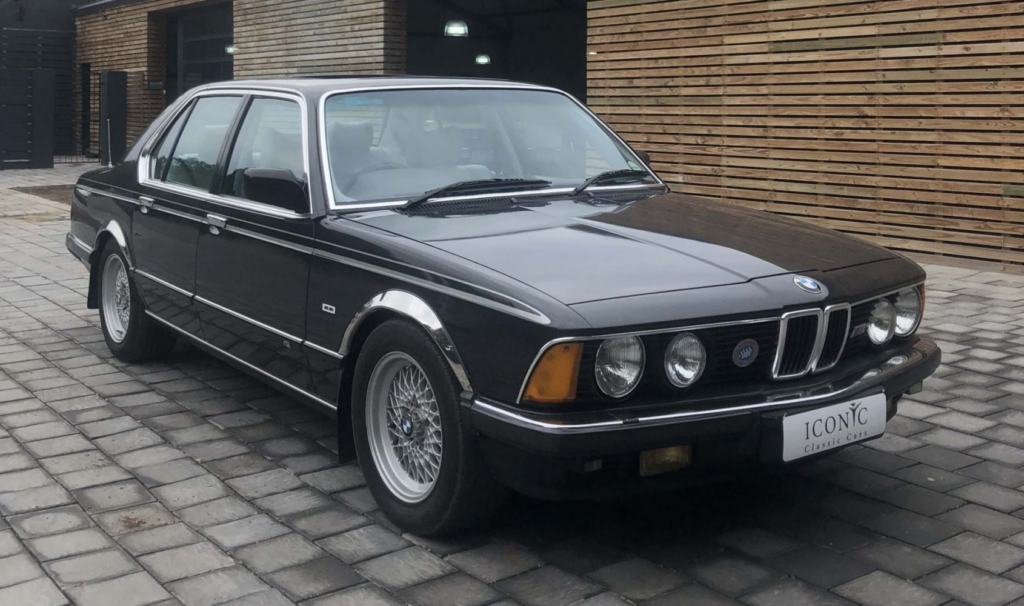
A luxury sedan hiding a motorsport heart; only 209 were built.
The 1983 South African BMW 745i, an E23-generation luxury sedan, offered something unique in automotive history. Unlike its European turbocharged equivalent, this car housed a naturally aspirated 3.5-liter M88 inline-six—the legendary engine from the BMW M1 supercar. Finding one is like discovering a vintage Fender Stratocaster with a custom-built race engine hidden inside.
The car also carried several M-branded features, a bold move considering BMW’s general reluctance at the time to M-badge a 7 Series. Spotting this quiet brute at a classic car show feels like encountering a rare Pokémon in plain sight. This 745i stood as a stealth bomber among luxury jets, carving a distinct, rebellious chapter in BMW’s performance history that most enthusiasts never knew existed.
7. Ford LTD BF
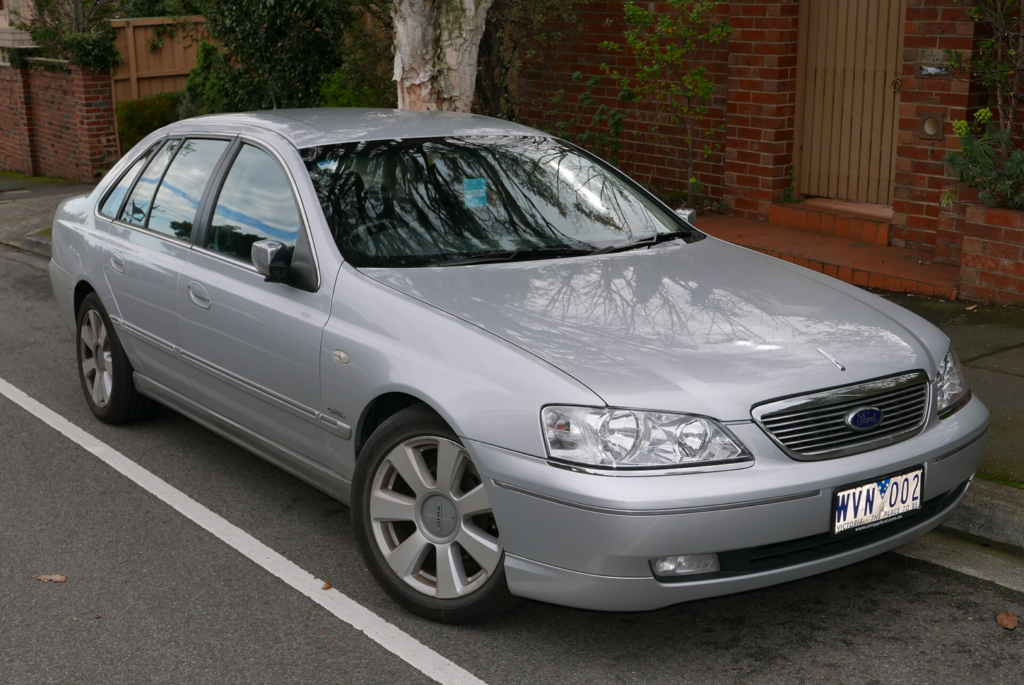
A last stand in a dying segment; 153 units tell the story.
A declining market segment presents brutal reality: even a well-engineered vehicle can become a casualty. Launched in 2005, this BF-generation model was the final version of Ford Australia’s large luxury sedan, closely related to the Ford Fairlane and based on the Ford Falcon platform. It arrived attempting a last stand in a segment already struggling for oxygen, like bringing a cassette player to a streaming party.
Ford ultimately discontinued both the LTD and Fairlane in 2007, bringing a swift end to the line. Reports indicate that the production run consisted of only 153 BF LTDs, making it a phantom on Australian roads. For a collector today, hunting one down feels like searching for a specific grain of sand on a vast beach. This scarcity, born from a short production period and shrinking demand, represents the quiet, definitive closure of an entire chapter in Australian motoring.
8. Suzuki Kizashi
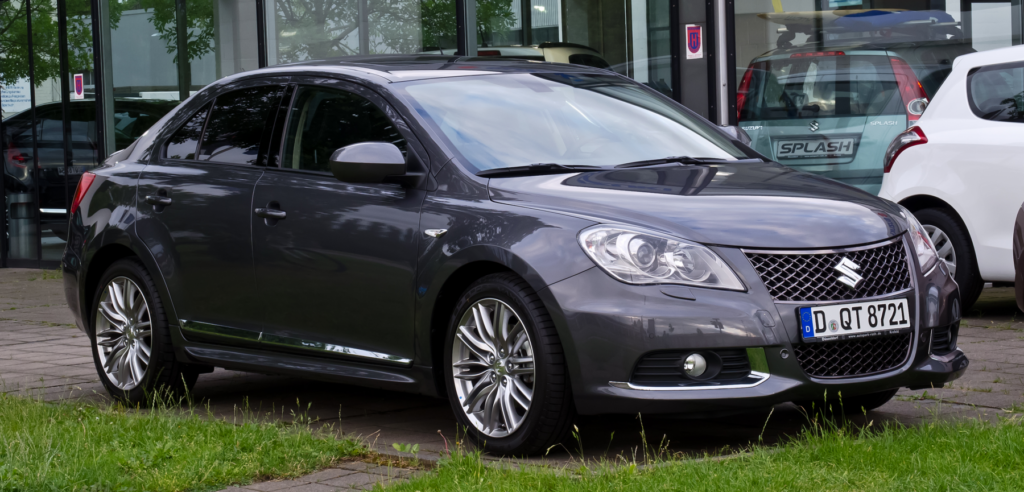
Praised by reviewers, ignored by buyers; brand perception hit harder than horsepower.
Brand perception often hits harder than horsepower figures, even for a genuinely capable machine. Suzuki rolled out the Kizashi in 2009 as its global entry into the mid-size sedan segment, aiming to challenge established players like the Camry and Accord across North America, Europe, and Asia. Some reviewers praised its sharp styling, engaging driving dynamics, and surprising build quality.
Tossing it into a corner on a mountain pass delivered a connection to the road that few mid-sizers offered, leaving enthusiasts wondering why these weren’t a common sight. Yet Suzuki’s brand legacy, firmly rooted in small cars and SUVs, made positioning a larger sedan an uphill battle—like trying to sell haute cuisine from a hot dog stand. Despite its merits, the Kizashi struggled to find its footing. Reports suggest global production fell short of 100,000 units before the car faded from most markets, with some sources estimating fewer than 80,000 total. This demonstrates that even a well-engineered vehicle cannot escape the shadow of its badge.