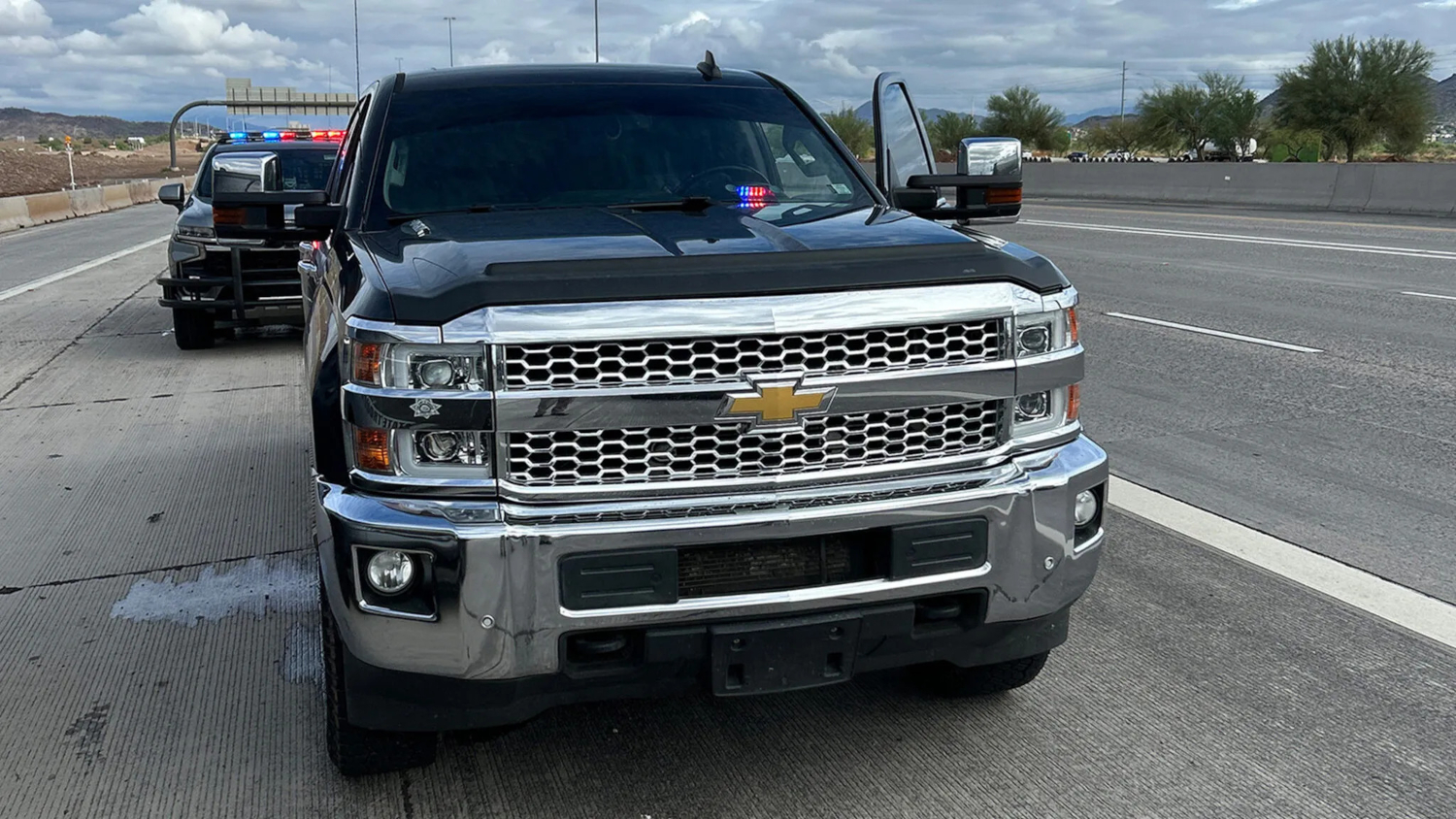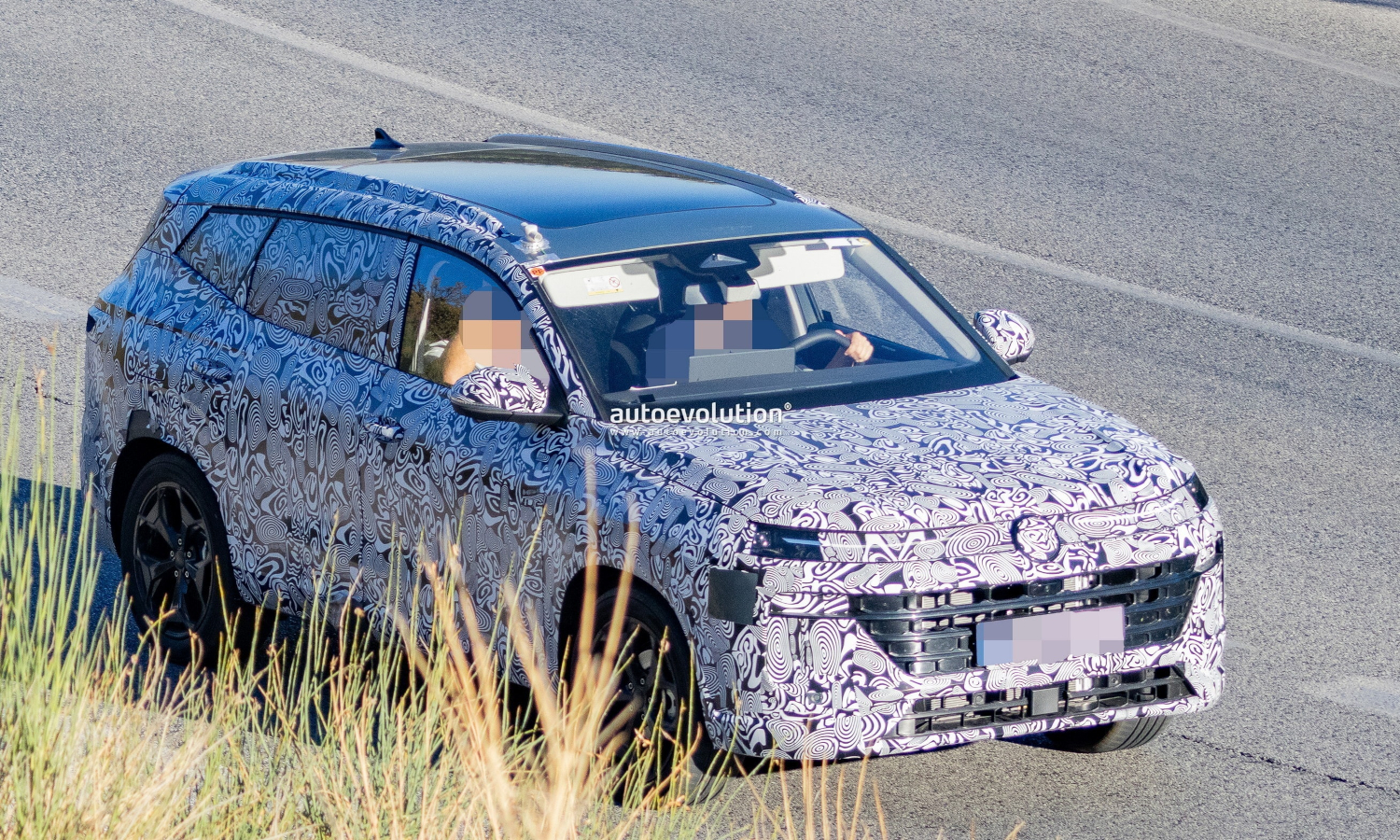


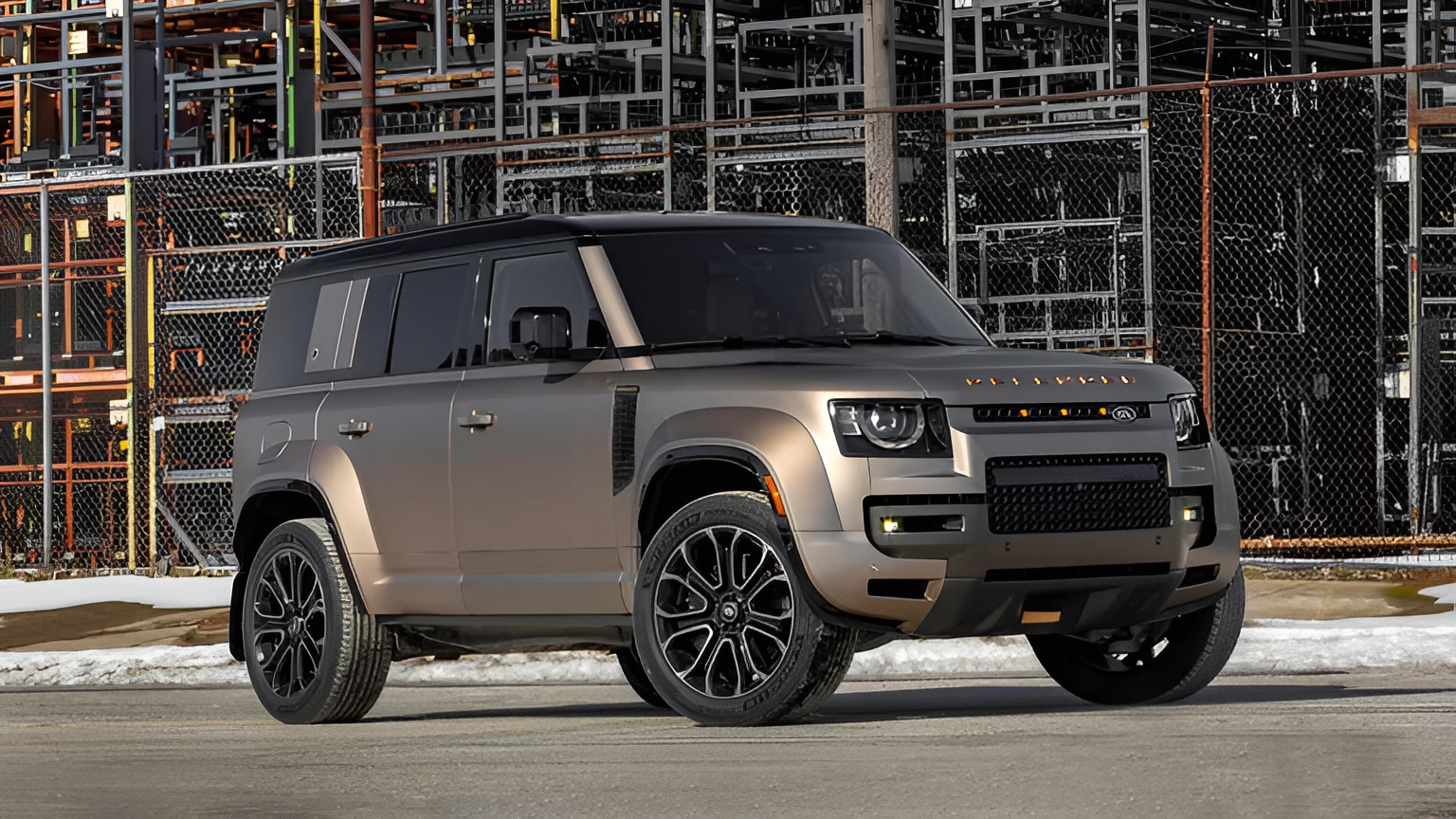
Luxury truck buyers have been waiting decades for a brand that doesn’t just dress up a workhorse — it arrives pedigreed. Ram slaps on leather and calls it a Limited. Ford adds a moonroof and charges Platinum prices. Yet no luxury marque has managed to crack this segment for the long term — the Lincoln Blackwood, the Mark LT, and the Cadillac Escalade EXT all tried, and all disappeared. Now, Land Rover and Stellantis’ are reportedly plotting the answer: a Defender-badged pickup, built on American soil, targeting the roughly $80 billion U.S. truck market. The two companies signed a non-binding Memorandum of Understanding on May 20, 2026. No truck confirmed. Not yet.
The Tariff Nobody Talks About
A 1960s trade war explains why this truck would have to be built in Michigan.
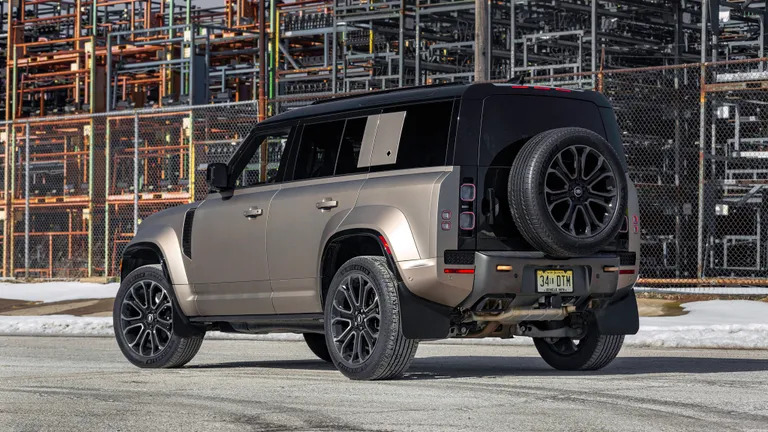
The Chicken Tax — a 25% U.S. tariff on imported light trucks dating to a 1960s trade dispute — has kept foreign-built pickups economically unviable in America for decades. Current U.S.-market Defenders are built in Nitra, Slovakia. Import one as a pickup, and you’re paying a 25% penalty before a single customer test-drives it. Building stateside solves that math. Reports point to Stellantis’ Warren Truck Assembly Plant in Warren, Michigan — currently underutilized — as the likely production site, though neither company has officially confirmed it.
Key facts on the table:
- MOU signed May 20, 2026 — non-binding; binding agreements still required before any truck gets built
- Likely site: Warren Truck Assembly Plant, Michigan (reported, not officially confirmed)
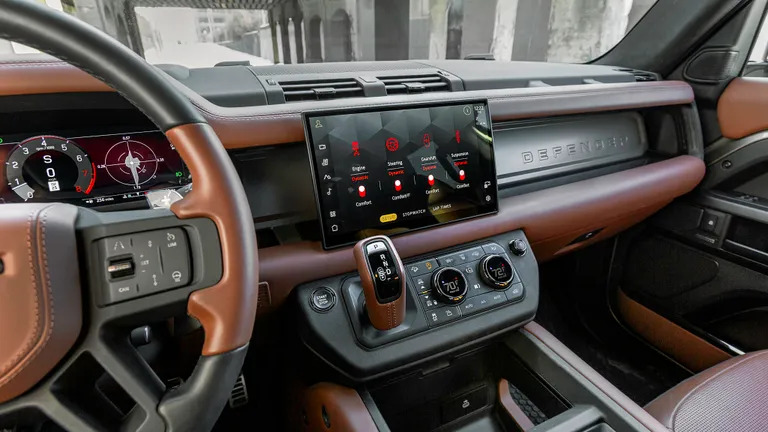
- Platform unresolved: the current Defender is unibody (car-like construction); Ram trucks run body-on-frame (traditional truck architecture) — each choice carries real consequences for towing capacity, off-road feel, and factory logistics
- U.S. pickup market: roughly $80 billion annually
- JLR CFO Richard Molyneux targets MOU finalization by end of 2026

JLR CEO PB Balaji has framed it plainly: “Working with Stellantis allows us to explore complementary capabilities in product and technology development that support our long-term growth plans for the U.S. market.”
Platform choice matters enormously. Unibody means a more refined ride but potentially less towing muscle. Body-on-frame means traditional truck credibility — and fits Stellantis’ existing manufacturing lines. No official answer exists. Powertrain details, including any hybrid or EV variant, remain equally unconfirmed. Meanwhile, the Ineos Grenadier Quartermaster — a pickup deliberately designed to evoke classic Land Rover utility — is already on sale, capitalizing on the nostalgia that JLR itself built. Analysts suggest a Defender pickup would be, at least in part, a direct answer to that competitive pressure. Those interested in importing right now should note how the Chicken Tax shapes what vehicles ever reach U.S. shores.

A Badge Where No Luxury Brand Has Survived
Heritage gives Land Rover a real edge here — but a memorandum of understanding is not a truck.
Stellantis CEO Antonio Filosa describes the collaboration as exploring “synergies in areas such as product and technology development” — corporate language that signals intent without committing to specifics. The luxury pickup graveyard is well-populated: the Lincoln Blackwood, the Mark LT, and the Cadillac Escalade EXT are all gone. Land Rover’s advantage over those failures is genuine: deep off-road credibility, a Defender nameplate that commands real respect, and a heritage of prior-generation Defender pickups sold in international markets until production ended around 2016. That history grounds the concept in something more substantial than a luxury badge applied to a mainstream chassis.
But the MOU is not a truck. If binding agreements materialize by late 2026, confirmed model and platform details would logically follow — though no official timetable for those milestones exists. The concept is genuinely compelling for anyone who has ever wanted a Land Rover with a bed. Whether it becomes a reality depends entirely on what comes after the paperwork — and on whether it joins the list of vehicles truly worth waiting for.