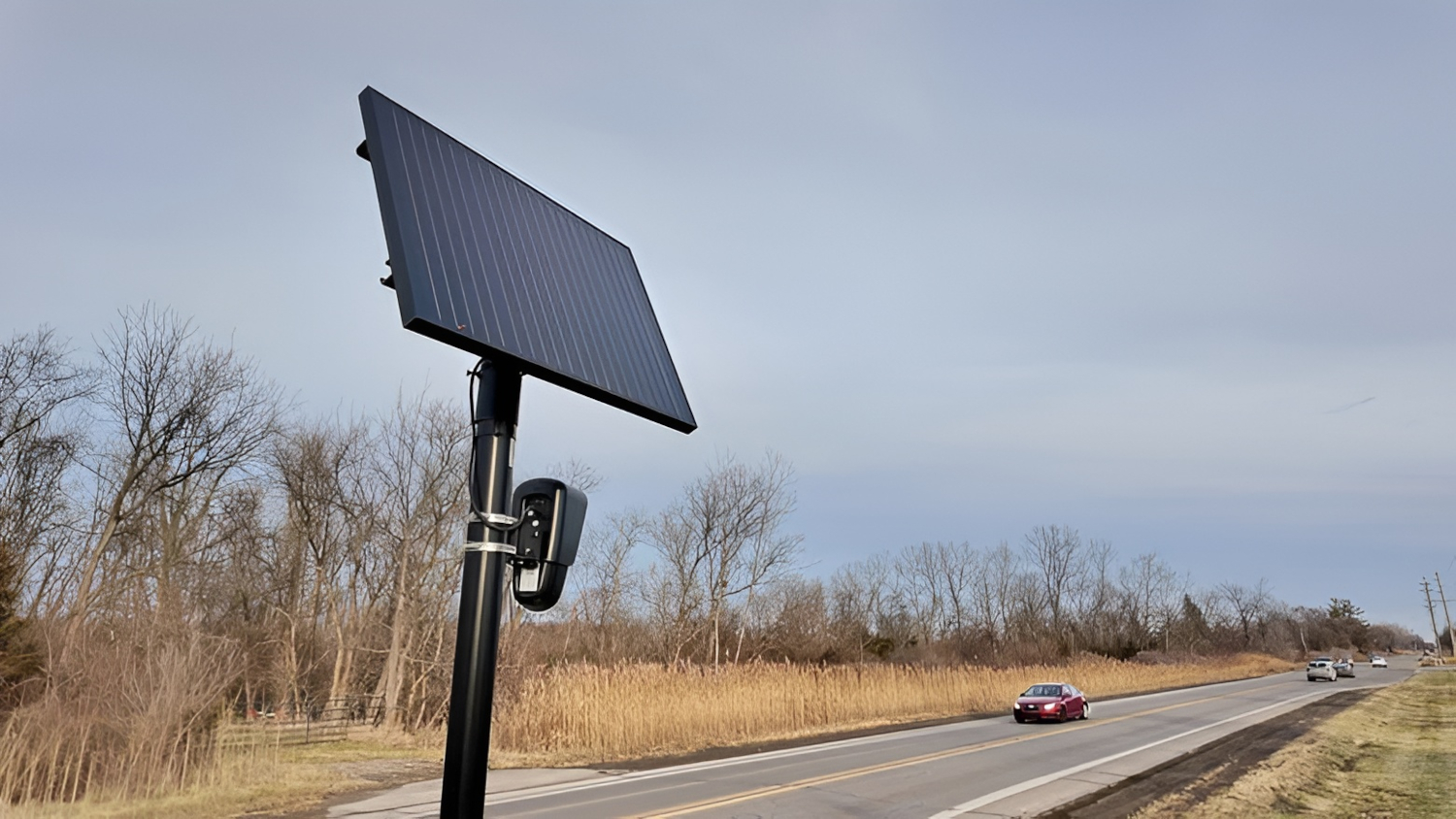
You are on a Saturday barbecue run through Central Texas — FM roads, roadside smokehouses, windows down. What you probably don’t picture is the quiet procession of solar-powered cameras logging your plate every few miles. According to crowd-sourced mapping data drawn from OpenStreetMap, more than 127,344 automated license plate readers now operate across U.S. roads in 49 states. Roughly 104,883 of them — about 82% — are made by a single company: Flock Safety. This isn’t a story about the future of surveillance. It’s already your present.
The Network Is Everywhere, Including the Back Roads
Flock Safety’s camera grid stretches far beyond city limits — rural highways and exurban connectors included.
This surveillance infrastructure isn’t just a big-city problem. Roughly 24,000 documented plate readers sit outside U.S. city and town boundaries — on intercity highways, exurban connectors, and roads that feel like they belong to nobody. California has more than 15,000 documented Flock cameras. Texas tops 14,000. Drive Interstate 10 between San Antonio and El Paso and you’re not outrunning the network; you’re moving through its spine.
Key figures from the research:
- Flock Safety claims more than 120,000 cameras across roughly 6,000 communities, generating approximately 20 billion vehicle scans per month
- No official government inventory of ALPR cameras exists anywhere in the U.S.
- Crowd-sourced totals now approach 142,586 documented ALPRs nationwide, roughly 80% identified as Flock hardware
- California and Texas each have well over 10,000 documented Flock-tagged cameras
- Approximately 24,000 readers operate outside city and town boundaries
Where the Numbers Come From – and Why Cities Are Pushing Back
Volunteers built the only comprehensive public map of this network — and canceling Flock rarely means the cameras stop watching.
Every figure above comes from volunteers tagging cameras visible from public roads in OpenStreetMap, using surveillance metadata. No government publishes a count. The methodology is transparent but regionally uneven — some areas remain under-mapped. Still, Flock’s own corporate claim of 120,000-plus cameras aligns closely with the crowd-sourced data, lending credibility to both.
The backlash is real. Over 50 agencies reportedly canceled or suspended Flock contracts since early 2026. Tempe, Arizona shut off all 33 of its cameras and announced removal. Citizens have painted, covered, and knocked cameras down. According to Yahoo News reporting on the network’s expansion, legal analysts have raised Fourth Amendment concerns about the mass collection of vehicle movement data without individualized suspicion. Dangerous states like California and Texas, which each have well over 10,000 documented Flock-tagged cameras, are at the center of this debate.
But here’s the twist: canceling Flock doesn’t cancel surveillance. Denver dropped Flock and signed a $150,000 contract for 50 Axon cameras. Syracuse, New York moved to Axon systems as well. The vendor changes. The watching continues under a different logo.
Your Commute, Your Road Trip, Your Plate – All Logged
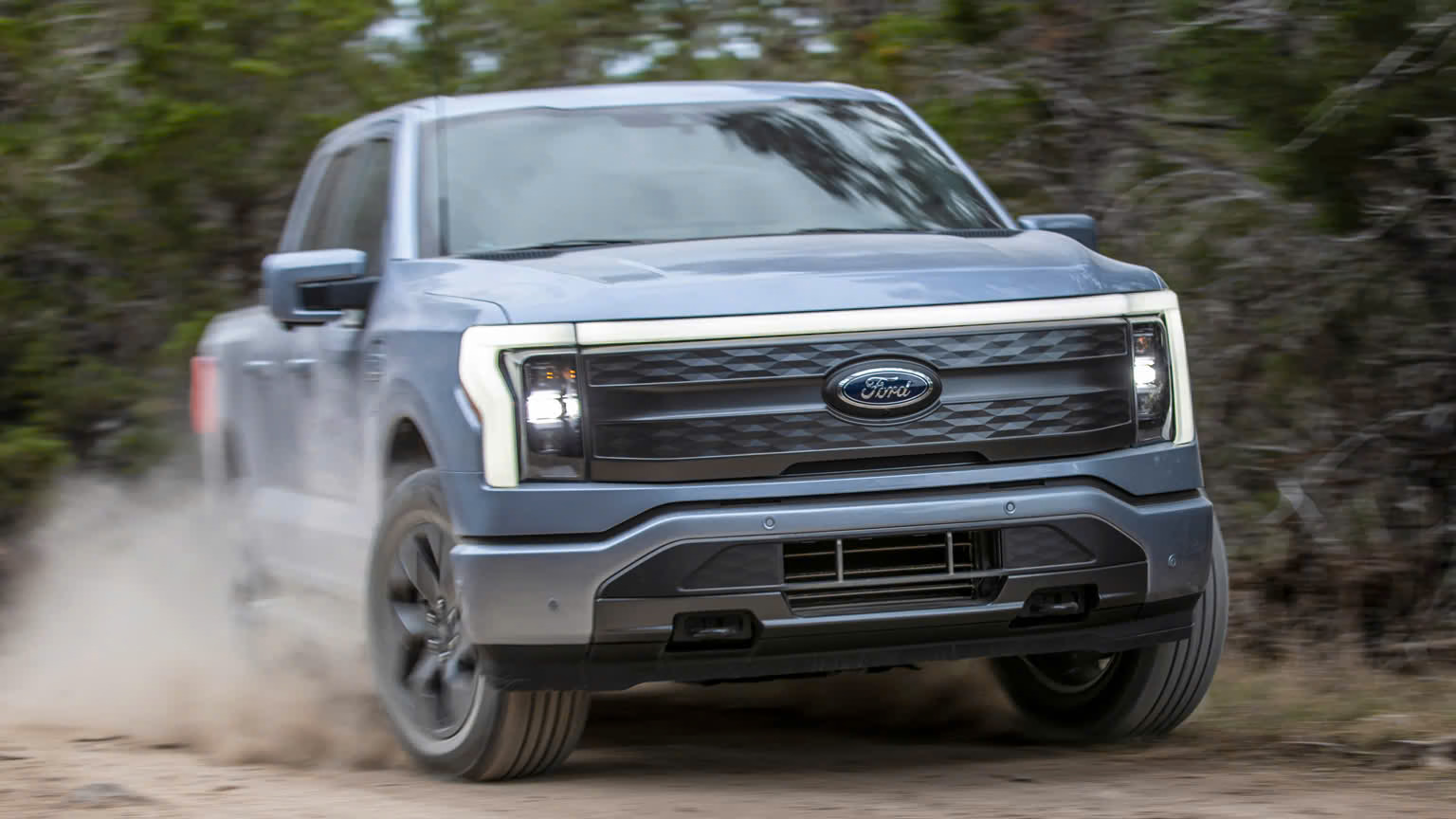
Flock cameras identify vehicles by make, model, and color — and can reportedly do so even when plates are obscured.
Every routine drive — to work, to a Saturday taco crawl, to a regional food hall three counties away — now passes through a system that captures make, model, color, and plate without asking. Flock’s cameras can reportedly cross-reference visual signatures to identify vehicles even when plates are obscured or missing. There’s no opt-out for public roads. Crowd-sourced maps remain among the most accessible transparency tools available, though some cities have also launched limited public portals disclosing camera locations.
The open road still exists. It just has a very long memory now.