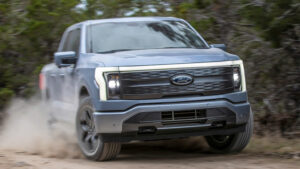


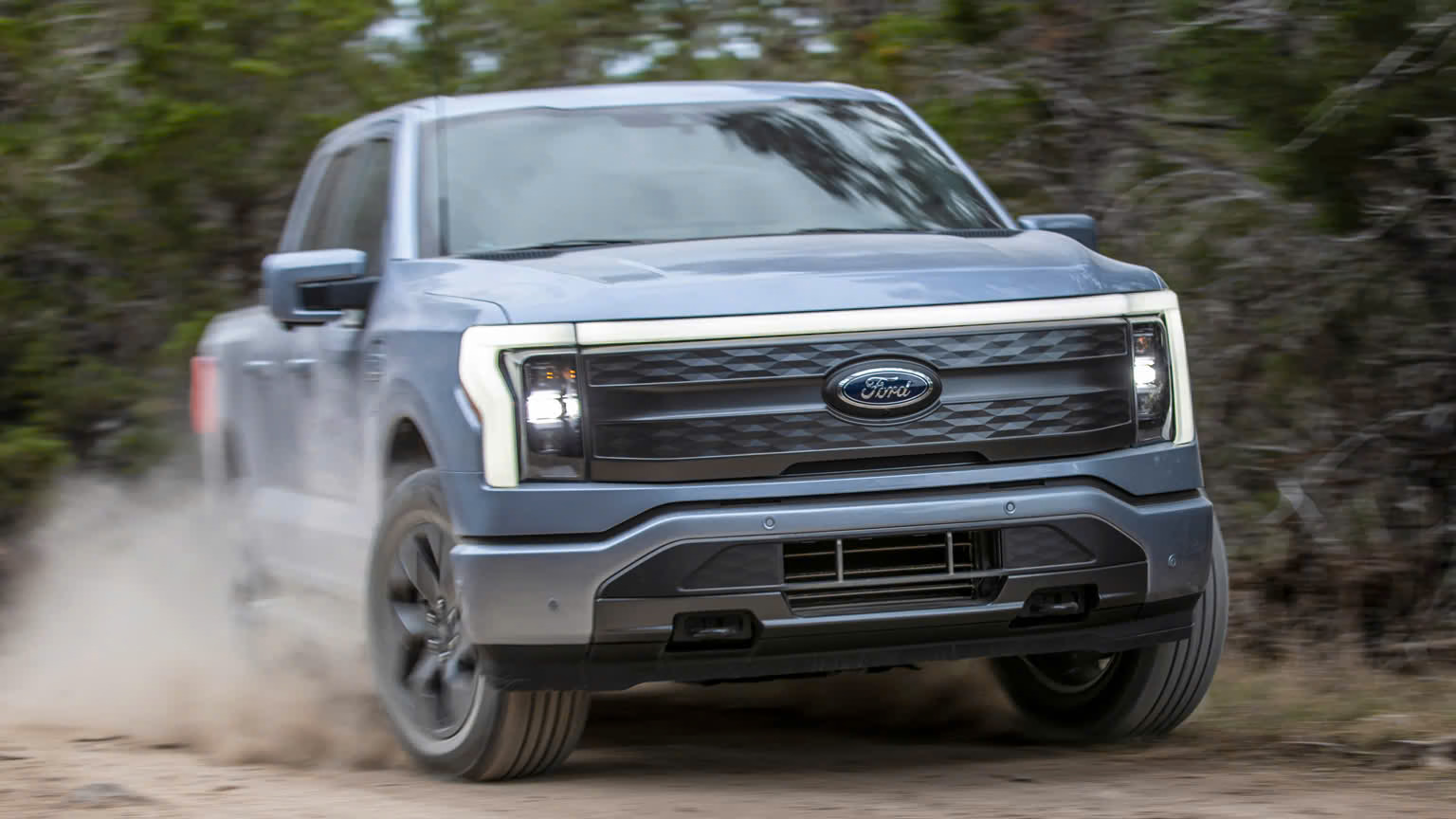
Discontinued usually means depreciation — that’s the conventional wisdom baked into every used-car calculator and EV ownership anxiety spiral. So when members of a Ford F-150 Lightning owners group reportedly began sharing trade-in offers close to their original purchase prices, the reports deserved a second look and a firm dose of skepticism. These are self-reported figures from an online community, not independently verified market data. The figures are specific enough to take seriously, but the sample is too narrow to treat as a trend. Rising costs make every ownership decision harder, and the car payment landscape has shifted dramatically in recent years.
The Numbers Being Reported
Anecdotal offers from a Lightning owners group suggest some mid-to-high-$40,000 appraisals — but the data has real limits.
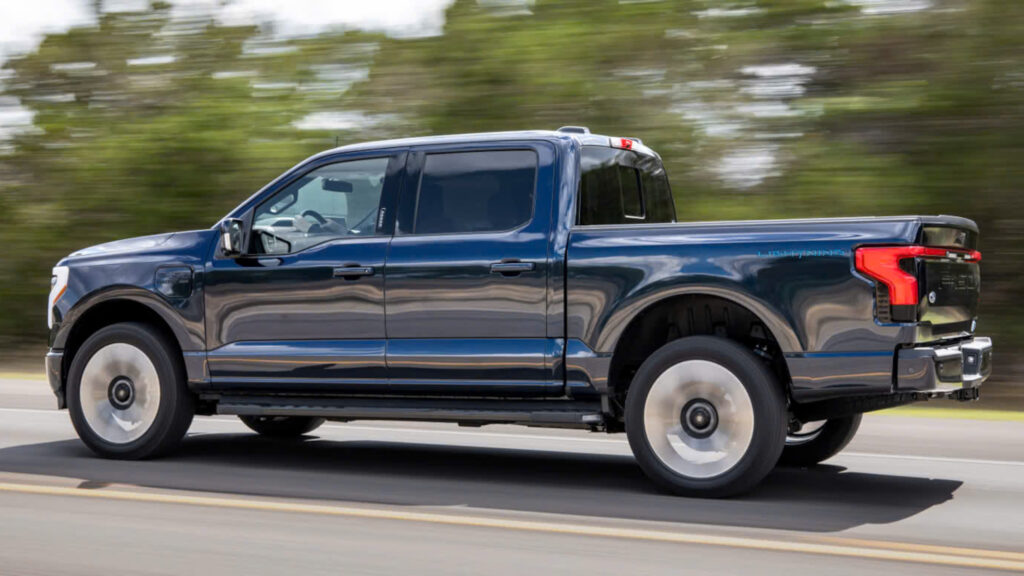
Carvana reportedly offered one Lightning owner “just a little less than we paid new,” with that truck ultimately selling for more than $48,000. A 2024 Lariat reportedly attracted an offer around $47,500; a 2024 Flash came in near $46,000. Every one of those figures carries an asterisk: owners who post about unusually strong offers generate far more attention than owners who received ordinary appraisals and stayed quiet. That self-selection matters. One member of the group attributed the stronger values partly to discontinued production — fewer identical new trucks competing directly on dealer lots — though scarcity alone does not guarantee strong resale performance when demand softens. Broader market shifts, including the rise of fastest-selling cars like hybrids, underscore how quickly buyer demand can redirect.
A few details worth knowing before acting on any of this:
- Ford confirms continued replacement parts availability and ongoing over-the-air software updates after production ends — ending production does not mean ending support. The specific duration of parts availability should be verified directly with Ford, as the precise commitment varies by source.
- The Lightning’s high-voltage battery warranty covers eight years or 100,000 miles.
- Trade-in values shift significantly based on mileage, trim, accident history, battery condition, and region — one strong offer from one buyer is not a market.
- Rivian’s R2 Performance starts at $57,990 and deliveries began June 2026; the Premium trim is listed at $53,990 with a late-2026 arrival, and the Standard RWD Long Range is listed at $48,490 with a first-half-2027 expected arrival.
Timing creates the real friction. Replacing a Lightning with the currently available R2 Performance means spending nearly $58,000 before taxes, fees, and delivery costs. Waiting for the Standard RWD Long Range — listed at $48,490 — could make financial sense if holding the Lightning until early 2027 is realistic, and researching what’s worth waiting for can sharpen that decision. Selling now to capture strong offers is defensible. Reading a forum post and assuming the same number applies to your truck is not.
What to Do If You’re Considering Selling
Getting multiple competitive bids is the only way to know whether reported offers reflect your truck’s actual market value.
If you’re holding a Lightning and these numbers caught your attention, test the actual market before drawing conclusions. Seek bids from Carvana, Plug, local dealers, and private-party listings — then compare. A single strong offer is an anecdote; multiple offers reveal a range. Context on the affordable new car market helps explain why replacement options feel so constrained right now. Keeping the truck also carries genuine value: the bed, the towing capacity, and zero transaction costs remain intact, with Ford’s parts supply and software updates continuing regardless of production status.
The real lesson here isn’t that Lightnings are suddenly rare collector pieces. Some owners reportedly received strong offers at a favorable moment. The only way to know whether your truck qualifies is to get the offers — so get the offers.