

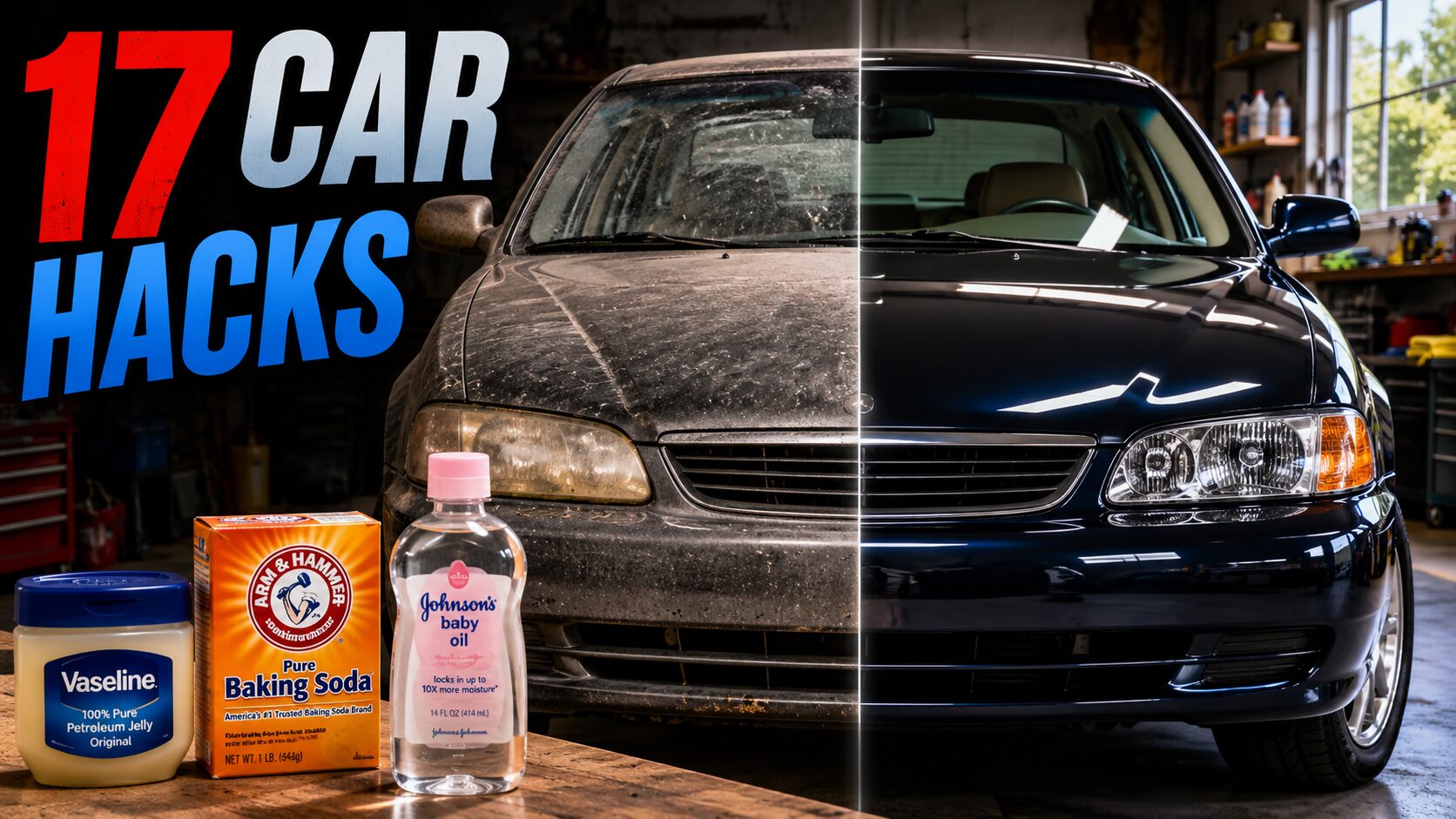
Drivers collectively spend hundreds of dollars annually on detailing and minor repairs that have surprisingly simple, DIY fixes. This guide cuts through the noise, offering 17 ingenious car hacks drawn from genuine automotive expertise and real-world results. These are not fleeting trends; they are practical solutions designed to keep vehicles running smoothly while looking sharp for every mile ahead.
1. Baby Oil Dashboard Shine Restoration
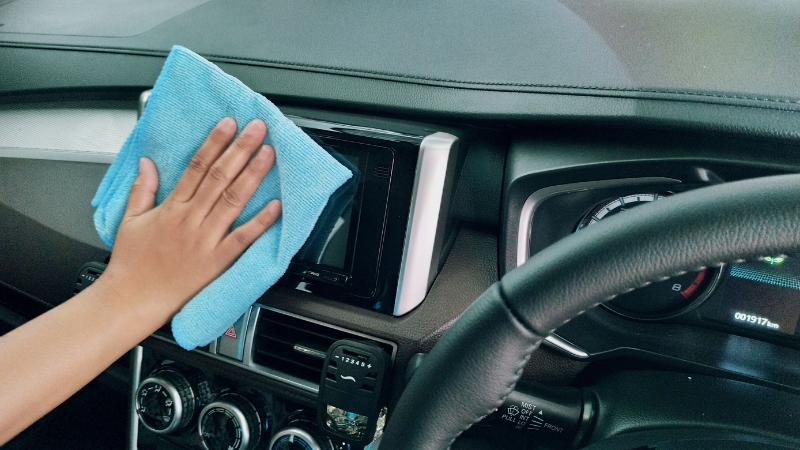
A few drops transform faded plastic into a conditioned, professional-looking finish.
A faded dashboard, dulled by countless sun exposures, detracts from the pure joy of the open road by creating a cabin that feels neglected. Baby oil, a mineral-oil-based household product, offers an inexpensive restoration trick for interior vinyl and plastic trim. Applying just a few drops onto a microfiber cloth allows restoration of weary surfaces, bringing back a conditioned shine that looks genuinely professional.
For a mere $3, one bottle can treat an entire interior dozens of times, offering results that rival pricier showroom finishes. The key is restraint: overapplying creates a greasy film that attracts dust and casts windshield glare. A light touch delivers that factory-fresh appeal without the downsides, keeping the cabin inviting for any drive, from a quick grocery run to a cross-country adventure.
2. Vaseline Side Mirror Water Repellent
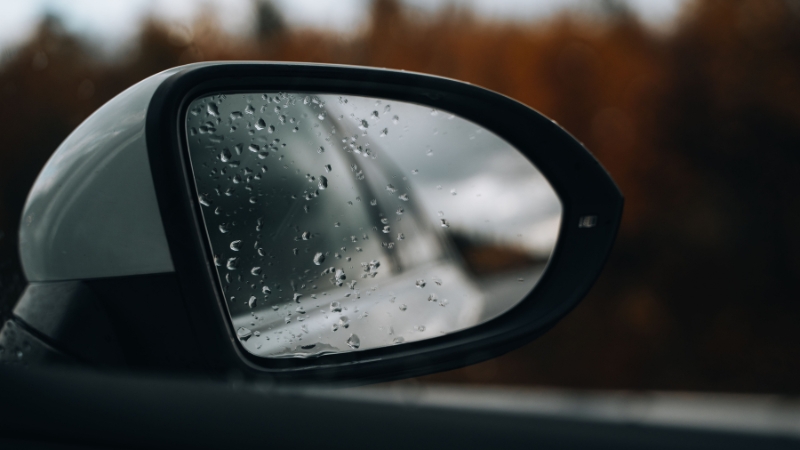
Petroleum jelly creates a temporary water-repelling barrier that helps rain bead and roll away.
Visibility in heavy rain can drop significantly, turning side mirrors into blurry messes. To combat this, apply a thin layer of petroleum jelly to mirrors, buffing off any excess until invisible. This creates an effective water-repelling barrier, causing rain to bead and roll away, drastically improving the field of view.
The effect is temporary but effective. A $4 jar can treat mirrors hundreds of times, making this a practical choice for anyone who values clear lines of sight more than brand names. Some drivers even use this method on headlights to help maintain a clearer, more defined beam pattern during dark, wet drives. While not an automotive-grade coating, its low cost and quick application make it a useful trick for maintaining visibility on rainy roads.
3. Baking Soda and Vinegar Tire Restoration
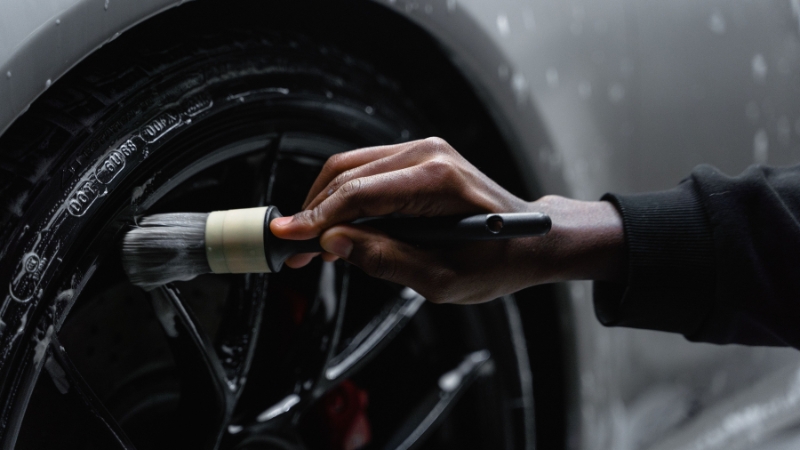
This DIY paste cuts through brake dust and oxidation for cleaner sidewalls.
Brown, stained tire sidewalls diminish a car’s overall appearance. To tackle stubborn grime, combine baking soda and white vinegar into a thick paste. Apply it generously to the tire sidewalls with a stiff brush, ensuring full coverage. Let the paste fizz for 2 minutes as the reaction breaks down oxidation and road film.
A thorough rinse reveals dramatically cleaner tires, restoring them to a darker luster. All four tires can be restored for under $3 in materials. For a final flourish, a thin layer of Vaseline applied carefully offers that showroom finish, making the ride pop for the next cruise night without the shop bill.
4. Silica Gel Packet Moisture Absorber
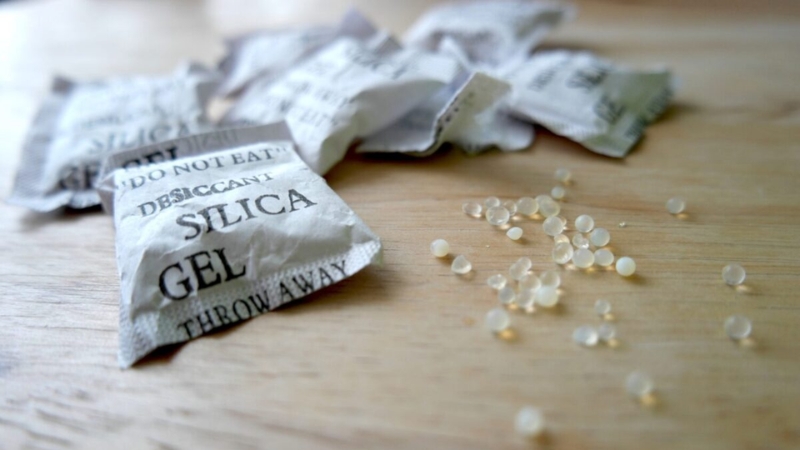
Reusing silica packets creates a continuous defense against interior humidity.
Silica gel operates by adsorbing water molecules from the surrounding air through its highly porous structure. Collecting small silica gel packets from electronics packaging costs nothing to implement. Placing 8 to 10 packets under the front and rear seats creates a continuous defense against ambient moisture.
These packets apply moisture-wicking technology similar to commercial automotive dehumidifiers, protecting delicate electronics and upholstery from humidity damage. When saturated, reactivating them is simple: dry them in an oven on low heat, around 250°F (120°C), every few months. This restores their capacity, readying them for another shift. Giving these packets a second life battles interior funk while diverting waste from landfills.
5. Steam Cleaning Car Interior Restoration
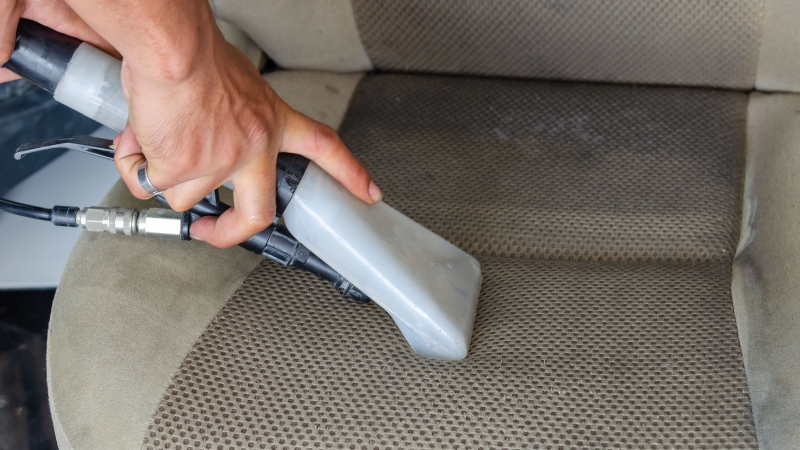
A handheld steamer controls deep-set stains and odors vacuuming misses.
Standard vacuuming only skims the surface, leaving behind stubborn grime and lingering odors. A handheld fabric steamer, typically costing around $25 to $30, becomes a detailing secret weapon. Run the steamer slowly over seats, floor mats, door panels, and headliners; heat and moisture penetrate fabric fibers to kill bacteria, loosen grime, dissolve stains, and neutralize odors without harsh chemicals.
This affordable tool replicates professional detailing results at a fraction of the cost. Blot treated areas with a microfiber cloth for best results. For a minimal investment, transform the cabin into a fresh, inviting space for every future road trip.
6. Grease on Battery Terminal Corrosion Fix
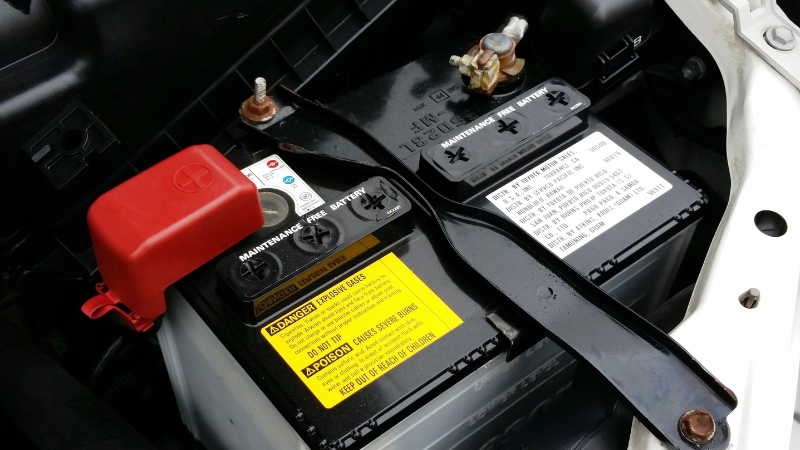
Petroleum grease creates a moisture barrier that prevents terminal oxidation.
Slow engine cranks and flickering dash lights often signal a battery terminal choked by corrosion. Disconnect terminals and clean the corrosion with baking soda and water until they shine. This prevents the oxidation reaction that causes green crust buildup, ensuring power flows freely.
Applying a thin coat of petroleum grease creates a crucial moisture barrier. A simple tube costs about $3, protecting terminals for years. This reduces electrical resistance, extending battery lifespan and keeping the electrical system humming. Without it, exposed terminals deteriorate rapidly. The payoff: consistent starts, reliable electronics, and peace of mind on long hauls.
7. Vaseline Interior Scuff Mark Eraser
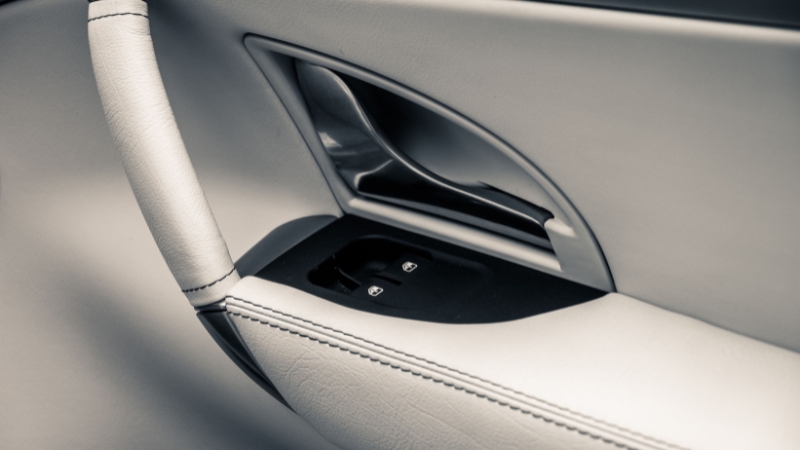
Petroleum jelly fills micro-scratches to visually reduce plastic scuff marks.
Most interior scuff marks are surface-level microabrasions, not deep gouges. If unsightly scuffs appear on interior plastic trim, a small amount of Vaseline can make them vanish in about 60 seconds. Apply a thin layer directly onto the mark, rubbing in circular motions to fill micro-scratches and restore sheen.
Buff away excess for a uniform finish. This cosmetic trick restores dash appeal for a Cars and Coffee meet without expensive products. A single jar, costing around $4, easily treats every scuffed surface. While this masks rather than repairs damage, maintaining vehicle aesthetics demands smart, simple care.
8. Clay Bar Windshield Clarity Restoration
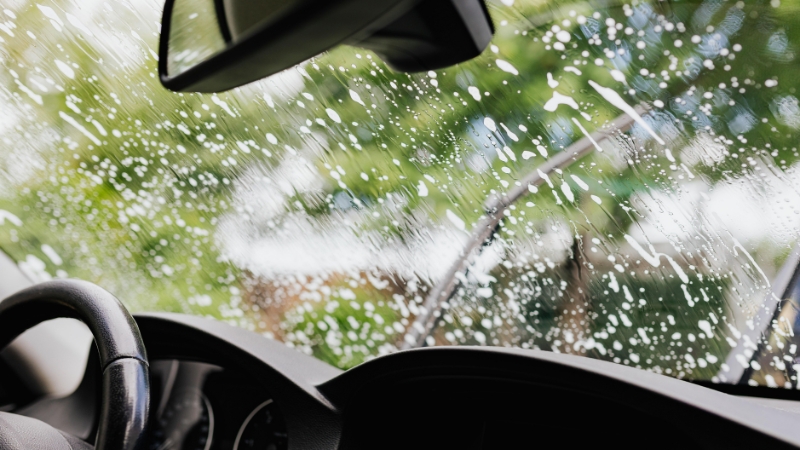
A detailing clay bar removes bonded contaminants ordinary washing misses.
A persistent hazy film often defies ordinary windshield cleaning. This stubborn residue consists of invisible contaminants that embed themselves in glass. Investing in a detailing clay bar kit, typically $10 to $15, restores optical clarity. Spray water as lubrication, gliding the clay bar in overlapping passes to pull out embedded industrial fallout and microscopic debris.
Proper lubrication is crucial; otherwise, glass surfaces risk marring. This deep cleaning reduces glare, significantly improving night driving and providing clearer sightlines on dark roads. A decontaminated windshield also allows rain repellent treatments to bond properly, ensuring maximum visibility in all driving conditions.
9. Extend Your Car’s Key Fob Range
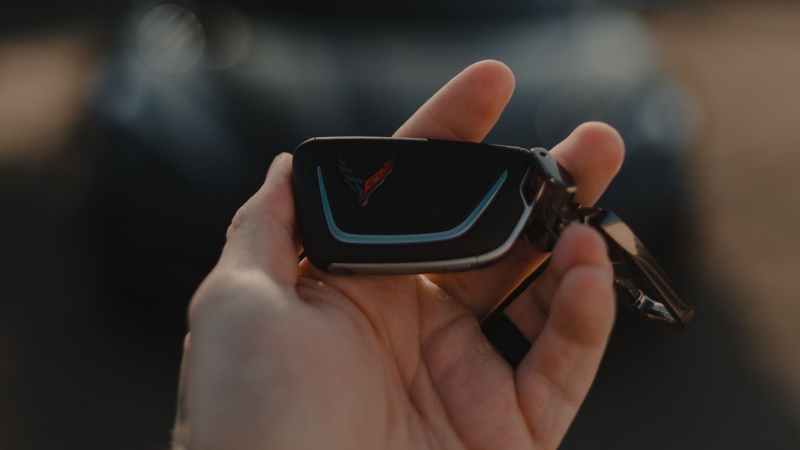
Cold temperatures reduce battery output; replacement batteries cost about $3.
Below 50°F (10°C), cold temperatures reduce a small battery’s output. Many drivers discover their key fob fails to reliably unlock the car from a distance when loaded with groceries. Some drivers claim holding the fob under the chin, mouth slightly open, extends range, but this folk hack lacks scientific backing.
The lasting fix is simple: a new fob battery costs about $3 and takes less than 30 seconds to swap. This prevents unreliable keys from becoming a recurring frustration. Skip the questionable tricks and replace the battery for consistent performance.
10. Shoe Polish Exterior Trim Restoration
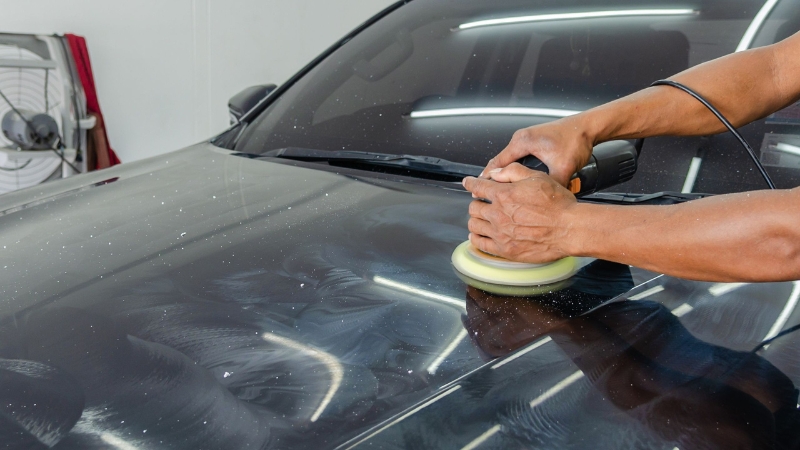
Black shoe polish temporarily restores color to faded plastic trim.
When exterior plastic trim and rubber molding have faded to a chalky gray, a simple tin of black shoe polish, costing just $2 to $3, offers a surprising fix. Apply it with a soft cloth to the affected areas, allowing it to dry for a few minutes before buffing clean.
The polish’s pigment penetrates the porous surface, restoring that deep, rich black color. Anyone who has pulled into their driveway after a long weekend road trip, only to see road grime clinging to tired trim, understands the appeal of this quick visual refresh. While it significantly improves appearance, recognize this as a temporary measure; it may rub off in wet conditions and is not a permanent overhaul.
11. Lysol Outside Air Vent Odor Eliminator
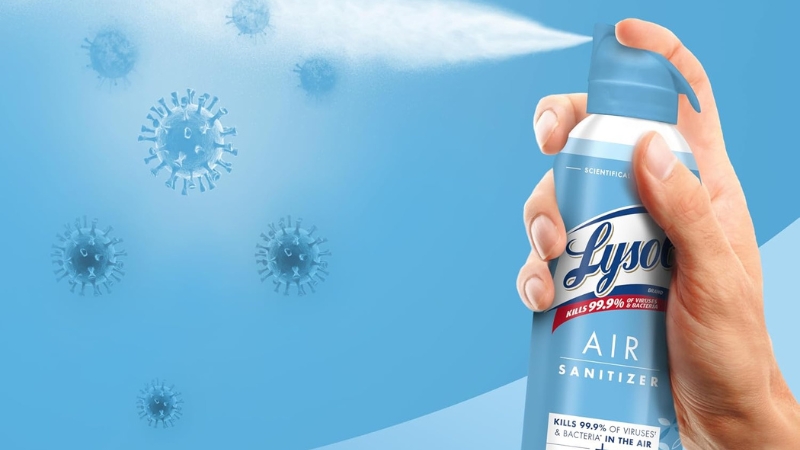
Spraying disinfectant into exterior air intakes targets mold at its source.
That persistent musty funk from the AC system signals a bacterial colony thriving on the evaporator coil, the humid core of climate control. To purge it, attack the source directly. Spray Lysol disinfectant into exterior air intake vents at the windshield base, car running with AC on full blast.
Hold the spray for 3 to 5 seconds, letting the AC system pull the Lysol through to the evaporator coil where mold and mildew flourish. This $5 fix eliminates the smell at its source. Repeat every 3 months to prevent recurrence, using it carefully to avoid overspray.
12. Fuel Filler Cap Soap Cleaning Trick
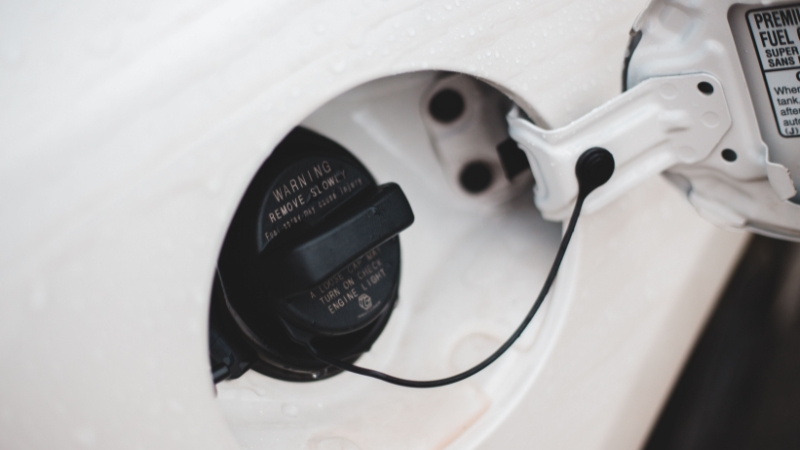
A clean fuel cap ensures proper sealing and prevents EVAP system warnings.
Many check engine lights stem from an improperly sealed fuel cap. This overlooked maintenance step takes mere moments: during every fill-up, take 30 seconds to wipe the fuel filler cap and its surrounding rubber seal with a soapy cloth or wet wipe. This simple act cleans off grime, dirt, and dried fuel residue from the cap threads and seal surface.
A properly seating cap maintains crucial fuel system pressure; a compromised seal triggers evaporative emissions warnings. Cleaning the cap and drying it completely before replacing it costs nothing beyond a bit of soap. It keeps the ride running smooth and saves the headache of chasing phantom check engine lights.
13. WD-40 License Plate Rust Prevention

Regular application displaces moisture and prevents bolt seizing.
Needing to swap license plates only to find bolts welded in place by months of oxidation is frustrating. A can of WD-40, costing around $5, can eliminate this roadside drama. Spray WD-40 liberally onto the license plate bolts and the surrounding area. Allow it to penetrate for 10 to 15 minutes, letting it displace moisture and coat the bolt threads to prevent rust.
Wipe off any excess, and reapply every 6 months. This simple routine also prevents road film from bonding to the plate surface, maintaining legibility. Small fasteners exposed to salt, rain, and road grime deserve this basic protection.
14. Umbrella Windshield Sun Protector

A reflective umbrella dramatically lowers cabin temperature and protects upholstery.
On a 35-degree Celsius (95-degree Fahrenheit) summer day, a car’s interior can soar past 60 degrees Celsius (140 degrees Fahrenheit). A basic, reflective emergency umbrella, often found for $8 to $12, transforms that experience. Simply open it and wedge it across the windshield when parked.
This quick action reflects solar radiation away from the dashboard and seats, dramatically lowering interior temperatures. The reduced interior heat means the air conditioning system doesn’t have to work as hard. This lessens the load on the compressor, saving fuel and reducing wear over the long haul. It’s a small investment that ensures immediate comfort and actively preserves the car’s interior, maintaining resale value.
15. Engine Air Filter Replacement Hack
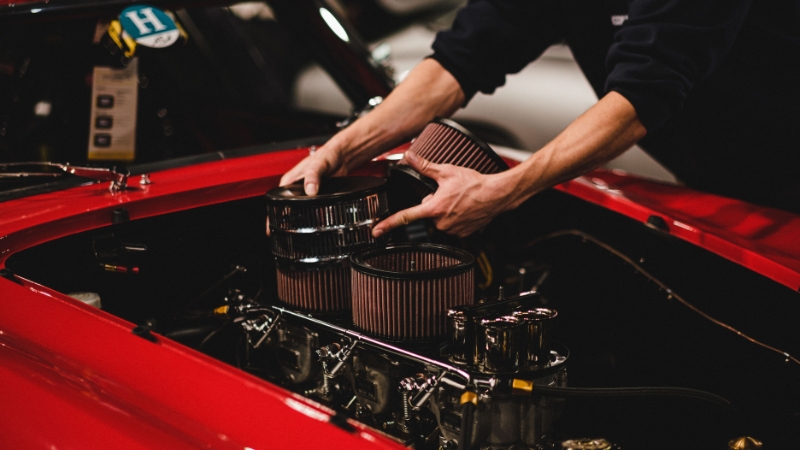
A fresh air filter can restore up to 10% of fuel economy.
A car that feels sluggish, especially on the highway, likely points to a clogged air filter. This critical component restricts airflow so severely that both wallet and performance suffer. Replacing a dirty filter can restore up to 10% of fuel economy, according to automotive guidance. Finding the specific filter location is a 30-second YouTube search away, usually tucked into a plastic housing under the hood.
This swap takes under 5 minutes, often with zero tools; just four clips or bolts separate the task from renewed performance. A fresh filter costs between $15 and $25, delivering instant results and saving $50 to $75 in labor. This quick maintenance brings back road-trip confidence, ensuring every gallon works as hard as possible.
16. Coca-Cola Tire Shine Restoration
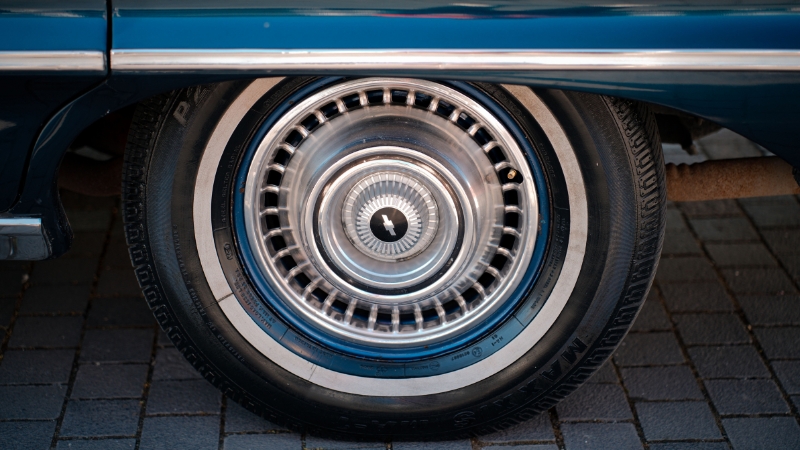
Cola’s phosphoric acid can help break down tire sidewall residue.
Brown residue on tire sidewalls makes any vehicle appear tired. Pour Coca-Cola directly onto the tire sidewalls. Let its phosphoric acid work for 2 to 3 minutes. Scrub vigorously with a stiff brush, rinse thoroughly, then dry.
A thin Vaseline layer delivers a deep, natural, glossy black finish. This method costs under $3, providing a budget alternative to commercial tire dressings. While this is an informal DIY cleaning claim rather than standard tire-care guidance, it offers a quick cosmetic improvement for those willing to experiment.
17. Shaving Foam Car Seat Deep Clean

Plain shaving foam acts as a surfactant-based cleaner for fabric upholstery.
That lingering aroma of stale takeout and mysterious fabric splotches diminishes the cabin experience. Grab a can of regular white shaving foam and apply a generous layer to fabric seats, working it in with a soft brush or cloth. Let it sit for 10 to 15 minutes; the foam penetrates deep, breaking down oil, sweat, and food stains.
Wipe with a damp cloth, then dry. This approach offers an interior transformation for about $2, also tackling carpets and headliners. A single can can clean every seat in multiple vehicles, a budget victory when considering professional detailing costs. Real driving joy starts with a clean slate.