

Modern trucks arrive packed with complex electronics and experimental drivetrains that turn ownership into a frustrating exercise in software updates and warranty claims. You expect a truck to pull its weight without dropping out like a cheap connecting rod, but the reality often involves unexpected visits to the service bay. This list exposes the models that have turned the open road into an uphill battle, draining wallets and crushing the pure joy of driving.
1. Jeep Gladiator (JT)
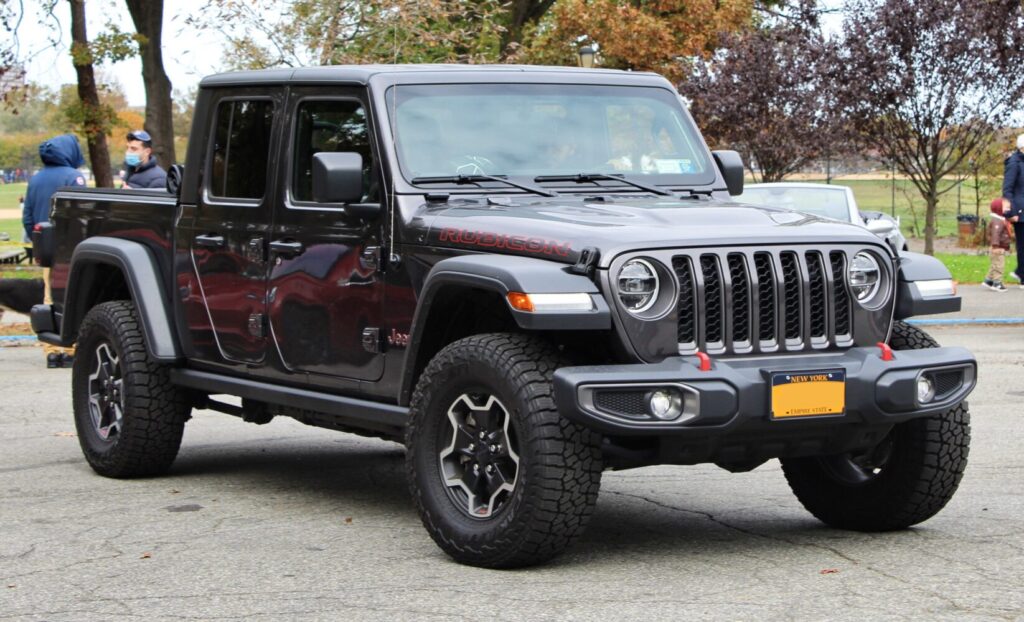
This midsize pickup shares the Wrangler’s distinctive character along with some notorious electrical quirks.
The Jeep Gladiator, introduced in 2020, shares its foundations with the JL Wrangler. You might experience the Uconnect screen freezing mid-navigation, turning a planned route into an unplanned detour. Random warning lights, power window failures, and phone connections dropping without explanation plague the dash. These digital gremlins join forces with the solid front axle’s “death wobble” concerns and recalls for an overheating clutch.
Despite its higher price tag, the Gladiator often offers less towing capacity and a rougher ride than other midsize trucks. Strong resale value and aftermarket support driven by Jeep brand loyalty help offset some pain, but owning one means embracing its distinctive character, warts and all.
2. Toyota Tacoma (current generation with 2.4 L turbo)
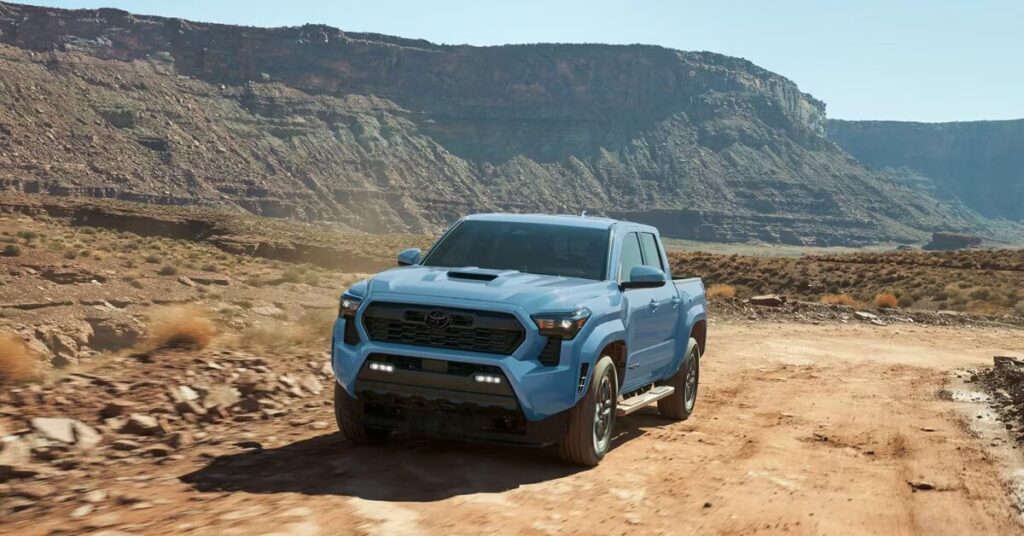
The Tacoma traded its legendary V6 simplicity for a turbocharged four-cylinder that struggles to find the right gear.
The latest Toyota Tacoma features a 2.4 L turbocharged four-cylinder pushing 278 hp and 317 lb-ft of torque, paired with an 8-speed automatic. Early owner complaints highlight rough shifts and gear hunting during stop-and-go traffic. The transmission hesitates, searching for the right cog like it’s solving a Rubik’s cube at every stoplight.
Toyota issued recalls for front driveshaft issues, challenging the Tacoma’s bulletproof image. Consumer Reports still rates the line relatively high for long-term reliability compared with competitors, but the new turbo and 8-speed setup introduces more potential failure points than the previous simple port-injected V6. Sometimes modernization means exchanging legendary simplicity for unexpected complications.
3. Chevrolet Colorado / GMC Canyon (current generation)
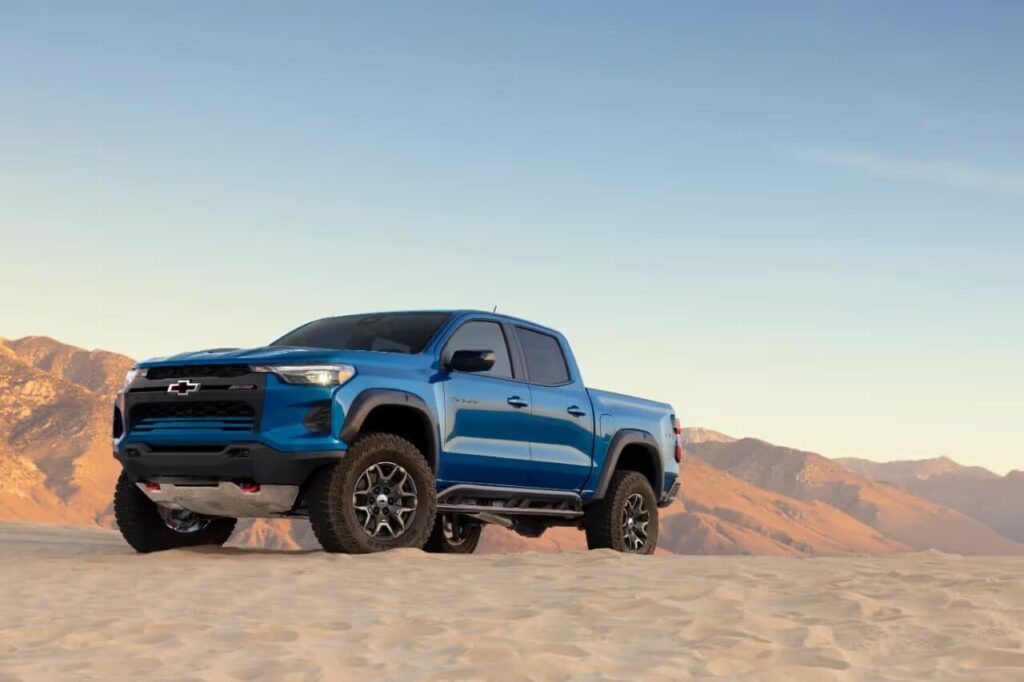
GM’s midsize twins deliver competitive specs on paper but struggle with transmission shudder and assembly quality lapses.
Despite competitive towing figures up to 7,700 lb and aggressive off-road ZR2 and AT4X trims, the Colorado and Canyon consistently land at the bottom of reliability surveys. A classic shudder plagues the 8-speed automatic during low-speed operation. The transmission hunts for gears, hesitates at throttle inputs, and delivers inconsistent shift quality that frustrates daily drivers.
Beyond drivetrain glitches, GM has issued recalls for assembly issues including incorrectly torqued suspension fasteners and loose seat bolts. Over-the-air software updates address some infotainment and electronic behavior issues, reinforcing that modern trucks operate less as brawny workhorses and more as rolling computers. Build quality that should inspire confidence instead feels like an ongoing beta test.
4. Ford F-150 (general lineup with 10R80 10-speed automatic)

America’s bestselling truck grapples with a 10-speed automatic that delivers harsh shifts and delayed engagement.
The 10R80 10-speed automatic, co-developed with General Motors, has prompted multiple technical service bulletins and at least one class-action lawsuit over erratic shifting. Owners report harsh shifts, clunking, and delayed engagement. Ford recalled certain 2024-2025 F-150s for improperly machined transmission valve bodies that could cause loss of reverse or unintended movement.
Electronic shift-by-wire gear selection has stranded hybrid PowerBoost owners, refusing to engage gears or displaying “Stop safely now” warnings. Ford’s record of leading the industry in recall volume—sometimes exceeding 100 campaigns annually—compounds these drivetrain problems and undermines essential owner confidence in a vehicle built for tough work.
5. Ford F-150 Lightning
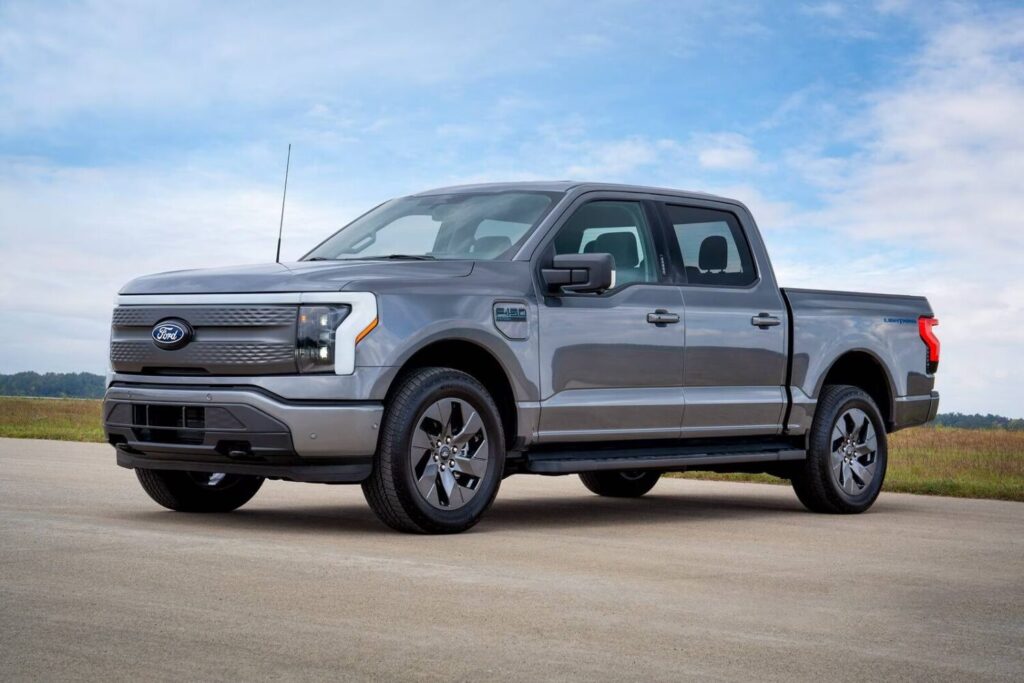
This all-electric F-150 delivers impressive performance but suffers from steep depreciation that turns early enthusiasm into buyer’s remorse.
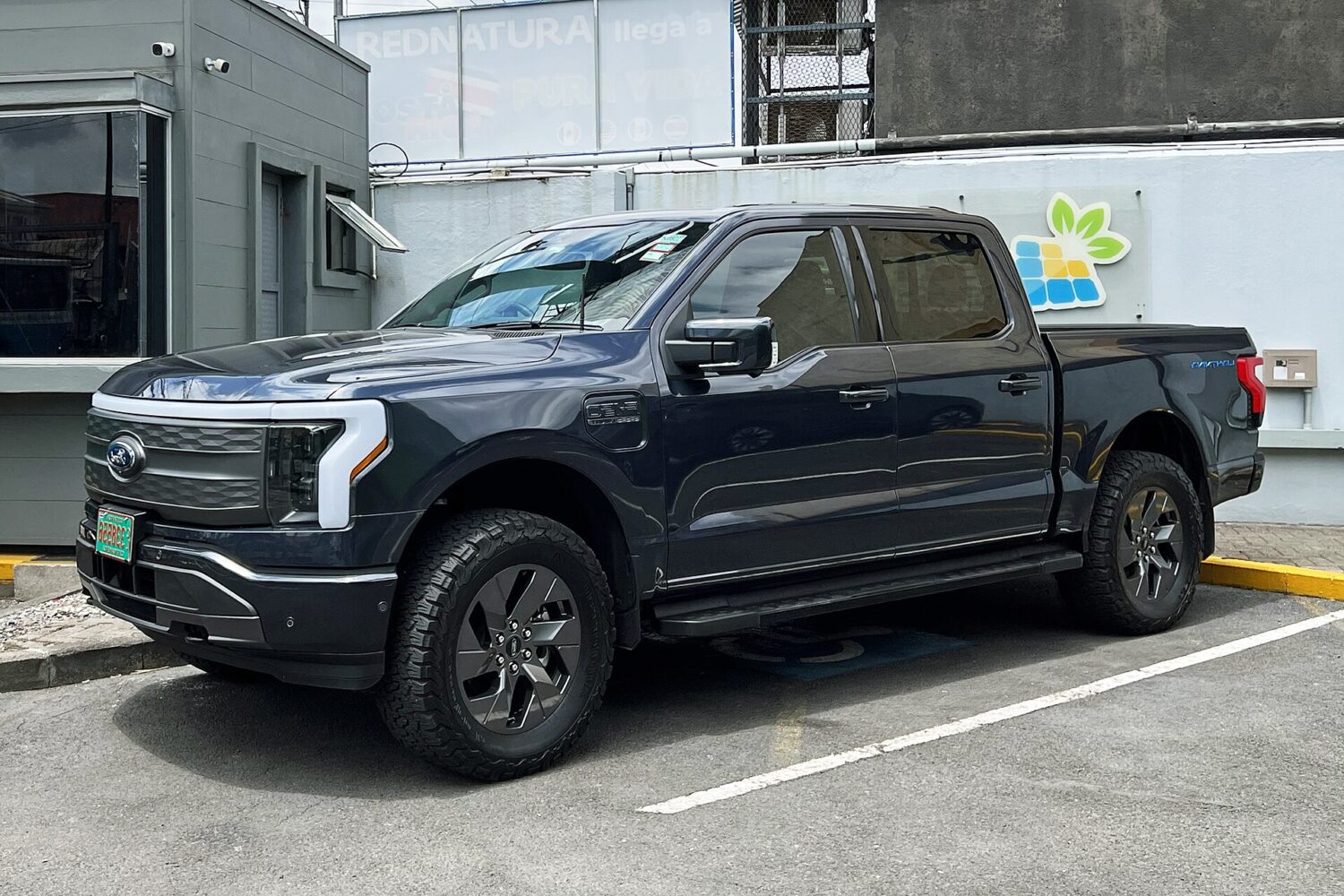
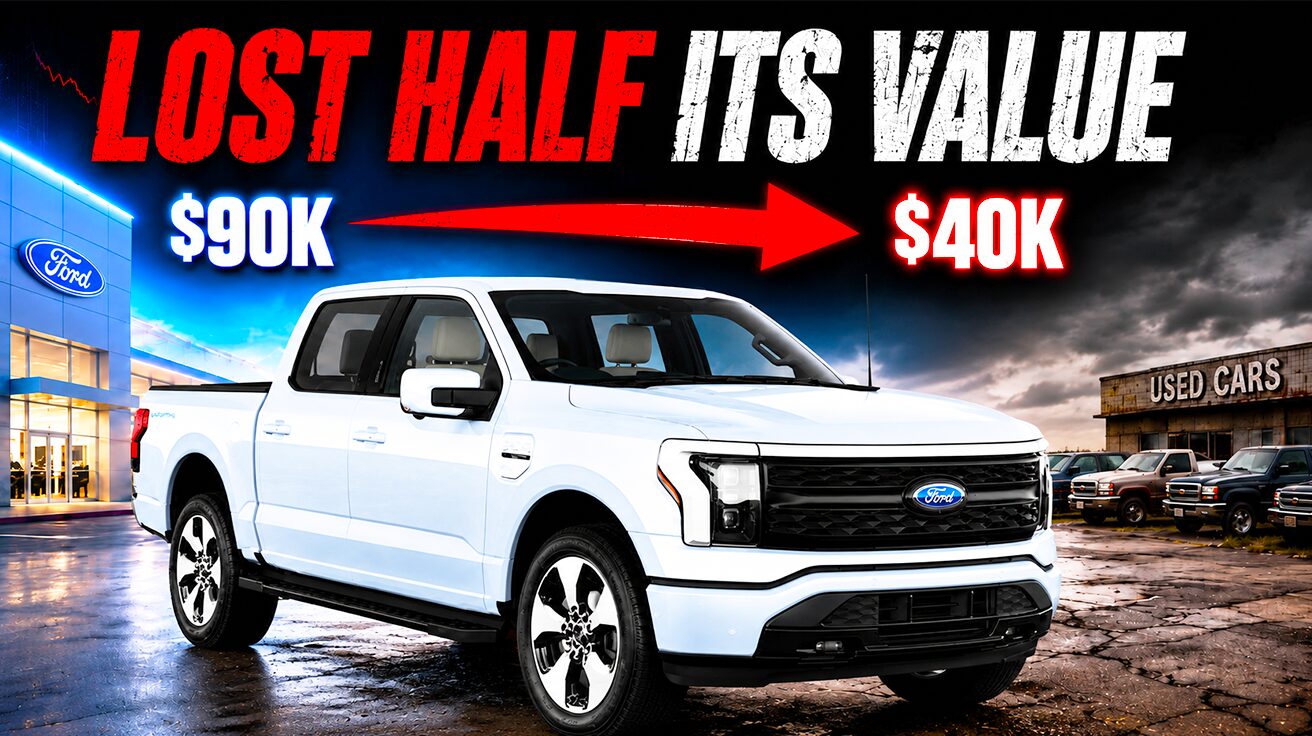
Delivering up to 580 hp and 775 lb-ft of instant torque, the F-150 Lightning impressed with quiet operation and 10,000 lb towing capacity when properly equipped. However, financial reality has turned enthusiasm into regret for many early adopters. Well-optioned trims often stickered from $70,000 to $90,000, but rapid price cuts and market softening have resulted in steep depreciation.
Some early buyers watched their trucks plummet between 40% and 60% of original value within a few years. Ford’s strategic pivot toward hybrids and next-generation EV platforms signals that the current Lightning architecture will be wound down, contributing to owner anxiety about long-term support and resale value. That quiet confidence from a stoplight turns to dread when your $90,000 investment now fetches around $40,000.
6. Rivian R1T
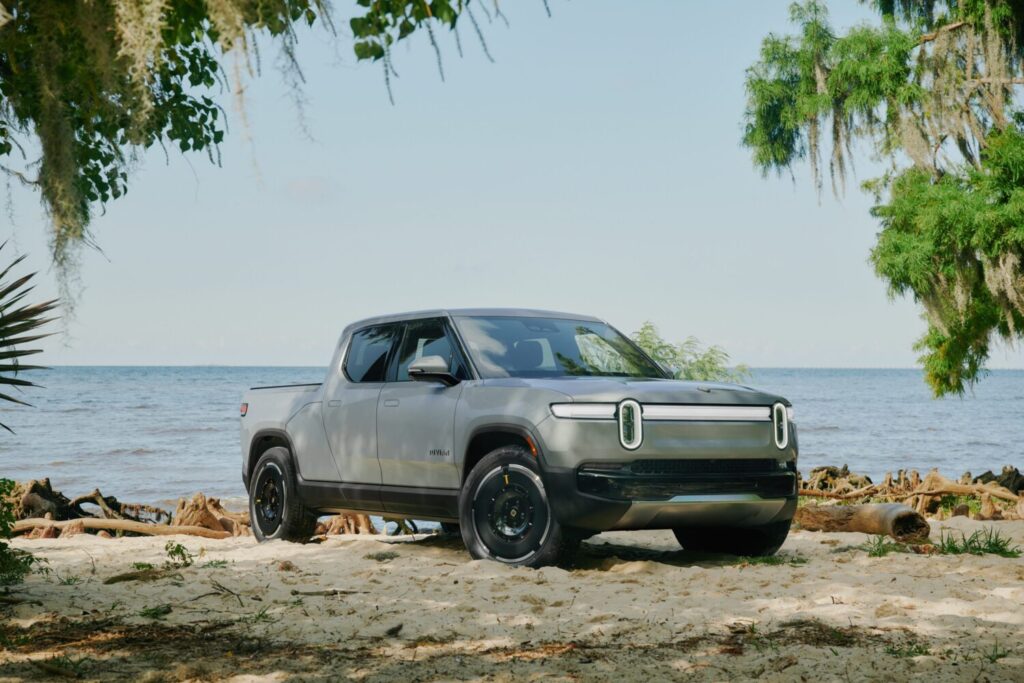
Quad-motor capability meets startup-brand reliability struggles and eye-watering insurance costs.
Outputting up to 835 hp from quad-motor or dual-motor configurations, the R1T performs off-road with capability that belies its startup origins. Adjustable air suspension and sophisticated drive modes promise unparalleled adventure. Rivian languishes near the bottom of brand reliability rankings, though, with reports of air suspension failures that drop the truck to bump stops, drive unit failures, and 12-volt battery problems that can immobilize the vehicle.
Repair costs run notably high due to aluminum and EV structure complexity plus limited parts availability. Insurance premiums in major markets can reach staggering levels, turning weekend escapes into serious financial undertakings. The thrill of innovation often comes with hidden premiums long after initial excitement wears off.
7. GMC Hummer EV Pickup
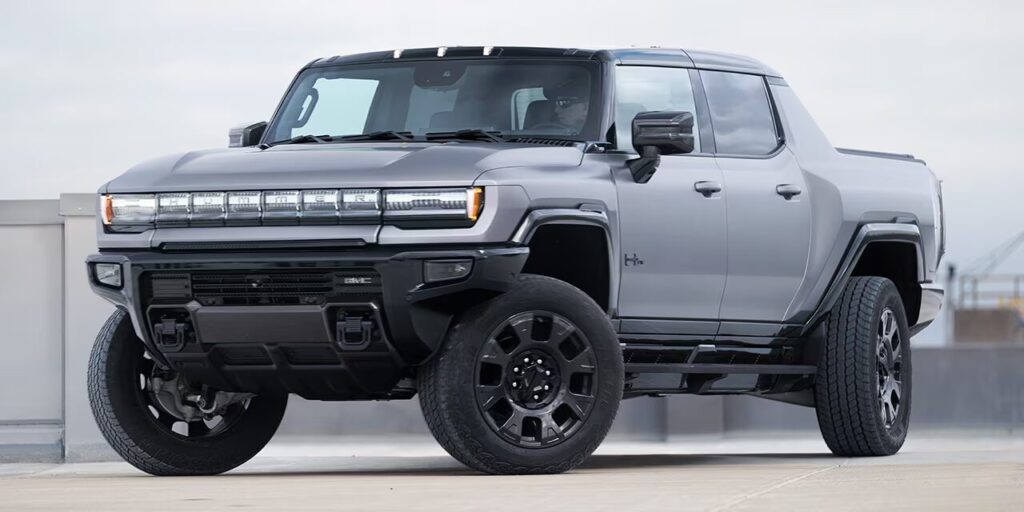
This 9,000-pound electric behemoth suffers from battery failures, software glitches, and depreciation that drops faster than its curb weight suggests.
The Hummer EV carries a staggering curb weight around 9,000 lb. Its battery pack alone weighs between 2,800 and 3,000 lb—roughly the mass of a small car. Some owners faced battery pack failures twice within 6,000 miles, according to owner reports and NHTSA filings. Software glitches and high-voltage system faults plagued early units, with some cases resulting in lemon-law buybacks.
Early Edition 1 models priced up to $130,000 generally did not qualify for federal EV tax credits due to price and weight classification. Used pricing data show some Hummer EV trucks reselling for tens of thousands less than MSRP within a few years, with anecdotal drops from around $130,000 new to roughly $70,000 used.
8. Tesla Cybertruck
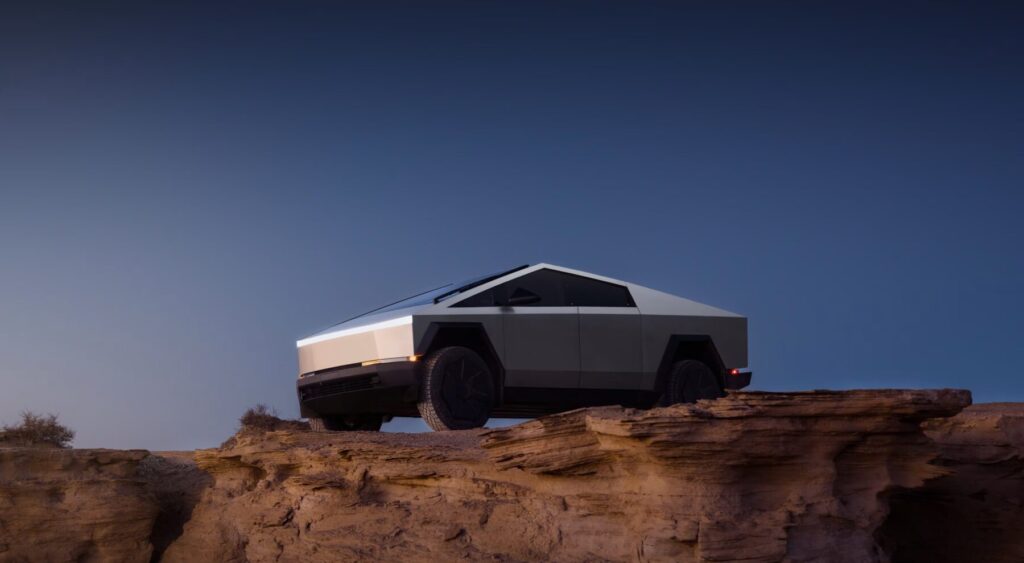
The angular stainless-steel pickup endured multiple recalls in its first two years while real-world range falls short of expectations.
Tesla marketed the Cybertruck’s cold-rolled stainless-steel exterior as highly durable and corrosion-resistant. Owner photos and reports in cold, salty climates show surface rust spots and discoloration, though, contradicting expectations of a rust-proof appearance. Early buyers paid high prices relative to later discounted units, and Tesla at times tried to discourage quick resales.
Within roughly its first two years on the market, the Cybertruck had multiple recalls including for accelerator pedal covers, exterior trim and parts that can detach, and brake rotor issues. Published range figures have proven difficult to achieve in real-world conditions, particularly when towing or at highway speeds. Price cuts have pressured resale values, with some used Cybertrucks selling well below their original transaction prices.
9. Ram 1500 with Hurricane 3.0 L twin-turbo inline-six
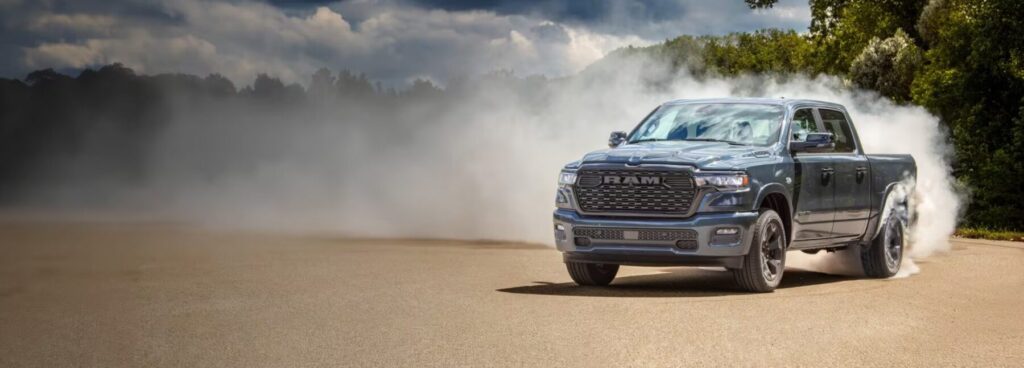
Ram replaced its proven Hemi V8 with a complex twin-turbo six that quickly drew reliability complaints and market share losses.
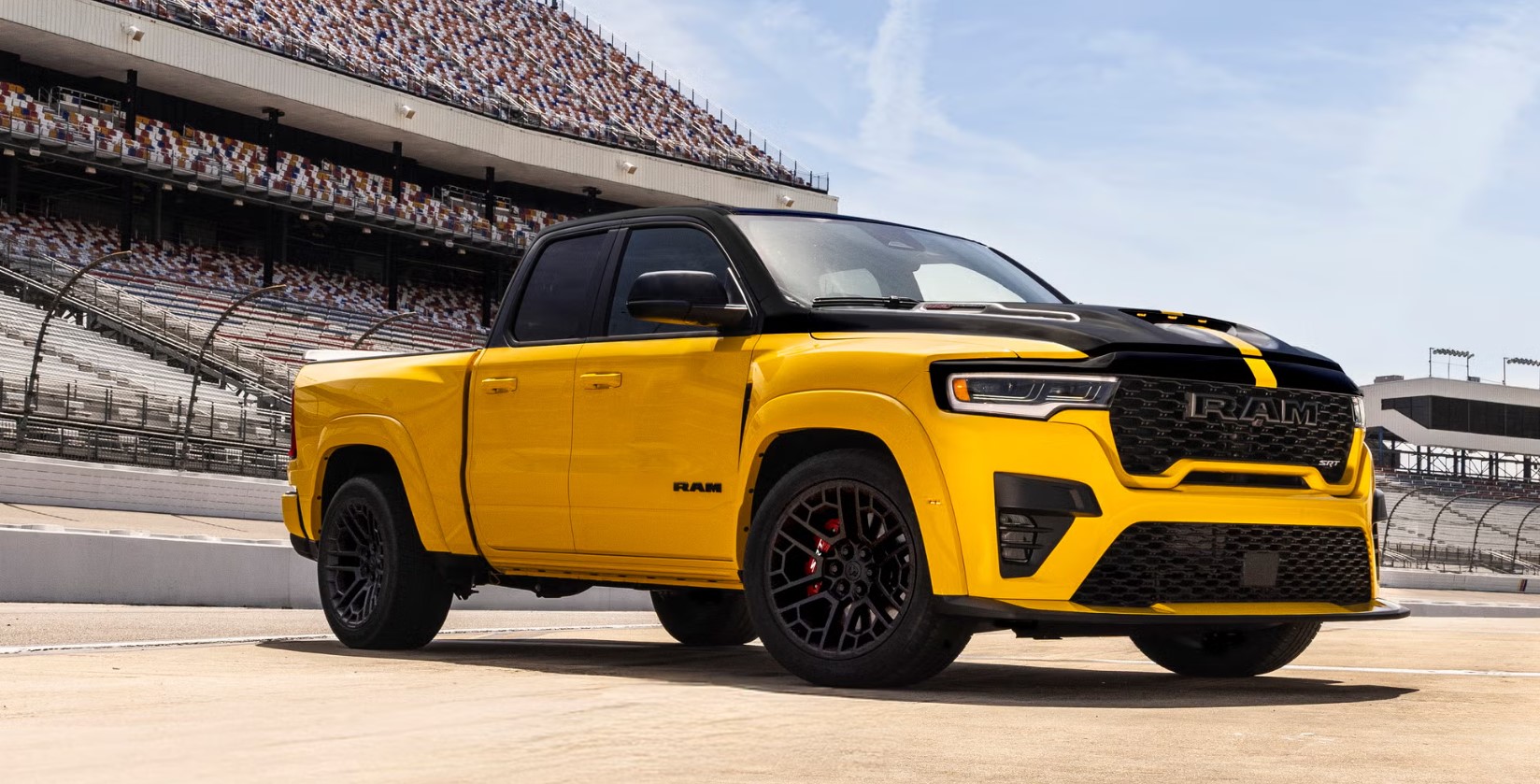
The Ram 1500 recently ranked dead last among full-size trucks in a major reliability survey. Ram replaced its 5.7 L Hemi V8 with the Hurricane 3.0 L twin-turbo inline-six for 2025-2026 model years. The Hurricane delivers higher horsepower and torque than the Hemi and improved fuel economy on paper, but introduces more complexity via twin turbos, direct injection, and high-pressure fuel systems.
Early real-world feedback notes check-engine lights, misfires, and cooling issues. Consumer Reports and similar outlets have placed Ram 1500 at or near the bottom of full-size truck reliability rankings, citing electrical issues, infotainment failures, and engine and drivetrain problems. Coverage in truck media reports that Ram has moved to continue offering or reintroduce V8 options in certain trims, effectively acknowledging market pushback against the all-in bet on Hurricane.
10. Ford Super Duty with 6.7 L Power Stroke diesel (CP4 high-pressure fuel pump)
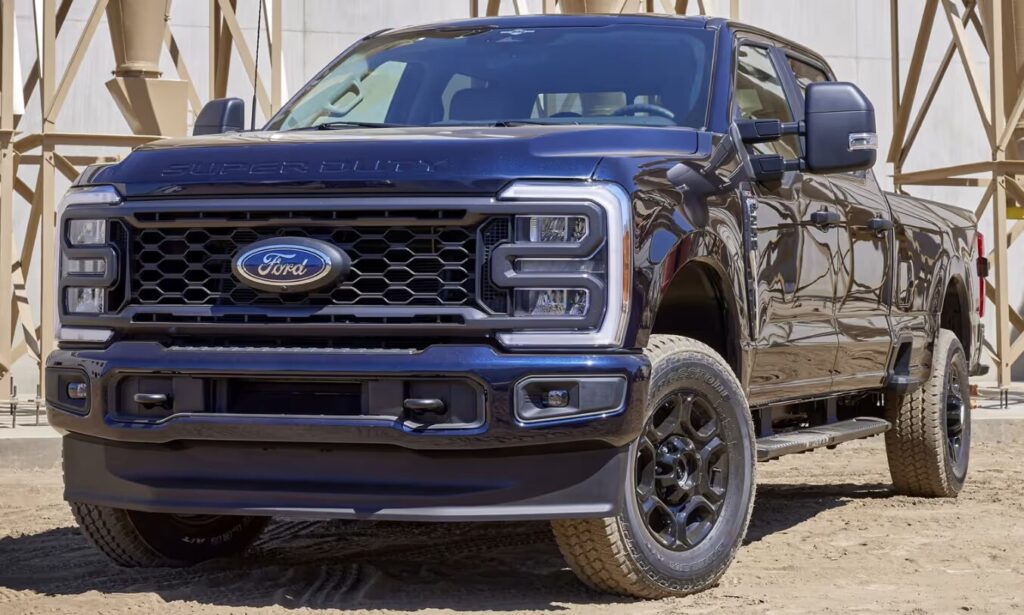
A single inexpensive fuel pump can trigger five-figure catastrophic repairs in these heavy-duty diesel workhorses.
The Bosch CP4 high-pressure fuel pump, used from approximately 2011 through early 2020s in many 6.7 L Power Stroke engines, has a documented failure mode where inadequate lubrication with U.S. ultra-low sulfur diesel causes internal wear and catastrophic self-destruction. When the CP4 fails, it sends metal shavings through the entire fuel system.
Repairs often require replacement of the fuel pump, injectors, fuel rails, lines, and sometimes tank cleaning, with repair bills commonly quoted in the $8,000 to $15,000-plus range. Ford has issued recalls and extended warranties on certain CP4-equipped trucks, sometimes attributing failures to poor fuel quality or biodiesel contamination. Ram (Cummins) and some other manufacturers moved away from CP4 to more robust pump designs after similar issues, making Ford’s software-update-style fixes feel insufficient compared with hardware redesigns.
11. Chevrolet Silverado 1500 / GMC Sierra 1500 with 6.2 L V8 (L87) and AFM/DFM lifters
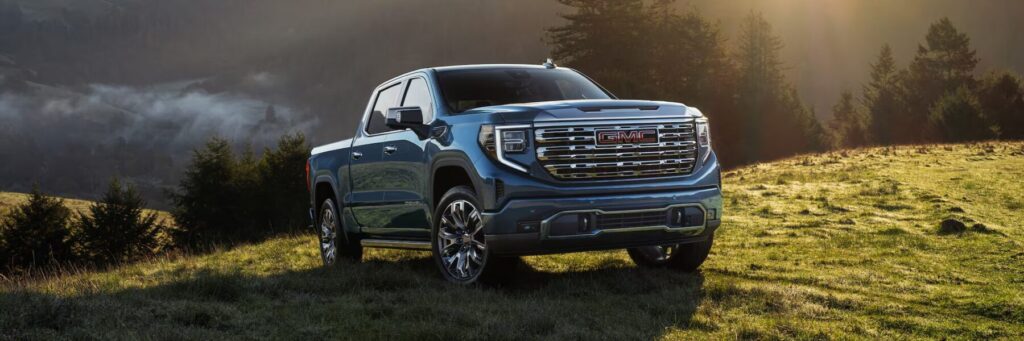
Manufacturing defects in bearings and persistent lifter failures have plagued GM’s most profitable truck line with massive recalls.
The 6.2 L Ecotec3 V8 (L87) features direct injection and Dynamic Fuel Management cylinder deactivation. A major bearing defect in a batch of L87 engines—where connecting-rod or main bearings were manufactured out of spec—led to spun bearings and sudden engine seizure on relatively low-mileage trucks. Some owners reported full engine replacements on vehicles with only a few thousand miles.
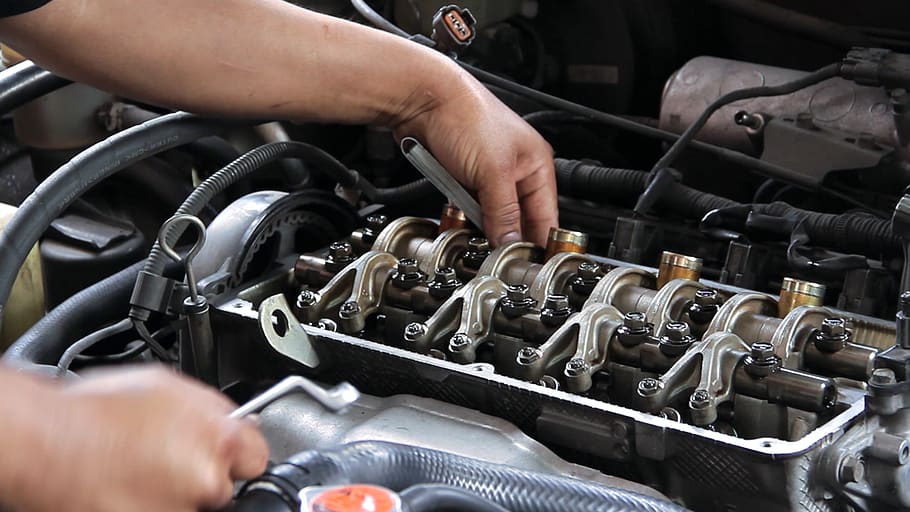
Long-standing problems with AFM and DFM lifter collapse continue, where the lifter used for cylinder deactivation can fail, damaging the camshaft, pushrods, and sometimes cylinder heads. NHTSA filings and GM communications describe recalls covering hundreds of thousands of vehicles across trucks and SUVs with these engines. Stop-sale orders followed as GM worked to increase engine production to meet replacement demand.
12. Toyota Tundra with 3.4 L twin-turbo V6 (V35A-FTS / i-FORCE)
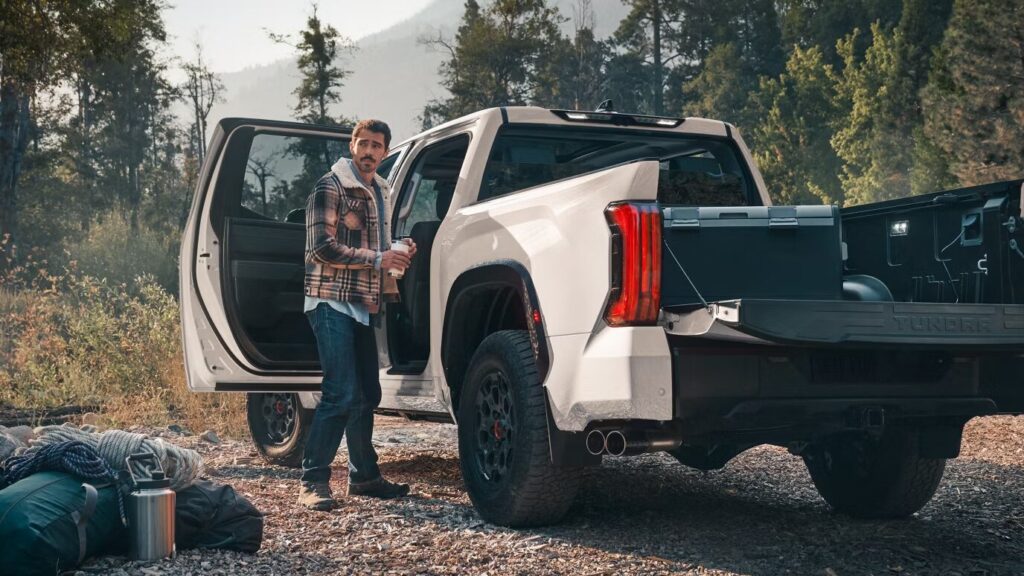
Machining debris left in engines during manufacturing has challenged Toyota’s legendary reliability reputation with massive recalls.
The current Tundra (2022-plus generation) adopted the 3.4 L twin-turbo V6 known as V35A-FTS, producing up to 389 hp and 479 lb-ft in non-hybrid form. In 2024 through 2026, Toyota issued multiple recalls and service campaigns due to machining debris and metal shavings left in the engine during manufacturing, which can migrate to the main bearings, causing knocking, rough running, and potential catastrophic failure.
Toyota’s initial remedy in many cases was full engine replacement on affected trucks. Later, the company incorporated sound tests and inspection procedures to determine which engines needed replacement, frustrating some owners who preferred automatic replacement. The related i-FORCE MAX hybrid version appears less affected in early data. These engine-debris recalls have been widely covered because they directly challenge Toyota’s reliability image in the full-size truck segment—proof that even trusted brands hit hard patches chasing aggressive modernization.