

Modern SUVs promise adventure, yet some models consistently land drivers in the repair shop before 80,000 miles. Ignoring known flaws before signing on the dotted line is like starting a cross-country drive with the check engine light already glowing. That perfectly planned playlist cutting short as a dashboard fills with warning lights has derailed too many road trips. This guide pulls back the curtain on vehicles that might leave owners stranded, offering crucial knowledge to avoid costly mistakes and choose a vehicle built for genuinely reliable adventures.
1. Nissan Murano (current generation)
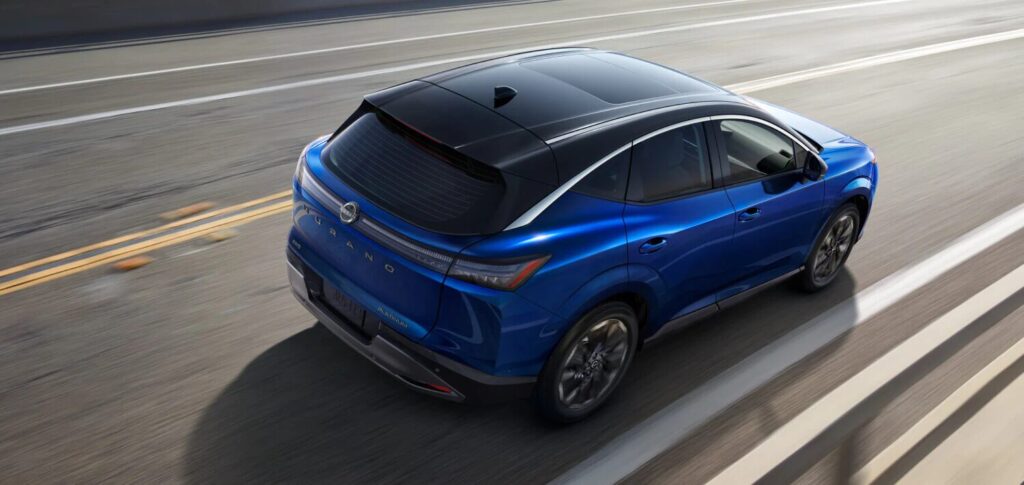
Late-model electrical gremlins turn long-term ownership into an expensive gamble.
Independent reliability analyses frequently flag late-model Muranos for significant electrical and infotainment issues. The infotainment screen freezing mid-drive leaves drivers with a blank slate during crucial night navigation. Digital instrument cluster errors crop up unexpectedly, and climate control refuses to respond at the worst moments.
Control module replacements frequently run into four figures once labor costs factor in. This combination of shaky electronics turns long-term Murano ownership into a rolling science experiment. Anyone buying a reliable daily driver isn’t signing up for an adventure in troubleshooting, hoping the wiring harness holds up better than their patience.
2. Mazda CX-70 (including Plug-in Hybrid)
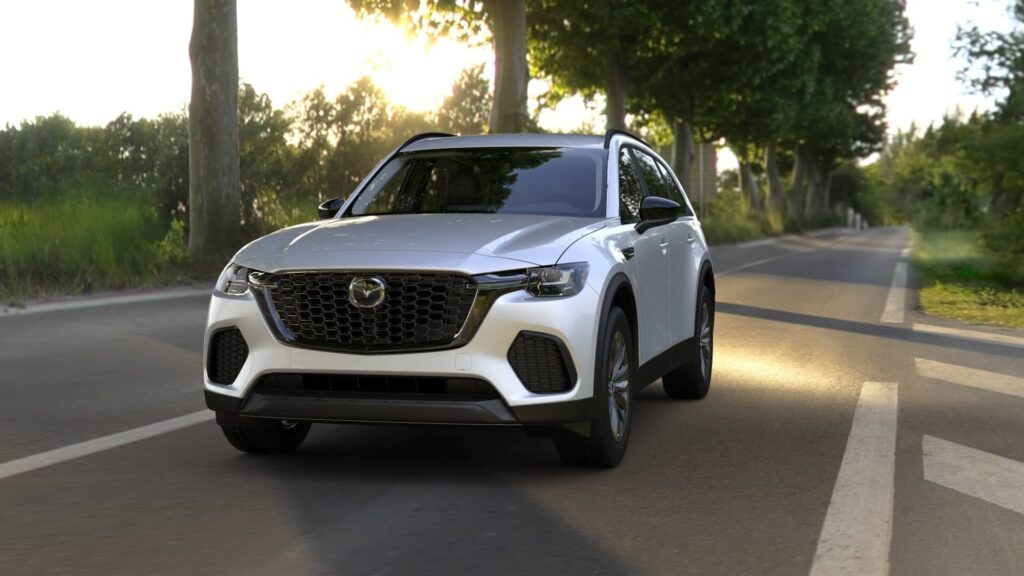
Complex hybrid tech delivers low reliability scores and sky-high repair bills.
Consumer Reports gave the mechanically similar Mazda CX-90 Plug-in Hybrid a predicted reliability score of just 20/100. The new CX-70 deploys a complex plug-in hybrid system, blending a gasoline engine, an electric motor, and a substantial battery pack. Such intricate integration often leads to unexpected electronic and software malfunctions.
High-voltage batteries, inverters, and hybrid control modules mean hefty bills that dwarf standard gas vehicle maintenance. Owners report hesitation during transitions between electric and gas power, along with mysterious error codes. Two states into a road trip, a cryptic powertrain error flashes and turns adventure into a dealership detour—leading to dramatically higher repair costs than conventional powertrains.
3. Jeep Grand Cherokee
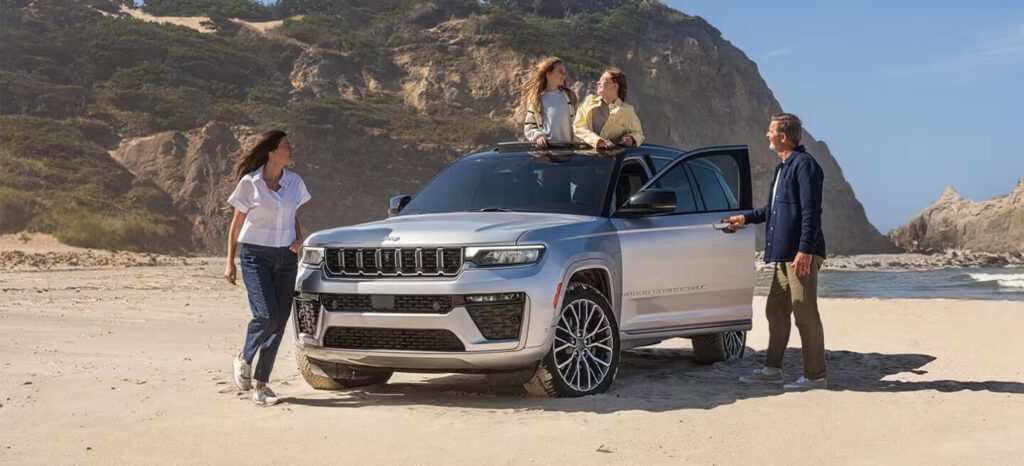
Brand-wide reliability woes plague even the flagship SUV.
Jeep, as a brand, consistently ranks near the bottom of reliability surveys; Consumer Reports categorizes it as least dependable among 34 brands. While the Grand Cherokee boasts off-road prowess and a commanding presence, its electronics often turn adventure promises into frustration.
Owners frequently report finicky infotainment systems that freeze or lag, making basic functions a test of patience. Drivetrain concerns surface early. The Grand Cherokee 4xe variant has faced multiple recalls, including issues causing sudden loss of motive power. These electrical gremlins compound with age, transforming minor glitches into recurring, expensive headaches that quickly outlast the warranty.
4. Volkswagen Atlas Cross Sport
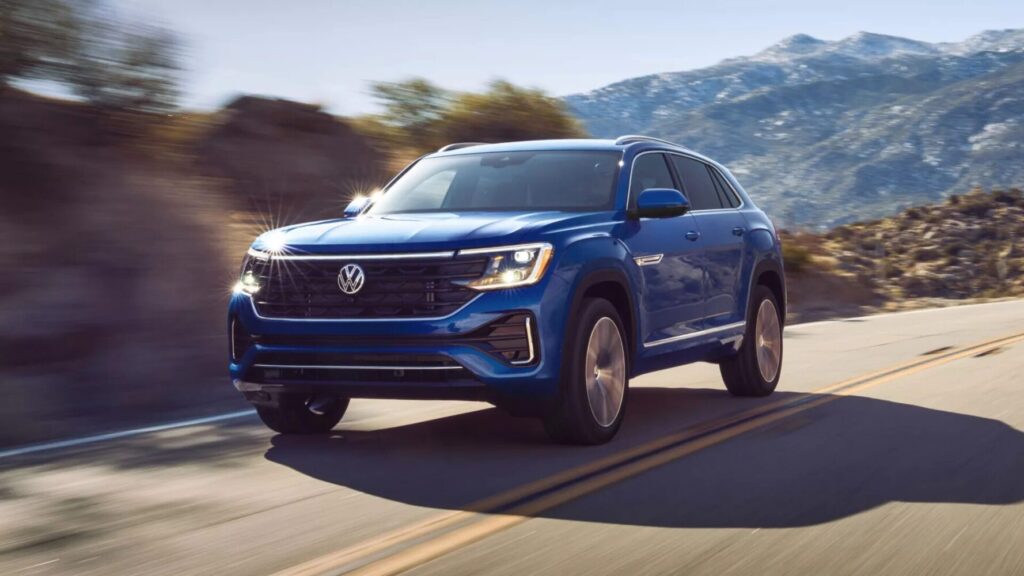
Spacious comfort conceals a digital Achilles’ heel.
The Volkswagen Atlas Cross Sport, introduced for the 2020 model year, presents itself as a compelling package on the showroom floor—spacious cabin, refined ride, upscale interior design. This initial allure of comfort and style frequently conceals persistent digital problems.
Volkswagen has a rocky reputation for infotainment and electrical system issues across its recent SUV lineup. The laggy touchscreen freezes at critical moments, like needing to confirm an exit in traffic. These software glitches and unresponsive screens often require expensive control-module replacements and repeated dealer visits. Electrical gremlins don’t improve with time; they worsen with age, presenting substantial hidden financial baggage for used buyers as odometers creep toward six figures.
5. Ford Explorer (current generation)
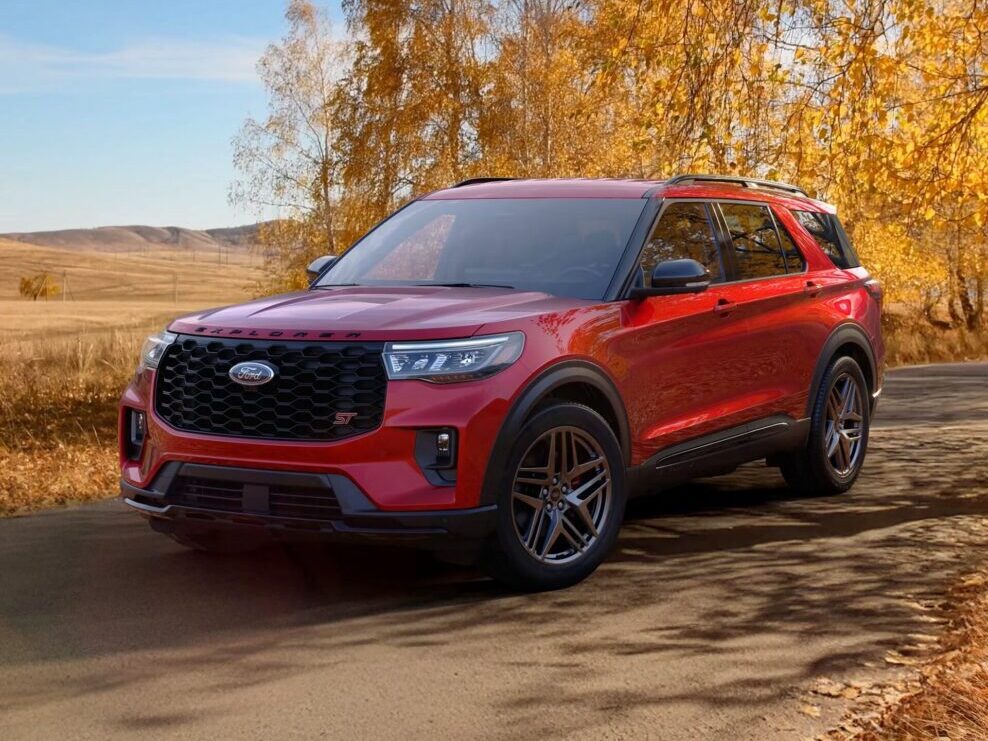
Transmission failures plague family haulers between 55,000 and 80,000 miles.
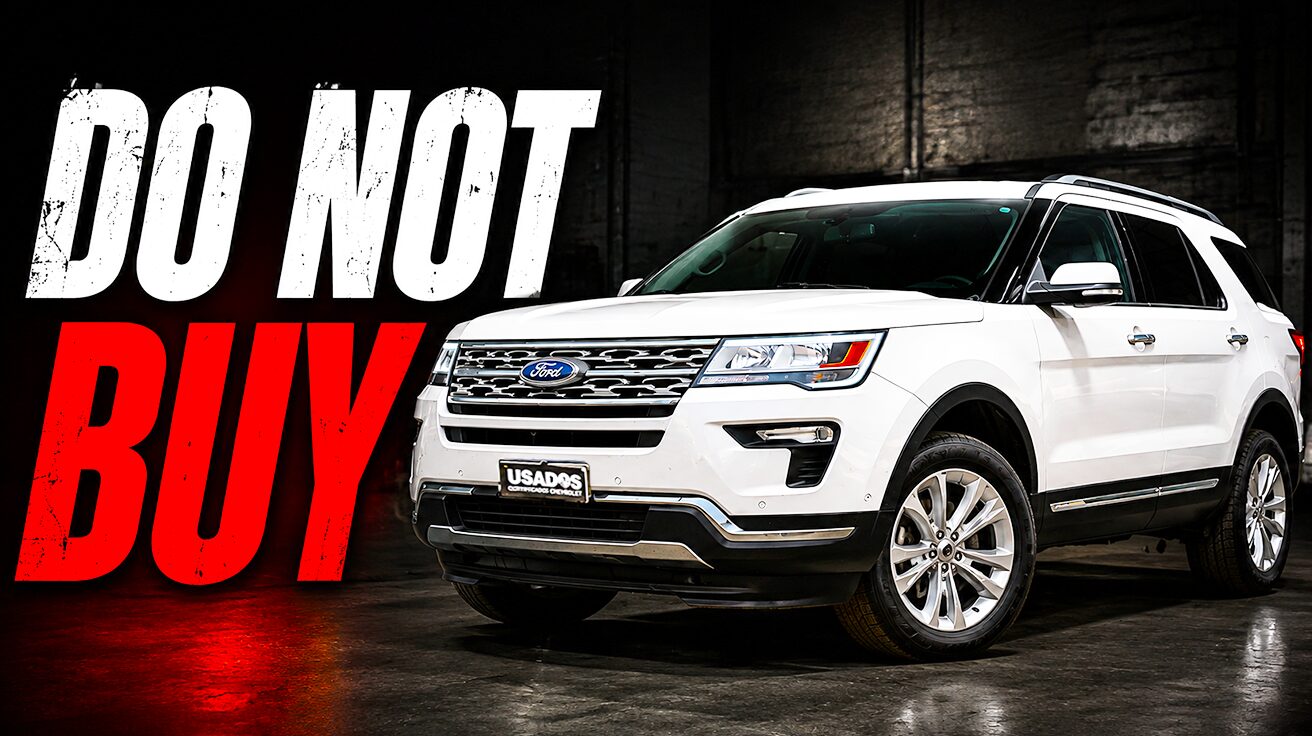
Mechanics frequently observe that the current generation Ford Explorer, introduced for 2020, suffers significant transmission issues. These vehicles roll into bays with harsh shifts, hesitation, and outright early failure, often between 55,000 and 80,000 miles. This mileage window lands just after the factory warranty expires, leaving owners holding the bag.
A transmission replacement or rebuild on these Explorers commonly costs several thousand dollars and leads to extended shop time. Families relying on an Explorer for daily school runs and grocery hauls face indefinite downtime. Without a reliable gearbox, a family chariot becomes nothing more than an expensive driveway fixture.
6. Chevrolet Traverse
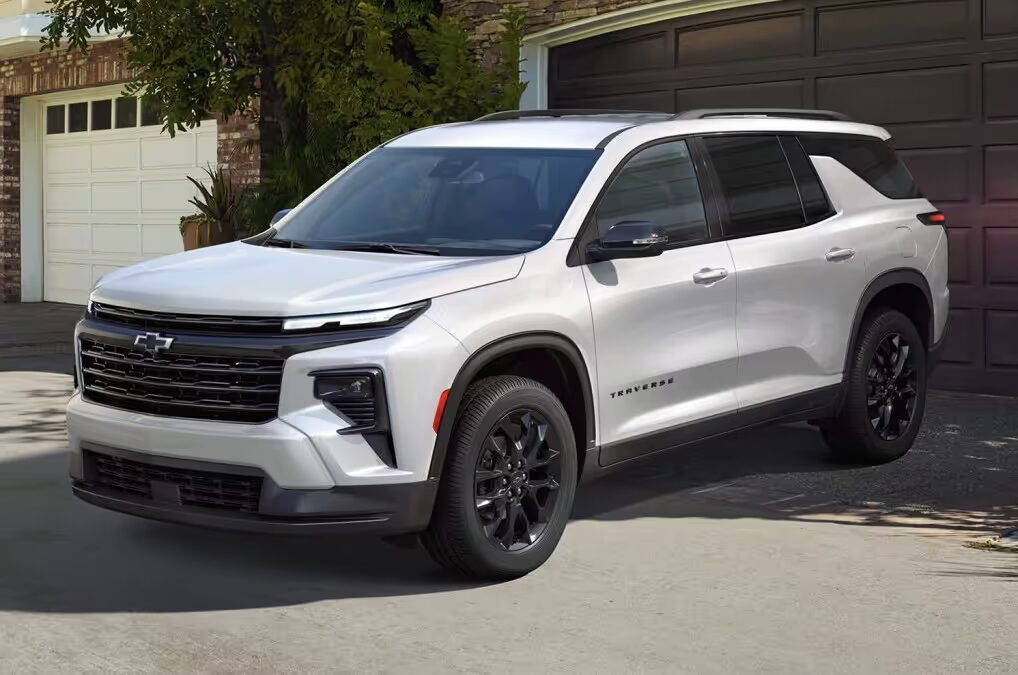
Three-row space comes with notorious nine-speed transmission problems.
For families needing serious space, the Chevrolet Traverse delivers with a generous interior and adult-friendly third row. Its quiet, composed ride makes long-haul drives feel less like a chore. Second-generation models, from 2018 onward, typically feature a 3.6-liter V6 engine offering adequate power.
The Achilles’ heel is the 9-speed automatic transmission, notorious for frustrating shift-quality issues. Owners report harsh shifting, slipping gears, and early failure. Major repairs quickly cost thousands of dollars, often right after the factory warranty expires. This known flaw drags on resale value, a financial risk for any family planning serious road trips.
7. Chevrolet Equinox and GMC Terrain
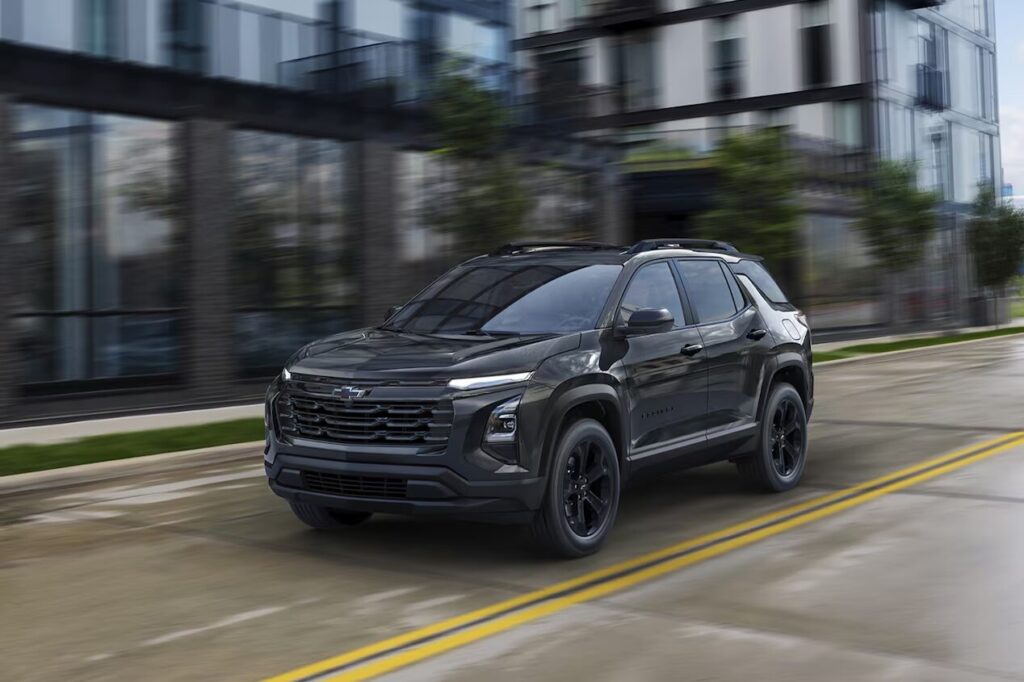
Platform siblings share early fluid leaks and infotainment failures.
The Chevrolet Equinox and GMC Terrain, siblings sharing a platform, launched with a 1.5-liter turbocharged four-cylinder engine. This smaller turbo unit runs hotter, stressing internal components. Documented early fluid leaks—oil, coolant, and transmission—signal design flaws rather than normal wear.
Drivers also reported significant infotainment issues, with screens rebooting or going completely black while driving at highway speeds. Losing navigation and climate controls on an unfamiliar highway creates dangerous distraction. This widespread pattern of mechanical and electrical faults early in a vehicle’s life makes these siblings a significant long-term risk, dampening any joy on the open road.