

The V10 configuration sits between V8 torque and V12 sophistication, and the sound it produces is genuinely unlike anything else in production automotive history. That sound comes with a cost. Most production V10s brought packaging complexity, service bills, and design limitations that owners discovered well after the purchase. We referenced Top Gear, MotorTrend, and Car Throttle to identify the 20 engines that delivered the most problems relative to their promise — from spark plugs that physically ejected from cylinder heads to fuel systems that failed before 50,000 miles.
20. Peugeot F1 V10
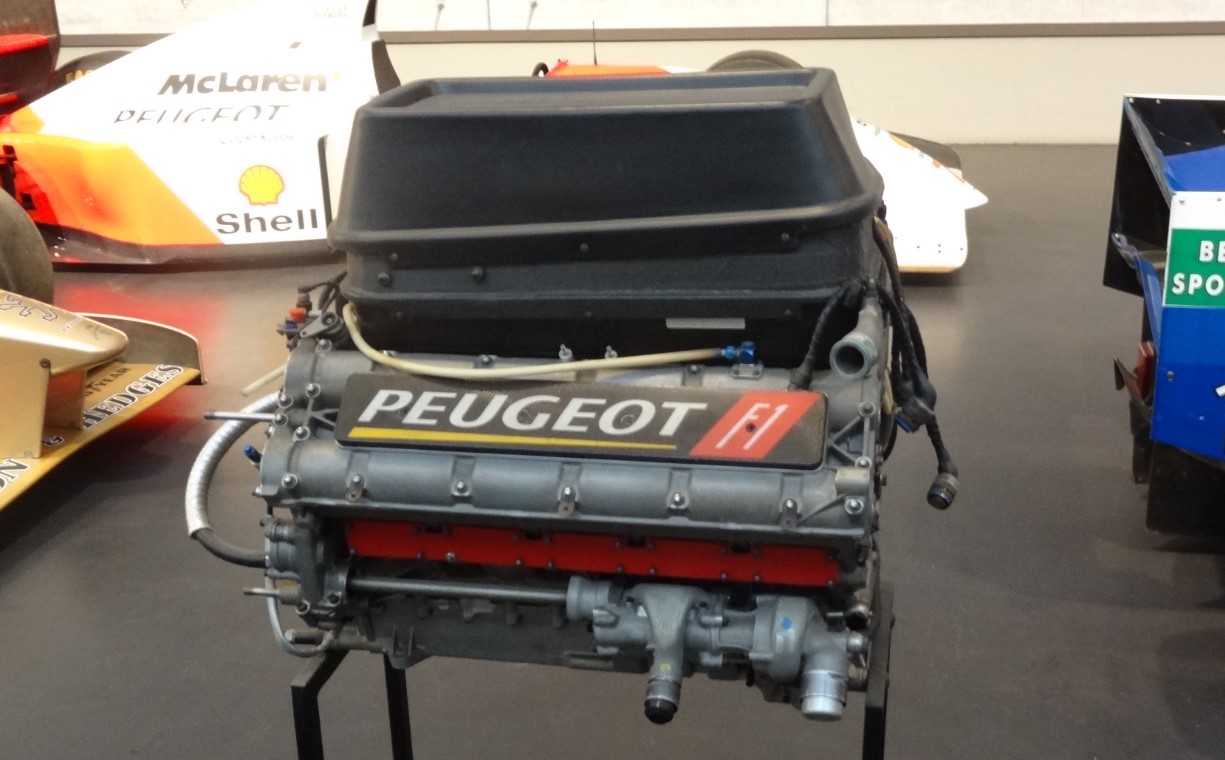
Peugeot’s F1 V10 program consumed substantial development resources and delivered power output that consistently fell short of what Formula One competition required. Oil leaks and cylinder misfires appeared throughout competition, and catastrophic failures occurred with enough frequency to define the program’s reputation rather than its occasional better results. Fundamental design limitations prevented the engine from closing the gap to competitive power units despite ongoing development, and the teams running it eventually moved to alternative suppliers. The Peugeot F1 V10 stands as a documented case study in the distance between engineering ambition and motorsport execution.
19. Ford Modular 6.8L V10
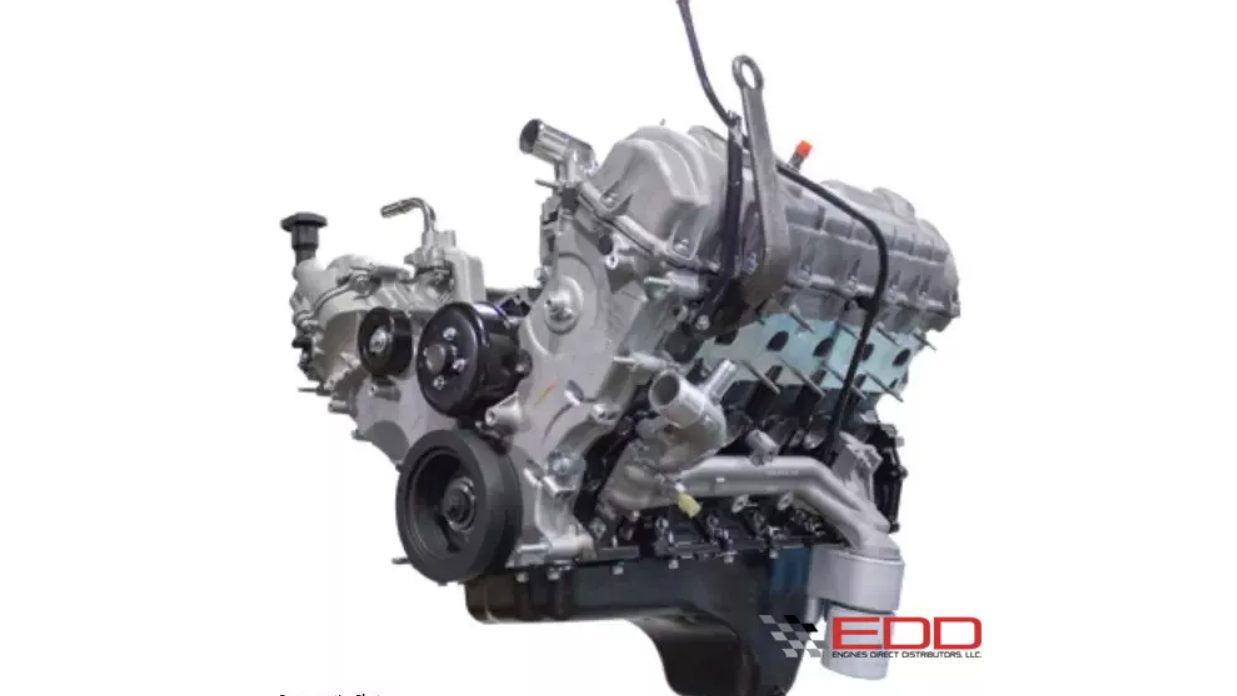
The Ford Modular 6.8L V10’s most notorious design flaw is insufficient thread engagement for spark plugs — a specification that created a genuine failure mode where plugs could eject from the cylinder head during operation, causing sudden compression loss. Exhaust manifold failures developed with notable frequency, producing the distinctive ticking sound that experienced owners learned to associate with impending leaks. This combination of failure points earned the engine a place among the worst truck engines ever built. The aftermarket developed specialized repair techniques specifically for these known failure points, which is a telling indicator of how widespread the problems became.
18. BMW S85 V10
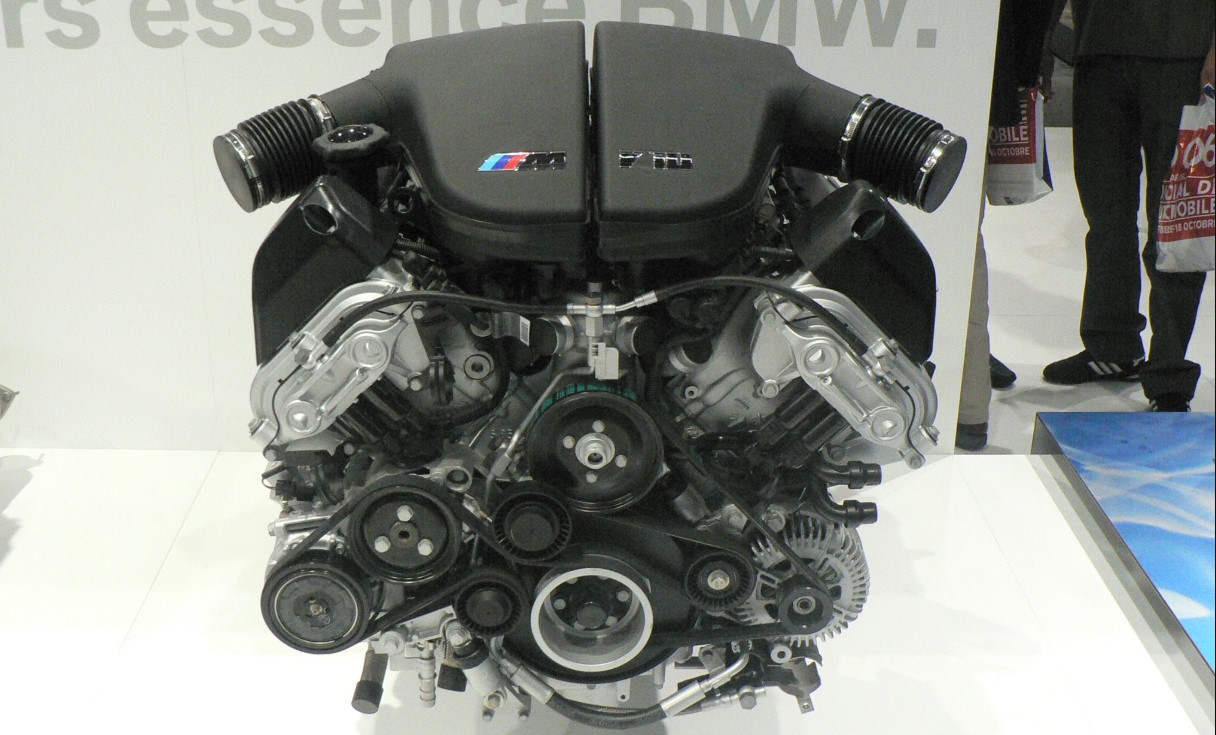
BMW’s S85 V10 powered the 2005-2010 E60 M5 and E63 M6 with 500 horsepower and an 8,250 rpm redline — figures that earned it immediate praise from the automotive press. Rod bearing failures arrived with alarming frequency once real-world ownership began. Oil consumption beyond 1 quart per 1,000 miles is the warning sign to watch for, as it typically precedes bearing failure. When bearings fail, the repair runs approximately $10,000. The S85 is technically brilliant and financially punishing in equal measure, which is exactly the ownership experience many buyers did not anticipate when they read the original magazine reviews.
17. Lamborghini Gallardo 5.0L V10
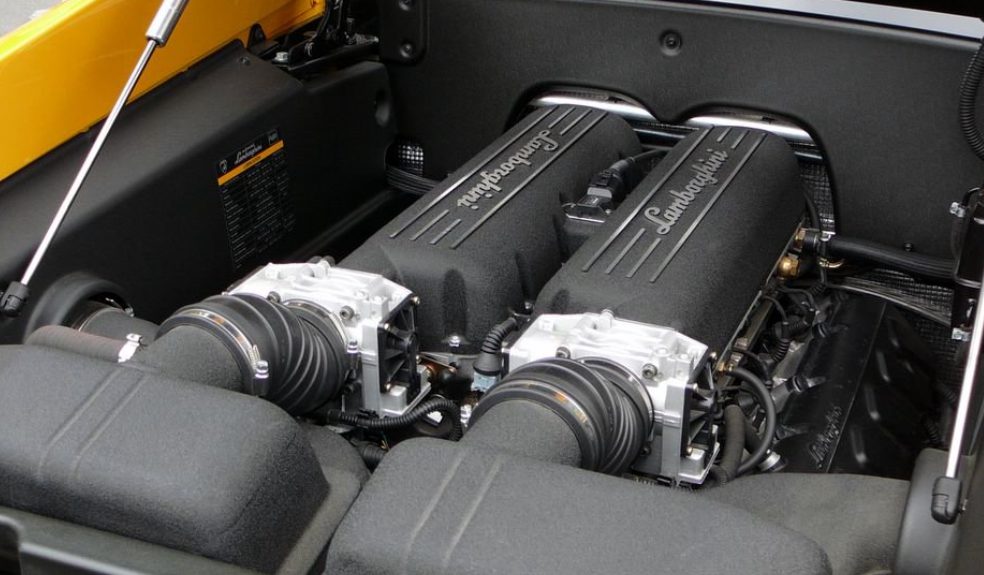
The Lamborghini Gallardo’s 5.0L V10 produces 500 horsepower and one of the most compelling exhaust notes in production car history, alongside a documented tendency toward accelerated oil consumption that requires owners to monitor levels as routine practice. Cylinder scoring — where pistons damage cylinder walls — pushes repair costs to approximately $20,000 for an engine rebuild. Blue exhaust smoke and rough idling are the symptoms to watch for. The ownership experience becomes more about technical monitoring than driving enjoyment at the point when serious internal problems develop, which represents a genuine tension between what this engine promises and what it sometimes delivers long-term.
16. Dodge Ram SRT10 8.3L V10
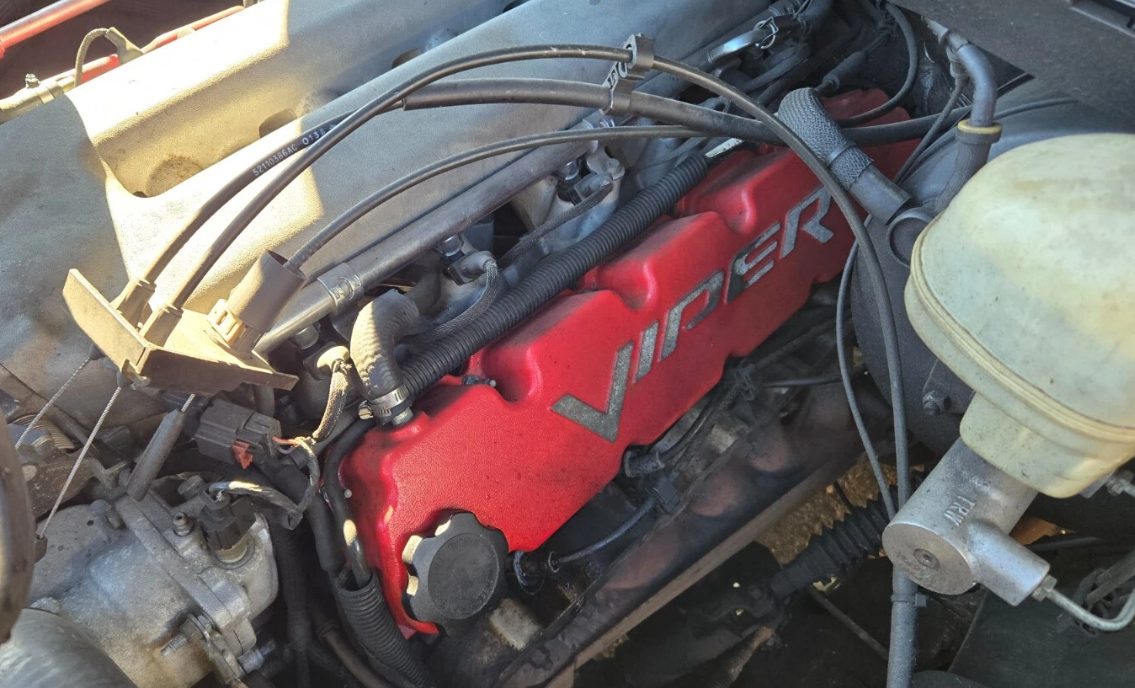
Installing the Viper’s 8.3L V10 in a pickup truck produced one of the stranger product decisions in the segment — a vehicle the source identifies among the worst pickup trucks ever made. The Ram SRT10 reaches 60 mph in under 5 seconds, which is genuinely impressive. Fuel consumption lands in single-digit MPG territory under normal driving conditions, towing and hauling capacity fall well below what a truck buyer reasonably expects, and insurance costs reflect the performance specification rather than the utility vehicle classification. The engine performs its intended function well; the problem is that the intended function does not match what most pickup truck buyers actually need.
15. Ford 6.8L V10 (2001)
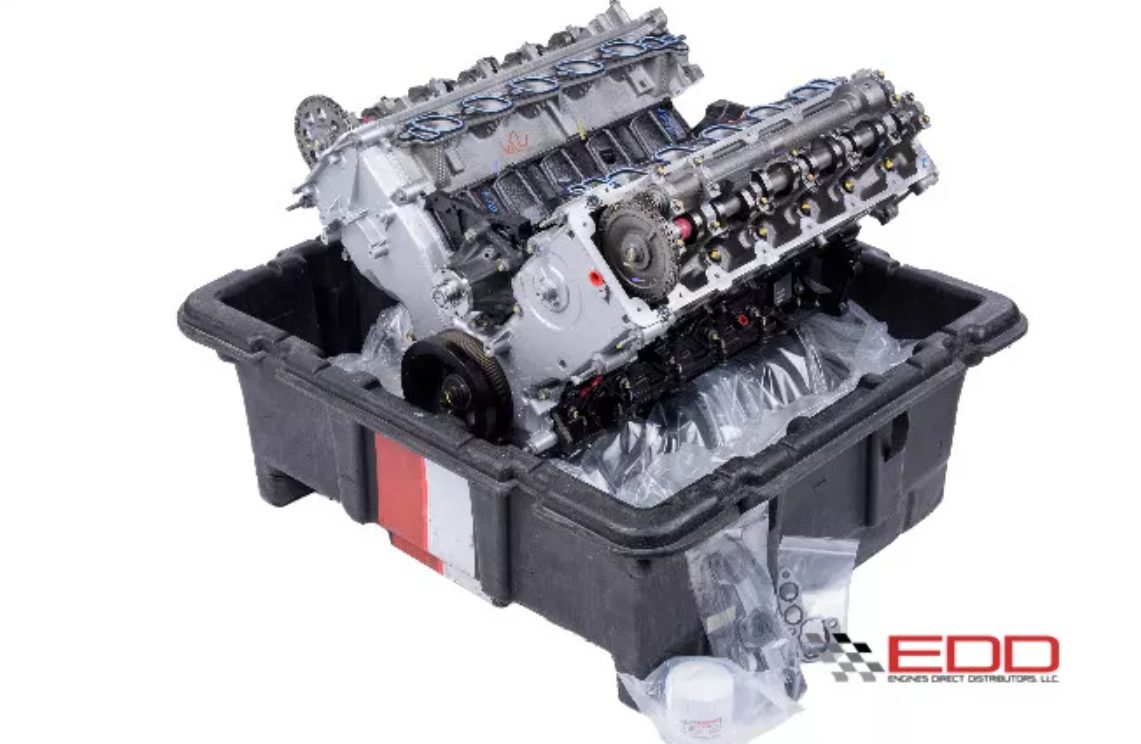
The 2001 Ford 6.8L V10 established an immediate reputation for fuel consumption that rarely exceeded 12 mpg on the highway — a number that significantly impacted total ownership cost calculations from the first fill-up. Transmission behavior added to the problem: inconsistent shifting was particularly noticeable during hill climbing or load carrying, with hesitation and abrupt gear changes that degraded drivability in exactly the conditions where a truck engine of this size should perform best. Regular maintenance addressed symptoms without resolving the underlying engineering limitations, which defined this engine’s position as one of Ford’s less successful powertrain offerings of the period.
14. Volkswagen Touareg 5.0L V10 TDI
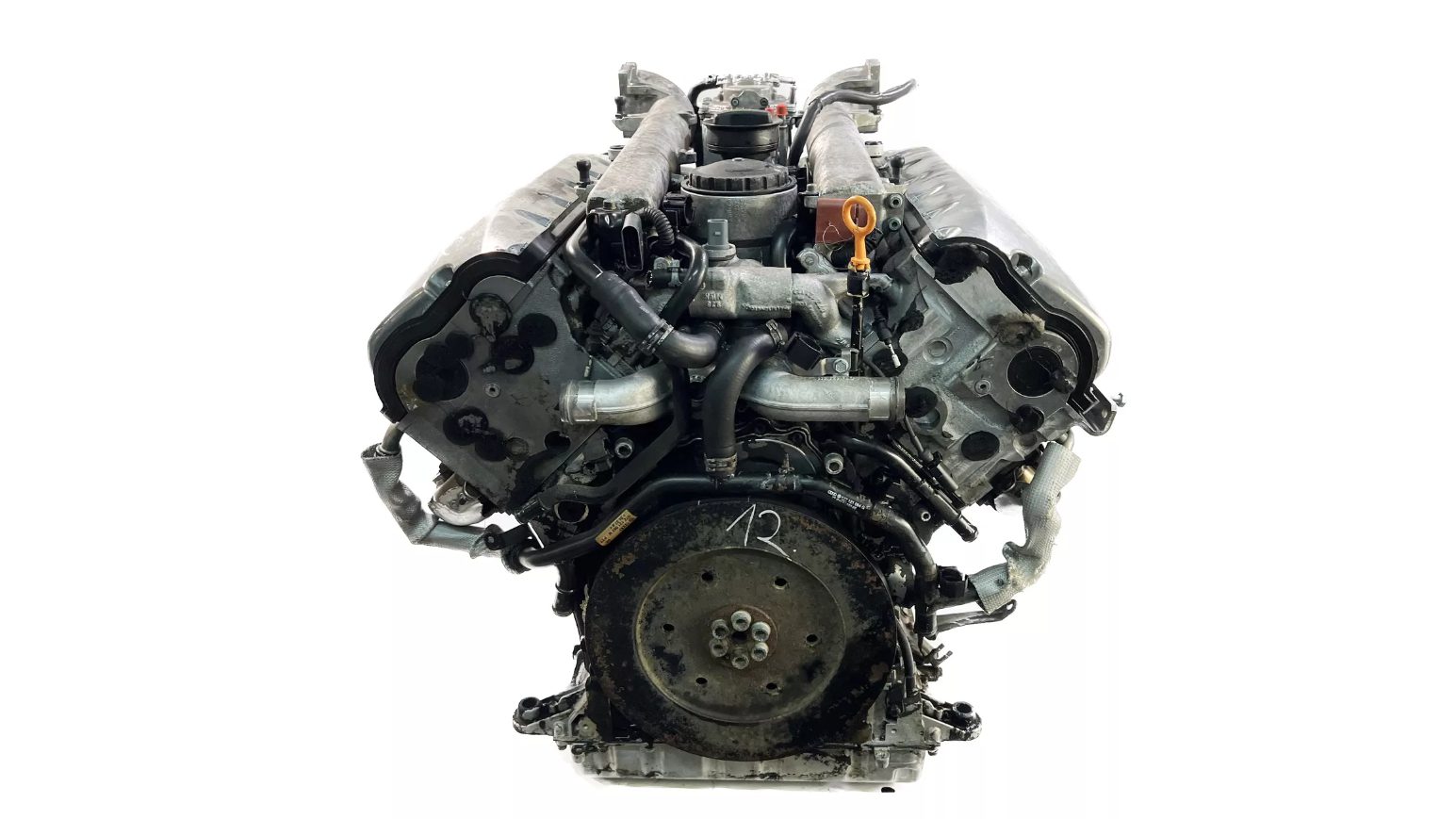
Volkswagen marketed the Touareg V10 TDI on the strength of its 553-627 lb-ft of torque and impressive towing capacity, then delivered a fuel system so complex that it challenged factory-trained technicians. High-pressure pumps and injectors required replacement with notable frequency, and repair bills approaching $5,000 became a common ownership experience alongside extended parts wait times. Dashboard warning lights in this vehicle typically indicate the beginning of cascading failures rather than isolated issues, which means responding to the first warning rarely resolves the situation completely. The Touareg V10 TDI represents ambitious engineering applied to a package that proved difficult to own reliably at any price.
13. Porsche Carrera GT 5.7L V10
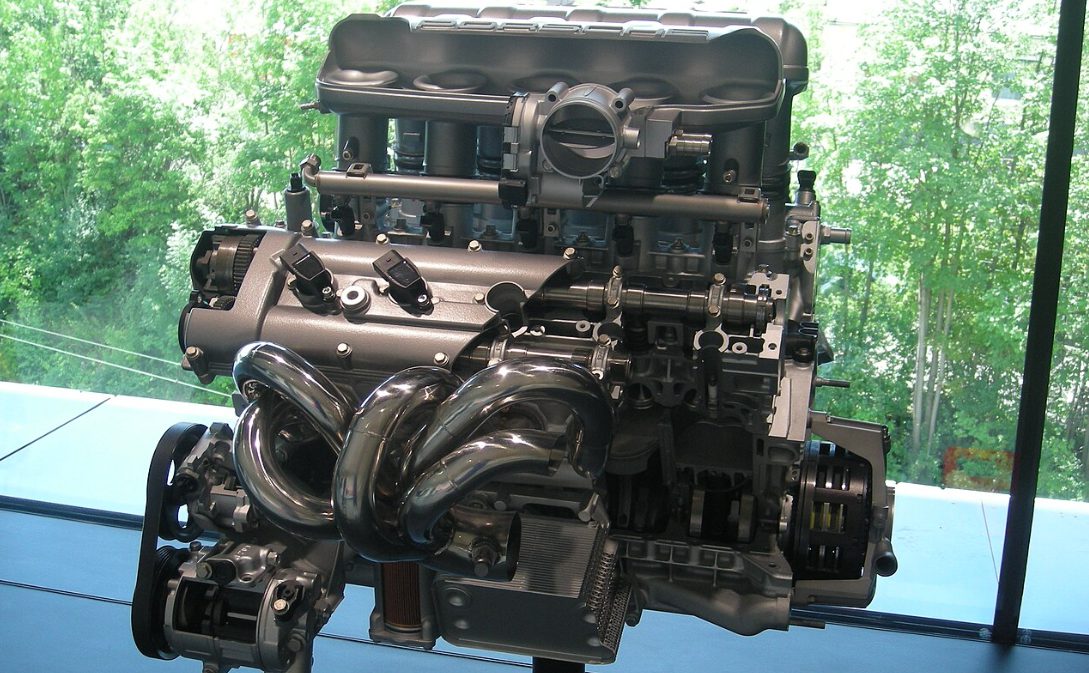
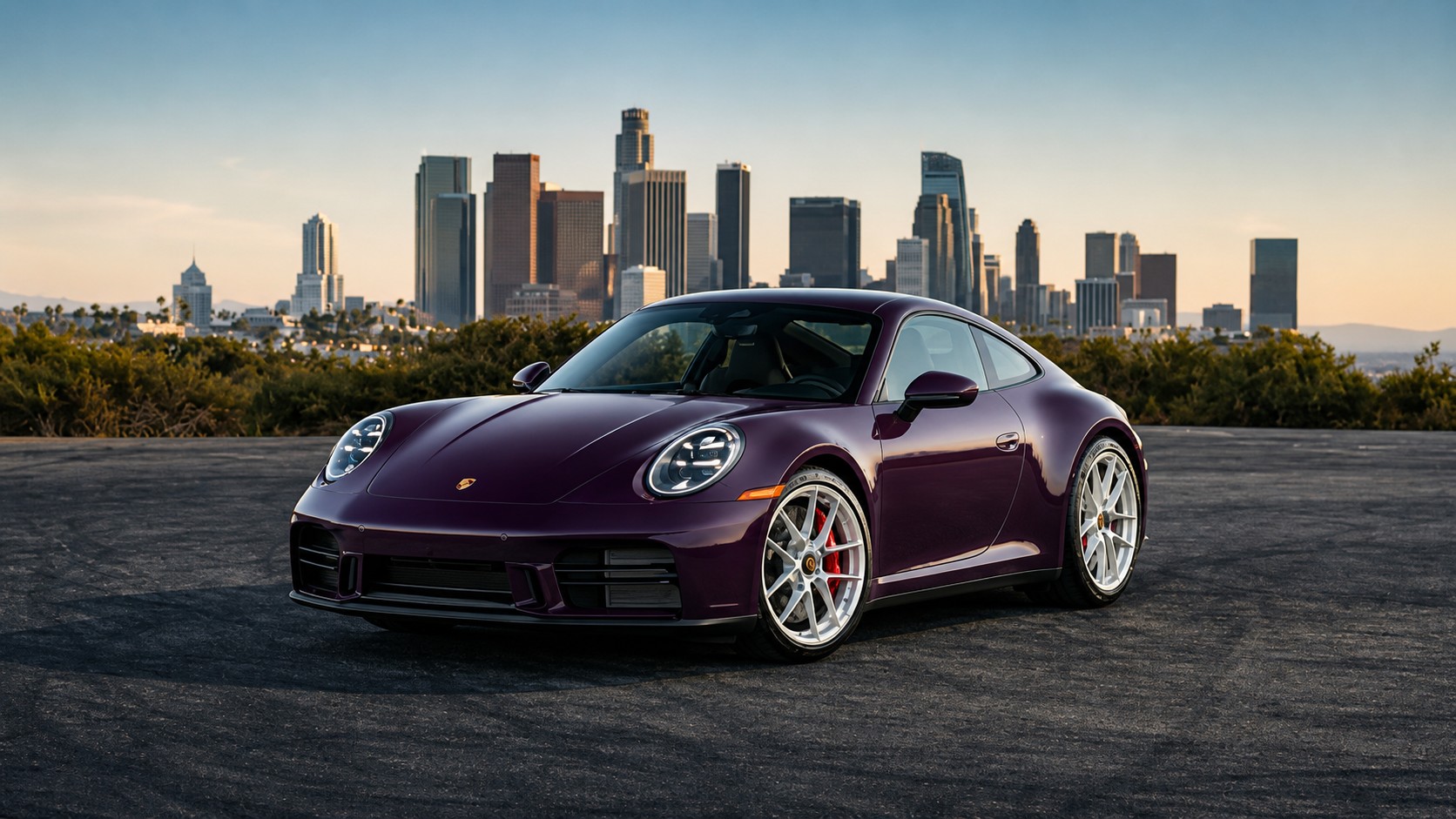
The Porsche Carrera GT’s 5.7L V10 produces 612 horsepower with an 8,400 rpm redline and is widely considered one of the greatest naturally aspirated engines ever built. It appears on this list because of what ownership actually costs. Maintenance schedules require strict adherence — deferred service on this engine leads to significant mechanical failures. The ceramic clutch replacement alone exceeds $20,000, and all major service work requires Porsche-certified technicians. The engine itself is not poorly engineered; the cost of properly maintaining it is simply higher than many buyers anticipate when the initial purchase price is already substantial. Ownership is a commitment to ongoing expense proportional to the performance.
12. Ford 6.8L V10 – Fuel/Exhaust (Later)
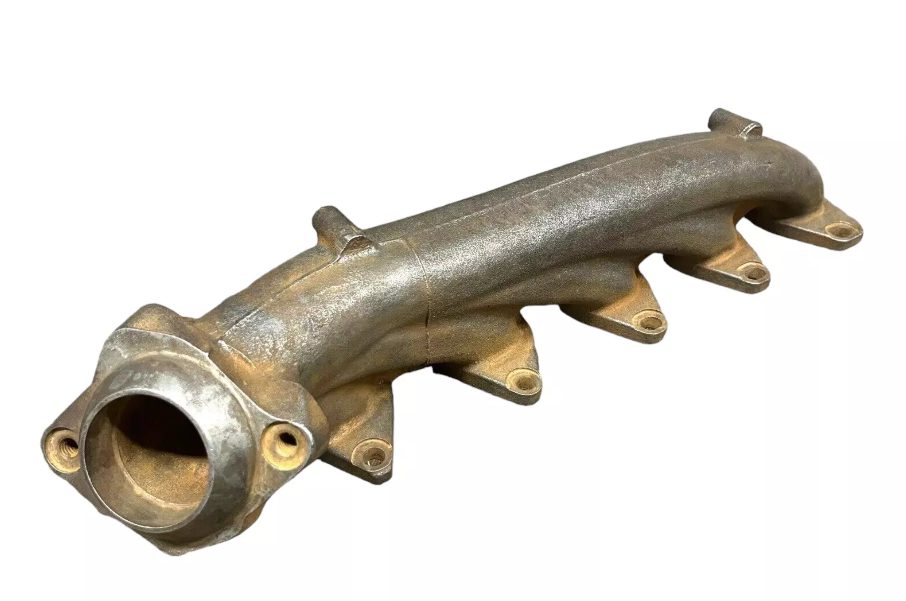
Later Ford 6.8L V10 models did not meaningfully resolve the issues documented in earlier versions. Fuel economy settled into a range of 8-10 mpg that made operational costs a significant ongoing consideration. Exhaust manifold cracks developed with notable frequency, allowing leaks that reduced performance and introduced exhaust gases into unintended areas. Ignition coil failures contributed to misfires and inconsistent performance, leading fleet operators to replace these engines with more efficient alternatives rather than continue managing the maintenance cycle. Regular inspection could identify developing problems but could not address the design shortcomings that produced them in the first place.
11. Ford Triton V10

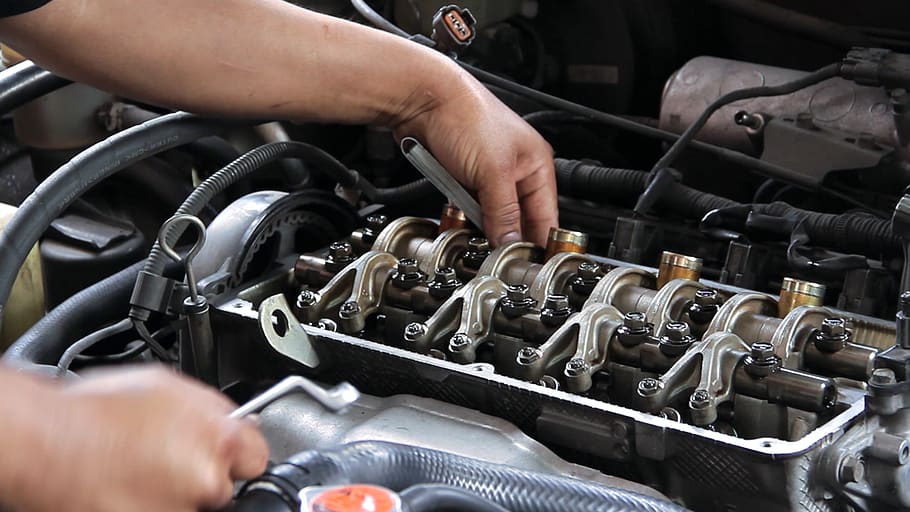
The Ford Triton V10’s most documented failure mode is literal: spark plugs ejecting from the cylinder head with enough force to produce an audible pop followed by hissing. Ford designed the cylinder head with only four threads to secure spark plugs — insufficient for the pressures generated during operation — and the result was a failure mode specific enough that the aftermarket developed extraction tools and repair kits specifically to address it. Fuel economy ranges between 8-12 mpg, exhaust manifolds crack with enough regularity to generate consistent owner complaints, and ongoing maintenance costs exceed what initial purchase calculations typically account for. Ford attempted fixes, but the underlying design limitation remained.
10. Volkswagen Phaeton V10 TDI
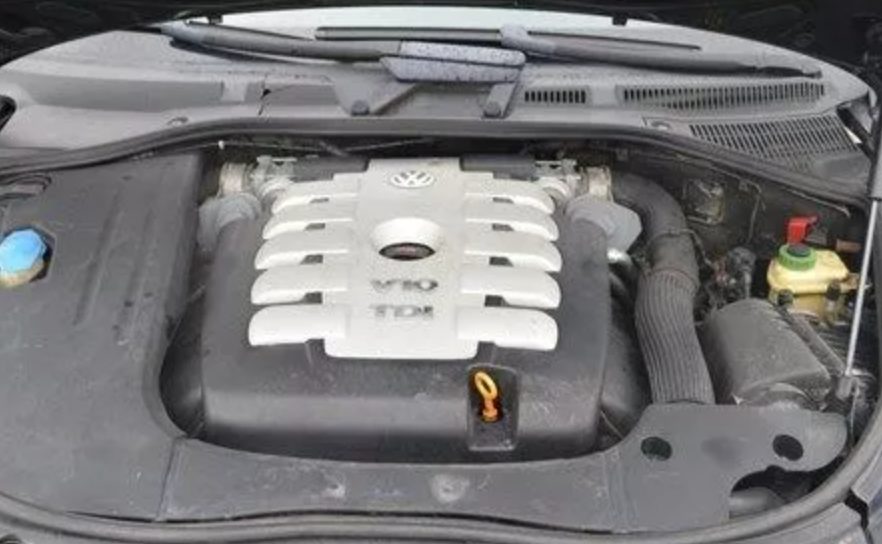
The Volkswagen Phaeton V10 TDI’s complex diesel powerplant presents significant diagnostic and repair challenges even for factory-trained technicians — a serious problem in a luxury vehicle where owners expect straightforward service. Fuel system failures commonly appear around 50,000 miles, at which point parts carry extended wait times and premium pricing. Emission control systems require specialized knowledge that most independent shops cannot provide. Many Phaeton V10 TDI owners eventually transitioned to more conventionally engineered luxury vehicles after experiencing the practical reality of maintaining an engine this complex in a vehicle whose resale value could not justify the service costs.
9. Lamborghini Huracan V10 (Early)
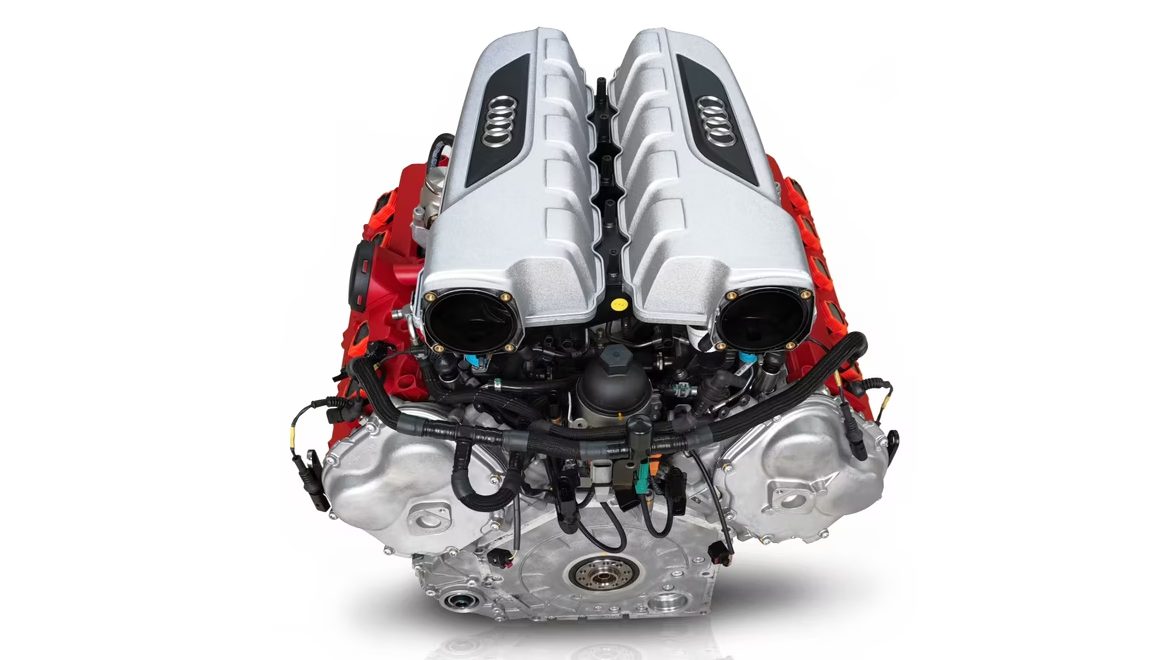
Early Huracan models revealed development shortcomings that the production timeline had not resolved. The dual-clutch transmission exhibited inconsistent shifting behavior in a vehicle category where refinement justifies the premium pricing, and temperature management proved problematic during performance driving — precisely the conditions where the Huracan should perform at its best. Later models received substantial improvements through cooling system modifications and transmission programming updates that addressed these specific issues. Buyers considering a used Huracan should prioritize 2018 or newer examples to benefit from those engineering revisions, as the early production cars represent a meaningfully different ownership experience from the revised versions.
8. Dodge Viper 8.0L V10

The Dodge Viper’s 8.0L V10 grows from 400 horsepower in first-generation form to 645 hp in later versions, delivered with minimal electronic filtering between the engine and the driver. Fuel consumption makes achieving 15 mpg a challenge even under conservative driving conditions, and the engine demands premium fuel and synthetic oil throughout ownership. Long-distance travel requires strategic fuel stop planning. The power delivery is unfiltered and genuine, which is exactly what Viper buyers sought — but the monthly operating costs add substantially to the already significant purchase investment, making total cost of ownership a more important consideration than the sticker price alone suggests.
7. Ford E350 6.8L V10 (2003)
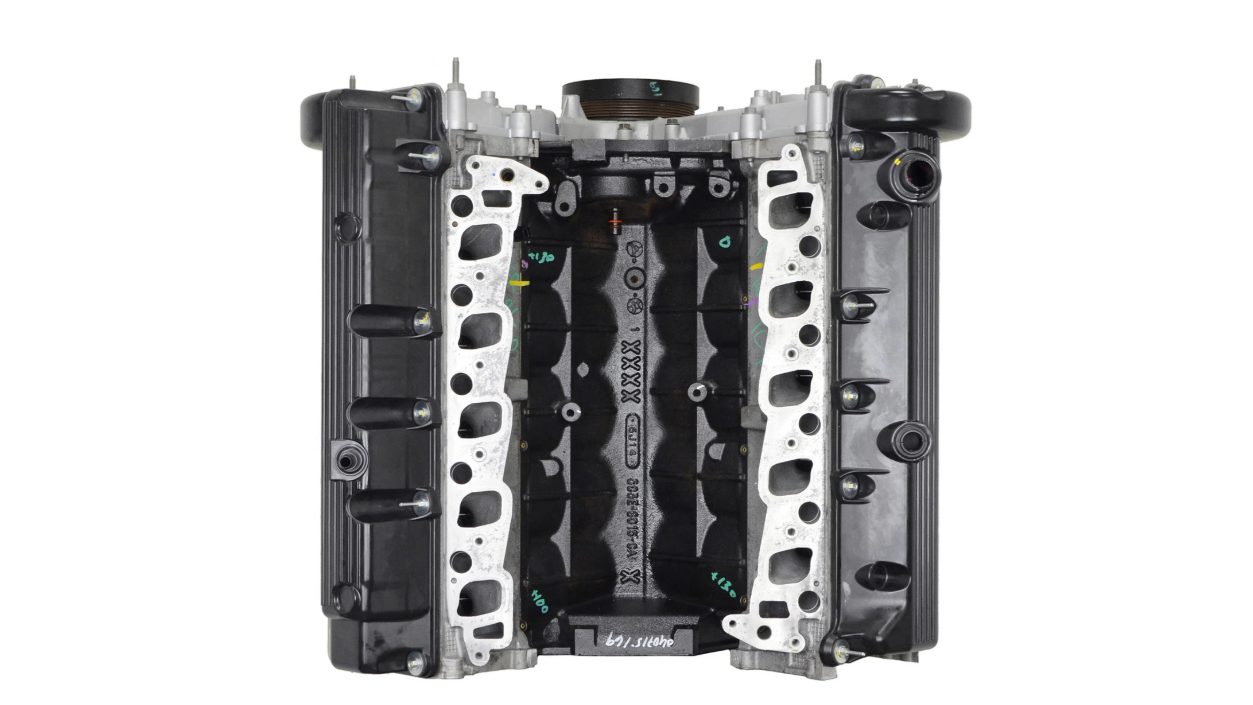
The 2003 Ford E350 V10 established a predictable failure sequence that fleet operators documented across their vehicles. PCV system failures commonly develop around 50,000 miles, initiating oil leaks that signal broader problems developing throughout the engine. Powertrain issues and misfires typically follow in predictable progression. Fleet operators discovered that the lower initial purchase price compared to diesel alternatives disappeared quickly when total ownership costs were calculated, leading to the engine’s declining adoption in commercial applications where reliability directly determines operational profitability. Regular inspection provided warning but could not overcome the design limitations that produced these recurring failures.
6. Fiat F1 V10

The Fiat F1 V10 development program produced power outputs significantly below competitive requirements, creating a performance gap that no development timeline was able to close. Combustion efficiency and structural integrity proved inadequate under racing conditions, preventing consistent performance even at reduced output levels. The program eventually faced cancellation after the gap to competitive engines became insurmountable. Formula One engine development operates at the extreme edge of what materials and engineering can achieve, and this program stands as evidence that established manufacturer resources do not automatically translate into competitive motorsport performance.
5. Lexus LFA 4.8L V10

The Lexus LFA’s 4.8L V10 revs beyond 9,000 rpm with a sound signature specifically developed by Yamaha’s acoustic division — titanium valves and connecting rods make this performance possible using materials typically reserved for aerospace applications. The $375,000 purchase price was the beginning of ownership costs rather than the end. Specialized maintenance requires specifically certified technicians, complex electronics and carbon fiber construction create unique service challenges, and 500-unit worldwide production makes parts availability increasingly difficult as the cars age. The LFA’s engine is genuinely exceptional; the ownership structure that surrounds it is demanding in ways that go beyond what the engineering alone would require.
4. Ford 6.8L V10 (2017)
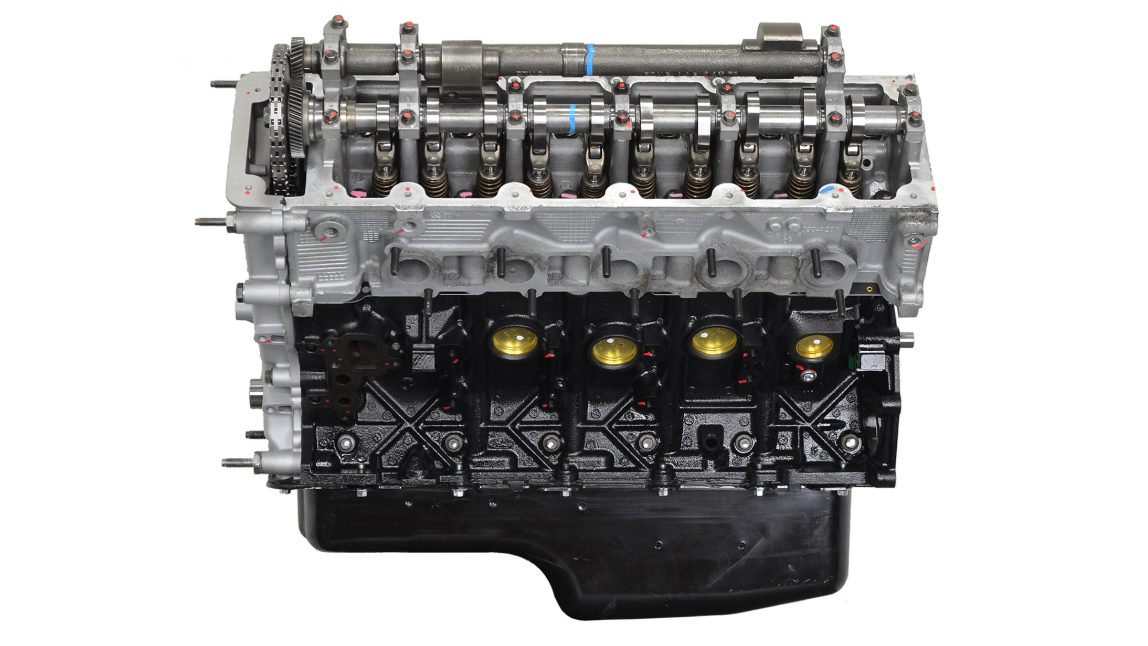
A 2017 version of the Ford 6.8L V10 represents a powertrain that continued into production without resolving the issues documented in earlier iterations. Cylinder misfires occur with notable frequency, creating perceptible vibration that often traces back to compression loss difficult to diagnose even with proper equipment. Transmission behavior under load reveals inconsistent shifting and unpredictable responses. Computer system complications compound the mechanical problems, requiring specialized diagnostic equipment for effective troubleshooting. By this point in the engine’s production life, Ford’s own EcoBoost V6 alternatives offered meaningfully more advanced engineering, making the continued existence of this design difficult to justify on technical merit.
3. Dodge Ram 2500/3500 8.0L V10

The Dodge Ram 8.0L V10 delivers single-digit MPG figures during normal operation and rarely achieves highway range beyond 250 miles — a practical constraint that creates frequent refueling requirements on any extended trip. A distinctive knocking sound develops under heavy load, indicating valve train issues that worsen progressively over time. Towing capabilities fall below what diesel alternatives deliver in the same weight class, and preventative maintenance temporarily addresses symptoms without resolving the underlying design limitations. Cummins diesel alternatives available in the same trucks demonstrated superior efficiency, longevity, and capability across virtually every operational parameter, making the V10 gasoline option difficult to justify for buyers who evaluated the full picture.
2. Ford Excursion 6.8L V10
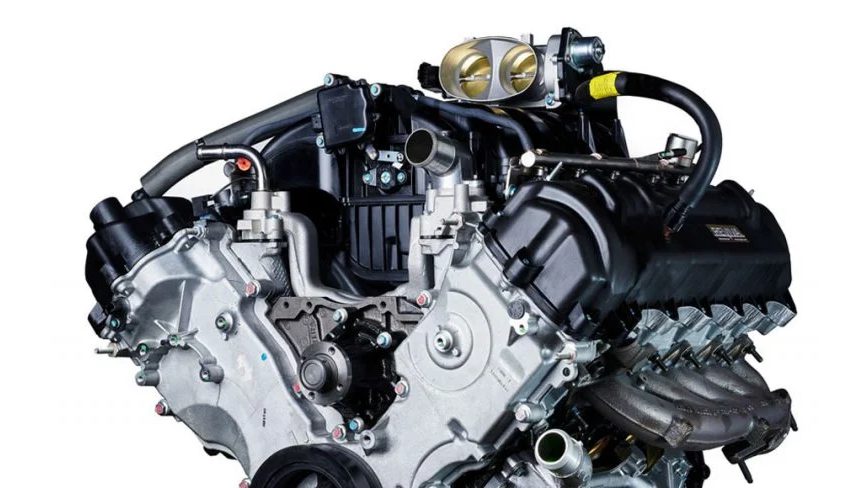
The Ford Excursion 6.8L V10’s combination of substantial vehicle weight and the engine’s known fuel consumption produced consistently poor fuel economy across the full production run. Full-tank driving range typically stayed below 300 miles, creating practical limitations for long-distance travel in a vehicle marketed on its versatility. Fuel expenses could exceed $4,000 annually at moderate use levels, and parts availability and maintenance requirements added further to the long-term financial commitment. The vehicle’s dimensions created real-world usability challenges beyond the fuel costs. The Excursion with the 6.8L V10 is a vehicle with specific operational applications that are genuinely useful — it simply comes with compromises significant enough to affect most buyers’ daily reality.
1. Ford 6.8L V10 (2011-2013)
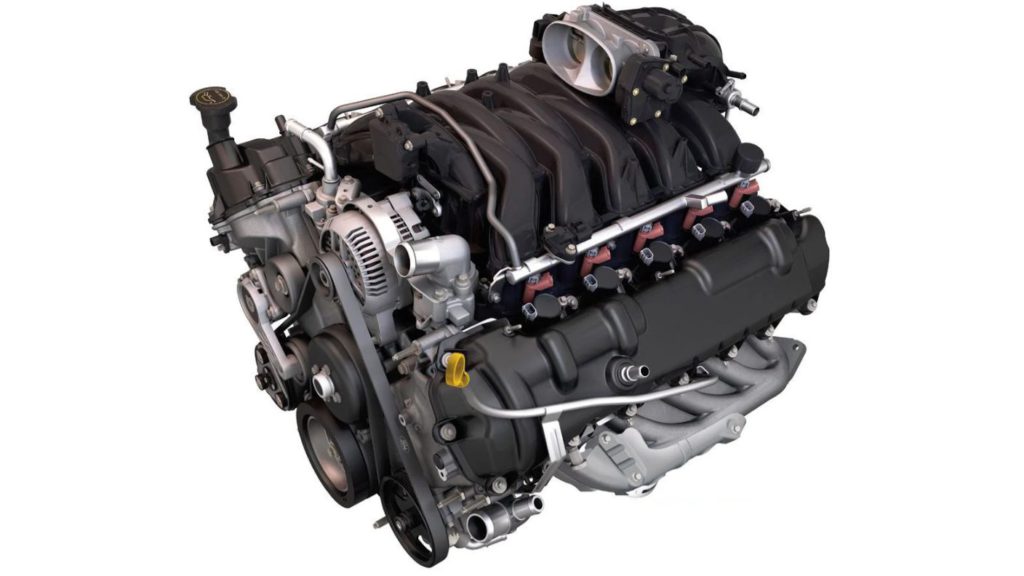
The 2011-2013 Ford 6.8L V10 production years are distinguished by manufacturing inconsistencies that compounded the engine’s existing design issues. Faulty spark plugs created frequent misfires, and unexpected engine stalling occurred with enough regularity that it affected critical driving situations rather than just being an inconvenience at low speed. Manufacturing inconsistencies affected components throughout the engine system, pushing maintenance costs beyond what owners using earlier versions had already learned to expect. The consistent problems across three consecutive production years raised legitimate questions about quality control discipline during this period, and commercial operators who had stayed with the platform through earlier difficulties used these years as the point of transition to alternative powertrains. The Ford 6.8L V10’s 2011-2013 production run earns the top position on this list for combining known design flaws with manufacturing execution failures that made an existing problem significantly worse.