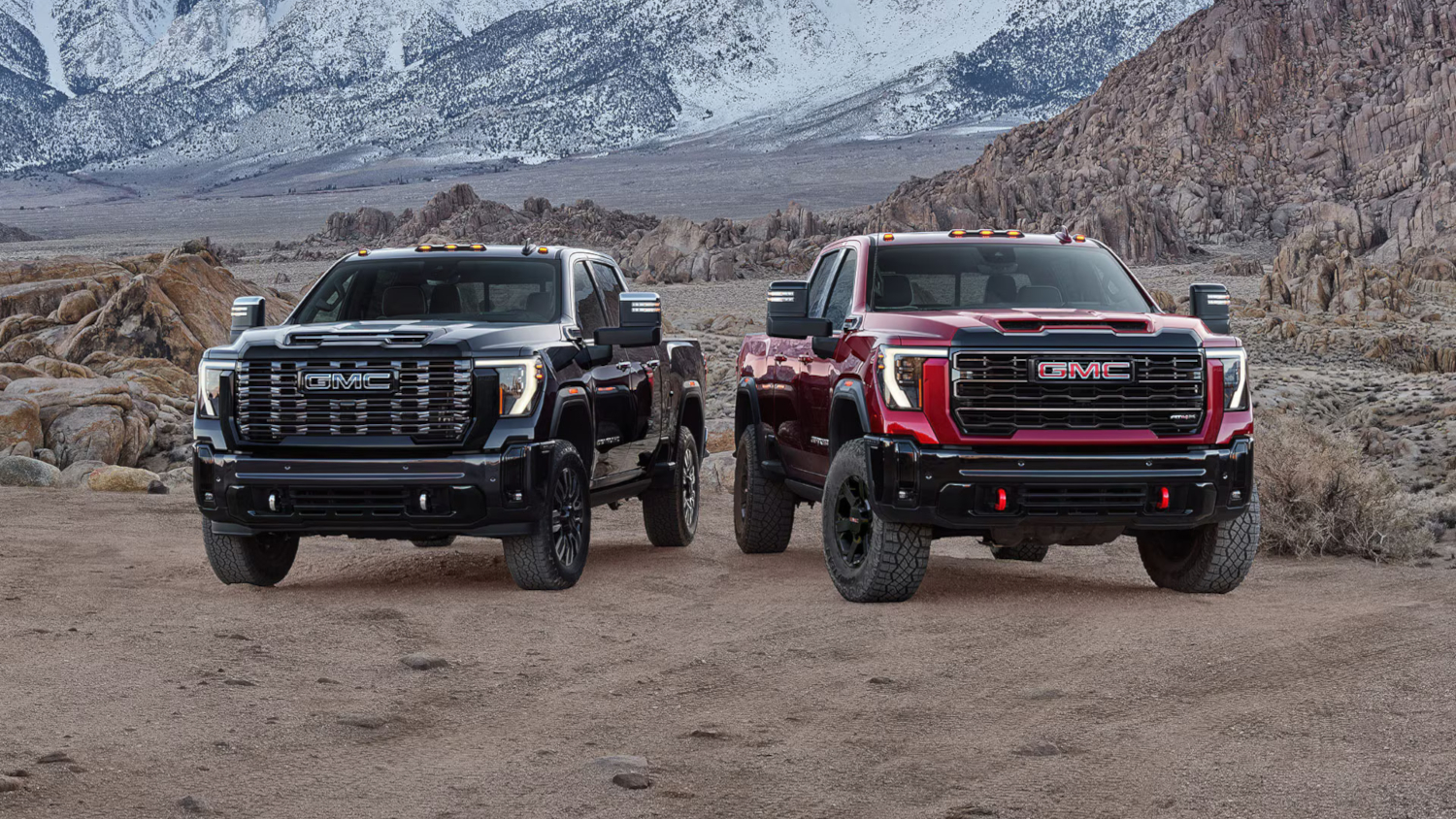


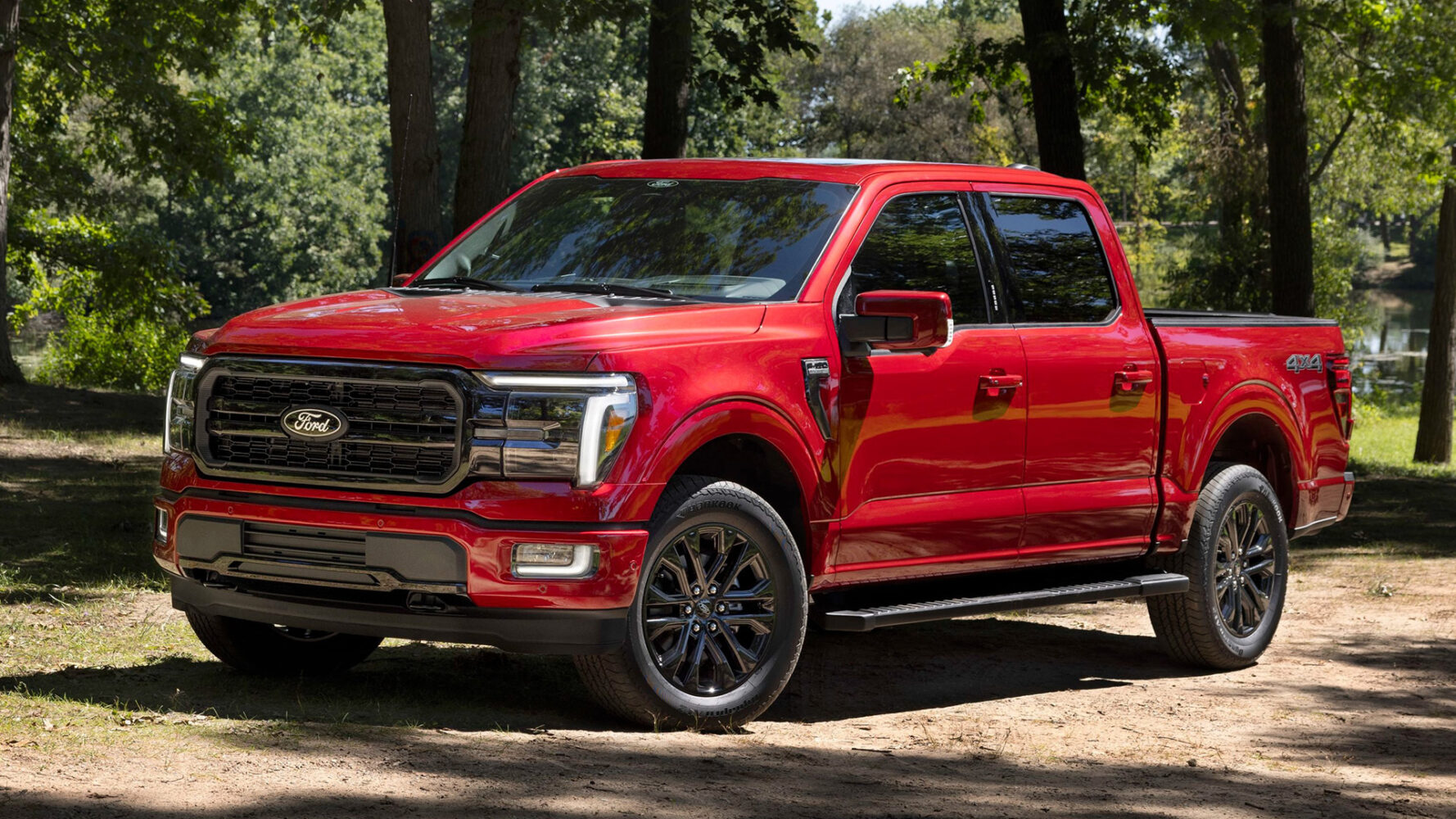
Your next F-150 or Silverado purchase just became $2,795 more expensive before you even start negotiating. Ford and GM have quietly cranked destination charges to nearly three grand on full-size trucks and SUVs, turning mandatory shipping fees into a billion-dollar revenue machine that buyers can’t escape.
This isn’t about rising fuel costs or supply chain hiccups. It’s corporate price manipulation wrapped in logistics speak, hitting the most popular trucks in America with fees that would make a car payment lender blush.
The Math Behind the Money Grab
Ford and GM turned shipping fees into profit centers with surgical precision.
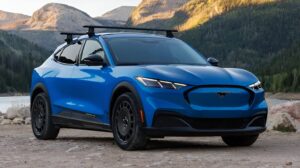
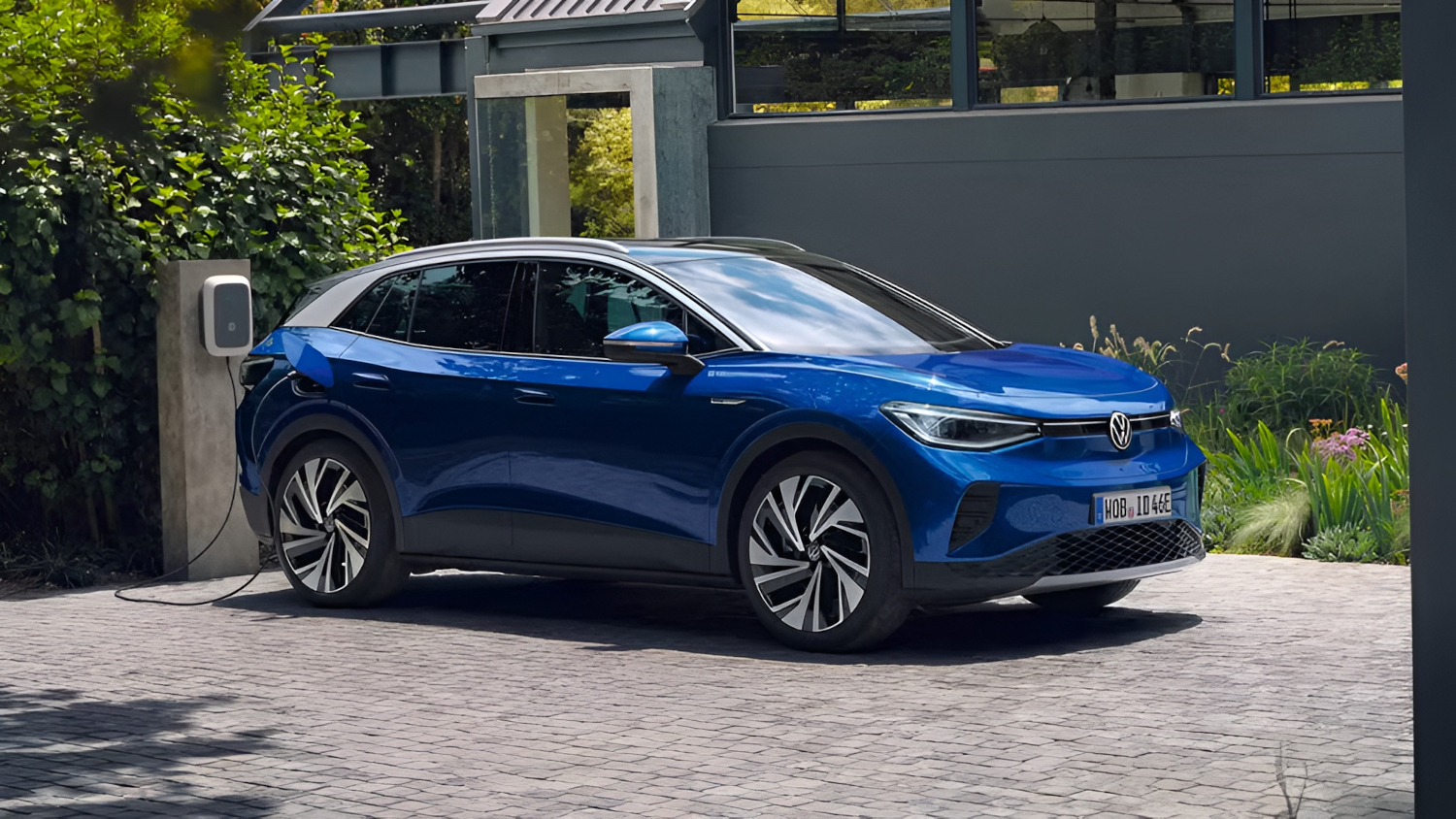
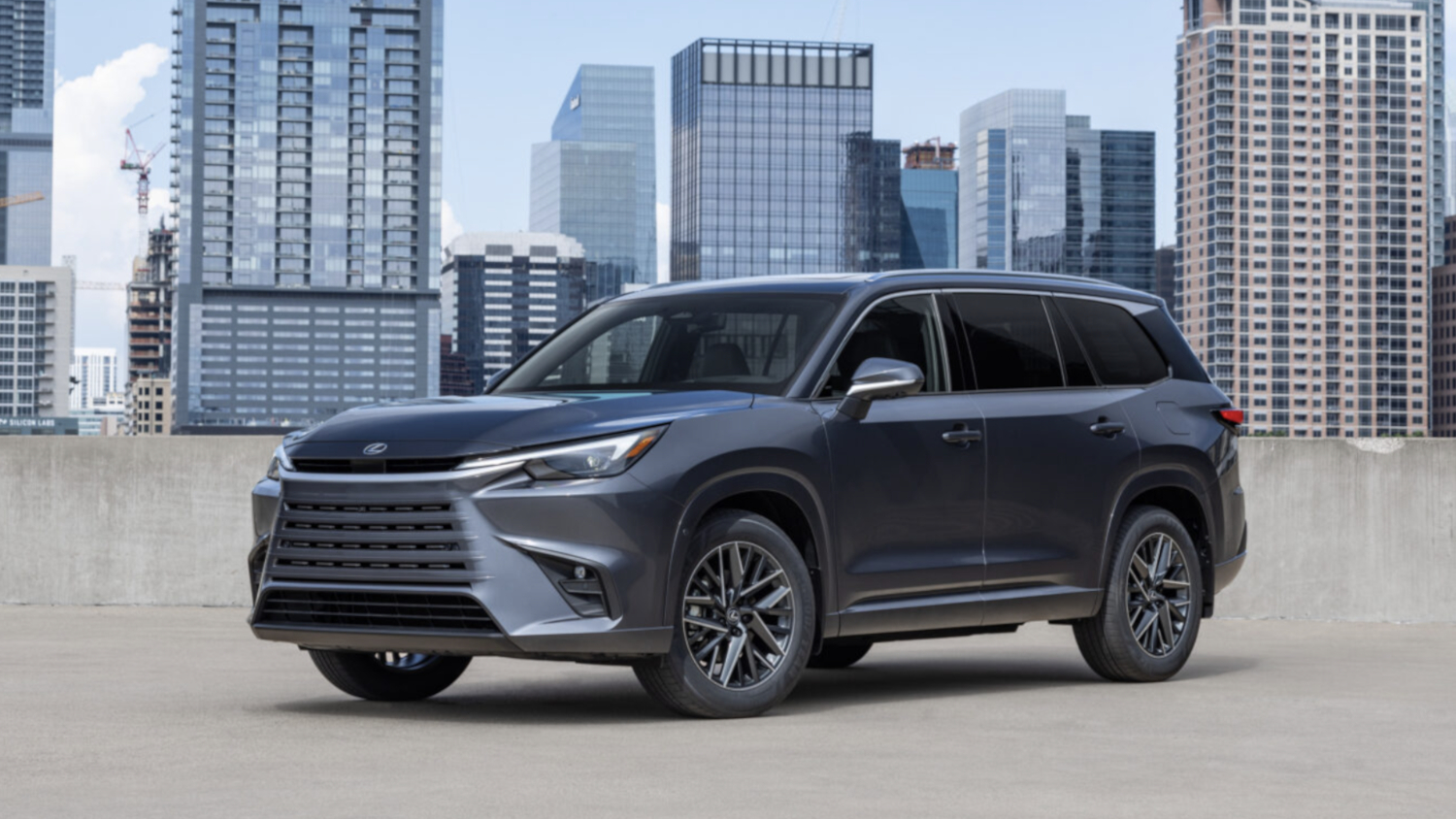
Ford bumped destination charges $200 this year to $2,795 for F-150s, Expeditions, and Lincoln Navigators. GM went nuclear with an $800 hike from last year’s $1,995 to the same $2,795 ceiling. That’s three separate increases since April 2025 alone for GM—a 40% jump that would make a landlord proud.
The revenue math is staggering:
- Ford’s modest $200 increase across 828,000 full-size trucks and SUVs generates roughly $165.6 million in extra revenue
- GM’s aggressive $800 bump on 936,000 trucks delivers approximately $748.8 million
- Combined, that’s nearly a billion dollars extracted from truck buyers’ wallets
Corporate Speak Meets Reality Check
Company explanations don’t survive basic scrutiny about true shipping costs.
Ford claims these charges “reflect factory to dealer vehicle shipping costs” and are “averaged so no matter where a customer lives in America the destination and delivery is the same,” according to their spokesperson. GM offers even vaguer justification, stating they “review and adjust destination and freight charges in relation to market conditions and costs.”
Right. Because shipping a truck from Dearborn to Detroit costs the same as hauling one to Alaska. The “averaged” explanation falls apart when smaller vehicles like the Lincoln Corsair carry $1,495 fees—proof that size matters less than profit margins.
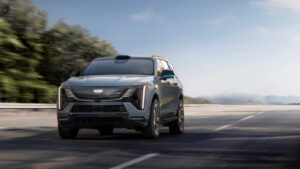
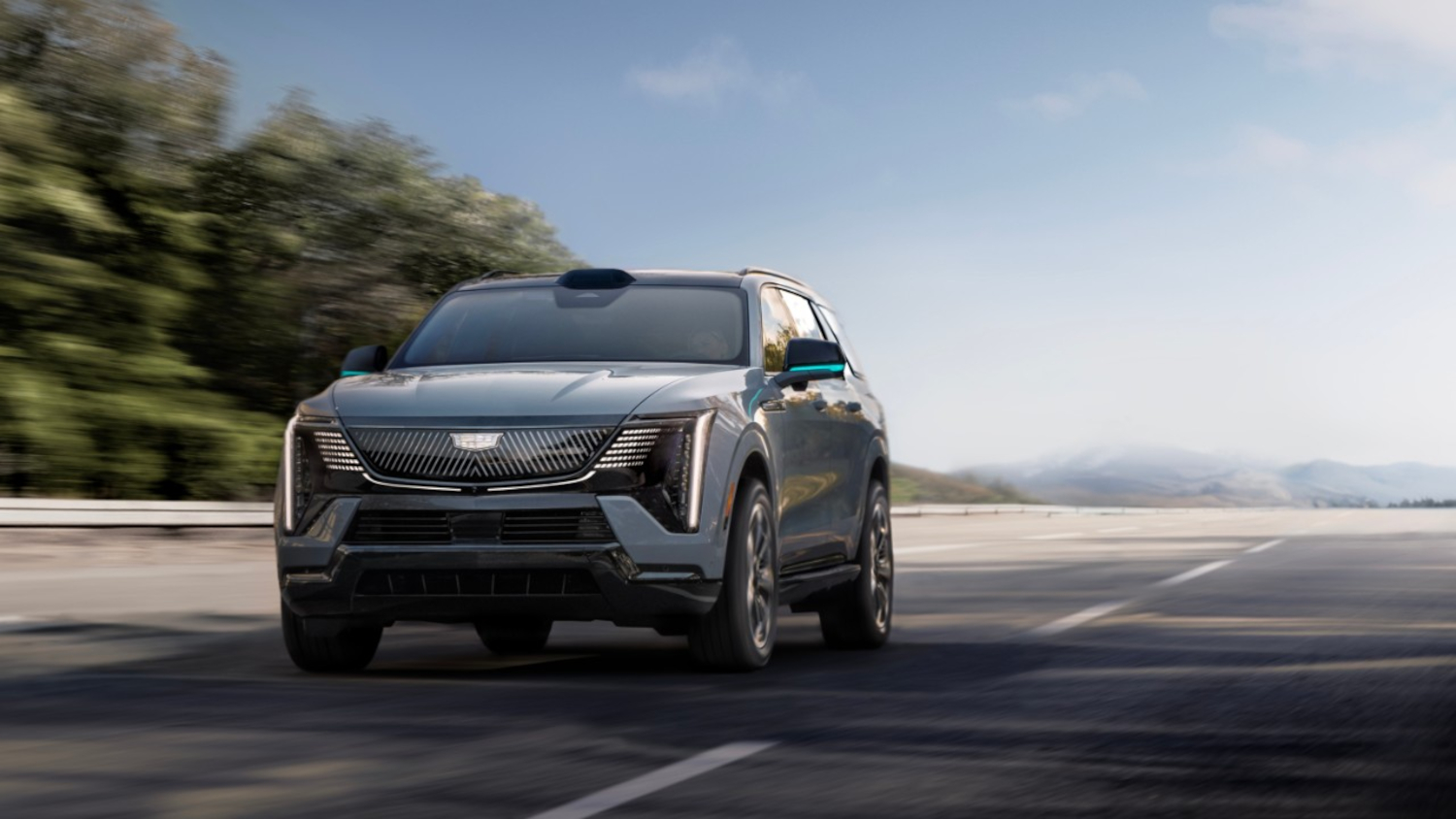
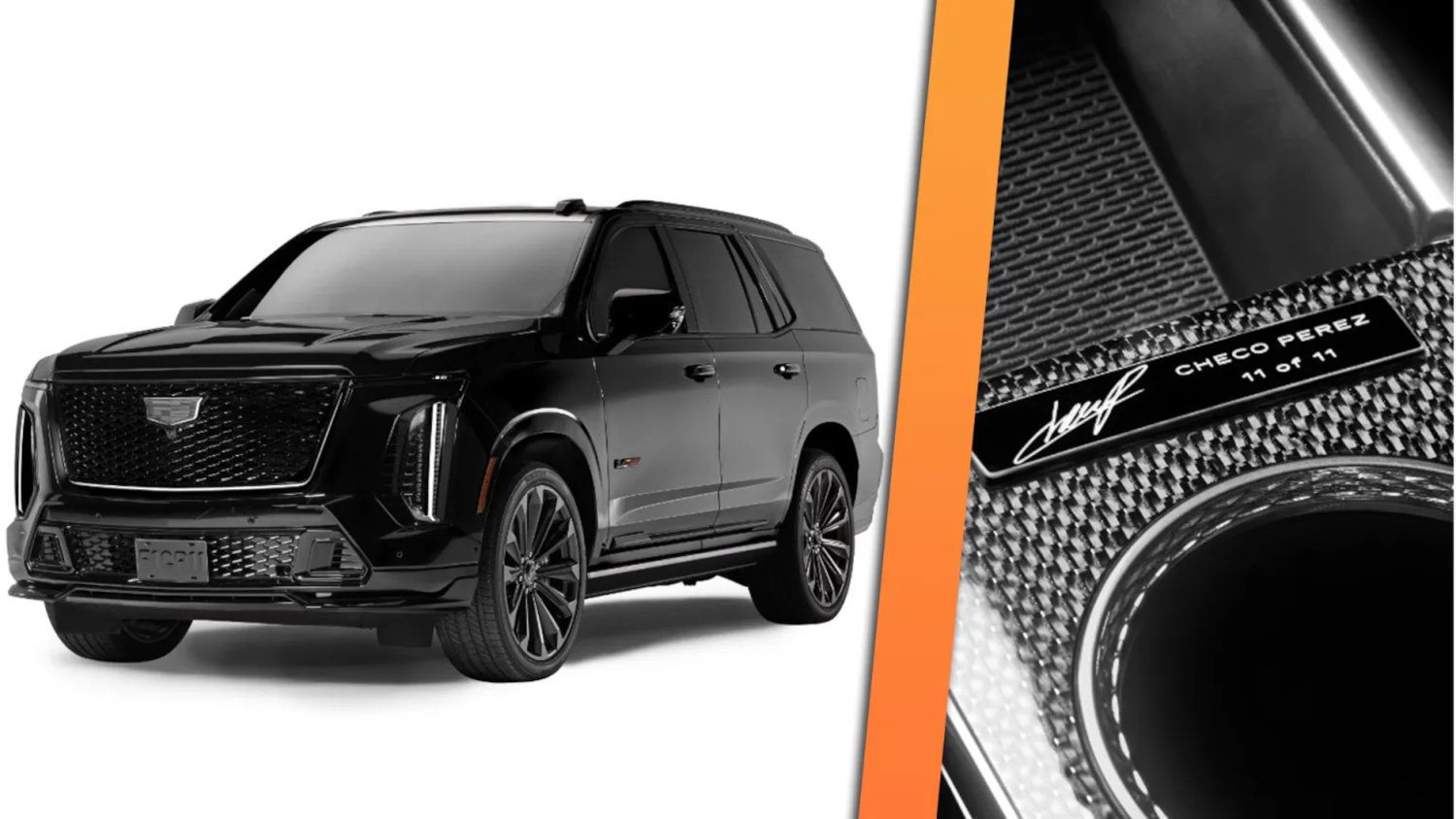
Industry analysts point to tariffs as the real driver behind destination charges climbing 48% since 2021, with the industry average hitting $1,551—up 37% from 2019. Meanwhile, Cadillac Escalade buyers face an even steeper $2,895 charge.
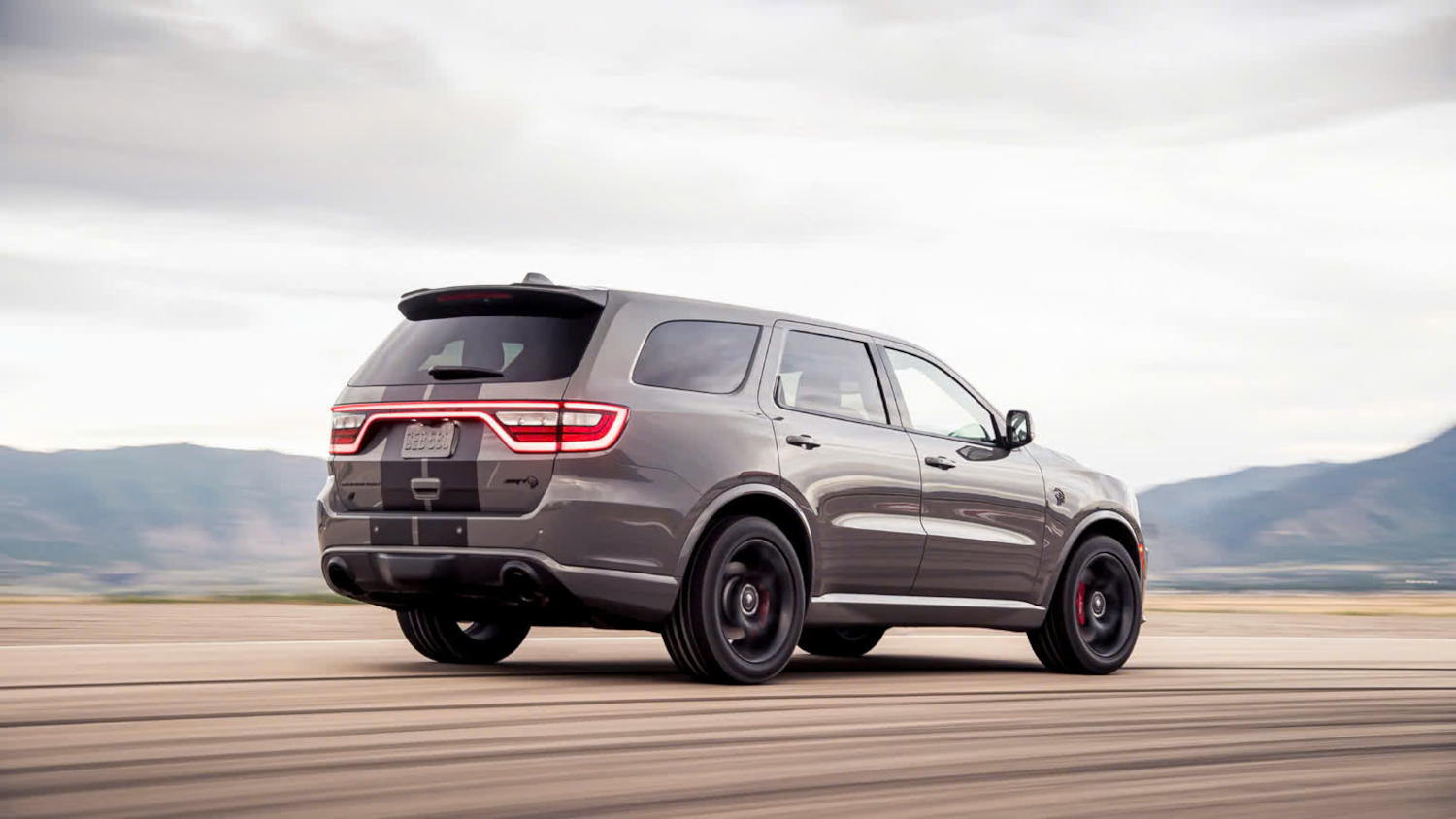
Competitors haven’t matched the ceiling yet, with Ram 1500 at $2,595 and Toyota Tundra at $2,095. But expect that gap to close faster than a dealership on Sunday. Nobody leaves money on the table in Detroit.
Smart buyers should grab 2025 model inventory while it lasts. Once this pricing becomes normalized, there’s no going back to the days when destination charges were actually about destination.