

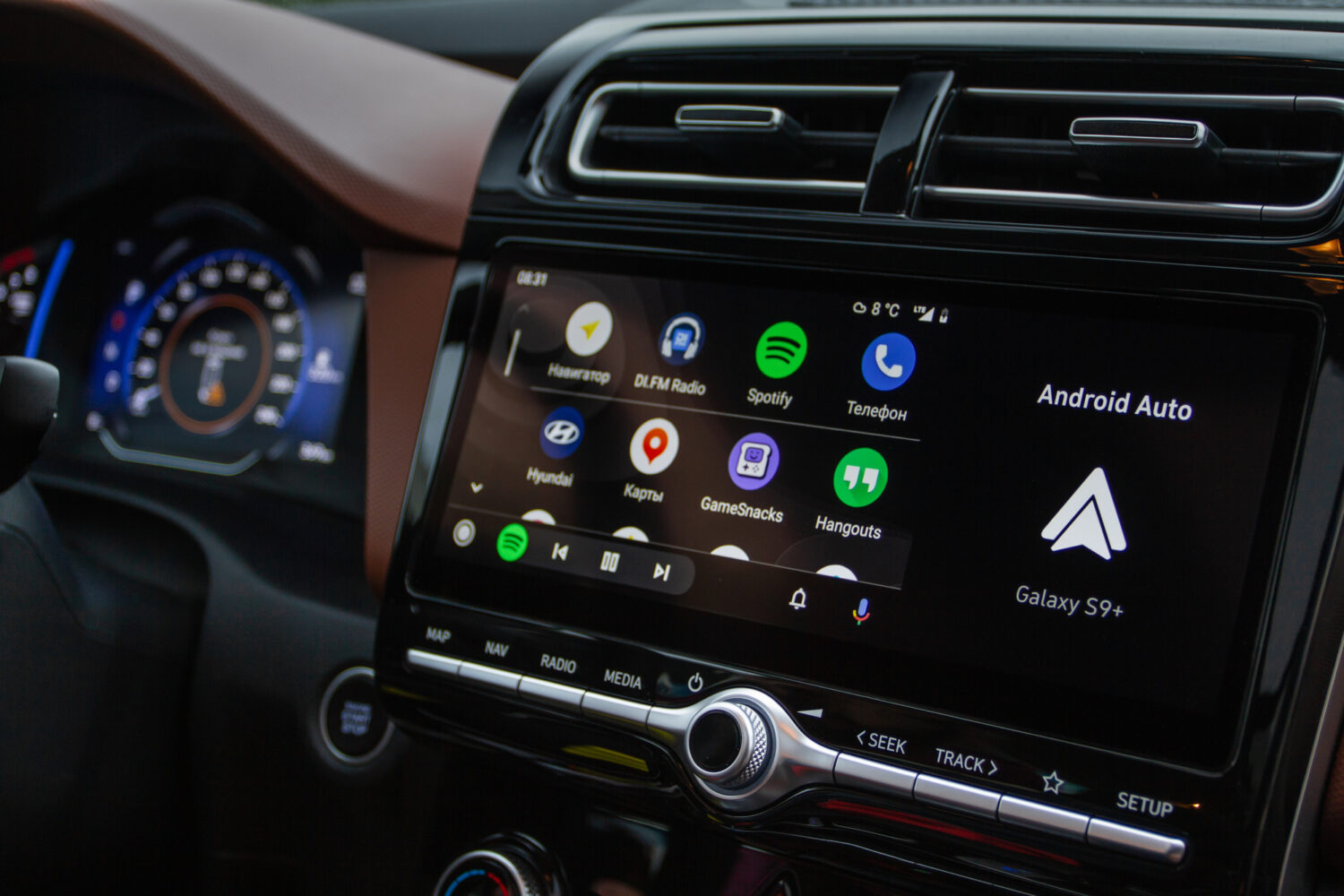
Automakers have grown tired of playing second fiddle to Silicon Valley. Car companies want control over their digital dashboards, not dependency on Apple and Google’s whims. Google’s latest gambit—expanding its open-source Android Automotive OS platform—hands that control back to manufacturers while keeping Google’s services front and center.
Beyond Phone Mirroring
Android Automotive OS runs natively in vehicles, eliminating smartphone dependency for core functions.
This isn’t your typical Android Auto setup that mirrors your phone. Android Automotive OS operates directly within the vehicle’s infotainment system, functioning whether your device is dead, missing, or left at home. Volvo and General Motors already deploy versions of this platform in select models.
The system handles navigation, entertainment, and vehicle controls through Google’s familiar interface while allowing automakers to customize the experience with their own apps and branding. Unlike traditional phone-mirroring solutions, this approach integrates seamlessly with vehicle hardware.
The Apple Disruption
Open-source strategy creates competitive pressure on Apple’s closed CarPlay ecosystem.
Apple maintains strict control over CarPlay’s look, feel, and functionality—an approach that reportedly frustrates automakers seeking differentiation. Google’s open-source model lets manufacturers modify the underlying code, integrate proprietary features, and maintain more control over customer data. This philosophical divide mirrors the broader smartphone wars, except now the battlefield is your dashboard.
Industry reports suggest manufacturers are exploring dual-platform strategies, acknowledging that consumer preference varies dramatically. Some drivers prefer Apple’s polished simplicity, while others value the customization potential that Android’s openness provides. Automakers benefit from this choice, avoiding vendor lock-in while satisfying different customer camps.
Consumer Impact
Platform competition could drive innovation while potentially fragmenting user experiences across vehicle brands.
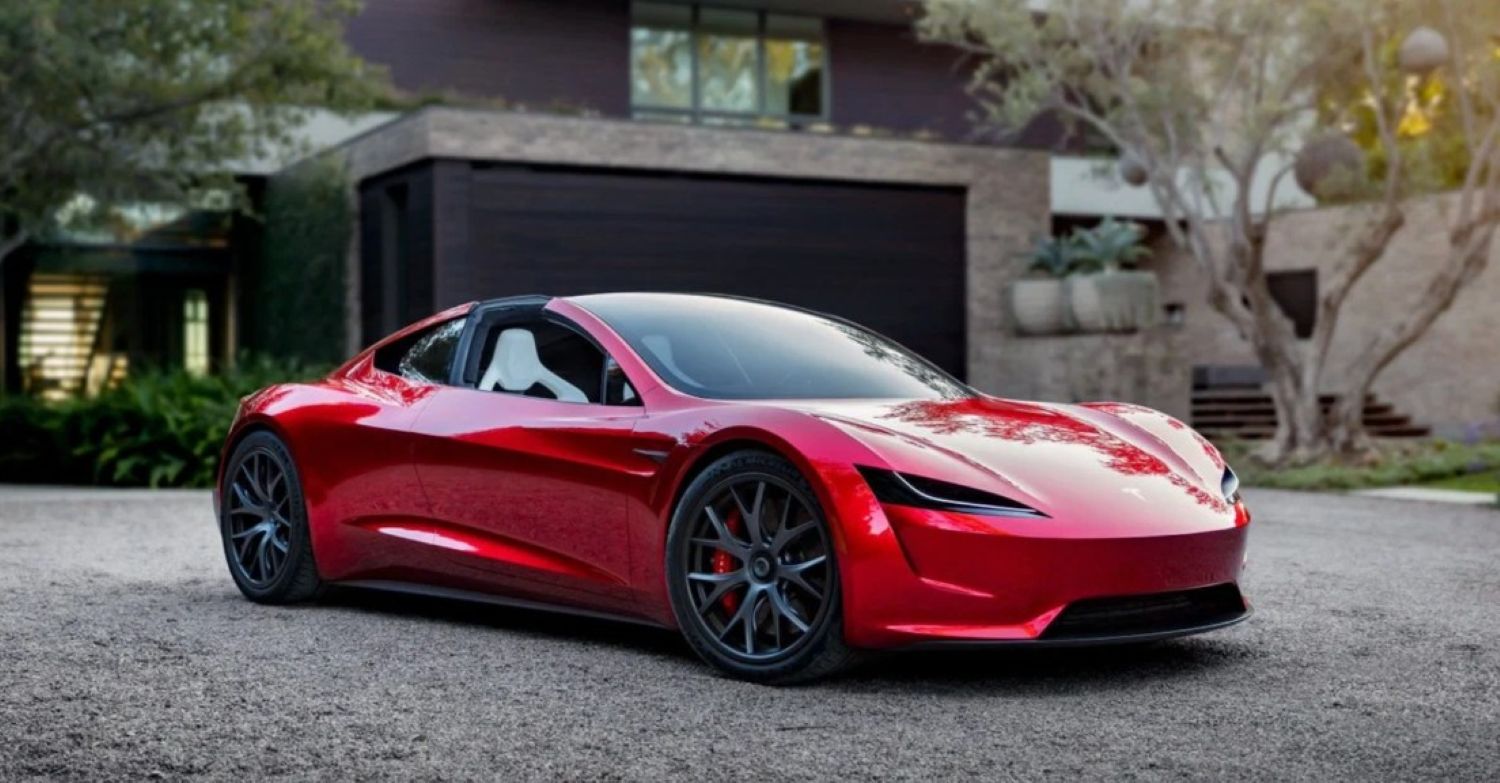
The timing proves strategic. Electric vehicles are reshaping automotive software priorities, with manufacturers like Tesla demonstrating how integrated digital experiences can become competitive advantages. Traditional manufacturers recognize they can’t afford to cede this territory to tech giants entirely.
You’ll likely see more varied infotainment experiences as automakers embrace customization freedom. Some brands might nail the integration, creating seamless digital environments. Others might stumble, producing clunky interfaces that make you miss your phone’s simplicity.
The real winner? Consumer choice. Google’s open-source push forces Apple to justify its closed approach while giving automakers alternatives to avoid platform dependence.